
Dujiangyan Blue Tears: A Visual Guide to the South Bridge's Neon Night View
If you are planning a trip to Chengdu, you likely have pandas and spicy hotpot on your list. However, a hidden gem just one hour away offers a surreal experience that is currently taking over social media: the Dujiangyan Blue Tears.
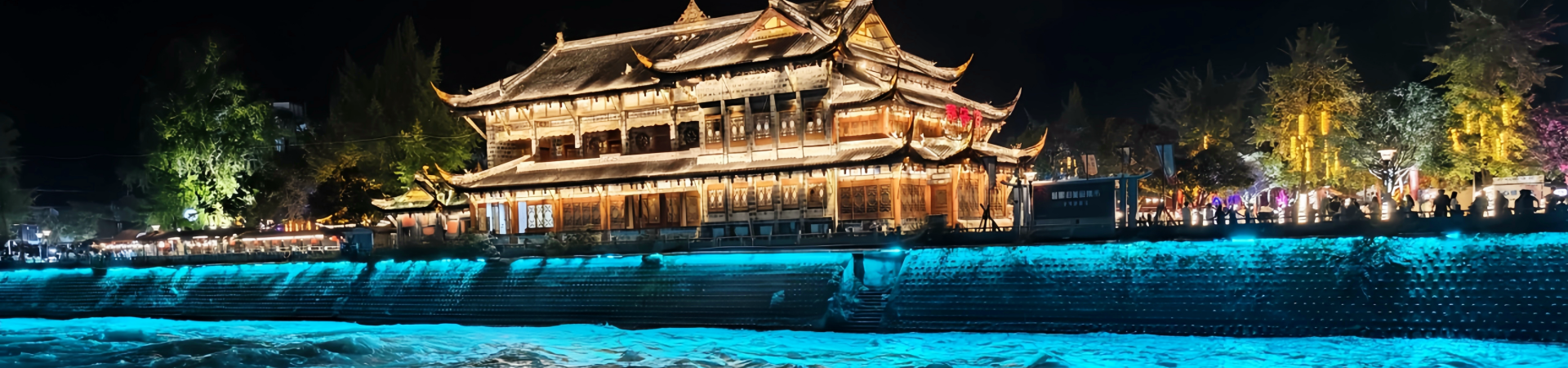
This is not a natural bioluminescent phenomenon like the "Blue Tears" found in Taiwan or the Maldives. Instead, it is a breathtaking collision of 2,000-year-old engineering and modern LED artistry. Standing on the South Bridge (Nanqiao), you will witness the ancient Min River transformed into a flowing river of electric blue light.
Here is everything you need to know about experiencing this visual spectacle, blending history, photography, and travel logistics.
What Exactly Are the "Dujiangyan Blue Tears"?
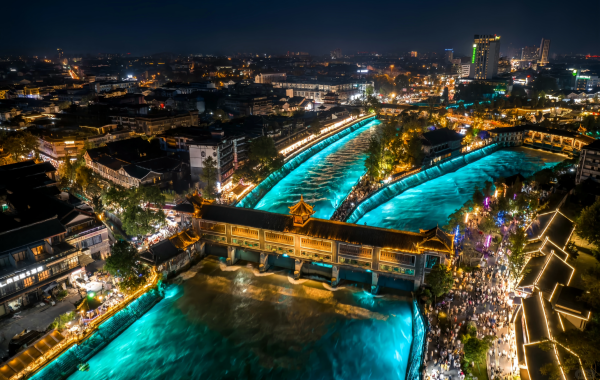
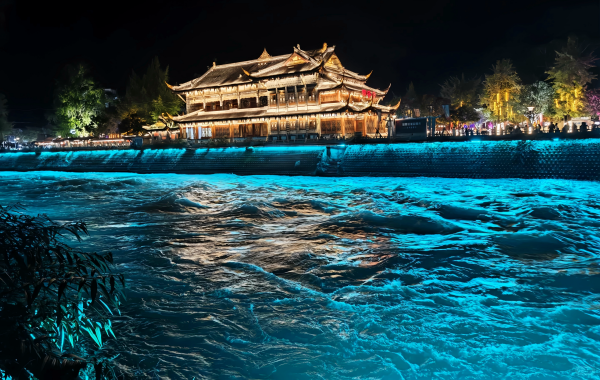
The term "Blue Tears"is a poetic nickname for the night illumination project at the Dujiangyan Irrigation System. The core of this view is the South Bridge, a traditional Chinese architectural masterpiece with upturned eaves and intricate woodwork.
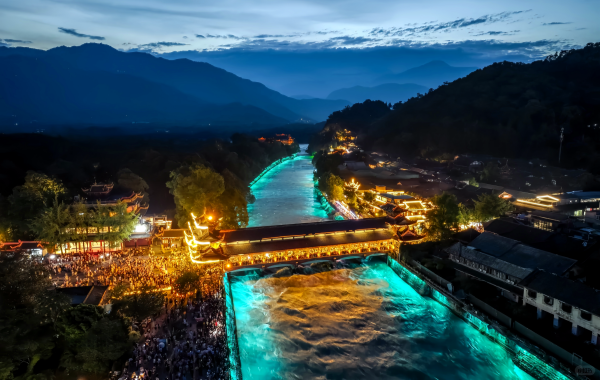
When night falls, high-power blue LED lights wash over the bridge structure and the riverbanks. Because the Min River below flows with immense force and white foam, the blue light reflects off the churning water and the wet pavement, creating an illusion that the river itself is glowing. It looks like "tears" of blue neon weeping into the ancient canal. For many international travelers, this creates a "Cyberpunk" aesthetic that contrasts sharply with the historical setting.
The Historical Context: Why This Bridge Matters
To appreciate the view, you must respect the history beneath your feet. Dujiangyan is a UNESCO World Heritage Site and the only dam-free irrigation system in the world that is still functioning. Built in 256 BC by the Qin state, it tamed the Min River to water the Chengdu Plain, turning the region into a "Land of Abundance."
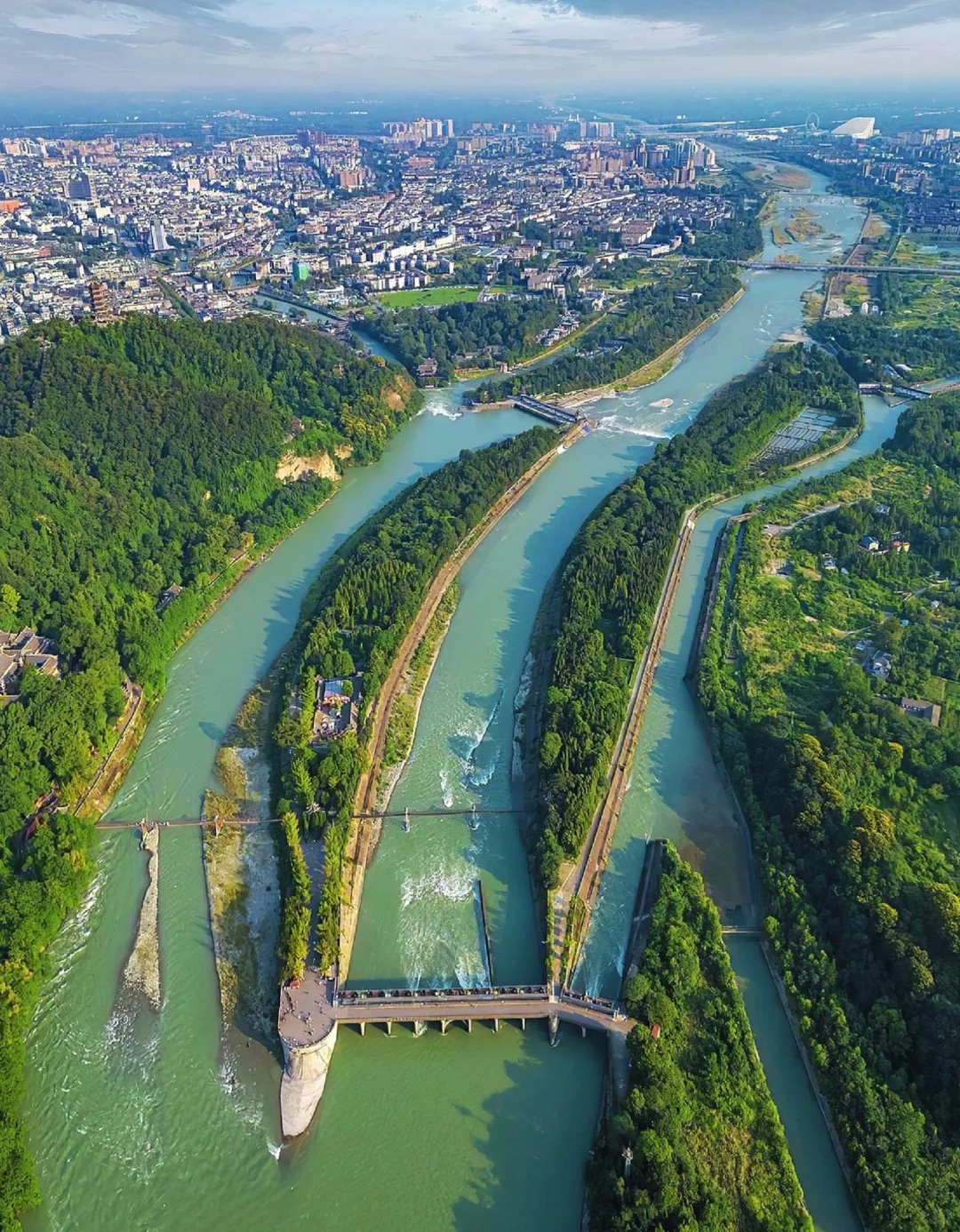
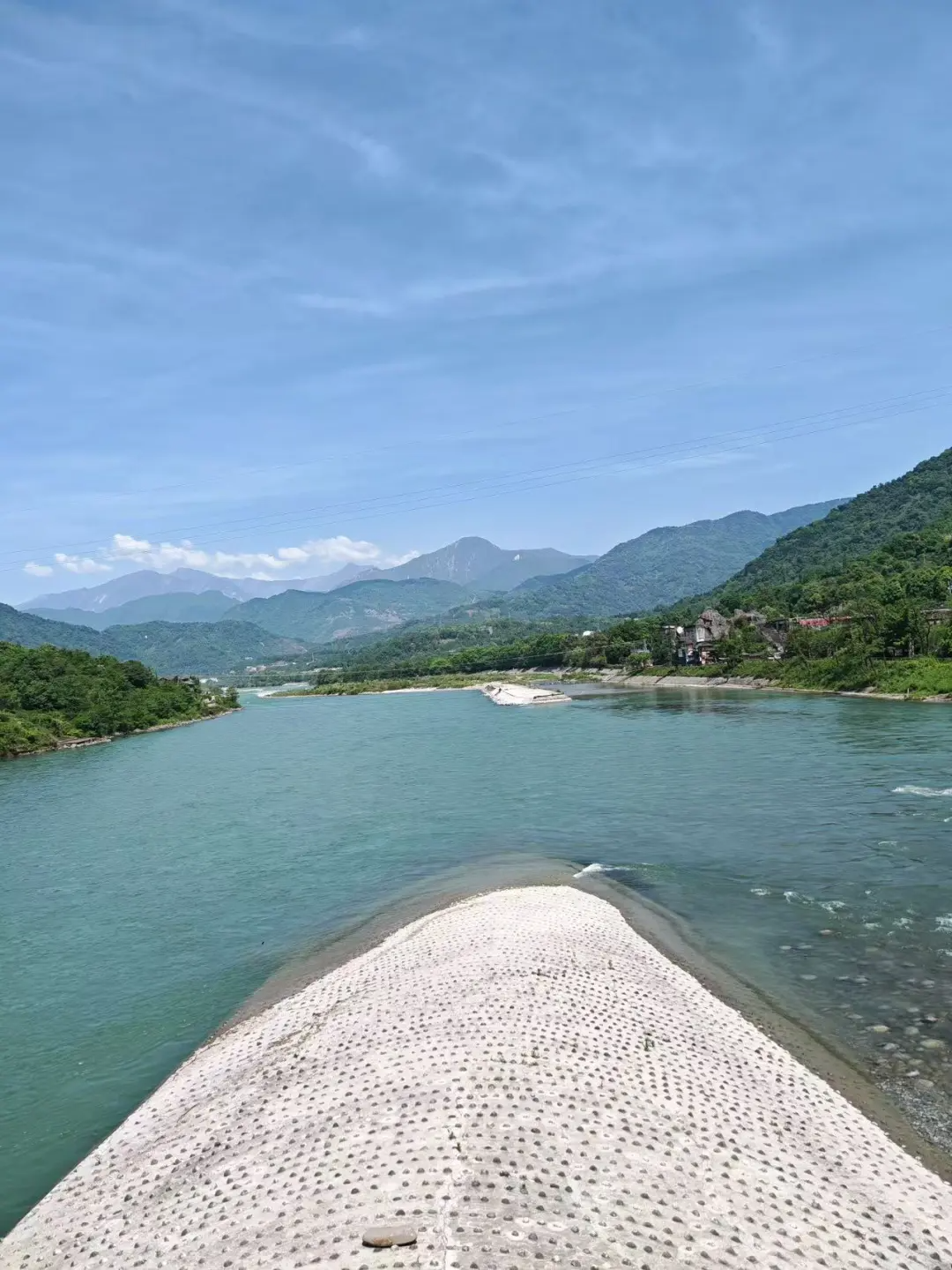
The South Bridge serves as the ceremonial gateway to this engineering marvel. During the day, it is a bustling spot to view the Fish Mouth (Yuzui)—the triangular levee that splits the river—and the Feishayan Spillway. But at night, the bridge sheds its historical solemnity and becomes a canvas for light. This fusion of ancient wisdom and modern showmanship is what makes the Dujiangyan Blue Tears so unique.
Best Time to Visit and Lighting Schedule
Timing is crucial to catching the "Blue Hour." The lights are not on all night, so you need to plan your Chengdu day trip carefully.
- Seasonal Schedule: Generally, the blue illumination turns on at 6:00 PM (18:00) during summer and autumn (the peak travel season). In winter, it may switch on earlier, around 5:30 PM.
- Duration: The lights usually stay on until 10:00 PM, giving you plenty of time to explore the ancient town after dinner.
- The "Magic" Moment: The best visual impact happens about 15 minutes after sunset, during "Blue Hour" (twilight). The contrast between the deep blue sky and the bright neon river creates a saturated, cinematic look perfect for photography.
Pro Tip: Arrive at the bridge by 5:30 PM. This gives you time to walk across the bridge in daylight to see the wooden architecture details before the lights transform the scene.
How to Get There: Logistics for International Travelers
Dujiangyan is incredibly easy to reach from Chengdu, making it a hassle-free excursion.
By High-Speed Train (Recommended):
- Take Metro Line 2 or Line 6 to Xipu Station in Chengdu.
- Buy a ticket to Dujiangyan Station (Lidui Park Railway Station is also an option if you want to be closer to the park entrance).
- The ride takes only 20 minutes and costs around 10 RMB (approx. $1.50 USD).
- From the station, take a taxi (Didi) to the South Bridge (Nanqiao). The ride is about 10 minutes and costs roughly 10-15 RMB.
By Private Car/Didi:
If you prefer comfort, you can hire a private driver from Chengdu. The drive takes about 1 hour via the Chengdu-Dujiangyan Expressway. This is a good option if you also want to visit Mount Qingcheng on the same day.
Photography Tips: Capturing the Neon Glow
The Dujiangyan Blue Tears is a viral spot on Instagram and TikTok. Here is how to get the best shots without professional cinema gear:
- Use a Tripod or Stabilizer: Since you are shooting at night, your shutter speed will be slow. A tripod is essential to avoid blurry water. If you don't have one, brace your phone against the railing.
- Long Exposure: Use the "Night Mode" on your smartphone or a DSLR setting of ISO 400-800, f/2.8, and a 2-4 second shutter speed. This will turn the rushing water into a silky, misty texture.
- Focus on Reflections: Don't just shoot the bridge; shoot the reflection of the bridge on the wet pavement or in the calm eddies of the river.
- Human Element: Include a silhouette of a person in traditional Hanfu (often available for rent nearby) or a casual traveler to give the massive bridge a sense of scale.
Beyond the Lights: Exploring the Ancient Town
While the Min River illumination is the highlight, the surrounding area offers a rich cultural experience.
- Guanxian Ancient Town: Just a short walk from the South Bridge, this pedestrian street is lined with traditional shops. It's the perfect place to try local snacks like Tofu Pudding or Spicy Duck Neck.
- Anlan Suspension Bridge: Also known as the "Couple's Bridge," this rope bridge sways over the river. Walking across it at night, with the blue lights reflecting below, is a thrilling and romantic experience.
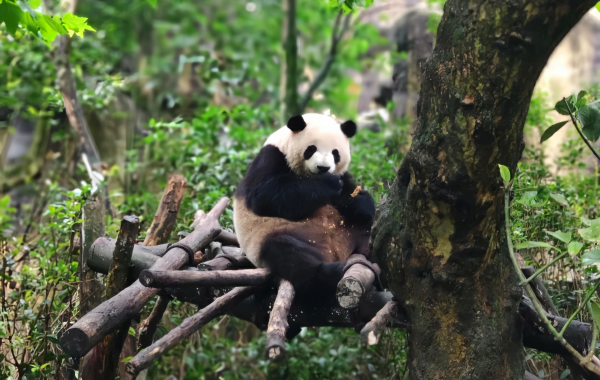
- Dujiangyan panda Valley: If you want to see pandas in a quieter setting than the Chengdu base, this valley is located nearby and is home to several giant pandas and red pandas.
Is It Worth the Hype?
Yes. The Dujiangyan Blue Tears is more than just a lighting trick; it is a celebration of water culture. It shows how an ancient site can remain relevant and exciting in the modern era. Whether you are a history buff, a photographer, or just a curious traveler, the sight of the electric blue river flowing beneath a 2,000-year-old bridge is unforgettable.
Don't let the viral videos fool you—it’s even more mesmerizing in person. Add this to your Sichuan itinerary for a night of neon magic.


Contact Us
What Our Clients Say?
Based on 10,000+ traveler reviews

Daniel Dorothea
Canada
Reviewed on April 29,2025
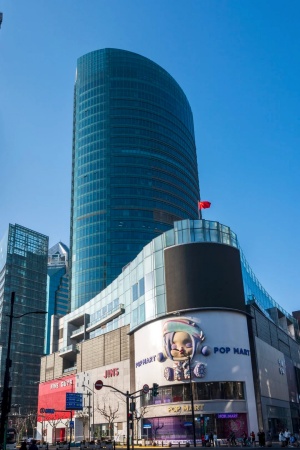
Shopping on Nanjing Road in Shanghai was just amazing! It's truly the "First Commercial Street of China", where tradition and modernity blend perfectly. You can find awesome souvenirs and experience the trendy vibes in cool stores. The neon lights at night are just spectacular, shining bright like Times Square in New York. The food here is incredible too. I had a feast for my taste buds. Shanghai, I'll definitely be back!
Destination(s):
Shanghai
Date of
Experience:
May 08,2024

Elvis Eva
Canada
Reviewed on June 20,2025
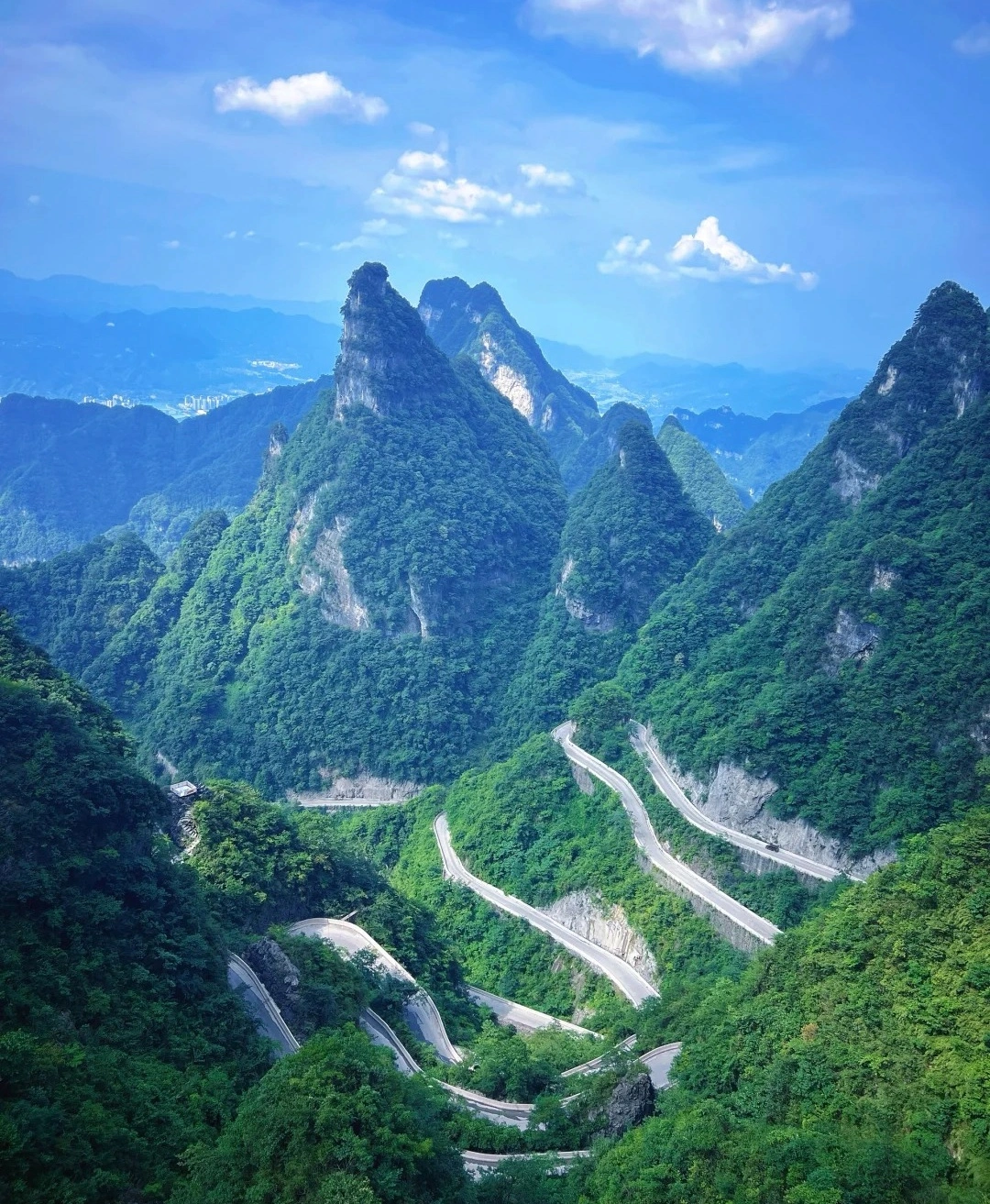
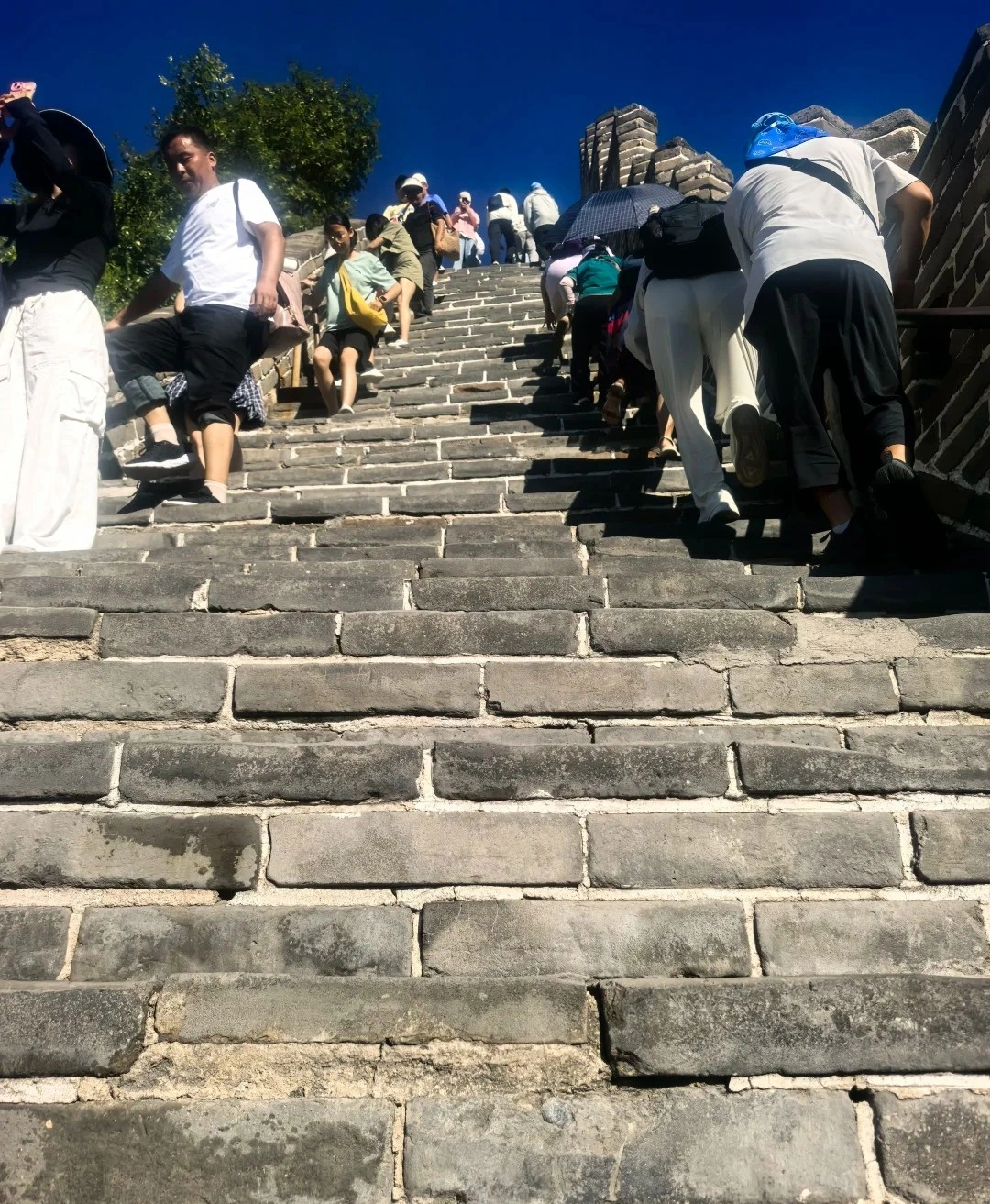
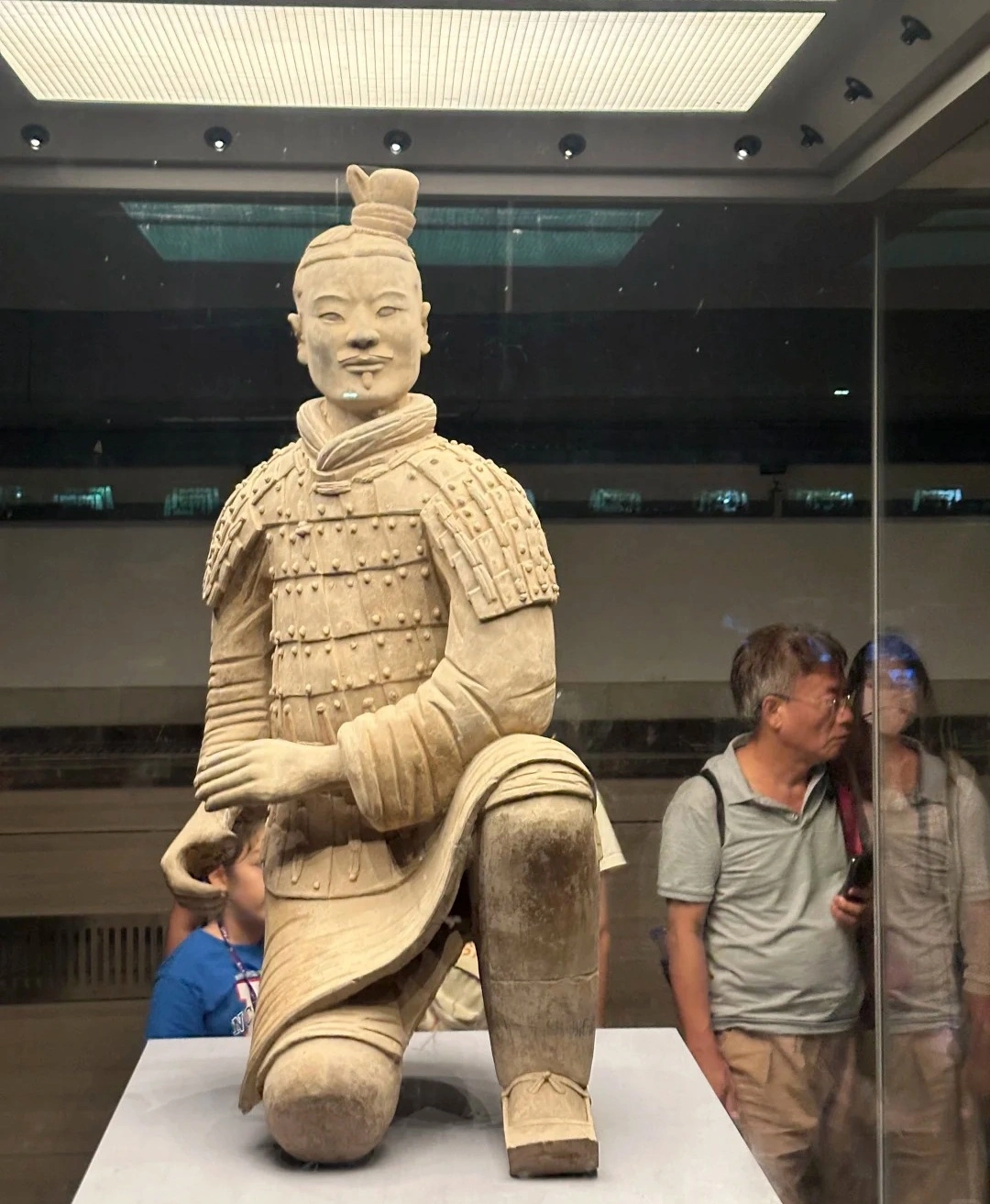
As a solo traveler from Canada, I was nervous about navigating China alone—but this 11-day tour was PERFECT! From hiking the Great Wall at sunrise (Day 3) to gasping at the Terracotta Army (Day 5), every day delivered ‘pinch-me’ moments. The real showstopper? Zhangjiajie’s Avatar Mountains (Day 7)! Our guide made the stone pillars come alive with stories.
Massive thanks for handling all logistics—bullet train tickets, entry passes, car! And the 4-star hotels surprised me.
Destination(s):
Beijing Xian Zhangjiajie Shanghai
Date of
Experience:
June 02,2025

Simon
America
Reviewed on May 29,2025
Our 2-day Zhangjiajie tour was beyond spectacular! As someone who’s visited Beijing and Shanghai for work, this trip revealed China’s wild, magical heart. Day 1 in Zhangjiajie National Forest Park felt like stepping onto Pandora—I’m a huge Avatar fan, and Yuanjiajie’s floating peaks left me breathless. The misty pillars and lush valleys like pure movie magic!
Then came Fenghuang Ancient Town, we eat dinner beside the thundering waterfall. It seems Unreal! The night views of stilt houses glowing over the river were straight from a fairy tale.
For fellow Avatar lovers and adventure seekers: Don’t miss this bucket-list experience! 10/10 would return.
A Well-Traveled Film Buff, May 2025
Destination(s):
Zhangjiajie
Date of
Experience:
May 08,2025