

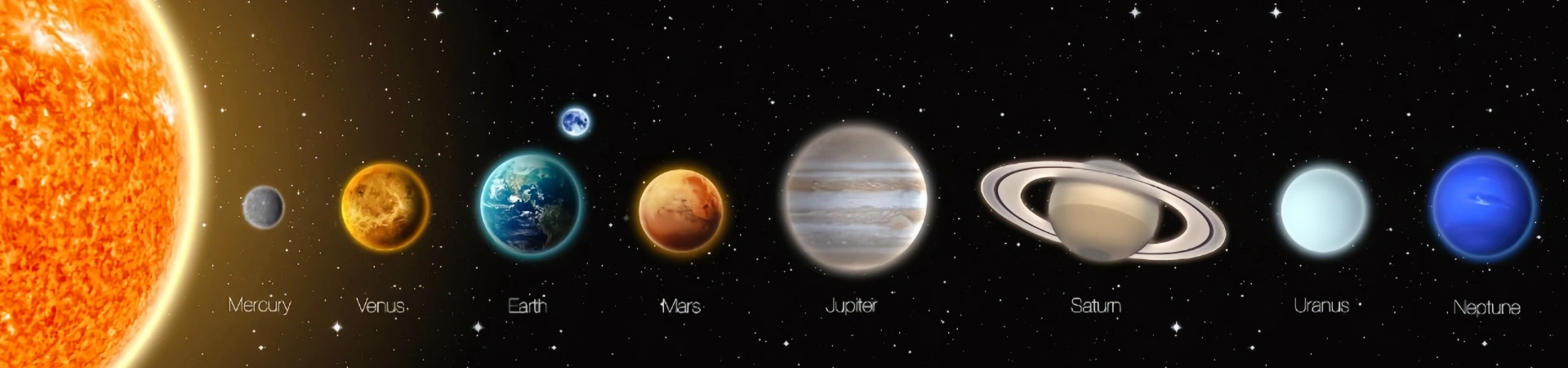
Beijing Planetarium
The Beijing Planetarium, established in 1957, is China’s first large-scale planetarium and a national-level facility for astronomy education and popular science. Located in Xicheng District, it combines modern astronomical technology with interactive exhibits to engage visitors in exploring the cosmos. The planetarium’s two main buildings—the classic A Hall (built in 1957) and the modern B Hall (2004)—house a 23-meter-diameter Zeiss planetarium, 3D astronomical theaters, and hands-on exhibits on space science. Designated a national youth science education base, it hosts daily sky shows, temporary exhibitions, and stargazing activities, attracting over 1 million visitors annually.
Historical Overview
Founded in 1957, the Beijing Planetarium was China’s first institution dedicated to public astronomy education. Key milestones include the 1985 installation of a new Zeiss planetarium projector, the 2001 completion of B Hall with advanced digital theaters, and the 2014 launch of the "Path to the Stars" exhibition on China’s space exploration. The planetarium has collaborated with international bodies like the European Space Agency (ESA) and hosted major events, such as the 2009 International Year of Astronomy celebrations.
Architectural Design
The planetarium’s dual-building structure blends functionality with symbolic design:
- A Hall: Features the iconic Zeiss planetarium dome, modeled after ancient Chinese astronomical observatories.
- B Hall: A futuristic glass-and-steel structure housing a 3D theater, interactive galleries, and a meteorite exhibition hall.
Key areas include the Zeiss Planetarium (A Hall), 4D Cinema (B Hall), and Space Exploration Gallery (B Hall).
Major Attractions
Zeiss Planetarium: China’s largest traditional planetarium, offering daily live-acted sky shows (e.g., "Journey to the Stars").
3D Astronomical Theater: Screenings of immersive films like "The Mystery of Black Holes."
Meteorite Collection: Displays over 100 rare meteorites, including a 4.5-billion-year-old Allende meteorite fragment.
Space Exploration Gallery: Models of China’s Chang’e lunar probes and Tianwen-1 Mars mission.
Children’s Astronomy Park: Interactive zones for simulating moonwalks and launching rockets.
Sun Dial Plaza: An outdoor exhibit featuring ancient Chinese sundials and celestial coordinate systems.
Suggested Itineraries
- Classic Route (1.5–2 hours):
A Hall Entrance → Zeiss Planetarium Show → Sun Dial Plaza → B Hall 3D Theater → Space Exploration Gallery → Exit.
Highlights: Core planetarium shows and space exhibits.
- Family Route (2.5–3 hours):
A Hall Entrance → Children’s Astronomy Park → Zeiss Planetarium Show → B Hall Meteorite Hall → 4D Cinema → Exit.
Highlights: Interactive learning and kid-friendly activities.
- Comprehensive Route (4 hours):
A Hall Entrance → Zeiss Planetarium Show → Sun Dial Plaza → B Hall Meteorite Hall → Space Exploration Gallery → 3D Theater → Children’s Astronomy Park → Exit.
Highlights: Full immersion in astronomy education and entertainment.
Ticket Purchase
Online: Book via the official website (bjp.org.cn) or WeChat up to 7 days in advance.
On-Site: Tickets sold at A Hall and B Hall entrances; queues peak on weekends.
- Prices:
Exhibition Halls: ¥10 (adults), ¥5 (students).
Zeiss Planetarium/3D Theater: ¥40 (adults), ¥30 (students).
Combined Tickets: ¥50 (exhibition + show).
Free: Children under 1.2m (accompanied by adults).
Subway: Line 4 to Beijing Zoo Station (Exit D), 5-minute walk.
Bus: Routes 7, 15, 19, 27, 45, 102, or 105 to Beijing Zoo Station.
Taxi: Direct to "Beijing Tianwenguan" (Beijing Planetarium).
Parking: Limited on-site parking; public transport recommended.
Best Time & Tips
Avoid Crowds: Visit weekdays before 10 AM or after 2 PM.
Peak Seasons: spring (April–May) and autumn (September–October) for clear stargazing.
- Essentials:
Wear comfortable shoes (museum spans 2 buildings).
Bring a jacket (theaters are air-conditioned).
Photography allowed (no flash in planetarium shows).
Prohibited: Food, large bags, and laser pointers.
Free lockers available.
Contact Us
What Our Clients Say?
Based on 10,000+ traveler reviews

Daniel Dorothea
Canada
Reviewed on April 29,2025
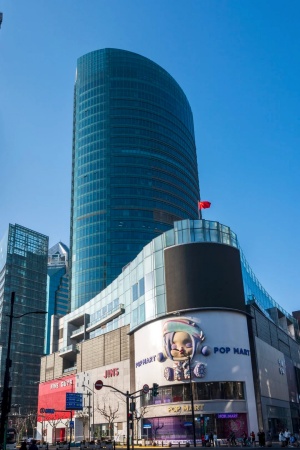
Shopping on Nanjing Road in Shanghai was just amazing! It's truly the "First Commercial Street of China", where tradition and modernity blend perfectly. You can find awesome souvenirs and experience the trendy vibes in cool stores. The neon lights at night are just spectacular, shining bright like Times Square in New York. The food here is incredible too. I had a feast for my taste buds. Shanghai, I'll definitely be back!
Destination(s):
Shanghai
Date of
Experience:
May 08,2024

Elvis Eva
Canada
Reviewed on June 20,2025
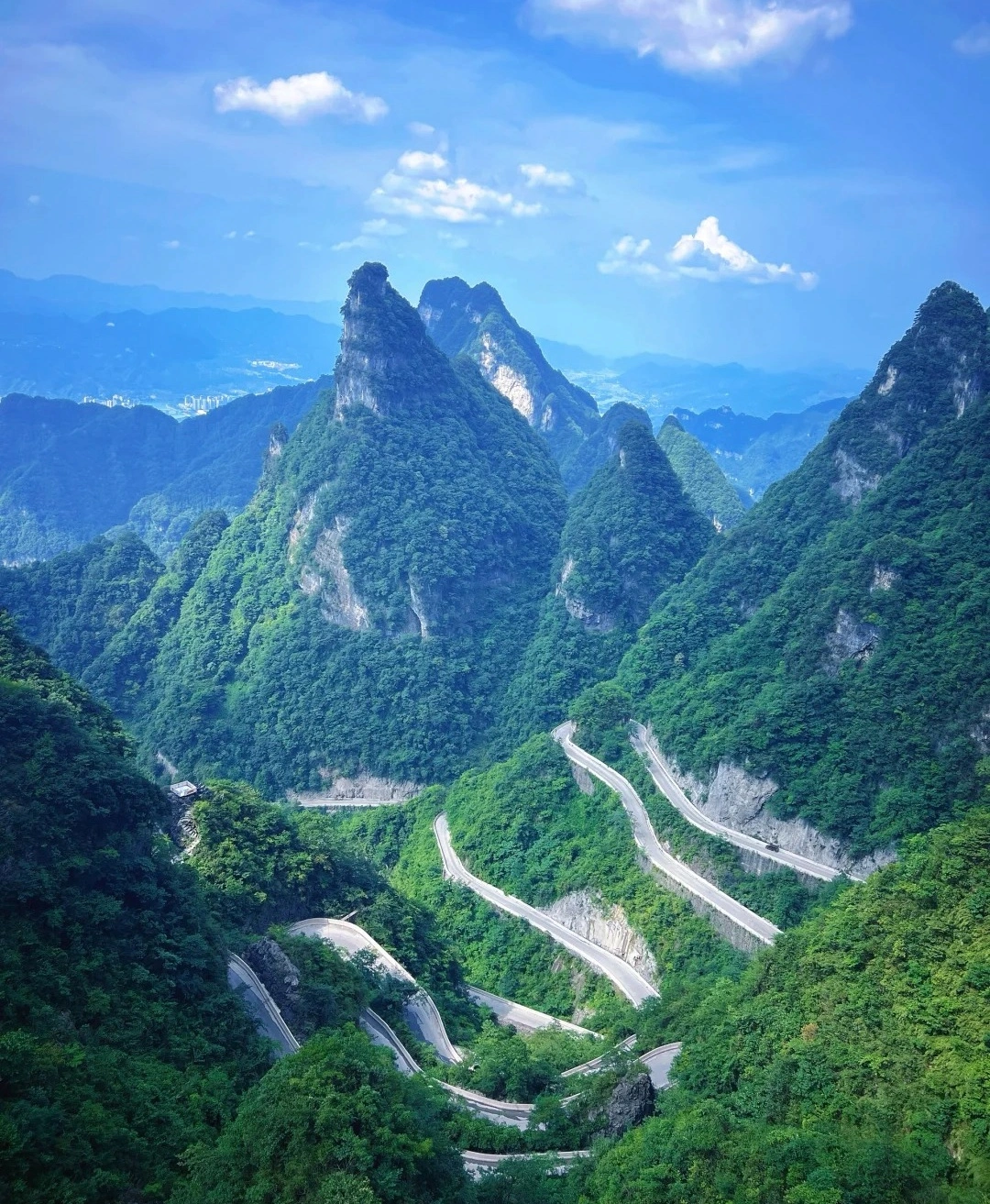
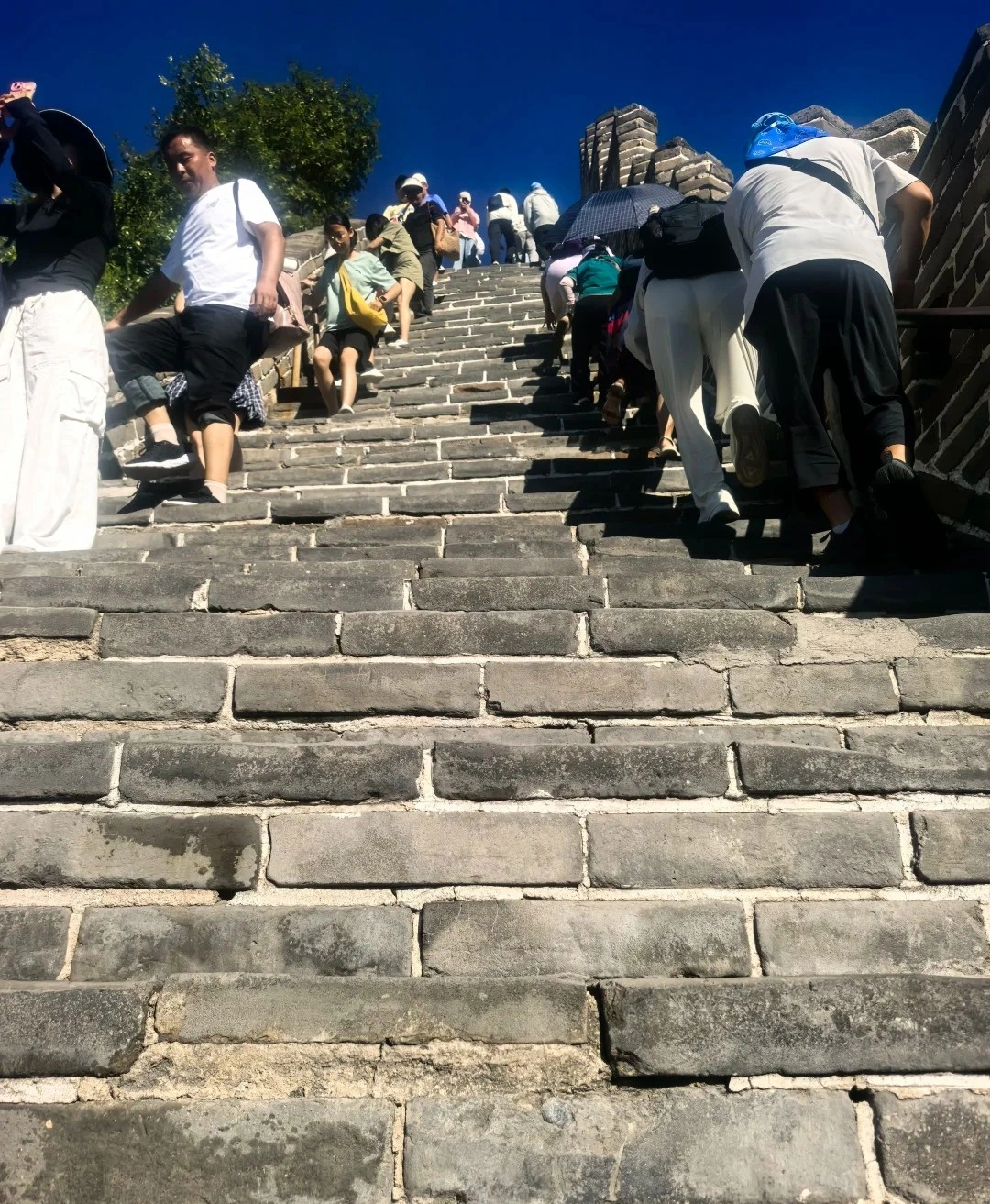
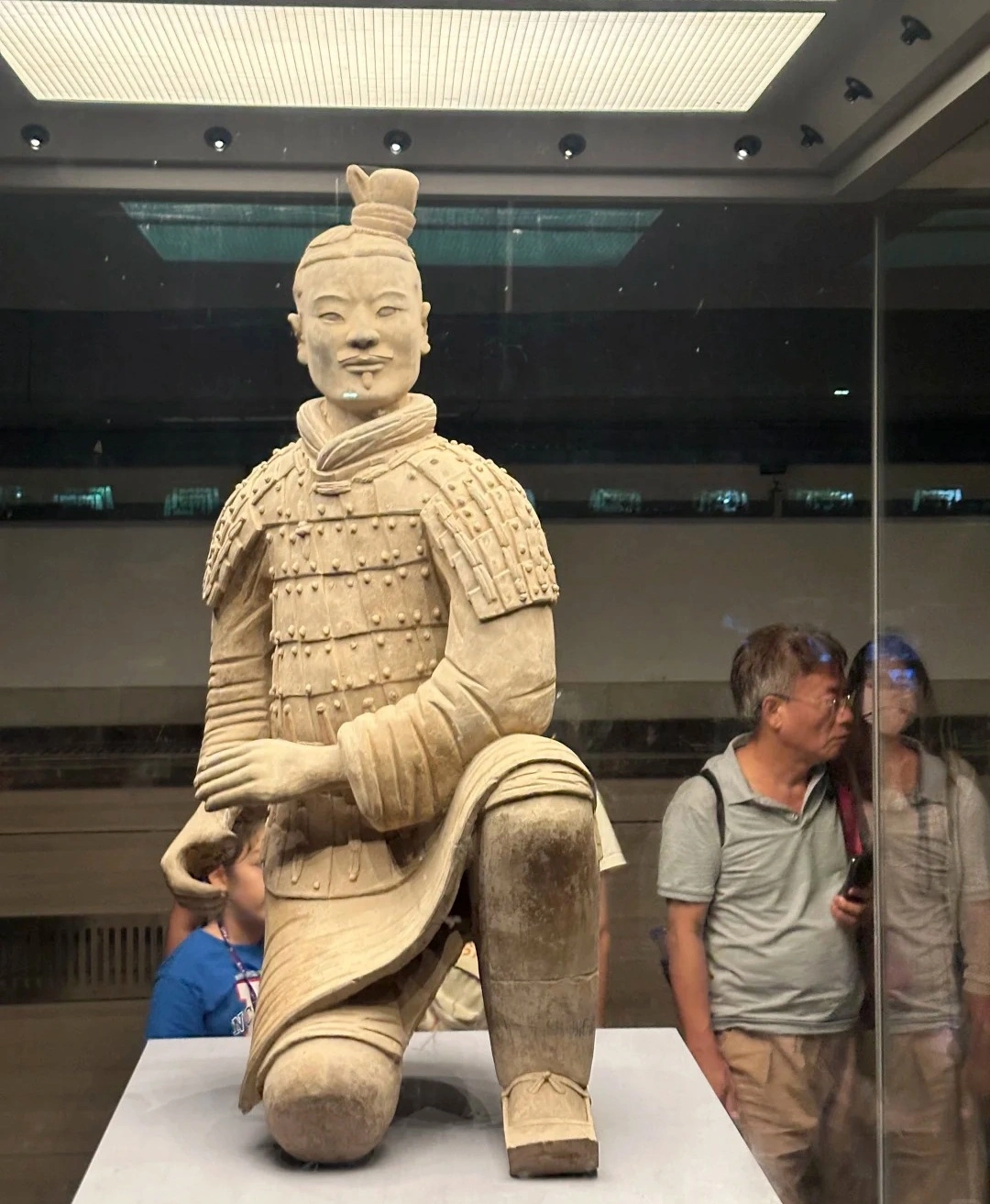
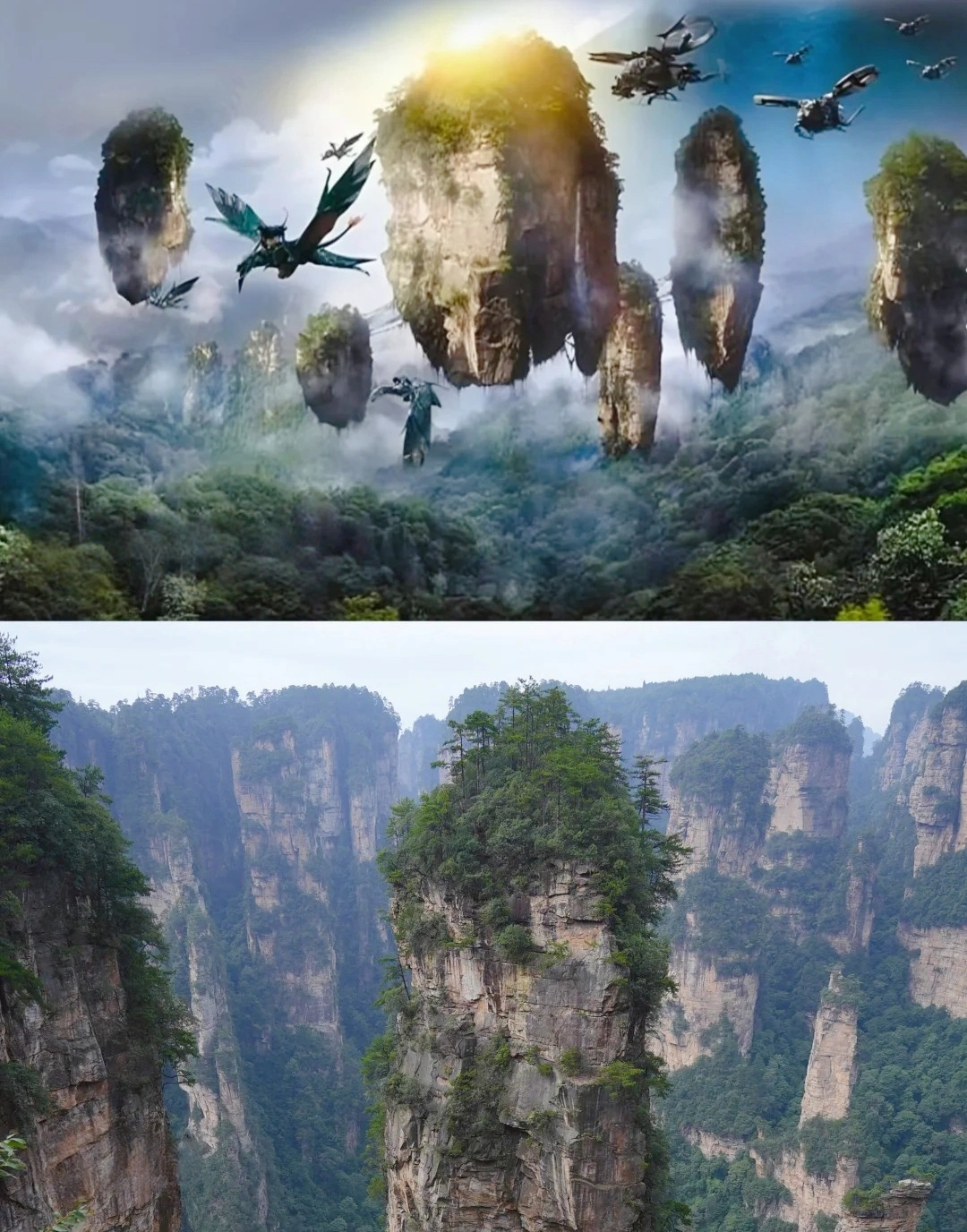
As a solo traveler from Canada, I was nervous about navigating China alone—but this 11-day tour was PERFECT! From hiking the Great Wall at sunrise (Day 3) to gasping at the Terracotta Army (Day 5), every day delivered ‘pinch-me’ moments. The real showstopper? Zhangjiajie’s Avatar Mountains (Day 7)! Our guide made the stone pillars come alive with stories.
Massive thanks for handling all logistics—bullet train tickets, entry passes, car! And the 4-star hotels surprised me.
Destination(s):
Beijing Xian Zhangjiajie Shanghai
Date of
Experience:
June 02,2025

Simon
America
Reviewed on May 29,2025
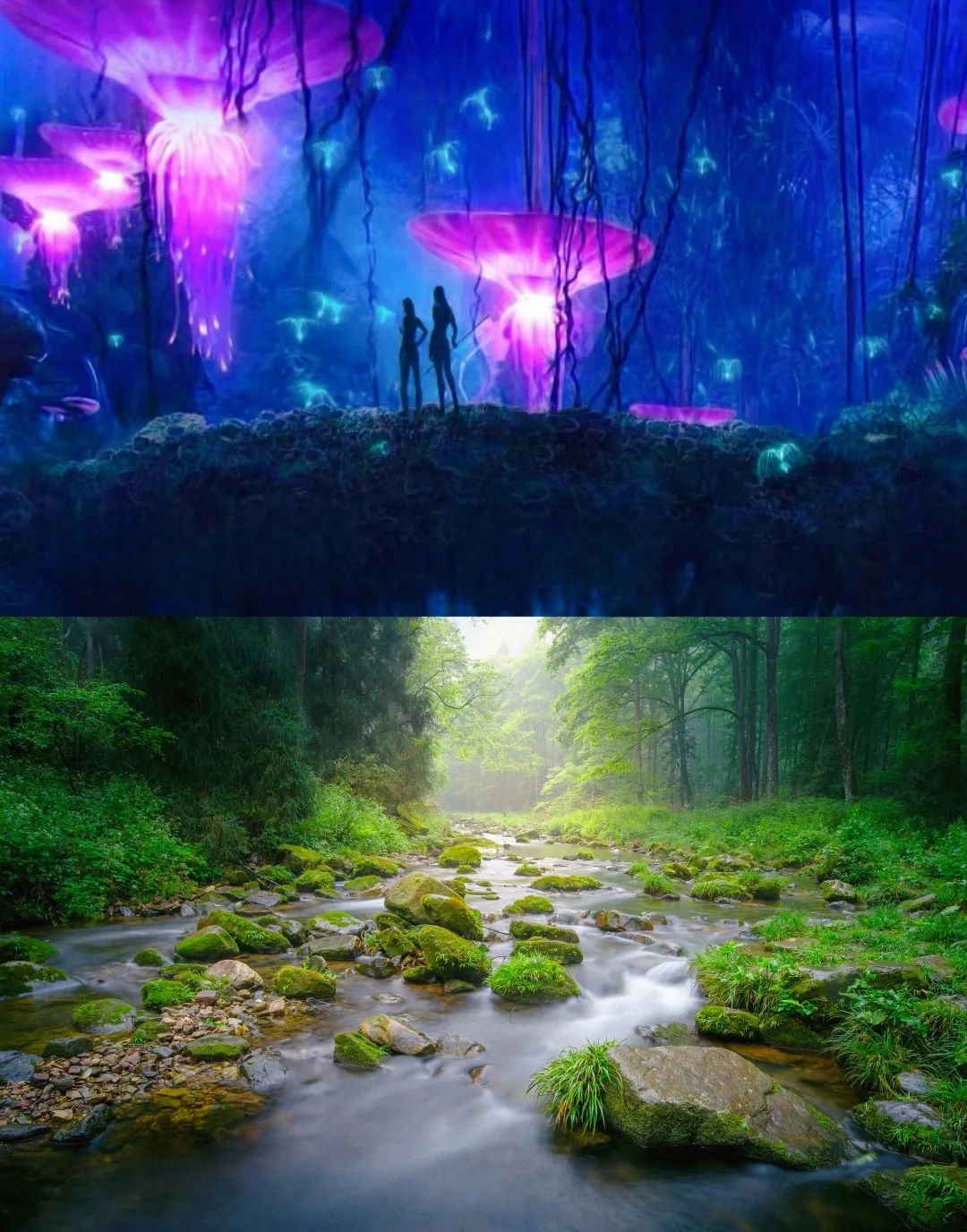
Our 2-day Zhangjiajie tour was beyond spectacular! As someone who’s visited Beijing and Shanghai for work, this trip revealed China’s wild, magical heart. Day 1 in Zhangjiajie National Forest Park felt like stepping onto Pandora—I’m a huge Avatar fan, and Yuanjiajie’s floating peaks left me breathless. The misty pillars and lush valleys like pure movie magic!
Then came Fenghuang Ancient Town, we eat dinner beside the thundering waterfall. It seems Unreal! The night views of stilt houses glowing over the river were straight from a fairy tale.
For fellow Avatar lovers and adventure seekers: Don’t miss this bucket-list experience! 10/10 would return.
A Well-Traveled Film Buff, May 2025
Destination(s):
Zhangjiajie
Date of
Experience:
May 08,2025
Q & A
Asked by Prasanta Byapari from India | April 21,2026 02:53
I want 3d planatorium content
Hi sir I am prasanta form india I want 3d planatorium content