Humanistic Ingenuity—A Building That"Speaks"
The Three Gorges Museum itself is a grand work of art carrying cultural connotations.
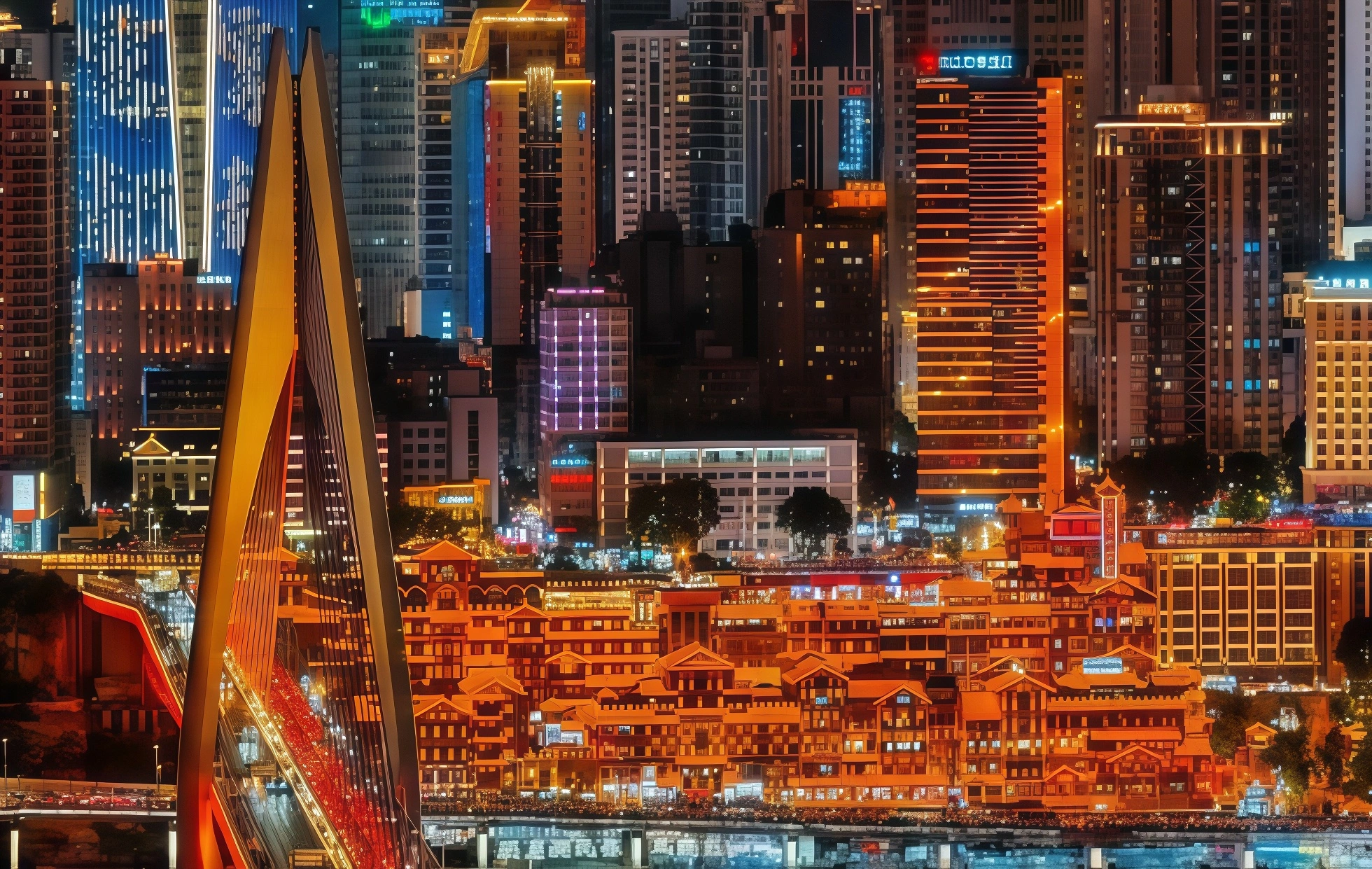
The Skyline of a City of Mountains and Rivers
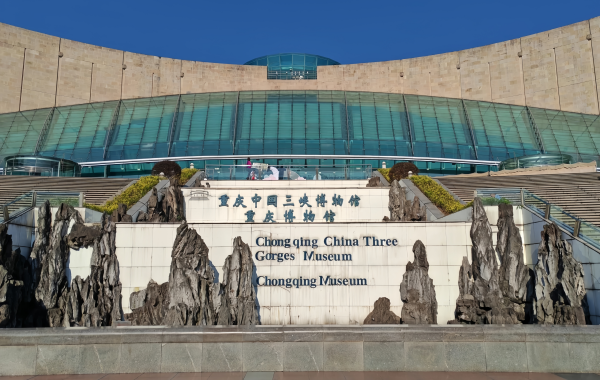
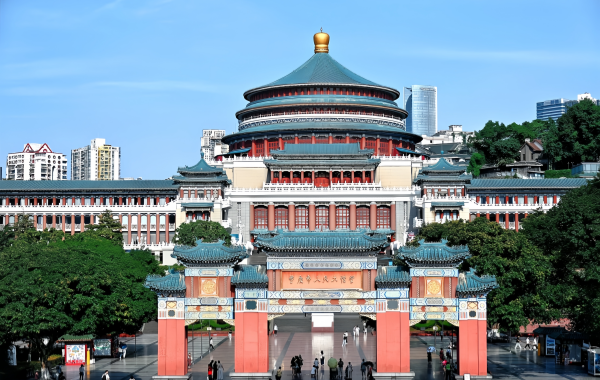
The main building of the museum is magnificent,covering a total area of2.9316 hectares.The main structure is 157.3 meters long and 98.085 meters wide,with 5 floors.Except for the facade,which maintains a"three-in-one"connection with People's Square and the People's Great Hall,the rest of the building is built according to the terrain,blending into the mountainside.Its gentle,expansive form seems to have grown and been sculpted from the mountain itself.
The Architectural Language of Mountains and Water
The most striking design elements of the building are the large-scale curved blue glass curtain wall and the simple,square sandstone exterior.The blue glass symbolizes water,and the sandstone exterior represents mountains;together,they embody the characteristics of Chongqing as a city of mountains and water.The transparent glass dome directly above the museum is inspired by the phrase"the waters of the Three Gorges come from the sky,"with water cascading down through three tiers of waterfalls and connecting to People's Square,signifying that the Three Gorges Museum receives the cultural waters of its ancestors and nourishes the land with culture.Some researchers have pointed out that the main structure of the museum is designed with reference to the Three Gorges Dam,and the curved glass curtain wall,symbolizing the Three Gorges Dam,and the People's Great Hall,representing traditional Chinese architecture,create a centripetal resonance and overall harmony.
A Historical Dialogue with the People's Great Hall
Looking west from the People's Great Hall at the east end,the museum's glass dome,illuminated by sunlight,resembles a rising sun amidst the mountains;looking east from the museum at the west end,the People's Great Hall,embraced by People's Square,reveals a historical dialogue between two iconic buildings from different periods.The People's Square and the museum are integrated into a single graphic,connected by a giant pipa(a traditional Chinese stringed instrument)pattern,creating a seamless fusion of the People's Great Hall,People's Square,and the museum into a four-dimensional space.
On the left and right sides of the museum's exterior walls are two large reliefs,each depicting elements from the Ba people's totem of the white tiger,fish unique to the Three Gorges,the soul-welcoming tree from the Ba people's shamanistic beliefs,and the vermilion bird,a symbol of Chu culture.These design details collectively constitute a three-dimensional expression of Chongqing's urban cultural symbols,making the museum a must-visit spot for photography enthusiasts.
Treasures in the Collection—From the"Wushan Man"of 2 Million Years Ago to Tang Yin's Genuine Works
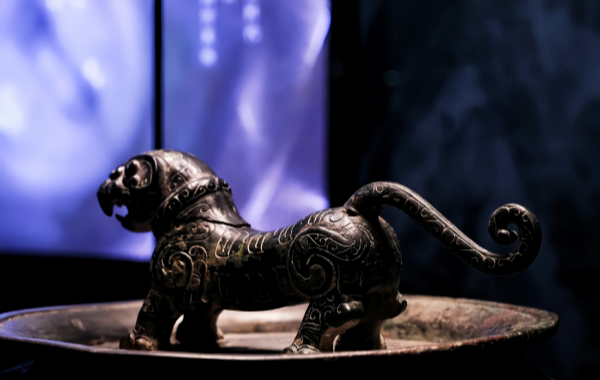
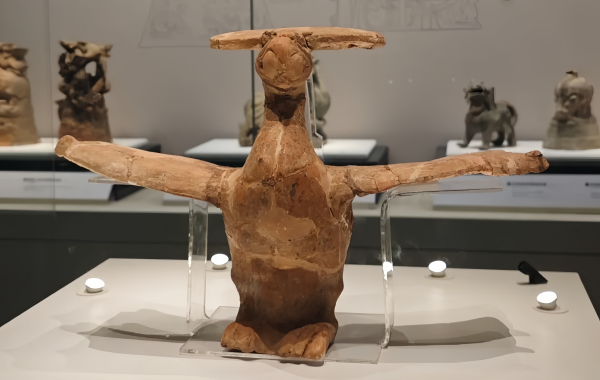
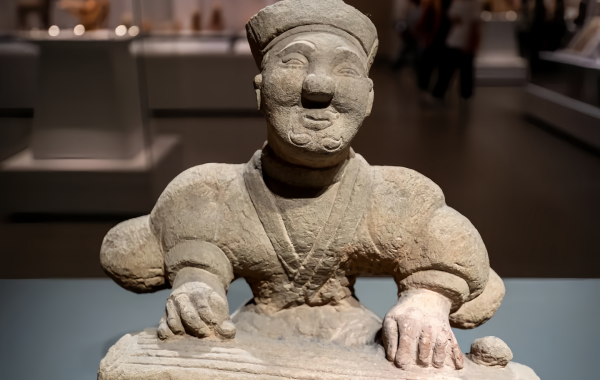
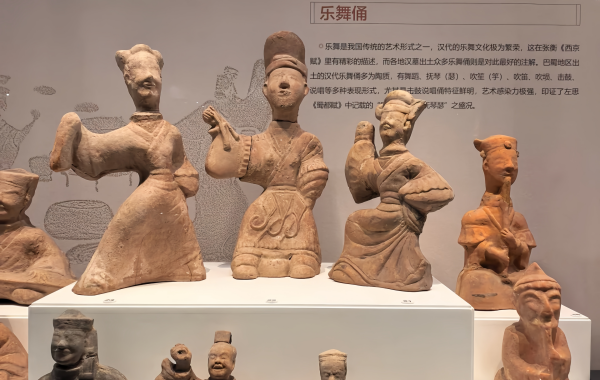
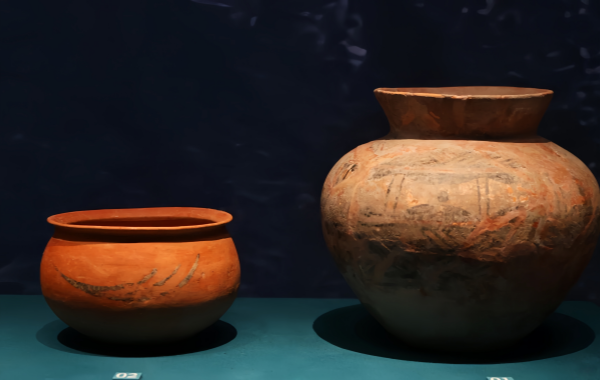
The museum currently houses over 115,000 pieces/sets of cultural relics and over 18,000 rare ancient books,covering 23 categories of cultural relics.These collections form distinctive series including"ancient human specimens,Three Gorges artifacts,Ba-Yu bronzes,Han Dynasty artifacts,Southwest ethnic minority artifacts,anti-Japanese war artifacts from the rear areas,porcelain,calligraphy and painting,and guqin(a traditional Chinese stringed instrument)."
Ten National Treasures of the Museum
In 2005,cultural and historical experts selected 29 candidate artifacts from 170,000 exhibits.Following public voting and final expert review,the Three Gorges Museum's ten"national treasures"were ultimately determined.Among them,the following artifacts stand out:
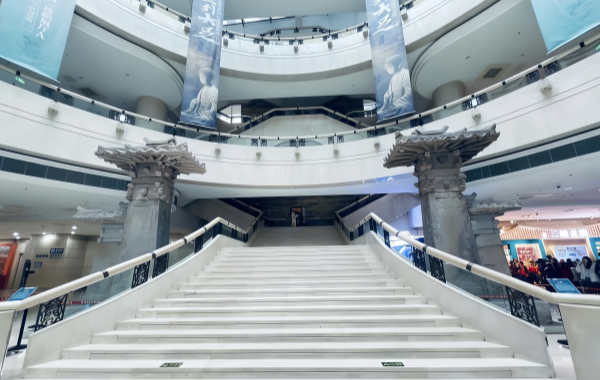
Wuyang Han Dynasty Gate Tower:Displayed at the museum's main entrance,it is the best-preserved Han Dynasty gate tower in my country.This double-eaved,hip-roofed stone gate tower features a twin-tower structure.The main tower is 5.4 meters high and weighs 10 tons.The stone carvings depict scenes of daily life,myths,and animals,making it a pinnacle of Han Dynasty stone architecture.
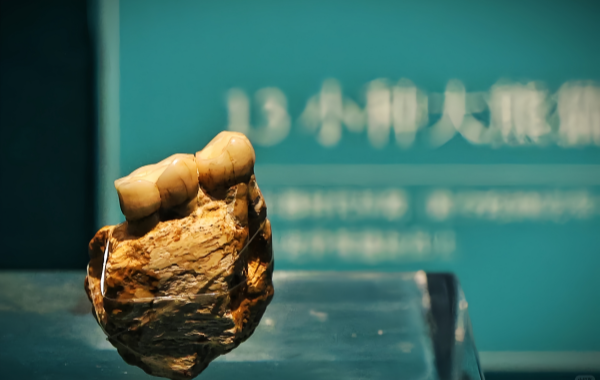
Left Mandible Fossil of"Wushan Man":This ancient human fossil,dating back approximately 2 million years,was discovered at the Longgupo site in Wushan.Its discovery pushed back the timeline of human origins by about 300,000 years,providing crucial evidence that the Yangtze River basin was an important cradle of human civilization.
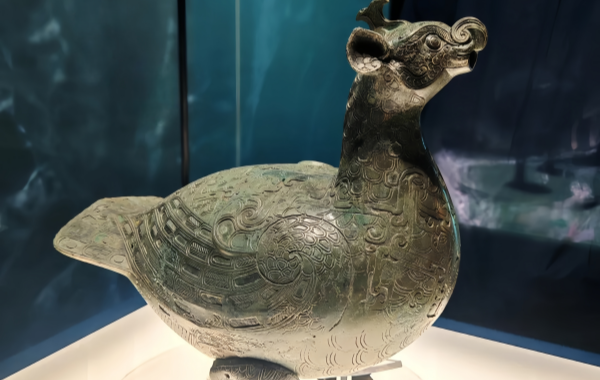
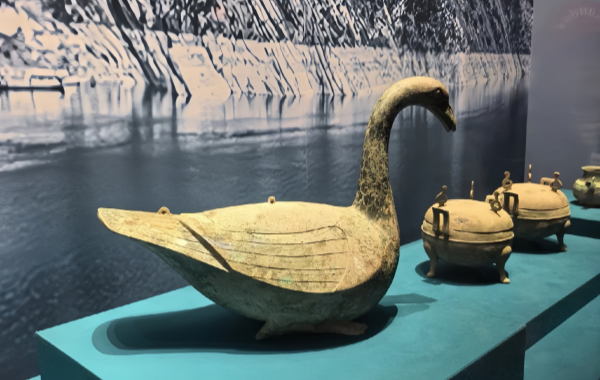
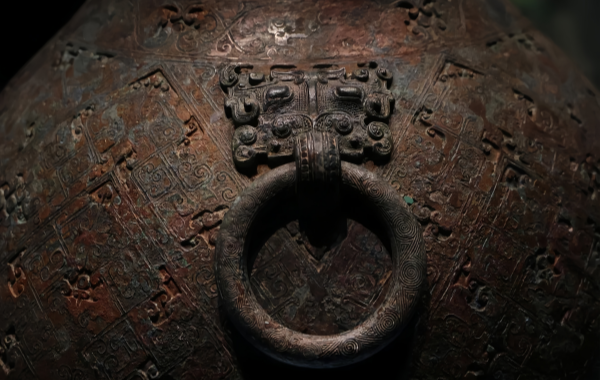
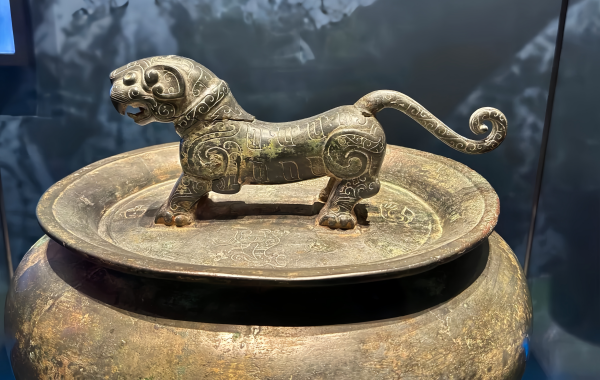
Bronze Bird-Shaped Zun:A bronze masterpiece unearthed from a Warring States period Ba people noble cemetery.The overall shape is that of a bird,incorporating a goose's head,fish's beak,eagle's beak,animal ears,phoenix crown,pigeon's body,and duck's feet.The entire surface is decorated with fine feather patterns and inlaid with turquoise.It is an artistic masterpiece for studying the aesthetics and craftsmanship of the Ba people.
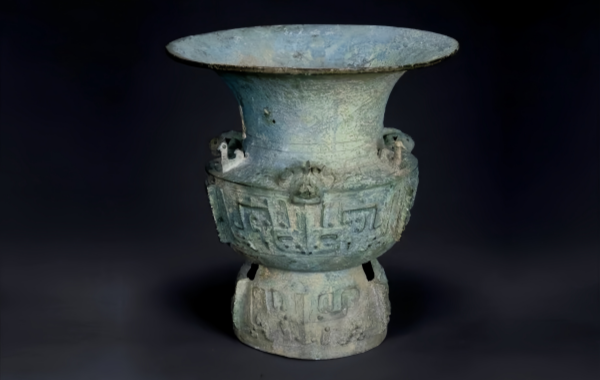
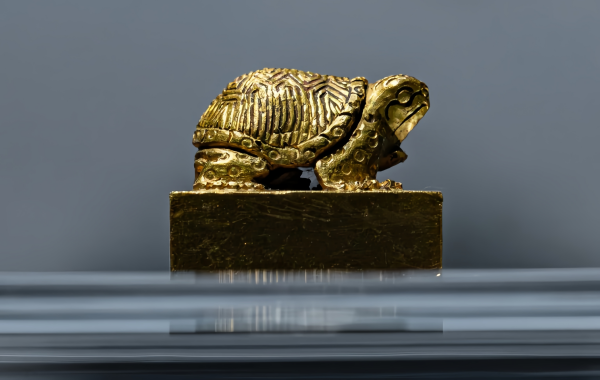
General's Seal(Western Han Dynasty):A Western Han Dynasty gold seal,weighing 108.95 grams,with a gold content of 96%,inscribed with the five characters"General's Seal."It is one of only 15 surviving Han Dynasty gold seals in China.Bronze Three-Sheep Zun:A large Shang Dynasty bronze vessel,42.8 cm in height,unearthed on the banks of the Daning River in Dachang Town,Wushan County.It is the earliest large bronze artifact found in the ancient Ba people's homeland to date,and is of significant academic value for studying the ancient Ba people's mining and metallurgical technology and cultural development.
Jingyun Stele of the Han Dynasty:The only Han Dynasty stele unearthed in the Three Gorges area,the inscription consists of 13 lines and 367 characters,recording the official deeds of Jingyun,the magistrate of Quren during the Eastern Han Dynasty.It is hailed by scholars as"the foremost Han Dynasty stele in the Sichuan-Chongqing region."
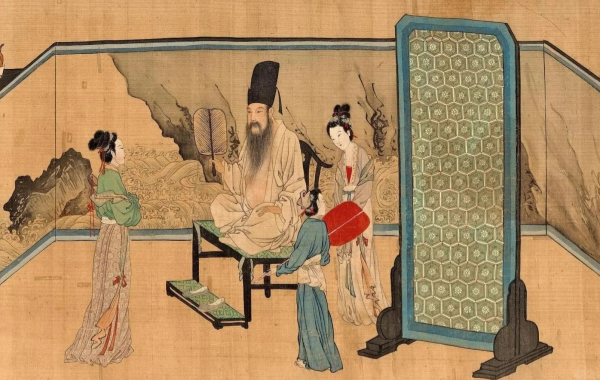
Tang Yin's Copy of the Night Banquet of Han Xizai:A copy of the famous Five Dynasties painting"The Night Banquet of Han Xizai"by the Ming Dynasty master painter Tang Yin(Tang Bohu).Painted on silk with meticulous brushwork and rich colors,it measures 31 cm in height and 5.48 meters in width,and is a treasure in the study of Ming and Qing Dynasty painting.
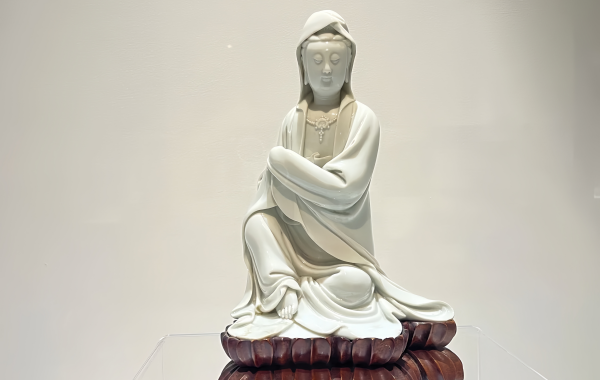
He Chaozong's Guanyin Statue:A surviving work by He Chaozong,a master porcelain sculptor of the Dehua kiln during the Ming Dynasty.The Guanyin statue is covered in ivory-white glaze,the surface of which is warm and lustrous like solidified fat,with delicate technique and flowing lines.
Permanent Exhibitions:Four Cornerstones
The museum boasts four permanent exhibitions and six thematic exhibitions,forming a complete historical narrative system:
The Magnificent Three Gorges:Structured around three main parts—"Natural Wonders,""Historical Scrolls,"and"Cultural Relics"—it brings together 321 pieces/sets of cultural relics from the Three Gorges Reservoir area,with approximately 50%being rare artifacts and 60%of the exhibits being updated.In the new exhibition hall,six of the museum's ten most prized treasures are displayed together for the first time.
Ancient Ba-Yu:Over 80%of the artifacts are new discoveries from Three Gorges archaeological excavations since 1997,including Wushan Man fossils unearthed at Longgupo in Wushan,saber-toothed ivory carvings from Xinglong Cave,and pottery fragments from Yufupu in Fengjie.This is the richest exhibition hall in terms of artifacts.
The Years of Resistance Against Japan:Using photographs,paintings,and motion-sensor technology,this exhibition realistically recreates the blood and fire of the War of Resistance Against Japan in Chongqing more than 60 years ago.The motion-sensor vibrates synchronously with scenes of aerial bombing and collapsing buildings,marking the first time a panoramic painting has been incorporated into an exhibition hall in a Chinese museum.
"Chongqing:The Road to Modernity":This exhibition chronicles Chongqing's 100-year journey towards modernization,showcasing the earliest military machinery,authentic letters from Zou Rong,and authentic last letters from Jiang Jie,among other first-class modern cultural relics.
Four Major Exhibition Highlights
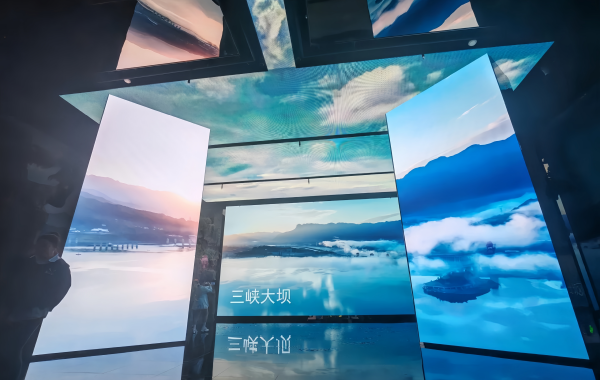
In addition,the museum offers four unique experiential projects:a panoramic painting demonstration of the"Chongqing Bombing,"a panoramic film of the"Three Gorges,"a digital sand table of the Three Gorges Dam,and an interactive magic wall,adding an immersive sensory experience to visitors.
Photography and Photo Tips:
The most classic panoramic shooting angle is from People's Square,capturing the museum and the Great Hall of the People together in a frame.The iconic"three-in-one"architectural complex is a visual condensation of Chongqing's urban memory.The Wuyang Han Que(Han Dynasty Gate Tower),located at the entrance of the first-floor lobby,is a must-photograph"treasure of the museum."The nearly 160 pieces/sets of cultural relics in the Han Dynasty sculpture exhibition hall on the third floor,including 47 first-class cultural relics,are of great value for viewing and photography.