Yangguan Pass: A Journey of Silk Road Farewells Spanning a Thousand Years

Yangguan Pass: A Journey of Silk Road Farewells Spanning a Thousand Years

Overview: A Spiritual Landmark Embodied in a Tang Dynasty Poem

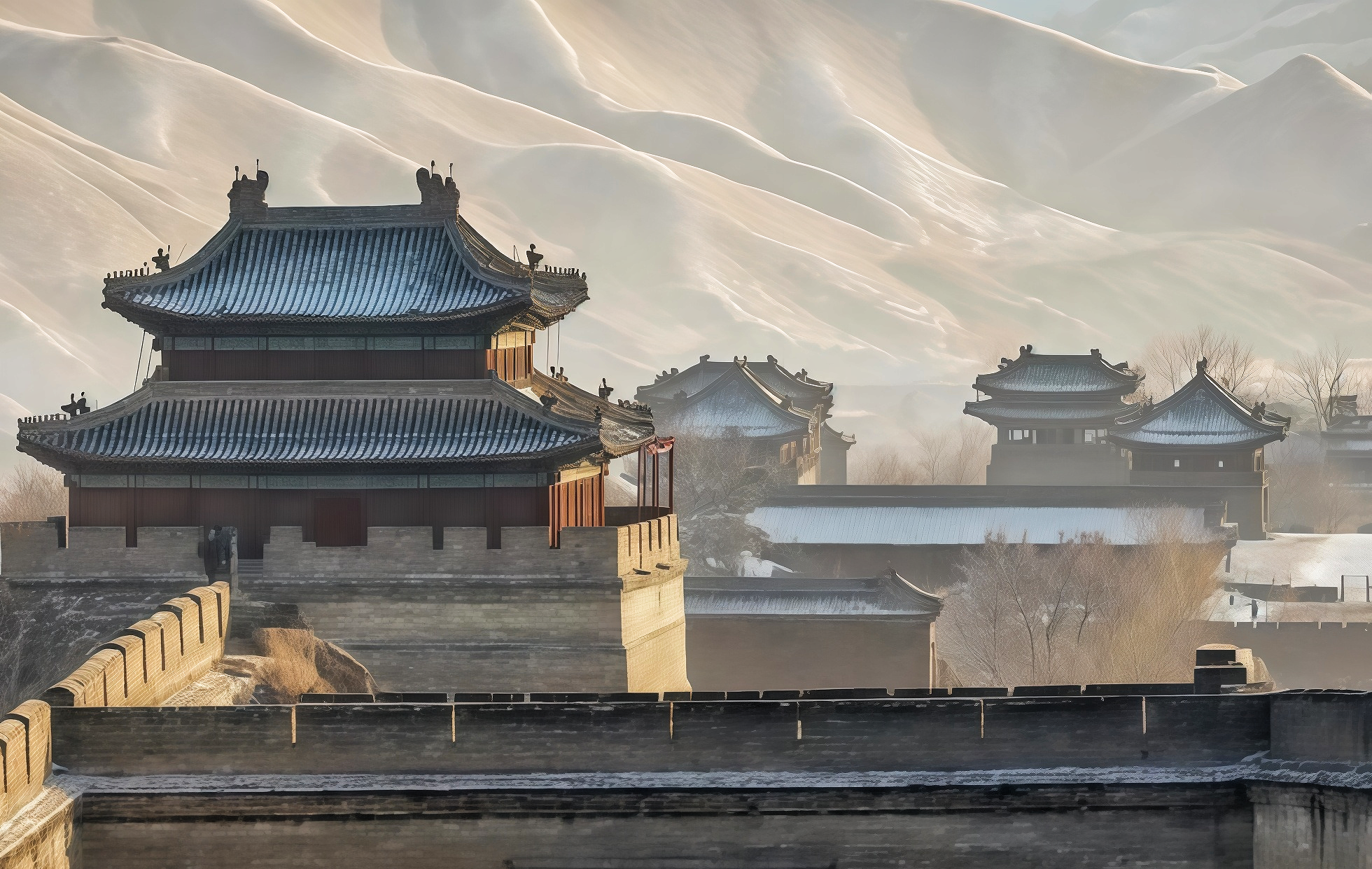
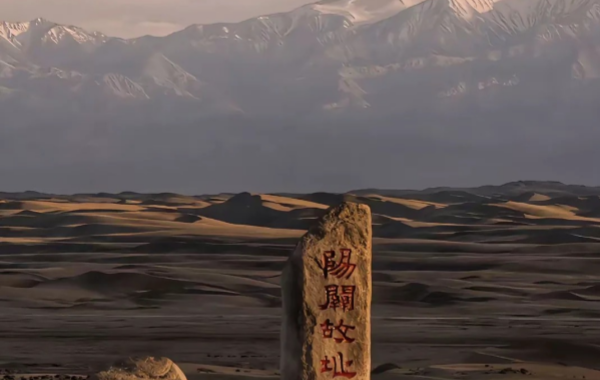
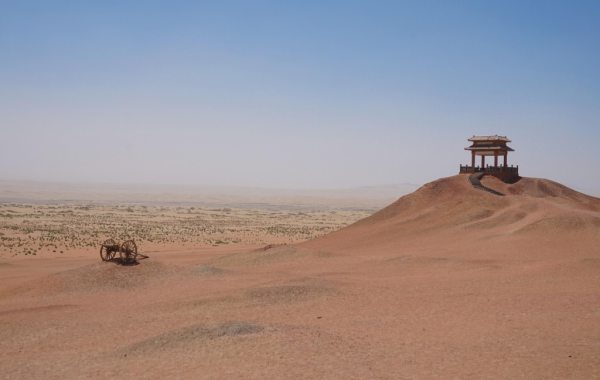
Situated on the "Gudongtan" (Antique Beach) 70 kilometers southwest of Dunhuang City in Gansu Province, Yangguan Pass served as a vital choke point for China's ancient overland international trade routes and was an essential gateway along the Southern Route of the Silk Road.

Core Highlights at a Glance

Identity Tags: The Premier Pass of the Millennium-Old Silk Road / The Spiritual Home of Frontier Poetry

Core Experiences: Exiting the pass while holding a replica ancient travel permit; ascending the beacon tower to gaze upon the "lone smoke" of the desert.

Suggested Visit Duration: 3 to 5 hours (Can be combined with Yumenguan Pass and the Yardang National Geological Park to form a "Dunhuang Western Route" day tour).

Address: Yangguan Scenic Area, Yangguan Town, Dunhuang City, Gansu Province (70 km southwest of the city center).

  • Yangguan Pass: A Journey of Silk Road Farewells Spanning a Thousand Years-1
  • Yangguan Pass: A Journey of Silk Road Farewells Spanning a Thousand Years-2
  • Yangguan Pass: A Journey of Silk Road Farewells Spanning a Thousand Years-3
  • Yangguan Pass: A Journey of Silk Road Farewells Spanning a Thousand Years-4

Origins: A Millennium of Poetic Spirit and Historical Echoes

Furong Ancient Town Furong Ancient Town Furong Ancient Town

Poetic Farewells—Wang Wei’s Timeless Masterpiece

Yangguan Pass owes its unique status within Chinese culture largely to a single poem. When bidding farewell to his friend Yuan Er—who was departing on a diplomatic mission to Anxi—the Tang Dynasty poet Wang Wei penned the immortal verse Farewell to Yuan Er on His Mission to Anxi: "I urge you, drink one more cup of wine; once you head west out of Yangguan, you shall find no old friends." These fourteen characters—simple yet profound—have forever established Yangguan Pass as the ultimate cultural symbol of parting and wistful farewells in the hearts of the Chinese people. For centuries, it was precisely here that countless merchants, envoys, monks, and frontier soldiers drained their final cup of wine from their homeland before stepping onto the vast Gobi Desert and venturing toward the unknown horizons beyond. One could say that to truly understand this poem is to truly understand the very soul of Yangguan.

The Rise and Fall of a Mighty Pass—From Han-Tang Fortress to Sand-Buried Ruins

The history of Yangguan is a microcosm of the rise and fall of the entire Silk Road.

Establishment by Emperor Wu of Han (111 BCE): Emperor Wu of Han "established four commanderies and secured two passes," setting up both Yangguan and Yumenguan at the western terminus of the Hexi Corridor. Situated to the south, Yangguan commanded the Southern Route of the Silk Road; utilizing water sources as natural barriers and river valleys as strategic defenses, it served as a vital military stronghold for the Central Plains dynasties in their administration of the Western Regions.

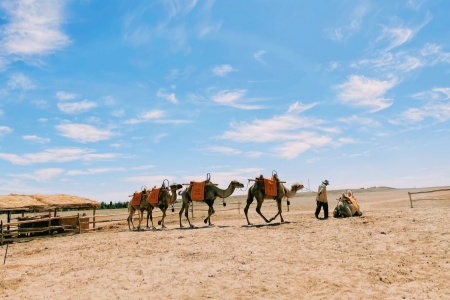
The Prosperity of the Han and Tang Eras: During the Han and Tang dynasties, Yangguan was not merely a military stronghold but also a pivotal hub for trade and cultural exchange between East and West. From Zhang Qian's pioneering expeditions into the Western Regions to Ban Chao's frontier garrisoning and Xuanzang's pilgrimage to the West in search of Buddhist scriptures—countless legends passed through this very spot. Amidst the rhythmic chiming of camel bells, foreign merchants flocked to the pass; Sogdians, Kuchean camel caravans, and merchants from the Central Plains converged here, creating a magnificent scene where "envoys were constantly in sight of one another on the roads, and the stream of merchants and travelers never ceased."

Obscurity in the Song and Yuan Eras: Following the Song Dynasty, as the overland Silk Road fell into decline, Yangguan was gradually abandoned. Day after day, the wind and sand eroded the site, eventually burying the entire fortress city beneath a sea of yellow sand.

Modern Rebirth (2003–Present): In August 2003, the Yangguan Museum was completed and opened to the public, allowing this ancient pass—which had lain dormant for a millennium—to once again open its gates to the world. Today, Yangguan has become a popular cultural tourism destination, attracting nearly 500,000 visitors annually.

Dive Deeper: Explore More Silk Road Wonders  >> [Yungang Grottoes]  | [Longmen Grottoes] 

Must-See Wonders: Solitary Smoke in the Great Desert and the Legacies of Civilization

Furong Ancient Town Furong Ancient Town Furong Ancient Town Furong Ancient Town

Nature's Masterpiece—A Magnificent Tableau Deep Within the Gobi

The natural landscape of Yangguan is an earthly poem—a lyrical tribute to the vastness, immensity, and timelessness of the land. Solitary Smoke in the Great Desert · The Vast Gobi Sky

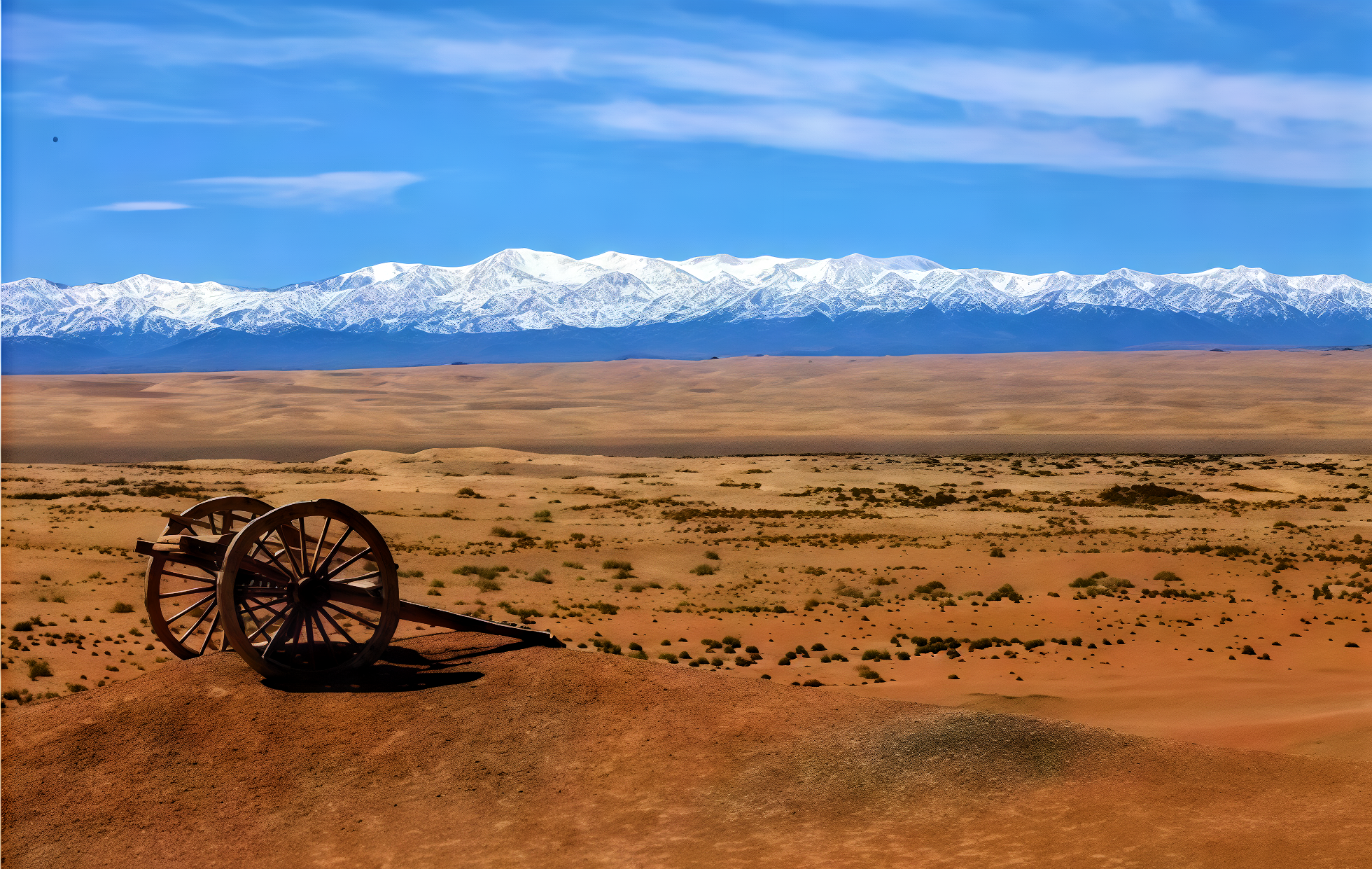
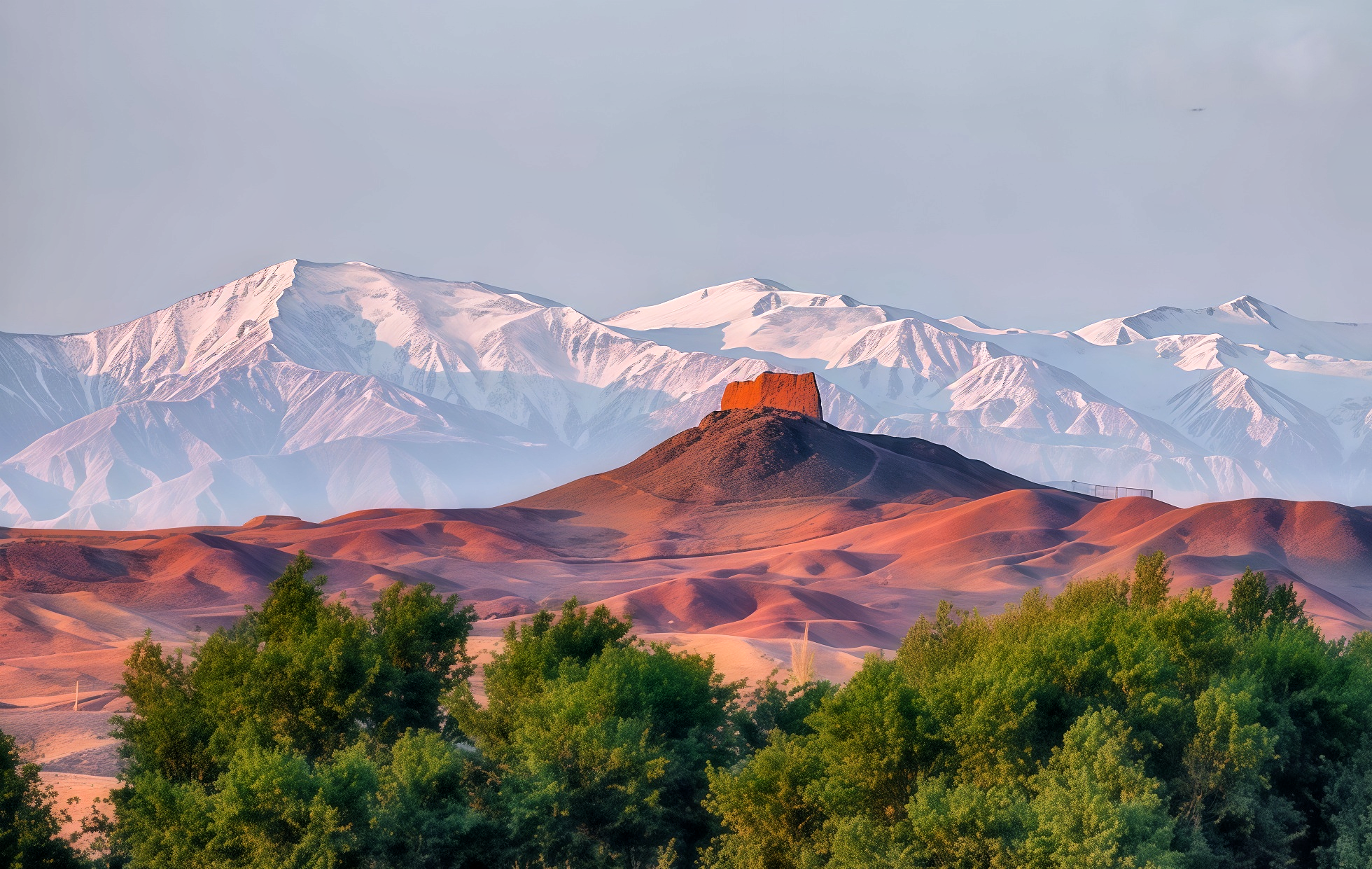
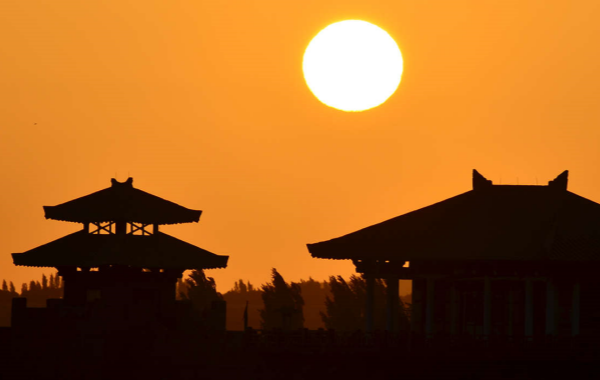
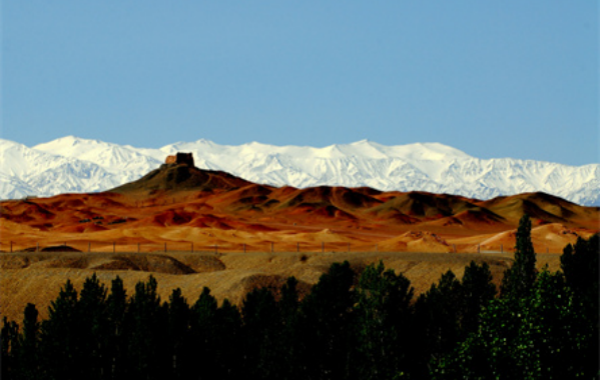
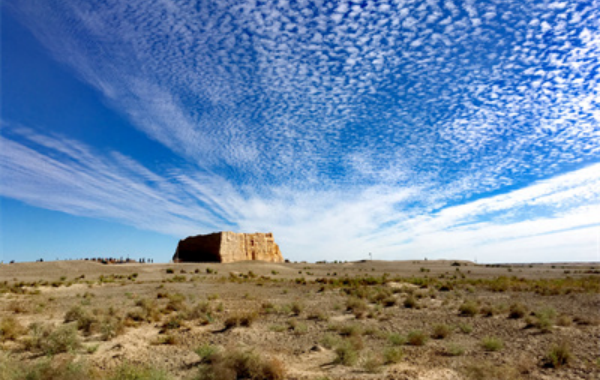
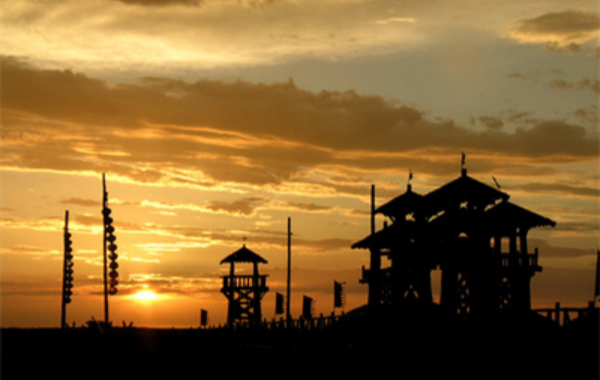
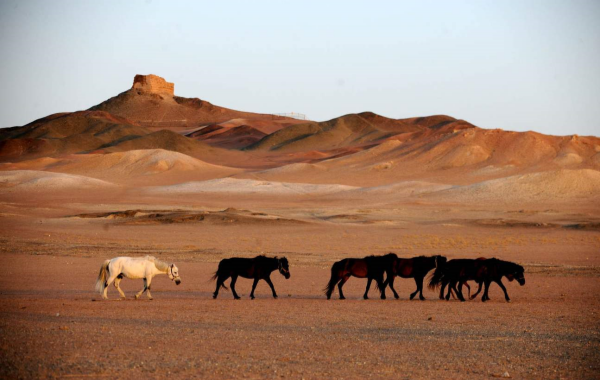
Standing atop the beacon tower at Yangguan Pass and gazing into the distance, the boundless Gobi Desert stretches infinitely toward the horizon; at the very edge of one's vision, the snow-capped peaks of the Altun Mountains stand sentinel against the southern sky. With an average annual precipitation of merely 42.2 millimeters—yet an evaporation rate soaring to 2,505 millimeters—this land of extreme aridity has sculpted a horizon of unparalleled purity. On clear afternoons, as heat shimmers and rises from the Gobi floor, mirages occasionally materialize, projecting illusory images of distant mountains and lakes onto the canvas of earth and sky—a vivid enactment of the poetic mystery captured in the line: "In the great desert, a solitary column of smoke rises straight." Photography Tip: The one to two hours preceding sunset constitute the "golden hour" for capturing the "Sunset at Yangguan." During this time, the fading sunlight bathes both the ruins and the surrounding Gobi in a golden glow, casting a light that is both soft and rich in depth.

An Oasis Miracle · The Wo’wa Pool

Amidst the vast expanse of the Gobi, a shimmering pool of emerald-green water lies embedded like a precious gem—this is the site of the ancient Wo’wa Pool, dating back to the Han Dynasty. Legend has it that Emperor Wu of Han once acquired his fabled "Heavenly Horses" at this very spot; consequently, this vital water source within the Gobi became a lifeline for the frontier soldiers and traveling merchants of antiquity. Today, the Wo’wa Pool remains the vibrant heart of the Yangguan Oasis; swaying reeds and flocks of waterbirds create a striking visual contrast against the surrounding desolation, allowing visitors to truly grasp the meaning of a "source of life in the desert."

Antiques Beach · The Earth’s Memory

Located at the foot of Yangguan Pass, the area known as "Antiques Beach" earned its name from the abundance of Han Dynasty artifacts that were once exposed upon its surface. As the wind and sand sweep across the terrain, fragments—such as bronze arrowheads, ancient coins, stone millstones, and pottery vessels—occasionally surface, as if the earth itself were silently recounting stories from two thousand years ago. Friendly Reminder: Should you discover any artifact fragments while visiting Antiques Beach, please refrain from taking them with you; instead, kindly hand them over to the scenic area staff for proper preservation.

Human Ingenuity · Resurrecting Millennia of Frontier Memories

Every ruin and structure found here serves as a window through which we may engage in a dialogue with history.

The Dundun Mountain Beacon Tower: Sentinel of the Great Desert

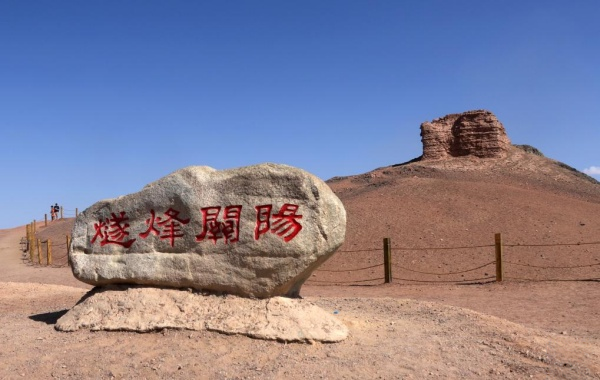
The Beacon Tower atop Dundun Mountain stands as the core of the Yangguan ruins—and indeed, the most awe-inspiring landmark within the entire scenic area. This well-preserved Han Dynasty military installation stands atop a raised platform in the Gobi Desert; despite enduring two millennia of wind and sand, its rammed-earth layers remain clearly discernible. Ascending the beacon tower, one can gaze down upon the entire ancient Yangguan route, almost visualizing the garrison soldiers of old igniting wolf-smoke signals in this desolate wilderness to relay vital military intelligence. This is the silent witness alluded to in the famous verse: "Once you pass Yangguan to the west, you shall meet no old friends."

The Yangguan Museum: A Living Classroom of History

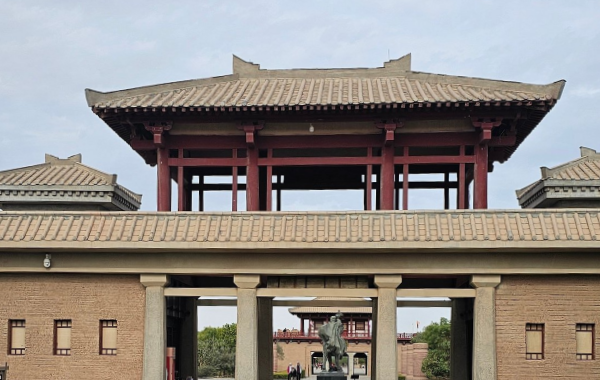
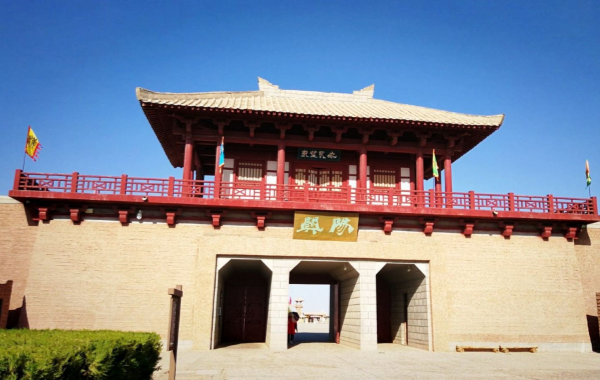
The Yangguan Museum opened its doors in 2003 and was subsequently upgraded to a National Second-Class Museum in 2025. The museum complex features a Han Dynasty-style fortress architectural design, centered around a solemn and majestic Han Que (ornamental gate tower) situated along its central axis. The museum houses a collection of over 4,000 artifacts—including stone tools, jade objects, pottery, bronzeware, and silk textiles—which systematically chronicle the military history, trade activities, and ethnic integration that characterized the southern route of the Silk Road. Notably, the "Two Passes and Han Fortifications" Hall utilizes a sand-table diorama to illustrate the defensive network of the Dunhuang frontier, while the "Silk Road" Hall vividly recreates the bustling scenes of merchant caravans traversing the route. Must-see treasures of the museum include: the Han Dynasty "Heavenly Horse Brick," which echoes the legend of Emperor Wu’s quest for magnificent steeds; a Tang Dynasty pottery figurine of a "Hu" merchant leading a camel, capturing the grandeur of caravans crossing the Gobi; and a suit of tightly interlinked chainmail, a relic that speaks to the rugged realities of frontier life during the era of cold weaponry.

The Reconstructed Yangguan Fortress and Commandant's Office: A Stage for the "Crossing the Pass" Ritual

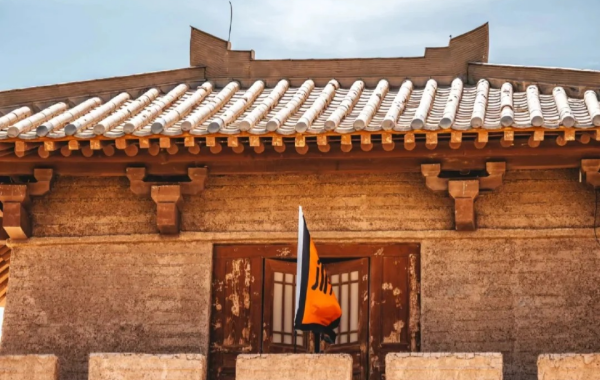
The scenic area features a faithful reconstruction of the Yangguan Fortress and the Commandant's Office in the style of the Han Dynasty, offering visitors an immersive experience of frontier life during the Han and Tang periods. Here, staff members dressed in the attire of ancient officials present visitors with a replica "Frontier Clearance Pass"—a bamboo slip bearing a vermilion seal and the holder's personal details—without which one cannot officially "cross the pass." This highly ritualized experience transforms the poetic imagery of "crossing Yangguan to the west" from a mere literary concept into a tangible moment that every visitor can personally experience. Photography Tips:

The best vantage point for panoramic shots is atop the Dun Dun Mountain Beacon Tower, offering a view that encompasses both the vast Gobi Desert and the distant snow-capped peaks of the Altyn-Tagh Mountains.

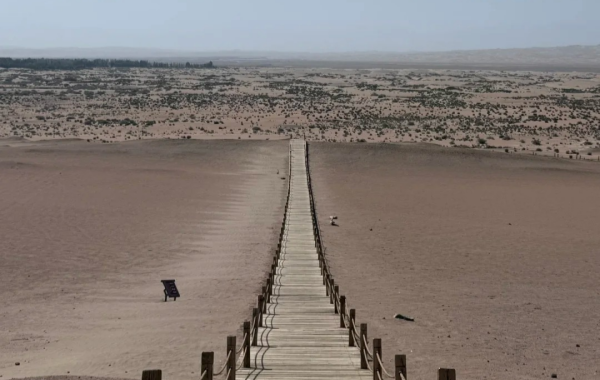
The wooden boardwalk along the ancient Yangguan route is ideal for capturing human silhouettes, with backlit shots taken at sunset yielding particularly stunning results.

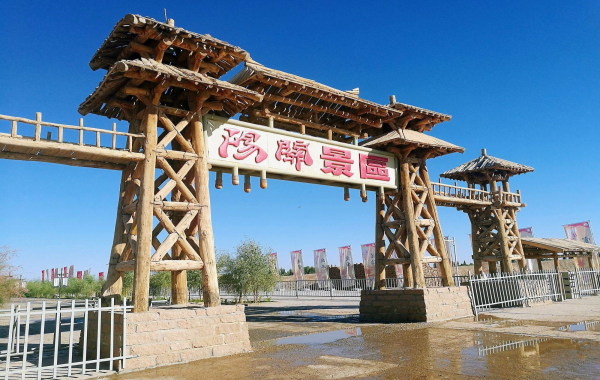
The archway of the replica Yangguan Fortress gate serves as a classic spot for capturing photos that evoke the ceremonial atmosphere of "departing the pass."

Drone flight is permitted within the scenic area (subject to prior registration), allowing you to capture epic aerial perspectives of the ancient route winding its way across the Gobi.

Core Experiences: An Immersive Guide to Life on the Silk Road

Furong Ancient Town Furong Ancient Town Furong Ancient Town Furong Ancient Town

Five Must-Do Activities to Unlock the Complete Yangguan Experience

1. Obtain a "Travel Permit" and Personally Experience the "Departure Ceremony"

This is the most iconic experience Yangguan has to offer. At the Commandant's Office, staff members will ceremoniously present you with a replica "Travel Permit"—an antique-style bamboo scroll bearing a vermilion seal imprint. The moment you pass through the archway of the replica Han Dynasty fortress gate with this permit in hand, you are instantly enveloped by the ceremonial atmosphere experienced by merchants and envoys departing the pass a thousand years ago. This permit also serves as a fantastic travel souvenir.

2. Ascend the Beacon Tower and Gaze Upon the "Solitary Smoke of the Desert"

Climbing the Dun Dun Mountain Beacon Tower is the best way to truly grasp the desolate grandeur of Yangguan. Standing atop the high platform once guarded by Han Dynasty sentries, you can gaze out across the boundless Gobi Desert, with the snow-capped peaks of the Altyn-Tagh Mountains shimmering faintly in the distance. It is recommended to make the ascent one hour before sunset; this is when the lighting is most magnificent—the "golden hour" for capturing the iconic "Yangguan Sunset."

3. Walk a Stretch of the Ancient Yangguan Route and Touch the Pulse of History

Extending into the distance from the foot of the Beacon Tower lies the authentic ancient Yangguan route. As you hike along the wooden boardwalk, you walk upon the very ground trodden by merchants and travelers over the millennia, flanked by the clearly visible rammed-earth layers of the Han Dynasty frontier fortifications. These layers of loess—interspersed with reeds—stand as a testament to the ingenuity of ancient craftsmen. This hike requires little physical exertion, yet it allows the profound weight of history to resonate deep within your soul. 

4. Embark on an Immersive Study Tour: Journey Through a Han Dynasty Frontier Pass

Yangguan serves as a national-level base for educational travel, offering over twenty distinct study programs. Visitors can engage in interactive activities such as beacon signaling (including friction fire-starting and lighting "wolf-smoke" signals), archery practice at the drill grounds, Great Wall construction (personally tamping earth to build walls), armored patrols, and the crafting of wooden administrative slips. The "Yangguan Market" immersive program—newly launched in 2025—allows visitors to step into the role of Han Dynasty merchants, clutching copper coins as they haggle with "foreign traders" amidst the reconstructed streets of the frontier market, thereby experiencing firsthand the bustling prosperity of Silk Road commerce.

5. Capture a Han-Style Photo Shoot in the Desert

The desolate beauty and distinct Han-Tang aesthetic of Yangguan make it an exceptional setting for "Gu Feng" (ancient-style) photography. The scenic area offers Hanfu (traditional Han clothing) rental services; don flowing robes with wide sleeves to capture timeless images against the backdrop of beacon towers, ancient pathways, and the historic pass fortress. For the most harmonious visual effect against the hues of the Gobi Desert, it is recommended to choose solid-colored or elegantly understated Hanfu styles.

Suggested Itinerary

A visit to the Yangguan Scenic Area typically requires 4 to 5 hours. The suggested sightseeing route is as follows:

Reconstructed Yangguan Pass Fortress / Commandant's Office (Obtain your "frontier clearance permit"—approx. 30 minutes) → Yangguan Museum (Visit the "Two Passes & Han Fortifications" Hall and the "Silk Road" Hall—allow 1 to 1.5 hours for an in-depth exploration) → Take the scenic area's electric shuttle to the Dundun Mountain Beacon Tower (approx. 10-minute ride) → Ascend the beacon tower to overlook the ancient Yangguan route and the vast Gobi Desert (Allow 40 minutes—includes time for photography and sunset viewing) → Walk along the wooden boardwalk to trace the ancient Yangguan route and view the ruins of the Han-era defensive wall (approx. 30 minutes) → View the "Gudongtan" (Antique Beach) from a distance (approx. 20 minutes) → On the return journey, opt to try archery at the drill grounds or participate in the beacon signaling activity (approx. 30 minutes—optional, based on personal interest)

Dunhuang "Western Route" Day Trip Combination (Integrating with nearby attractions):

If you have ample time, it is highly recommended to incorporate Yangguan into a full-day tour of Dunhuang's "Western Route" attractions. The classic itinerary is as follows: Dunhuang City Center → Dunhuang Film & TV City (Silk Road Heritage City) → Western Thousand Buddha Caves → Yangguan Pass (lunch featuring local flavors can be enjoyed at a farmhouse restaurant near Yangguan) → Yumenguan Pass (including Hecang City and the Han Dynasty Great Wall) → Yardang National Geological Park (for sunset viewing) → Stargazing in the Gobi Desert on the return journey → Return to Dunhuang City Center. This route covers a total distance of approximately 400 kilometers; it is recommended to travel via a join-in group tour or by chartering a private vehicle. During the peak season, private charter fees range from approximately 600 to 800 RMB per vehicle, while join-in group tours cost between 150 and 280 RMB per person. A direct shuttle service to the scenic areas departs daily in the morning from the Dunhuang Bus Station; the ticket price is 128 RMB per person, and the route covers major attractions such as Yangguan, Yumenguan, and Yardang.

IntoTravelChina Advantage: We can book the most suitable accommodation for you, seamlessly coordinate all your activities, and provide detailed hiking route maps and safety guidelines.

Professional Guides: IntoTravelChina offers fully customized itineraries, including a dedicated private guide, transportation, and activity arrangements, ensuring a worry-free and in-depth travel experience. >> [Inquire Now for Customization]

Comprehensive Travel Guide: Transportation, Seasons, and Practical Tips

Furong Ancient Town Furong Ancient Town

How to Get There: A Seamless Connection Guide

Yangguan Pass is located 70 kilometers southwest of Dunhuang City. As there is no direct airport or high-speed train station at the site, Dunhuang City Center serves as the sole transit hub.

Departing from Dunhuang City Center:

Self-Driving or Private Charter: Drive along National Highway G215 for approximately one hour to reach the site. Use your GPS to navigate to "Yangguan Scenic Area Visitor Center." Parking is free of charge. This is the most flexible option, allowing you to freely combine your visit with other attractions along the "Western Route."

Direct Scenic Area Shuttle: The shuttle departs daily at 7:40 AM from the Dunhuang Bus Station. The route covers the Dunhuang Silk Road Heritage City, Yangguan Pass, Yumenguan Pass, and Yardang National Geological Park. The ticket price is 128 RMB per person. It is recommended to call one day in advance to confirm the exact departure time.

Join-in Group Day Tours: This is the most efficient and economical option for solo travelers. Travel agencies in Dunhuang City Center offer join-in group tours for the Western Route, which include hotel pick-up/drop-off, all transportation, and professional commentary. During the peak season, tours form almost every day, with prices starting at approximately 198 RMB per person. Traveling from Nearby Cities:

Driving from Jiayuguan takes approximately 4 hours, while driving from Jiuquan takes about 4.5 hours. If traveling from Lanzhou, you can first take a high-speed train to Dunhuang Station (approx. 8 hours), then transfer to local transportation to reach the site.

Important Reminder: Mobile signal coverage along the Dunhuang Western Route is unstable, and gas stations are scarce. Before setting off, please ensure your fuel tank is full, download offline maps, and pack an ample supply of drinking water and snacks.

Best Time to Visit

Yangguan offers distinct scenery in every season; however, the best time to visit is from May to October, when the climate is relatively mild—ideal for outdoor exploration and photography.

Peak Season (May to October): The weather is warm with abundant sunshine, making it perfect for outdoor activities and photography. During the summer months (June to August), daytime temperatures can be quite high; it is recommended to visit in the early morning or late afternoon to avoid the midday heat. This period also marks Dunhuang's peak tourist season, so advance booking for accommodation and tickets is highly recommended.

Shoulder Seasons (April & November): Visitor numbers are relatively low, and temperatures are cool—an excellent time for those seeking a tranquil and peaceful experience. In autumn, the Gobi landscape takes on warmer hues, offering particularly stunning opportunities for photography during sunrise and sunset.

Off-Season (December to March): Crowds are sparse, and prices for tickets and accommodation are significantly more affordable. The snow-covered Gobi landscape possesses a unique, rugged beauty. However, please note that some outdoor activities may be subject to adjustment or cancellation due to weather conditions. Temperatures can plummet to as low as -30°C, so be sure to dress warmly and prepare accordingly.

Tickets and Opening Hours

Scenic Area Opening Hours: 8:00 AM – 9:00 PM (April 1 to October 31); 8:30 AM – 7:30 PM (November 1 to March 31).

Ticket Price: 50 RMB per person (Students, military personnel, and journalists are eligible for a 50% discount upon presentation of valid ID; children under 1.2 meters in height enter for free).

Scenic Area Shuttle Cart: 10 RMB for a round trip; riding the shuttle is recommended to conserve energy. Specialty Experience Fees: Activities such as camel riding, horseback riding, and donkey cart rides require separate payment; specific prices are subject to the rates posted at the scenic area on the day of your visit.

Pre-Trip Preparation Checklist

Identification: National ID Card (real-name registration is required for ticket purchases at all scenic spots).

Sun Protection: UV radiation in the Gobi Desert is extremely intense; we recommend bringing SPF 50+ sunscreen, a wide-brimmed hat, sunglasses, and a face towel.

Clothing: The temperature difference between day and night can exceed 15°C; even in summer, we recommend packing a light jacket. In winter, heavy down jackets, thermal underwear, gloves, and scarves are essential.

Supplies: Energy bars and an ample supply of drinking water (supply points are scarce along the Western Route).

Electronic Devices: A portable power bank and offline maps (essential for areas with unstable mobile signal coverage).

Photography Gear: A tripod (for stargazing or long-exposure photography) and a wide-angle lens (for capturing panoramic desert landscapes).>> [Consult for Customization Now]

Extended Journeys: A Classic Loop Connecting the Highlights of the Hexi Corridor

Furong Ancient Town

Yangguan Pass serves as an excellent starting point—rather than a final destination—for exploring the Hexi Corridor and the civilizations of the Silk Road.

Classic 3-Day Dunhuang Itinerary: Day 1 (City Route) — Mogao Caves → Mingsha Mountain & Crescent Spring (sand-sliding, camel riding, sunset viewing) → Shazhou Night Market; Day 2 (Western Scenic Route) — Dunhuang Film & Television City → Western Thousand Buddha Caves → Yangguan Pass → Yumenguan Pass → Yardang National Geological Park (Sunset Route); Day 3 (Immersive Experience Route) — Dunhuang Museum → Leiyin Temple → Dunhuang Bookstore (clay tablet art workshop). This itinerary offers a perfect blend of grotto art, frontier landscapes, and immersive desert experiences. View the 3-Day In-Depth Dunhuang Tour Itinerary

5-Day Hexi Corridor Highlights Loop: Dunhuang (Mogao Caves, Mingsha Mountain, Yangguan Pass, Yumenguan Pass) → Jiayuguan (Jiayuguan Fortress, Overhanging Great Wall) → Zhangye (Rainbow Danxia, Giant Buddha Temple) → Wuwei (Leitai Han Tomb, Confucian Temple) → Lanzhou (Yellow River Scenic Route). Following this route, you will traverse the complete military defense lines and trade routes of the Han and Tang dynasties, witnessing geographical wonders ranging from vast deserts and Gobi landscapes to snow-capped mountains and grasslands. View the 5-Day Hexi Corridor Panoramic Itinerary.

Silk Road Cultural Immersion Journey: Connecting Yangguan with Xi'an (the starting point of the Silk Road), Tianshui (Maijishan Grottoes), Turpan (Ancient City of Gaochang), and Kashgar (a major Silk Road hub), this journey allows you to experience the complete epic history of the Silk Road, stretching from Chang'an to the Western Regions. Explore the Panoramic Silk Road Cultural Tour.

Partner with IntoTravelChina to Embark on Your Exclusive Silk Road Legend

Furong Ancient Town

The story of Yangguan is one of separation and reunion spanning a thousand years—a tale of past prosperity buried beneath the sands and the contemporary revival of civilization. IntoTravelChina specializes in crafting in-depth, personalized, and hassle-free cultural journeys through China for travelers worldwide. Our travel experts can assist you with:

Tailor-Made Itineraries: Designing the perfect route—including Yangguan and other attractions along the Hexi Corridor—based on your specific interests and available time.

One-Stop Service: Handling all arrangements, including attraction tickets, unique accommodations (ranging from boutique guesthouses to international 5-star hotels in Dunhuang), transportation transfers, local bilingual guides, and educational activity bookings.

Exclusive Experiences: Arranging unique immersive activities such as a "border-crossing" ceremony complete with a historical travel permit, private sunset photography sessions, and a starlit dinner in the Gobi Desert.

Let your journey to Yangguan be more than just sightseeing; let it be a dialogue with civilization that transcends time and space.

Start Planning Your Journey Now

We invite you to contact our professional travel consultants; we will provide you with a personalized itinerary proposal and price quote within 24 hours. >> [Consult for Customization Now]
What Our Clients Say?

Based on 10,000+ traveler reviews

...
Daniel Dorothea
Canada
Reviewed on April 29,2025
Shopping on Nanjing Road in Shanghai was just amazing! It's truly the "First Commercial Street of China", where tradition and modernity blend perfectly. You can find awesome souvenirs and experience the trendy vibes in cool stores. The neon lights at night are just spectacular, shining bright like Times Square in New York. The food here is incredible too. I had a feast for my taste buds. Shanghai, I'll definitely be back!
Destination(s): Shanghai
Date of Experience: May 08,2024
...
...
Elvis Eva
Canada
Reviewed on June 20,2025
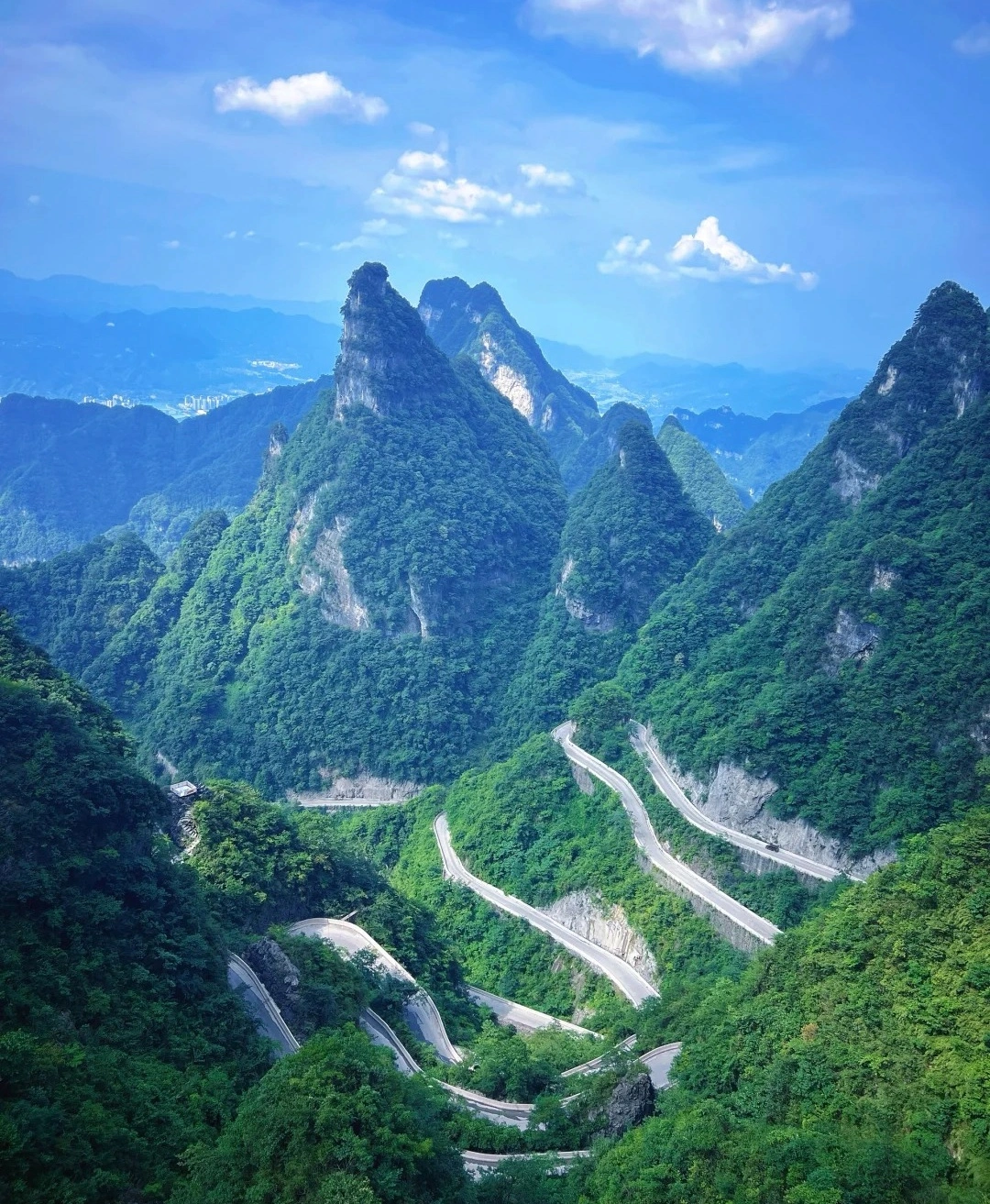
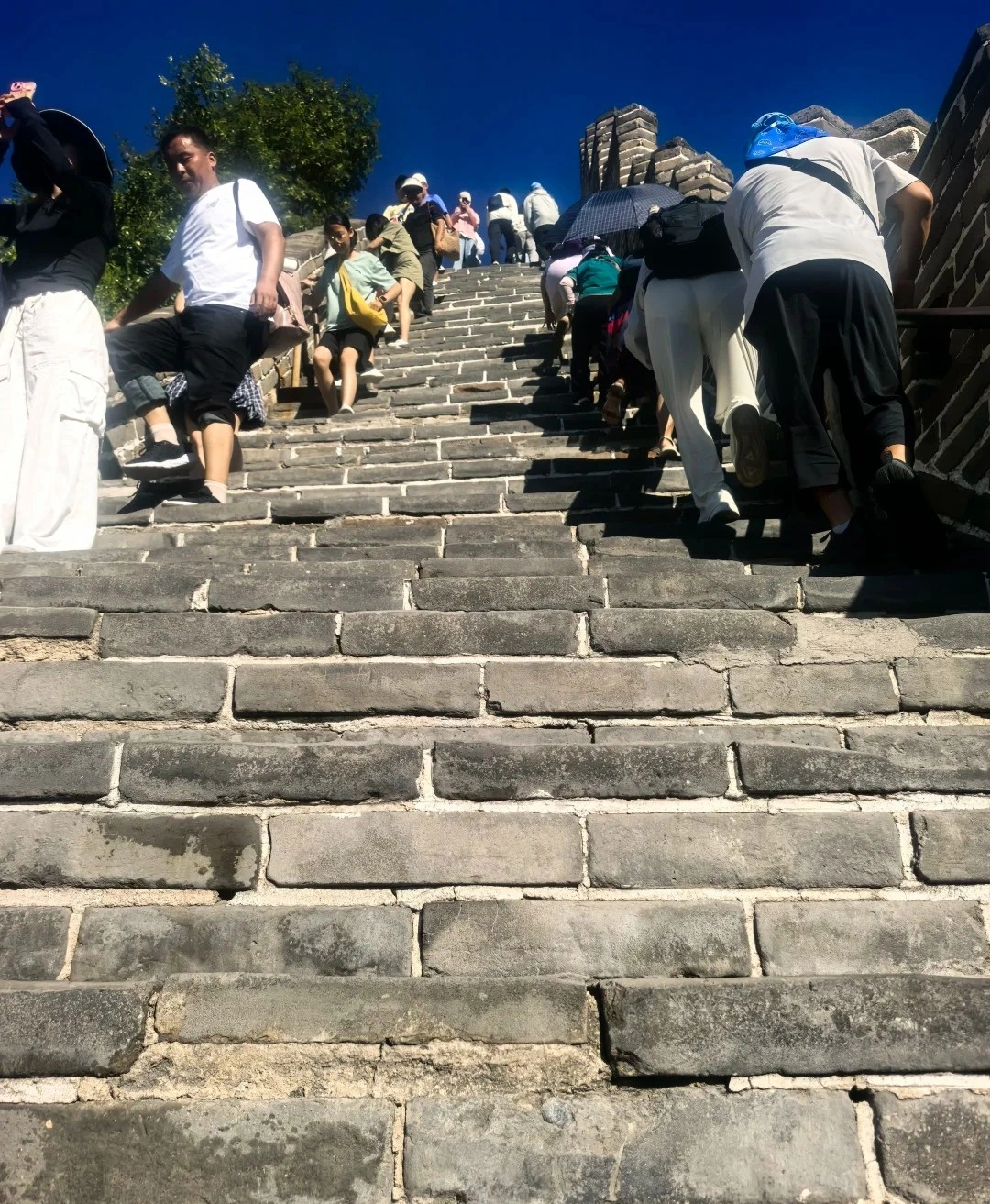
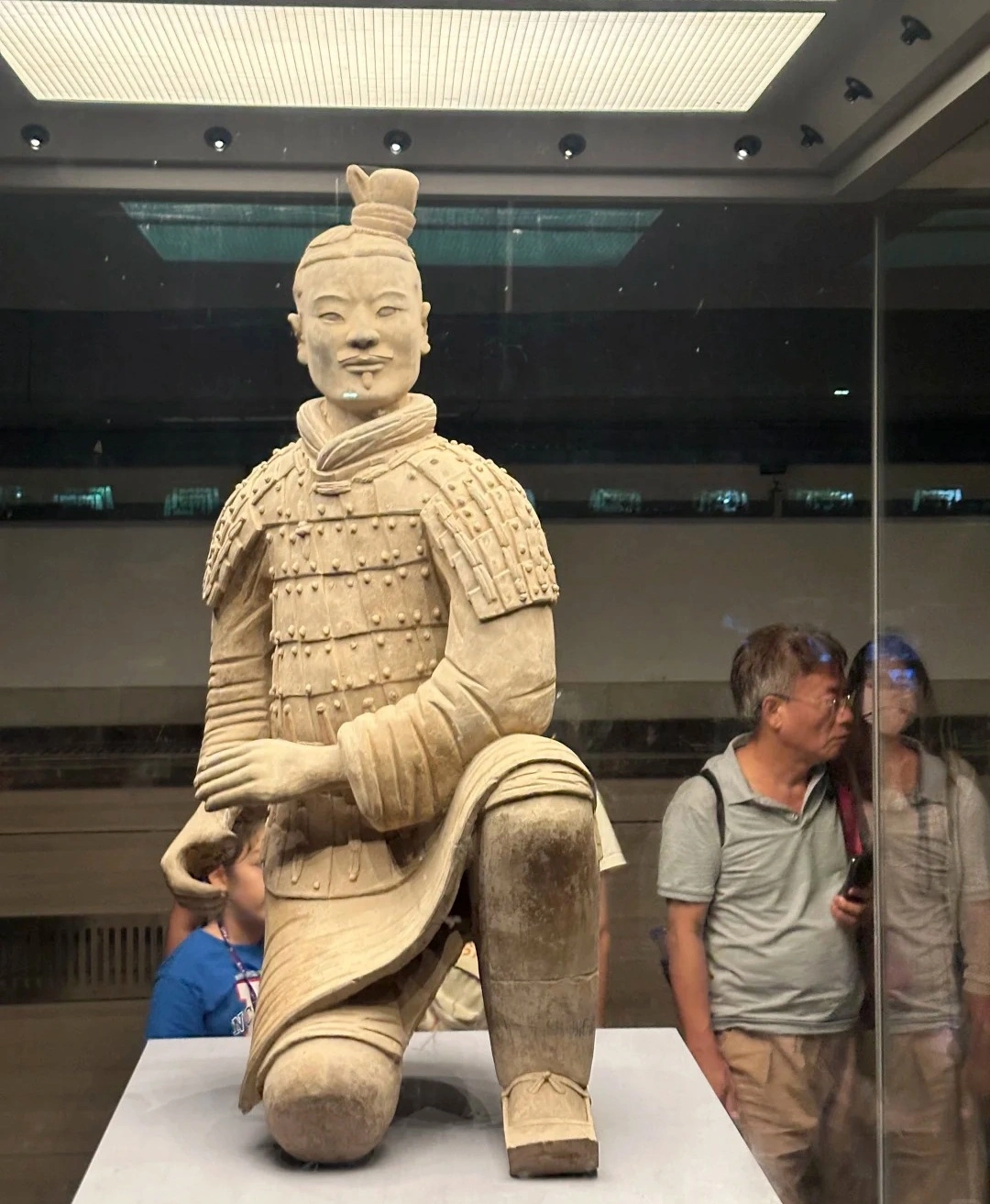
As a solo traveler from Canada, I was nervous about navigating China alone—but this 11-day tour was PERFECT! From hiking the Great Wall at sunrise (Day 3) to gasping at the Terracotta Army (Day 5), every day delivered ‘pinch-me’ moments. The real showstopper? Zhangjiajie’s Avatar Mountains (Day 7)! Our guide made the stone pillars come alive with stories. Massive thanks for handling all logistics—bullet train tickets, entry passes, car! And the 4-star hotels surprised me.
Destination(s): Beijing Xian Zhangjiajie Shanghai
Date of Experience: June 02,2025
... ... ...
...
Simon
America
Reviewed on May 29,2025
Our 2-day Zhangjiajie tour was beyond spectacular! As someone who’s visited Beijing and Shanghai for work, this trip revealed China’s wild, magical heart. Day 1 in Zhangjiajie National Forest Park felt like stepping onto Pandora—I’m a huge Avatar fan, and Yuanjiajie’s floating peaks left me breathless. The misty pillars and lush valleys like pure movie magic! Then came Fenghuang Ancient Town, we eat dinner beside the thundering waterfall. It seems Unreal! The night views of stilt houses glowing over the river were straight from a fairy tale. For fellow Avatar lovers and adventure seekers: Don’t miss this bucket-list experience! 10/10 would return. A Well-Traveled Film Buff, May 2025
Destination(s): Zhangjiajie
Date of Experience: May 08,2025
... ...

Ask a Question

Question Summary (100 characters)
Details (optional) (2,000 characters)
Name
Country
Email