Nature's Creation—The Breath and Pulse of the City's Green Lungs
The natural landscape of Fuzhou National Forest Park is an eternal concerto of forests,waterways,and the changing light and shadow of the four seasons.
Millennial Banyan King:A Marvelous Spectacle of a Single Tree Forming a Forest
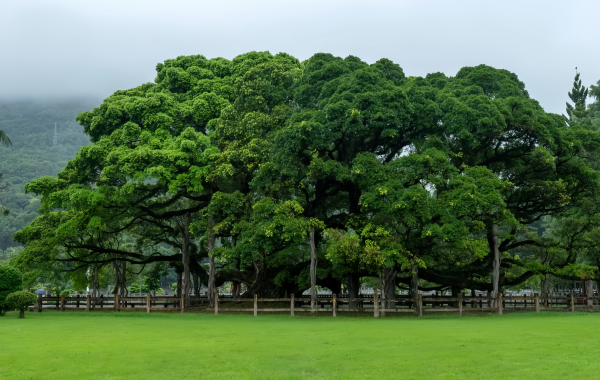
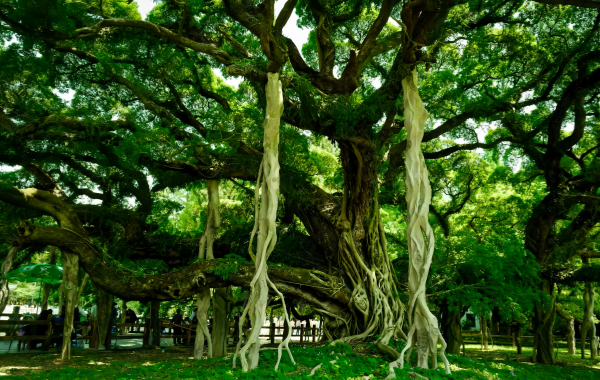
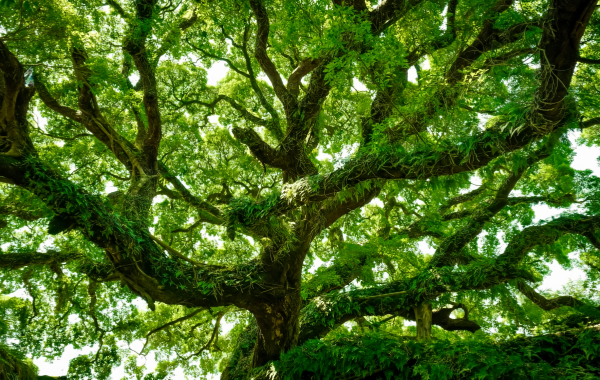
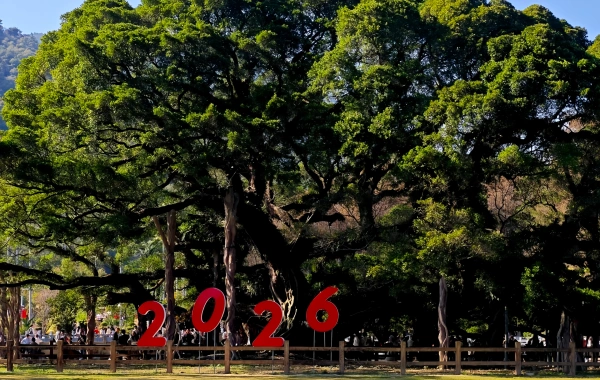
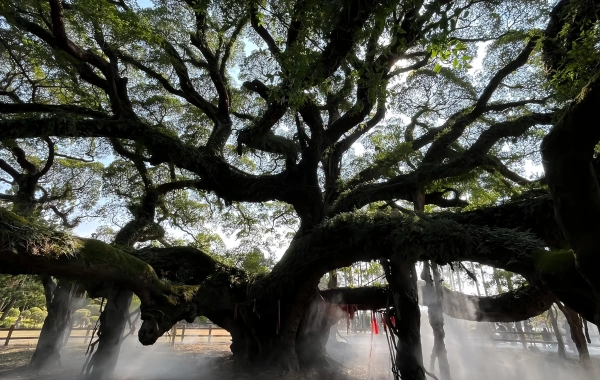
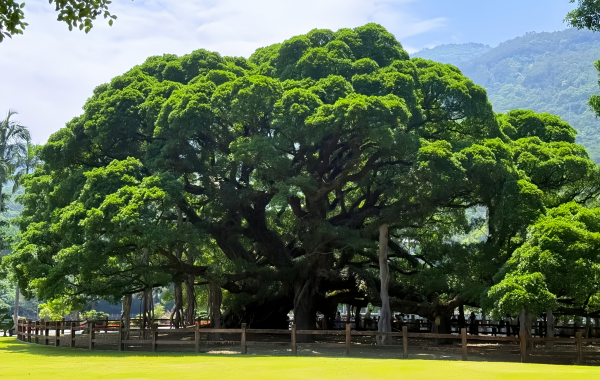
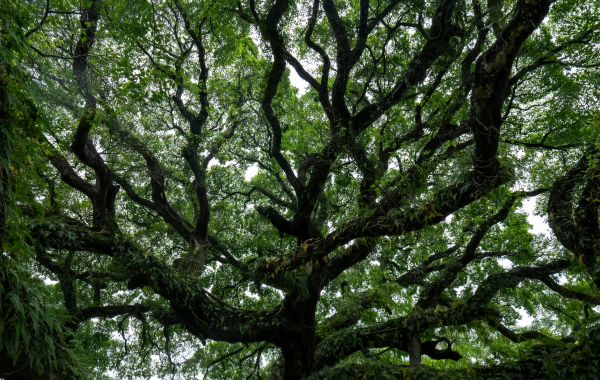
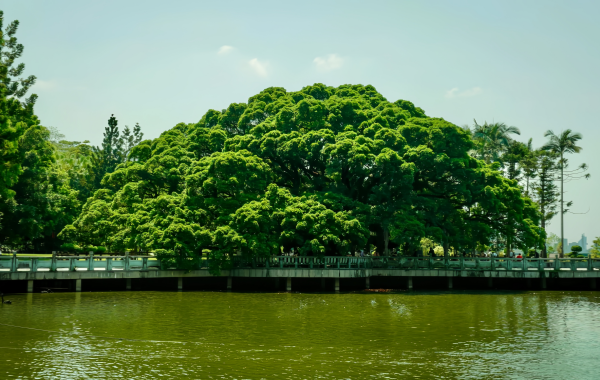
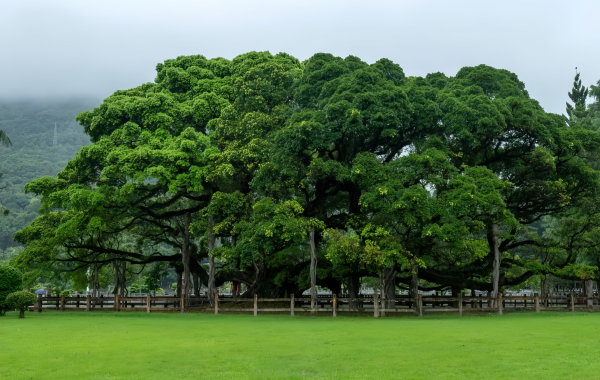
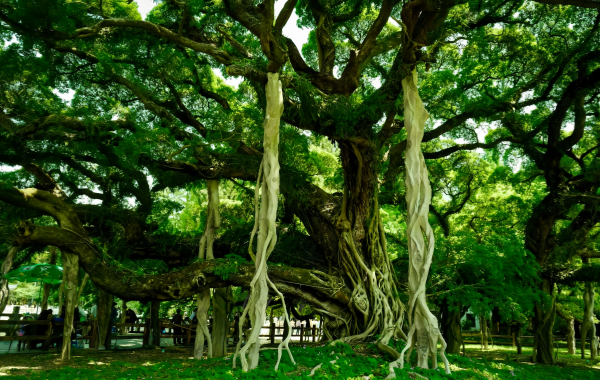
The most breathtaking sight in the park is undoubtedly the"Banyan King,"planted during the Northern Song Dynasty,its canopy providing ample shade.Legend has it that this ancient banyan tree was planted during the Zhiping era of the Northern Song Dynasty when Zhang Boyu,the prefect of Fuzhou,advocated for the planting of banyan trees,making it nearly a thousand years old.Its trunk diameter is approximately 10 meters,its height 20 meters,and its canopy covers over 1300 square meters,capable of accommodating a thousand people for shade.
This single tree forming a forest is a breathtaking spectacle,resembling a small green hill,a vivid testament to Fuzhou's reputation as the"Banyan City."This ancient banyan tree was once ranked alongside the King of Chinese Fir in Guling,the King of Camphor Trees on Wuyi Road,and the King of Kauri in Cangshan as one of Fuzhou's Four Great Tree Kings,and even attracted the attention of Chinese National Geography.Numerous koi carp swim in the pond beneath the banyan tree,their orange-red ripples visible from afar.An inscription nearby reads:"The banyan shade reflects on the rippling water,a sight even more beautiful than strolling among flowers,"prompting every visitor to pause and marvel.
Photography tip:
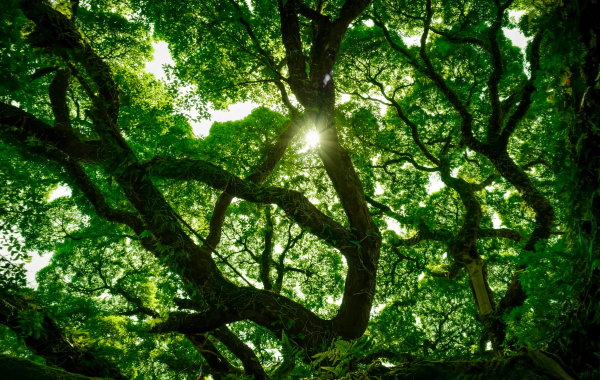
The best time to photograph is in the early morning or afternoon,when sunlight filters through the banyan's tendrils,casting dappled shadows,creating a visually striking scene of a single tree forming a forest.
Longtan Waterfall:The Sound of a Clear Spring Deep in the Canyon
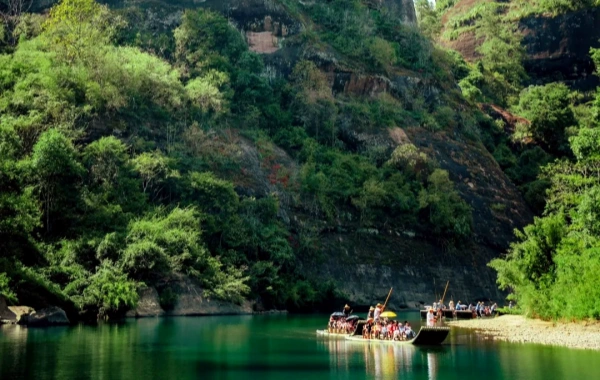
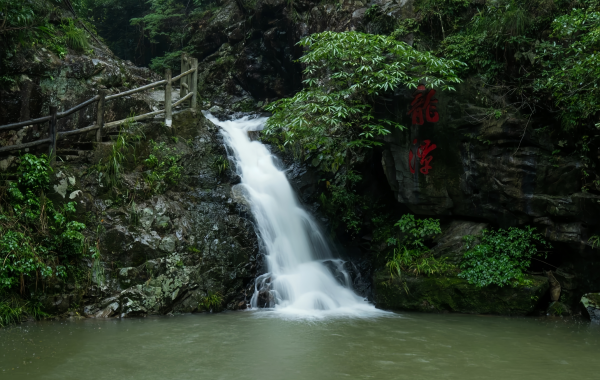
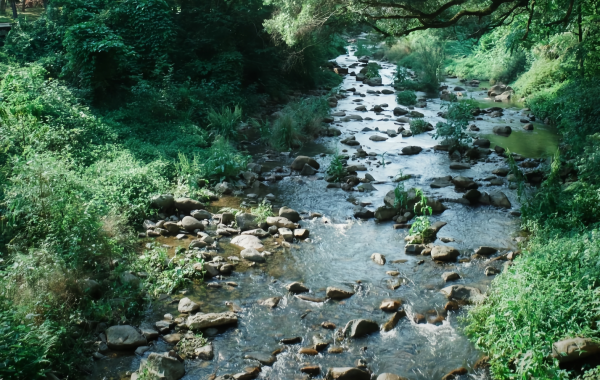
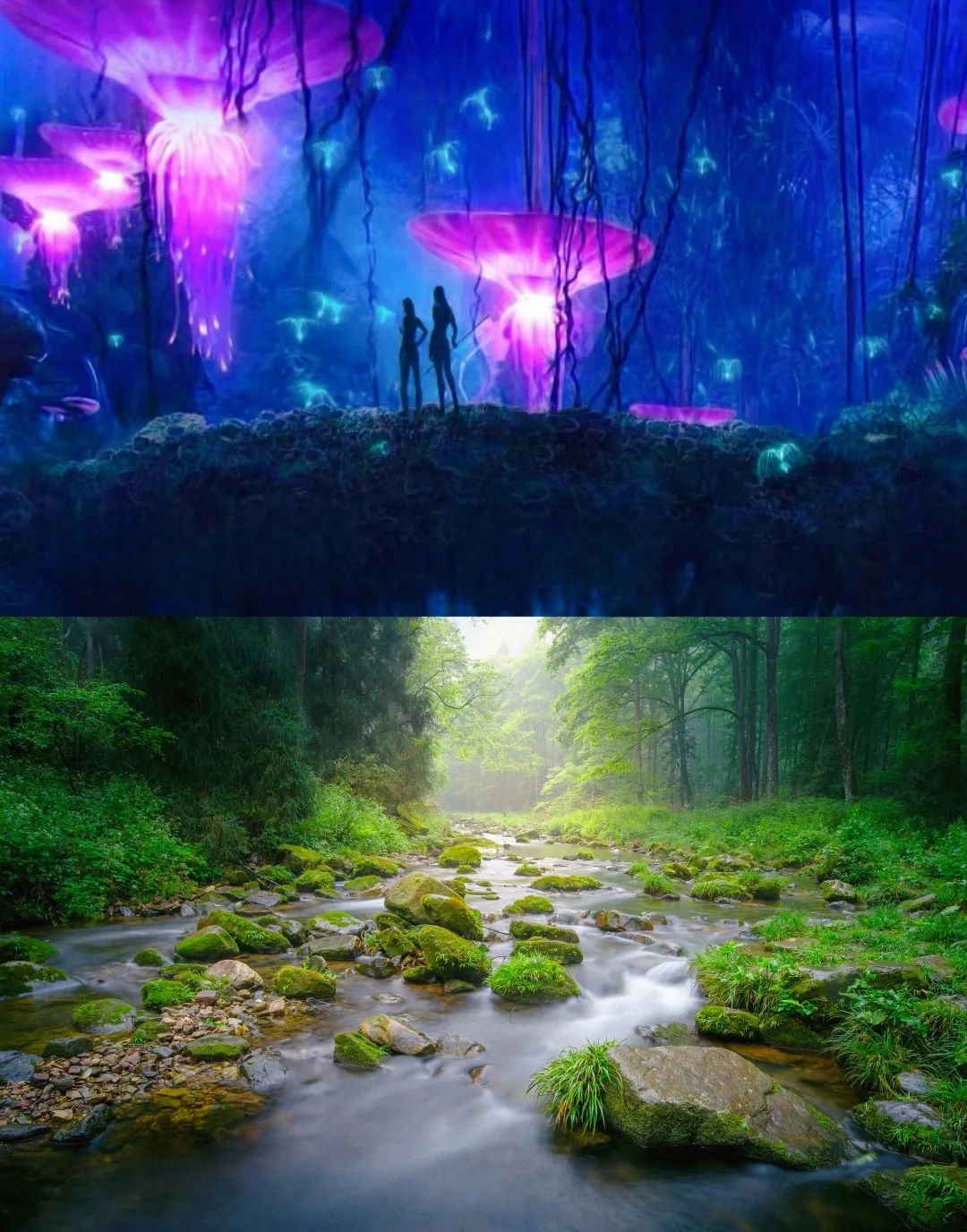
Longtan Creek flows from north to south through the park,creating a beautiful and tranquil natural environment.Longtan Scenic Area,located at the northernmost end of the forest park,features typical South Asian subtropical rainforest characteristics.The hiking trail winds through the mountains,starting at the Lychee Garden and ending at Longtan Waterfall,a total length of 5.2 kilometers.The hike is not strenuous and requires little physical exertion.Along the way are attractions such as Longtan Waterfall,the Inscribed Pool,the Echo Terrace,and the Lanbi Pavilion.Standing at the Lanbi Pavilion,one can overlook the Bayi Reservoir and the city,its surface shimmering.The reservoir is most abundant after rain,with the clear waters splashing and the sound of flowing water filling the air—a perfect place to cool off,escape the summer heat,and connect with nature.
Rare Plant Garden:A Habitat for Living Fossils
The garden houses 8095 species of plants from 257 families,including 150 species of nationally protected wild plants.In the rare tree garden,you can encounter rare and endangered plants such as the"living fossil"tree fern and dawn redwood.This place not only boasts rare tree species such as ginkgo,eucommia,and rosewood,but also exhibits from over 30 countries and regions,including North American redwood,Iraqi date palm,and Pakistani bodhi tree.A stroll through it feels like walking through a world botanical expo.
Bamboo Ornamental Garden:The Most Comprehensive Bamboo World in East China
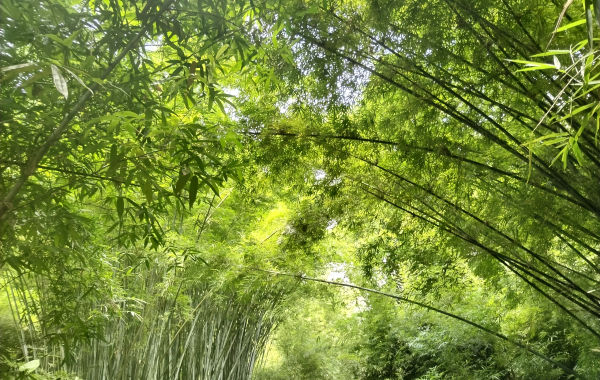
The bamboo ornamental garden gathers 226 varieties of bamboo,making it the most comprehensive bamboo garden in East China.Tens of thousands of bamboo stalks cover an area of1.5 hectares,accounting for over 60%of the bamboo varieties in China.Among them are the Buddha Belly Bamboo,with its swollen internodes resembling a Buddha's belly;the robust and elegant Square Bamboo;the tall and magnificent Golden-striped Green Bamboo;as well as Purple Bamboo,Spotted Bamboo,Human-face Bamboo,and Luohan Bamboo,each with its own unique shape and characteristics.Every year in March and April,the spring breeze rustles the bamboo leaves,filling the air with a moist and refreshing fragrance.Being there allows one to more deeply understand Su Shi's sentiment of"I'd rather eat no meat than live without bamboo,"a sentiment often expressed by scholars.
Forest Wetlands and Bird Paradise:Breathing Ecological Capsules
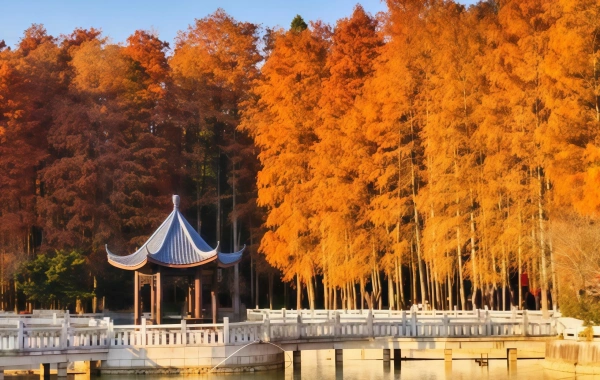
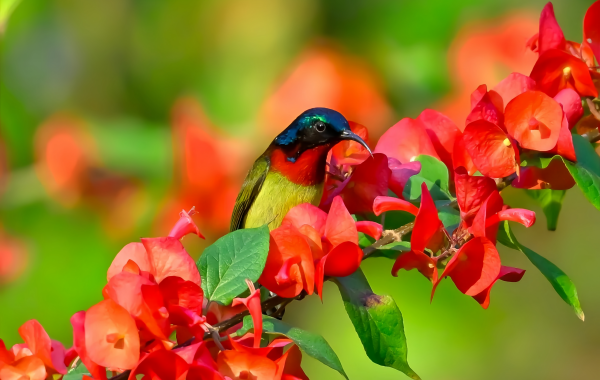
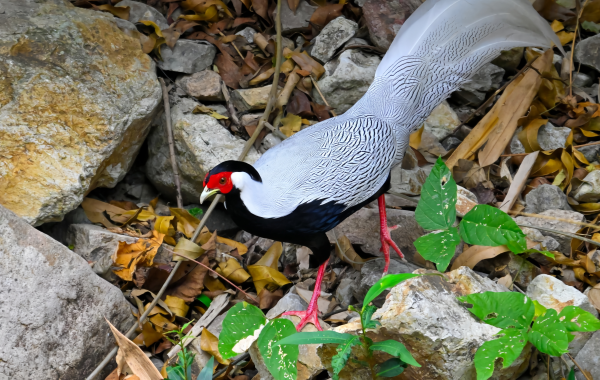
The park is an excellent habitat for wintering migratory birds.From late October to March each year,more than 20 species of brightly colored migratory birds,including the White-browed Bunting,the Northern Red-tailed Robin,and the Yellow-browed Warbler,arrive here,offering birdwatchers a visual feast.The dawn redwood forest,mainly planted along the release pond,is dominated by pond redwoods.Their straight and upright trunks,neatly arranged,form a large-scale forest of red leaves.In winter,the dawn redwoods don their fiery red"outfits,"creating a vibrant and romantic scene.
The natural landscape of Fuzhou National Forest Park is far more than just"viewing";it's about"breathing"and"immersing"in its beauty.The entire park is surrounded by mountains on three sides and water on one side.The highest point,Bijia Mountain,reaches an altitude of 643 meters,while the lowest point,Bayi Reservoir,is 47 meters above sea level,making it a three-dimensional and dynamic ecological museum.
Humanistic Ingenuity–Ancient Roads and Spirit Across a Thousand Years
The cultural heritage here lies not only in the plants but also in the deep imprints left by human activity.
The Ancient Song Dynasty Post Road:
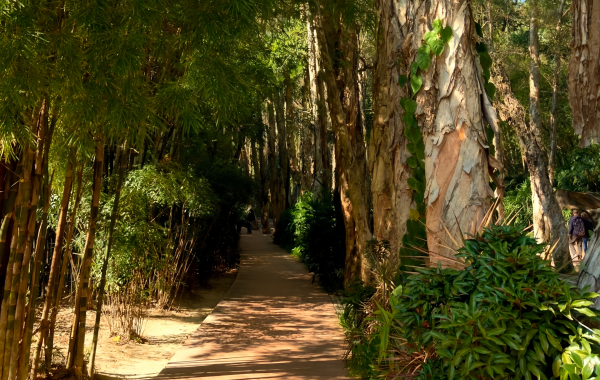
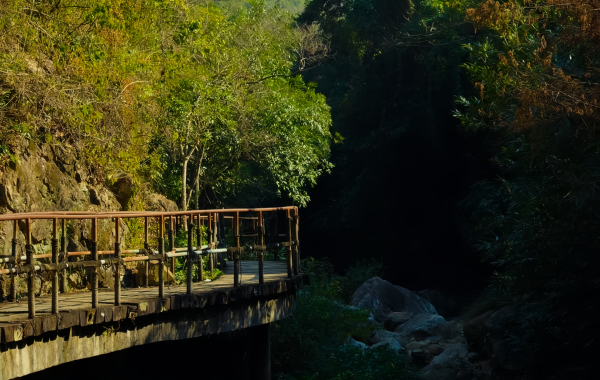
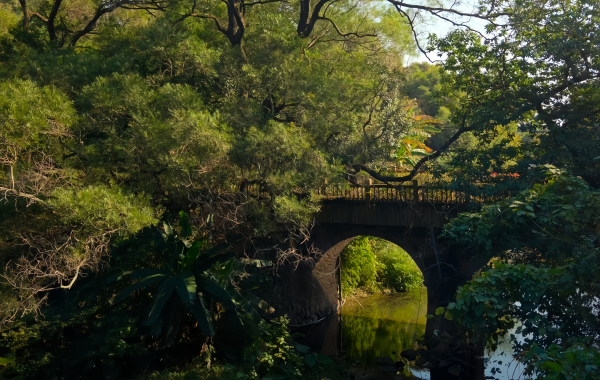
The ancient post road leading to the capital during the Song Dynasty is the most historically significant relic in the park,with nearly a thousand years of history.It was once an important passage connecting Fuzhou and the Central Plains.Towering ancient trees line both sides,providing shade,creating a sense of stepping back in time and imbuing the area with a profound sense of history.Along the ancient post road,you can also see a cherry blossom garden(blooming in spring),watchtowers,a memorial forest commemorating the southward migration,landslide ruins,a stone carving of"Namo Amitabha Buddha,"a waterfall viewing pavilion,and other scenic spots where human culture and nature intertwine.
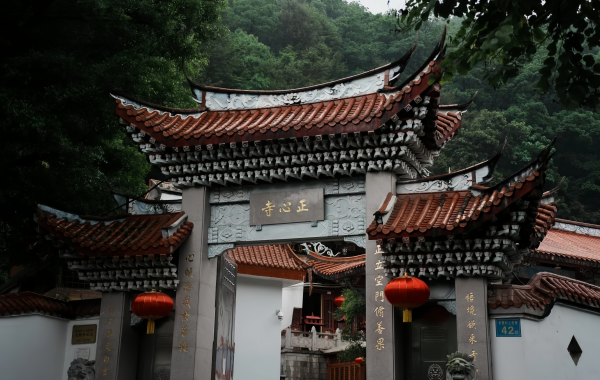
Zhengxin Temple:
An ancient temple within the park,its ancient lamps and Buddha statues nestled amidst lush greenery,offering a tranquil escape from the hustle and bustle of the world.It forms part of the park's beautiful natural scenery and unique cultural landscape.
Peach Blossom Grove and the"Oath of the Peach Garden"Stone Carving:
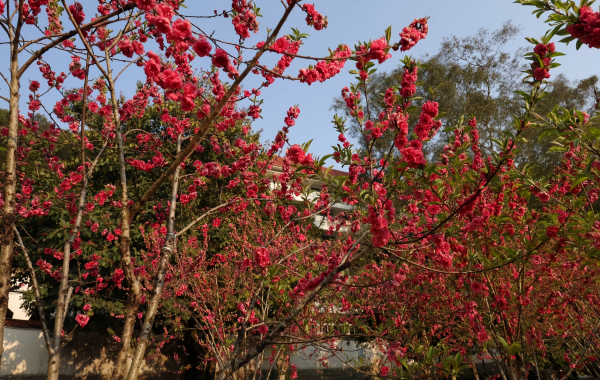
The park's peach orchard covers approximately 1.5 hectares,featuring over 10 ornamental peach varieties,including single-pink,Beijing purple,Zhaoshou peach,Sahong peach,chrysanthemum peach,and Bi peach.Within the garden are Peach Blossom Grove,the"Oath of the Peach Garden"landscape stone,and stone carvings of poems and songs praising peach blossoms from the past,allowing visitors to appreciate the cultural significance behind the blossoms while enjoying the flowers.
Photography Tips:
The best panoramic view is from Lanbi Pavilion,offering views of both the Bayi Reservoir and the city.The shimmering reservoir and forest create a picturesque scene.
For the Millennium Banyan King,early morning or dusk is recommended for photography;the light and shadow filtering through the banyan's tendrils create a stunning atmosphere.
For Longtan Waterfall,use a slow shutter speed to capture the silky water effect;the afternoon after rain is the best time for photos.
The best time to photograph the dawn redwood forest is from 2 PM to before sunset,when the gentle sunlight bathes the trees in a warm yellow glow.
Drones are permitted,allowing you to capture spectacular views of the forest and city blending together.