Natural Creation - Ultimate Utilization of Mountainous Terrain
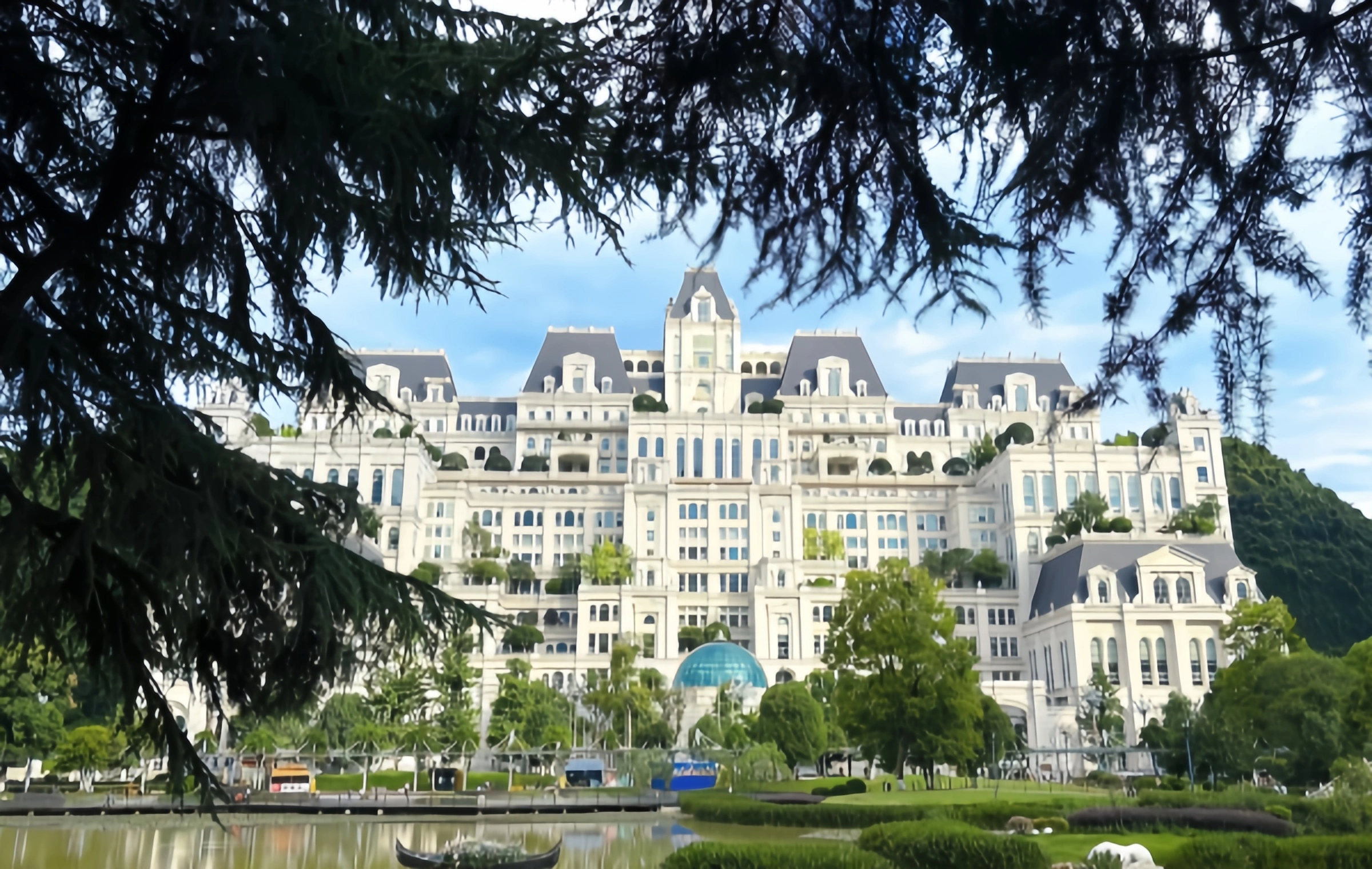
The charm of the White House lies first and foremost in the regal aura it creates in conjunction with its geographical environment.
Throne on the Peak: Absolute Control of the Terrain
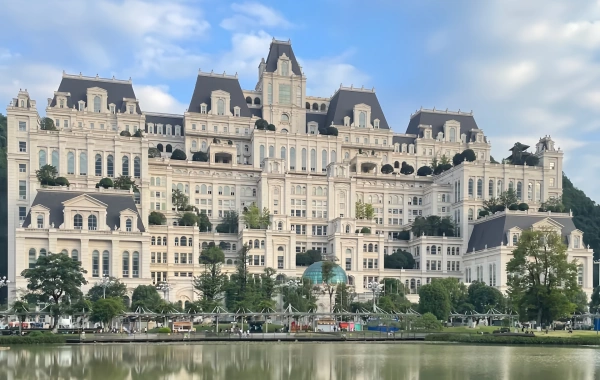
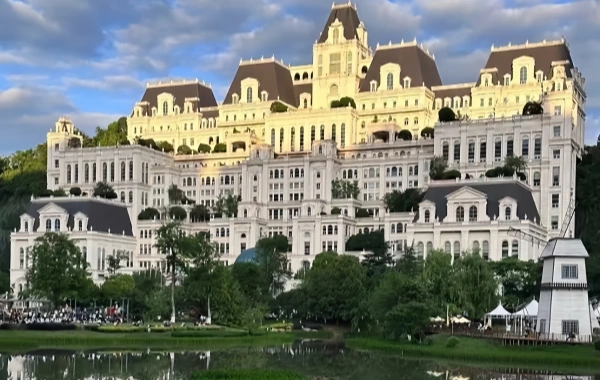
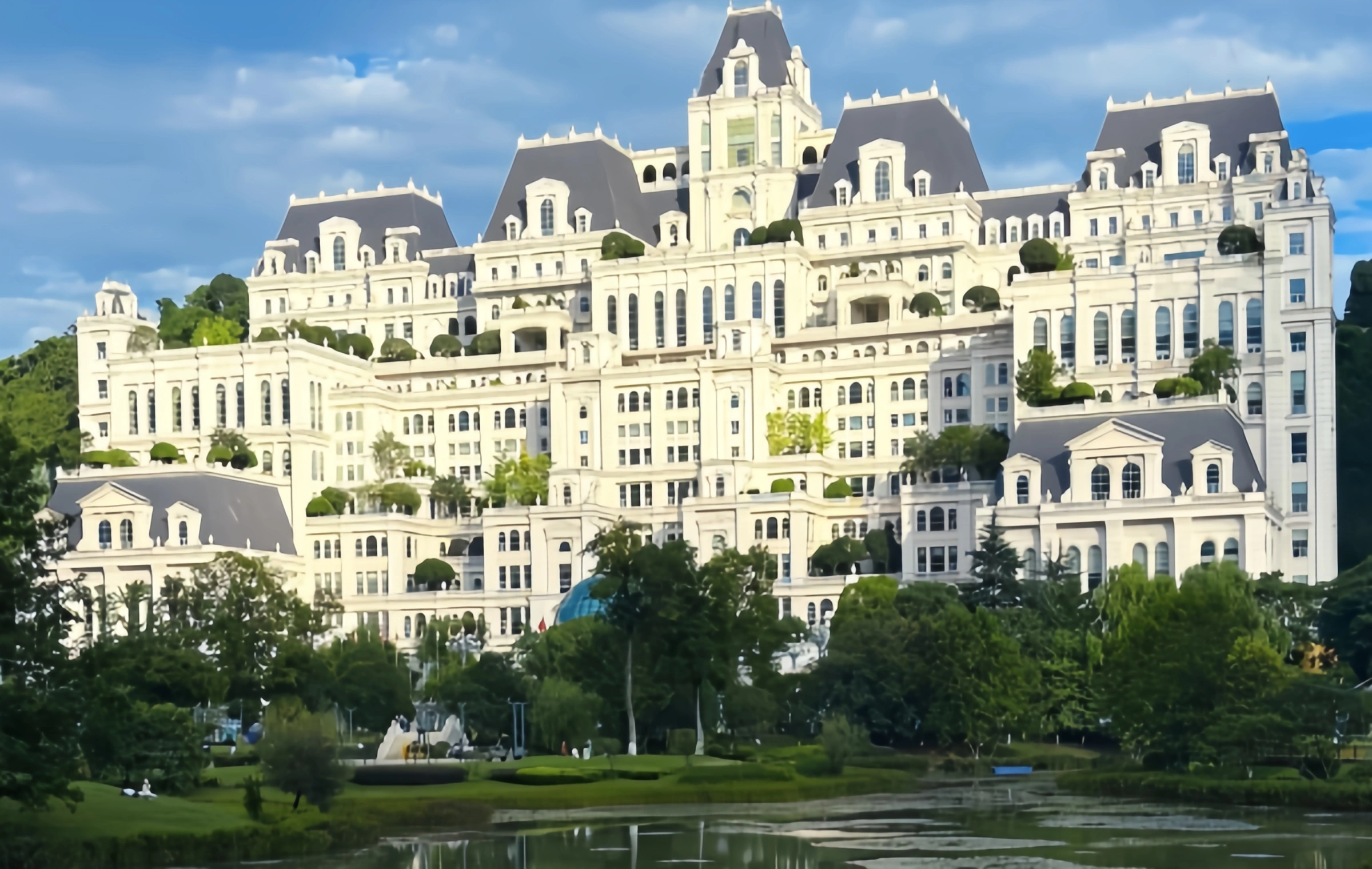
The building is not built on flat ground, but on a natural mountain in the center of a flower orchard. This type of location gives it an innate ability to overlook sentient beings. Tourists need to look up from the wetland park or level up from surrounding high-rise buildings to appreciate its full view. The layers of stairs, platforms, and ancillary buildings built along the mountain are like a sturdy fortress, transforming the natural terrain into an authoritative part of architecture, which is an unparalleled source of momentum for any flat building.
Water Mirror Reflection: The Perfect Frame of Wetland Park
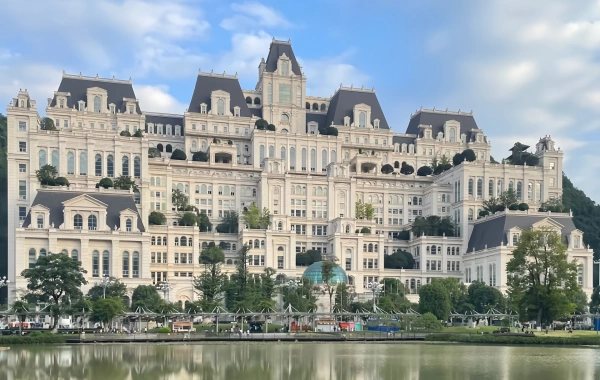
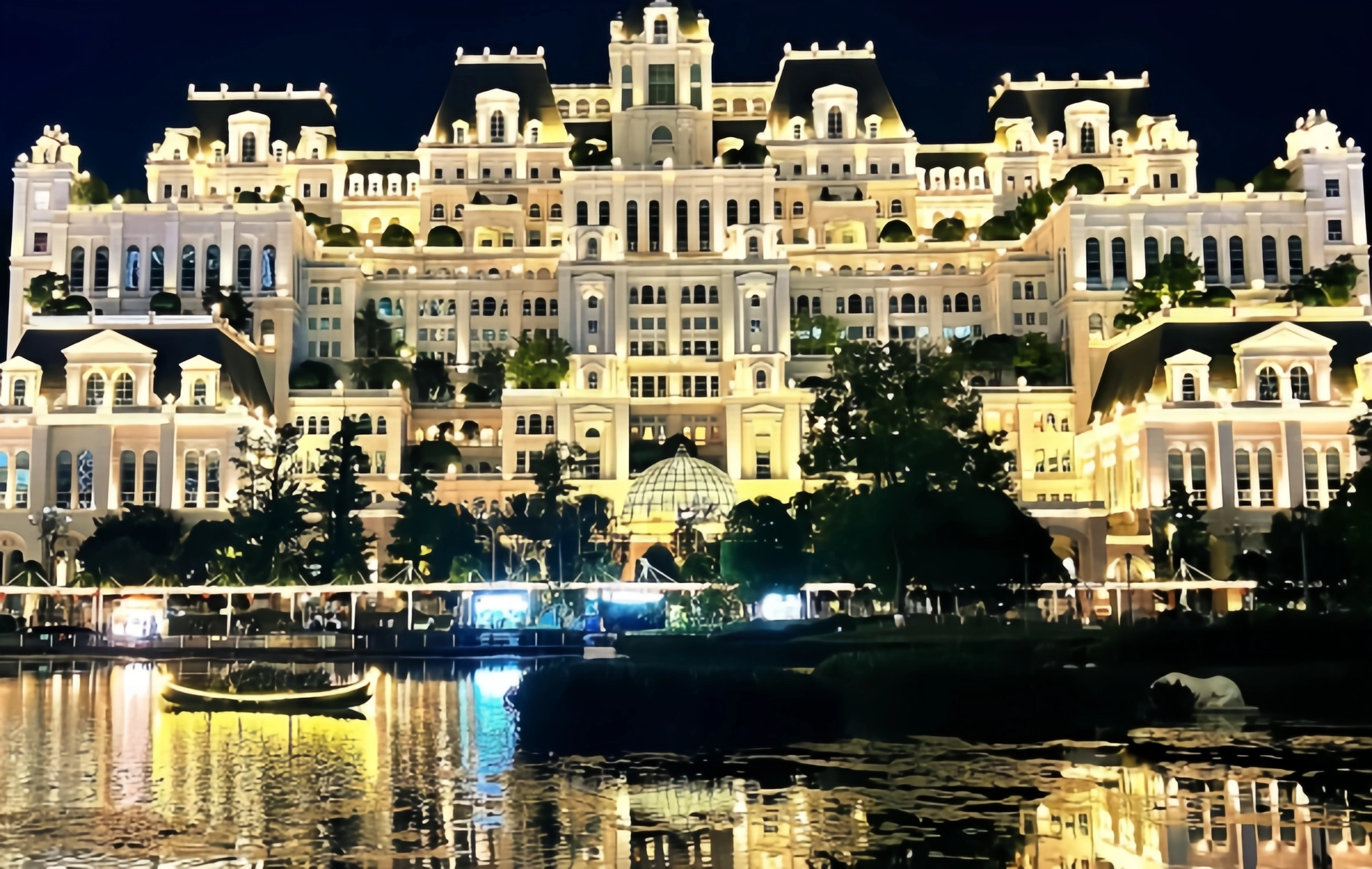
In front of the building is the open Flower Orchard Wetland Park and its lake surface. This design is by no means accidental. The calm lake water becomes the most perfect "mirror frame" for this white palace, especially on sunny days when the pure white buildings and blue sky and white clouds reflect in the water, creating an extremely symmetrical, peaceful, and sacred picture, greatly softening the sense of the building's huge volume and adding artistic atmosphere.
Urban Curtain: Dramatic Contrast of Dense Buildings
The most unique landscape value of the White House lies in its huge contrast with the surrounding environment. Behind and on both sides are densely packed and towering modern residential buildings, forming a dark gray, orderly urban backdrop. The White House, with its low and stretched horizontal volume, intricate classical style, and striking pure white, instantly "jumps" out of the background, like the protagonist under the only spotlight in the center of the stage, full of dramatic tension.
Humanistic Craftsmanship - A Symbolic Feast of European Classicism
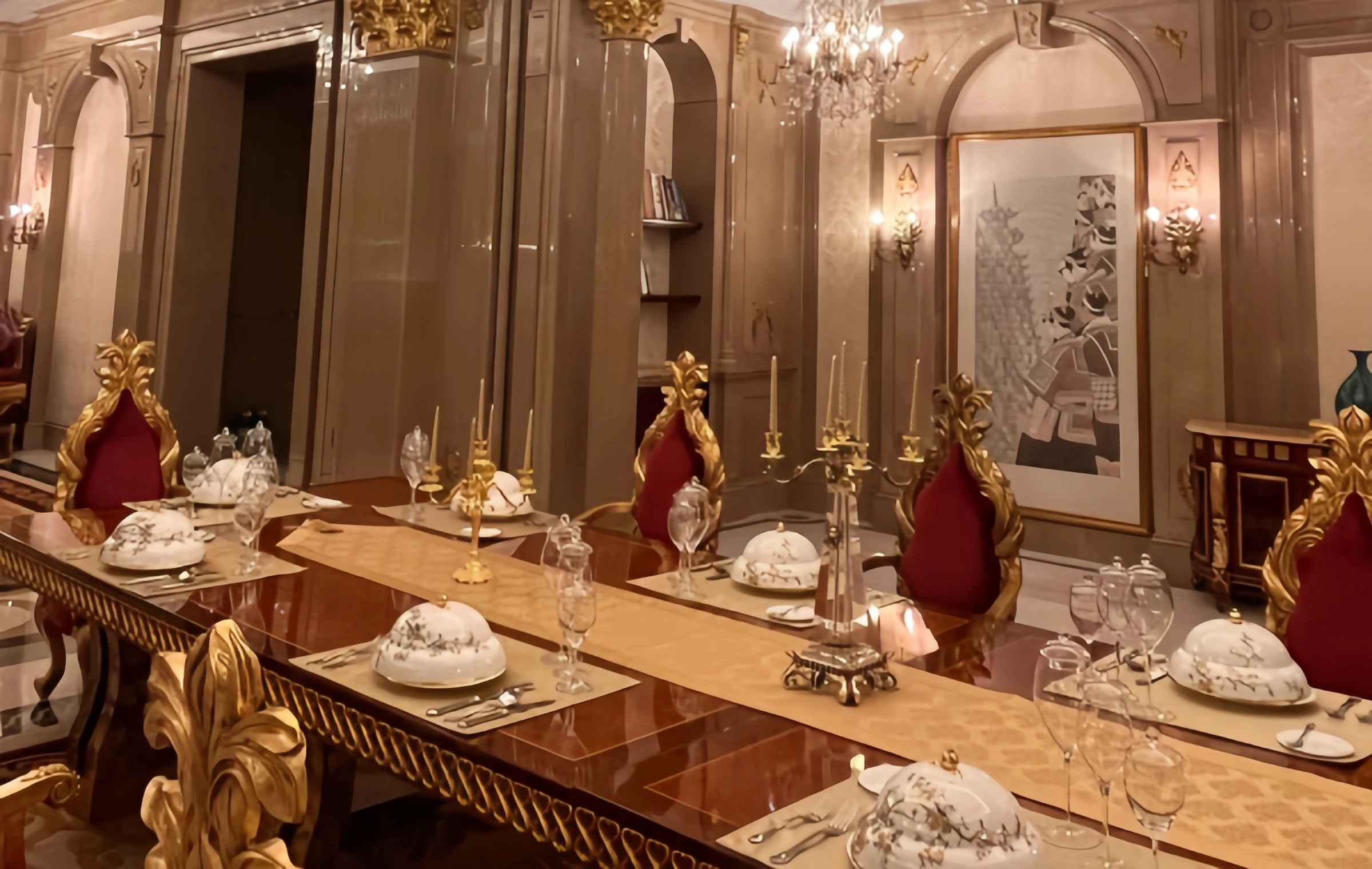
Every design here emphasizes a sense of luxury and ceremony that transcends the times.
Architectural Style: Echoes of Baroque and Neoclassical
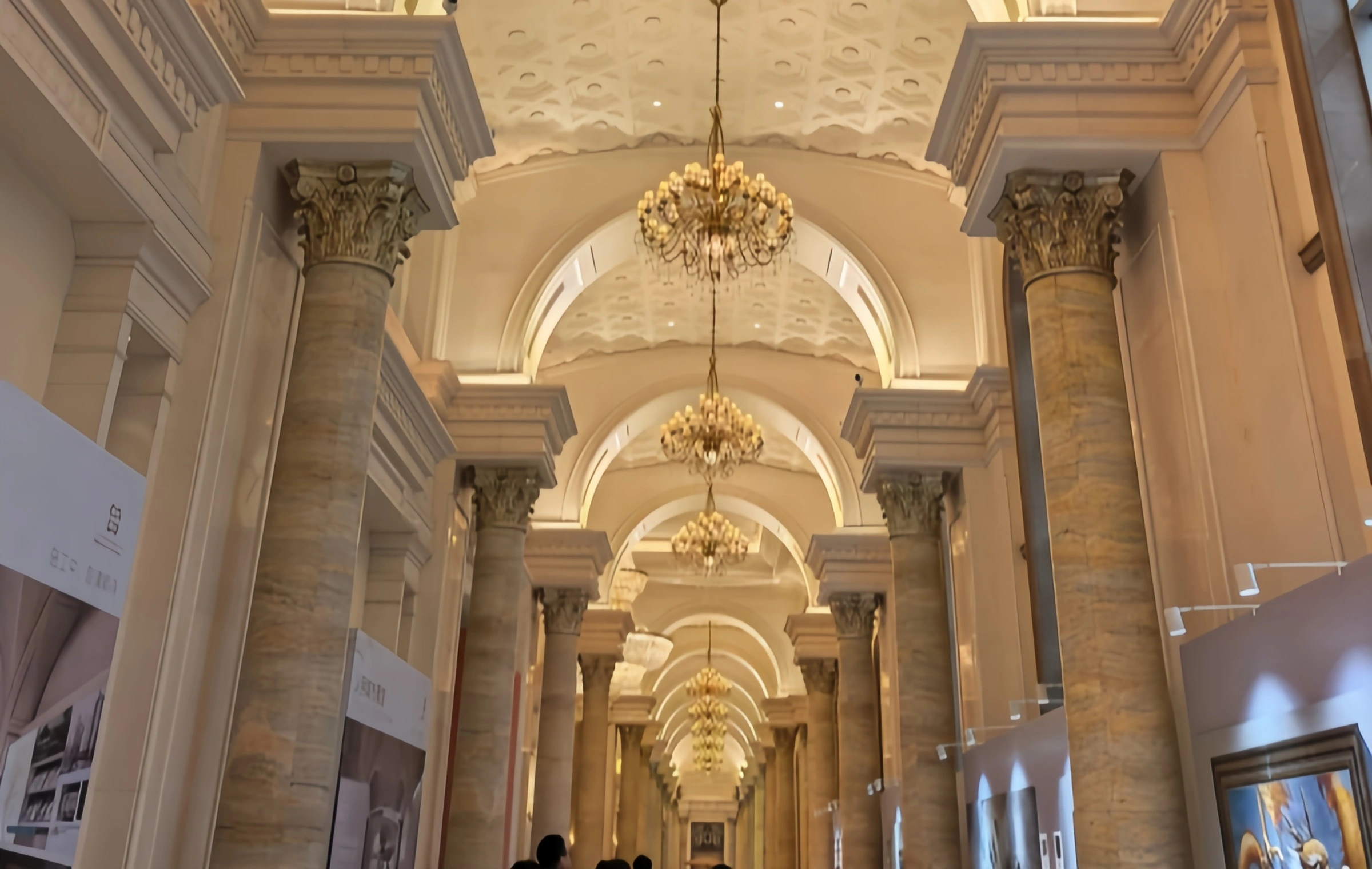
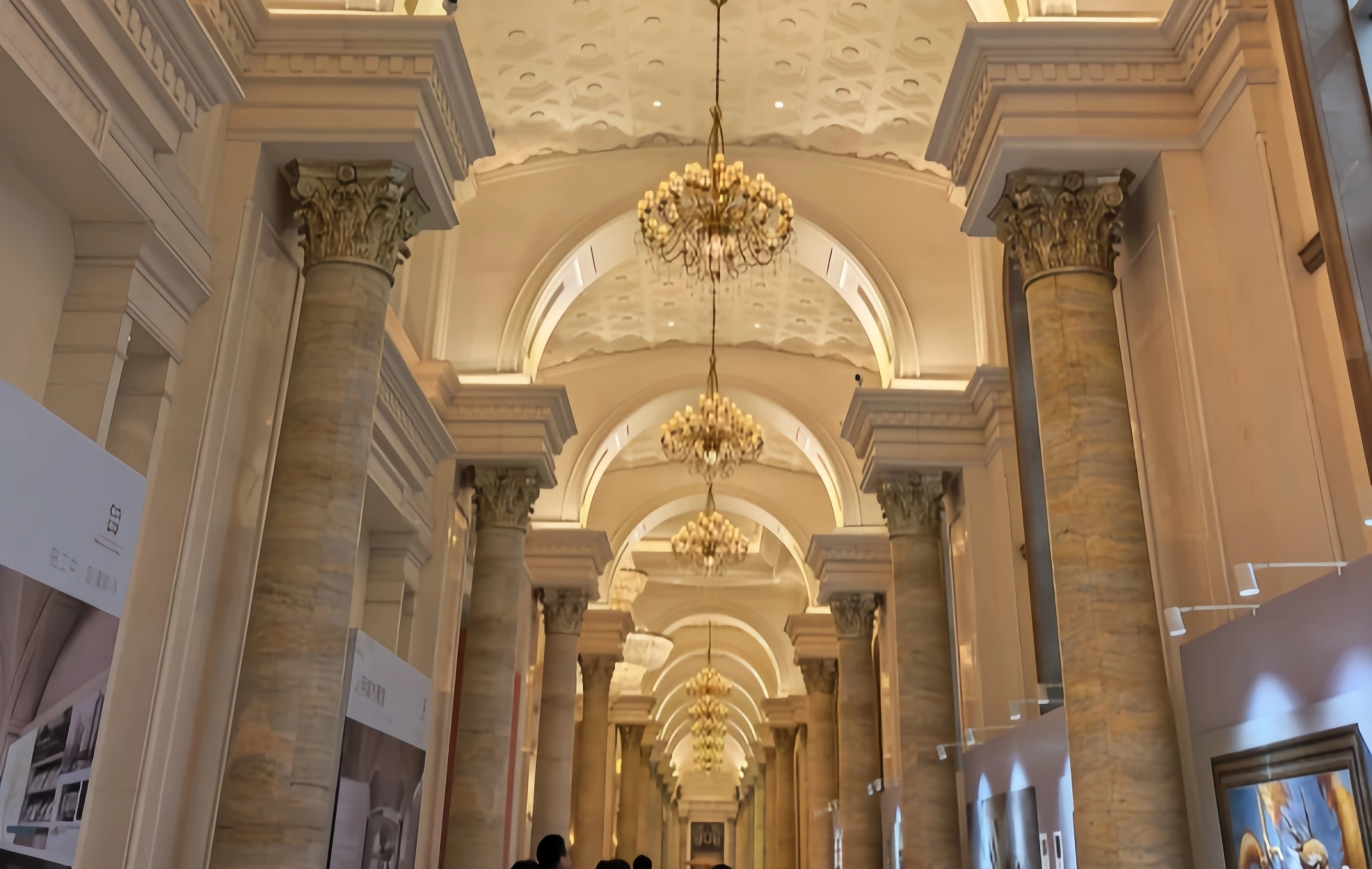
The overall architectural style combines the magnificent dynamism of Baroque with the rational solemnity of Neoclassicism. The huge Roman colonnade, carefully carved mountain flowers, and symmetrical and rigorous facade layout showcase the classical order; And the dome, arches, intricate window decorations, and railings exude a Baroque decorative passion. This fusion creates a complex image that is both stable and romantic, authoritative and dreamlike.
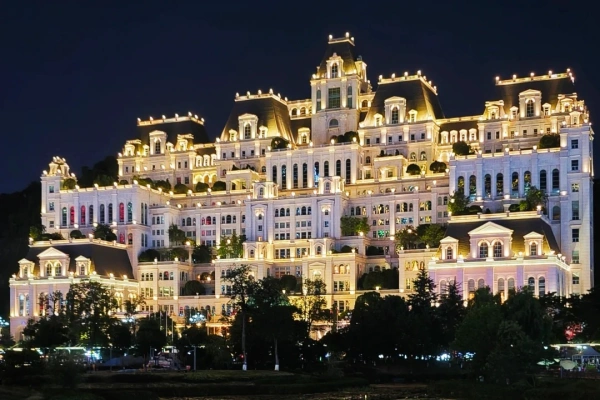
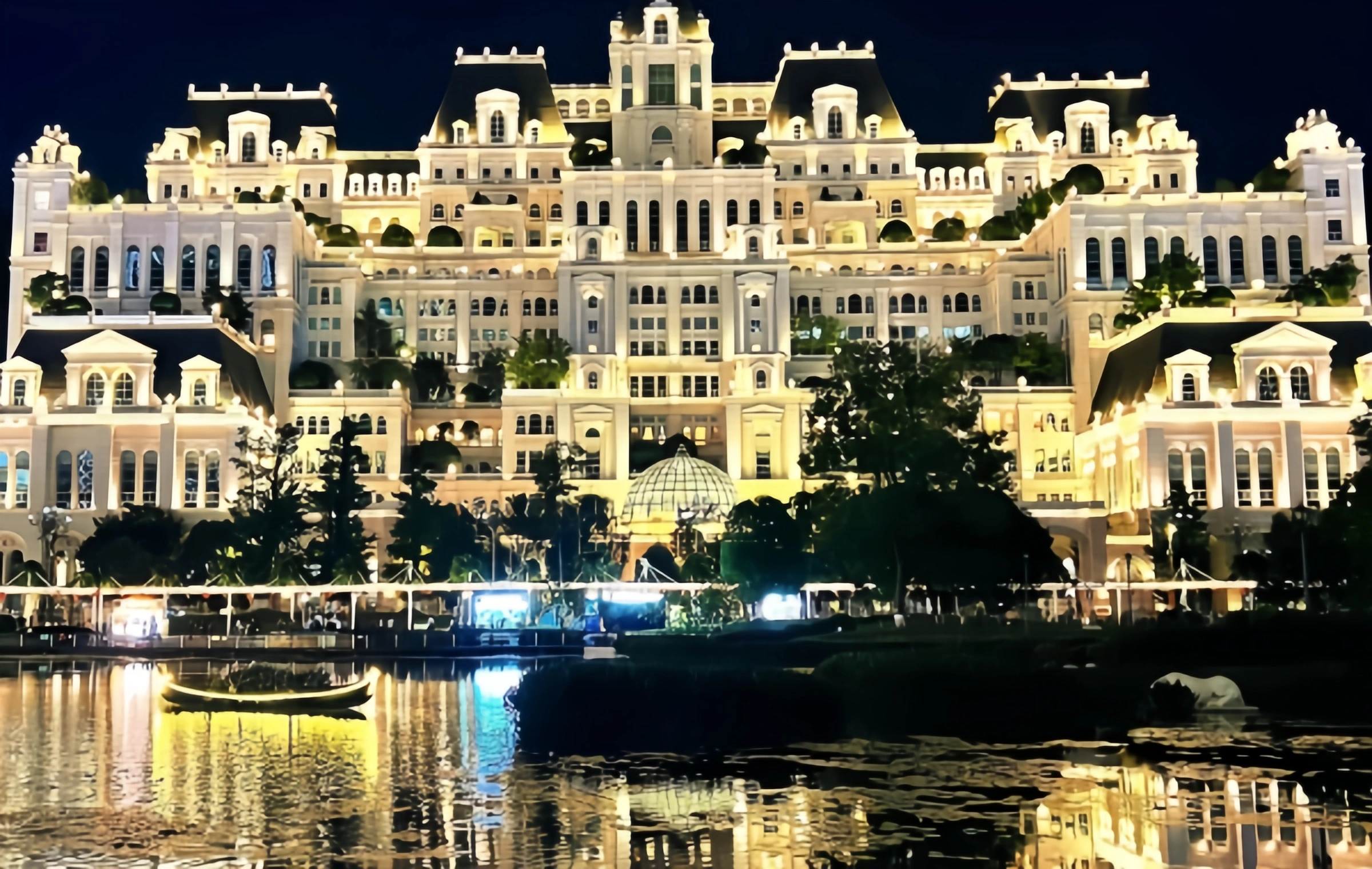
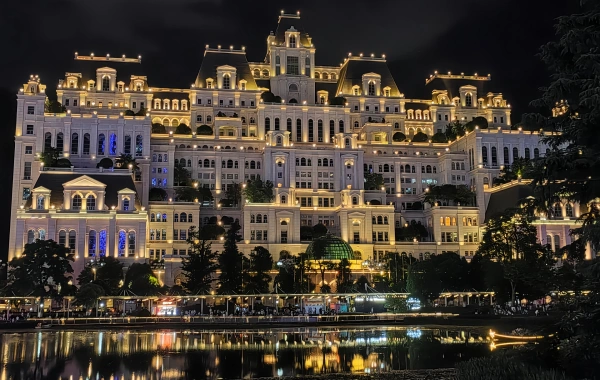
Light Art: Crystal Palace at Night
The White House during the day is solemn, while at night it is another visual feast. The professional landscape lighting system uniformly illuminates the entire building from the base to the spire, making it crystal clear and transparent, like a huge crystal carving reflected in the lake water. Compared to the scattered lights of the surrounding residential buildings, its radiance is more concentrated and dazzling, making it the undisputed soul of the night view of the Flower Orchard and satisfying all people's fantasies of a 'palace night'.
Landscape hierarchy: narrative from far to near
The best distance to appreciate the panoramic view and reflection of the wetland park is from afar. Approaching along the park path, one can gradually see the details of the building: exquisite reliefs, wide terraces, and landscape trees. Although it is impossible to enter the interior, the process of viewing from grandeur to refinement itself is like reading an architectural narrative poem, progressing layer by layer, constantly discovering new details.
Photography tips:
The panoramic reflection camera is located on the lake shore facing the buildings in the Flower Orchard Wetland Park, using a wide-angle lens. The best shooting time is half an hour before and after sunset, when the blue sky is rich in colors and the building lights are just starting to shine.
Side and detail camera positions can be found along the roads on both sides of the park, using trees or sculptures as foreground to increase the level of the image.
Night scene shooting requires the use of a tripod, and a small aperture can capture the starry effect of lighting. Drone aerial photography can provide a stunning divine perspective, but it is important to pay attention to local flight control regulations.