
Manzhouli National Gate Scenic Area
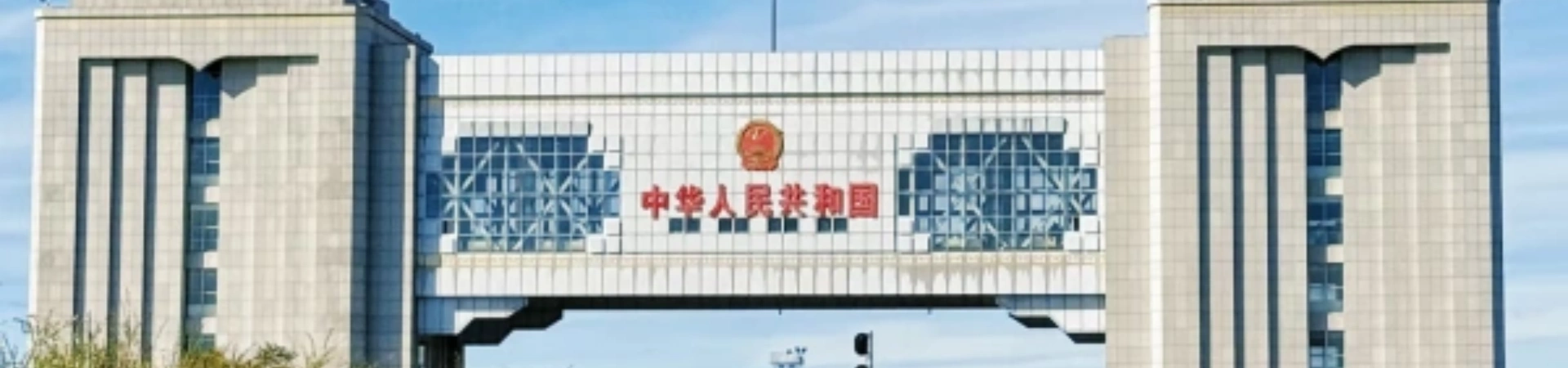
Located in Manzhouli City, Inner Mongolia Autonomous Region, the Manzhouli National Gate Scenic Area is China’s largest border tourism zone and a National 4A-Level Attraction. Built in 1989, the 70-meter-wide steel gate symbolizes China’s northern frontier, adjacent to Russia’s Zabaykalsk. The area integrates Soviet-era architecture, including the red-brick Railway Station and 41st Boundary Marker, with modern attractions like the Russia-themed Matryoshka Plaza. Designated a National Patriotism Education Base in 2005, it offers a unique blend of history, commerce, and cross-border culture.
Historical Overview
The site’s history dates to the 1902 Sino-Russian Treaty of Peking, which established Manzhouli as a trading post. The iconic National Gate was rebuilt in 1989 to replace a 1920s wooden structure, with its design approved by China’s State Council. Key milestones include the 1992 opening of the Manzhouli-Zabaykalsk border crossing and the 2014 addition of the Sino-Russia Border Exhibition Hall. In 2020, it became a pilot zone for the Belt and Road Initiative’s northern corridor.
Structural Layout
The scenic area is divided into three zones:
- National Gate Core Zone: Features the 41st Boundary Marker, National Gate, and Sino-Russia Border Exhibition Hall.
- Cultural Exchange Zone: Includes Matryoshka Plaza, Soviet-style Railway Station, and Russian commodity markets.
- Ecological Leisure Zone: Offers wetland parks, horseback riding, and winter Ice Sculptures.
Supporting facilities include a duty-free shopping mall, 4D cinema, and cross-border tour bus terminals.
Major Attractions
- National Gate: A 41.6-meter-wide steel arch with the national emblem, flanked by two 29-meter-high guard towers.
- 41st Boundary Marker: A granite obelisk marking the Sino-Russian border, inscribed with Chinese and Russian text.
- Sino-Russia Border Exhibition Hall: Displays historical maps, border negotiation documents, and Soviet military relics.
- Matryoshka Plaza: A 30-meter-tall wooden Matryoshka doll (Russian nesting doll) and European-style architecture.
- Soviet Railway Station: A red-brick 1903 station building now housing a railway museum.
- Duty-Free Shopping Mall: Offers Russian chocolates, fur products, and alcohol.
Suggested Itineraries
-
Classic Frontier Tour (2–3 hours):
Entrance → National Gate → 41st Boundary Marker → Sino-Russia Border Exhibition Hall → Matryoshka Plaza → Duty-Free Mall → Exit
Highlights: Core border symbols and shopping. -
Cultural Deep Dive (4–5 hours):
Entrance → Soviet Railway Station → Sino-Russia Border Exhibition Hall → 41st Boundary Marker → National Gate → Matryoshka Plaza → Wetland Park → Exit
Highlights: Historical architecture and natural scenery. -
Cross-Border Adventure (Full Day):
Entrance → National Gate (group photo) → Cross-border bus to Zabaykalsk (Russia, 10km) → Return → Duty-Free Mall → Wetland Park → Exit
Highlights: Brief Russia visit and frontier ecology.
Ticket Purchase
- Online: Book via the official WeChat mini-program “Manzhouli Tourism” (up to 3 days in advance).
- On-Site: Tickets sold at the entrance (8:30–17:30).
- Prices:
- Peak Season (June–August): ¥80 (adults), ¥40 (students/seniors).
- Off-Season (September–May): ¥50 (adults), ¥25 (students/seniors).
- Free: Children under 1.2m, disabled visitors, and military personnel.
Transportation
- By Plane: Fly to Manzhouli Xijiao Airport (NZH), 7km from the scenic area.
- By Train: Take the high-speed rail from Hohhot (7 hours) or Harbin (10 hours).
- By Car: Self-drive from Hailar (200km, 3 hours) via G301 National Highway.
Best Time & Tips
- Optimal Seasons: June–August for mild weather; December–February for Ice Festivals.
- Avoid Crowds: Visit early morning (8:30–10:30) or late afternoon (15:00–16:30).
- Essentials:
- Passport for cross-border tours (book in advance).
- Warm clothing (temperatures drop below -30°C in winter).
- Respect border regulations: no drones or unauthorized photography.
- Prohibitions: No crossing the boundary marker; Russian currency exchange available on-site.
This frontier marvel embodies China’s northern spirit, where every stone and steel beam narrates a story of cross-border harmony and historical resilience.
Contact Us
What Our Clients Say?
Based on 10,000+ traveler reviews

Daniel Dorothea
Canada
Reviewed on April 29,2025
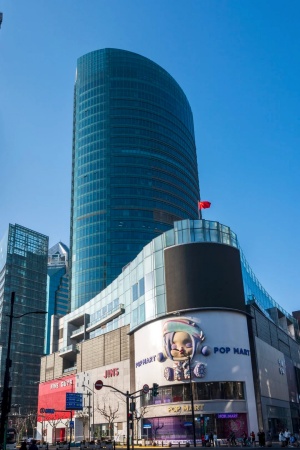
Shopping on Nanjing Road in Shanghai was just amazing! It's truly the "First Commercial Street of China", where tradition and modernity blend perfectly. You can find awesome souvenirs and experience the trendy vibes in cool stores. The neon lights at night are just spectacular, shining bright like Times Square in New York. The food here is incredible too. I had a feast for my taste buds. Shanghai, I'll definitely be back!
Destination(s):
Shanghai
Date of
Experience:
May 08,2024

Elvis Eva
Canada
Reviewed on June 20,2025
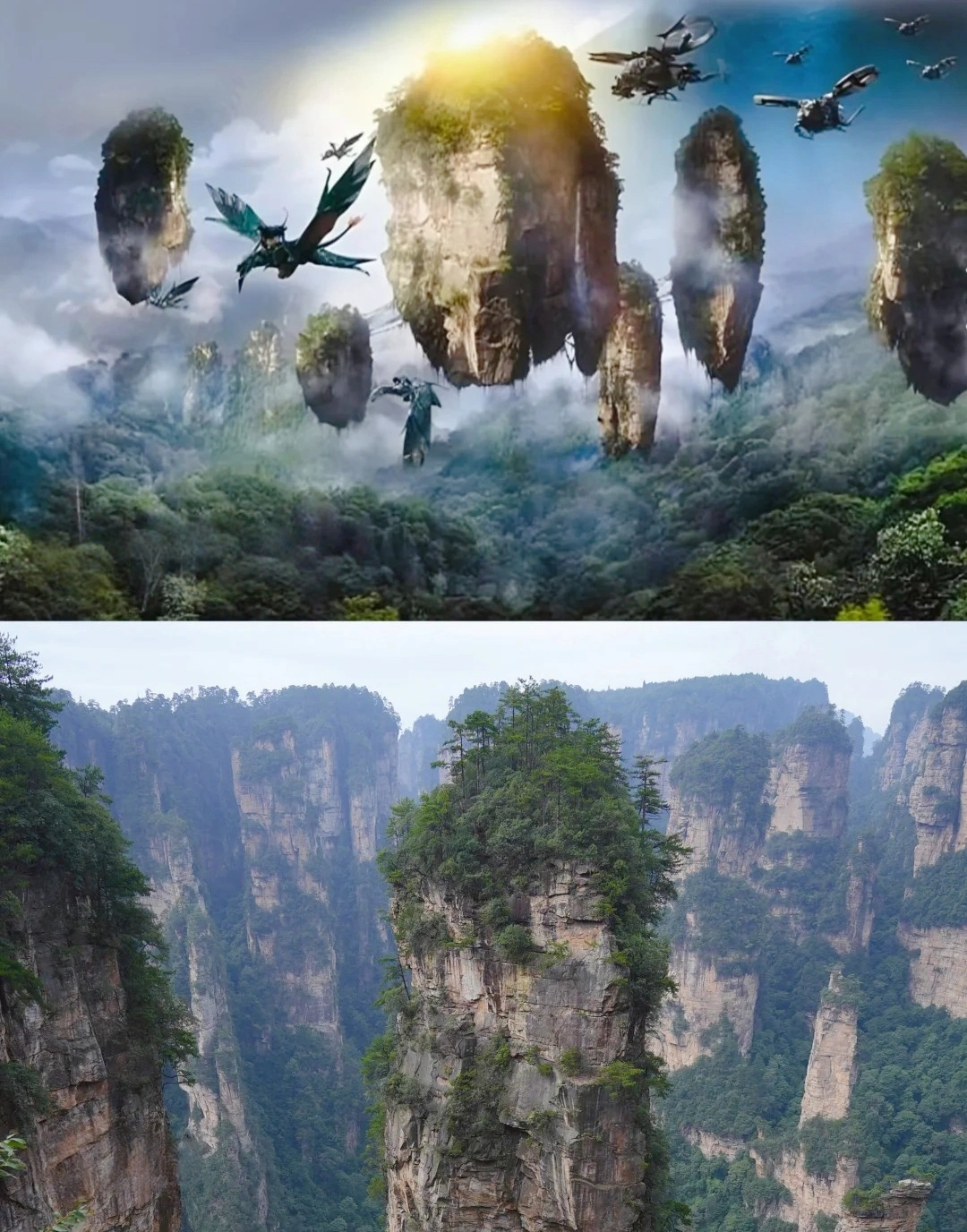
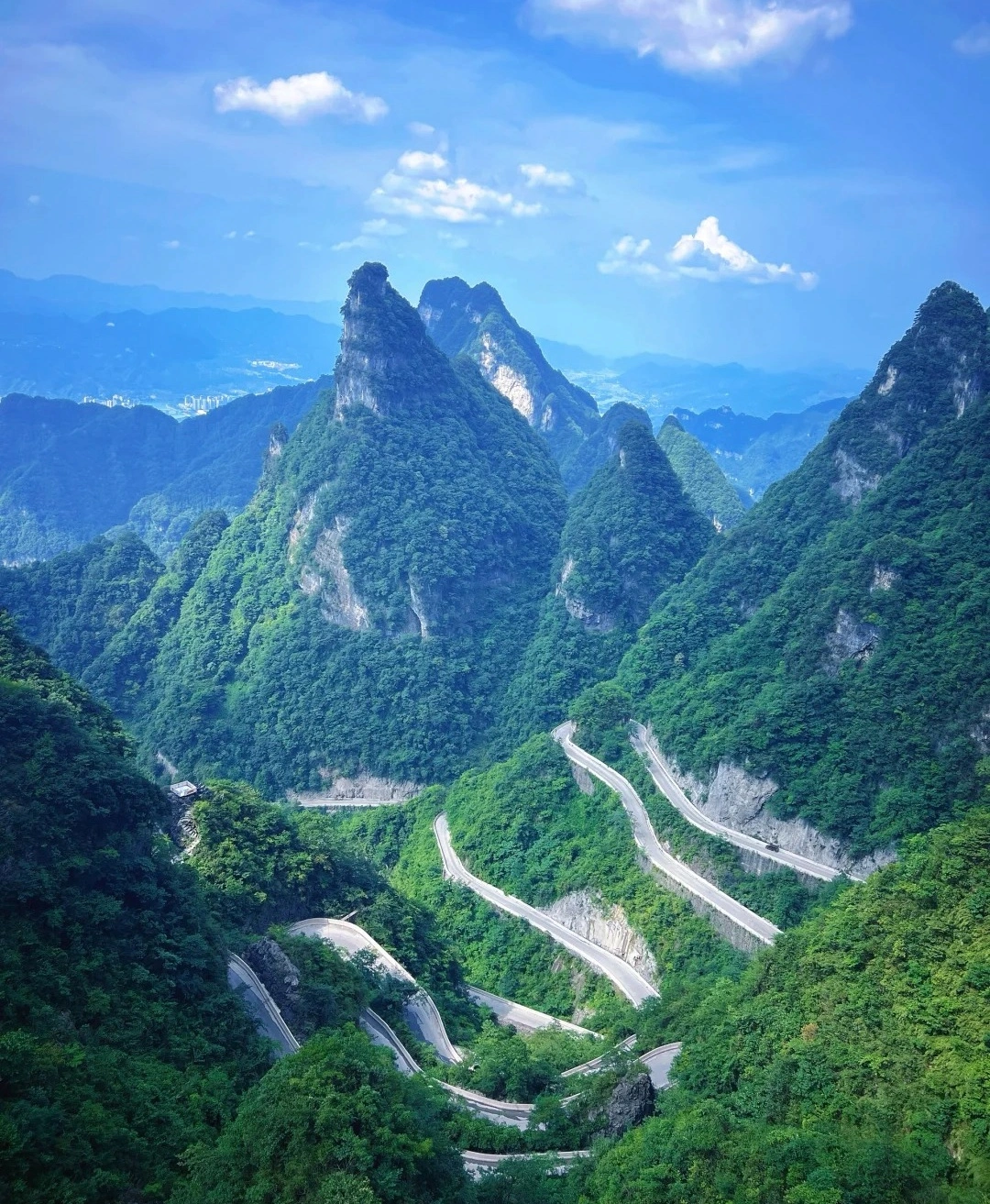
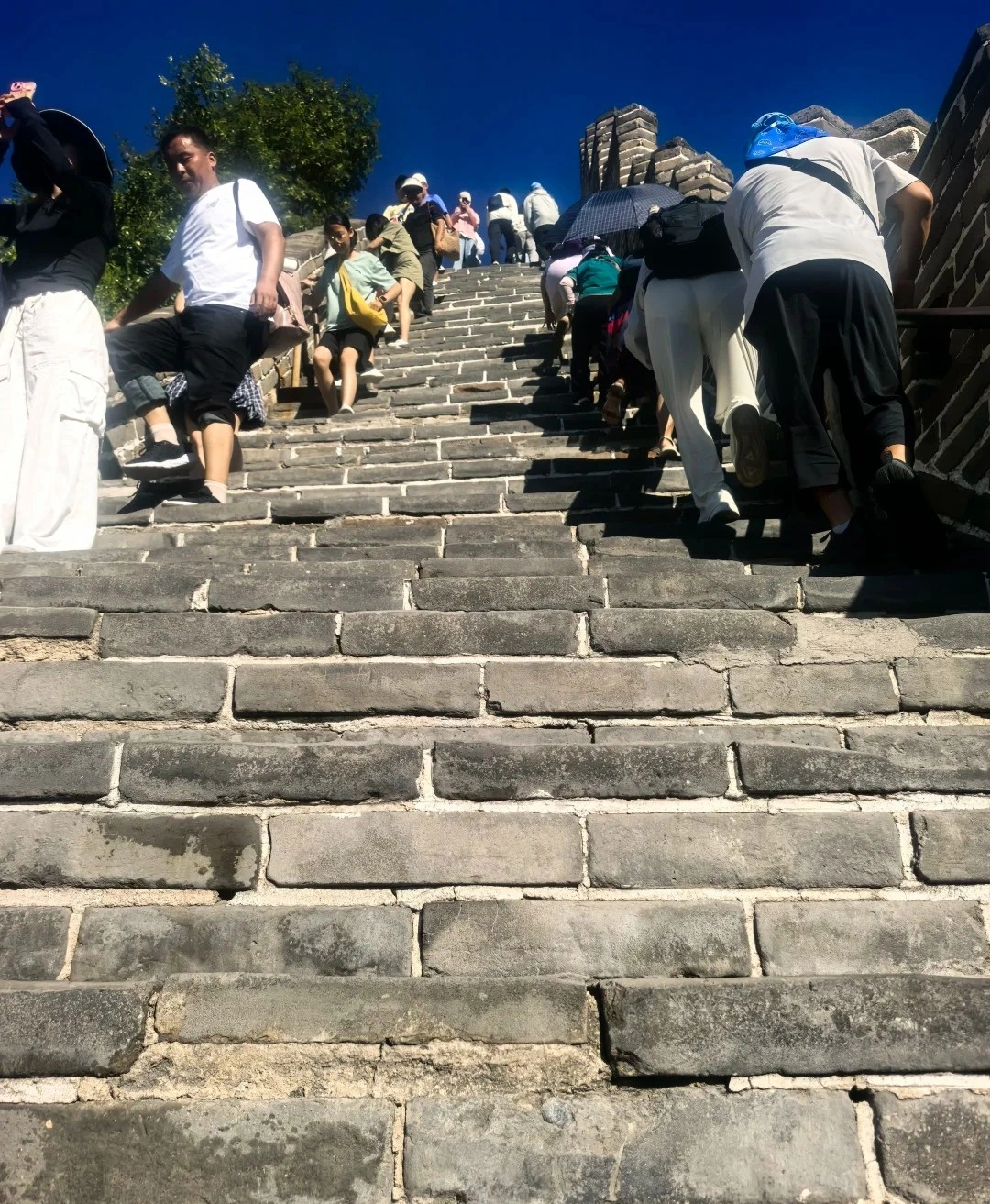
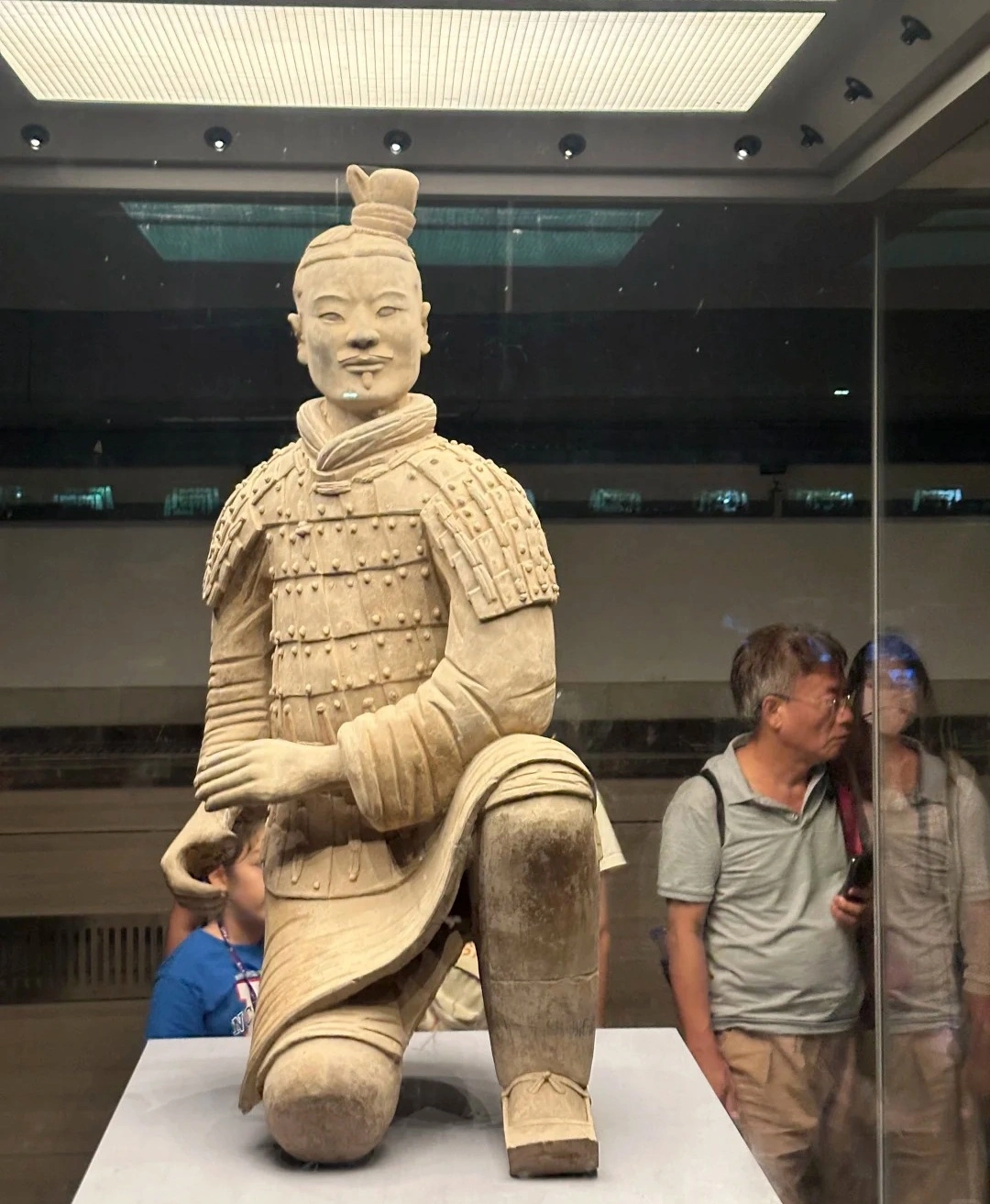
As a solo traveler from Canada, I was nervous about navigating China alone—but this 11-day tour was PERFECT! From hiking the Great Wall at sunrise (Day 3) to gasping at the Terracotta Army (Day 5), every day delivered ‘pinch-me’ moments. The real showstopper? Zhangjiajie’s Avatar Mountains (Day 7)! Our guide made the stone pillars come alive with stories.
Massive thanks for handling all logistics—bullet train tickets, entry passes, car! And the 4-star hotels surprised me.
Destination(s):
Beijing Xian Zhangjiajie Shanghai
Date of
Experience:
June 02,2025

Simon
America
Reviewed on May 29,2025
Our 2-day Zhangjiajie tour was beyond spectacular! As someone who’s visited Beijing and Shanghai for work, this trip revealed China’s wild, magical heart. Day 1 in Zhangjiajie National Forest Park felt like stepping onto Pandora—I’m a huge Avatar fan, and Yuanjiajie’s floating peaks left me breathless. The misty pillars and lush valleys like pure movie magic!
Then came Fenghuang Ancient Town, we eat dinner beside the thundering waterfall. It seems Unreal! The night views of stilt houses glowing over the river were straight from a fairy tale.
For fellow Avatar lovers and adventure seekers: Don’t miss this bucket-list experience! 10/10 would return.
A Well-Traveled Film Buff, May 2025
Destination(s):
Zhangjiajie
Date of
Experience:
May 08,2025