Nature's Masterpiece—God's Spilled Palette
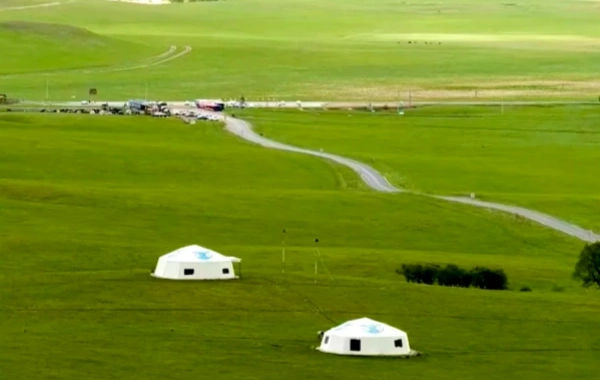
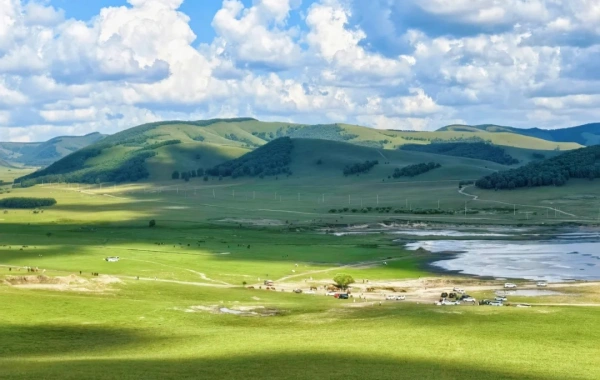
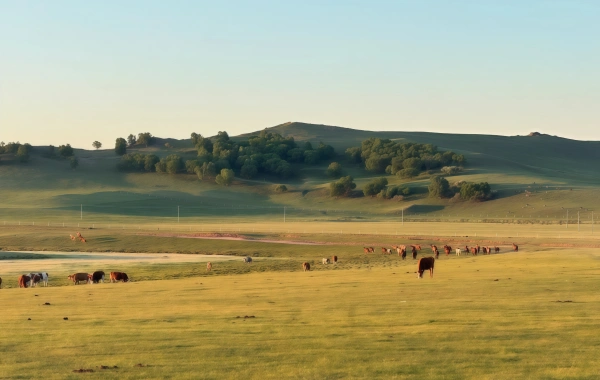
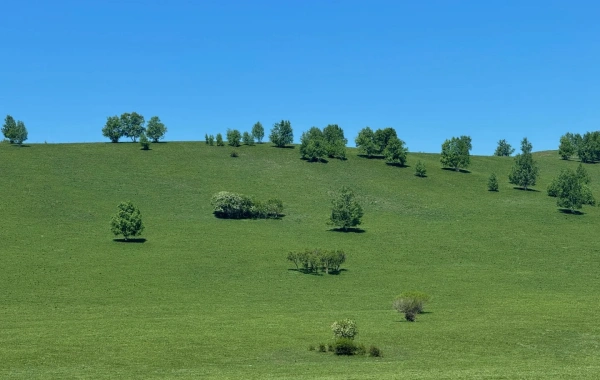
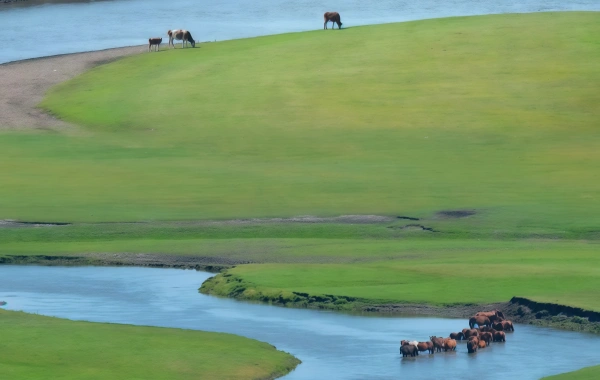
The Ulan Butong Grassland is often referred to as a"European-style scenic zone"because it defies the common stereotype that grasslands are merely flat,featureless plains stretching endlessly to the horizon.Here,rolling hills intermingle with flat plains,and forests blend seamlessly with grasslands;the landscape possesses both the elegant,delicate grace of the South and the rugged,majestic vigor of the North.
The"European-Style Scenic Area":A Grassland Tableau Rivaling the Alps
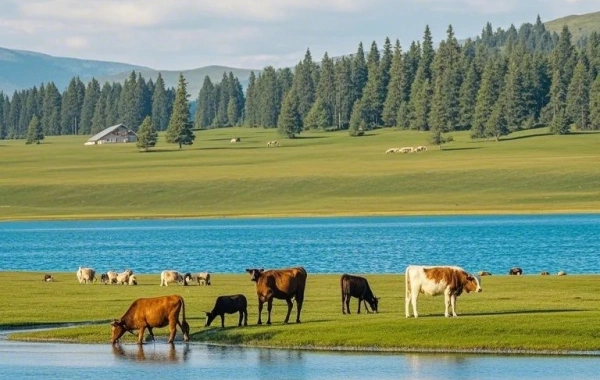
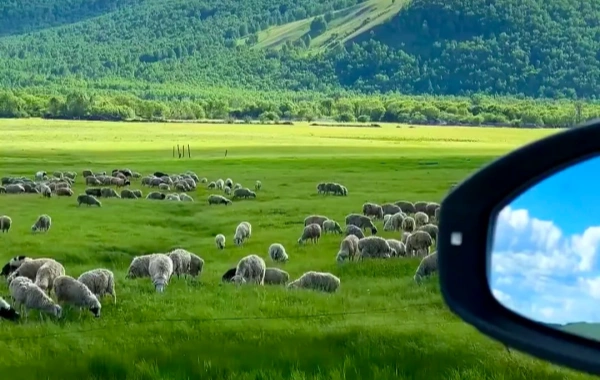
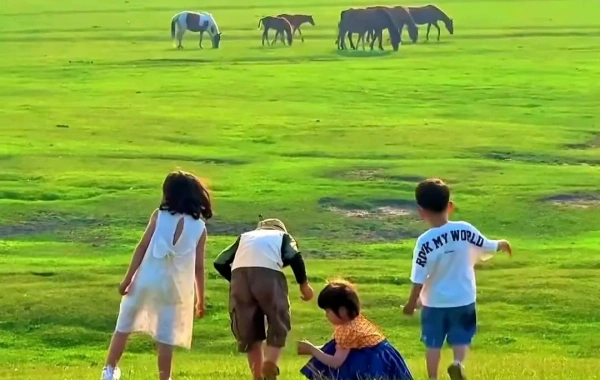
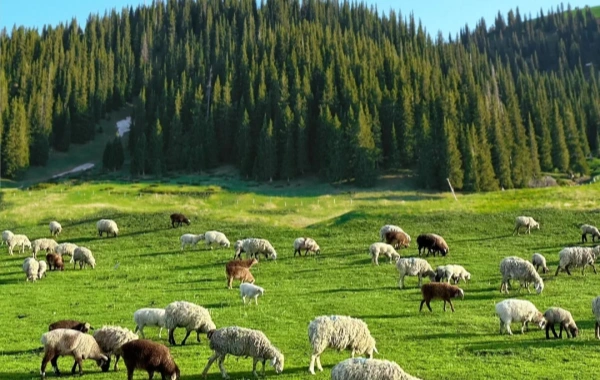
Across the undulating grassland hills,groves of birch trees—some sparse,others dense—dot the landscape.In 2003,during an inspection visit,Zhao Nanqi—then Vice Chairman of the CPPCC National Committee—exclaimed in awe:"This place can truly rival the grassland scenery of Europe!"Thus,the"European-Style Scenic Area"earned its name.Beneath a sky of azure blue and drifting white clouds,emerald-green meadows stretch out like a velvet carpet toward the horizon;herds of cattle and sheep are scattered across this expanse like scattered pearls.Every snapshot taken here yields a photograph worthy of a Windows desktop wallpaper.
Jiangjun Paozi:The"Pearl of the Grassland"on an Ancient Battlefield
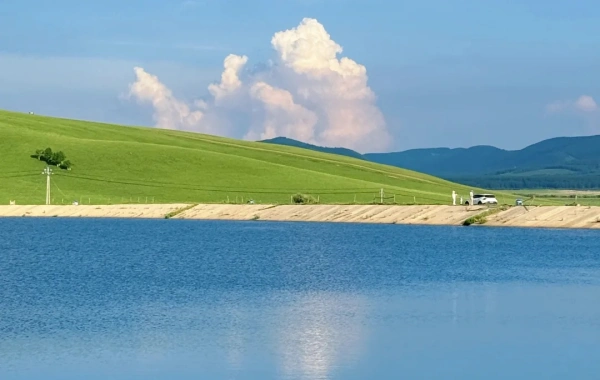
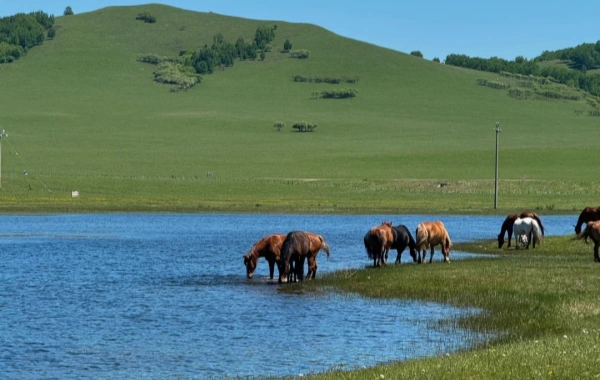
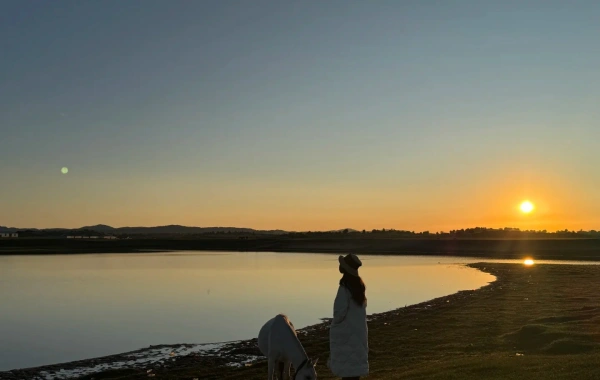
In the Mongolian language,paozi means"lake."Jiangjun Paozi(General's Lake)is the central attraction of the Ulan Butong Scenic Area,as well as the very heart of the ancient battlefield where historic clashes once took place.Today,the smoke of battle has long since dissipated,replaced by a crystal-clear,azure lake—a shimmering gem embedded within the vast green grasslands.Facing directly toward the east,this site offers a prime vantage point for capturing the sunrise in the early morning hours.The lake's surface acts as a mirror,reflecting the rosy glow of the dawn sky and the distant mountains—a scene of ethereal,dreamlike beauty.Visitors may also,at their own expense,enjoy a performance known as"Horses Galloping Through Water"—a spectacle in which herds of magnificent steeds race across the lake's surface.As their hooves splash through the water,the spray catches the sunlight,shimmering with a golden luster and creating a visual tableau of cinematic quality.
Princess Lake:The"Tears"of Princess Lanqi
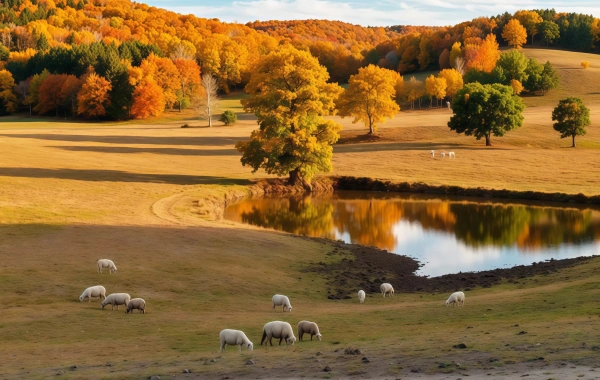
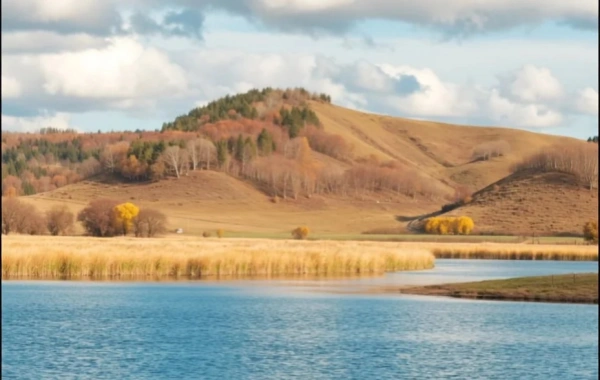
Standing proudly at the entrance to the scenic area is a statue of Princess Lanqi.Legend has it that Princess Lanqi—the most beloved of the Kangxi Emperor's three daughters—was forced into a political marriage with Galdan,the leader of the Dzungar Khanate.As she passed through this region on her journey,she was overcome with grief and wept bitterly;her tears flowed until they formed a lake,and thus,this body of water in the Keshketeng Banner came to be known as Princess Lake.In reality,Princess Lake originated as a natural spring bubbling up from the desert sands;it was later developed into an artificial lake covering an area ofapproximately fifty mu(roughly 8.2 acres),its shores now encircled by groves of birch trees,wildflowers,and shrubs.In autumn,the lake’s surface mirrors a picturesque golden reflection;at dawn,when a thin mist hangs in the air,the scene transforms into an ethereal wonderland.
Five-Color Mountain:Autumn’s"Riot of Color"
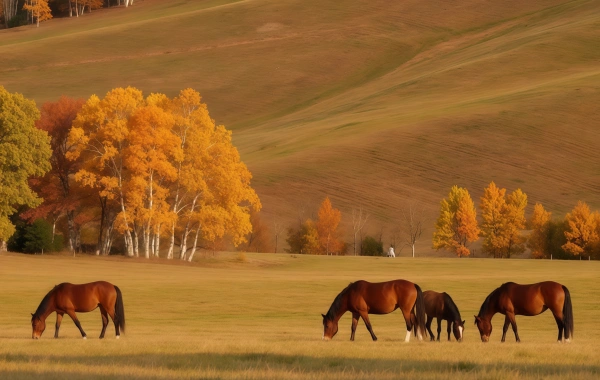
If you visit Ulan Butong in the autumn,Five-Color Mountain is an absolute must-see—a true visual feast.The mountain is home to dozens of species of shrubs and trees;from late September to early October,under the influence of shifting temperatures and sunlight,the foliage changes color day by day.The deep green of Korean pines,the crimson of maples,the golden-yellow of white birches,the ochre of oak trees...the entire forest is steeped in color—hues so rich and intense they seem ready to spill right out of the frame.This is a paradise for drone photography;when viewed from above,Five-Color Mountain resembles a palette overturned by the hand of God,making it the ultimate destination for photography enthusiasts.
Panlong Canyon:A Winding,Hidden Gem of the Grasslands
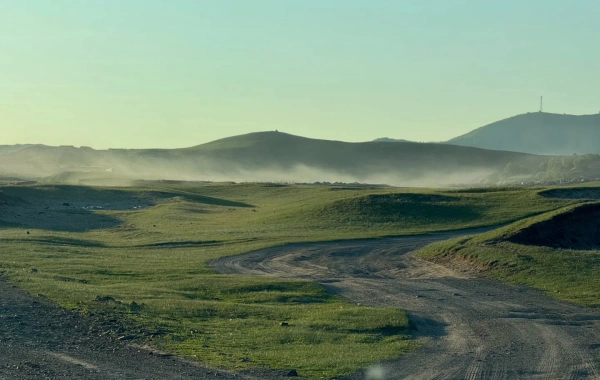
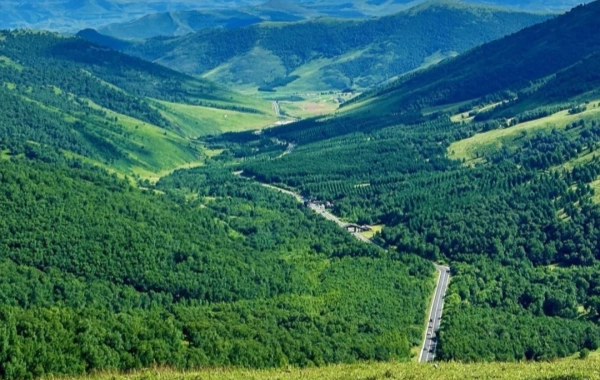
The Sarik River winds its way through this canyon,flowing between mountains and ridges.The banks on either side rise steeply and are densely forested,while the canyon floor is a wetland lush with aquatic plants.Here,the river twists and turns—making nine bends and eighteen turns—meandering for tens of kilometers like a colossal dragon coiled deep within the grasslands.Venture deep into the canyon’s heart in an off-road vehicle;flanked by steep cliffs and dense woods,with a babbling stream and wetlands at the bottom,you will feel as though you have stumbled into a secluded,idyllic paradise.
Hama Ba:The Ultimate Holy Grail for Photographers
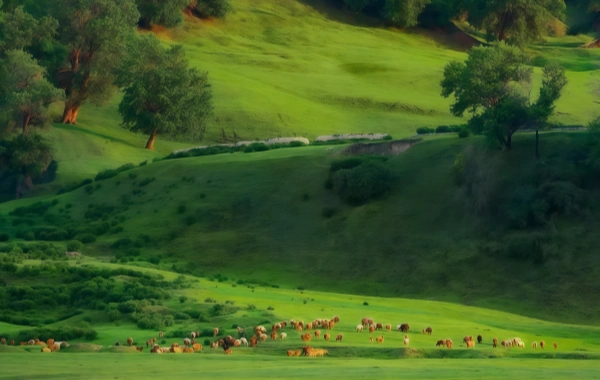
Hama Ba is a renowned hub for creative photography situated near Ulan Butong,located approximately 50 kilometers from the Hongshan Military Horse Farm.From the crest of the ridge,you can capture sweeping medium-to-wide shots;down in the valley,you can focus on intimate medium-to-close-up scenes.The valley floor is dotted with grazing herds,meandering streams,and rustic fences,exuding a rich,idyllic pastoral charm.Whether you are a seasoned professional or a complete novice behind the lens,every snapshot taken here has the potential to be a postcard-perfect masterpiece.
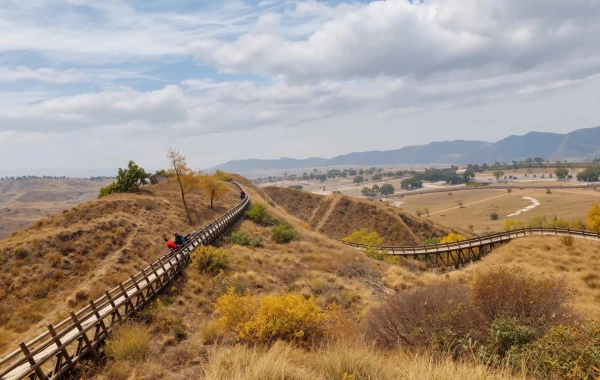
>Photography Tips:Jiangjun Paozi(General’s Lake)is ideal for capturing sunrises and reflections in the early morning;Five-Color Mountain is best suited for aerial drone photography during the autumn season;Hama Ba offers excellent opportunities for capturing pastoral landscapes at any time of day;and the wooden boardwalk at the Film&TV Base provides the ultimate vantage point for capturing panoramic views of the grasslands.2.2 Cultural Craftsmanship:TV Drama Pilgrimages and Mongol-Yuan Flair
Film and TV Location Base:Step into the Role of a Screen Star
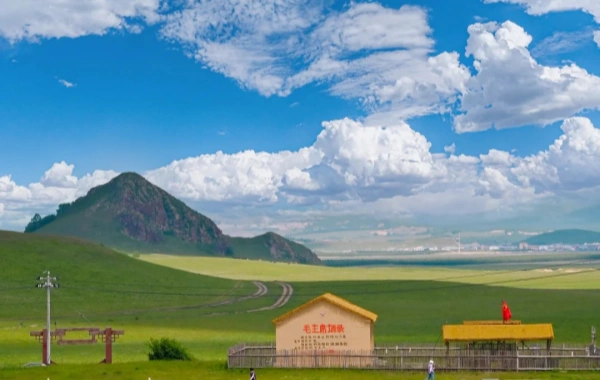
As the filming site for over 60 movies and TV dramas,the film and TV location base at Ulan Butong has become a pilgrimage site for fans.Standing on the wooden boardwalk originally constructed by the crew of My Fair Princess(Huan Zhu Ge Ge)and gazing out over the vast grasslands,the iconic background music accompanying Xiao Yanzi’s spirited horseback rides automatically begins to play in your mind.You can don a traditional Mongol robe,recreate classic scenes right where they were filmed,and experience what it feels like to be the star of the screen.The film base is also an excellent spot for capturing sunrise photos;the sight of the sun rising above the sea ofclouds in the early morning is truly spectacular.
Hongshan Military Horse Farm:A Grassland Dream of Galloping Steeds
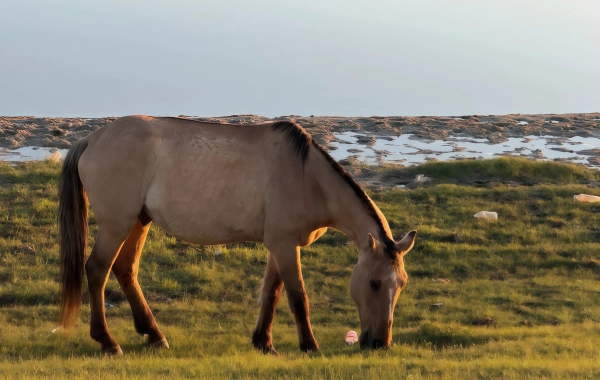
Ulan Butong is renowned for its horses,and the famous Hongshan Military Horse Farm is situated right here.To this day,local herdsmen near the military horse farm continue to raise fine steeds on behalf of the army.Here,you can select a gentle horse and,under the guidance of a professional groom,experience the exhilarating freedom of galloping across the grasslands.Setting out from the Hongshan Military Horse Farm,you can ride horseback to scenic spots such as Jiangjun Paozi and Wucaishan(Five-Color Mountain),immersing yourself in the majestic spirit of the cavalry that accompanied Emperor Kangxi during his autumn hunts in days gone by.
The Twelve Linked Camps:A Military Stronghold Deep in History
It was here that Prince Fuquan—Emperor Kangxi’s elder brother—established his encampment when leading his army on a campaign against Galdan.The barracks were distributed across both the northern and southern banks of the Tuligen River,spanning an area of60 li from east to west and 20 li from north to south,comprising a total of 140 individual camps.Among these,the Grand General’s main headquarters consisted of twelve distinct camps—a cluster historically known as the"Twelve Linked Camps."Although the original tents have long since vanished,standing amidst the ruins and imagining the magnificent spectacle of 100,000 Qing soldiers encamped across miles of terrain,one is overwhelmed by the profound weight of history.
The Tomb of Tong Guogang:A Sacred Resting Place for a Hero
Located near Jiangjun Paozi lies the final resting place of General Tong Guogang—Emperor Kangxi’s maternal uncle—who shed his blood and gave his life on the battlefield during the Battle of Ulan Butong.A stone stele standing before the tomb records the heroic deeds of this warrior,and every year,tourists and ethnic Mongol compatriots alike come to pay their respects.In the hearts of the Mongol people,Tong Guogang remains a deeply revered hero.Baicao Oboo:A Spiritual Anchor for the Mongol People
The Oboo(stone cairn)is a manifestation of the reverence for nature held by the nomadic peoples of the grasslands,serving as a quintessential symbol of the"Blue Civilization."Located within the Ulan Butong Scenic Area,the Baicao Oboo offers visitors a vital window into the spiritual beliefs and cultural traditions of the Mongol people.In accordance with Mongol customs,visitors may pick up a stone,hold their hands together in prayer,and circle the Oboo three times while making a wish;they then cast the stone onto the cairn to pray for favorable weather and prosperity across the grasslands.