Mufu: A magnificent epic from the Tusi Kingdom to the Forbidden City in Lijiang

Mufu: A magnificent epic from the Tusi Kingdom to the Forbidden City in Lijiang

Overview: A Southwest Forbidden City Witnessing the Wind and Clouds of Naxi
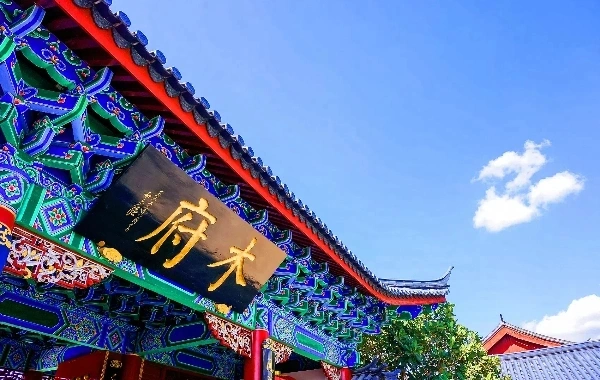
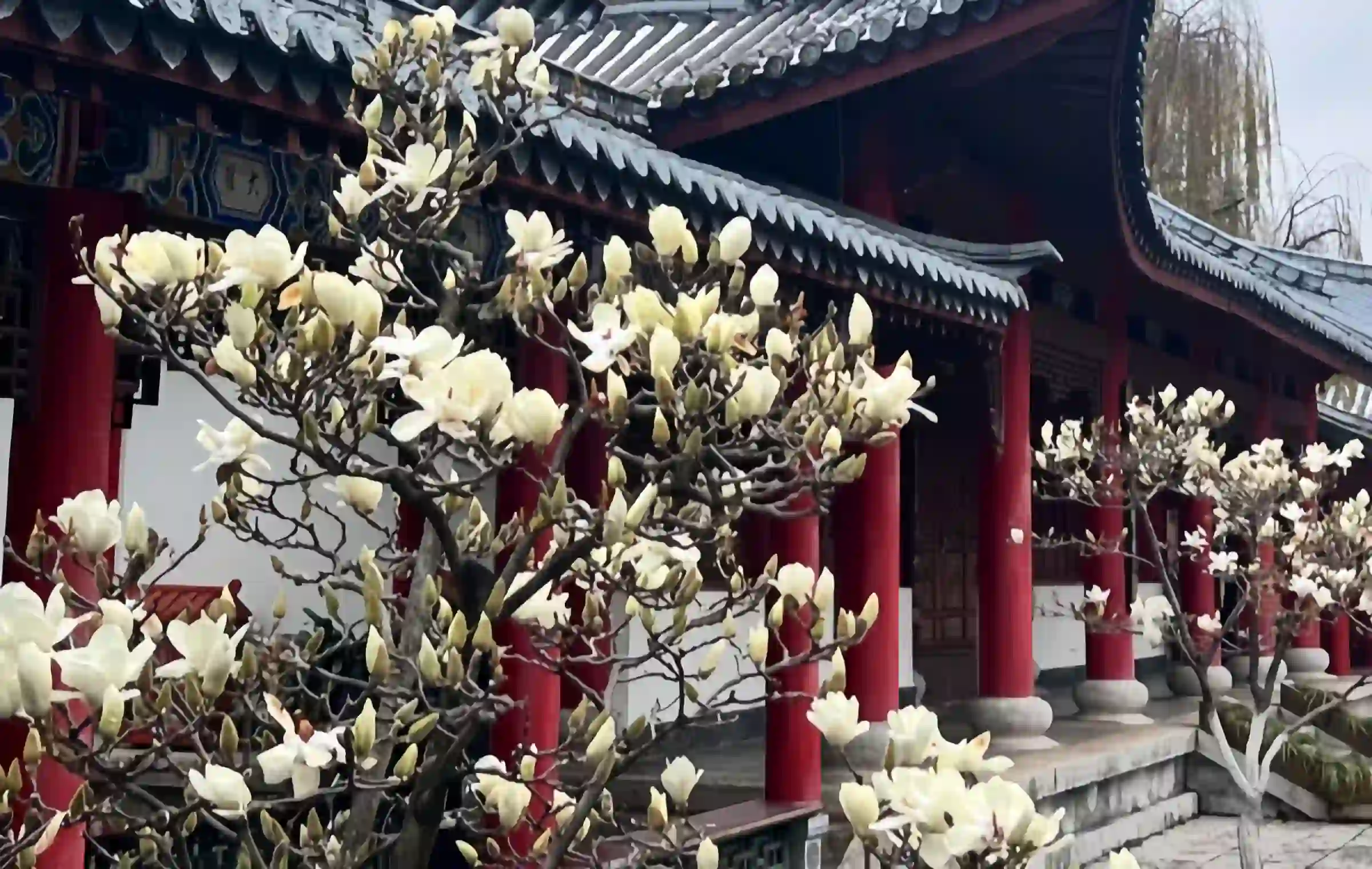
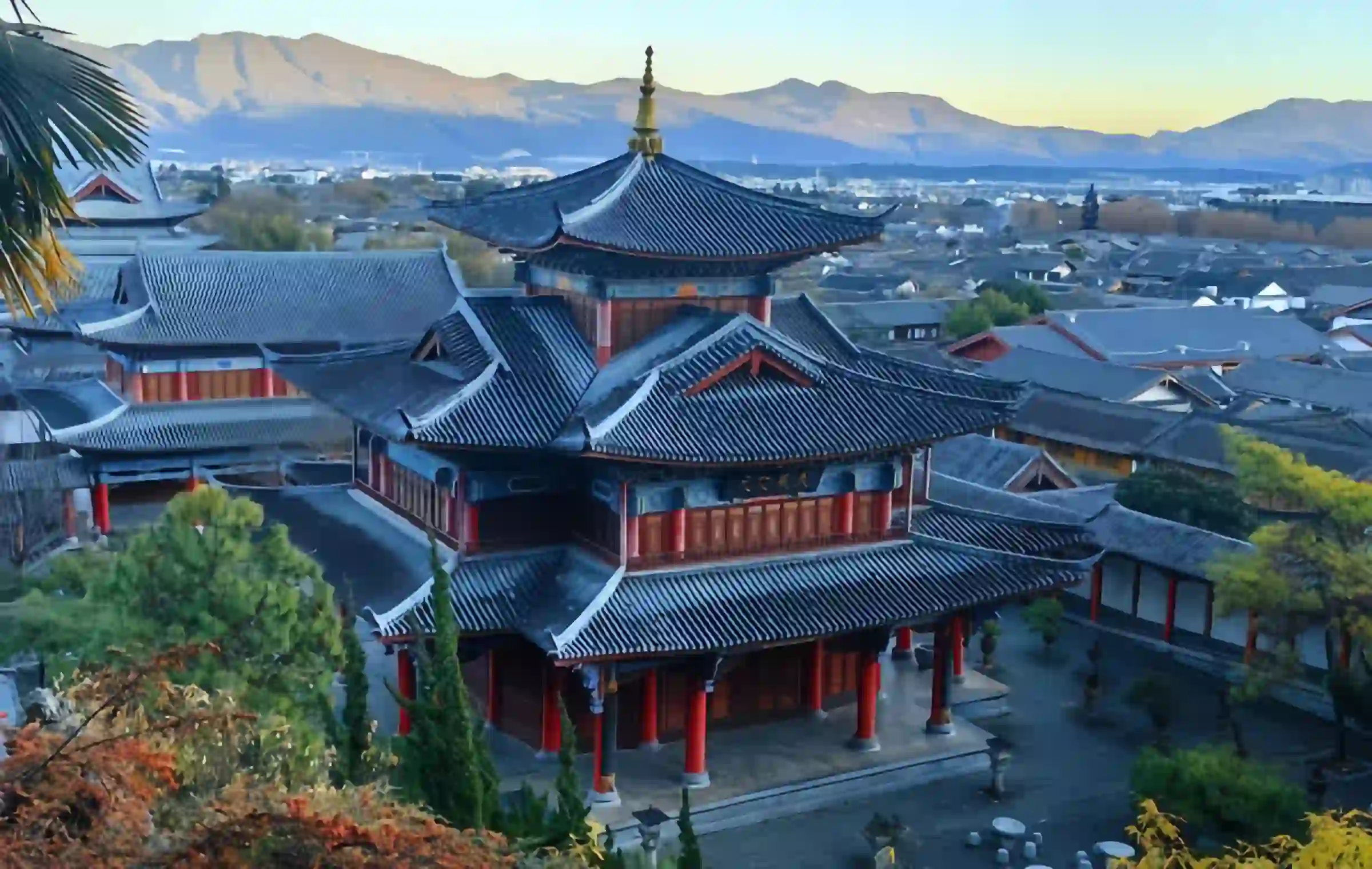
Mufu, located at the foot of Shizi Mountain in Gucheng District, Lijiang City, Yunnan Province, is a magnificent architectural complex covering an area of over 100 acres and built along the mountain terrain.

Quick overview of core highlights
Identity tags: Forbidden City in Lijiang/Miniature of Naxi Tusi Dynasty/Treasures of Southwest Border Architecture
Core experience: Crossing the central axis of the "King's Journey", climbing the Wanjuan Tower to overlook the ancient city, appreciating the precious white sand murals, and exploring the original site of the story of "The Wind and Clouds of the Wood Mansion"
Suggested tour: half a day to one day, as the soul chapter of understanding the history and culture of the Old Town of Lijiang, it can be visited in depth with Lijiang Ancient City
Address: Guanyuan Lane, Guangyi Street, Gucheng District, Lijiang City, Yunnan Province

  • Mufu: A magnificent epic from the Tusi Kingdom to the Forbidden City in Lijiang-1
  • Mufu: A magnificent epic from the Tusi Kingdom to the Forbidden City in Lijiang-2
  • Mufu: A magnificent epic from the Tusi Kingdom to the Forbidden City in Lijiang-3
  • Mufu: A magnificent epic from the Tusi Kingdom to the Forbidden City in Lijiang-4

Origin: The Rise and Fall of the Wood Clan and the Legacy of the Kingdom Dream

Furong Ancient Town Furong Ancient Town

The Name of Xianyuan - The Origin of the "Mu" Surname and the Foundation of Tusi
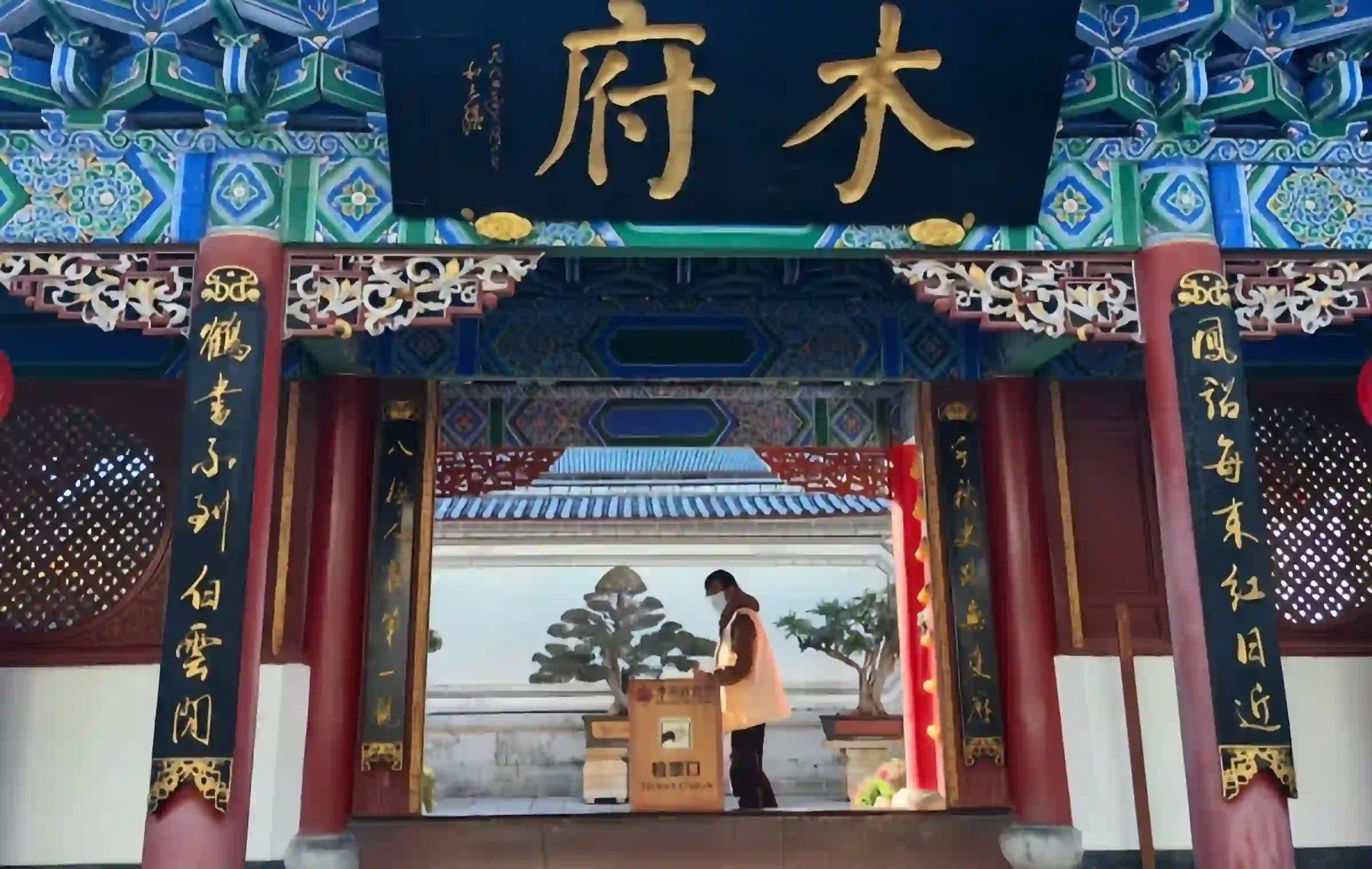
The name "Mufu" is directly derived from the Han surname "Mu" of its owner, the Naxi chieftain Mu. This prestigious surname was bestowed by the founding emperor of the Ming Dynasty, Zhu Yuanzhang. At the end of the Yuan Dynasty and the beginning of the Ming Dynasty, the leader of the Naxi ethnic group, Ajia Ade, led his people to surrender to the Ming Dynasty. Zhu Yuanzhang highly praised him and removed the characters "one" and "mouth" from his own ethnic surname "A", giving him the Chinese surname "Mu", which means "sincerely surrendering and becoming a vassal of the state. From then on, the surname "Mu" became a symbol of honor for the ruling family in Lijiang, and their mansion was naturally called "Mu Fu". This surname not only established the legitimate ruling position of the Mu family in northwest Yunnan, but also ushered in a glorious period in which Naxi culture absorbed Han culture on a large scale and formed a unique style.

The Road to Rebirth - The City of Kings Reconstructed from Ruins
The modern story of Mu Fu is a cultural epic about destruction, forgetting, and the restoration of glory. The rule of the Mu clan chieftains declined after the "land reform" during the Yongzheng reign of the Qing Dynasty, and their mansions gradually became abandoned. By the time of the Republic of China, most of the buildings had been damaged. After the 1996 Lijiang earthquake, the World Bank provided loans to support the reconstruction of the ancient city. The local government and knowledgeable individuals were determined to bring this royal city, which symbolizes the spirit of the Naxi people, back to light. The reconstruction project was based on the highest principle of "restoring the old to its original state", strictly following historical documents, Ming Dynasty architectural styles, and residual foundation sites. It took three years and cost a huge amount of money, ultimately allowing this legendary "Forbidden City" to stand again at the foot of Lion Rock in 1999. Today, it is not only a national key cultural relics protection unit, but also a core part of the world cultural heritage of the Old Town of Lijiang, which shows the glory and dream of a border kingdom to the world.

In depth understanding: Explore more Chinese ethnic minority cultural heritage>>Qiandongnan Xijiang Qianhu Miao Village

Must See Wonders: Symphony of Architecture and History

Furong Ancient Town Furong Ancient Town

Natural Creation - Garden Charm in the Embrace of Lion Mountain
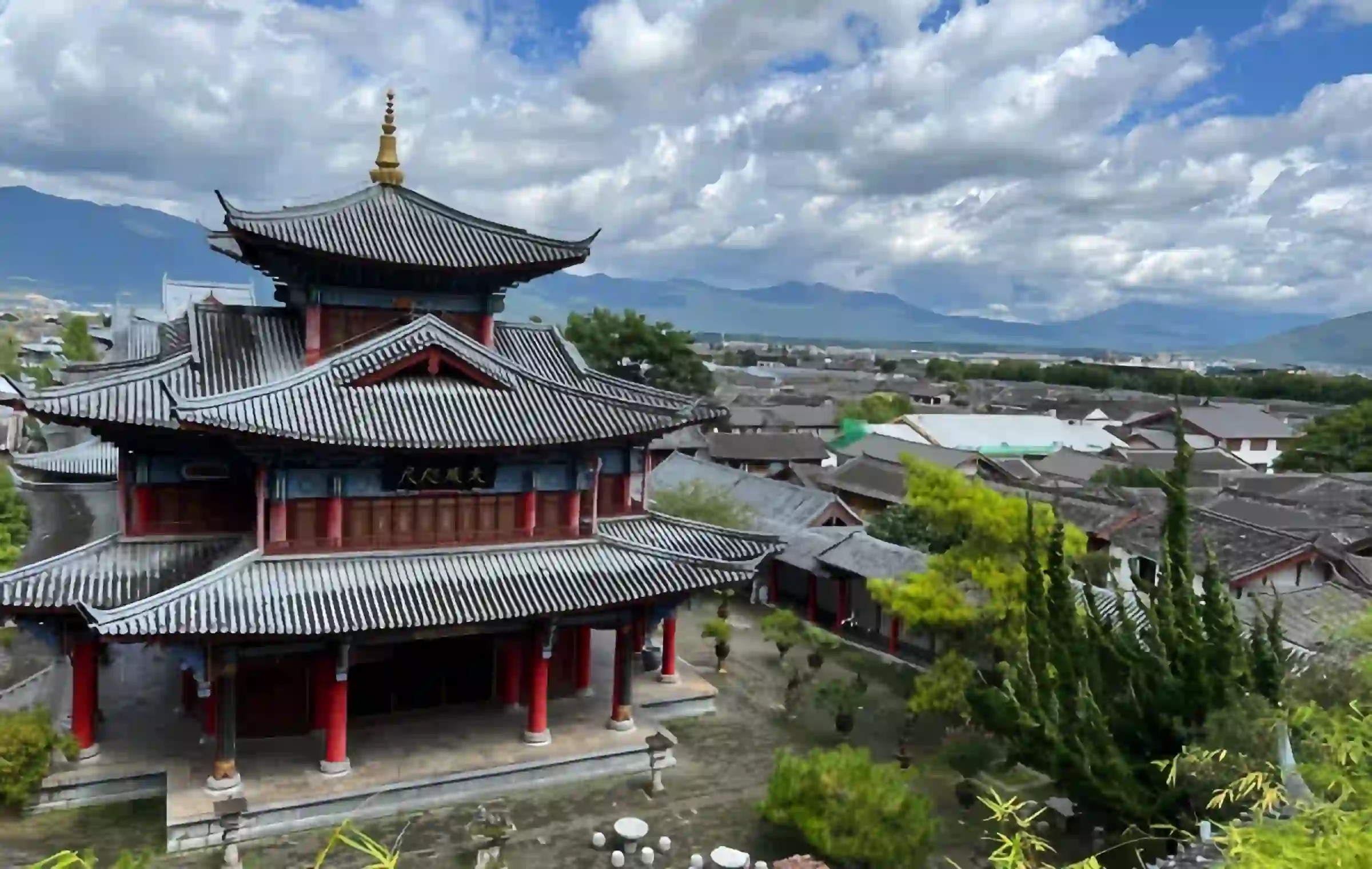
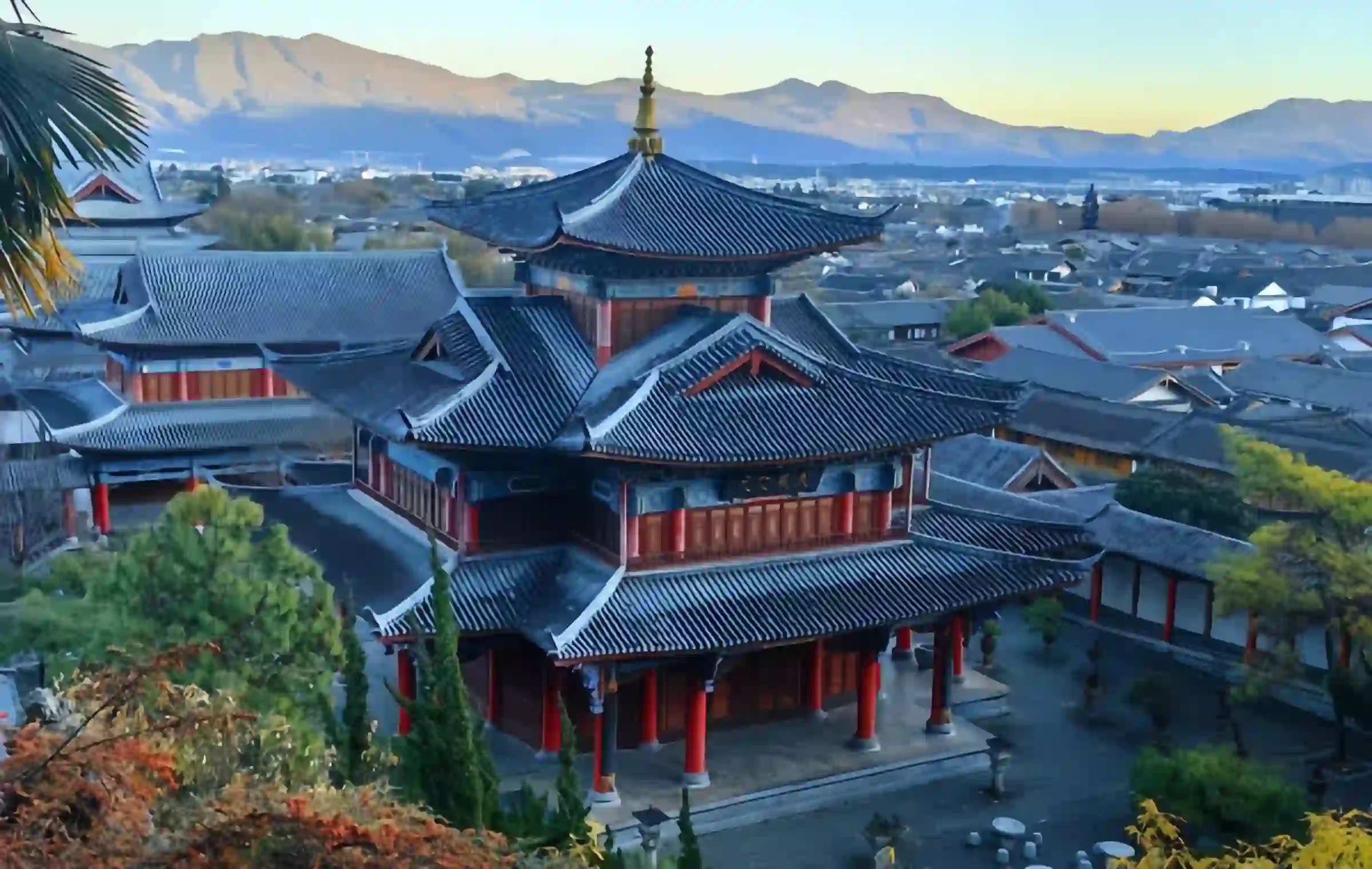
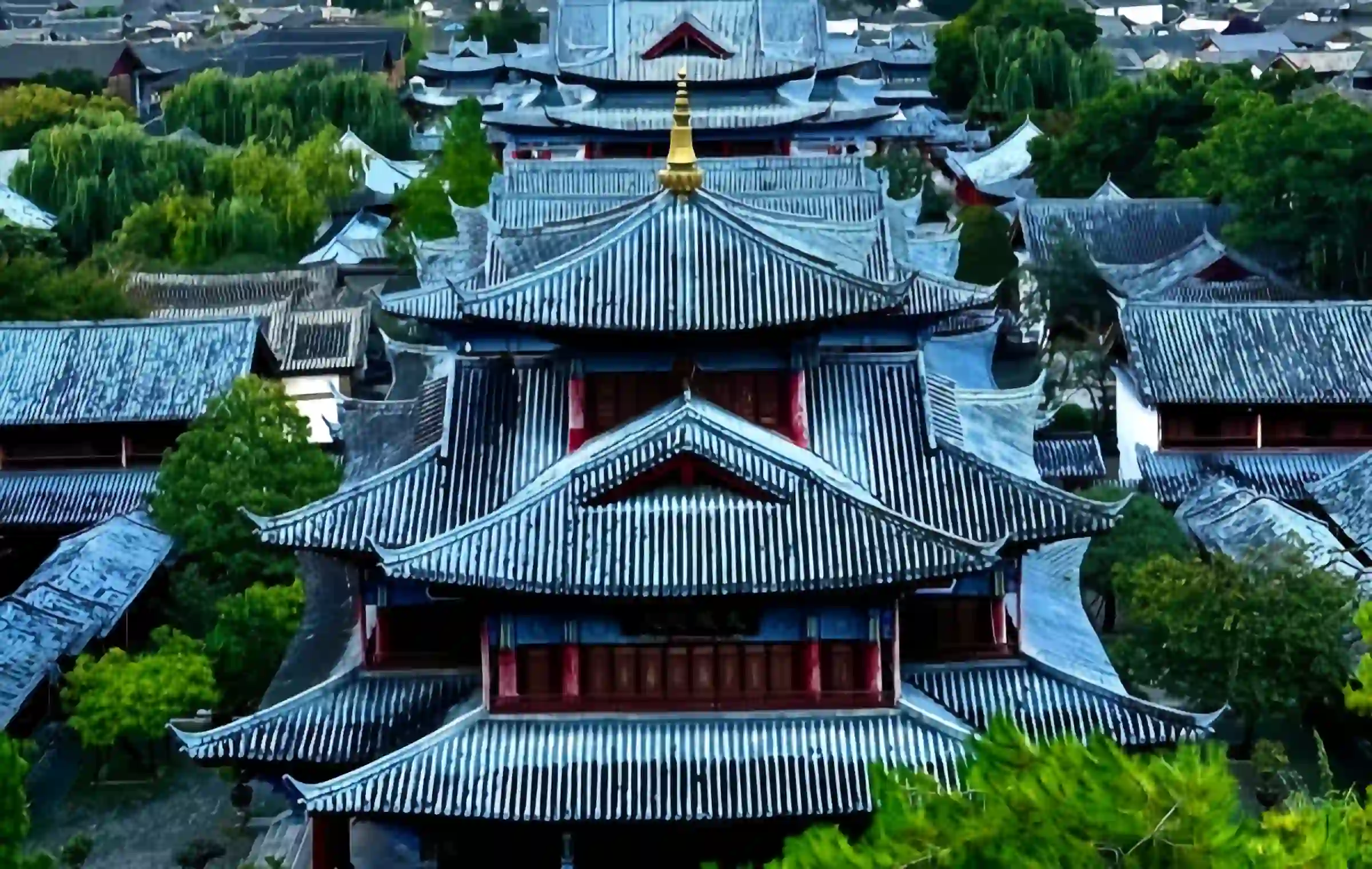
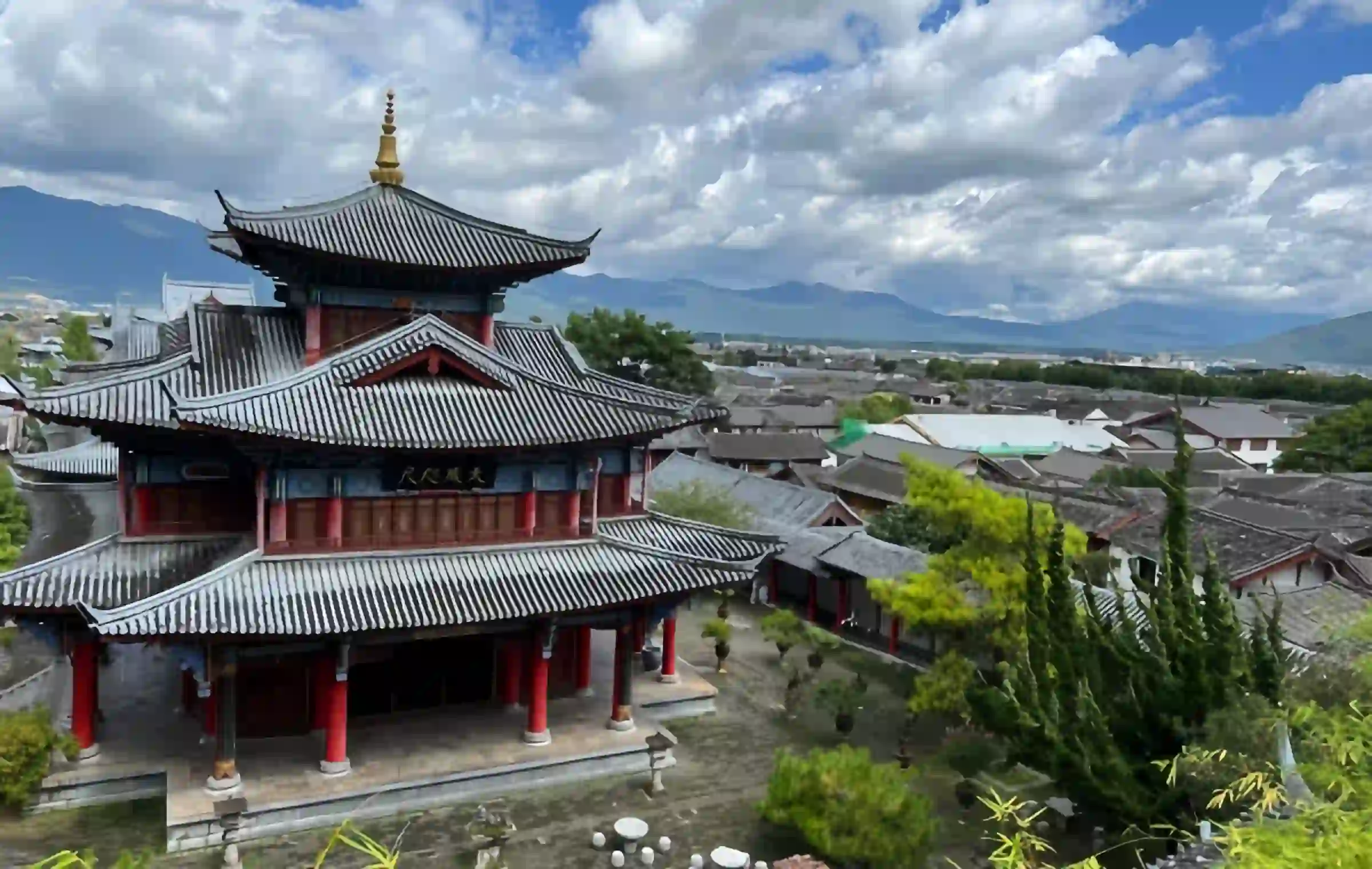
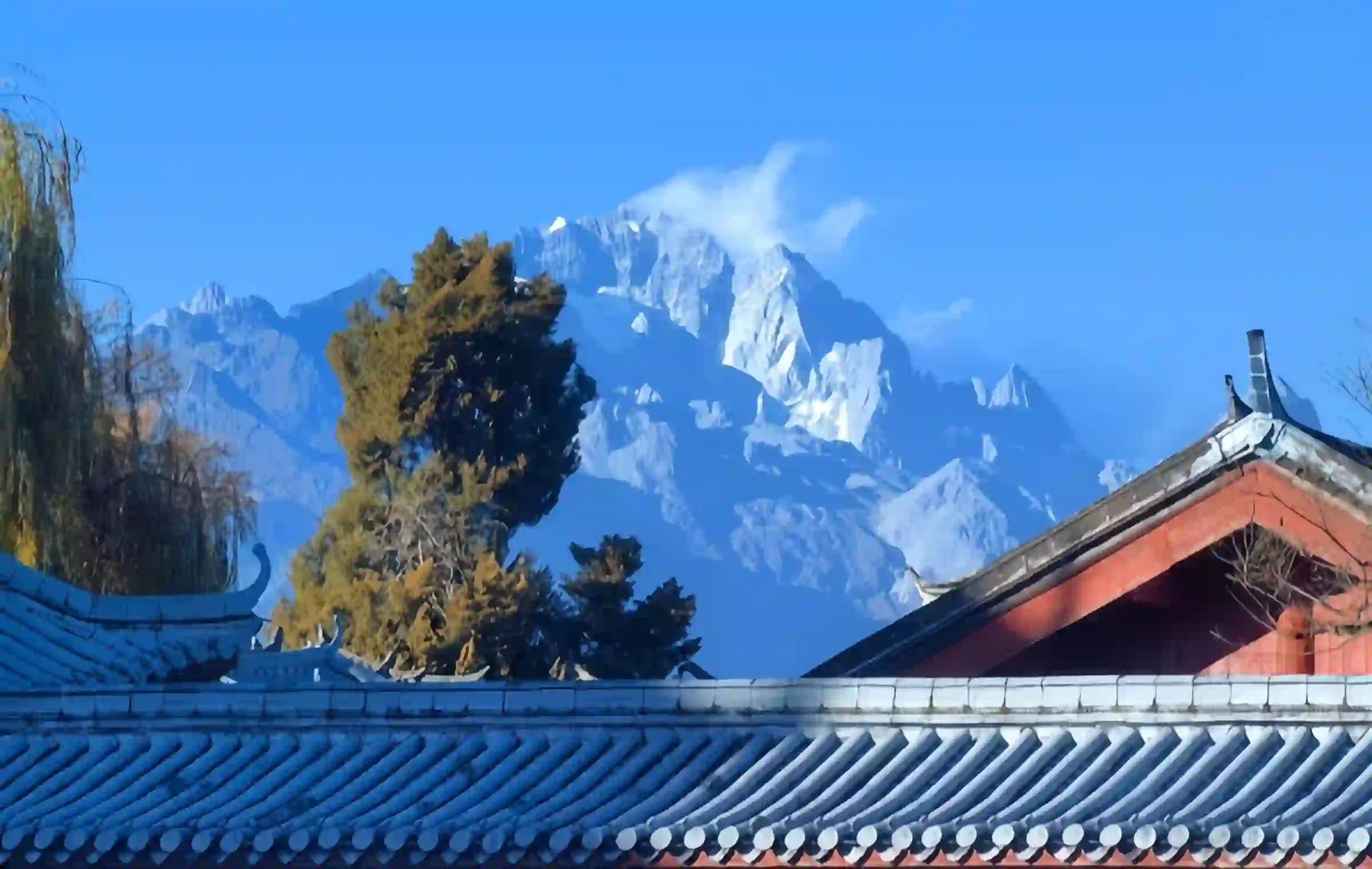
The landscape of Mu Fu is a three-dimensional painting that perfectly embeds artificial palaces into natural mountains and rivers. The entire mansion is backed by Lion Rock, a natural barrier that symbolizes "stability against the mountain" in feng shui. In terms of function, it can be used to climb high and guard the house. The towering ancient trees hide the halls and towers in a lush green landscape. The exquisite garden water system in the mansion leads the ancient city's living springs into the garden, with pavilions and water pavilions dotted among them, creating an artistic conception of "although created by people, it seems to bloom from heaven". Overlooking from the Sanqing Hall at the highest place, you can not only have a panoramic view of the successive halls of Mufu, but also can overlook the rows of tile roofs in the Old Town of Lijiang, and feel the grand pattern of "mountain government city" integration.

Humanistic Craftsmanship - The Architectural Epic and Power Symbol of Hanna Fusion
The soul of the Mu Mansion lies in the fact that its architecture itself is a wordless historical book, deeply reflecting the regal demeanor of "building in imitation of the Forbidden City" and the open wisdom of the Naxi people.
The Zhongyi Stone memorial archway is the first shock building before entering the Mufu. This stone archway, carved with precious White Marble along the Jinsha River, stands towering and has the word "loyalty" written on it. It was built by the Ming Dynasty emperor in recognition of the loyalty of Chieftain Mu. It is the highest symbol of its close relationship with the central government and the peak of Lijiang stone carving art.
The three main halls arranged in depth along the central axis (the Council Hall, Wanjuanlou, and the Protectorate Hall) are the political, cultural, and spiritual core of the Mu Mansion. The council hall is a solemn and dignified place for tusi to discuss and handle government affairs, with a grand atmosphere. Its openness and regulations demonstrate the authority of tusi to "open the door for the lords and close the door for the emperor". The Wanjuan Tower, located at the highest point of the central axis, is a library that has collected thousands of volumes of ancient texts that integrate Central Plains, Tibetan, and Naxi cultures. It reflects the Mu family's reverence for culture and education, as well as their broad mindedness of embracing all rivers. Climbing up the tower and looking into the distance, one can feel relaxed and happy. The Protectorate Hall, also known as the Rear Council Hall, is a place where chieftains discuss family matters and conduct religious ceremonies, with a more private and mysterious atmosphere.
There is a dedicated exhibition room in Mufu, displaying precious Ming Dynasty Baisha murals copied from Baisha Ancient Town. These murals that blend Han, Tibetan, and Naxi styles are living fossils for studying the diverse cultural integration of the Naxi people. On both sides of the axis are exquisite gardens, living courtyards, and ancient stages. Strolling through them, one can imagine the living scenes of the Mu family back then and experience the lifestyle of the royal mansion.

Photography tips:
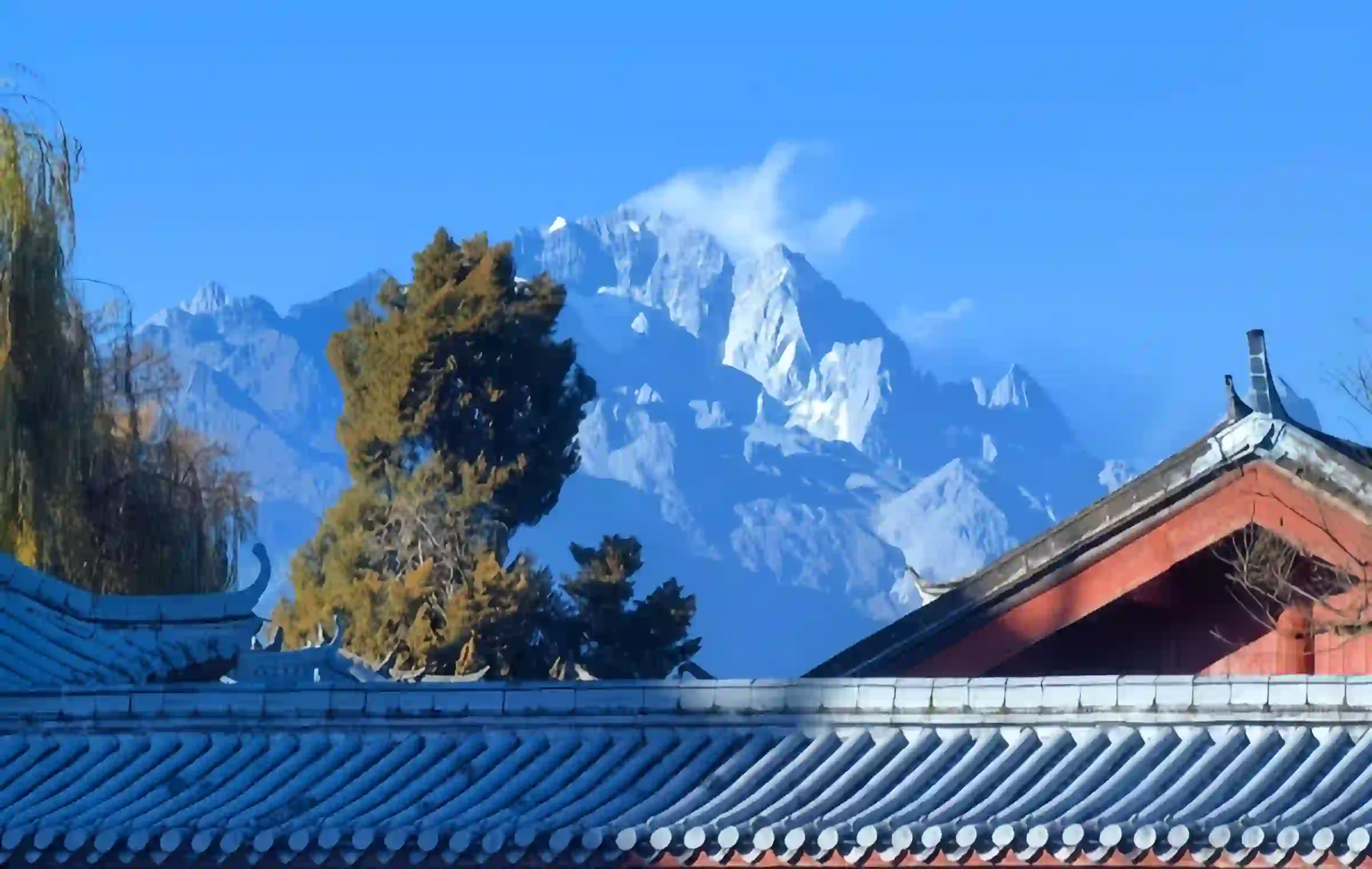
The best panoramic camera position is on the top floor of Wanjuan Tower or the platform in front of Sanqing Hall, which can capture magnificent images of the central axis buildings of Mu Fu and distant ancient cities and snow capped mountains in the same frame.
In front of the Zhongyi Stone memorial archway, the wide-angle lens is used to shoot up, which can show its lofty and carved details.
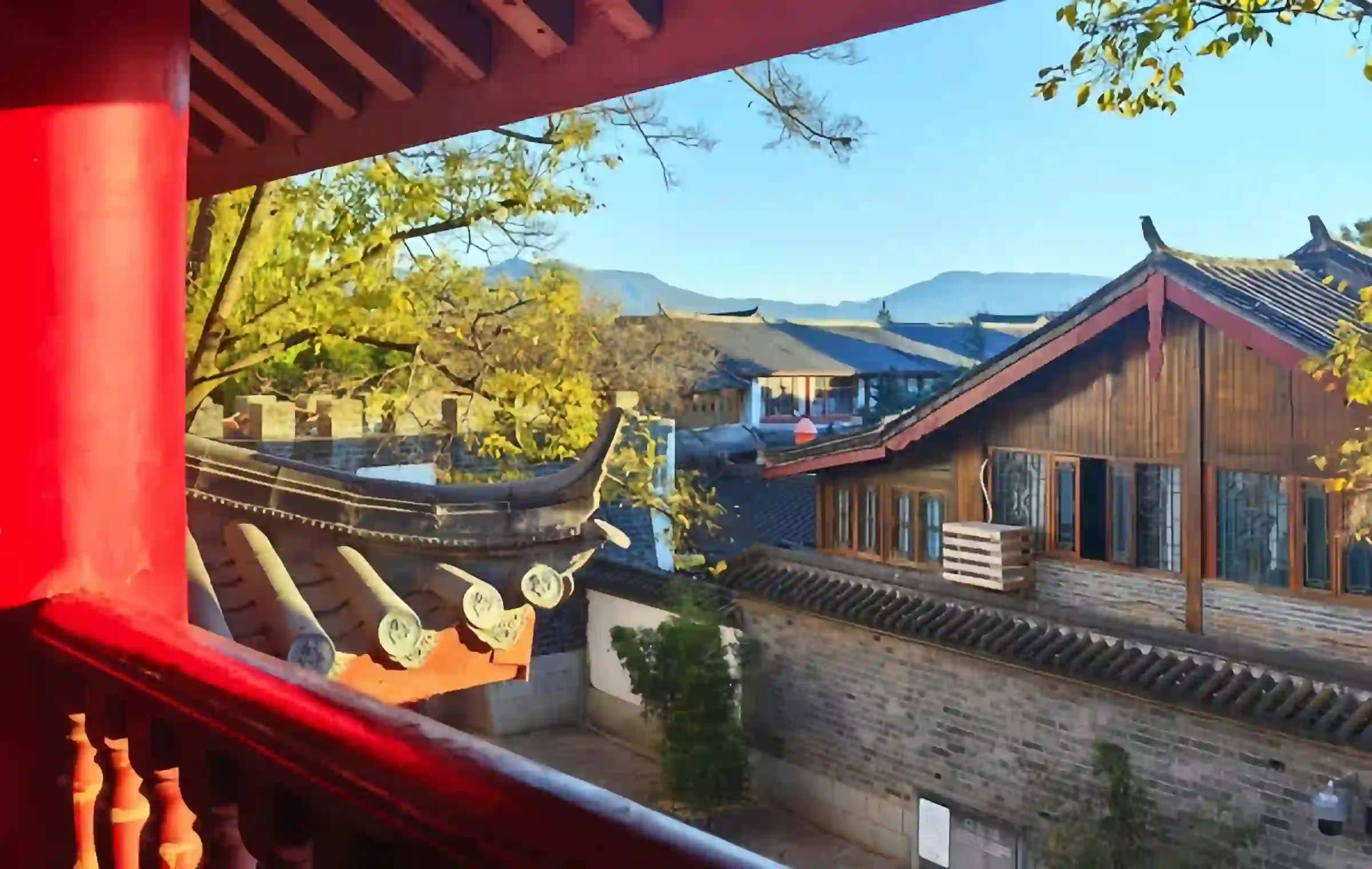
Using the door frames and columns in the courtyard of the mansion as a foreground for frame composition and capturing the distant halls can greatly enhance the sense of hierarchy and storytelling in the picture.
In the afternoon, the slanting sunlight casts golden borders on the vermilion doors and windows, as well as the blue tiled eaves of the wooden mansion, making it the best time to capture the texture of the architecture.

Core Experience: Immersive Tusi Culture Guide

Furong Ancient Town

Unlock the Five Core Experiences of the Journey to Mu Fu
To fully experience the Mu Mansion, you can: walk along the strict central axis from Zhongyi Fang to Wanjuan Tower, personally walk the "Road of Kings", and experience the regulations and authority of ancient tusi's "front court and back bedroom"; Climb the Wanjuanlou, lean on the railing and overlook the whole the Old Town of Lijiang, and feel the pride and vision of the chieftain when he looked down on his own kingdom; Stop quietly in the mural exhibition room, carefully observe the religious stories and life scenes that transcend ethnic groups in the white sand murals, and understand the inclusive soul of Naxi culture; Searching for a filming location for the popular TV drama "The Wind and Clouds of the Wood Mansion", overlapping the love, hate, and hatred on the screen with the real palace in front of you, adding a dramatic touch to the fun of the tour; Finally, take a rest on a stone bench in the ancient tree courtyard of the mansion, listen to the crisp sound of the wind blowing through the eaves and bells, and imagine that hundreds of years ago, this place determined the fate of the northwest plateau of Yunnan.

Suggested tour routes
Half day "essence axis" tour (suitable for those with limited time or first visit):
Arrive at Mufu in the afternoon, start from the Loyalty Stone memorial archway, visit the meeting hall in turn to feel the political prestige, walk through the courtyard, visit the Wanjuanlou Tower to look up and understand the cultural vision, then watch the Baisha mural exhibition room to appreciate the art fusion, finally walk to the back garden and Sanqing Hall area to overlook the panoramic view, and after the tour, you can seamlessly connect with the night tour of the Old Town of Lijiang.
IntoTravelChina tip: This itinerary focuses on the core architecture and cultural symbols of Mufu, efficient and compact, and is a standard route for quickly understanding the essence of Mufu.
One day 'Deep Culture' Tour (highly recommended for history and architecture enthusiasts):
Departing early in the morning to avoid crowds, carefully observe the architectural details and exhibition displays in the conference hall and Wanjuan Tower, and gain a deeper understanding of the historical evolution of the Mu clan tusi. Subsequently, spend time delving into the artistic characteristics and cultural connotations of Baisha murals. At noon, you can taste Naxi style lunch in the ancient city. In the afternoon, deeply explore the auxiliary buildings such as living courtyards and theaters on both sides of the central axis, and feel the daily living atmosphere of the Tusi family. Afterwards, you can climb up the Lion Rock (towards the direction of the Wangu Tower) along the path, and look back at the entire view of the Mu Mansion from a higher and more external perspective, truly experiencing its site selection wisdom and majestic momentum of "lying on the mountain and facing the wilderness".
Advantages of IntoTravelChina: We can make an appointment for you with a professional cultural commentator (rather than an ordinary guide), provide in-depth interpretation materials related to the history, architecture and mural art of Mufu, and plan a seamless connection journey with cultural attractions such as the Old Town of Lijiang and Black Dragon Pool.

Professional guide: IntoTravelChina can provide you with a personalized itinerary, including exclusive tour guides, transportation, and activity arrangements, allowing you to have a worry free and in-depth experience. >>Consult now for customization

Travel Guide: Transportation, Accommodation, and Seasons

Furong Ancient Town

How to reach: Seamless Connection Guide
Mufu is located in the core area of the Old Town of Lijiang (Dayan Ancient Town). When you arrive at the Old Town of Lijiang, you can easily walk to Mufu. The core hub is the entrance of Lijiang city and Dayan ancient city. The most recommended way is walking. It takes about 5-10 minutes to walk southeast along Guangyi Street from Sifang Street in the center of the ancient city to the entrance of Mufu. Visiting Mufu itself is the essence of walking in the ancient city. You can also take a taxi to the entrance around the ancient city (such as the North Gate Big Water Wheel, South Gate, etc.), and then walk in. The ancient city is a pedestrian zone, and vehicles cannot directly reach the entrance of Mufu. It is recommended to purchase tickets that include explanation services, or make an appointment in advance for professional explanations to gain a deeper understanding of the architectural connotation.

Best travel time
Mufu is suitable for sightseeing all year round, but spring and autumn are the best seasons.
The golden season of spring and autumn (March May, September November) has a pleasant climate and clear clouds, making it the best time to climb the Wanjuan Tower and enjoy a panoramic view of the Jade Dragon Snow Mountain and the ancient city. The summer rainy season (June August) is lush with vegetation, but frequent rainfall may affect the experience of outdoor climbing and sightseeing. During the winter and dry season (December to February of the following year), the sun shines brightly and there are relatively few tourists. You can quietly appreciate the details of the building, and pay attention to keeping warm when there is a large temperature difference between morning and evening.

accommodation options
The Old Town of Lijiang is the preferred experience. Living in a characteristic hotel can deeply experience the atmosphere of world cultural heritage. Walking to Mufu is extremely convenient, suitable for all tourists who want to experience the culture of the ancient city in depth. The surrounding area of the ancient city is a cost-effective choice. Choose hotels or resorts outside the south and north gates with newer and quieter facilities, suitable for families or self driving tourists. Baisha Ancient Town or Shuhe Ancient Town are cultural choices that offer a more authentic Naxi lifestyle, but require daily transportation to Dayan Ancient Town, making them suitable for cultural explorers seeking deep tranquility.
IntoTravelChina accommodation booking suggestion: High quality guesthouses in the ancient city are in high demand during peak seasons, and it is inconvenient to drag luggage along the stone roads in the ancient city. By booking with us, not only can we recommend an inn with excellent location (both convenient and quiet) based on your budget and preferences, but we can also provide thoughtful services such as luggage transfer, making your trip to the ancient city leisurely and elegant. >>Click to contact IntoTravelChina travel consultant

Extended journey: connecting the essence loop line in northwest Yunnan

Furong Ancient Town Furong Ancient Town

Classic 4-day trip to Lijiang Snow Mountain: the Old Town of Lijiang → Yulong Snow Mountain (Glacier Park, Blue Moon Valley, Impression Lijiang) → Baisha Ancient Town and Shuhe Ancient Town → Lashihai. This is a classic introductory journey from holy snow capped mountains to soft times.

Classic 7-day panoramic tour of Yunnan: Kunming (Stone Forest, Old Street) → Dali (Xizhou Ancient Town, Erhai Lake, Three Towers, Cangshan Mountain) → Lijiang (Ancient City, Yulong Snow Mountain, Blue Moon Valley) → Shangri La (Songzanlin Temple, Pudacuo National Park). This is a complete cultural and natural painting that runs through the golden tourism route of Yunnan, from karst wonders to wind, flowers, snow, and moon, from snow capped mountains and holy lakes to Tibetan secret places. >>View the 7-day Yunnan panoramic tour route

Join hands with IntoTravelChina and embark on your exclusive journey of exploring the secrets of the royal city

Furong Ancient Town Furong Ancient Town

The story of Mu Fu is about the great talent and strategy of a frontier family, the perfect integration of Hanna culture, and the memory of a lost ancient city. IntoTravelChina is dedicated to creating a deep, personalized, and worry free travel experience in China. Our travel experts can tailor a itinerary for you, providing one-stop access to tickets, specialty inns, professional cultural explanations, and transportation connections in the surrounding area. We also arrange exclusive experiences such as non-public academic exchange opportunities and the best photography guidance for ancient architecture, making your trip to Mu Fu a profound dialogue that transcends time and space and reaches the historical core of the southwestern border.

Start planning your journey now
Welcome to contact our professional travel consultants for your exclusive itinerary plan. >>Click to contact IntoTravelChina travel consultant

Recommended Tours

Top 3 tours chosen by most customers to explore in the best way. Check the detailed itinerary, or tailor your own trip now with us.

Zhangjiajie Tour
4 Days Yunnan Spring Scenery Tour

4 Days  |  Kunmng - Dali

Zhangjiajie Tour
Yunnan Stone Forest & Terrace Tour

5 Days  |  Kunming-Jianshui-Yuanyang

Zhangjiajie Tour
Lijiang Shangrila Chongqing 8-Day Tour

What Our Clients Say?

Based on 10,000+ traveler reviews

...
Daniel Dorothea
Canada
Reviewed on April 29,2025
Shopping on Nanjing Road in Shanghai was just amazing! It's truly the "First Commercial Street of China", where tradition and modernity blend perfectly. You can find awesome souvenirs and experience the trendy vibes in cool stores. The neon lights at night are just spectacular, shining bright like Times Square in New York. The food here is incredible too. I had a feast for my taste buds. Shanghai, I'll definitely be back!
Destination(s): Shanghai
Date of Experience: May 08,2024
...
...
Elvis Eva
Canada
Reviewed on June 20,2025
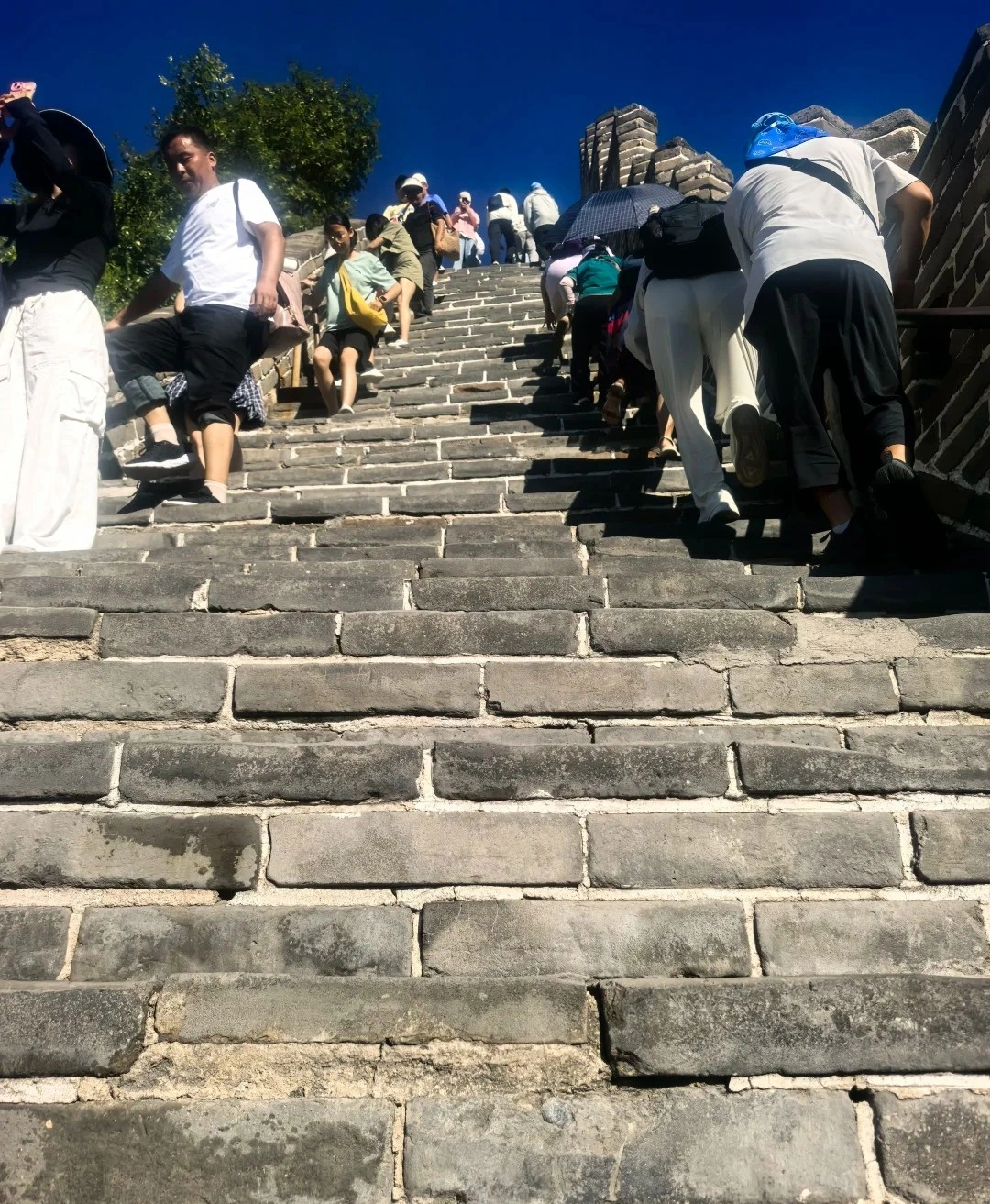
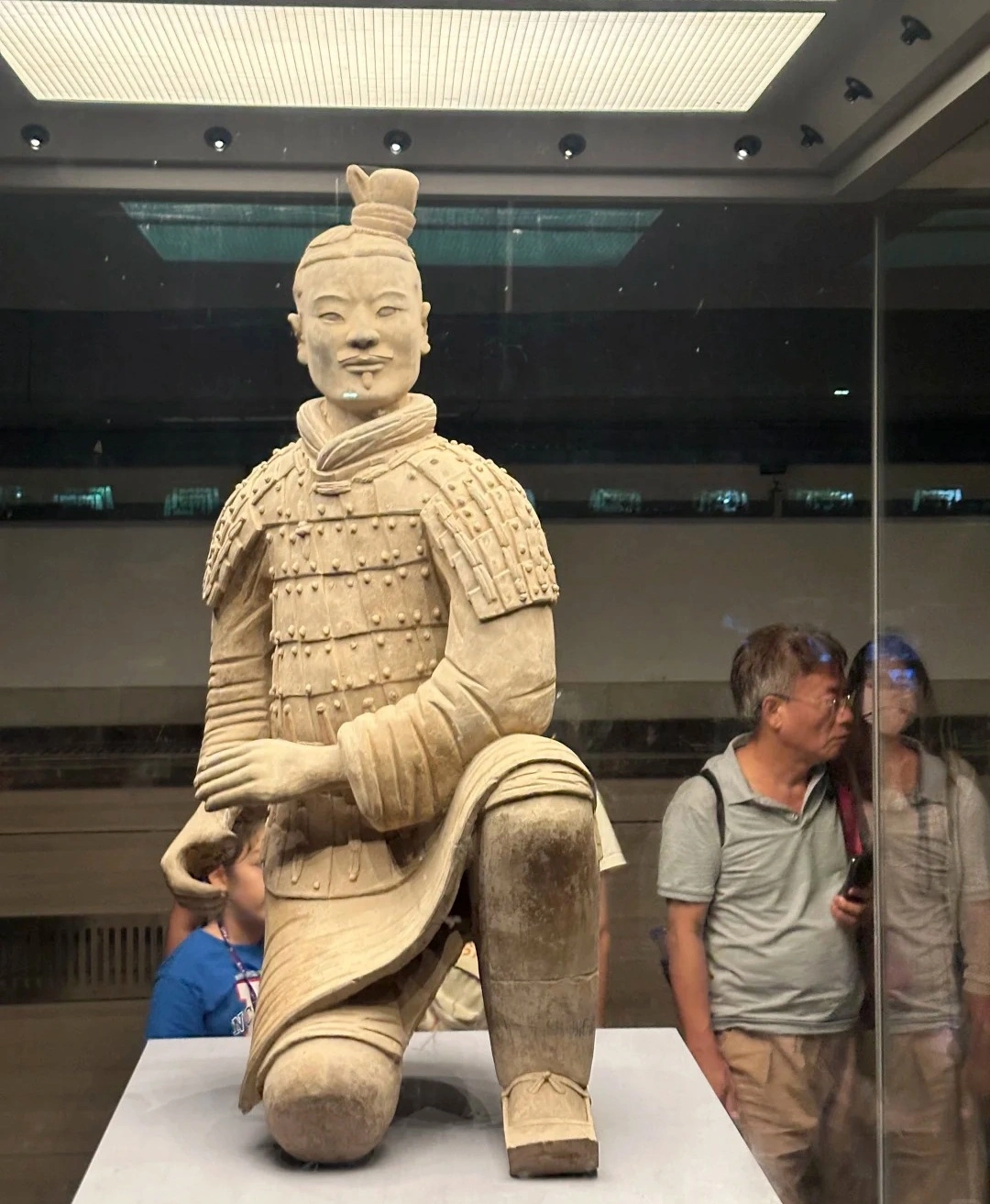
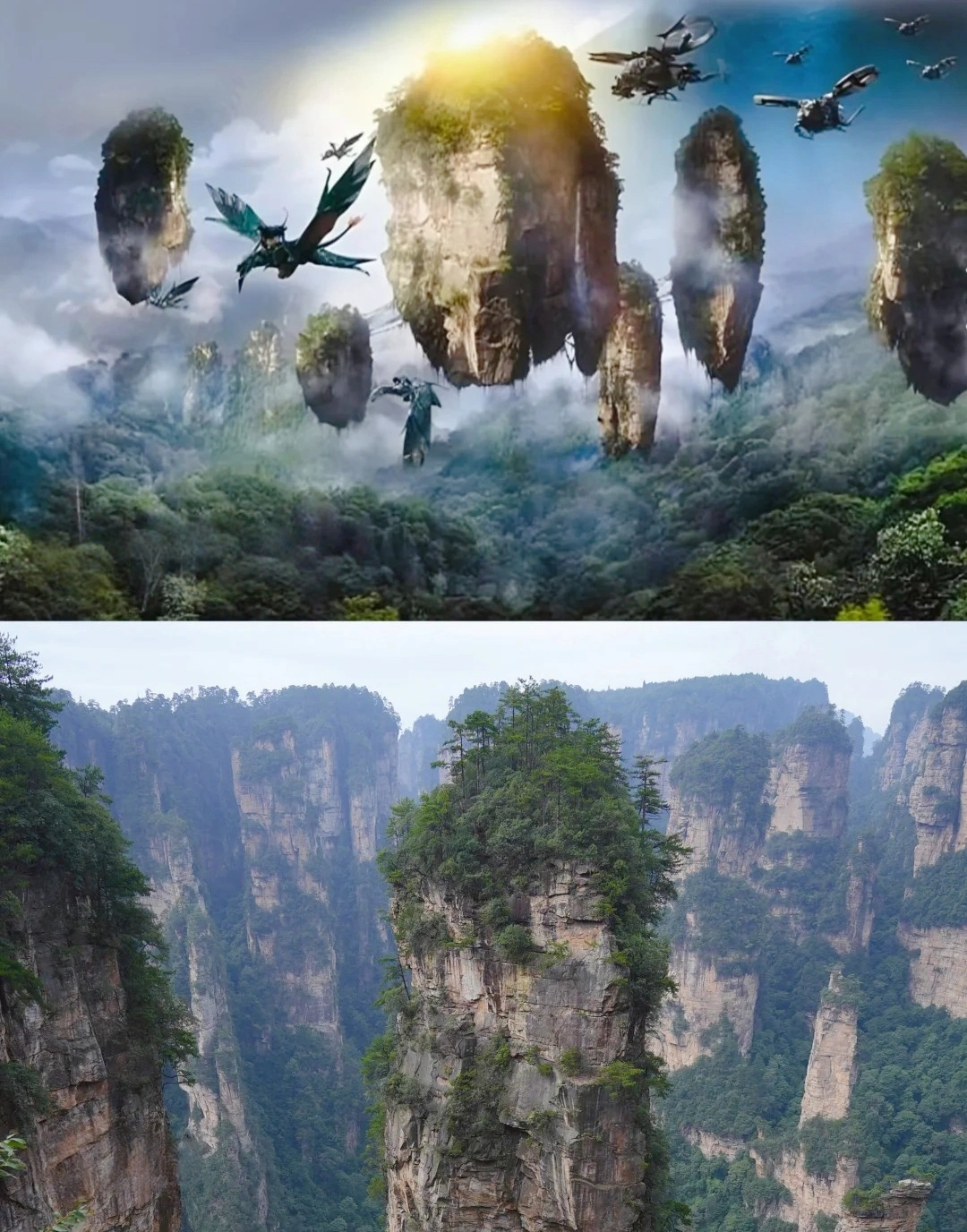
As a solo traveler from Canada, I was nervous about navigating China alone—but this 11-day tour was PERFECT! From hiking the Great Wall at sunrise (Day 3) to gasping at the Terracotta Army (Day 5), every day delivered ‘pinch-me’ moments. The real showstopper? Zhangjiajie’s Avatar Mountains (Day 7)! Our guide made the stone pillars come alive with stories. Massive thanks for handling all logistics—bullet train tickets, entry passes, car! And the 4-star hotels surprised me.
Destination(s): Beijing Xian Zhangjiajie Shanghai
Date of Experience: June 02,2025
... ... ...
...
Simon
America
Reviewed on May 29,2025
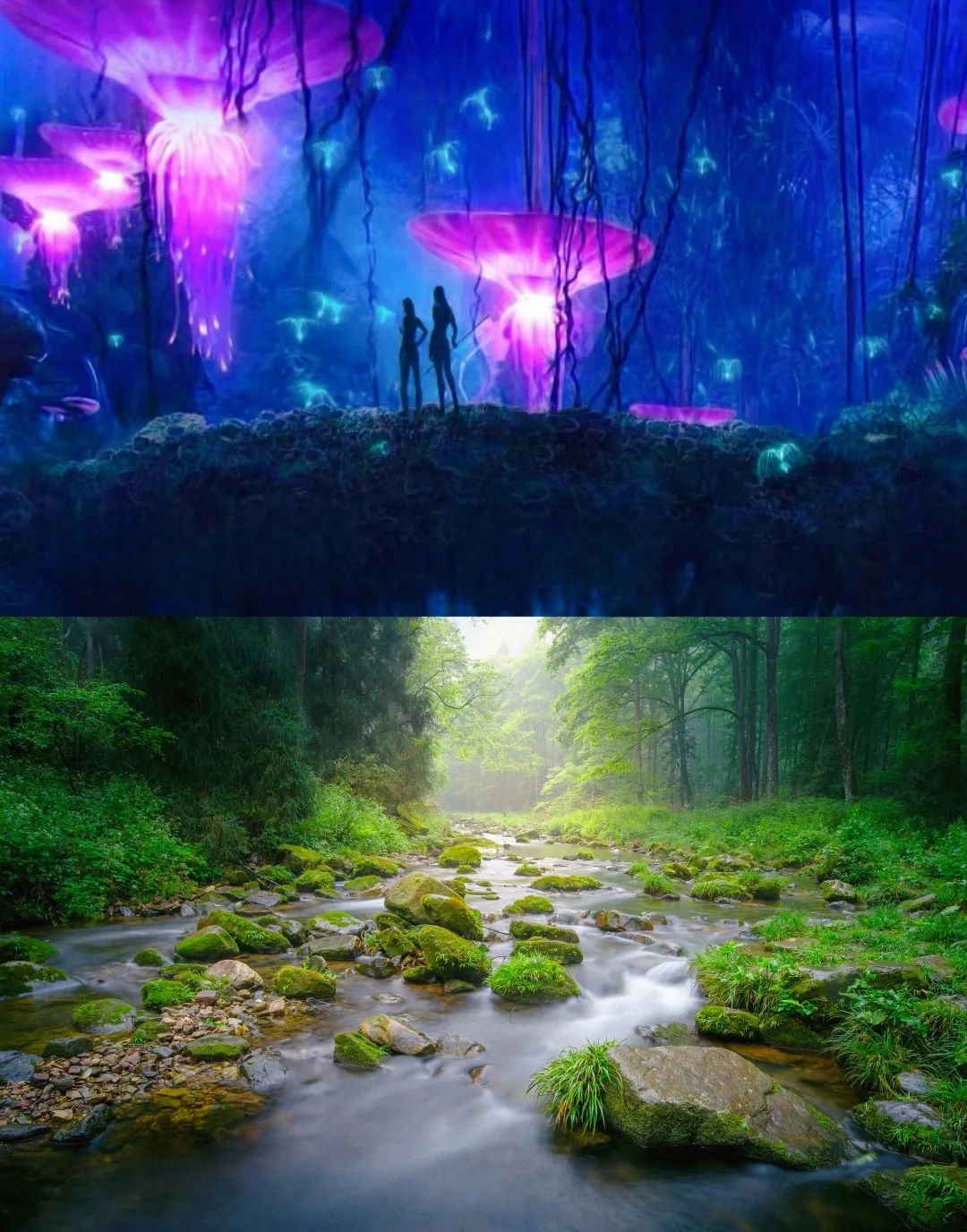
Our 2-day Zhangjiajie tour was beyond spectacular! As someone who’s visited Beijing and Shanghai for work, this trip revealed China’s wild, magical heart. Day 1 in Zhangjiajie National Forest Park felt like stepping onto Pandora—I’m a huge Avatar fan, and Yuanjiajie’s floating peaks left me breathless. The misty pillars and lush valleys like pure movie magic! Then came Fenghuang Ancient Town, we eat dinner beside the thundering waterfall. It seems Unreal! The night views of stilt houses glowing over the river were straight from a fairy tale. For fellow Avatar lovers and adventure seekers: Don’t miss this bucket-list experience! 10/10 would return. A Well-Traveled Film Buff, May 2025
Destination(s): Zhangjiajie
Date of Experience: May 08,2025
... ...

Ask a Question

Question Summary (100 characters)
Details (optional) (2,000 characters)
Name
Country
Email