Shanghai Museum: A Journey of Civilization from Historical Treasury to Art Palace

Shanghai Museum: A Journey of Civilization from Historical Treasury to Art Palace

Overview: An art sanctuary embodying five thousand years of Chinese wisdom
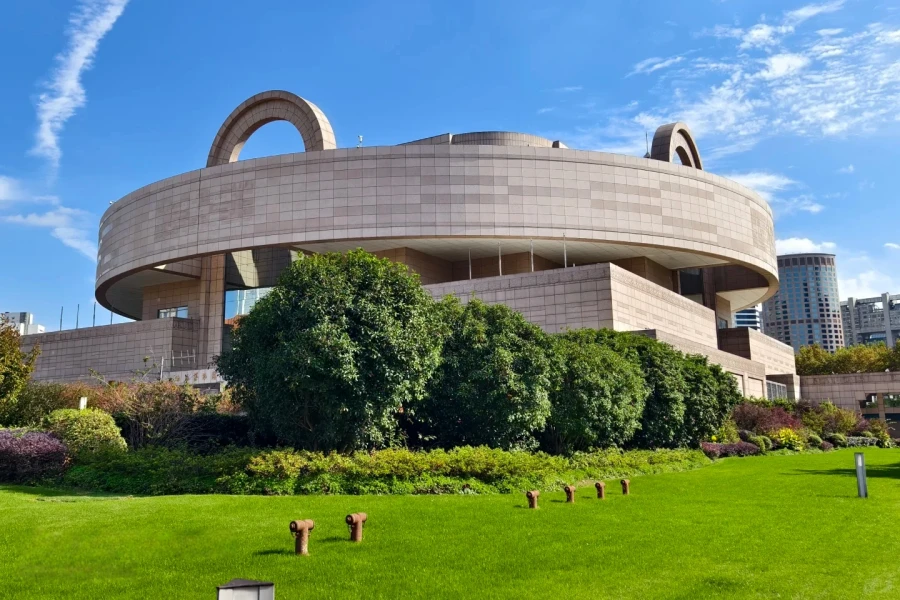
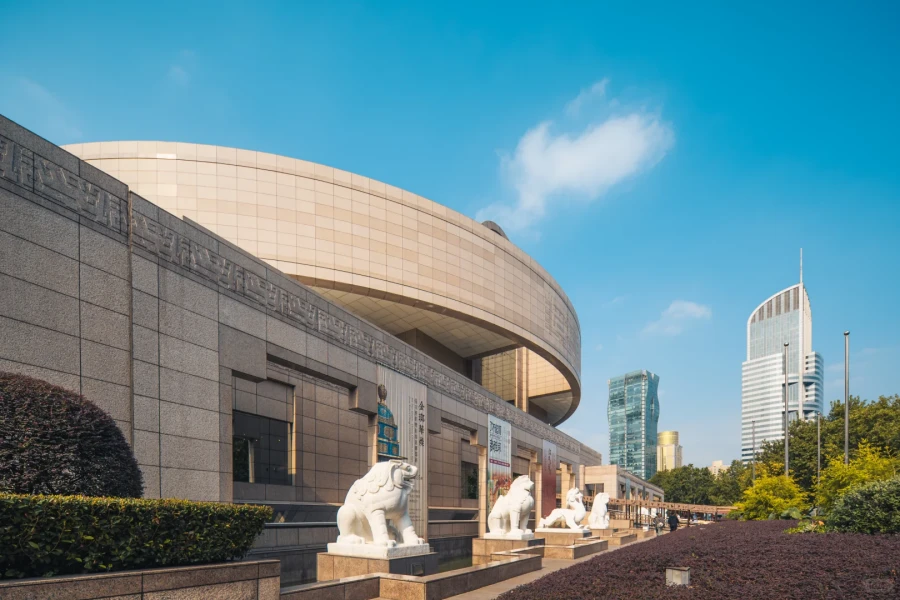
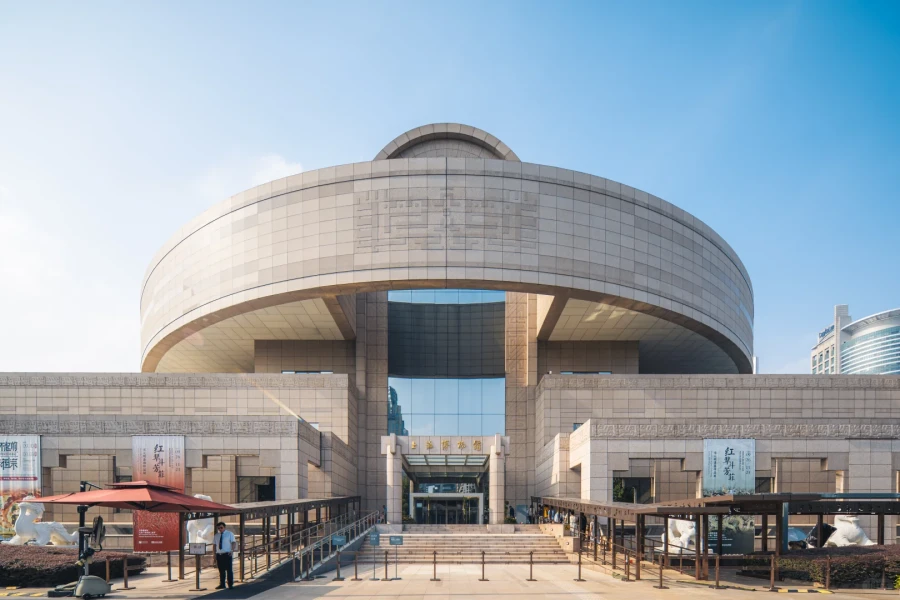
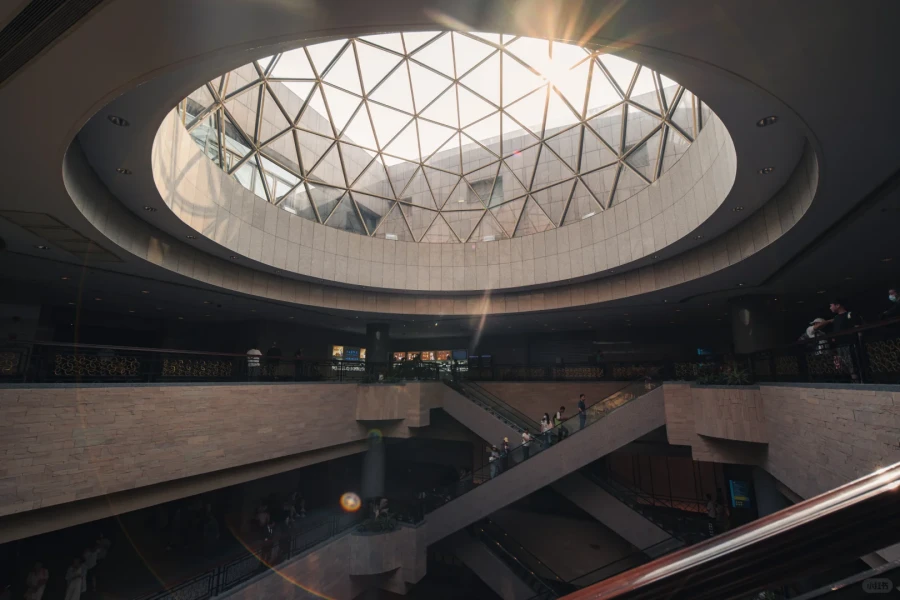
The Shanghai Museum, one of China's four major museums, is a building combining a square base with circular radiating elements, symbolizing the Chinese concept of "a round heaven and a square earth." It is not a scenic spot, but a top-tier museum with a collection of over one million artifacts, focusing on ancient Chinese art.

Key Highlights at a Glance
Identity Tags: Museum of Ancient Chinese Art / "Half of the Cultural Relics World" / National First-Class Museum
Core experiences: Exploring the Bronze Gallery, appreciating calligraphy and paintings from various dynasties, touring the Ceramics Gallery, and participating in special exhibitions and lectures.
Recommended visit duration: half a day to one day; serious enthusiasts can allocate a full day for a detailed exploration of the branch museums.
Address: 201 People's Avenue, Huangpu District, Shanghai

  • Shanghai Museum: A Journey of Civilization from Historical Treasury to Art Palace-1
  • Shanghai Museum: A Journey of Civilization from Historical Treasury to Art Palace-2
  • Shanghai Museum: A Journey of Civilization from Historical Treasury to Art Palace-3
  • Shanghai Museum: A Journey of Civilization from Historical Treasury to Art Palace-4

Origin: Cultural Heritage and the Mission of Our Time

Furong Ancient Town

From its inception—a treasure trove of collections where renowned figures gathered.
The origins of the Shanghai Museum can be traced back to 1952. However, its true spiritual foundation is deeply rooted in Shanghai's historical soil as a major center for modern and contemporary art collection. In the early 20th century, war ravaged the Jiangnan region, and a large number of cultural relics converged in the relatively stable city of Shanghai, attracting a group of discerning collectors and scholars with keen insight and patriotic sentiments, such as Zhang Heng, Pan Dayu, and Gu Lijiang. They either generously donated or meticulously protected these treasures. Many of today's national treasures, such as the Da Ke Ding and Wang Anshi's calligraphy, were saved from being scattered overseas thanks to their efforts, thus accumulating the initial and highest-quality collections for the birth of the Shanghai Museum.

The Path to the New Museum: From Nanjing West Road to People's Square
The modern history of the Shanghai Museum is a history of development from humble beginnings to global acclaim.
- Early stage (1952): Established in the former Nanjing Racecourse building on Nanjing West Road. Although the conditions were simple, it established its professional direction of researching, collecting and displaying ancient Chinese art.
- Accumulation and Growth: Under the leadership of its first director, Shen Zhiyu, and other experts, the museum has rapidly built a complete and high-quality collection through archaeological excavations, social donations, and careful acquisitions, establishing a leading position in China, especially in the fields of bronzes, ceramics, calligraphy and painting, and coins.
- Foundation stone laying for the new building (1993): To match its increasingly important cultural status, the foundation stone for the current building, located in People's Square, was laid. Designed by the master architect Xing Tonghe, the building's "round sky and square earth" design integrates traditional philosophical concepts into modern architecture, making it a cultural landmark of Shanghai.
- Opening in the Century (1996): The new museum opened to the world, stunning the world with its first-class facilities, scientific exhibition design, and profound academic heritage, and quickly becoming one of the most popular art museums in the world.

In-depth understanding: Explore more of the treasure trove of Chinese civilization >> [Beijing Museum of Natural History] | [Shaanxi History Museum]

Must-See Wonder: A Symphony of Architectural Imagery and Museum Treasures

Furong Ancient Town Furong Ancient Town Furong Ancient Town Furong Ancient Town

Architectural Imagery – Frozen Philosophy and Spatial Art
The Shanghai Museum building itself is a modern work of art worth appreciating.

- The "round sky and square earth" cosmology: The overall design features a square base and a circular, projecting roof, visually reflecting the ancient Chinese understanding of the universe's structure. This design is not only rich in cultural symbolism but also cleverly organizes the flow of visitors inside.
- Entrance mythical beasts and artistic decorations: Eight white marble mythical beast sculptures on both sides of the south gate are solemn and majestic. The architectural details extensively use traditional Chinese patterns, such as the Shang and Zhou cloud patterns on the gate pillars, perfectly combining classical elements with modern materials.
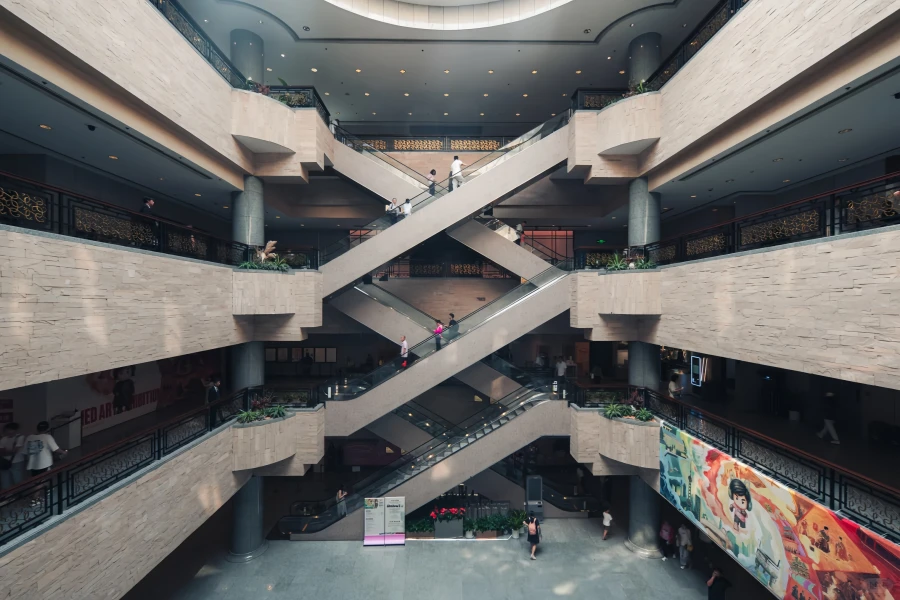
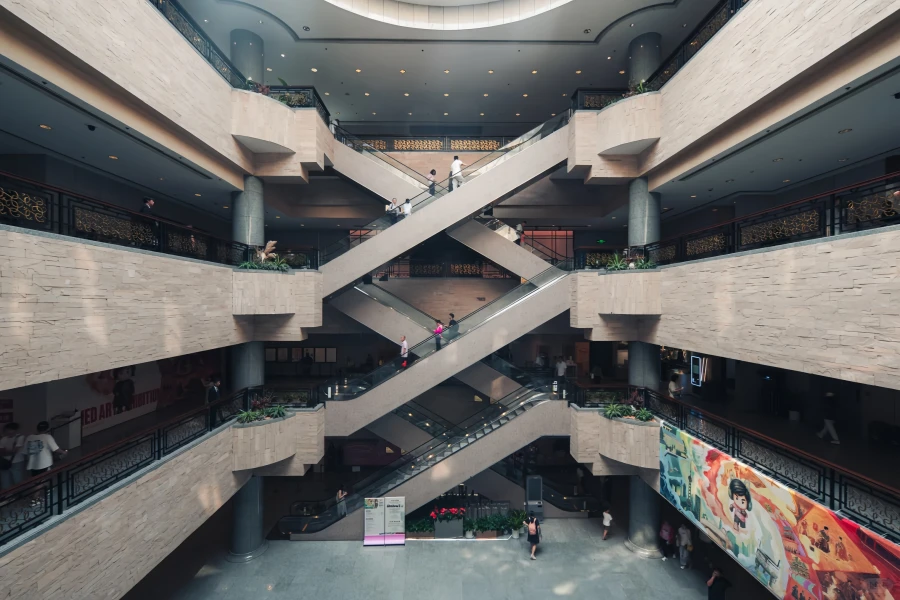
- The Atrium and the Rhythm of Light: The central circular hall runs from top to bottom, with natural light pouring down from the glass dome. As time changes, the light and shadow play on the beige stone walls, creating a tranquil and sacred atmosphere that calms visitors from the moment they enter.

Treasures from the Collection: An Aesthetic Dialogue Across a Thousand Years
Each artifact here is a fragment of civilization, strung together to form a three-dimensional and vivid history of Chinese art.

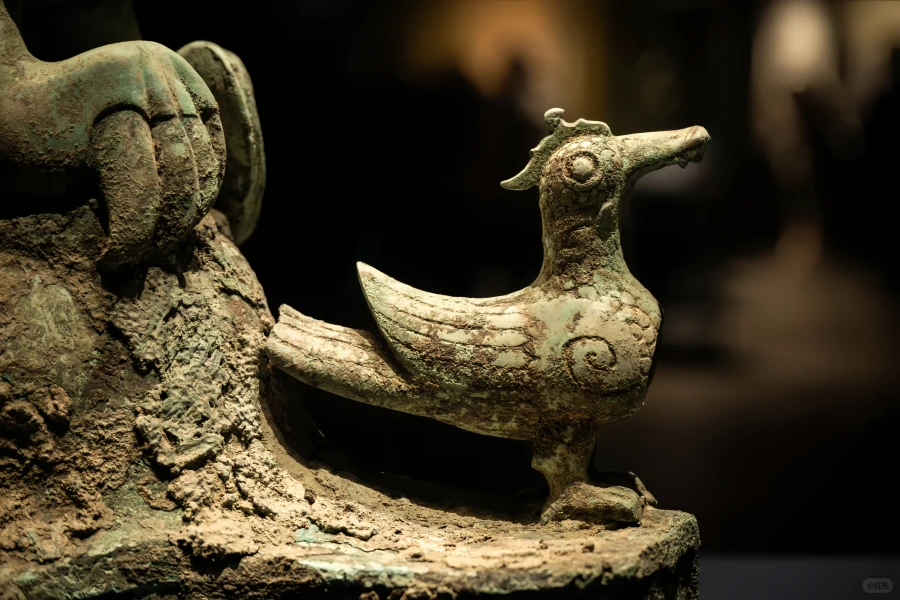
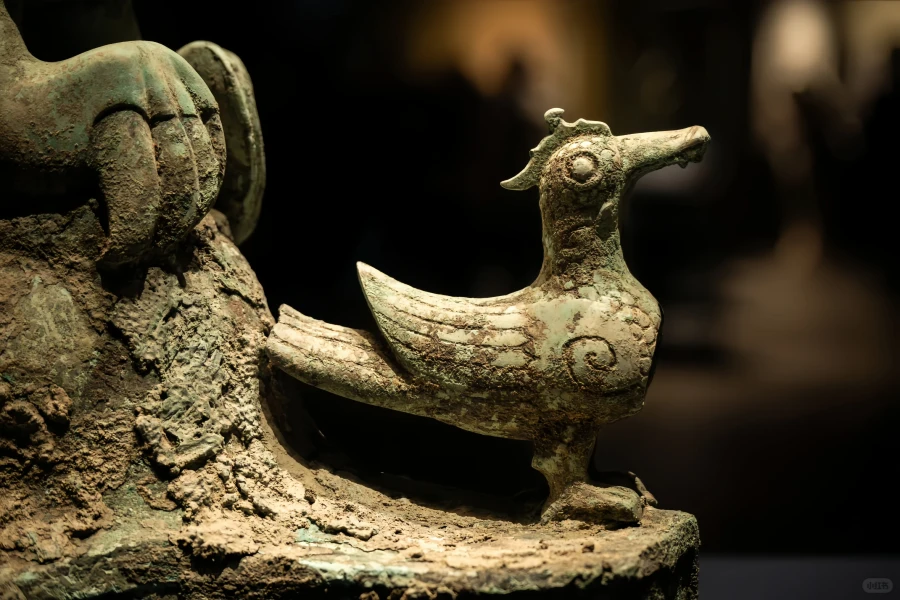
- Bronze Gallery (Ancient Chinese Bronzes): Renowned as one of the world's premier bronze exhibitions. The Da Ke Ding and Xi Zun, among other important artifacts, are not only the museum's treasures but also textbooks for studying the Western Zhou ritual and music system and bronze casting techniques. The exhibition, clearly categorized by period and purpose, guides visitors into an era where "the most important affairs of the state were sacrifice and war."
- Sculpture Gallery (Ancient Chinese Sculpture): From the simple wooden figurines of the Warring States period to the elegant and refined Buddhist statues of the Northern Wei Dynasty, and then to the rich and beautiful painted sculptures of the Tang Dynasty, the gallery systematically showcases the evolution of Chinese sculpture art from focusing on "spirit" to expressing "humanity".
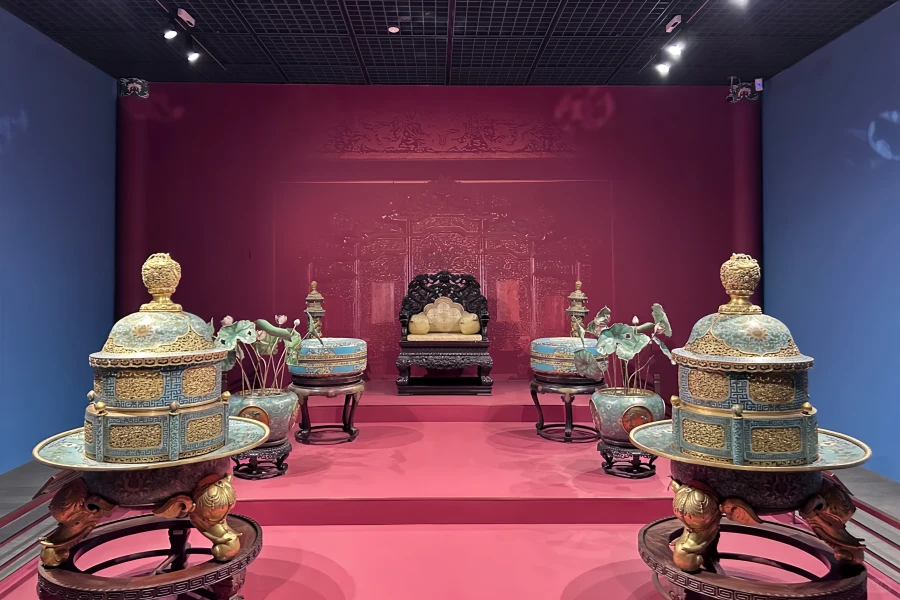
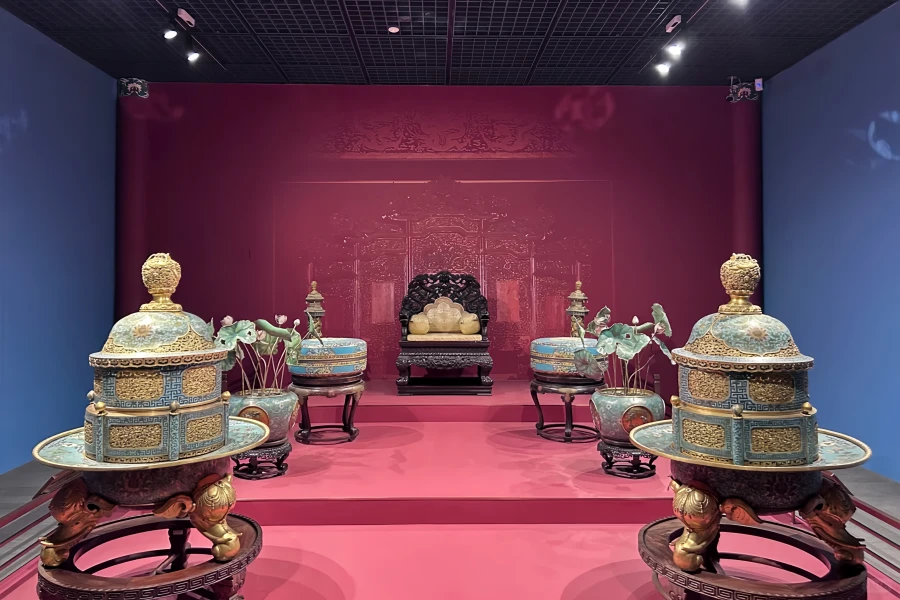
- Ceramics Gallery (Ancient Chinese Ceramics): Like an epic written in fire and earth. From Neolithic painted pottery to the pinnacle of Tang and Song dynasty kilns, and finally to the magnificent painted porcelain of Ming and Qing dynasty imperial kilns, it fully outlines the trajectory of technological innovation and aesthetic evolution in Chinese ceramics.
- Chinese Calligraphy and Painting Gallery (Chinese Calligraphy/Painting Through the Ages): This gallery regularly rotates its vast collection of fine calligraphy and painting works. From the elegant style of Wang Xizhi's "Shangyu Post" (Tang Dynasty copy) to the vigorous and slender style of Emperor Huizong of Song's "Slender Gold" calligraphy, and then to the aloof and proud freehand flower-and-bird paintings of Bada Shanren, the timeless beauty of brush and ink is fully displayed within a small space.
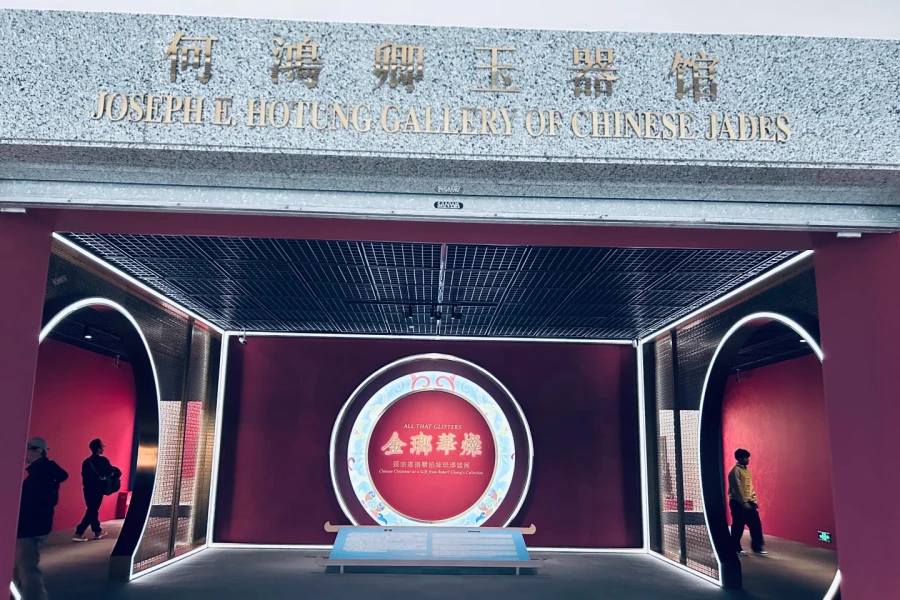
- Seal Museum, Currency Museum, Jade Museum, Furniture Museum: These specialized museums constitute the exquisite details of a civilized landscape. Seals from various dynasties were tokens of power, ancient coins were the lifeblood of the economy, jade artifacts embodied moral concepts, and Ming and Qing dynasty furniture reflected the aesthetics of life.

Visitor Guide:
> - Focused Viewing Method: Museums are huge, so it is recommended to focus on 1-2 permanent exhibition halls that are most interesting to you each time, and view them in depth to avoid rushing through them.
> - Must-see treasures: Do your research beforehand and focus on star collections such as the Da Ke Ding (Bronze Gallery), Wang Anshi's "Essentials of the Surangama Sutra" (on rotation in the Painting and Calligraphy Gallery), and the Yongzheng Famille Rose Olive-Shaped Vase (Ceramics Gallery).
Special Exhibitions: Special exhibitions at the Shanghai Museum (such as the past "National Treasures of Jin, Tang, Song and Yuan Dynasty Calligraphy and Painting Exhibition" and "Treasures of Daigo Temple Art Exhibition") often cause a sensation throughout the country. Be sure to check the official website and make reservations in advance.
> - Guided tours: Audio guides can be rented, or you can check the official website for free expert guided tours.

Core Experience: An Immersive Guide to Civilization Exploration

Furong Ancient Town Furong Ancient Town

Five Must-Do Things to Unlock the Complete Shanghai Museum Experience
1. Face to face with the Da Ke Ding
- Location: Central Exhibition Hall of the Bronze Gallery on the first floor. Stand before this 290-character "historical record" from the Western Zhou Dynasty and feel the solemnity of the bronze ritual vessel and the historical weight of the inscription.
2. Complete a ceramic aesthetic pilgrimage.
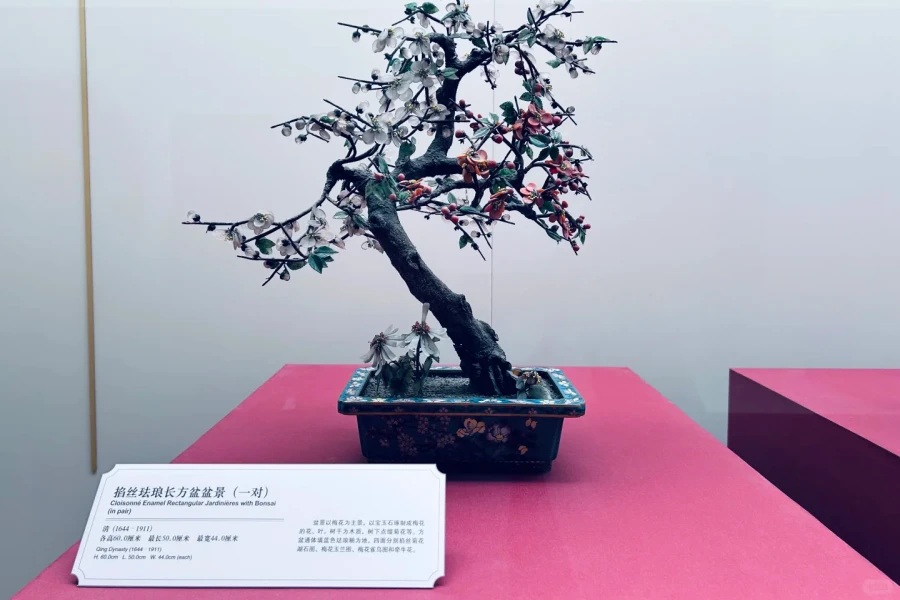
- Route: Start with the original celadon in the ceramics hall on the second floor, stroll along the historical axis until you see the colorful enamelware of the Qing Dynasty, and have a direct experience of the origin of China's title as the "Porcelain Country".
3. Take a moment to contemplate in front of paintings and calligraphy from different dynasties.
- Method: Choose an ancient painting or calligraphy that moves you the most. Don't rush to understand it all. Quietly observe its brushwork, composition and spirit, and try to have an aesthetic dialogue with the ancients that transcends time and space.
4. Collect a unique cultural relic seal.
- Location: Service desks on each floor or designated exhibition exits. The Shanghai Museum's cultural and creative stamps are exquisitely designed, based on cultural relics, and are a free and meaningful souvenir of your visit.
5. Attend an expert lecture
- How to participate: Follow the Shanghai Museum's official website or WeChat account for public event announcements. The lectures here are given by top scholars from home and abroad, offering a golden opportunity for in-depth analysis of the exhibits.

Suggested tour routes
The Shanghai Museum boasts a rich collection, and a typical visit requires 3-5 hours. We offer the following two efficient tour options:

Half-day "Highlights" tour (suitable for first-time visitors):
Enter the museum at 9:00 AM → Go straight to the Bronze Gallery on the first floor (focus on the Da Ke Ding, etc., about 50 minutes) → Go to the Ceramics Gallery on the second floor (quickly tour along the historical route, about 40 minutes) → Go to the Painting and Calligraphy Gallery on the third floor (view the finest exhibits, about 30 minutes) → Choose either the Sculpture Gallery or the Jade Gallery according to your interests (about 30 minutes) → Finally, rest and shop in the atrium or cultural and creative shops on the first floor.
IntoTravelChina advises: This itinerary is packed, so be sure to book your tickets in advance through official channels (free of charge) and arrive at the venue as early as possible to avoid crowds.

A one-day "in-depth" tour (highly recommended for art lovers):
- Morning: Focus on the Bronze and Sculpture Gallery, with audio guides to learn in detail about the shapes, decorations and inscriptions of bronzes, as well as the artistic evolution of Buddhist statues.
- Lunch: Have lunch at the museum's café or in the nearby People's Square commercial area.
- Afternoon: Immerse yourself in the ceramics gallery or the calligraphy and painting gallery (depending on personal preference). If there is a high-level special exhibition, at least 2 hours should be allocated to it.
- Evening: Visit the themed galleries such as the Seal Gallery or the Currency Gallery, or revisit your favorite exhibits. Before leaving, browse the souvenir shops.
IntoTravelChina's advantages: We can reserve admission slots for you (especially during peak season), provide guided reading materials on key cultural relics, customize thematic tour routes based on your professional interests, and arrange expert explanations (if the venue is open), making your exploration twice as effective.

Professional Guide: IntoTravelChina offers personalized itineraries, including a dedicated guide, transportation, and activity arrangements, ensuring a worry-free and in-depth travel experience. >> [Inquire Now for a Customized Itinerary]

Complete Travel Guide: Transportation, Tickets, and Seasons

Furong Ancient Town

How to get there: A seamless connection guide
The Shanghai Museum is located in the heart of Shanghai's transportation hub, with extremely convenient public transportation access.
- Subway (preferred): Take subway lines 1, 2, or 8 to People's Square Station, exit from Exit 1, and walk for about 5 minutes to reach the South Gate (main entrance).
- Public transport: There are multiple bus stops along Renmin Avenue and Xizang Middle Road nearby, such as routes 46, 112, and 123, which can reach the area.
- Taxi/Ride-hailing: Navigate to "Shanghai Museum (South Gate)", but the People's Square area is busy with traffic, so you need to drop off and pick up passengers immediately.
- Special reminder: The museum does not have public parking, and driving is strongly discouraged. Consider parking in nearby commercial buildings and walking from there.

Best time to visit
The Shanghai Museum is a perfect indoor cultural destination, suitable for all seasons, with the most comfortable viewing experience on weekdays and during the off-season.
- Suitable for all seasons: A constant temperature and humidity indoor environment, unaffected by weather.
- Best time to visit: Weekdays (Tuesday to Friday) during the morning opening hours, when there are relatively fewer visitors and you can enjoy the exhibits in peace. Closed every Monday (except public holidays).
- Try to avoid: national holidays, weekend afternoons, and the first few weeks after a popular exhibition opens, as these times are when visitor numbers are extremely high, and there may be long queues and crowded exhibition halls.
- Special Exhibition Season: If you are coming for a specific major exhibition, priority will be given to the special exhibition period, but please be prepared for large crowds and be sure to make a reservation in advance.

Tickets and nearby accommodation options
- Tickets: Permanent exhibitions are free to the public, but advance reservations must be made using real-name authentication through the official WeChat account, website, or mini-program. Special exhibitions usually charge admission and also require advance ticket purchase and reservation.
- A wide variety of accommodation options nearby:
- People's Square/Nanjing East Road area (preferred): Museums are within walking distance, and the area boasts a full range of hotels, from international five-star to comfortable chain hotels. Dining, shopping, and transportation are all extremely convenient.
- Jing'an Temple/Nanjing West Road area: accessible by Metro Line 2 in 1-2 stops, it is a gathering place for high-end businesses and boutique hotels in Shanghai.
- The Bund area: Featuring historic hotels and top-tier luxury hotels, offering views of the Huangpu River, and easily accessible by subway or on foot.

IntoTravelChina Service Recommendations:
Although admission is free, making a reservation is the first step to a successful visit, especially during peak season and weekends. Our service can secure your reservation in advance, saving you the hassle of scrambling for tickets. We can also recommend and book the best downtown hotels for your itinerary and package itineraries to include visits to other museums in Shanghai (such as the Shanghai History Museum and the Shanghai Museum of Contemporary Art), creating a comprehensive urban cultural journey. >> [Click to contact an IntoTravelChina travel consultant]

Extended Journey: A Cultural Core Loop Connecting Shanghai

Furong Ancient Town

The Shanghai Museum is the absolute core for exploring the culture of Shanghai and even the Jiangnan region, and can easily connect a series of top-notch cultural experiences.

- Classic "City Cultural Heritage" One-Day Itinerary: Morning: In-depth visit to the Shanghai Museum → Lunch near People's Square → Afternoon: Walk to the Shanghai Urban Planning Exhibition Hall to learn about urban development → Evening: Stroll through People's Park and experience the life of local citizens.
- "The Origins of Shanghai Style" In-Depth One-Day Itinerary: Morning visit to the Shanghai Museum (focusing on calligraphy, painting, and ceramics) → Afternoon visit to Yu Garden and old streets of Shanghai to experience the Jiangnan gardens and local culture → Evening enjoy the night view of the Bund's collection of international architecture and understand the starting point of Shanghai's modernization.
- Two-day "Artistic Journey" Itinerary:
- Day 1: Dedicate the entire day to the Shanghai Museum and any special exhibitions that may be taking place.
- Day 2: In the morning, visit the China Art Museum (formerly the China Pavilion at the World Expo, showcasing modern and contemporary art) → In the afternoon, explore the West Bund Art Boulevard (Long Museum, Yuz Museum, etc., showcasing contemporary art), completing an art journey from ancient times to the present. >>Contact us to customize the above related itinerary

Join hands with IntoTravelChina to start your journey of tracing the origins of civilization

Furong Ancient Town

The story of the Shanghai Museum is related to the collection of civilization, the inheritance of wisdom and the popularization of aesthetics. IntoTravelChina focuses on creating a deep, personal, and hassle-free Chinese cultural travel experience. Our travel experts can help you:
- Tailor-made itinerary: According to your interest direction (such as bronze, porcelain, calligraphy and painting), design a thematic cultural route with the Yangtze River Delta as the core and radiate the relevant archaeological sites, kiln sites or painters' hometowns in the Yangtze River Delta.
- One-stop service: Get all venue reservations, special accommodation, professional docents (researcher level), and transportation.
- Exclusive Experience: Arrange guided tours during closed sessions (special request and fee), cultural relics conservation laboratory visits (subject to policy), and in-depth activities such as exchanges with curators.

Let your trip to the Shanghai Museum be more than just watching, but also a systematic learning and a deep resonance with the creators of great civilizations.
> Start planning your journey today
> Welcome to contact our professional travel consultants, we will provide you with an exclusive itinerary plan and quotation within 24 hours. >> [Click to contact IntoTravelChina Travel Consultant]
Recommended Tours

Top 3 tours chosen by most customers to explore in the best way. Check the detailed itinerary, or tailor your own trip now with us.

Zhangjiajie Tour
Beijing Guilin Shanghai 9-Day Tour

9 Days  |  Beijing-Guilin-Shanghai

Zhangjiajie Tour
9-Day Shanghai-Zhangjiajie-Guangzhou Adventure

9 Days  |  Shanghai - Zhangjiajie - Guangzhou

Zhangjiajie Tour
The Imperial Triad: Shanghai, Luoyang & Beijing

8 Days  |  Shanghai - Luoyang - Beijing

What Our Clients Say?

Based on 10,000+ traveler reviews

...
Daniel Dorothea
Canada
Reviewed on April 29,2025
Shopping on Nanjing Road in Shanghai was just amazing! It's truly the "First Commercial Street of China", where tradition and modernity blend perfectly. You can find awesome souvenirs and experience the trendy vibes in cool stores. The neon lights at night are just spectacular, shining bright like Times Square in New York. The food here is incredible too. I had a feast for my taste buds. Shanghai, I'll definitely be back!
Destination(s): Shanghai
Date of Experience: May 08,2024
...
...
Elvis Eva
Canada
Reviewed on June 20,2025
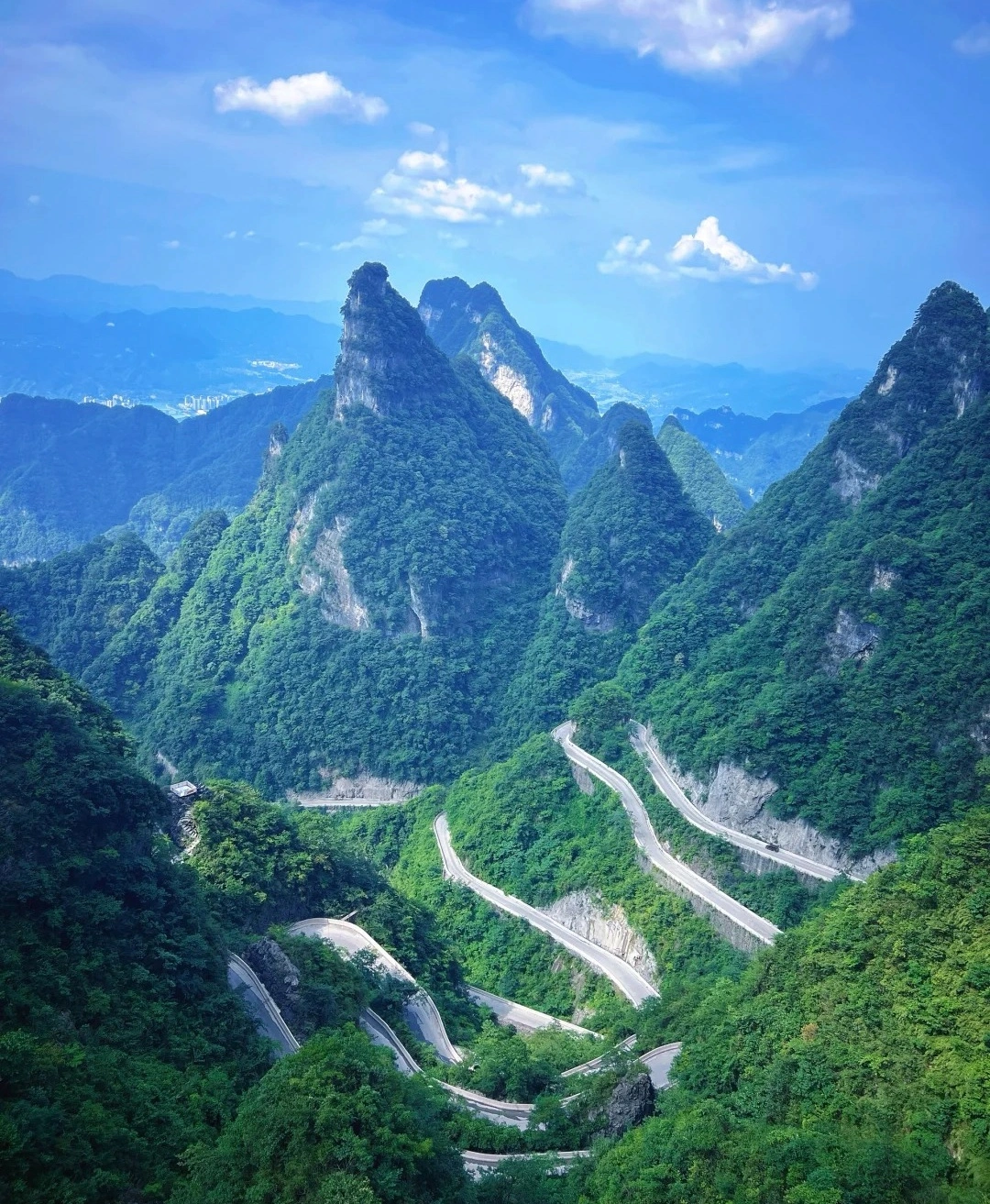
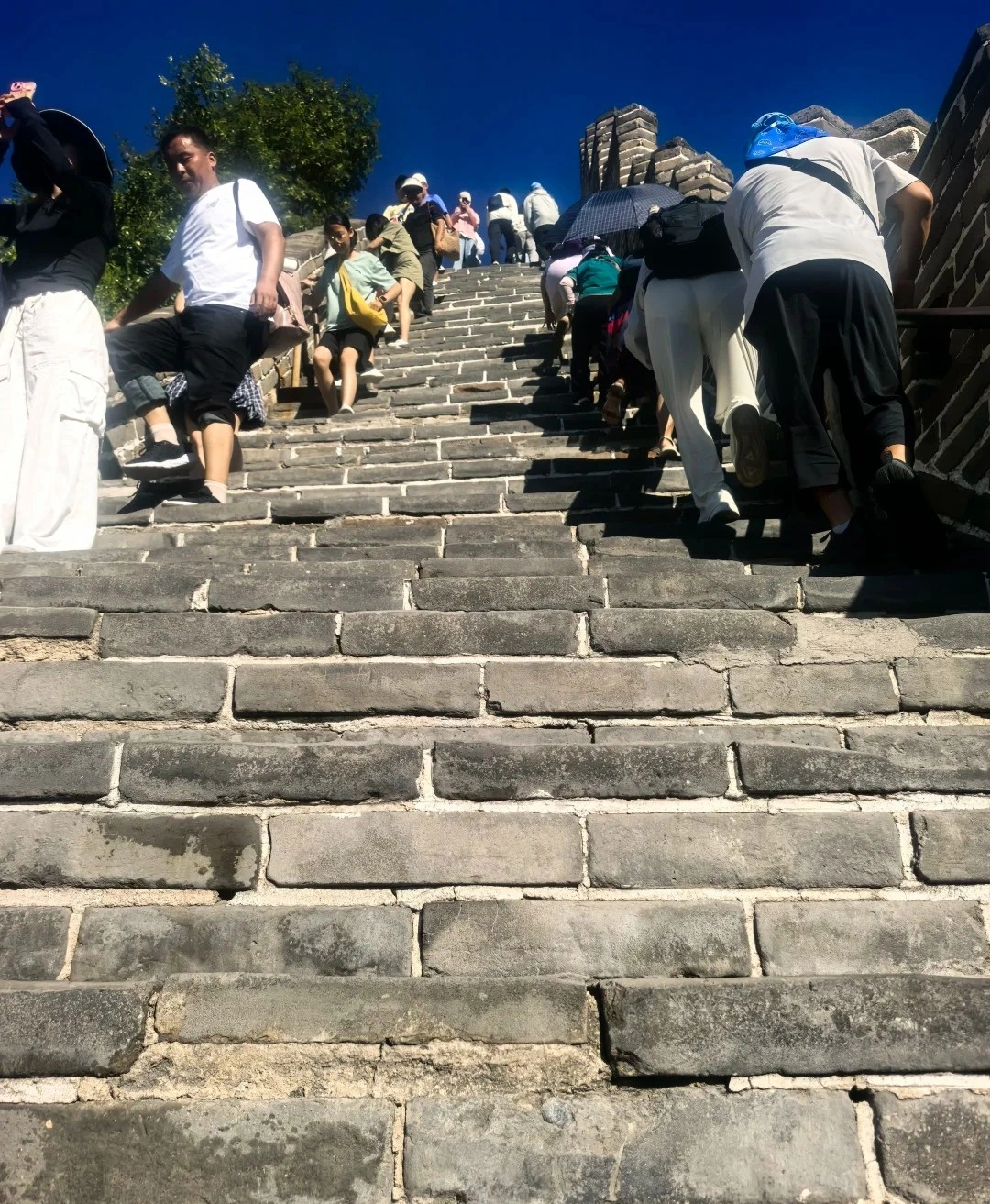
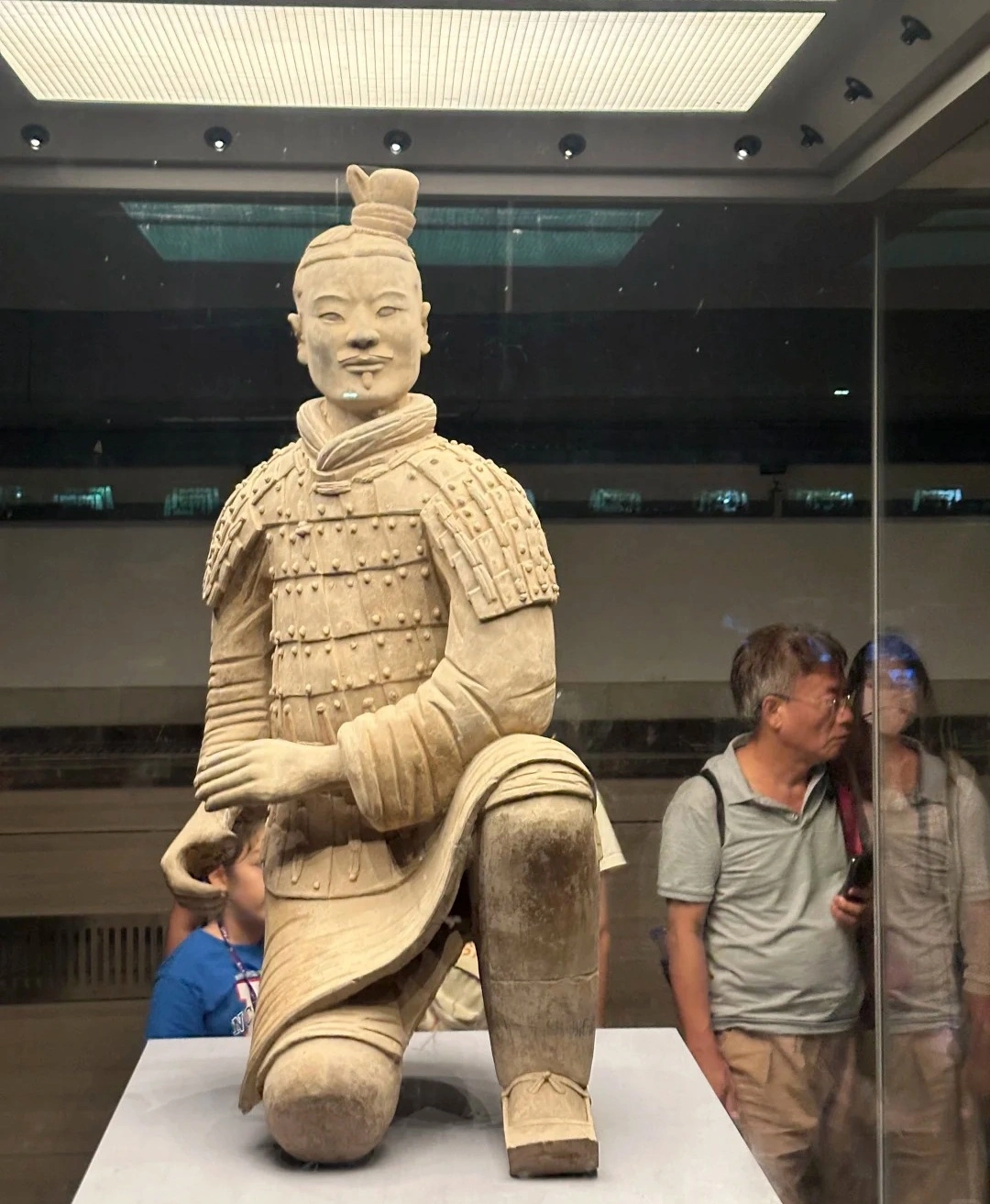
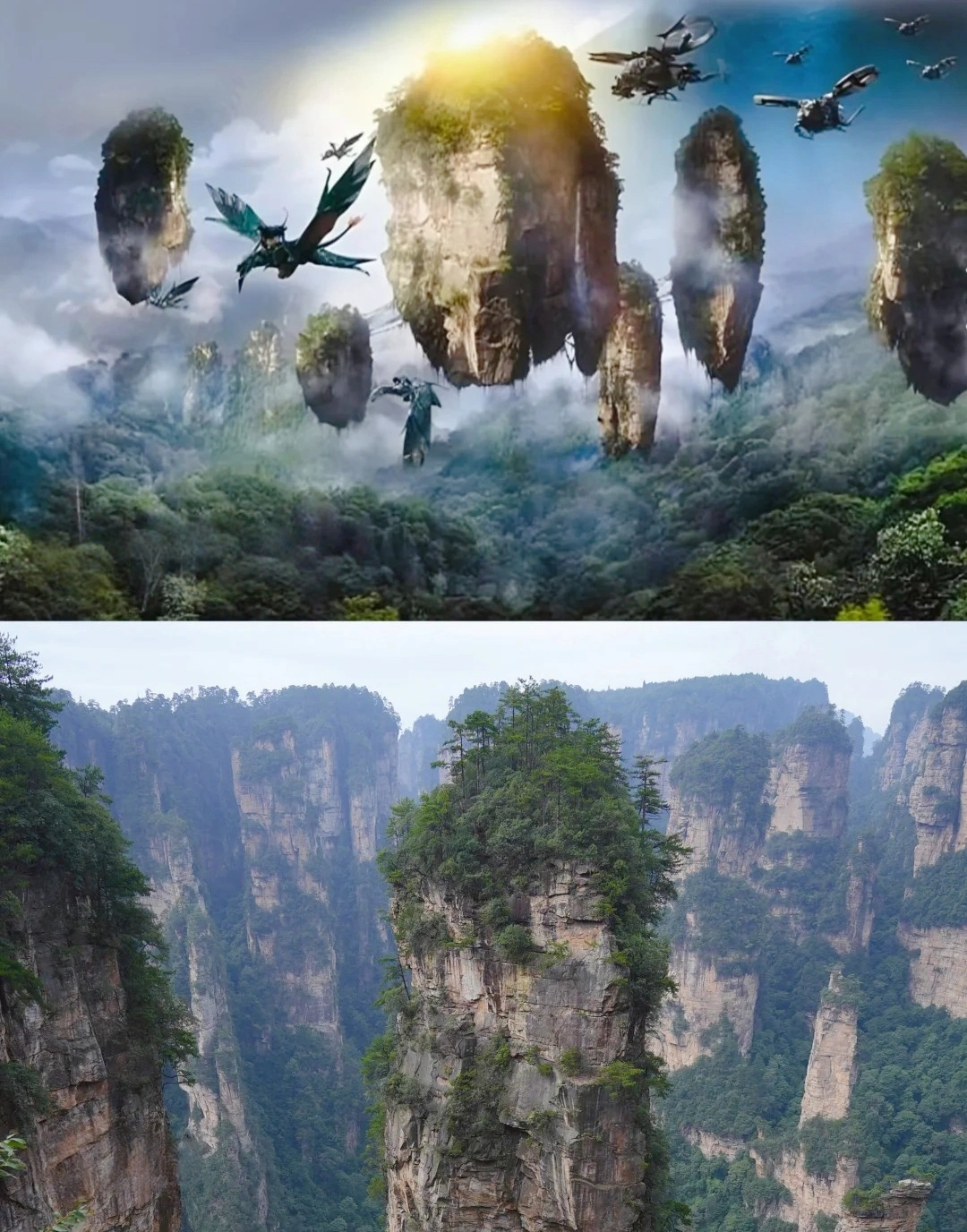
As a solo traveler from Canada, I was nervous about navigating China alone—but this 11-day tour was PERFECT! From hiking the Great Wall at sunrise (Day 3) to gasping at the Terracotta Army (Day 5), every day delivered ‘pinch-me’ moments. The real showstopper? Zhangjiajie’s Avatar Mountains (Day 7)! Our guide made the stone pillars come alive with stories. Massive thanks for handling all logistics—bullet train tickets, entry passes, car! And the 4-star hotels surprised me.
Destination(s): Beijing Xian Zhangjiajie Shanghai
Date of Experience: June 02,2025
... ... ...
...
Simon
America
Reviewed on May 29,2025
Our 2-day Zhangjiajie tour was beyond spectacular! As someone who’s visited Beijing and Shanghai for work, this trip revealed China’s wild, magical heart. Day 1 in Zhangjiajie National Forest Park felt like stepping onto Pandora—I’m a huge Avatar fan, and Yuanjiajie’s floating peaks left me breathless. The misty pillars and lush valleys like pure movie magic! Then came Fenghuang Ancient Town, we eat dinner beside the thundering waterfall. It seems Unreal! The night views of stilt houses glowing over the river were straight from a fairy tale. For fellow Avatar lovers and adventure seekers: Don’t miss this bucket-list experience! 10/10 would return. A Well-Traveled Film Buff, May 2025
Destination(s): Zhangjiajie
Date of Experience: May 08,2025
... ...

Ask a Question

Question Summary (100 characters)
Details (optional) (2,000 characters)
Name
Country
Email