The wonders of the Ruins - The breathing and formation of the underground legions
Visiting the Terracotta Army pits in person is a comprehensive shock in terms of scale, details and history.
Grand formation: The oppressive feeling of thousands of troops and horses
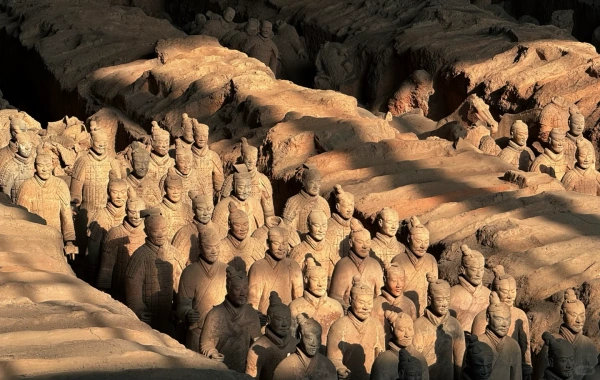
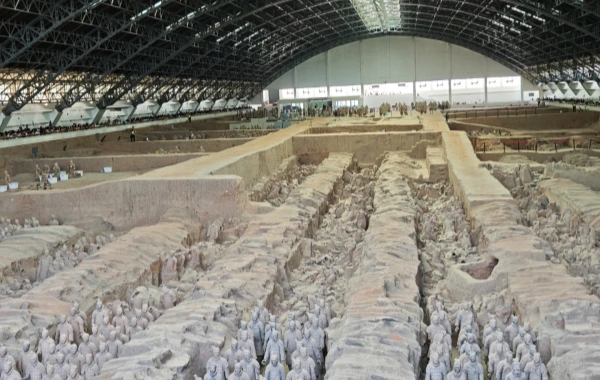
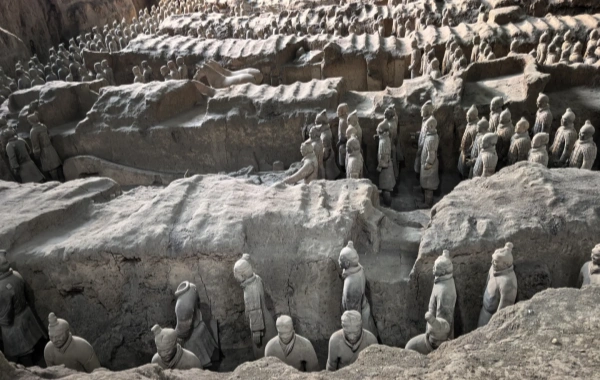
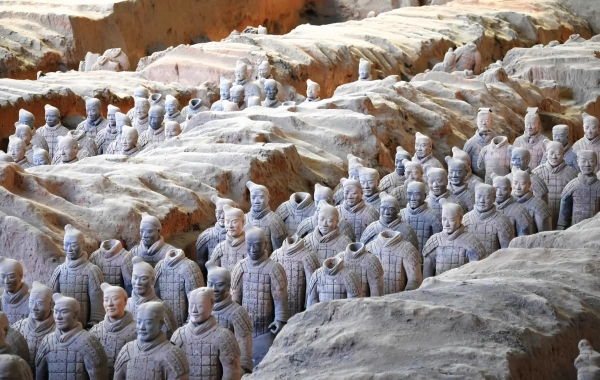
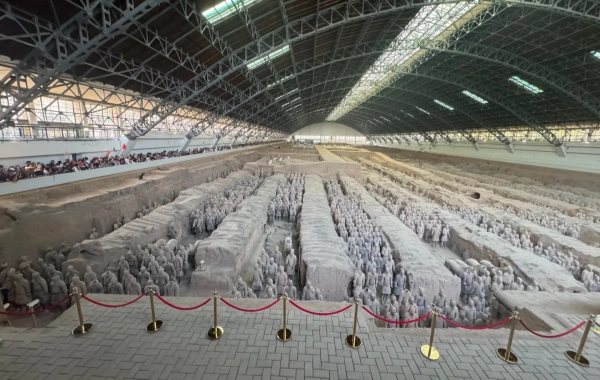
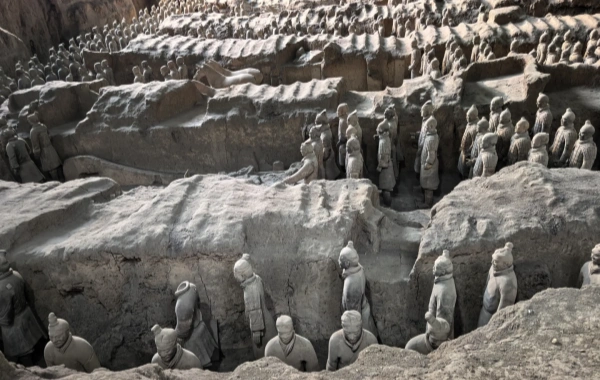
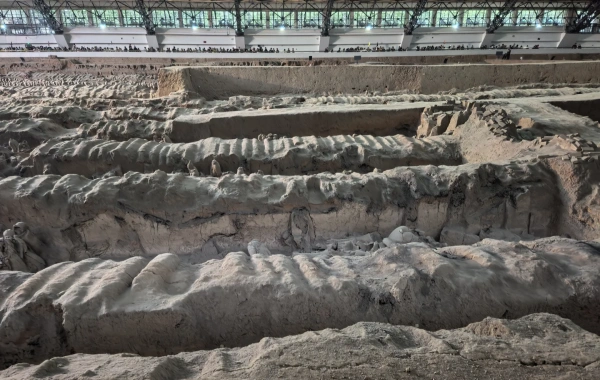
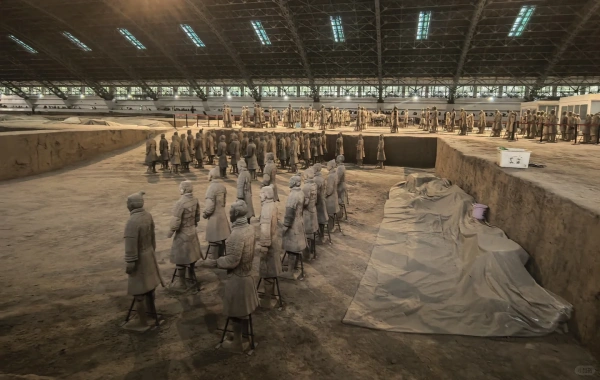
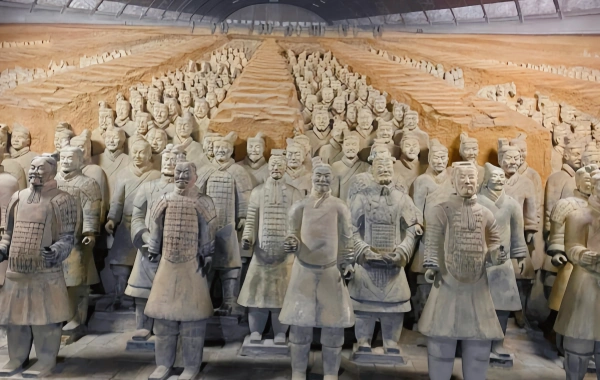
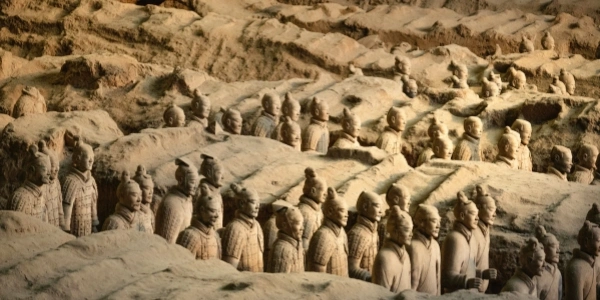
- Pit No. 1 (Main Force Formation) : This is the earliest discovered and largest pit. Entering the huge exhibition hall, in a tunnel that is 230 meters long and 62 meters wide, about 6,000 warrior figurines stand facing east, arranged in the same line as chariots, as if they could charge into battle at any command. [reference:4][reference:5] Carefully observe the soldiers in the front row. Their toes are slightly upturned - this is a detail designed by the craftsmen of the Qin Dynasty to relieve fatigue from standing for a long time [reference:6]. Don't miss the "Cultural Relics Hospital" behind the pit, where you can watch archaeologists piece together countless fragments into a complete terracotta figure up close. [reference:7]
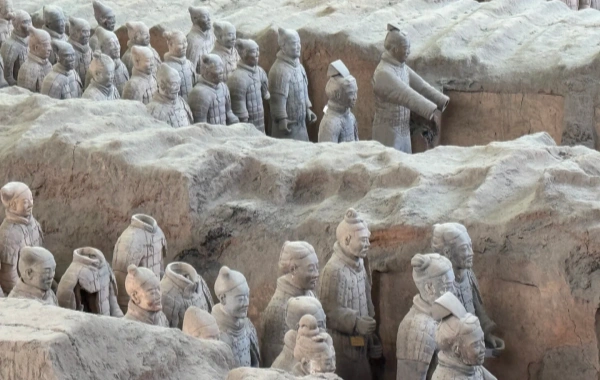
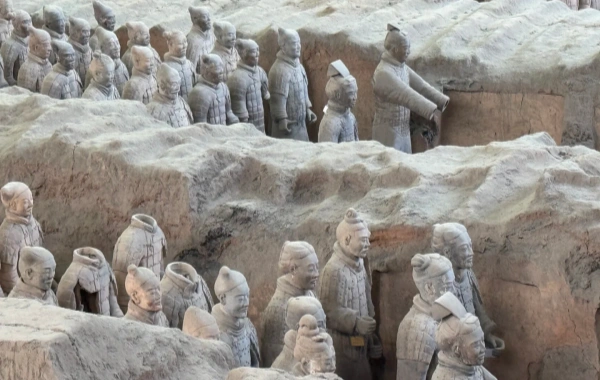
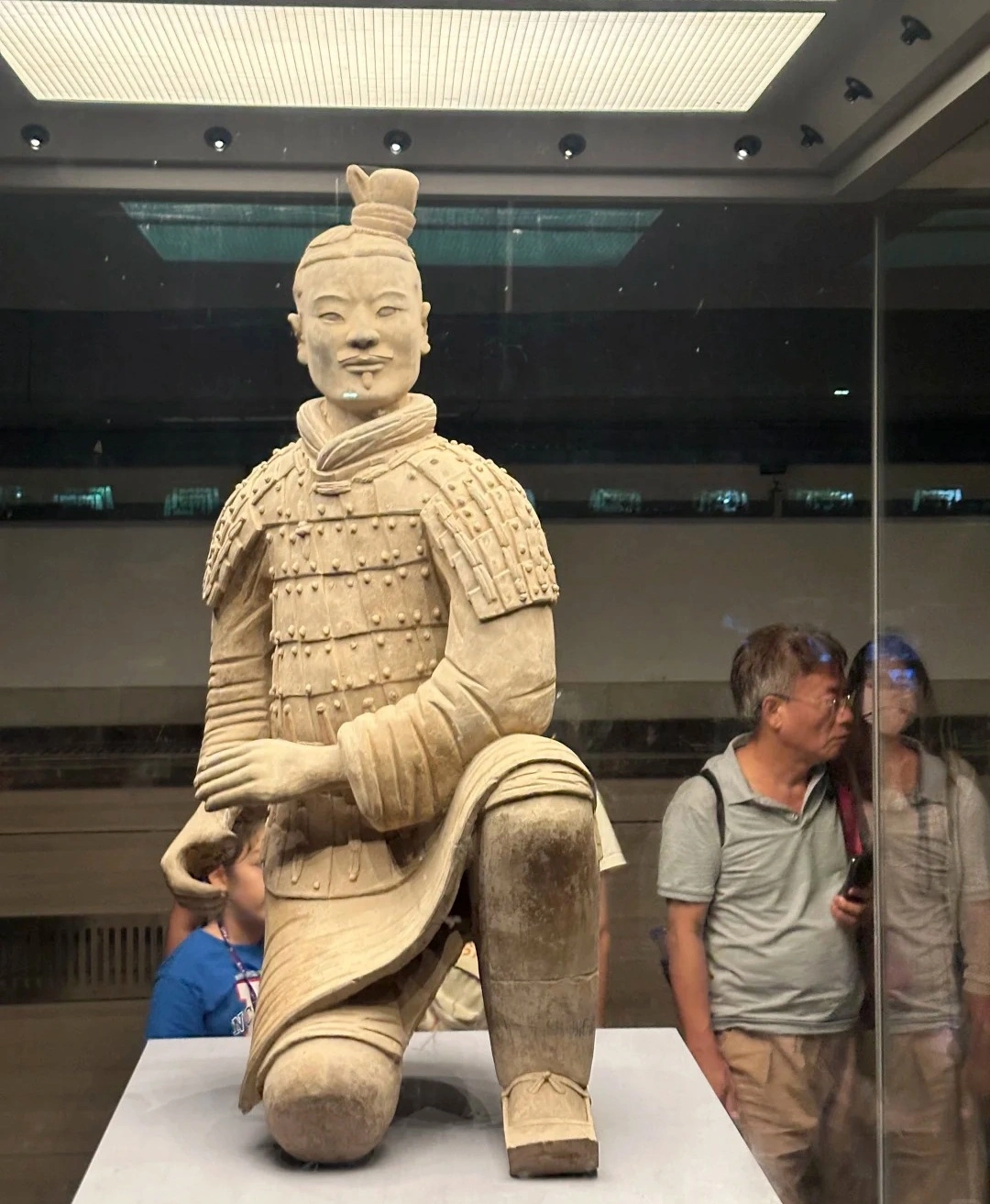
Pit No. 2 (Elite Mixed Formation) : It is hailed as the "essence" of the Terracotta Army. Here lies a multi-service mixed formation composed of crossbowmen, cavalry and charioteers, with a well-organized military layout and advanced tactical ideas. [reference:8] Here, the most well-preserved kneeling archer figurine, hailed as the "Lucky Star", was unearthed. Its armor pieces, hair strands and even the stitches on the soles of its shoes are all clearly visible.
Pit No. 3 (Military Command Center) : This is the smallest but highest-level pit among the three. The pit is surrounded by warriors, and the chariot is located in the center, which is regarded as the command center of the entire legion. [reference:9] The antler remains found at the bottom of the pit might have been props used in divination rituals before the war [reference:10].
The art of refinement: The vitality of silent clay
- Each person has a unique face: When you get closer and take a closer look, you will find that no two faces are exactly the same. The hairstyles, beards, facial features and even expressions of the terracotta figurines are all different, vividly recreating the true appearance of the Qin army from all over the country [reference:11].
- Armor "Black Technology" : Under the guidance of a tour guide, you will notice the inconspicuous small protrusions on the terracotta warrior's armor. This is a manifestation of the "look-up" technology of the Qin Dynasty. It can be flexibly put on and taken off without nails or rivets, and can be regarded as the crystallization of wisdom of the top ancient Arsenal [reference:12].
- Lost colors: When first unearthed, the surfaces of some terracotta figurines were actually painted with bright colors such as vermilion, stone green, and purple-blue. Choose to be the first to enter the park in the early morning. Under the soft side light, you might still be able to see the remaining traces of painted decoration on the surface of some terracotta figurines [reference:13].
Humanistic Craftsmanship - Archaeological Sites and Technological Rebirth
The shock here comes not only from ancient times but also from the efforts of modern people to "revive" history.
- Bronze Chariots and Horses Museum (The Crown of Bronze) : Within the Ruins Park of the Mausoleum of the First Qin Emperor, there are on display the bronze chariots and horses, which are hailed as the "Crown of Bronze". These two horse-drawn carriages are half the size of their actual scale, composed of thousands of components. The gold and silver ornaments weigh over 14 kilograms, and the craftsmanship is extremely exquisite, representing the peak of bronze casting technology in the Qin Dynasty.
- Real-time Archaeological Area: The area close to the mound of the First Emperor's Mausoleum, where the latest archaeological excavation sites are sometimes open. If you are lucky, you can witness the moment when the terracotta figurines are gradually unearthed by the archaeologists, just like watching a TV series, and feel the excitement of history awakening before your eyes.
- AR Technology Tour Guide: The scenic area has upgraded its tour guide system. Tourists can rent AR devices to see the virtual restored color images and dynamic scenes of terracotta warriors and chariots at key points, bringing the silent military formation to life.
Photography Tips:
The best panoramic camera position is on the high platform behind the No. 1 pit exhibition hall, where you can capture the grand panorama of the military formation.
For detailed close-ups, it is essential to use a telephoto lens to capture the facial expressions and armor textures of the terracotta figurines.
In the early morning or before closing, when there are few visitors, the light slants into the pit, allowing you to capture the most historically significant masterpieces.
Note: Flashlights are strictly prohibited in the pit to prevent damage to the color of the cultural relics.