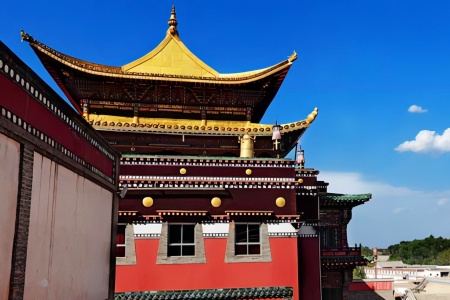
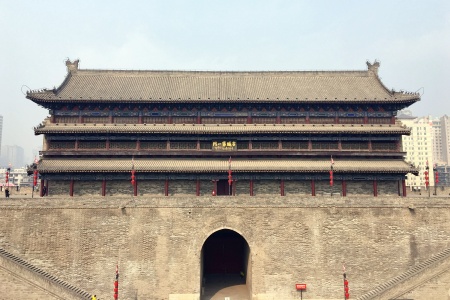
Mogao Caves: An art gallery in the desert, a museum on the wall

Mogao Caves: An art gallery in the desert, a museum on the wall

Overview: A visual and spiritual pilgrimage spanning a thousand years
The Mogao Caves preserve 735 caves, 45,000 square meters of murals and over 2,400 painted sculptures, presenting a complete epic of Buddhist art from the Sixteen Kingdoms to the Yuan Dynasty.

A quick overview of key highlights
Identity tags: The Louvre of the East/Museum on the Wall/The "Choke Point" of the Silk Road
Core experiences: Observation of authentic cave art, immersive digital film experience, in-depth explanation of special caves, and combined tour of Mingsha Mountain and Crescent Spring
Suggested visit: It takes 3 to 4 hours to visit the core area. It is strongly recommended to reserve a full day and arrange a 1-2 day itinerary in combination with other scenic spots in Dunhuang.
Address: Yangguan Avenue, Dunhuang City, Jiuquan City, Gansu Province

  • Mogao Caves: An art gallery in the desert, a museum on the wall-1
  • Mogao Caves: An art gallery in the desert, a museum on the wall-2
  • Mogao Caves: An art gallery in the desert, a museum on the wall-3
  • Mogao Caves: An art gallery in the desert, a museum on the wall-4

Origin: The Throat of the Silk Road and the First Manifestation of Buddha's Light

Origin: The gateway to the Silk Road and the first appearance of Buddhist light

The Beginning of Buddha's Light—The Legend of Monk Le Zun
The name "Mogao Caves" is closely related to a legendary tale filled with miracles. According to Tang Dynasty inscriptions, in the second year of Jianyuan (366 AD) during the Former Qin Dynasty, a wandering monk named Le Zun arrived at the eastern foot of the Mingsha Mountain in Dunhuang. As the sun set, he looked around and suddenly saw the Sanwei Mountain opposite him radiating golden light, as if a thousand Buddhas were leaping in the glow. Deeply moved, Le Zun believed this to be a sacred Buddhist site and thus began carving the first meditation cave there. Subsequently, the Zen master Fa Liang continued the construction, thus beginning the thousand-year-long excavation of this art treasure. The name "Mogao" not only means "high place in the desert" but also expresses the later generations' sentiment that "there is no higher form of spiritual practice than building Buddhist caves."

A Millennium of Construction—From Frontier Fortress to Temple of Art
The rise and fall of the Mogao Caves is closely linked to the lifeline of the Silk Road, and is a turbulent history of cultural exchange.
- The Silk Road flourished, and the Mogao Caves prospered (4th-14th centuries): Since the establishment of Dunhuang Prefecture in the Han Dynasty, this place has become a hub for East-West trade. With the prosperity of the Silk Road, Dunhuang became a crossroads of trade, religion, and culture. From the Sixteen Kingdoms period to the Yuan Dynasty, spanning ten dynasties, local nobles, powerful families, merchants, and even ordinary people all contributed funds to carve caves, praying for blessings. Among them, the vigorous promotion by the Northern Wei imperial family, powerful families in the Tang Dynasty, and the Cao family, the military governors of the Guiyi Army in the Five Dynasties, enabled the Mogao Caves to reach their peak during the Sui and Tang Dynasties.
- Oblivion and Calamity (14th-early 20th centuries): After the Ming Dynasty, with the rise of maritime trade and the decline of the Silk Road, the Mogao Caves gradually fell into disrepair and were hidden by the wind and sand. Until 1900, the Daoist priest Wang Yuanlu accidentally discovered the Library Cave (Cave 17), which contained tens of thousands of manuscripts, documents, and silk paintings dating from the 4th to 11th centuries AD. This discovery, which shocked the world, attracted the looting of Western explorers, and a large number of cultural relics were scattered overseas, becoming a national tragedy.
- Protection and Rebirth (1944-Present): In 1944, the National Dunhuang Art Research Institute was established. Generations of "Mogao Grottoes people," represented by Chang Shuhong, Duan Wenjie, and Fan Jinshi, took root in the desert, embarking on arduous and extraordinary work in protection, research, and promotion. From manual sand removal to scientific reinforcement of the cliff face, from emergency restoration to the pioneering "Digital Dunhuang" project, the protection of the Mogao Grottoes has become a model in the field of world cultural heritage. In 1987, it was inscribed on the UNESCO World Heritage List.

In-depth understanding: Explore more wonders of ancient Chinese art and architecture >> [Yungang Grottoes]  | [Longmen Grottoes] 

Must-see wonder: The epic of faith and life on the cliff

Natural creation - the embrace of the Mingsha Mountain and the cliff
The artistic wonders of the Mogao Caves are rooted in a unique natural environment.
The Mingsha Mountain and Dangquan River: The grotto complex is backed by the Mingsha Mountain and faces the Dangquan River (which has now dried up). The dry climate and stable cliff bodies (composed of gravel layers from the Jiuquan system) provide unique conditions for the thousand-year-old preservation of murals and painted sculptures. When visiting, gazing at this vast Gobi Desert and sand dunes, one can truly understand the persistence of the ancestors in creating a Buddhist kingdom here to console their souls.
- Light and Shadow and Climate: The Dunhuang area enjoys intense sunlight and scarce precipitation. The interior of the cave, however, can maintain a relatively constant temperature (about 15℃) throughout the year, providing a micro-protective environment for fragile cultural relics. When visiting, stepping from the scorching outdoors into the shady cave is not only a transformation of physical sensations but also the beginning of a time travel.

Humanistic Craftsmanship - A Symphony of Architecture, painted sculptures and murals
The Mogao Caves are a comprehensive art form integrating architecture, painted sculptures and murals. Each cave is a museum of its own system.

Cave architecture: The combination of function and aesthetics
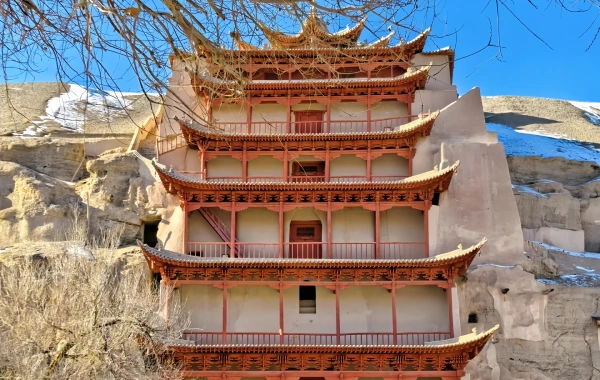
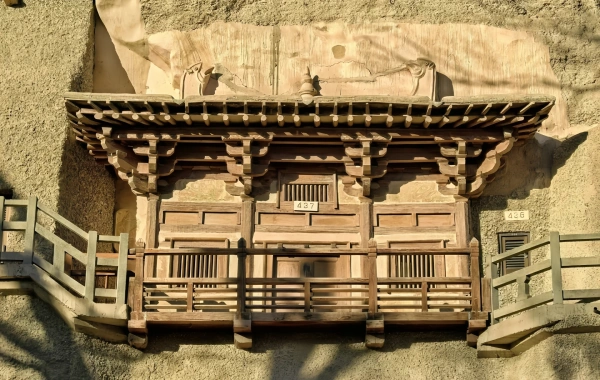
The forms of caves have evolved with The Times and their functions. The early Zen grottoes (for monks to meditate and practice) and the central pagoda pillar grottoes (for believers to circle around the pagoda and view images), influenced by India, gradually became Sinicized into the inverted Dou Ding hall grottoes (resembling an upside-down conical hat, which was the mainstream form after the Sui and Tang Dynasties), as well as the Buddha altar grottoes with built-in Buddha altars that allowed believers to circle around and worship. The largest caves, Cave 96 (a nine-story building) and Cave 130, are large statue caves. Inside, there are giant Buddha statues, and outside the caves, there are magnificent wooden eaves for protection.

- Colored sculpture art: The eternal life of clay and wood
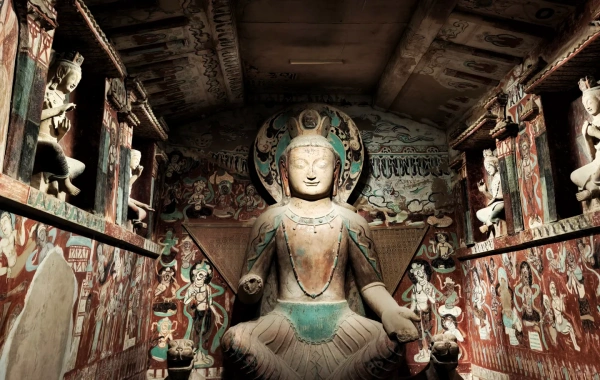
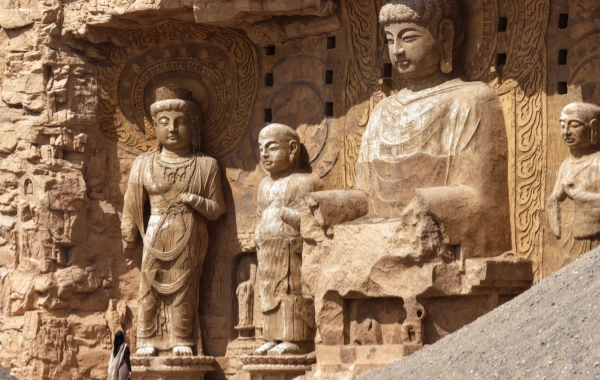
The painted sculptures of the Mogao Caves are the main body of grotto art. From the slender Buddha statues with a Gandhara style in the early days to the precisely proportioned, elegant and luxurious Bodhisattvas and heavenly Kings of the Tang Dynasty that exuded a human touch, a clear thread of the Sinicization of art has been presented. Don't miss the following:
Cave 96, "The Great Buddha Statue" : Standing at 35.5 meters tall, it is one of the largest indoor clay Buddha statues in the country, imposing and majestic.
The Nirvana Statue in Cave 158: A relying Buddha of the Middle Tang Dynasty, measuring 15.8 meters in length, with a serene and peaceful expression, is a masterpiece depicting the "Nirvana" state of the Buddha.
Cave 45 Bodhisattva Statue: A representative work of the prosperous Tang Dynasty. The Bodhisattva's posture is in an elegant "S" shape, with a smile on her face and plump skin. She is hailed as the "Venus of the East".

- Mural Corridor: An encyclopedia on the wall
The 45,000-square-meter murals form a vast visual library. Its content can be divided into seven major categories, among which three highlights are the most attractive:
1. The solemn and exquisite "portrait painting" and the graceful and dynamic "Flying Apsaras" : The flying Apsaras are not deities but the gods in charge of music and flower distribution in the Buddhist world. The flying apsaras of different dynasties, ranging from the clumsy and heavy ones in the early days to the light and graceful ones in the Tang Dynasty, with their dress ribbons seemingly dancing and fluttering to the music, are the most touching artistic symbols of Dunhuang.
2. The "Original Life Story Paintings" and "Sutra Transformation Paintings" with rich plots: For instance, in Cave 257, "The Original Life of the Nine-Colored Deer King" tells the story of the deer king saving people and human greed. In the painting, the nine-colored deer holds its head high and chest out, neither humble nor arrogant. The "Sutra Transformation paintings" transform profound Buddhist scriptures into grand scenes, such as the "Eastern Sutra Transformation of the Medicine Buddha" and the "Western Pure Land Transformation" in Cave 220. With pavilions, terraces, and singing and dancing, they depict a magnificent and splendid Buddhist world.
3. Vivid and realistic "secular life paintings" : Murals are not only fantasies of the Buddhist kingdom but also mirrors of ancient society. The rain-drenched farming scene in Cave 23, the topographic map of Wutai Mountain in Cave 61, the wedding scene, and the scene of the school physically punishing the student, etc., vividly record the thousand-year history of customs from productive labor to weddings, funerals, and other ceremonies.

- The Cave of the Thousand Buddhas (Cave 17) : A Century of Joys and sorrows of a nation
This small cave, which is only a few cubic meters in size, was once the studio of the eminent monk Hong Bian. After being sealed up in the 11th century, it unexpectedly preserved over 50,000 documents and silk paintings from the 4th to the 11th century AD. Its content is all-encompassing, including not only Buddhist scriptures but also Taoist classics, Nestorianism documents, government archives, folk contracts (even a divorce agreement called "Divorce Letter"), land deeds and account books, etc. It is hailed as the "encyclopedia of the Middle Ages". Its discovery and dispersion marked the beginning of the sad history of modern Chinese academia and directly gave rise to the internationally renowned discipline - "Dunhuang Studies".

Photography and Visiting Tips:
Photography is strictly prohibited inside the cave (flashlights can cause irreversible damage to the thousand-year-old pigments). Please record with your eyes and heart.
From the outside, one can capture the magnificent appearance of the nine-story building, the sense of vicissitude of the cliffside plank road, and the ancient-style buildings within the scenic area.
It is recommended to visit the Dunhuang Grottoes Cultural Relics Protection and Research Exhibition Center to view eight 1:1 replicas of the best caves. Photography is allowed here, making it a great place to make up for any regrets.

What Our Clients Say?

Based on 10,000+ traveler reviews

...
Daniel Dorothea
Canada
Reviewed on April 29,2025
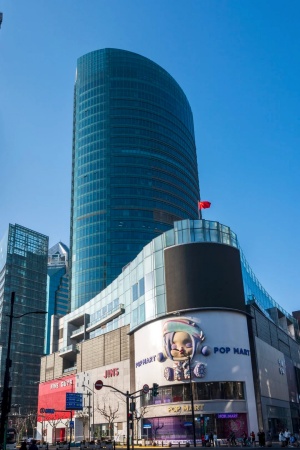
Shopping on Nanjing Road in Shanghai was just amazing! It's truly the "First Commercial Street of China", where tradition and modernity blend perfectly. You can find awesome souvenirs and experience the trendy vibes in cool stores. The neon lights at night are just spectacular, shining bright like Times Square in New York. The food here is incredible too. I had a feast for my taste buds. Shanghai, I'll definitely be back!
Destination(s): Shanghai
Date of Experience: May 08,2024
...
...
Elvis Eva
Canada
Reviewed on June 20,2025
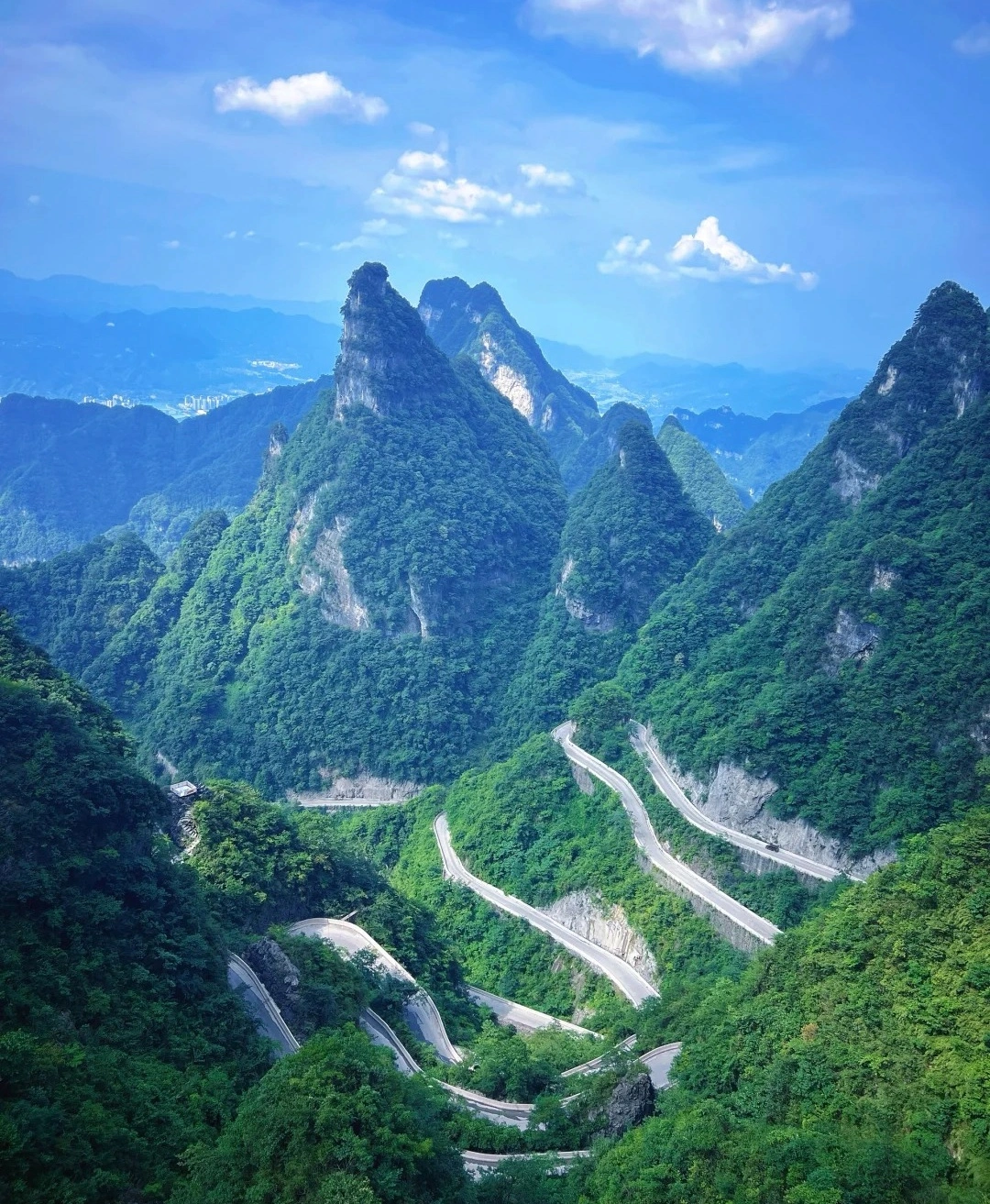
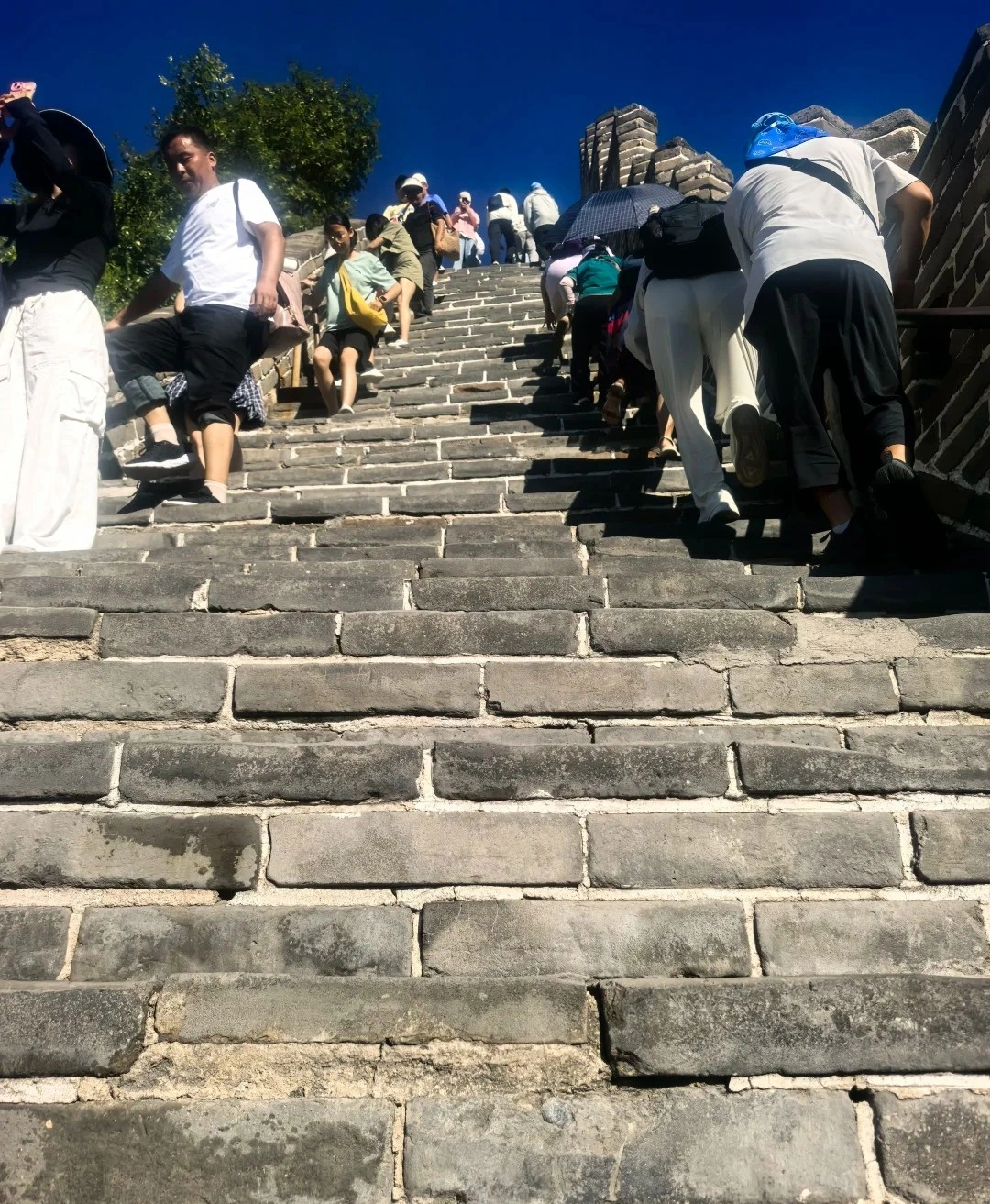
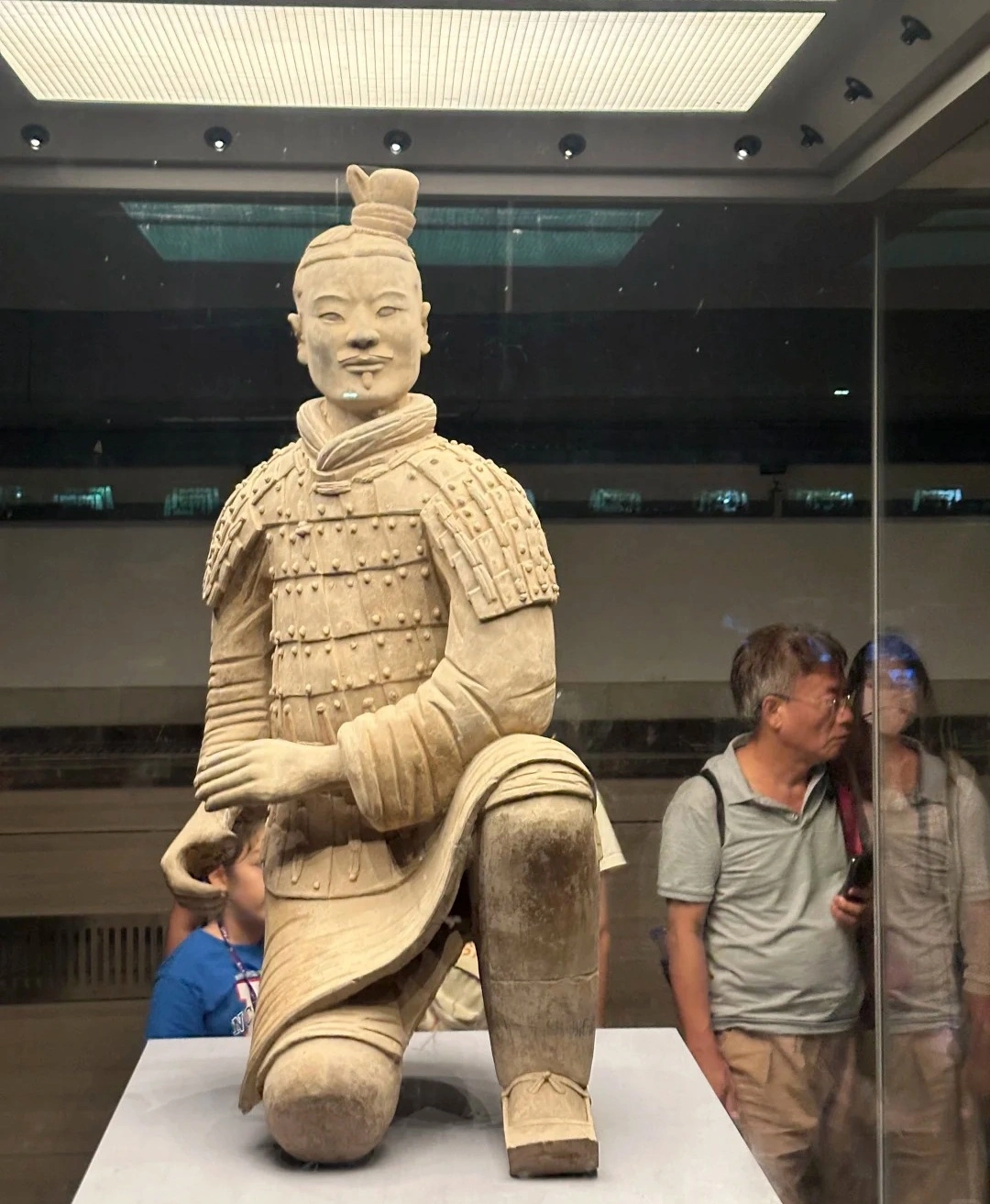
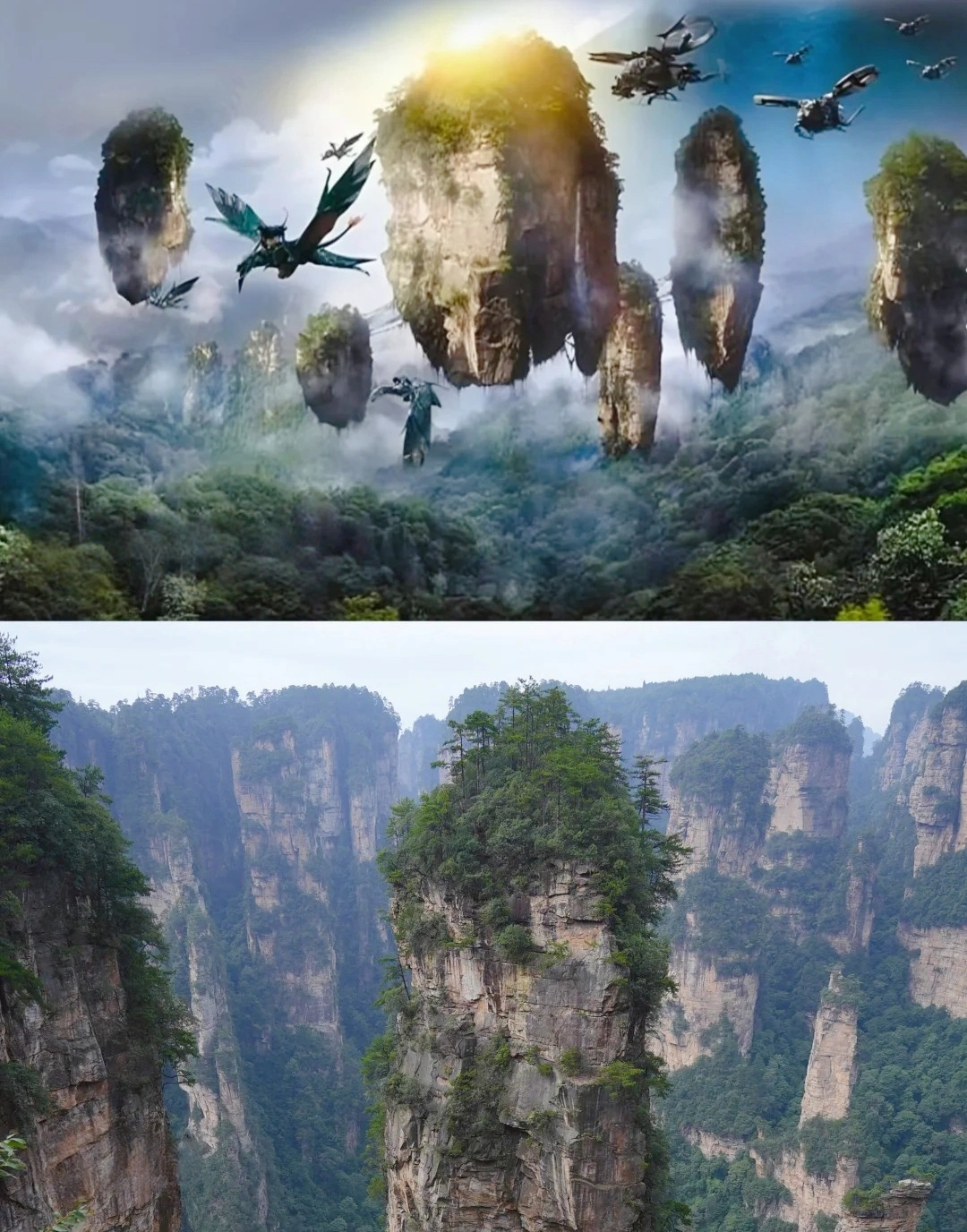
As a solo traveler from Canada, I was nervous about navigating China alone—but this 11-day tour was PERFECT! From hiking the Great Wall at sunrise (Day 3) to gasping at the Terracotta Army (Day 5), every day delivered ‘pinch-me’ moments. The real showstopper? Zhangjiajie’s Avatar Mountains (Day 7)! Our guide made the stone pillars come alive with stories. Massive thanks for handling all logistics—bullet train tickets, entry passes, car! And the 4-star hotels surprised me.
Destination(s): Beijing Xian Zhangjiajie Shanghai
Date of Experience: June 02,2025
... ... ...
...
Simon
America
Reviewed on May 29,2025
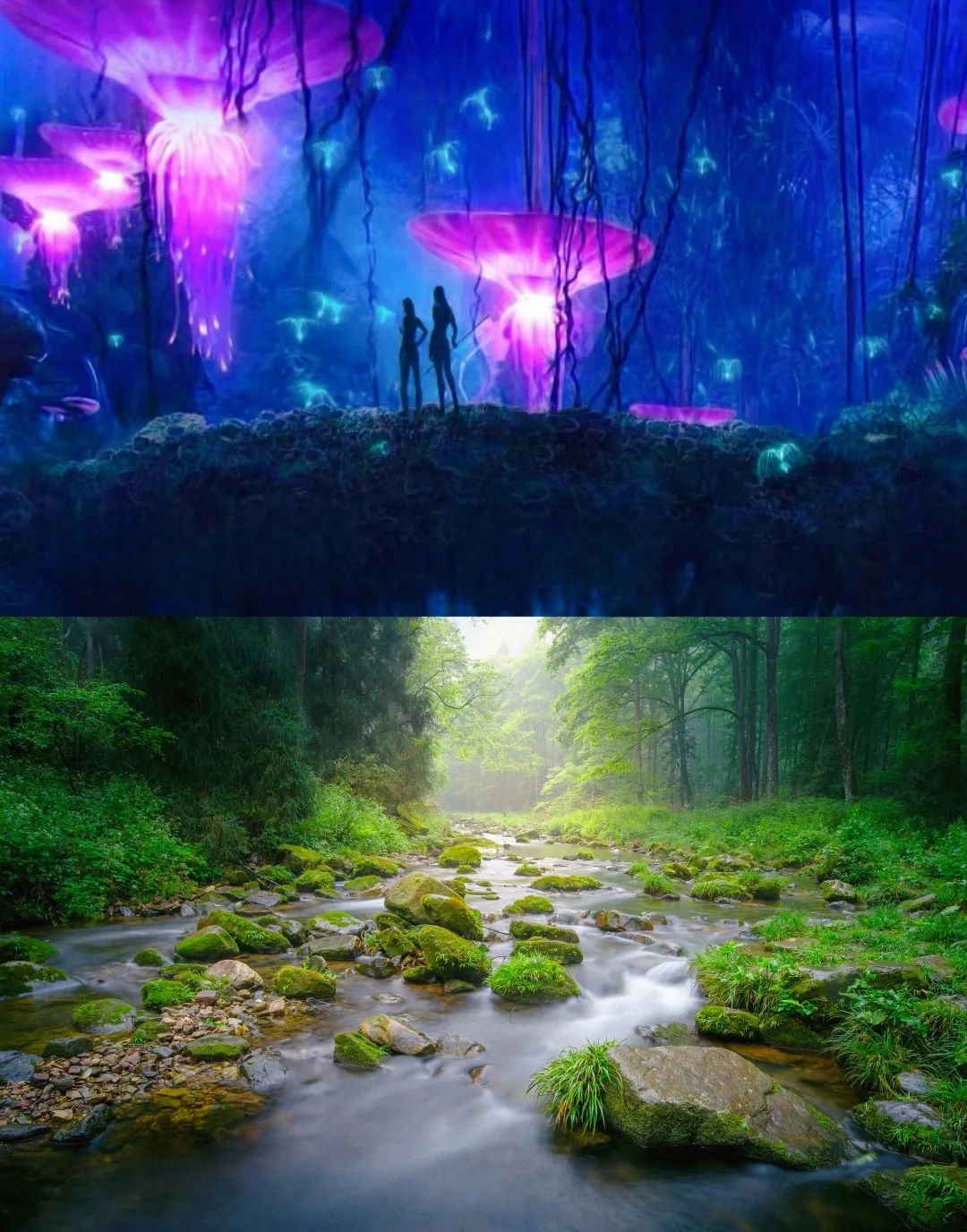
Our 2-day Zhangjiajie tour was beyond spectacular! As someone who’s visited Beijing and Shanghai for work, this trip revealed China’s wild, magical heart. Day 1 in Zhangjiajie National Forest Park felt like stepping onto Pandora—I’m a huge Avatar fan, and Yuanjiajie’s floating peaks left me breathless. The misty pillars and lush valleys like pure movie magic! Then came Fenghuang Ancient Town, we eat dinner beside the thundering waterfall. It seems Unreal! The night views of stilt houses glowing over the river were straight from a fairy tale. For fellow Avatar lovers and adventure seekers: Don’t miss this bucket-list experience! 10/10 would return. A Well-Traveled Film Buff, May 2025
Destination(s): Zhangjiajie
Date of Experience: May 08,2025
... ...

Ask a Question

Question Summary (100 characters)
Details (optional) (2,000 characters)
Name
Country
Email