

Yingxian Wooden Tower
The Yingxian Wooden Pagoda (Sakyamuni Pagoda of Fogong Temple) is located in Ying County, Shuozhou City, Shanxi Province. Constructed in 1056 during the Liao Dynasty, this nine-story octagonal wooden tower reaches 67.31 meters in height, making it the tallest ancient wooden structure globally. Built entirely without nails or iron fasteners, it exemplifies traditional Chinese mortise-and-tenon joinery. Designated a national key cultural relic in 1961 and a UNESCO World Heritage candidate since 2016, the pagoda houses Buddhist statues, sutras, and a 5-meter-tall gilded Sakyamuni Buddha.
Historical Overview
- Liao Dynasty Construction (1056 CE): Commissioned by Emperor Xingzong, designed by master carpenter He Zhongxuan.
- Ming-Qing Renovations (14th–19th centuries): Repaired by Emperor Kangxi after earthquake damage; added bronze bells and steles.
- Modern Era (20th–21st centuries): Structural reinforcement (1974–2008); seismic monitoring systems installed (2016).
- Cultural Significance: Symbolizes Han-Khitan architectural fusion, with 54 types of dougong brackets.
Structural Layout
The pagoda’s design follows Buddhist cosmology:
- Base Level: A 30-meter-diameter stone platform with 24 lotus-shaped columns.
- Nine Stories: Each story features upturned eaves, decreasing in size upward. The fifth floor contains the central Buddha chamber.
- Key Structures:
- Fogong Temple Complex: Includes a mountain gate, Bell Tower, and scripture hall.
- Inner Spiral Staircase: A 123-step wooden staircase connecting all nine floors.
Major Attractions
- Pagoda Exterior: Admire 54 types of interlocking dougong brackets supporting the eaves.
- Fifth Floor Buddha Chamber: Houses a 5-meter-tall gilded Sakyamuni statue (1056 CE).
- Bronze Bell Gallery: Displays a 1,000-kg Ming Dynasty bell cast in 1621.
- Fogong Temple Mountain Gate: A Liao Dynasty structure with original wooden beams.
- Pagoda Model Exhibition: A 1:10 scale replica showing construction techniques.
- Seismic Protection System: View modern steel braces preserving the tower.
Suggested Itineraries
-
Classic Route (1–2 hours):
Fogong Temple Entrance → Pagoda Exterior → Fifth Floor Buddha Chamber → Bronze Bell Gallery → Mountain Gate → Exit
Highlights: Core pagoda features and temple architecture. -
Extended Route (2–3 hours):
Fogong Temple → Pagoda Exterior → Fifth Floor → Bronze Bell Gallery → Scripture Hall → Seismic Protection Exhibition → Mountain Gate → Exit
Highlights: Cultural relics and modern engineering insights. -
Comprehensive Route (3–4 hours):
Fogong Temple → Guided Tour of Pagoda Structure → Fifth Floor → Bronze Bell Gallery → Scripture Hall → Seismic Exhibition → Mountain Gate → Pagoda Model Display → Exit
Highlights: Historical and technical exploration.
Ticket Purchase
- Entrance Fee: ¥50 (peak season: Apr–Oct), ¥40 (off-season: Nov–Mar). Includes pagoda and temple access.
- Concessions: 50% off for students/seniors; free for children under 1.2m.
- Online: Book via Ctrip or WeChat platform "Yingxian Wooden Pagoda" (up to 7 days in advance).
- On-Site: Tickets at temple entrance; queues average 10 minutes.
Transportation
- From Taiyuan: 3-hour drive via S50 Expressway (¥90 toll).
- By Train: Taiyuan → YingXian High-Speed Railway (1.5 hours), then taxi to Fogong Temple (15 mins).
- By Bus: Taiyuan Bus Station → Yingxian Direct Bus (¥45, 2.5 hours), then taxi to temple (10 mins).
- Parking: Free lots at temple entrance.
Best Time & Tips
- Optimal Seasons: April–June (mild weather), September–October (clear mountain views).
- Avoid Crowds: Visit weekdays; weekends host large domestic tour groups.
- Essentials:
- Wear non-slip shoes for wooden staircases.
- Bring binoculars to view roof carvings.
- Photography: No flash on relics; tripods allowed.
- Prohibited Items: Smoking, climbing on exterior beams.
- Cultural Tip: Attend the "Pagoda Lighting Ceremony" (May–Oct evenings).


Contact Us
What Our Clients Say?
Based on 10,000+ traveler reviews

Daniel Dorothea
Canada
Reviewed on April 29,2025
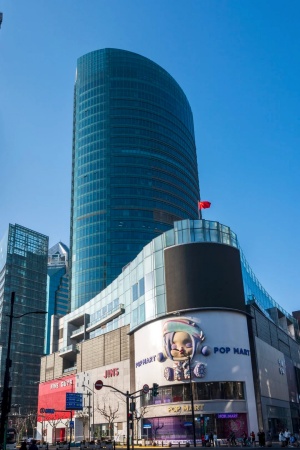
Shopping on Nanjing Road in Shanghai was just amazing! It's truly the "First Commercial Street of China", where tradition and modernity blend perfectly. You can find awesome souvenirs and experience the trendy vibes in cool stores. The neon lights at night are just spectacular, shining bright like Times Square in New York. The food here is incredible too. I had a feast for my taste buds. Shanghai, I'll definitely be back!
Destination(s):
Shanghai
Date of
Experience:
May 08,2024

Elvis Eva
Canada
Reviewed on June 20,2025
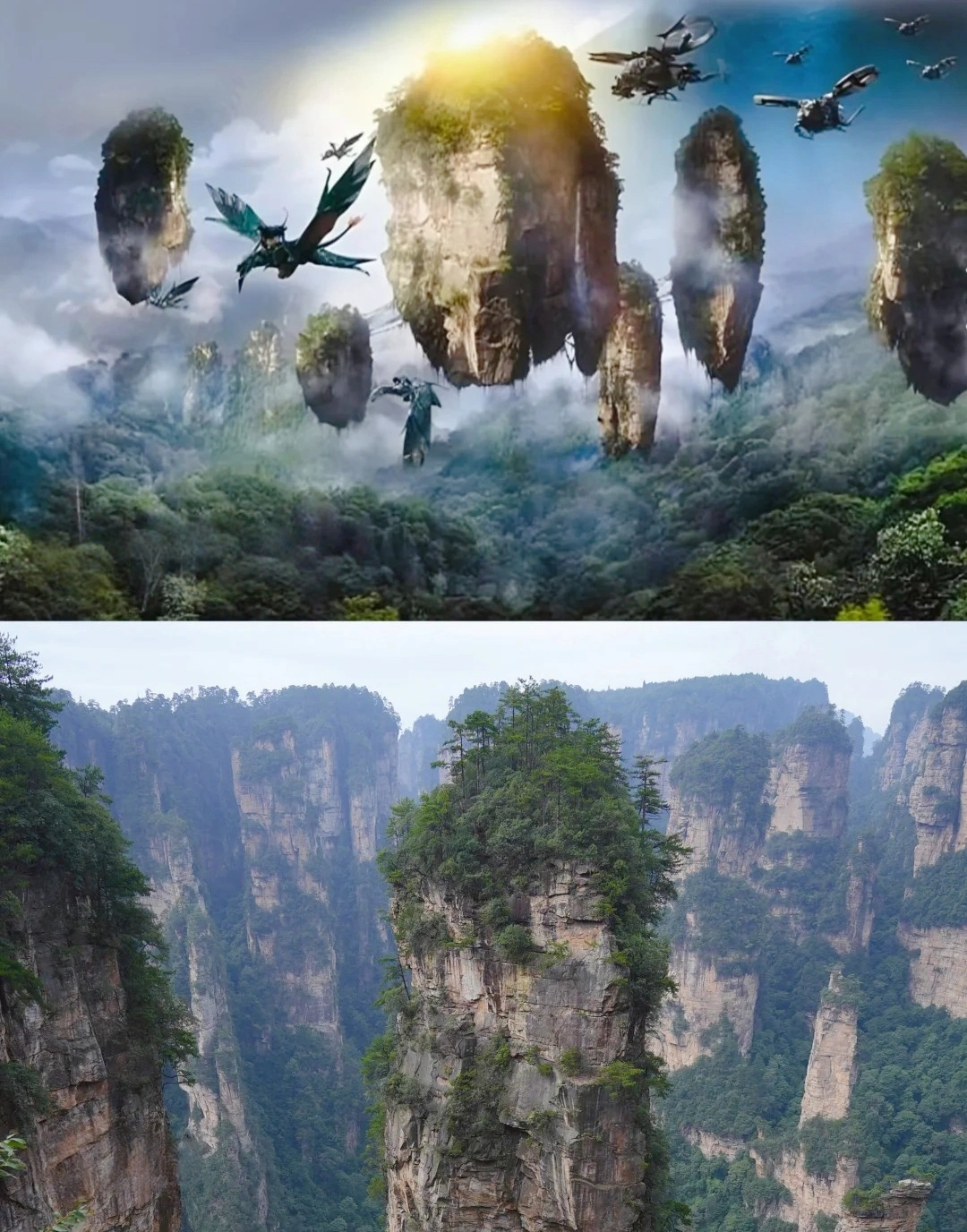
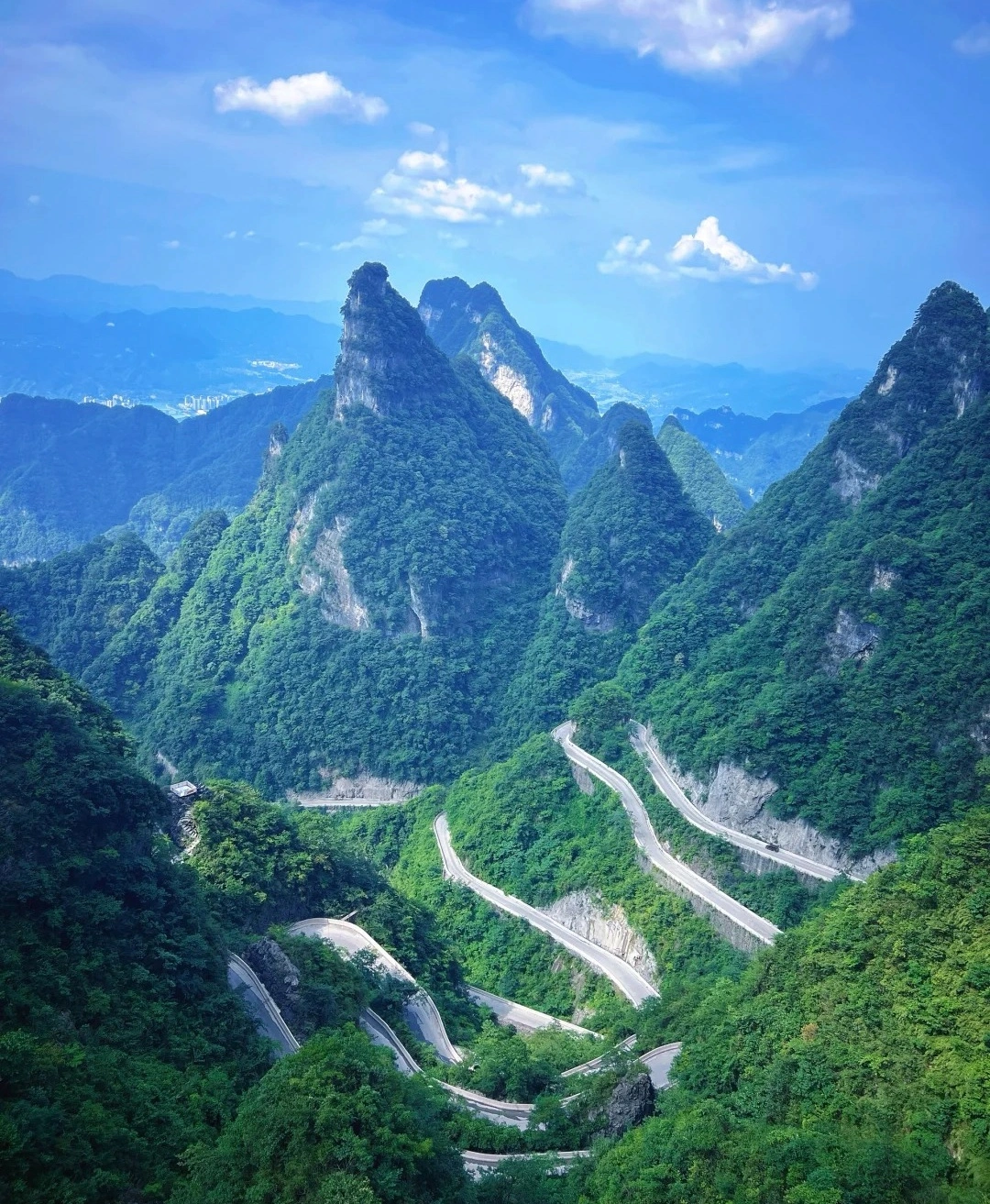
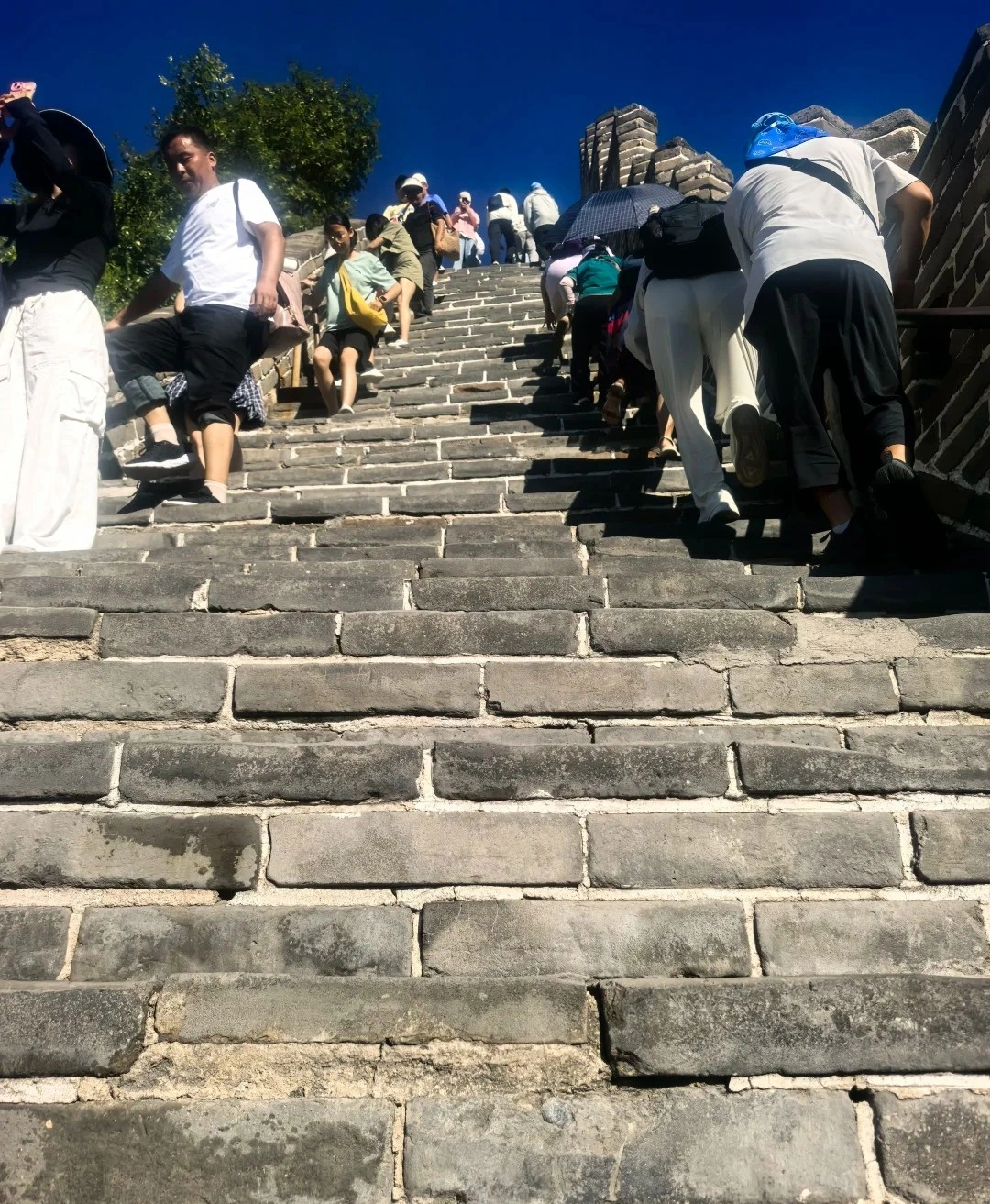
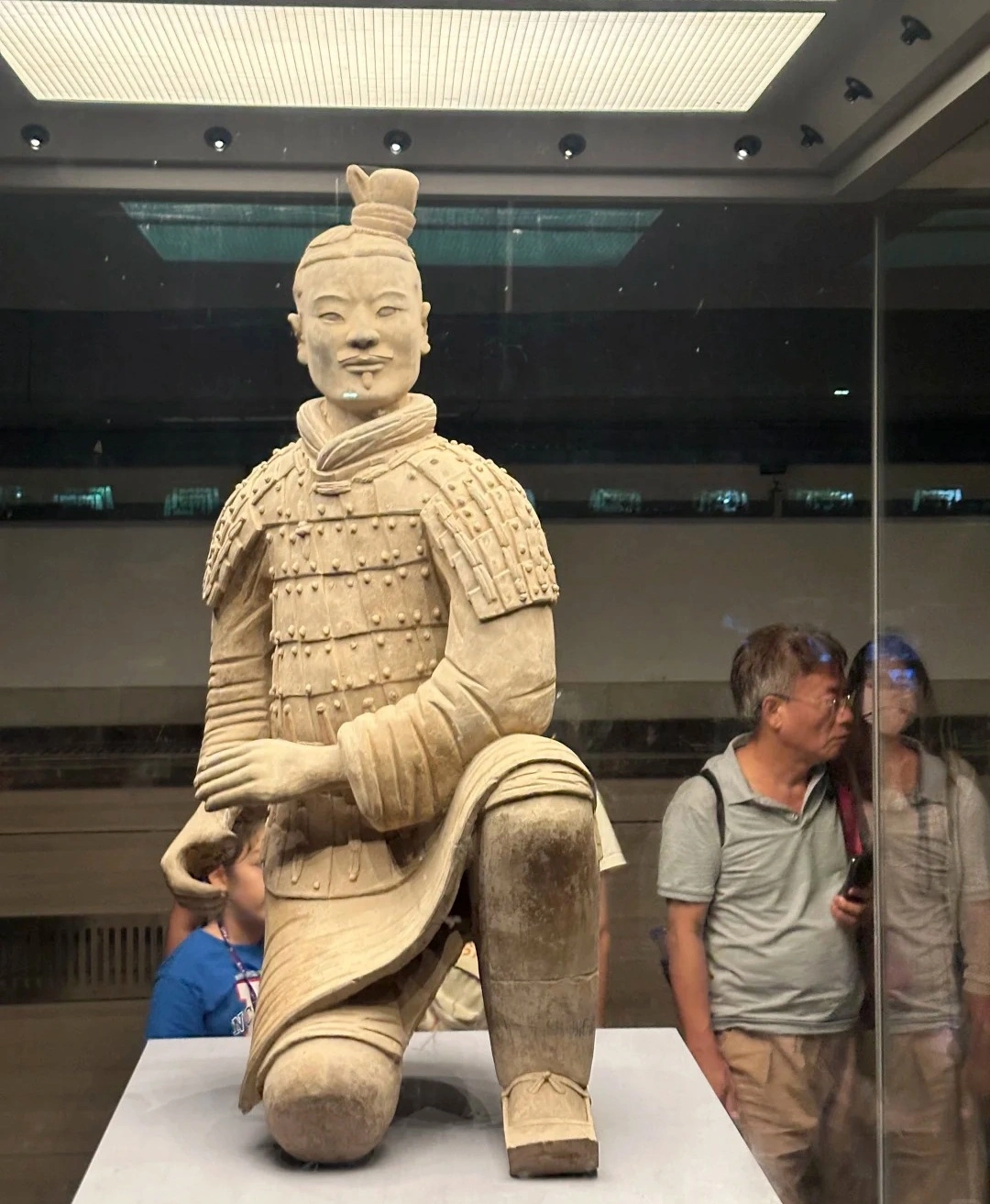
As a solo traveler from Canada, I was nervous about navigating China alone—but this 11-day tour was PERFECT! From hiking the Great Wall at sunrise (Day 3) to gasping at the Terracotta Army (Day 5), every day delivered ‘pinch-me’ moments. The real showstopper? Zhangjiajie’s Avatar Mountains (Day 7)! Our guide made the stone pillars come alive with stories.
Massive thanks for handling all logistics—bullet train tickets, entry passes, car! And the 4-star hotels surprised me.
Destination(s):
Beijing Xian Zhangjiajie Shanghai
Date of
Experience:
June 02,2025

Simon
America
Reviewed on May 29,2025
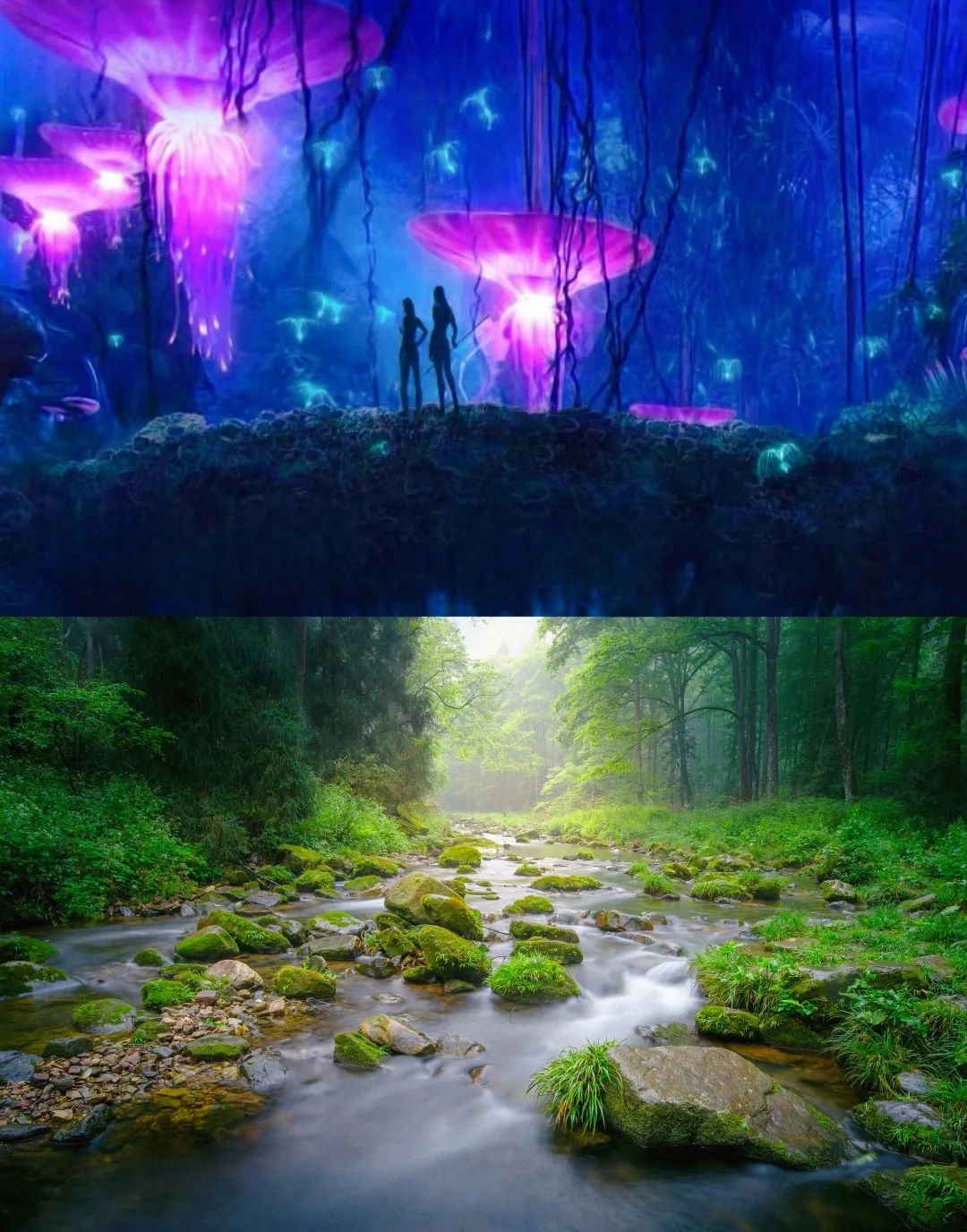
Our 2-day Zhangjiajie tour was beyond spectacular! As someone who’s visited Beijing and Shanghai for work, this trip revealed China’s wild, magical heart. Day 1 in Zhangjiajie National Forest Park felt like stepping onto Pandora—I’m a huge Avatar fan, and Yuanjiajie’s floating peaks left me breathless. The misty pillars and lush valleys like pure movie magic!
Then came Fenghuang Ancient Town, we eat dinner beside the thundering waterfall. It seems Unreal! The night views of stilt houses glowing over the river were straight from a fairy tale.
For fellow Avatar lovers and adventure seekers: Don’t miss this bucket-list experience! 10/10 would return.
A Well-Traveled Film Buff, May 2025
Destination(s):
Zhangjiajie
Date of
Experience:
May 08,2025