Natural Creation - Snow Mountains and Meadows Behind the Sutra Banners
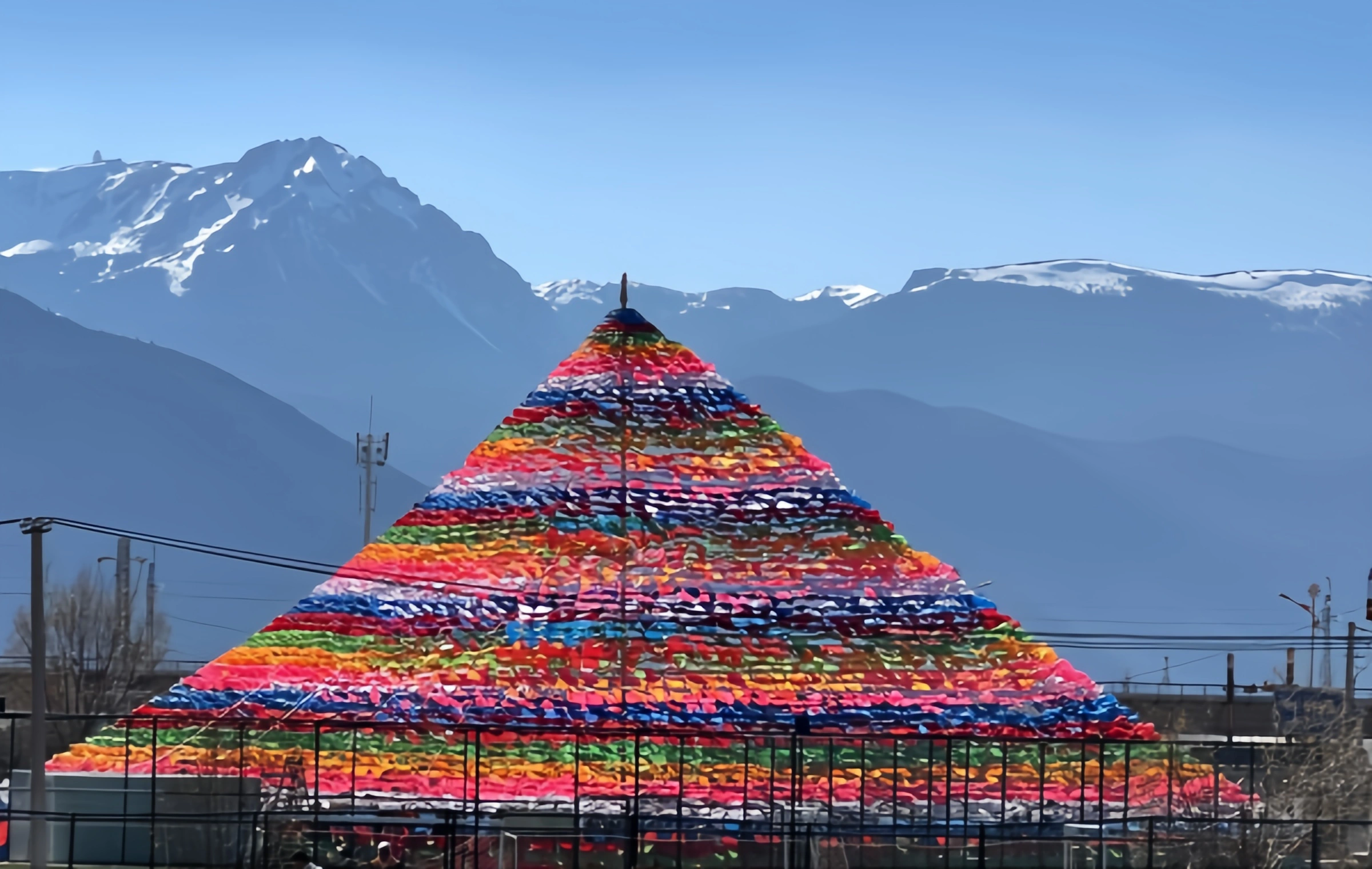
The shock of the Great Sutra Banner is partly attributed to the ultimate natural stage behind it, known as "Shangri La".
Top of the Pass: Dance of Wind, Clouds, and Flags
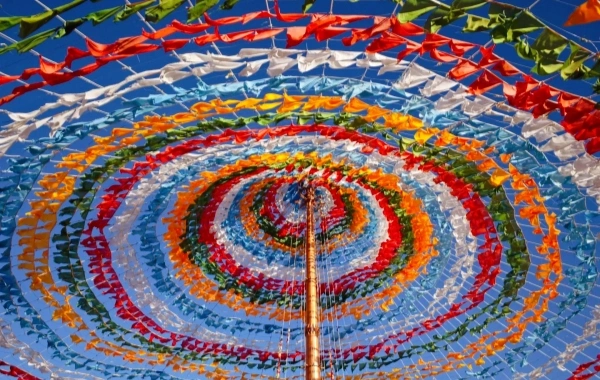
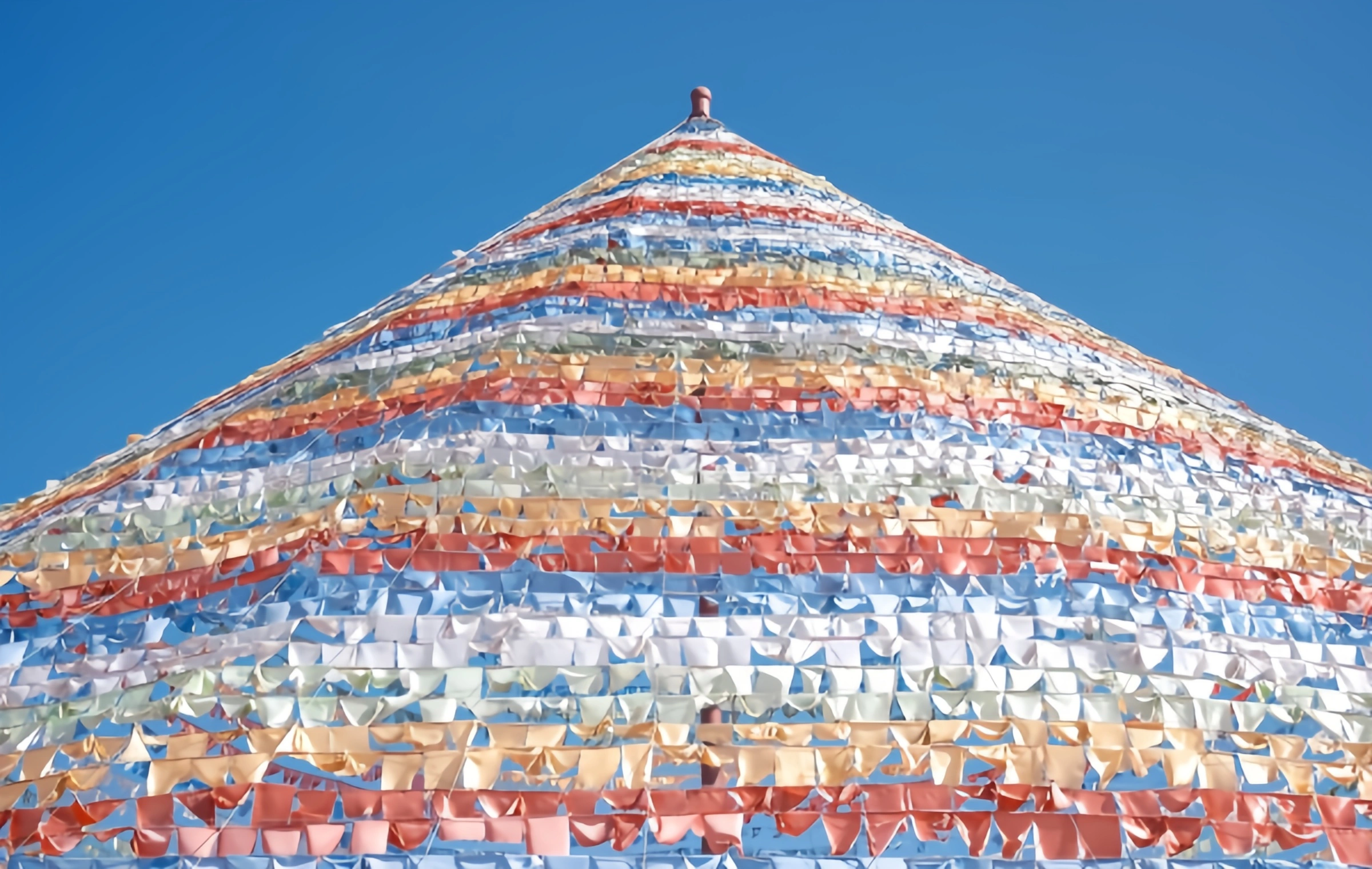
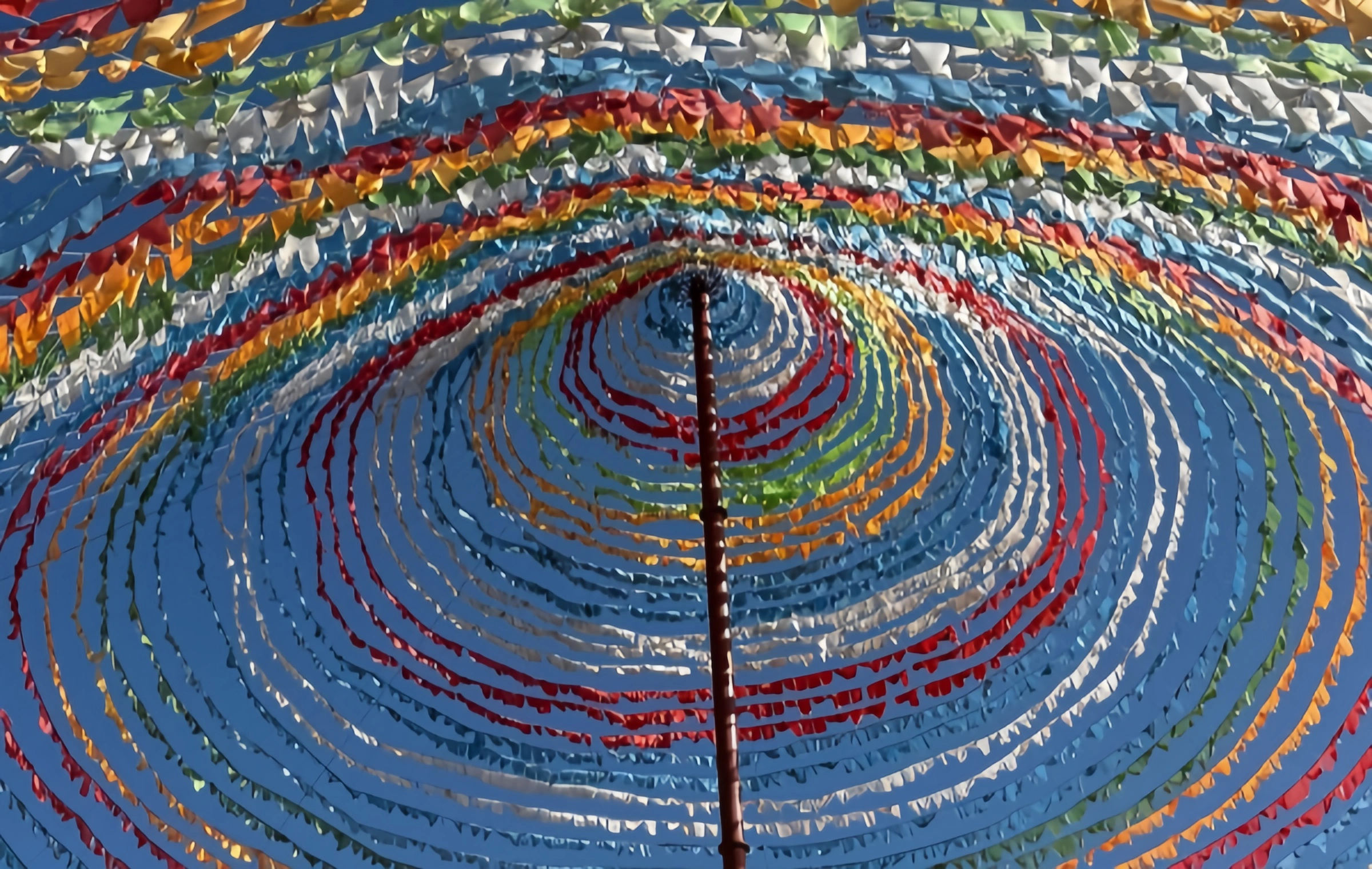
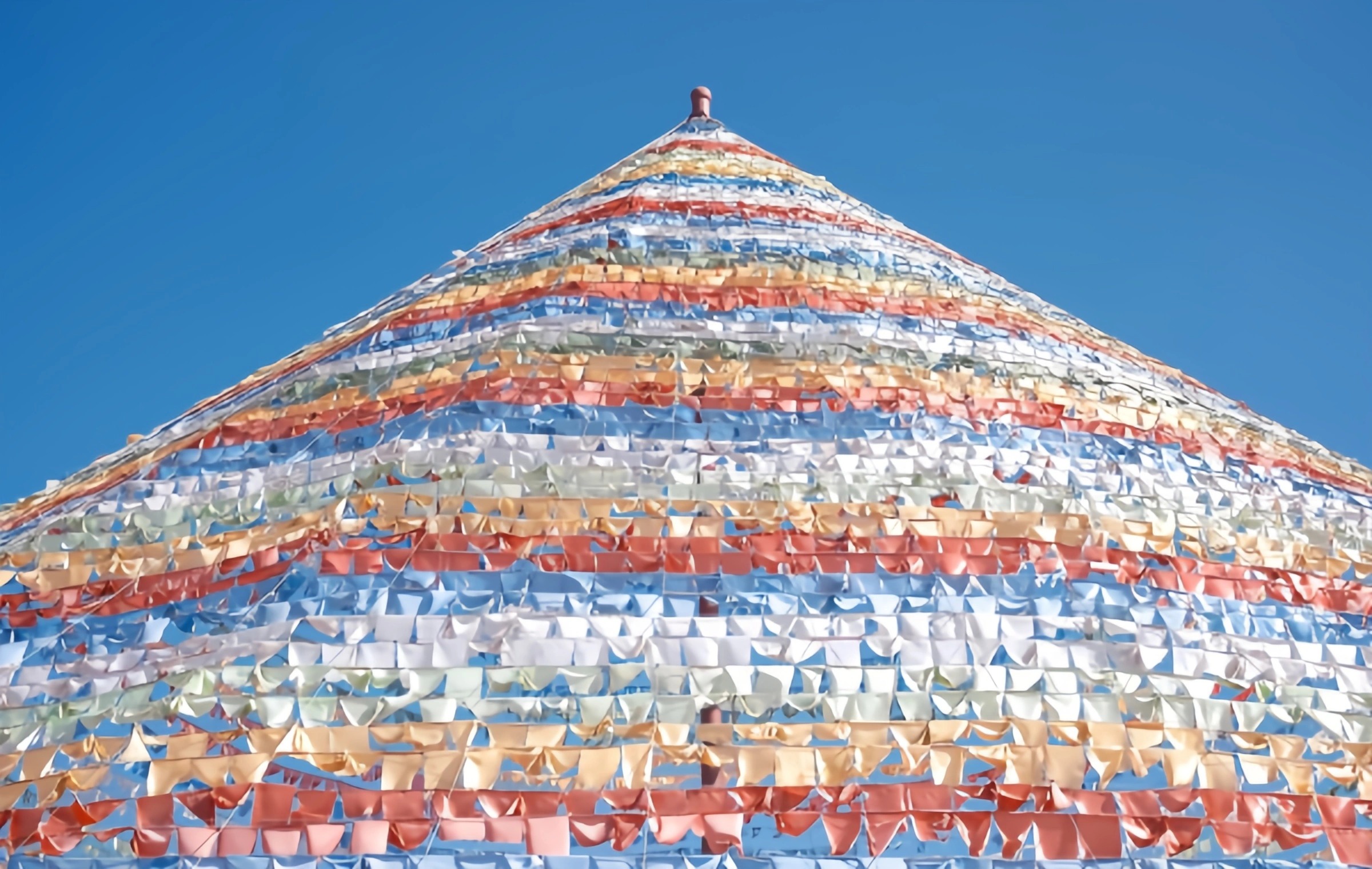
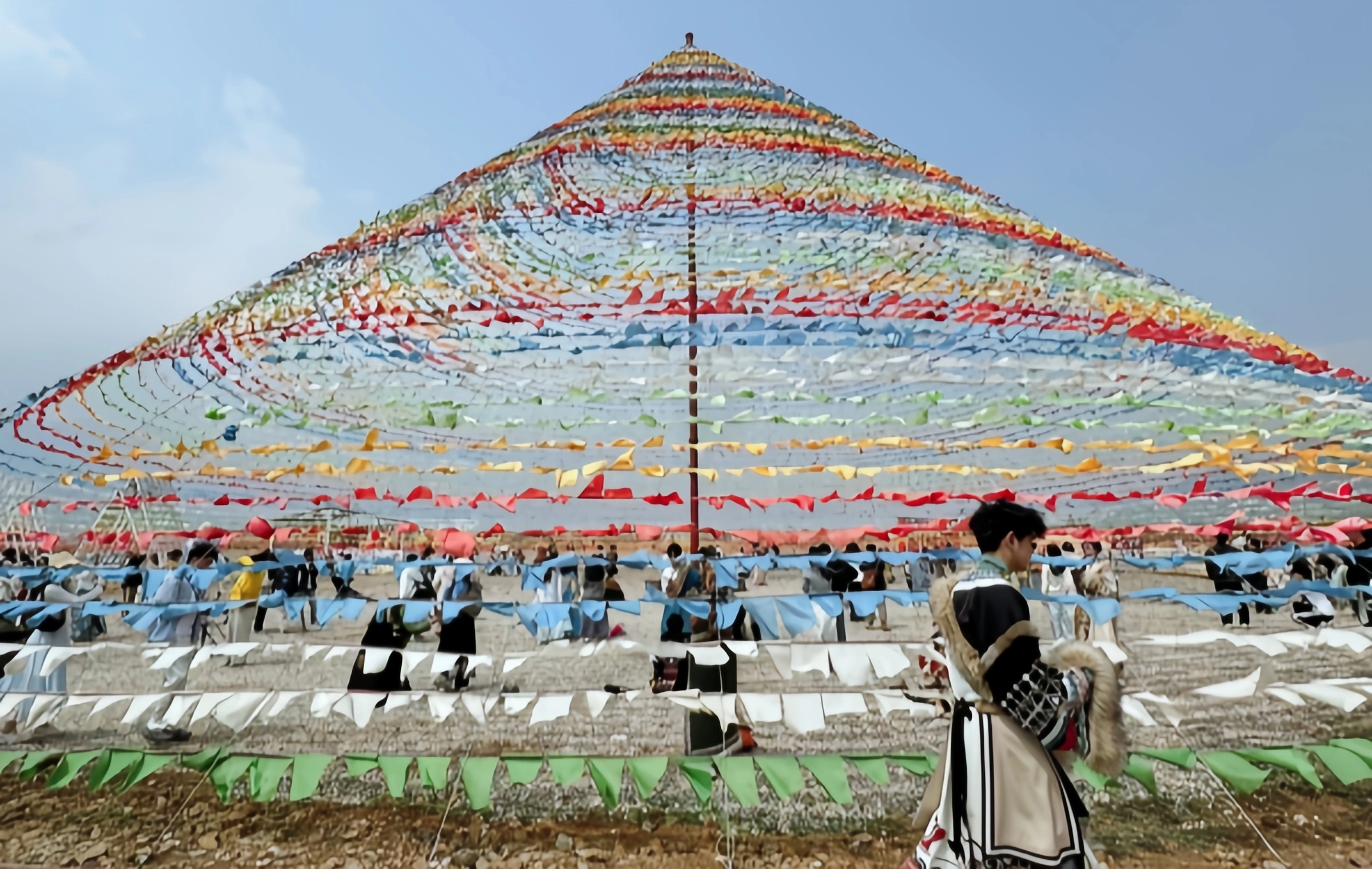
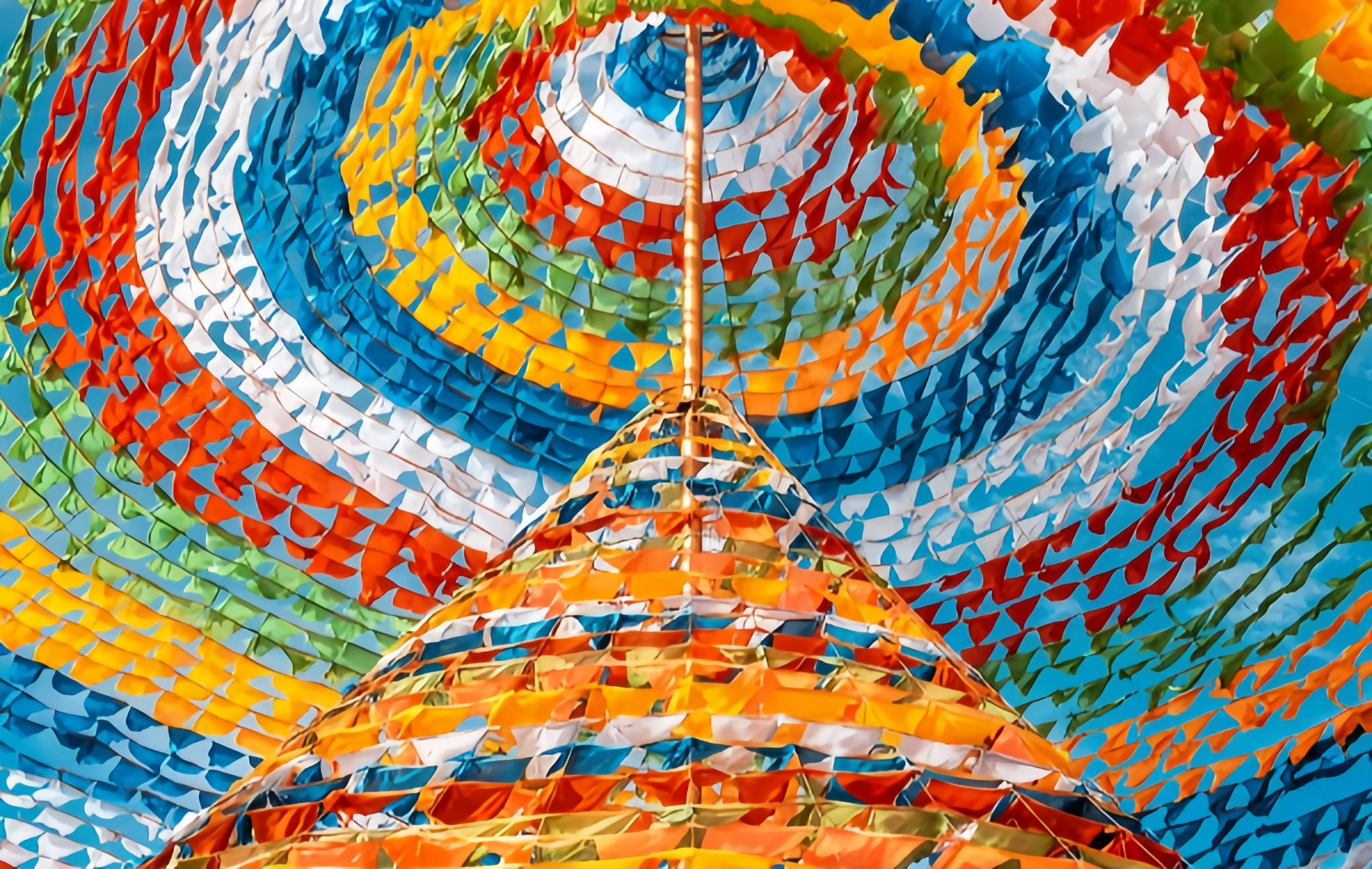
The most spectacular sutra banner formation often stands at the mountain pass. The terrain here is dangerous and the strong winds never cease. Looking around, tens of thousands of prayer flags are made of huge wooden frames or ropes as bones, stacked layer by layer, piercing straight into the sky from the ground. When the warm and humid air from the Indian Ocean clashed with the cold winds from the plateau, heavy cloud waterfalls poured down, and the prayer flags fluttered vigorously in the turbulent sea of clouds and the biting wind. Being immersed in it, one can simultaneously feel the physical power of nature and the perseverance of human spiritual beliefs, making it an excellent place to experience the four in one of "heaven, earth, man, and god".
Beside the Lake: Tranquil Reflection and Colorful Colors
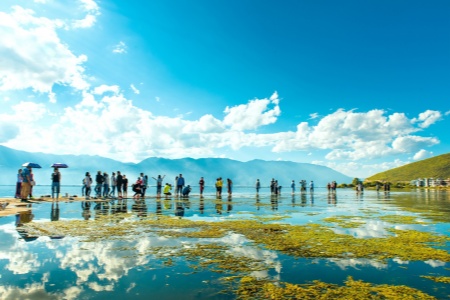
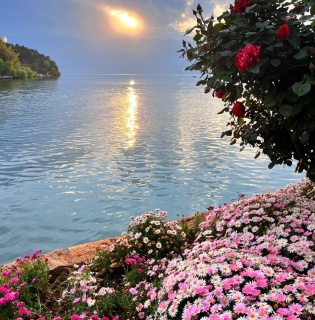
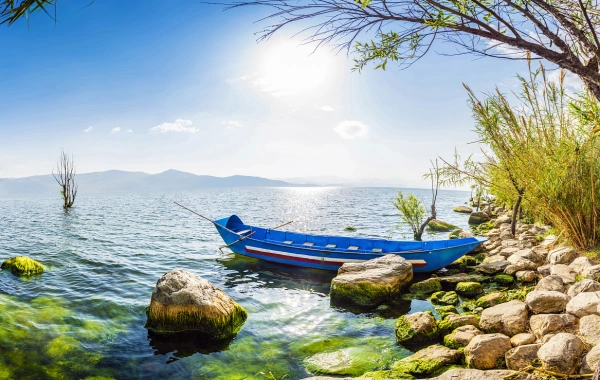
The group of prayer flags located in the lakeside meadows of Napahai and other areas exhibits another serene and beautiful charm. In spring and summer, the lake overflows, the grassland is lush, and herds of cattle and sheep adorn it. The colorful prayer flags are reflected in the clear and mirror like water, forming a peaceful and serene pastoral painting with the distant snow capped mountains and nearby Tibetan houses. In autumn and winter, as the lake recedes, golden meadows and exposed wetlands form mottled textures, and prayer flags appear even more colorful and full of vitality in the vast sky and earth.
Light and Shadow Magic: A Symphony of Rapidly Changing Colors
The soul of the prayer flag landscape lies in light and shadow. In the morning, the first ray of sunshine dyed the prayer flag warm orange gold, and the scriptures on the flag seemed to be ignited; At noon, against the backdrop of a deep blue sky, the five colors of blue, white, red, green, and yellow are particularly vibrant and dazzling, with saturation reaching its peak; In the evening, the afterglow of the setting sun draped the prayer flags in a purple red cloak, solemn and mysterious. Within a day, as the angle and color temperature of the light change, the same prayer flag can present vastly different emotions and aesthetics.
Humanistic Craftsmanship - Fluttering Scriptures and Ancient Rites
The prayer flags themselves are open-air libraries and museums of faith that do not require writing.
Five color philosophy: a symbolic system of cosmic elements
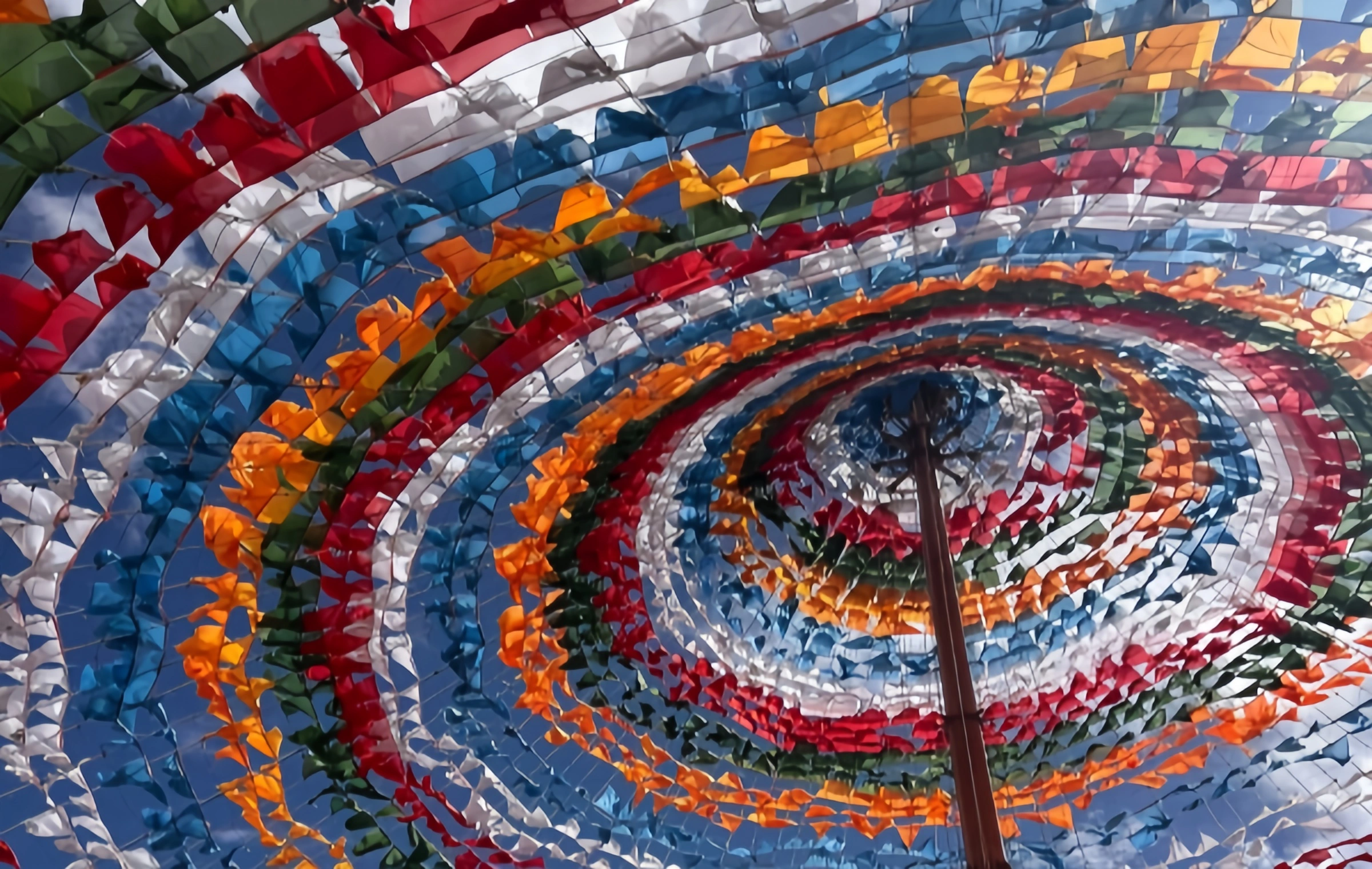
The colors of each prayer flag strictly follow the ancient symbolic system: blue represents the sky (space), white represents clouds (auspicious clouds), red represents flames (sun), green represents rivers (water), and yellow represents the earth (loess). These five colors are arranged in sequence and cycle back and forth, forming a complete model of the universe. Understanding the cultural code behind this is the key to appreciating the beauty of prayer flags.
Scripture and Pattern: Silk Carrying Wisdom
On the fabric, in addition to the core "wind horse" pattern, there are more densely packed Buddhist scriptures, mantras, and Buddha statues printed. The most common is the Heart Mantra of Guanyin Bodhisattva, known as the "Six Character Mantra" (Om Mani Bami). Every time the wind blows the prayer flag, it is equivalent to reciting the scripture above. This continuous chanting through the power of nature embodies the unique spiritual wisdom of Tibetan Buddhism.
Hanging and Updating: The Sacred Life Cycle
The hanging of prayer flags follows strict religious rituals. Usually, auspicious days in the Tibetan calendar are chosen and presided over by monks or elders. After being exposed to wind, sun, and rain all year round, the prayer flags will gradually fade and become worn out. At this time, the old prayer flags will not be casually discarded, but will be respectfully collected and burned in a clean place to return to nature. Subsequently, people will hang brand new prayer flags, symbolizing the cycle of life, the continuation of prayers, and the renewal of spirit. This process itself is a profound life education.
Photography tips:
Using a wide-angle lens to shoot upwards can capture the vertical sense of the prayer flag matrix pointing directly towards the sky, which is highly visually impactful.
Use telephoto lenses to compress space and capture the beautiful curves and local texture details formed by prayer flags in the wind.
Placing characters as scales within a massive array of prayer flags can visually contrast the grandeur of the landscape.
Seizing the golden light of early morning or evening, the side light can outline the texture of the prayer flag, while backlighting can capture the brilliant colors that are translucent.
Drone aerial photography is the best way to showcase the grand scale and geometric beauty of the prayer flag formation (flying should be cautious, comply with local regulations, and absolutely respect faith, avoiding flying directly over the core area of the prayer flag from above).