3 Day Qinghai Mirror Lake & Grassland Wonders Tour

- Tour Code: QT-XCQ-03
- Travel Route: Xining
- Tour Type: compact journey takes you from modern Shanghai to the
- Guide & Driver:
- Accommodation::



Xining--Riyue Mountain--Qinghai Lake--Chaka Town
4+ stars Hotels
Breakfasr & Lunch
In the morning, your driver will pick you up in Xining, the capital city of Qinghai Province, and take you to Riyue Mountain. Historically, Riyue Mountain was a crucial pass along several important routes such as the “Qiangzhong Route,” the “Southern Silk Road,” and the “Ancient Tang-Tubo Road.” During the Northern and Southern Dynasties, when the Hexi Corridor became blocked, the Southern Silk Road—passing through Riyue Mountain, Qinghai Lake, and the Qaidam Basin—emerged as a major artery to the Western Regions. In the Tang Dynasty, the Ancient Tang-Tubo Road connected the northeast to Lhasa via the heart of Hainan Prefecture, becoming a significant cultural and strategic route.
Riyue Mountain has witnessed countless historic events, including alliances, royal marriages, wars, and trade between the Han and Tibetan peoples—particularly the famed tea-salt and tea-horse exchanges. As a strategic gateway to Tibet, the mountain served as a frontier outpost of the central Chinese dynasties from the Han and Wei to the Sui and Tang. Thus, it earned the titles “Barrier of the Western Sea” and “Gateway to the Grasslands.” In the 7th century, it also marked the boundary between the Tang Dynasty and the Tibetan Empire, which was founded by Songtsen Gampo after unifying the Yarlung tribes. The border was established at Chiling (now part of Riyue Mountain).
In the afternoon, you will head to Qinghai Lake, the largest inland saltwater lake in China and one of the highest-altitude lakes in the world. Often called the ‘Blue Jewel of the Plateau,’ it was named China’s most beautiful lake by National Geographic. The Qinghai Lake Scenic Area is divided into six sections: the lake itself, Erlangjian, Bird Island, Sand Island (Golden Beach Bay), Fairy Bay, and Riyue Mountain, with graded protection for each. Highlights include Bird Island, Sand Island, the ancient Silk Road routes, the Tang-Tubo Road, old city ruins, and the former torpedo testing base at Site 151.
According to legend, over a thousand years ago, Princess Wencheng was married off to Songtsen Gampo, ruler of the Tibetan Empire. Before her departure, the Tang Emperor gave her a magical mirror that could show images of her homeland. On her journey, overwhelmed with homesickness, she gazed into the mirror and saw her distant hometown, Chang’an. Moved to tears but reminded of her duty, she threw the mirror away. Where it landed, a golden light flashed—and the mirror turned into Qinghai Lake.
Optional Experiences (at your own expense):
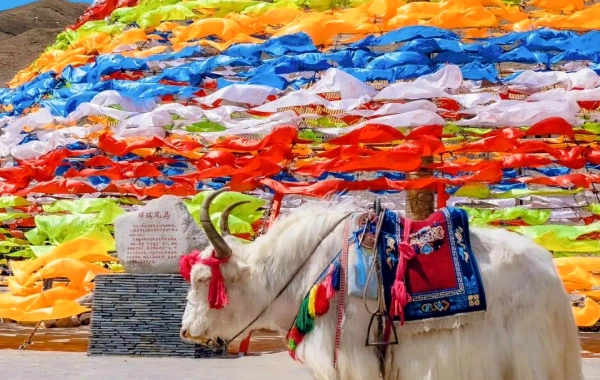
Horseback riding and archery, tasting butter tea, making tsampa, witnessing the Tibetan lake-blessing ceremony, throwing Lungta (colorful wind horse papers) for blessings, riding a traditional leather raft, taking a luxury cruise around the lake, or photographing the rapeseed flower fields (available in July). For more ideas, feel free to contact our consultants at IntoExplore.
Kind Reminder:
Qinghai Lake is located at a high altitude (3,196 meters). Please be cautious of altitude sickness and avoid intense physical activity such as running or long-distance hiking. To minimize risk, avoid bathing on Day 1. Also, bring sun and wind protection.
After visiting Qinghai Lake, head to Chaka Town for a rest, where you can freely explore the area.
Recommended Activities:
Tibetan Village Visit in Chaka Town: Enjoy butter tea, learn to make tsampa, and join a bonfire party at night (reservation required), Salt Sculpture Workshop: Try your hand at creating your own salt sculpture.


Chaka Salt Lake--West Ring Road of Qinghai Lake--Binggou Forest--Qilian County
4+ stars Hotels
Breakfasr & Lunch
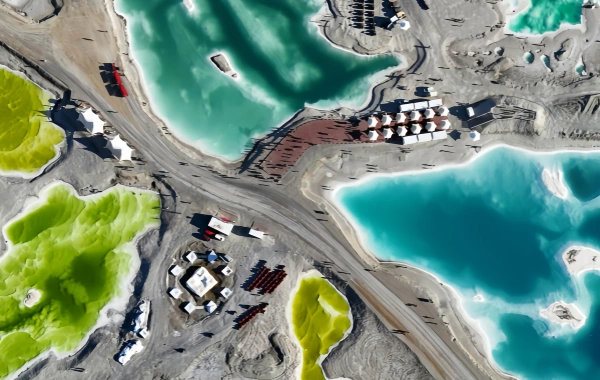
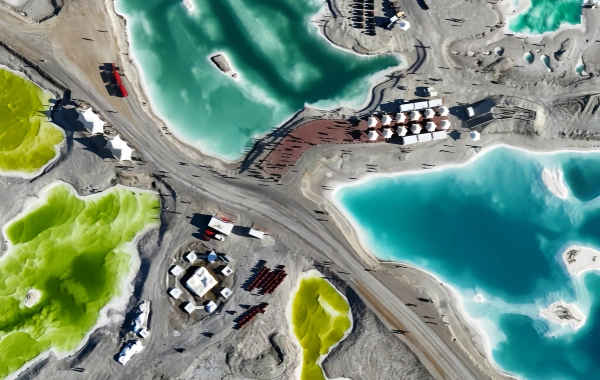
After breakfast, visit the renowned Chaka Salt Lake. Once a key stop on the ancient Silk Road, Chaka Salt Lake is surrounded by snow-capped mountains. Its mirror-like surface reflects the stunning sky above, earning it the nickname "China’s Mirror of the Sky." At night, it becomes even more magical, known as "China’s Mirror of the Night Sky," where the Milky Way and falling stars appear to merge with the lake’s surface. Flanked by the Wanyan Tongbu Mountains (a branch of the Qilian Mountains) and the Wanggaxiu Mountains (a branch of the Kunlun Mountains), both perpetually snow-covered, the lake offers breathtaking views of snow-capped peaks mirrored in the water—a spectacular natural landscape unique to the Qinghai-Tibet Plateau.
Highlights in the lake area include the world’s largest outdoor salt sculpture complex, salt lake boardwalks, a heart-shaped viewing platform, and railway tracks for scenic walks.
Optional Activity (Extra Cost):
Ride the small sightseeing train around the lake.
Afterward, head to the West Ring Road, often praised as "the most beautiful highway around Qinghai Lake," where you'll enjoy a breathtaking view of grasslands on one side and the sparkling blue lake on the other.
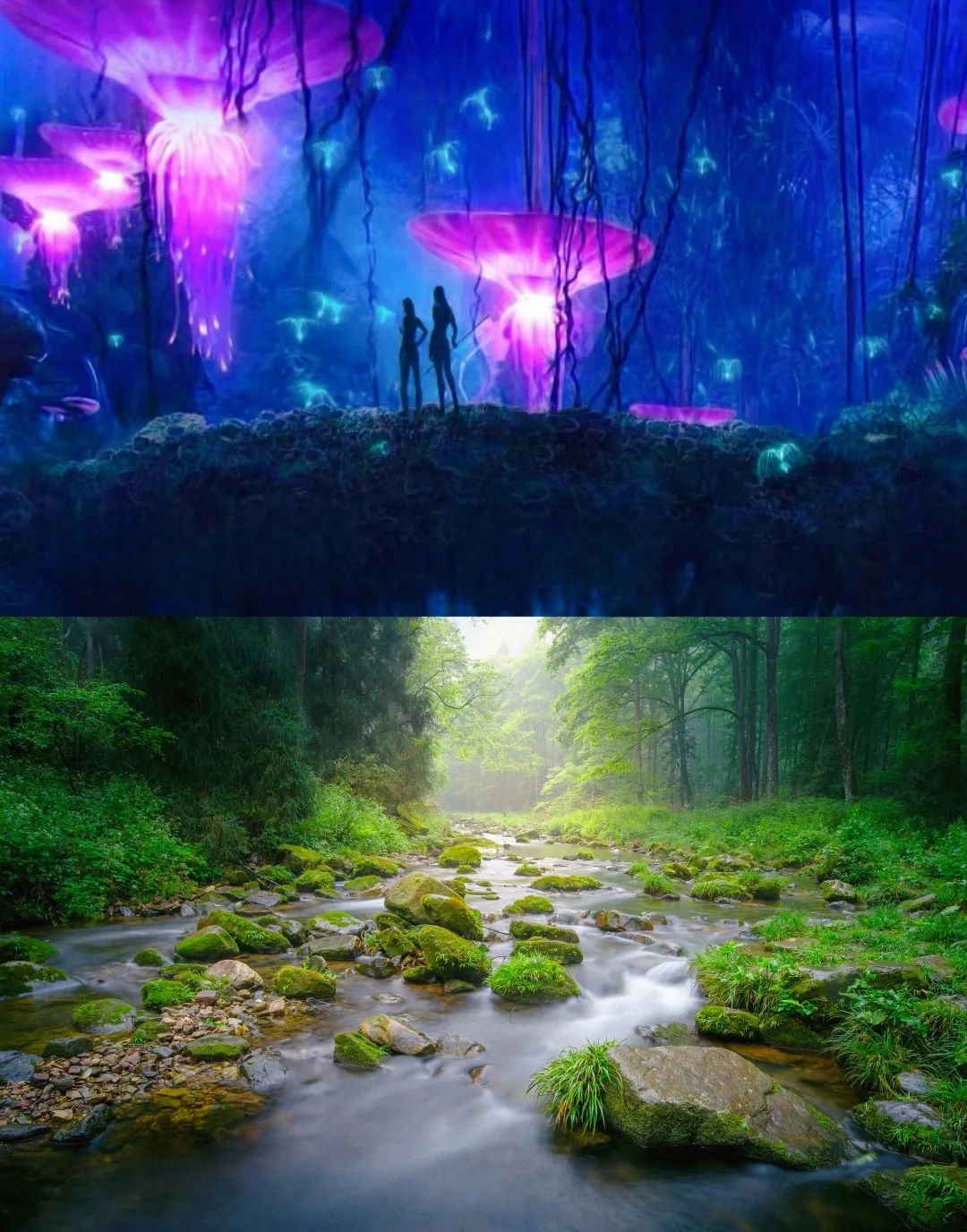
Next, visit Binggou Forest, a lesser-known summer retreat in Qinghai often referred to as a real-life "Lord of the Rings Forest." The area features pristine forests, alpine meadows, glacial streams, and snow-capped mountains, with a forest coverage rate of 98.5%, making it a natural oxygen bar. Summer temperatures remain around 20°C. Its glacial landforms resemble those of Switzerland, earning it the nickname "The Swiss Alps of the Plateau." The forest is mainly composed of Qinghai spruces and Qilian junipers, forming a dense, shaded woodland with paths covered in pinecones and moss.
Warm Reminders:
The average altitude here is around 2,800 meters, and some hiking trails are even higher. Altitude sickness may cause headaches, shortness of breath, or chest tightness. Some trails, such as the forest boardwalk and river valley paths, are made of wood or gravel and can be slippery in the rain. Wear non-slip footwear and avoid venturing into undeveloped areas alone. Wildlife such as hares and birds may be present. Do not chase or feed them; maintain a safe distance.
After your exploration, continue to Qilian County and check in at the hotel for a restful night.
Mount Zhuo'er--Arou Monastery--Qilian Mountain Grasslands--Xining
4+ stars Hotels
Breakfasr & Lunch
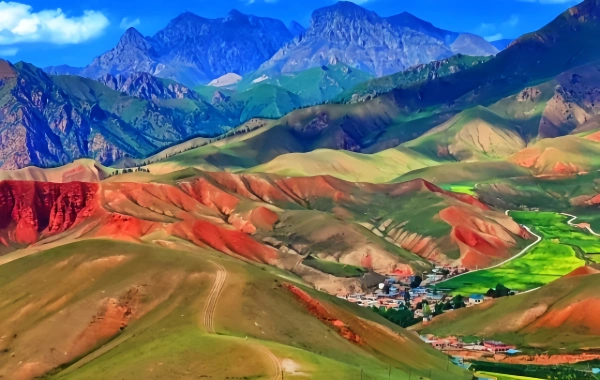
After waking up, join IntoExplore to visit Mount Zhuo'er, a stunning Danxia landform composed of red sandstone and conglomerate. Its Tibetan name, "Zongmuma Youma," means "Beautiful Rosy Queen." Facing across the river from the sacred Tibetan mountain Amne Machin (Niuxin Mountain) and the Babao River, Mount Zhuo'er offers an expansive, unobstructed view. From June to August, the red cliffs contrast beautifully with lush green meadows, forests, canola fields, and surrounding villages—like a spilled painter’s palette from heaven.
Highlights in the scenic area include: the Ethnic Unity Peace Pagoda, Xixia Beacon Tower, Lovers’ Cliff, Eye of Heaven, Amne Machin, Sky Bridge Shrine, Lunbuxiaguo, Thousand Warriors Cliff, and Danxia Flower Fields—each with unique charm and stories.
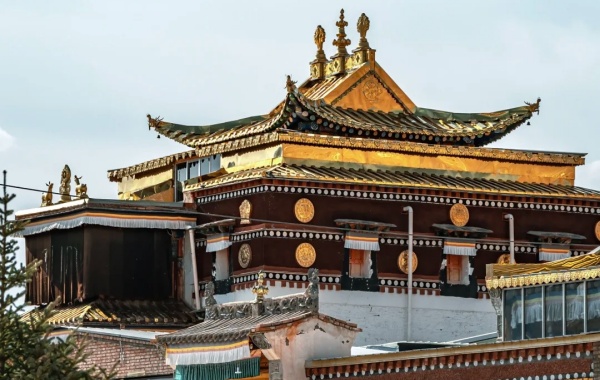
Next, head to Arou Monastery, the largest and most influential Gelugpa (Yellow Hat) Tibetan Buddhist monastery in the Qilian region. The temple sits with its back to Gongbaijialong Mountain and faces the Babao River. Built along the mountainside, its architecture harmoniously blends Tibetan and Han styles, featuring traditional courtyards, grand halls, golden stupas, and long prayer corridors.
One fascinating highlight of the monastery is a giant yak-hair tent reconstructed based on the original monastery tent. Covering 300 square meters, it uses 1,920 kg of yak hair, 2,520 meters of rope, 16 guy ropes, 34 ridge poles, 78 vertical poles, and one central beam. It can accommodate 500–600 people and is a Guinness World Record-worthy feat of craftsmanship.
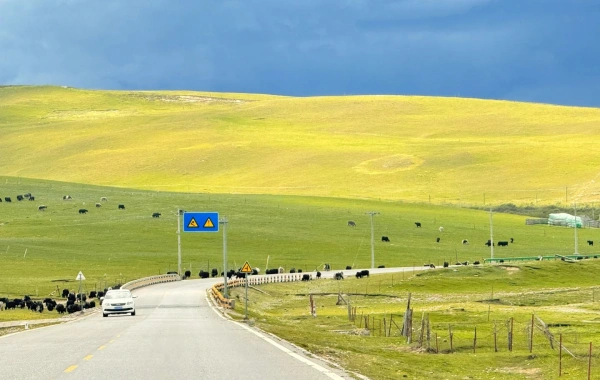
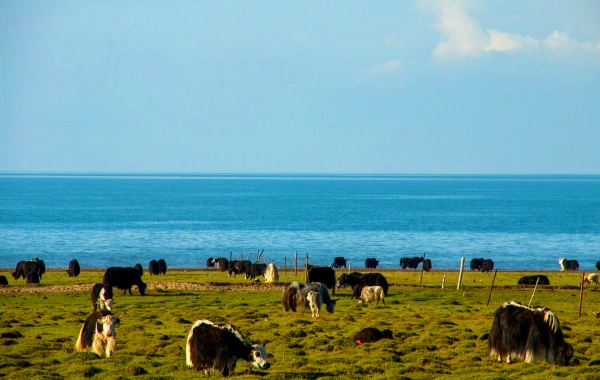
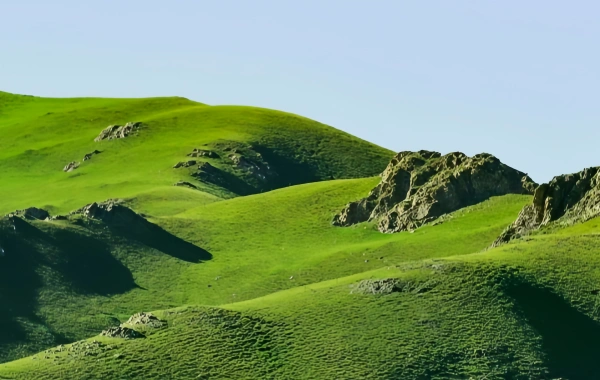
In the afternoon, visit the Qilian Mountain Grasslands, where vast green meadows meet majestic snow-capped peaks. The scenery is especially enchanting in the summer months (June to August), when colorful wildflowers—lavender, yellow rapeseed, white daisies, and more—bloom across the grasslands like a sea of color. The contrast of brilliant flowers, lush meadows, and snowy mountains creates an idyllic, postcard-perfect panorama.
After the visit, return to Xining, marking the end of a wonderful journey.
Based on 10,000+ traveler reviews