
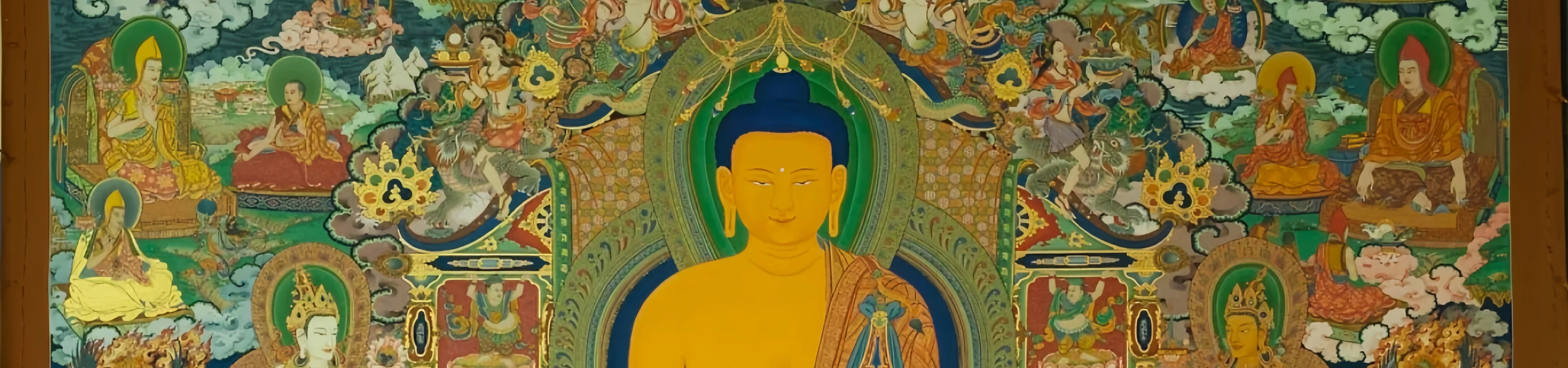
Thangka painting
Thangka painting, a traditional Tibetan Buddhist art form, is renowned for its intricate detail, vibrant colors, and profound religious symbolism. Originating in Tibet and flourishing across the Himalayan regions, Thangka serves as both a devotional object and a medium for storytelling, depicting deities, mandalas, and Buddhist teachings. Created on cotton or silk canvases with natural pigments, these paintings require meticulous craftsmanship, often taking months to complete. Thangka art not only reflects Tibetan spiritual beliefs but also embodies a rich cultural heritage, attracting art enthusiasts and scholars worldwide for its aesthetic beauty and historical significance.
Introduction & Historical Significance
Thangka painting, originating in 7th-century Tibet, is a UNESCO-recognized Intangible Cultural Heritage and the soul of Tibetan Buddhist art. In Shangri-La (Yunnan Province), this sacred art form has flourished for over 1,300 years, serving as both spiritual tool and cultural identity. Each thangka embodies Buddhist scriptures, astronomical knowledge, and philosophical teachings through meticulous brushwork. Traditionally created by monks or master artists, thangkas are used in rituals, meditation, and temple decorations, preserving the wisdom of Tibetan Buddhism across generations.
Artistic Features & Symbolism
- Composition: Intricate mandalas, deity portraits, and cosmic diagrams arranged according to sacred geometry, with central figures surrounded by symbolic motifs (e.g., lotus for purity, flames for wisdom).
- Materials: Natural pigments from minerals (lapis lazuli, malachite), plant extracts, and gold/silver leaf applied to cotton or silk canvas.
- Color Palette: Vibrant hues with symbolic meanings—gold for enlightenment, red for compassion, blue for wisdom. Gradients and shading create three-dimensional effects.
- Iconography: Figures follow strict proportions (e.g., Buddha’s hand length equals face width) to convey spiritual hierarchy and teachings.
- Detail Work: Micro-painting of tiny figures, floral patterns, and scriptural inscriptions requiring magnifying glasses.
Production Process
- Canvas Preparation: Cotton or silk stretched on wooden frames, coated with gum arabic or chalk to create a smooth surface.
- Sketching: Drafting with charcoal using traditional "measurement grids" to ensure proportional accuracy.
- Coloring: Layering pigments from light to dark, blended with animal glue for adhesion. Gold leaf applied last for luminosity.
- Outlining: Black ink defines contours, while fine brushes add intricate details like facial expressions and jewelry.
- Blessing Ritual: Final consecration by lamas, involving chants, incense, and offerings to imbue the thangka with spiritual power.
Cultural Significance
- Religious Use: Essential for daily prayers, Festivals (e.g., Saga Dawa), and life rituals (birth, marriage, death).
- Educational Tool: Teaches Buddhist cosmology, ethics, and historical narratives through visual storytelling.
- Community Bonding: Creation often involves collaborative efforts, fostering intergenerational knowledge transfer.
- Modern Revival: Workshops in Shangri-La train new artists, blending traditional techniques with contemporary themes (e.g., environmental protection).
Where to Experience
- Shangri-La Thangka Academy: Offers workshops (¥200-500/day) where visitors learn brushwork, pigment mixing, and gold leaf application.
- Dukezong Ancient Town Galleries: Display historic thangkas (14th-19th centuries) alongside modern interpretations.
- songzanlin monastery: Houses masterpieces in its prayer halls and offers guided tours explaining iconography.
- Local Studios: Family-run ateliers where artists create custom pieces, available for purchase (¥3,000-50,000+).
Ticket Information
- Museum/Gallery Entry: ¥50-100 for curated exhibitions; free for temple visits.
- Workshop Fees: ¥300-800 for half-day classes (materials included).
- Guided Tours: ¥150-300 for in-depth explorations of thangka history and symbolism.
Transportation Guide
- Public Transport: Buses 1/3 to Dukezong Square; taxis from city center (¥10-20).
- Self-Drive: 15-minute drive from Shangri-La city center; parking at old town gates (¥10/day).
- Airport Access: Direct shuttle (¥40) or taxi (¥90) from Diqing Airport.
- Walking Tours: Stone-paved lanes connect major studios and museums within the ancient town.
Best Time & Tips
- Optimal Seasons: May-June (mild weather) and September-November (golden autumn) for comfortable exploration.
- Photography Etiquette: Ask permission before photographing artists or sacred artworks; avoid flash.
- Cultural Respect: Dress modestly in temples; remove shoes before entering prayer halls.
- Packing: Light layers, sunscreen, and sturdy shoes; bring cash for artisan purchases.
- Local Markets: sifang street sells thangka-making tools (brushes, pigments) and miniature souvenirs.
Nearby Attractions & Itineraries
- Combined Tours:
- Morning: Thangka workshop + Songzanlin Monastery tour.
- Afternoon: Visit Puda-cuo National Park (15km) for alpine lakes or Napa Lake for birdwatching.
- Evening: Dukezong Square cultural stroll with thangka-inspired street art.
- Cultural Synergy: Pair with Tibetan medicine museums or traditional black pottery workshops.
- Extended Itineraries: 3-day Shangri-La cultural tour including Meili Snow Mountain trekking and Naxi Dongba rituals.
Thangka painting in Shangri-La is a living bridge between the divine and the human—where every brushstroke carries prayers, every color tells a story, and every artwork guards the wisdom of centuries. As a UNESCO-recognized masterpiece of intangible heritage, it continues to inspire global travelers seeking spiritual beauty and artistic excellence in China’s Southwest.


Contact Us
Что говорят наши клиенты?
На основе более 10 000 отзывов путешественников

Daniel Dorothea
Canada
Reviewed on April 29,2025
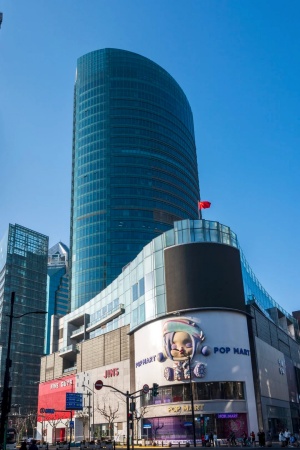
Shopping on Nanjing Road in Shanghai was just amazing! It's truly the "First Commercial Street of China", where tradition and modernity blend perfectly. You can find awesome souvenirs and experience the trendy vibes in cool stores. The neon lights at night are just spectacular, shining bright like Times Square in New York. The food here is incredible too. I had a feast for my taste buds. Shanghai, I'll definitely be back!
Destination(s):
Shanghai
Date of
Experience:
May 08,2024

Elvis Eva
Canada
Reviewed on June 20,2025
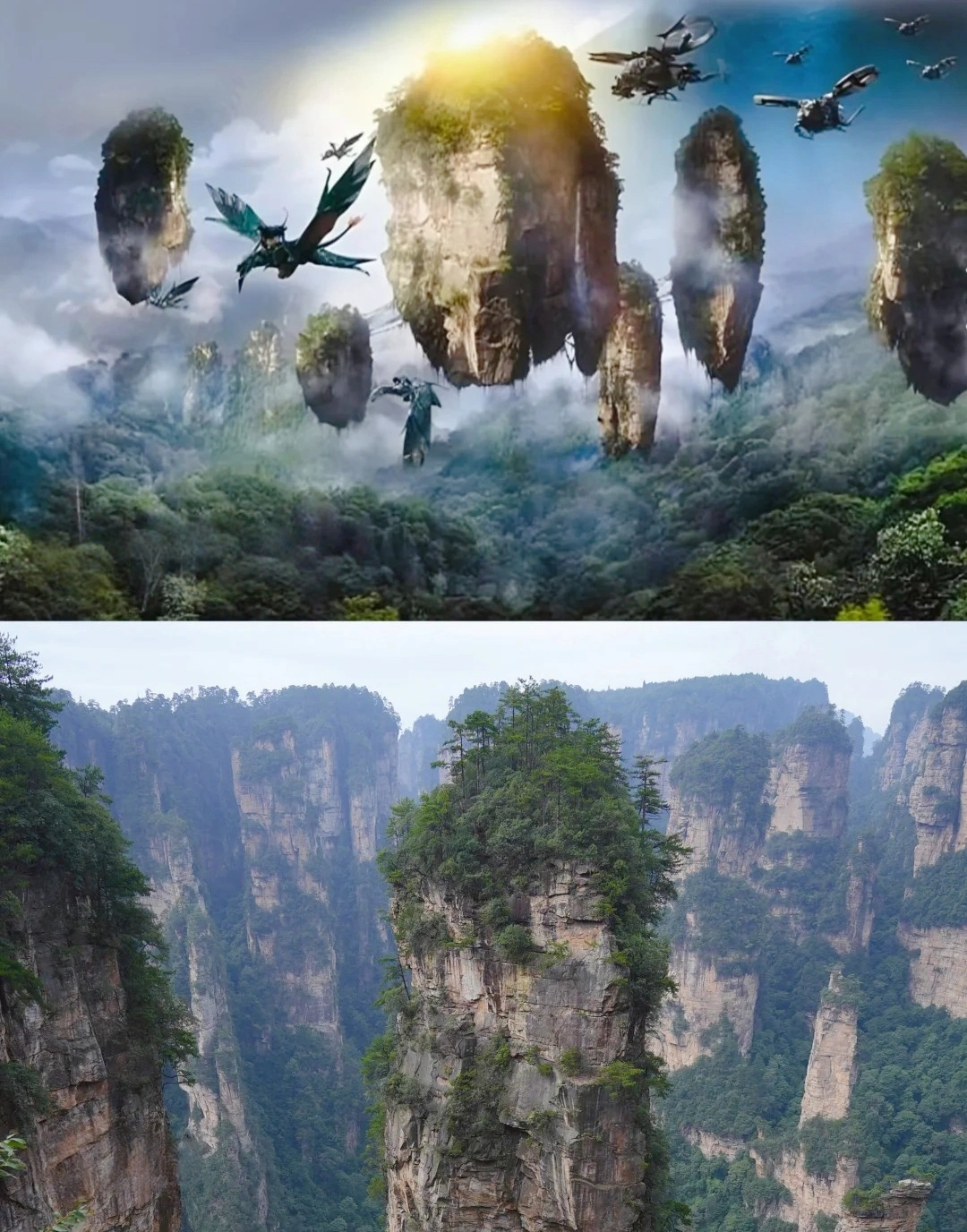
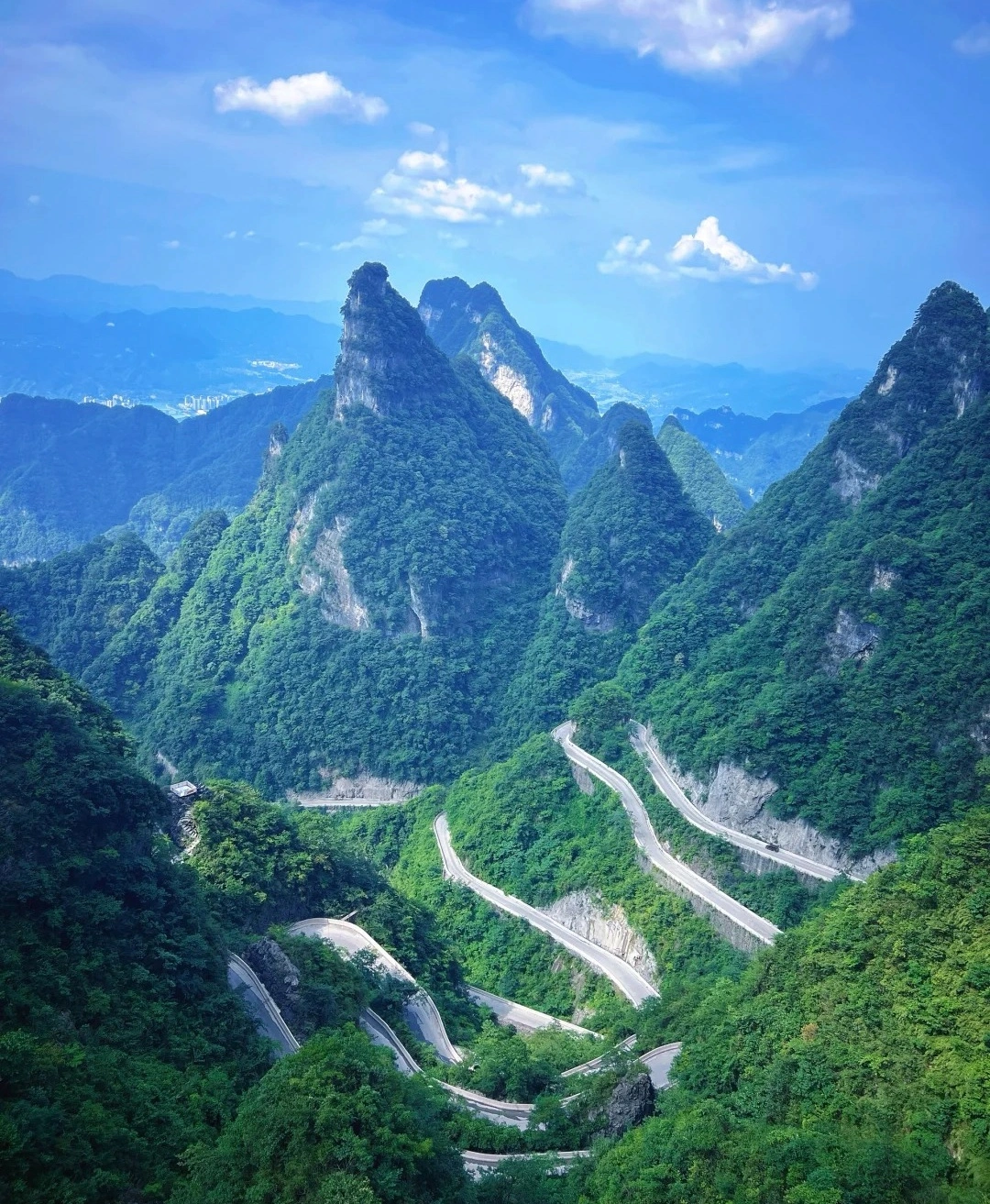
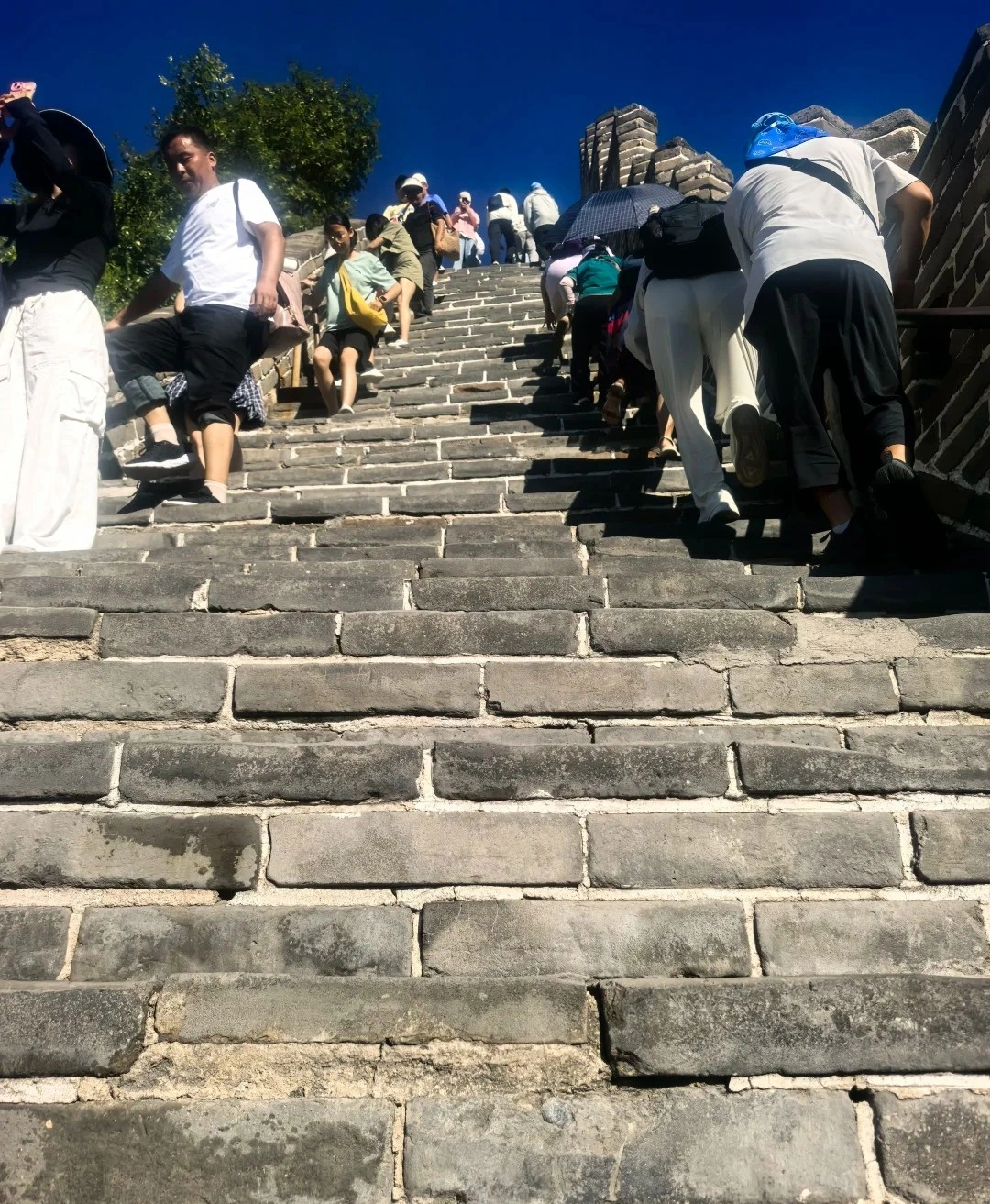
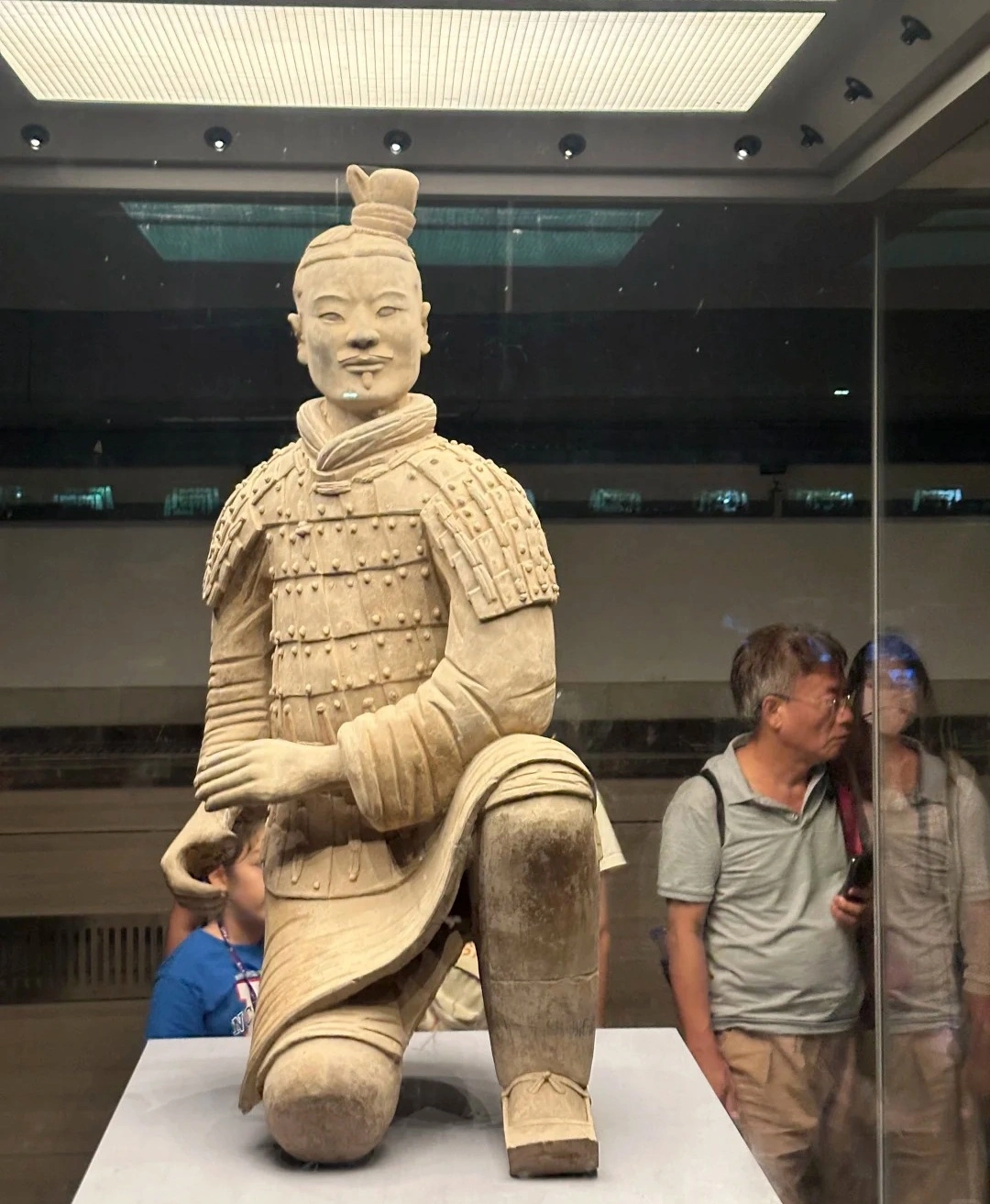
As a solo traveler from Canada, I was nervous about navigating China alone—but this 11-day tour was PERFECT! From hiking the Great Wall at sunrise (Day 3) to gasping at the Terracotta Army (Day 5), every day delivered ‘pinch-me’ moments. The real showstopper? Zhangjiajie’s Avatar Mountains (Day 7)! Our guide made the stone pillars come alive with stories.
Massive thanks for handling all logistics—bullet train tickets, entry passes, car! And the 4-star hotels surprised me.
Destination(s):
Beijing Xian Zhangjiajie Shanghai
Date of
Experience:
June 02,2025

Simon
America
Reviewed on May 29,2025
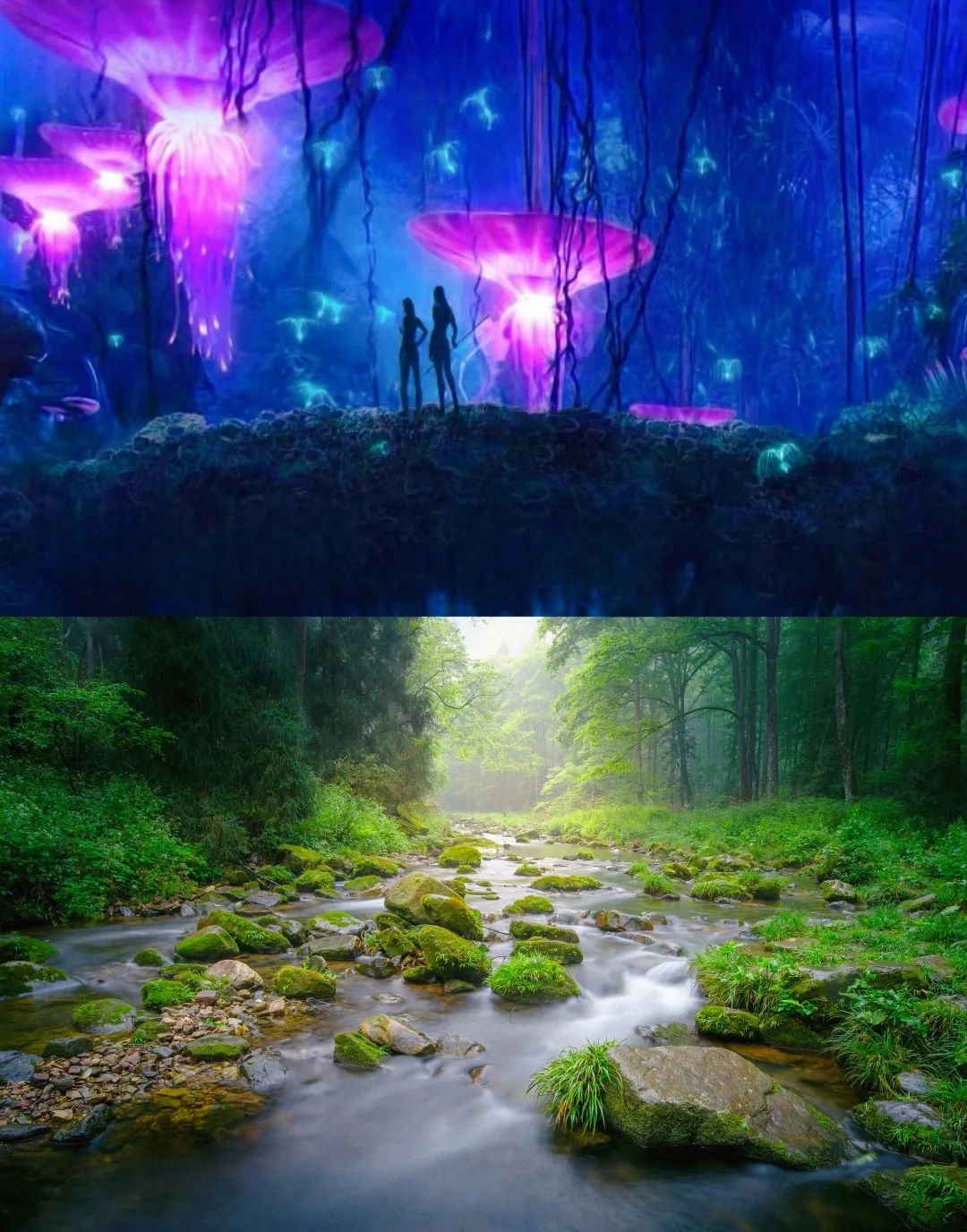
Our 2-day Zhangjiajie tour was beyond spectacular! As someone who’s visited Beijing and Shanghai for work, this trip revealed China’s wild, magical heart. Day 1 in Zhangjiajie National Forest Park felt like stepping onto Pandora—I’m a huge Avatar fan, and Yuanjiajie’s floating peaks left me breathless. The misty pillars and lush valleys like pure movie magic!
Then came Fenghuang Ancient Town, we eat dinner beside the thundering waterfall. It seems Unreal! The night views of stilt houses glowing over the river were straight from a fairy tale.
For fellow Avatar lovers and adventure seekers: Don’t miss this bucket-list experience! 10/10 would return.
A Well-Traveled Film Buff, May 2025
Destination(s):
Zhangjiajie
Date of
Experience:
May 08,2025