

Cangshan: A Thousand Year Watchtower from the Roof of the World to the Summit of Wind, Flowers, Snow, and Moon
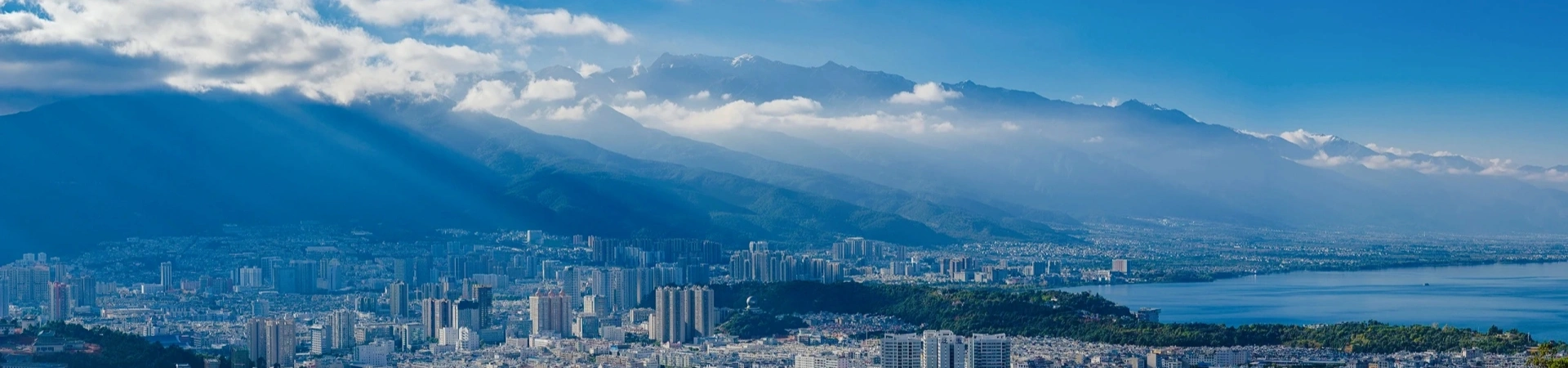
Cangshan Mountain, a 4,000-meter-high range south of Dali, Yunnan, is a UNESCO Global Geopark. With 19 peaks and 18 creeks, it forms a dramatic backdrop to Erhai Lake. Famed for marble peaks, alpine meadows, and rare flora (like the azure Cangshan gentian), it’s sacred to the Bai people and a hiker’s paradise.
Overview: A natural and cultural temple spanning time and space
Cangshan, located in Dali Bai Autonomous Prefecture, Yunnan Province, is a geographical wonder at the junction of the Yunnan-Guizhou Plateau and Hengduan Mountains. It consists of nineteen peaks with an altitude of over 3000 meters, arranged continuously from north to south, with the highest peak, Malong Peak, reaching an altitude of 4122 meters.
Quick overview of core highlights
Identity tags: "Cangshan Snow" in Dali's "Wind, Flower, Snow, Moon"/World Geopark/One of China's Top Ten "Unfamous" Mountain Peaks
Core Experience: Aerial View of Ximatan Cableway, Strolling on Jade Belt Cloud Tour Road, Exploring the Clear Bixi Canyon, Tasting tea and Seeking Solitude at Jizhao Temple
Suggested tour: 1-2 days, strongly recommend combining cable car rides with hiking to experience the fantastic scenery at different altitudes
Address: West of Dali Old City, Dali, Dali Bai Autonomous Prefecture, Yunnan Province
Origin: Geological epic and humanistic legend
Epic of the Earth - Wonders of Billions of Years of Plate Collisions
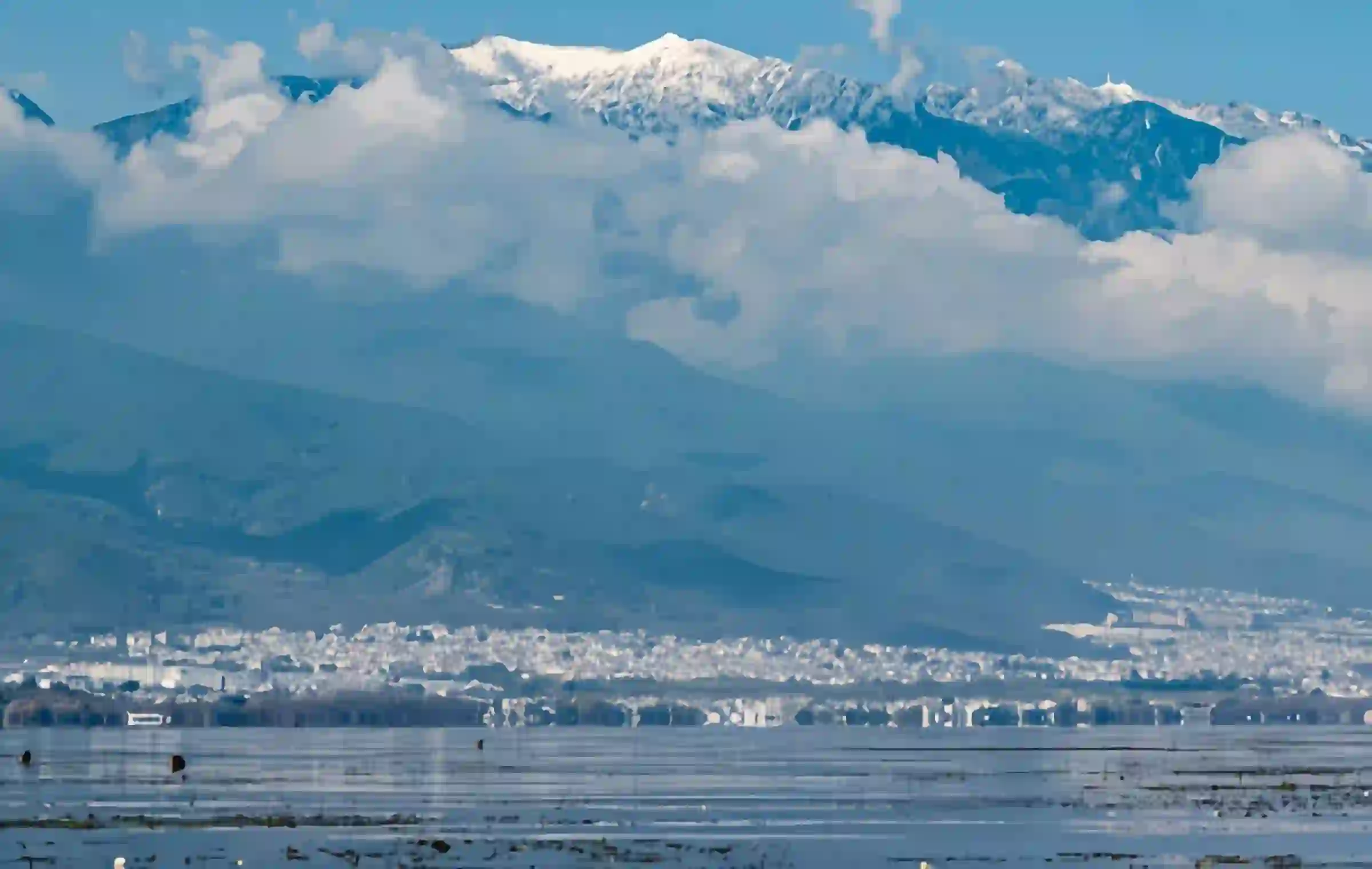
The rise of Cangshan is a magnificent geological epic. About 65 million years ago, the intense collision between the Indian Ocean Plate and the Eurasian Plate created the Himalayan orogeny. During this process, the Hengduan Mountains, where Cangshan is located, were strongly uplifted, subjected to tremendous compression and rupture, shaping the magnificent skeleton of the 19 peaks and 18 streams of Cangshan with towering cliffs and deep flowing streams. The mountain is mainly composed of ancient metamorphic rocks, and its glacial remains (such as the Ximatan Ice Bucket Lake) are "living fossils" for studying Quaternary paleoclimate. Cangshan and Erhai Lake on the east side form a unique geomorphic unit of "Cang Erhai symbiosis", and the huge alluvial fan at the foot of the mountain has nurtured the rich Dali Dam, laying the foundation for the birth of a millennium civilization.
Humanistic Legends - The Natural Barrier and Spiritual Totem of the Ancient Kingdom of Nanzhao
Cangshan is not only a geographical barrier, but also a witness and participant in the millennium civilization history of Dali. In the Tang Dynasty, Nanzhao Kingdom, which ruled over the Erhai Lake area, established its capital city Taihe City (located at the top of the Cangshan Buddha Peak) with Cangshan as a natural barrier, making Cangshan the sacred "backing" of the kingdom. The numerous Buddhist temple ruins and cliff carvings from the Nanzhao period preserved in the mountains tell the story of the past of the Buddhist kingdom. Cangshan is deeply integrated into the beliefs and lives of the Bai people, and is regarded as the residence of the guardian deity "Mountain God". The combination of "Cangshan Snow", "Erhai Moon", "Shangguan Flower", and "Xiaguan Wind" has long been elevated to the most romantic cultural symbol in Dali. Countless folk legends, such as the poignant story of "Wangfu Yun", have added endless humanistic warmth to this magnificent mountain range.
In depth understanding: Explore more China's world parks>>Zhangjiajie Global Geopark
Must See Wonders: Symphony of Natural Creation and Ancient Cultural Charm
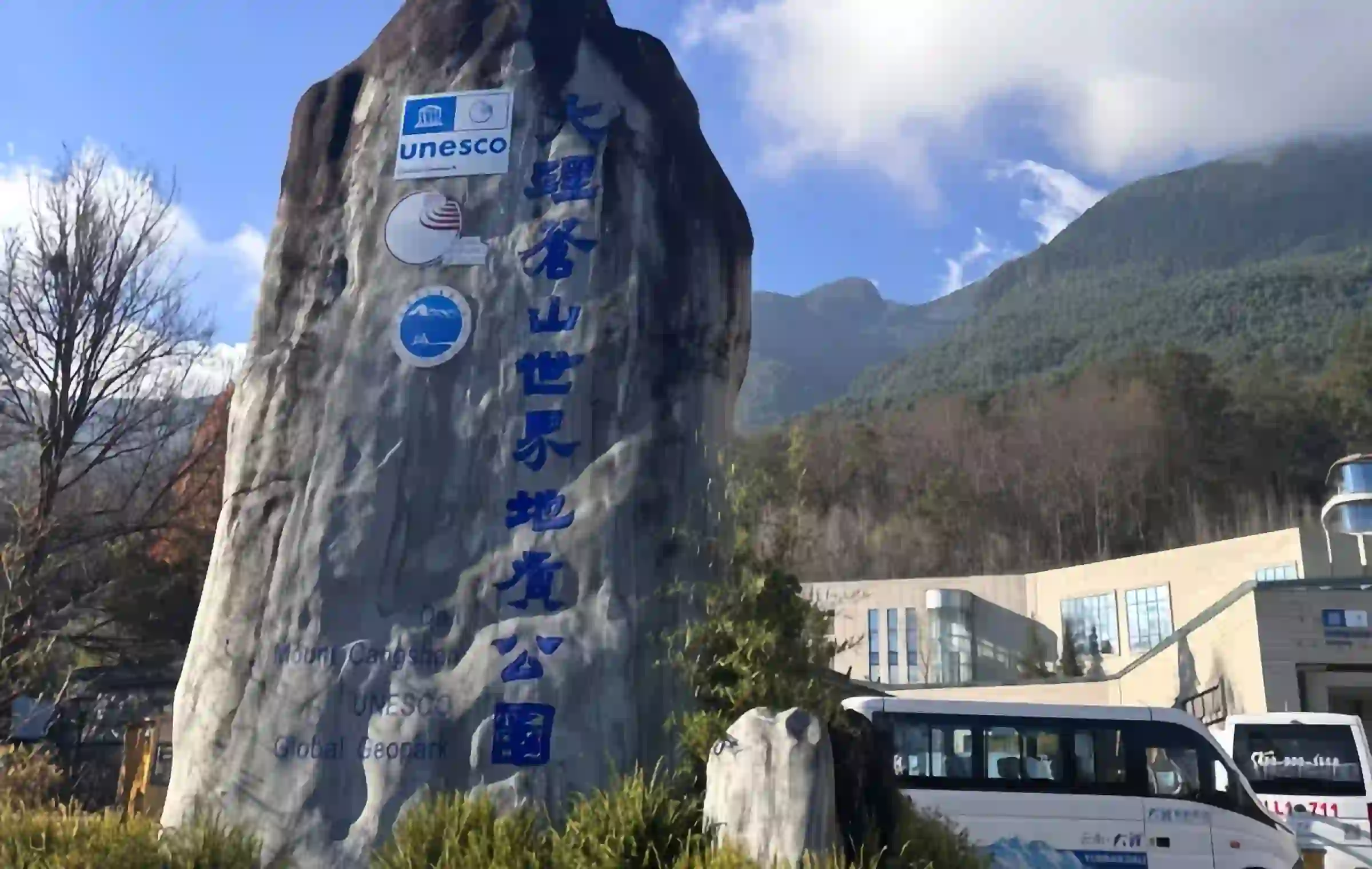
Natural Creation - Vertical Distribution Ecological Gallery
The natural beauty of Cangshan lies in its seven complete vertical vegetation bands spanning from the foot of the mountain to the top, which can be regarded as a three-dimensional ecological encyclopedia.
The rugged summit: glacial ruins and high mountain lakes
At an altitude of over 3900 meters, the top of Cangshan Mountain preserves complete remnants of Quaternary glaciers. Ximatan, as an iconic glacial lake in Cangshan, is said to be the holy land where Emperor Kublai Khan stationed Ximatan during his expedition to Dali. The pond water is as clear as jade, surrounded by sharp peaks and ridges like knives and axes, appearing and disappearing in the clouds and mist, with a myriad of phenomena. In spring and autumn, the high mountain azaleas here are in full swing, complementing the lingering snow, making it a breathtaking sight.
Agile Creek: Eighteen Streams and Clear Blue Secret Realm
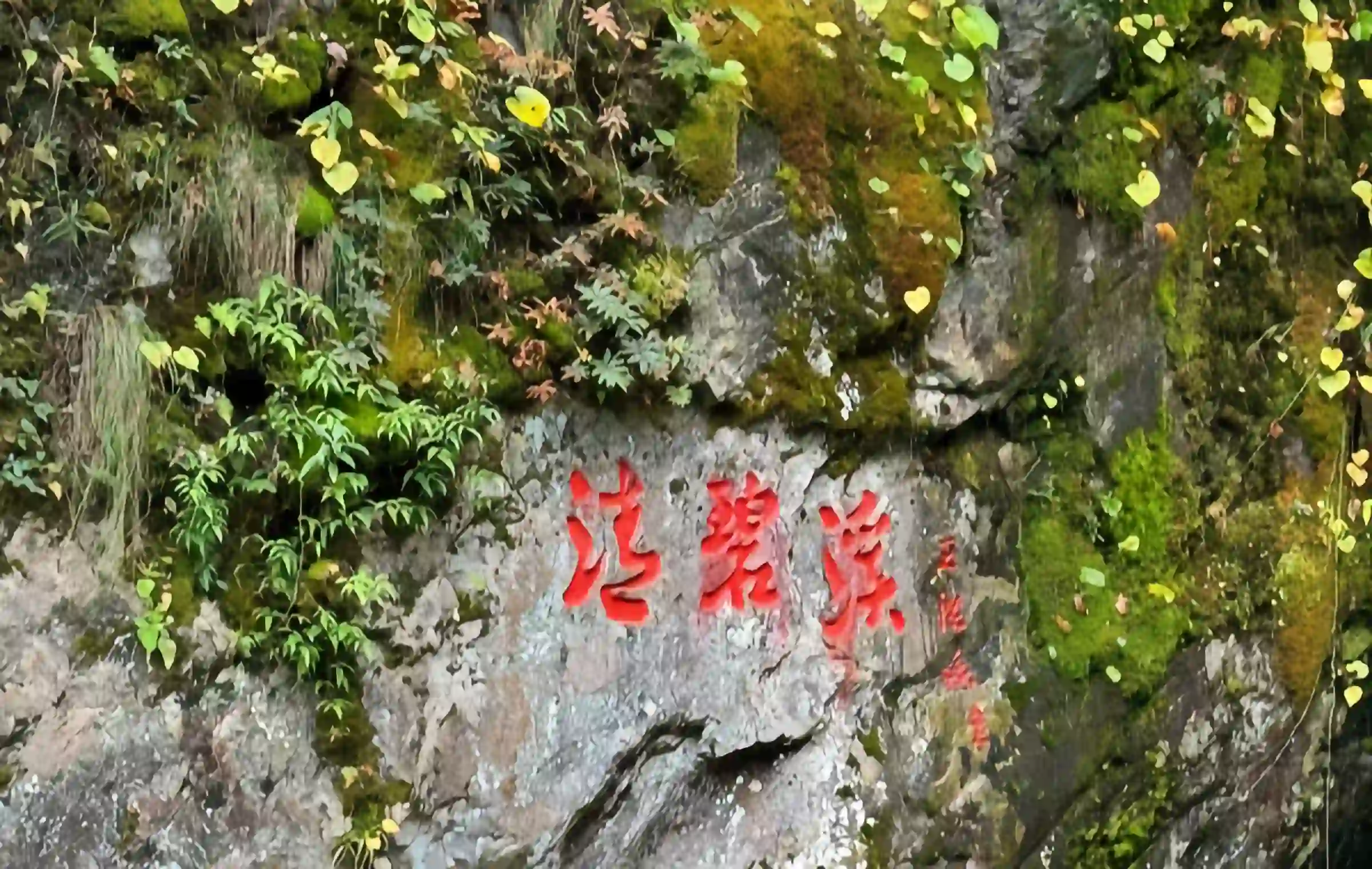
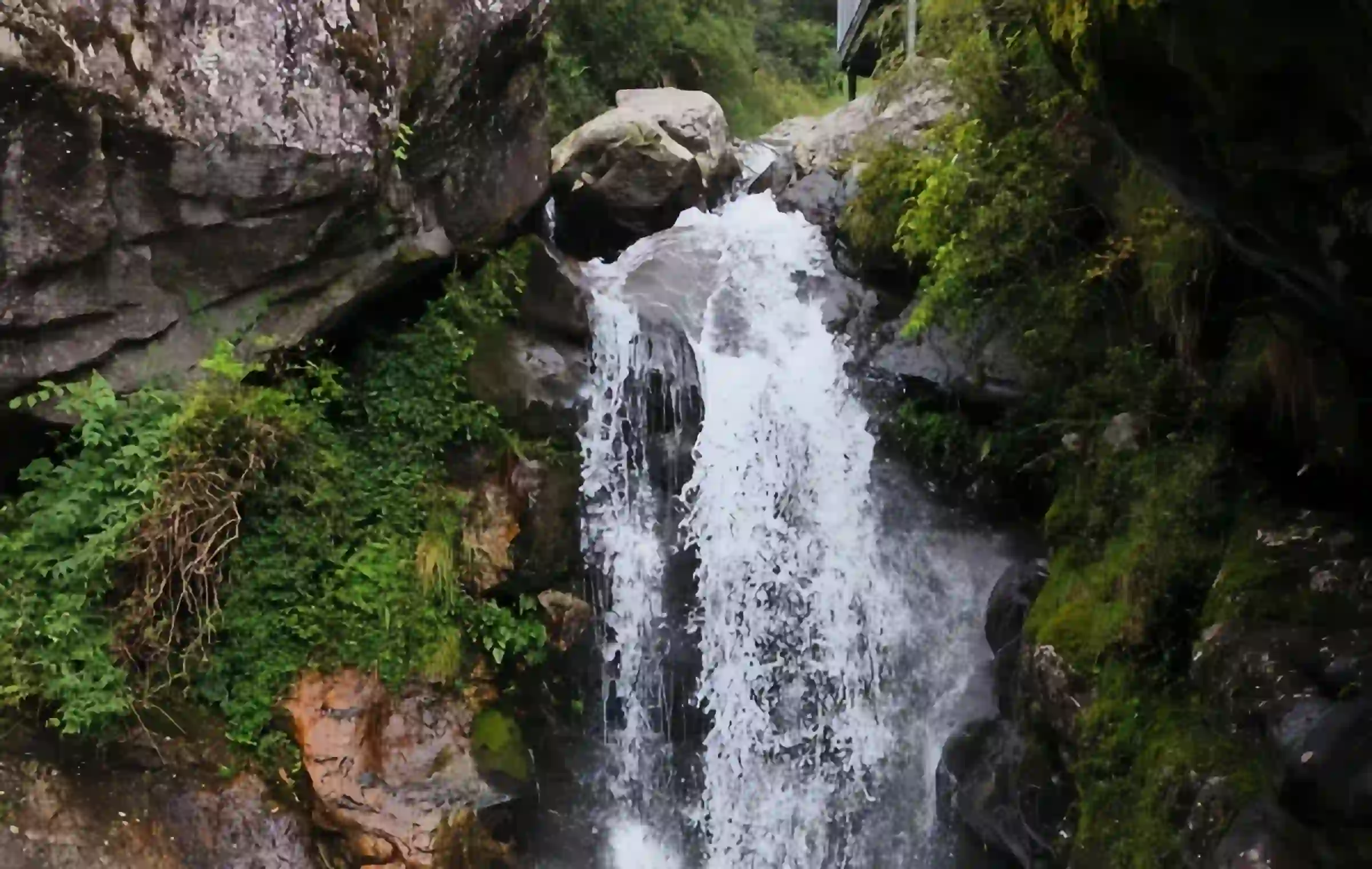
The eighteen streams between the nineteen peaks of Cangshan are the source of life that flows into Erhai Lake. Each stream has a unique temperament due to its flow through different geological zones. Among them, Qingbi Creek is known as the "first stream of Cangshan", with its three pools (upper, middle, and lower pools) cascading water and flying flowers, clear to the bottom, and colorful stones at the bottom of the pool. The Ming Dynasty traveler Xu Xiake once praised it for its "water and mountain scenery, penetrating the heart and spleen". Hiking along the stream, the sound of water gurgling, and the shade blocking the sun, is an excellent choice for summer escape.
Forest of Mysteries: Kingdom of Rare Animals and Plants
Due to the lack of human activity, Cangshan has preserved a complete vegetation sequence from semi humid evergreen broad-leaved forests to alpine shrub meadows. This is an important habitat for Yunnan snub nosed monkeys, and is also home to endemic species such as Cangshan fir and Dali rhododendron. Every year in late spring and early summer, from an altitude of 2600 meters to 3800 meters, different varieties of azaleas bloom one after another, decorating the mountains into a magnificent sea of flowers. Hiking among them, there are often birds chirping and squirrels jumping, full of wildness.
Humanistic and Ancient Rhymes - Sanskrit Sounds and Poetry among the Mountains
The cultural landscape of Cangshan is deeply hidden in the dense forests, ancient paths, and Zen temples, blending seamlessly with nature.
Yudai Yunyou Road: a hiking trail on the mountainside with an average altitude of about 2600 meters and a total length of about 18 kilometers. Named after the white cloud bands that often stretch across the mountainside like belts. Walking here, you can see the green valley of Cangshan Mountain on the left, and the hundred mile Erhai Lake and Dalibazi Lake on the right. With a wide view and easy walking, it is the essence route to experience the artistic conception of "Cangshan without ink painting for thousands of years".
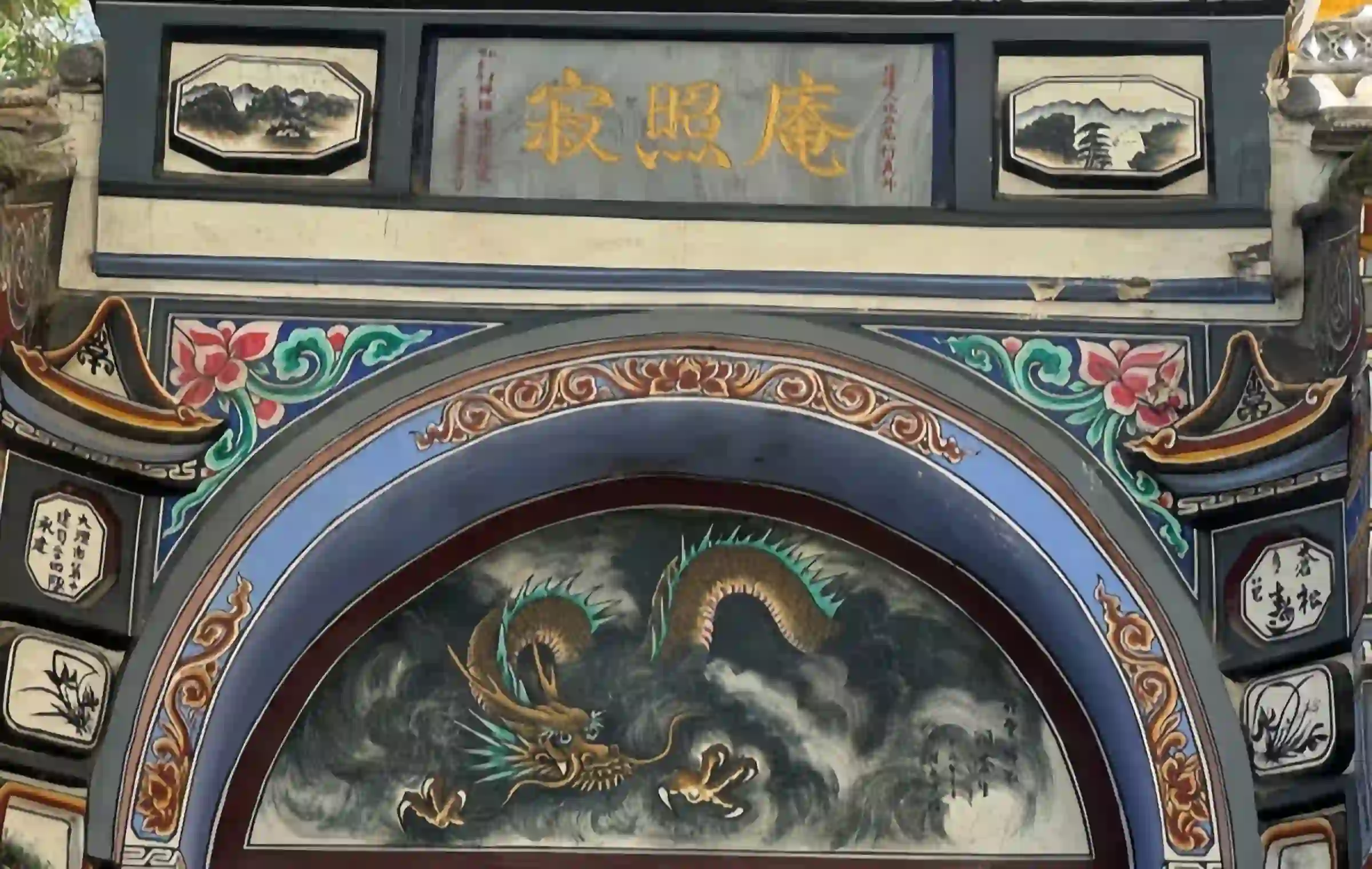
Ancient Temples in the Mountains: Numerous ancient temples such as Gantong Temple, Jizhao Temple, and Wuwei Temple are scattered at the foot of Cangshan Mountain. Gantong Temple has a long history and has hosted literati Yang Shen and Li Yuanyang from the Ming Dynasty; Jizhao Temple is famous for its lush succulent plants and tranquil and elegant environment in the courtyard, and is known as the "most beautiful nunnery in China". Here, you can enjoy a cup of clear tea and a moment of Zen meditation.
The remains of Nanzhao: The Taihe City ruins located at the peak of Cangshan Buddha Peak were the first capital city of Nanzhao Kingdom. Although the ground buildings have been lost, the preserved "Nanzhao Dehua Stele" is a precious cultural relic for studying the history of Nanzhao. Climbing up to this point, overlooking Erhai Lake, reminiscing about the vicissitudes of ancient times, a sense of historical vicissitudes arises naturally.
Cangshan Geological Museum: Located at the foot of the mountain, it is the gateway to understanding the formation, ecology, and culture of Cangshan. Through rich rock specimens, animal and plant models, and multimedia displays, the system reveals the natural mysteries of this mountain range for billions of years.
Photography tips:
Ximatan is an excellent location for capturing glacier landscapes and high-altitude flowers. It is easy to encounter the wonders of a sea of clouds in the early morning;
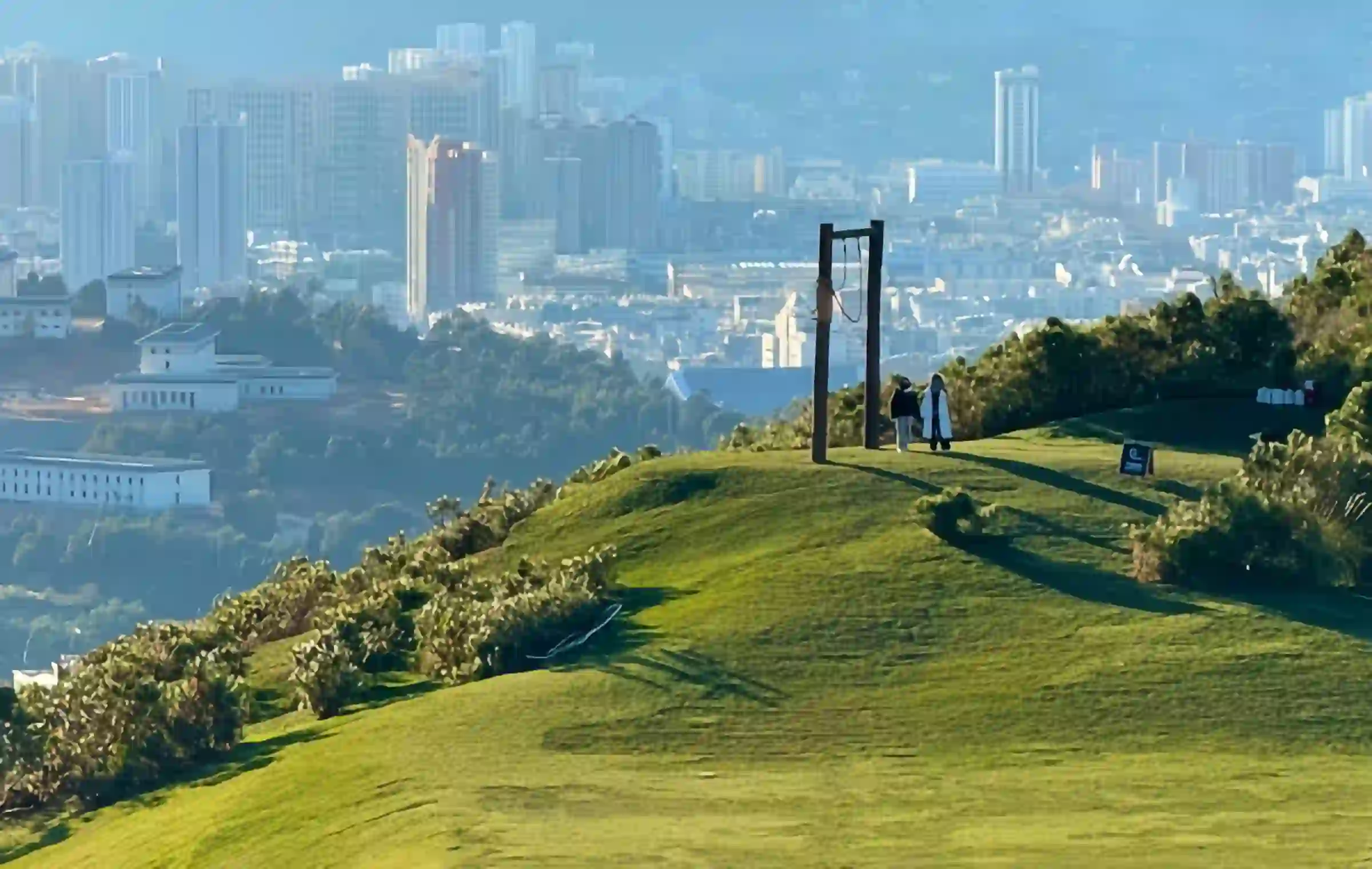
The observation deck on the Jade Belt Cloud Tour Road is a classic spot for taking panoramic shots of Erhai Lake and "Jade Belt Clouds", with the best lighting in the afternoon;
The courtyard of Jizhao Nunnery is suitable for photographing still life and light and shadow, full of Zen beauty;
Using a telephoto lens, one can capture the majestic and continuous ridge lines of Cangshan on the east bank of Erhai Lake across from them.
Core Experience: Immersive Cangshan Exploration Guide
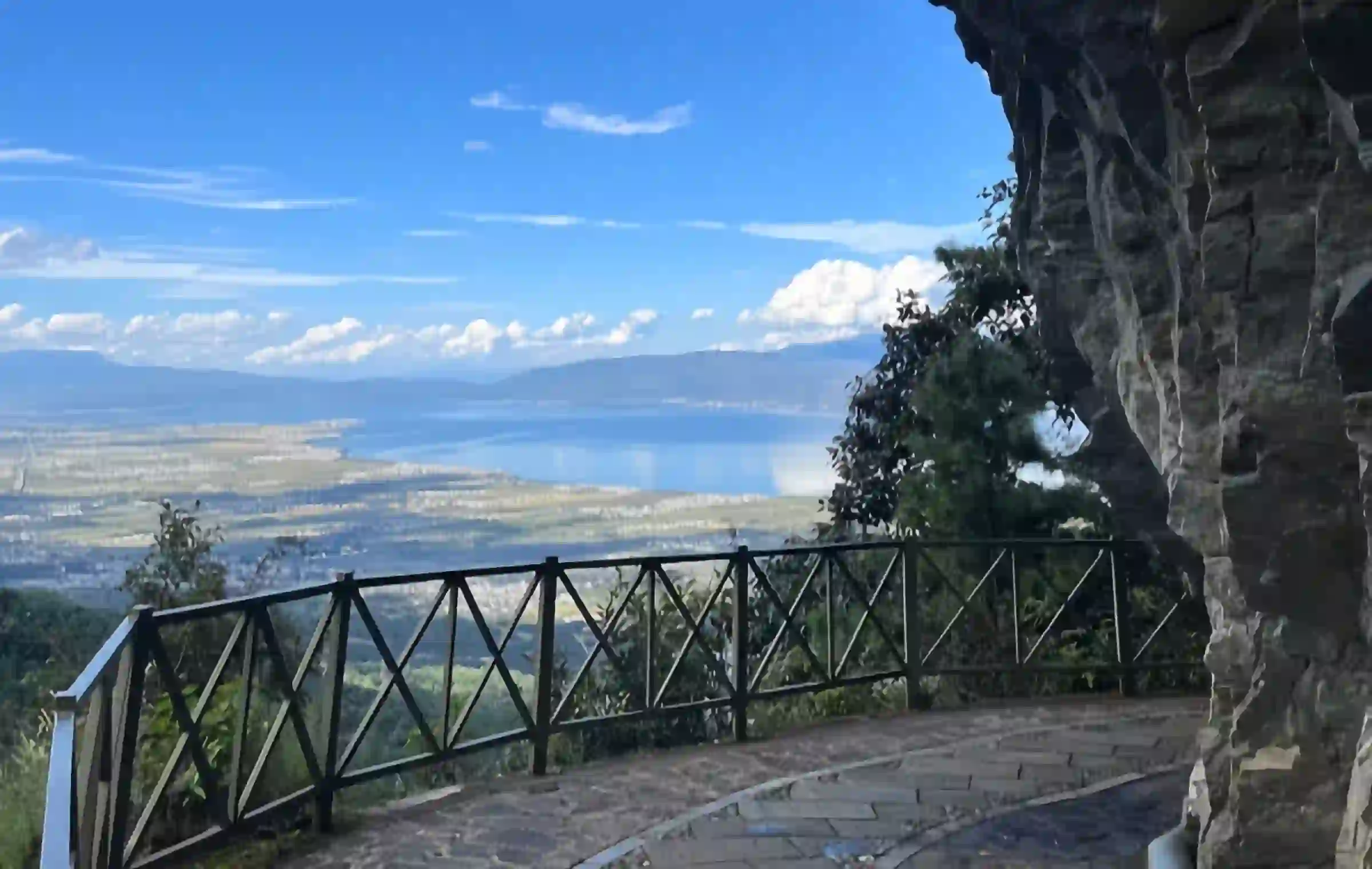
Five essential tasks to unlock the three-dimensional Cangshan
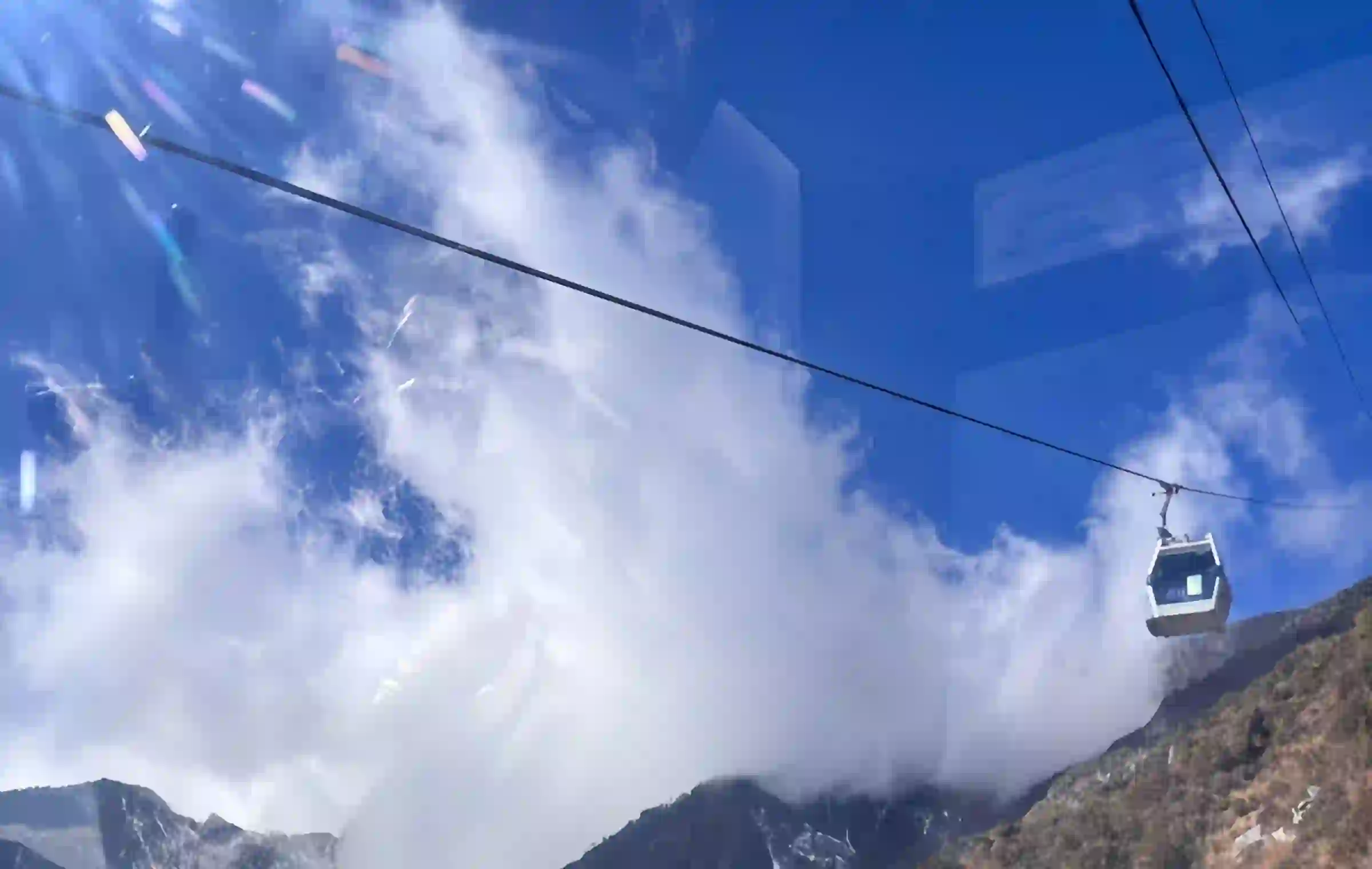
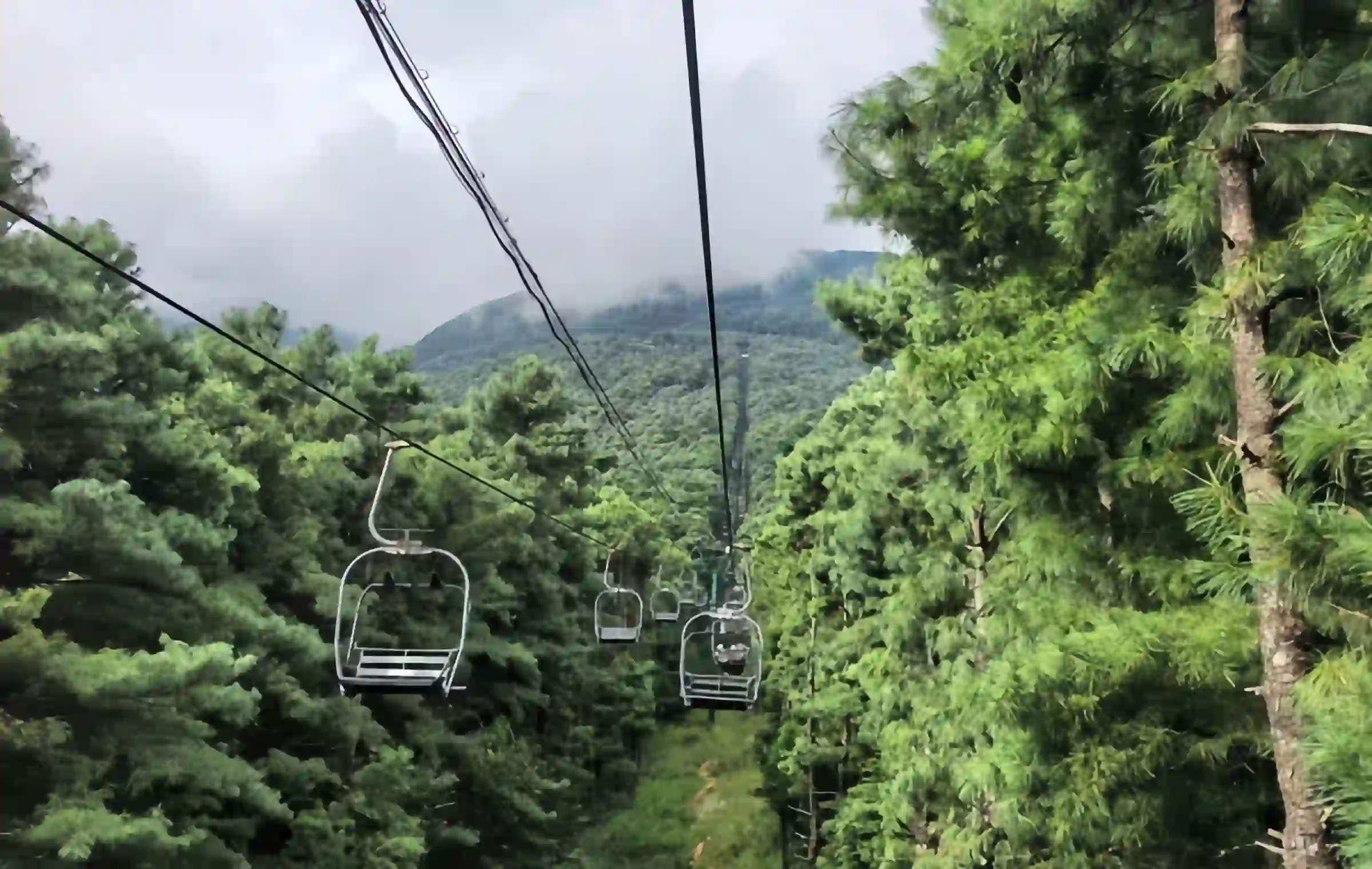
Jumping over the Cang'er Skyline by Cableway: Take the 5555 meter long Ximatan Cableway from the foot of the mountain to an altitude of 3900 meters. The one-way journey takes about 40 minutes, spanning over a kilometer vertically. Along the way, you can overlook Erhai Lake like a mirror and the ancient city like a chess game, experiencing the vertical changes of vegetation from warm temperate zone to cold temperate zone. The visual impact is extremely stunning.
Strolling along the Jade Belt Road, become a painted person: choose the Jade Belt Cloud Tour Road from Qingbi Creek to Qilong N ü chi or Zhonghe Temple section for hiking. The road is flat and the view is excellent, as if walking on the edge of a huge landscape painting. In spring, admire the mountain flowers; in autumn, appreciate the colorful forests; all seasons are beautiful.
Visiting Qingbi Creek and the Most Beautiful Zen Monastery: Hiking Qingbi Creek in the morning, touching the cool stream water, and breathing pure air; At noon, head to Jizhao Temple to taste a simple and delicious vegetarian meal, enjoy tranquility amidst the flowers and succulents in the courtyard, and complete a dual cleansing of body and mind.
Pursuing the High Mountain Rhododendron Sea: Late April to June is the best time every year. Going deep into Yangbi County on the western slope of Cangshan or along the high-altitude Ximatan, you can encounter vast forests of wild azaleas, colorful and grand in scale, like a fairyland.
Tasting a Mountain Wild Bai Ethnic Flavor: Must try specialties include Yangbi Walnut Banquet (served with high-quality local walnuts), Cangshan Wild Mushroom Hot Pot (seasonal limited, extremely delicious), and Jizhao An Su Zhai. For snacks, we recommend roasted milk fans, Bai ethnic three course tea, and Yangbi roll noodles.
Tourist Route Suggestions
One day "Cableway Panorama" Quick Tour (Suitable for Most Tourists):
In the morning, arrive at the lower station of the Cangshan Ximatan cableway, take the cableway up the mountain, visit the Ximatan scenic area, and appreciate the high mountain lakes and flowers (about 2-3 hours). At noon, take the cableway down to Qilong Women's Pool Station and hike around Qilong Women's Pool. In the afternoon, you can choose to continue hiking a section of Yudai Road, or go straight down the mountain to visit the Gantong Temple and Jizhao Temple areas (about 1.5 hours). This itinerary is efficient and allows you to experience the high and mid altitude core landscapes of Cangshan.
IntoTravelChina reminds that the operation of the Ximatan cableway is greatly affected by the weather on the mountaintop, especially strong winds. It is recommended to go as early as possible in the morning and check the operation announcement in advance.
Two day immersive tour of "Deep Natural Culture" (highly recommended):
Day 1: Geological Ecology and High Altitude Experience
In the morning, visit the Cangshan Geological Museum to establish a knowledge background. Then take the Ximatan cableway to the top of the mountain and deeply explore the Ximatan area to adapt to the high-altitude environment. In the afternoon, take the cableway down to the mountainside, and take a hike in the essence section of the Jade Belt Yunyou Road (such as the Qilongnvchi to Qingbixi). In the evening, stay in the characteristic homestay at the foot of Dali Old City or Cangshan Mountain.
Day 2: Cultural Exploration and Western Slope Customs
In the morning, go to Jizhao Temple for tea and meditation, and then visit Gantong Temple. In the afternoon, you can charter a car to Yangbi County on the west slope of Cangshan Mountain to visit the steep Shimen Pass Canyon, or in spring, go deep into Guangming Village and other places to appreciate the thousands of acres of rhododendron flower sea and millennium old walnut forest. Return to Dali in the evening.
The advantages of IntoTravelChina: We can book the most suitable accommodation for you, arrange the connection of all activities, and provide detailed hiking routes and safety guidelines.
Professional guide: IntoTravelChina can provide you with a personalized itinerary, including exclusive tour guides, transportation, and activity arrangements, allowing you to have a worry free and in-depth experience. >>Consult now for customization
Travel Guide: Transportation, Accommodation, and Seasons
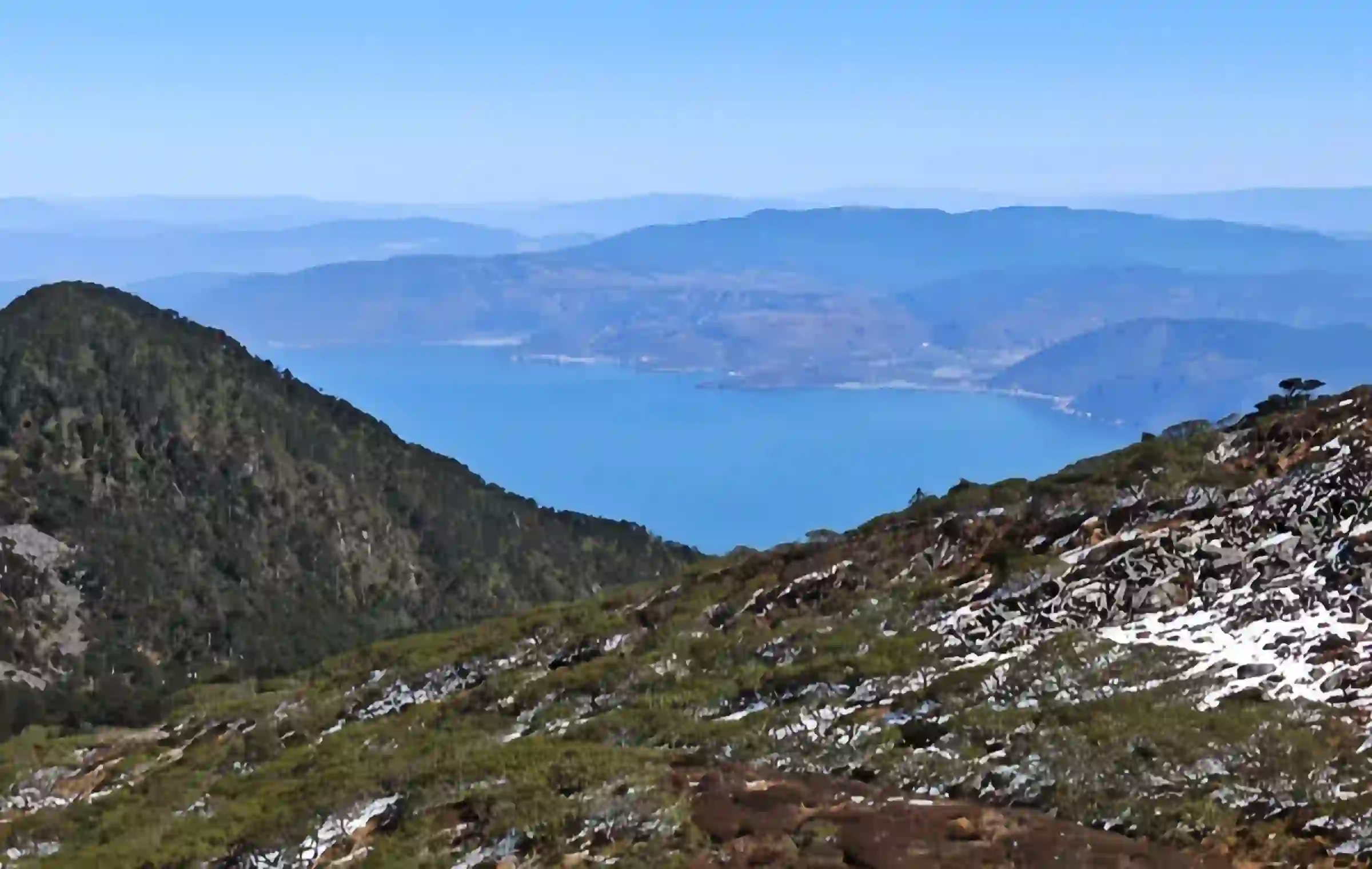
How to reach: Seamless Connection Guide
Cangshan is close to Dali Old City, with mature and convenient transportation network.
Airplane/high-speed railway: fly to Dali Airport or take high-speed railway to Dali Station, then take a taxi or bus (such as the three tower line) to Dali Old City (about 30-40 minutes' drive). The ancient city is a distribution center for traveling to various cable car stations.
From the ancient city to the cableway: There are direct trains from the tourist center at the south gate of the ancient city to the scenic spots of Ximatan cableway and Gantong cableway. It is also easy to take a taxi or rent an electric scooter to get there. Each cableway station is about 10-20 minutes' drive from the ancient city.
Self driving/chartered car: suitable for connecting with Erhai Lake, Xizhou, Shuanglang and other places for flexible and free travel.
Best Travel Time
The scenery of Cangshan varies throughout the four seasons, but spring (March May) and autumn (September November) are the most comfortable and scenic golden seasons.
Spring and Autumn Golden Season (March May, September November): Stable weather and high visibility. In spring, mountain flowers are everywhere, especially alpine azaleas; In autumn, the sky is high and the clouds are light, and the layers of forests are stained. It is the best season for hiking and photography.
Summer rainy season (June August): Abundant rainfall, lush vegetation, spectacular streams, unpredictable clouds and mist, like a fairyland. But rain gear needs to be prepared, as some sections may be slippery and the operation of the cableway is greatly affected by weather conditions.
Winter Snow Viewing Season (December February): The "Cangshan Snow" landscape is the most typical, with snow capped peaks and magnificent scenery. High altitude areas are cold and require adequate cold protection, but there are relatively few tourists and the accommodation is cost-effective.
Accommodation Options
In Dali Old City (first choice, convenient choice): There are a wide range of accommodation options, ranging from youth travel, boutique hotels to high-end hotels. Catering, nightlife, and convenient transportation make it an ideal base for visiting Cangshan and Erhai Lake.
At the foot of Cangshan Mountain/Gantong Temple area (quiet choice): There are several boutique homestays or hotels hidden in the mountains and forests, with a quiet environment and a straightforward view, suitable for travelers who pursue tranquility and deep experience of nature.
On the west bank of Erhai Lake (landscape selection): A seaside inn near Caicun and Longkan Wharf, where you can enjoy the view of Cangshan Erhai Lake at the same time, but it requires a certain drive to reach Cangshan Cableway Station.
IntoTravelChina accommodation booking recommendations:
During the peak tourist season in Dali (Spring Festival, National Day, summer vacation, and major festivals), accommodation is tight, especially for bookings of ancient city and scenic rooms. By booking with us, you can not only get real-time room availability and exclusive discounts, but also recommend the most suitable accommodation area based on your itinerary focus (emphasizing hiking or cultural leisure), and ensure seamless transportation connection. >>Click to contact IntoTravelChina travel consultant
Extended journey: connecting the essence loop line in northwest Yunnan
Classic 4-day trip to Lijiang Snow Mountain: the Old Town of Lijiang → Yulong Snow Mountain (Glacier Park, Blue Moon Valley, Impression Lijiang) → Baisha Ancient Town and Shuhe Ancient Town → Lashihai. This is a classic introductory journey from holy snow capped mountains to soft times.
Classic 7-day panoramic tour of Yunnan: Kunming (Stone Forest, Old Street) → Dali (Xizhou Ancient Town, Erhai Lake, Three Towers, Cangshan Mountain) → Lijiang (Ancient City, Yulong Snow Mountain, Blue Moon Valley) → Shangri La (Songzanlin Temple, Pudacuo National Park). This is a complete cultural and natural painting that runs through the golden tourism route of Yunnan, from karst wonders to wind, flowers, snow, and moon, from snow capped mountains and holy lakes to Tibetan secret places. >>View the 7-day Yunnan panoramic tour route
Related recommended reading:
> - Yunnan’s Secret Bites: Cross-Bridge Noodles & Wild Mushroom Hotpot > - Yunnan Food Guide: 10 Must-Try Dishes For First Timers > - Best Places to Go in China-Lijiang, YunnanJoin hands with Into Travel China and embark on your epic geological journey in Cangshan
The story of Cangshan is about the primordial power of the earth's plate movement, the miraculous evolution of the vertical distribution of life, and the sedimentation and breathing of a millennium civilization in the mountains and rivers. IntoTravelChina is dedicated to creating a deep, personalized, and worry free travel experience in China. Our travel experts can assist you with:
Tailored itinerary: Design the most reasonable Cangshan tour route based on your interests (geology, ecology, photography, culture), physical strength, and time (cable car selection, hiking intensity, seasonal highlights).
One stop service: Get tickets, cable car tickets, special accommodations, transportation connections, local tour guides, and activity reservations.
Exclusive experience and safety guarantee: Provide detailed hiking guidance, high-altitude reaction prevention advice, and arrange for geological or botanical experts to accompany and explain, taking you to experience the profound connotation beyond conventional sightseeing.
Let your journey to Cangshan not only be about climbing high and looking far, but also a deep dialogue with the history, diversity of life, and millennium culture of the Earth.
Start planning your journey now
Welcome to contact our professional travel consultants, we will provide you with exclusive itinerary plans and quotes within 24 hours. >>Click to contact IntoTravelChina travel consultant
Recommended Tours
Top 3 tours chosen by most customers to explore in the best way. Check the detailed itinerary, or tailor your own trip now with us.
-
-
7-day private sightseeing in Yunnan: Kunming, Dali, Lijiang, Shangri La
Discover Yunnan in 7 days, exploring Kunming, Dali, Lijiang, and Shangri-La, with stunning landscapes, rich culture, and ancient towns.
7 Days | Yunnan-Kunming-Dali-Lijiang-Shangri-La
1750
-
-
4 Days Yunnan Spring Scenery Tour
4 Days | Kunmng - Dali
-
-
Yunnan Stone Forest & Terrace Tour
5 Days | Kunming-Jianshui-Yuanyang


Contact Us
What Our Clients Say?
Based on 10,000+ traveler reviews

Daniel Dorothea
Canada
Reviewed on April 29,2025
Shopping on Nanjing Road in Shanghai was just amazing! It's truly the "First Commercial Street of China", where tradition and modernity blend perfectly. You can find awesome souvenirs and experience the trendy vibes in cool stores. The neon lights at night are just spectacular, shining bright like Times Square in New York. The food here is incredible too. I had a feast for my taste buds. Shanghai, I'll definitely be back!
Destination(s):
Shanghai
Date of
Experience:
May 08,2024


Elvis Eva
Canada
Reviewed on June 20,2025
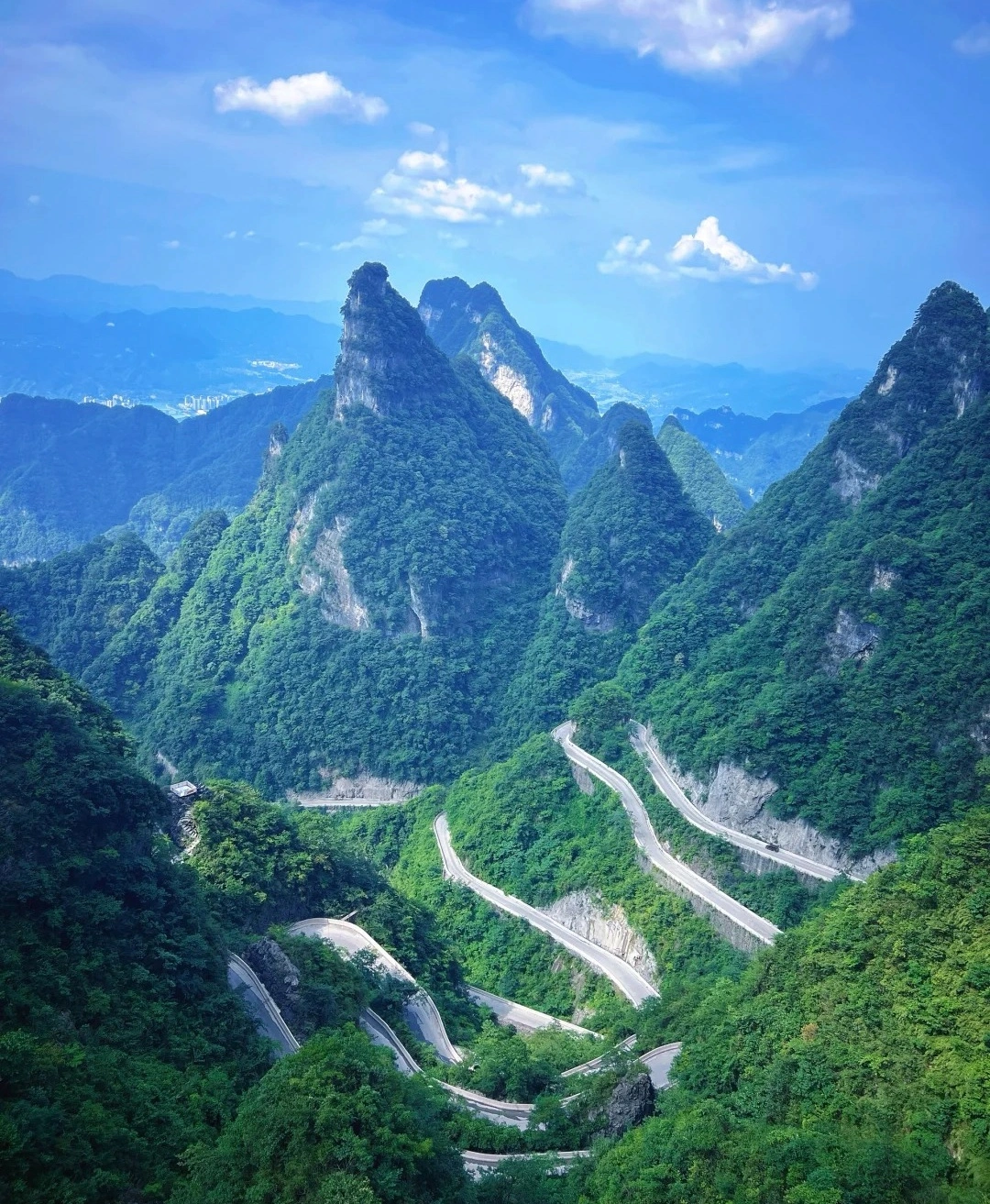
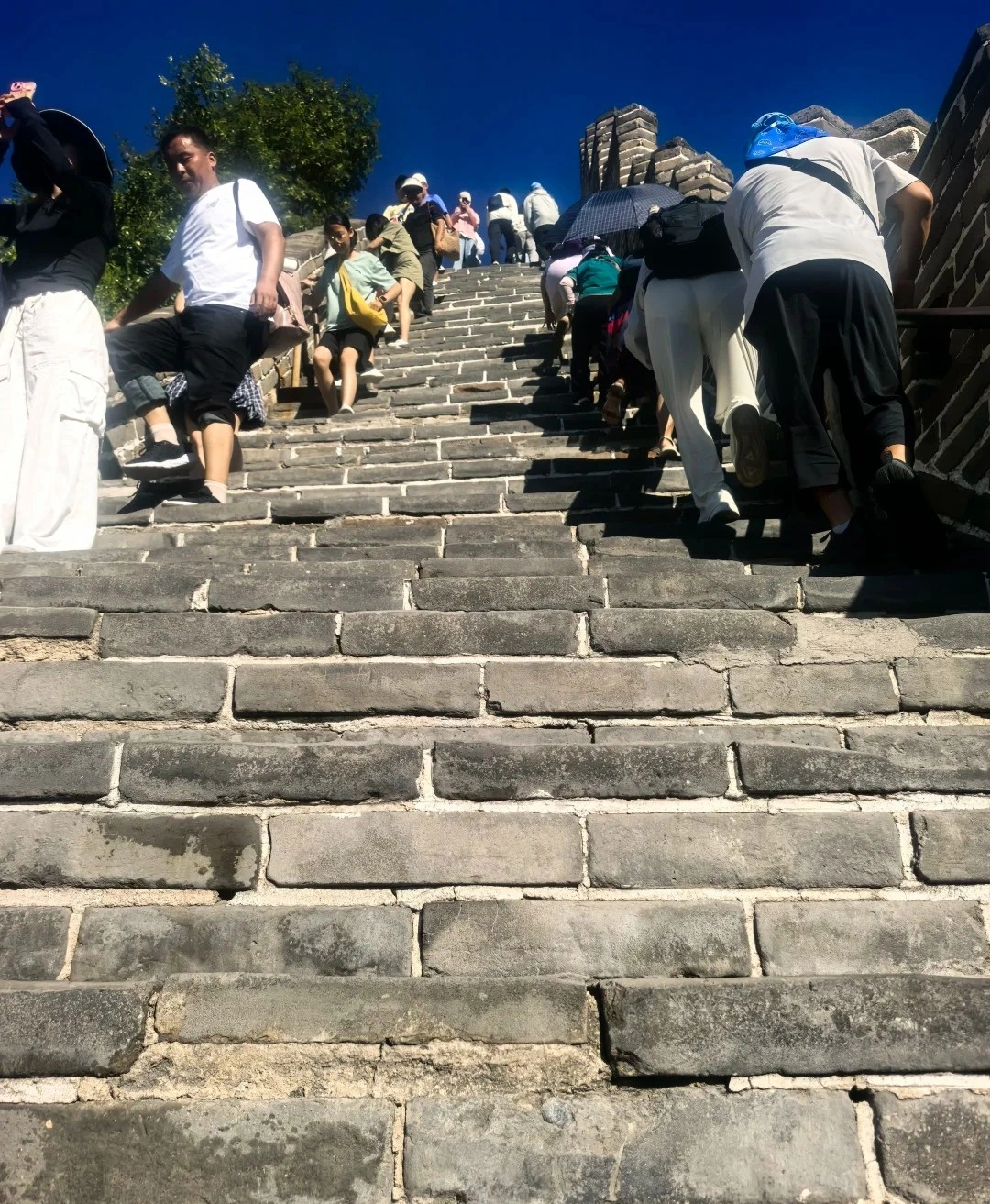
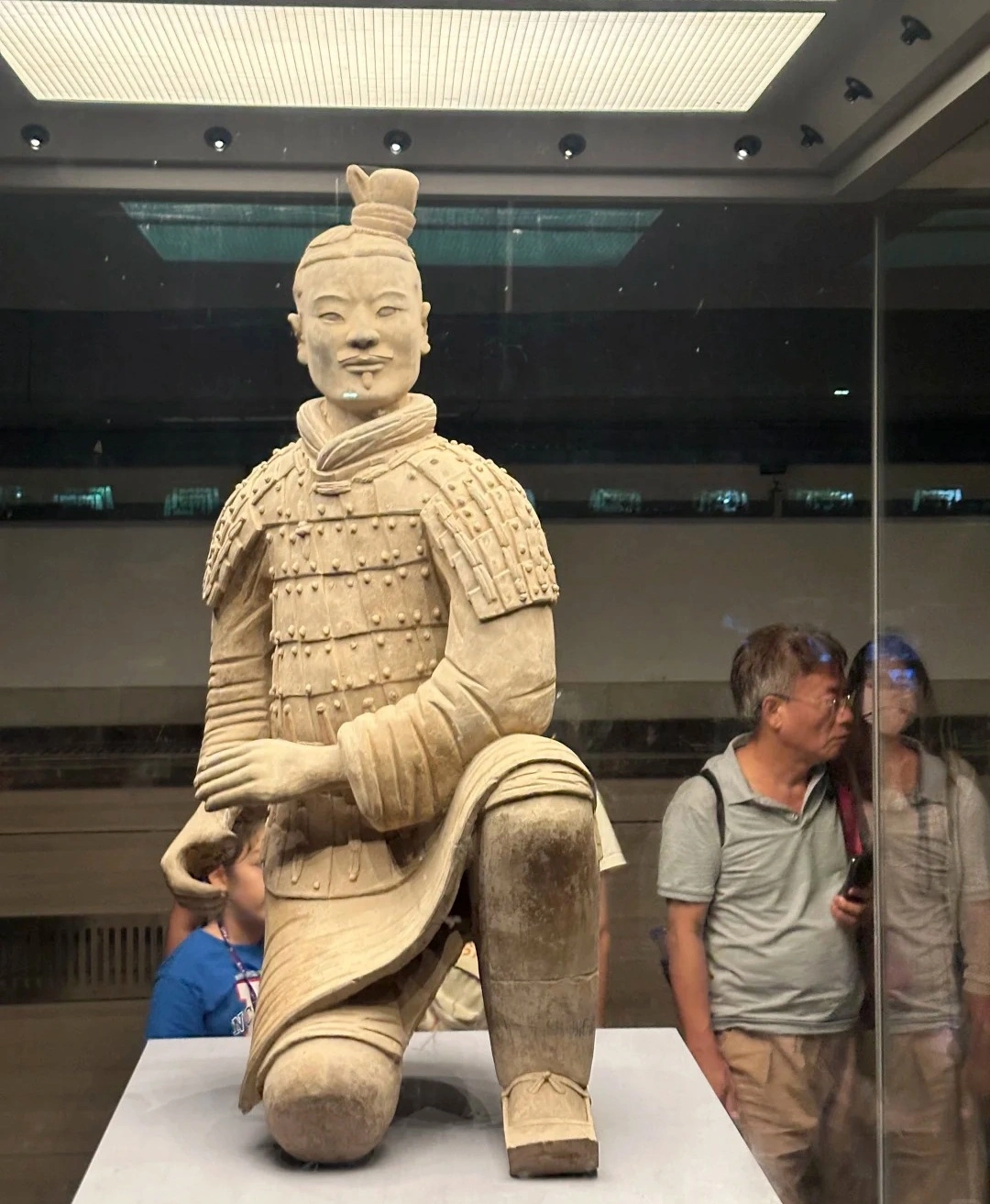
As a solo traveler from Canada, I was nervous about navigating China alone—but this 11-day tour was PERFECT! From hiking the Great Wall at sunrise (Day 3) to gasping at the Terracotta Army (Day 5), every day delivered ‘pinch-me’ moments. The real showstopper? Zhangjiajie’s Avatar Mountains (Day 7)! Our guide made the stone pillars come alive with stories.
Massive thanks for handling all logistics—bullet train tickets, entry passes, car! And the 4-star hotels surprised me.
Destination(s):
Beijing Xian Zhangjiajie Shanghai
Date of
Experience:
June 02,2025

Simon
America
Reviewed on May 29,2025
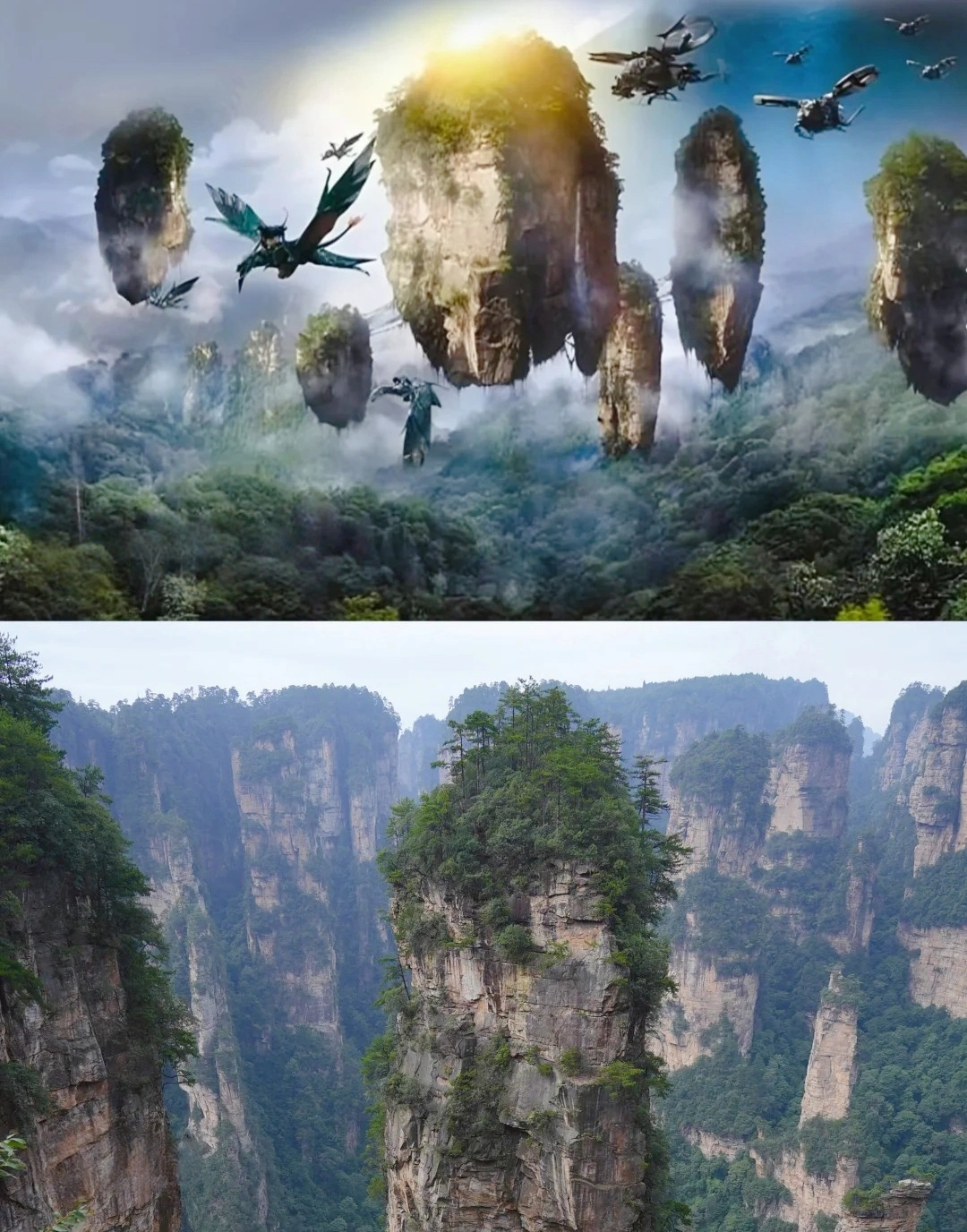
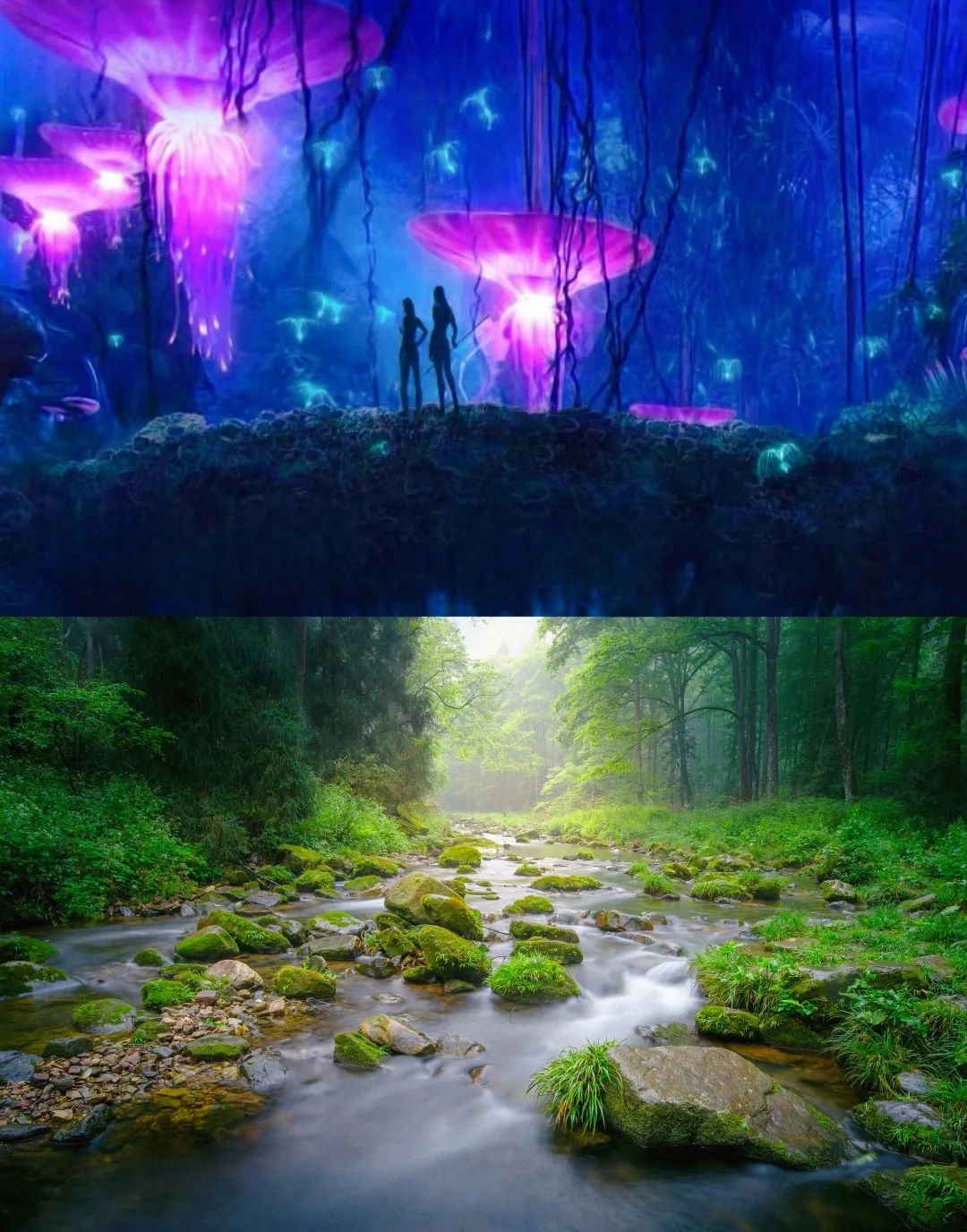
Our 2-day Zhangjiajie tour was beyond spectacular! As someone who’s visited Beijing and Shanghai for work, this trip revealed China’s wild, magical heart. Day 1 in Zhangjiajie National Forest Park felt like stepping onto Pandora—I’m a huge Avatar fan, and Yuanjiajie’s floating peaks left me breathless. The misty pillars and lush valleys like pure movie magic!
Then came Fenghuang Ancient Town, we eat dinner beside the thundering waterfall. It seems Unreal! The night views of stilt houses glowing over the river were straight from a fairy tale.
For fellow Avatar lovers and adventure seekers: Don’t miss this bucket-list experience! 10/10 would return.
A Well-Traveled Film Buff, May 2025
Destination(s):
Zhangjiajie
Date of
Experience:
May 08,2025
FAQ
What are the good places for viewing Erhai Lake in Cangshan Mountain?
Yunnong Peak is a great place to view Erhai Lake. In addition, the Yudai Cloud - Wandering Road in the middle of the mountain also offers a wide - angle view of Erhai Lake and Dali Basin, allowing you to have a panoramic view of the beautiful scenery.
Can we ride a horse to climb Cangshan Mountain?
Yes, you can. You can start from the Tianlong Babu Film and Television City, and the cost is 150 yuan per horse, which takes about an hour. And you can avoid the entrance ticket of Cangshan Mountain before 8 o'clock.
What local cultural activities can we experience on Cangshan Mountain?
You can visit some ancient temples on the mountain, such as Jizhao Nunnery and Boluo Temple, and experience the temple - fair culture and vegetarian - food culture. At the same time, you can also enjoy the unique architectural culture of the Bai people in some ancient buildings on the mountain.
How many kinds of cable cars are there on Cangshan Mountain? Where do they go respectively?
There are three kinds of cable cars on Cangshan Mountain. The Ximatan Cable Car (Cangshan Grand Cable Car) starts from the Tianlong Babu Film and Television City, passes through Qilongnv Pool and arrives at Ximatan. The Zhonghe Cable Car is an open - air basket - type cable car, which goes from the west of Sanyue Street Horse - Racing Field to Zhonghe Temple. The Gantong Cable Car goes from Gantong Gate to the upper reaches of Qingbi Stream.
When is Cangshan Mountain open?
Cangshan Mountain is open from 8:30 to 16:00, Monday to Sunday, throughout the year.