Natural Creation - A Geological Epic of 380 Million Years
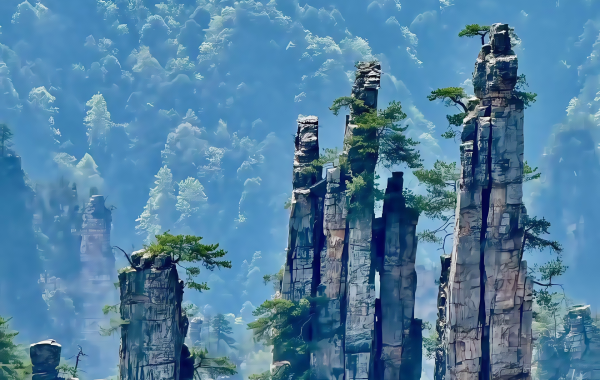
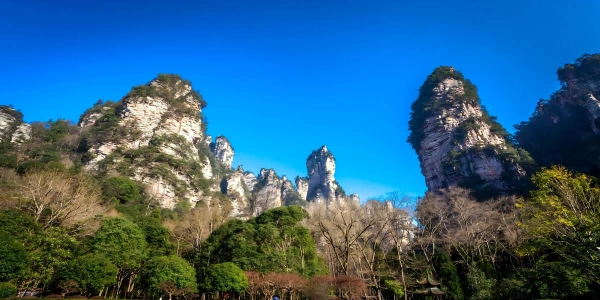
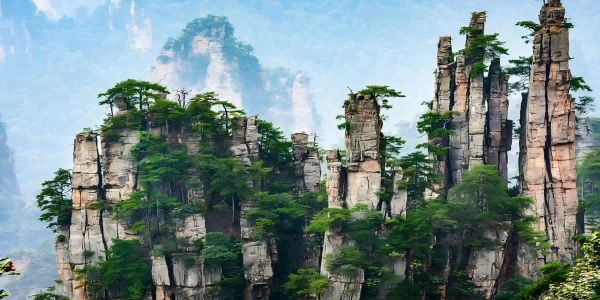
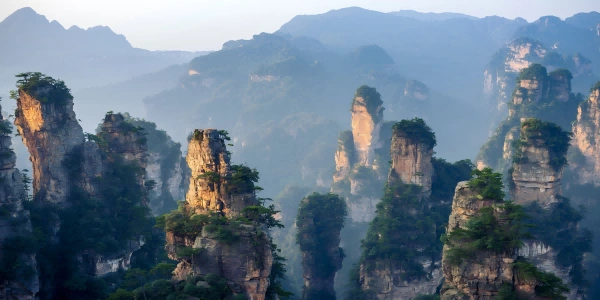
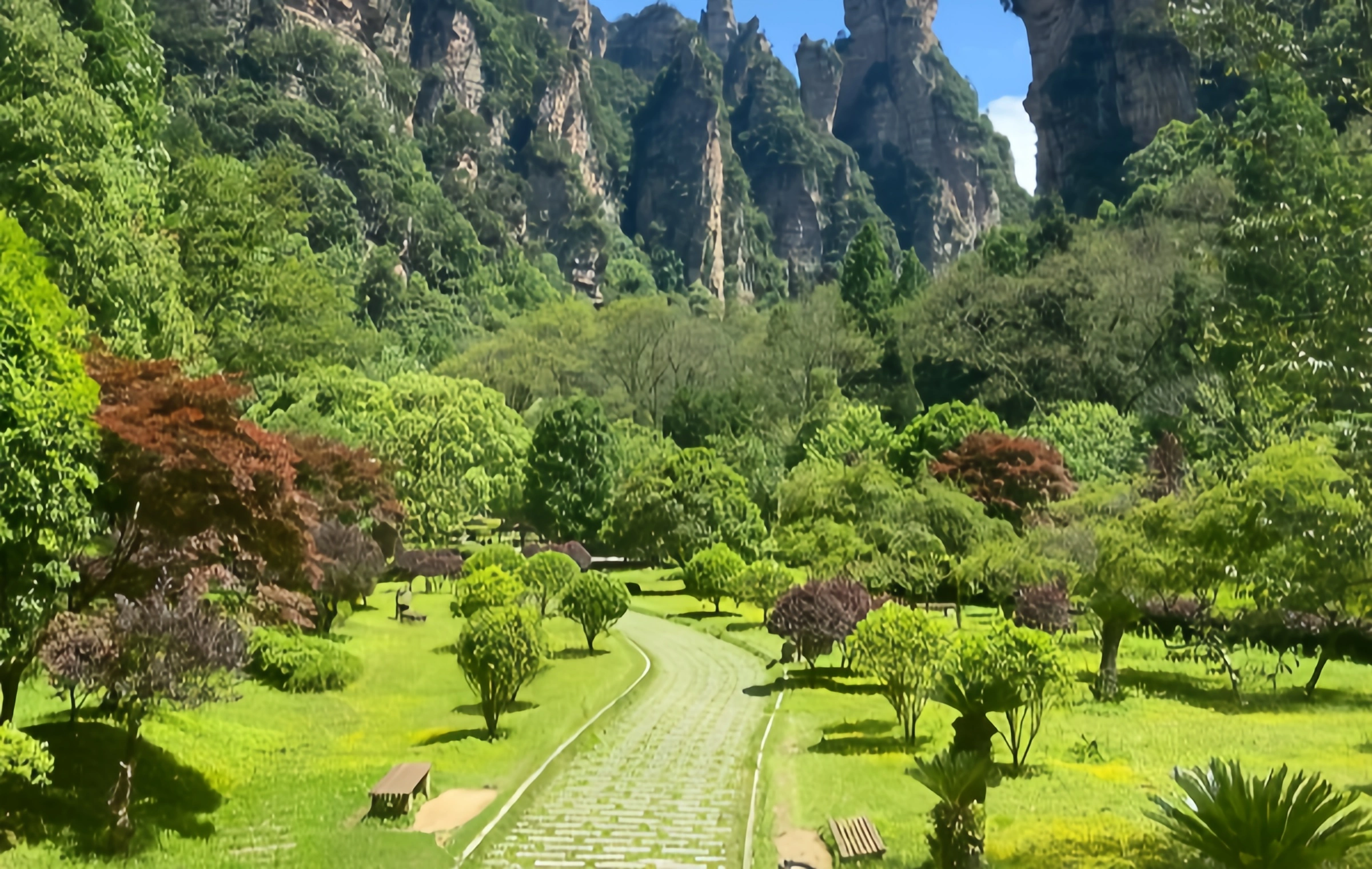
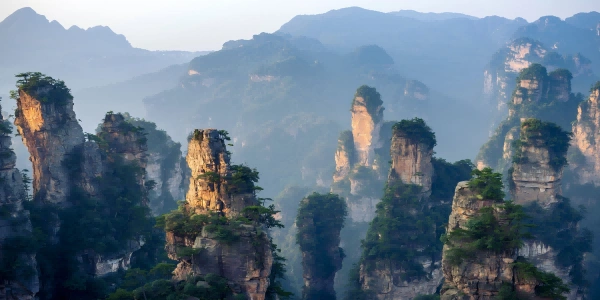
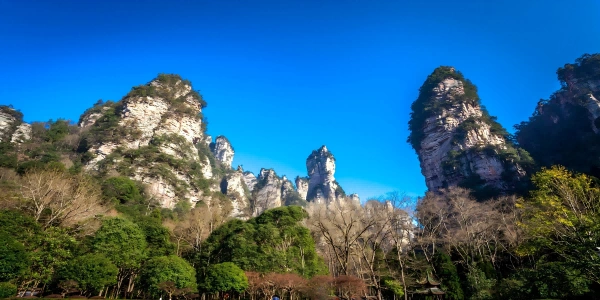
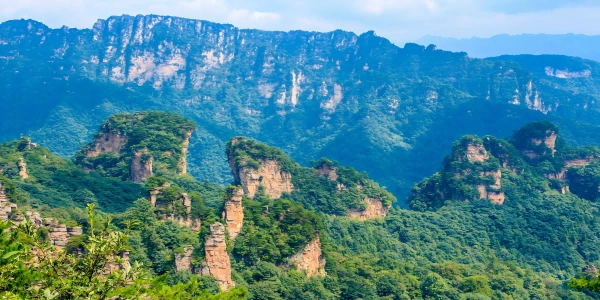
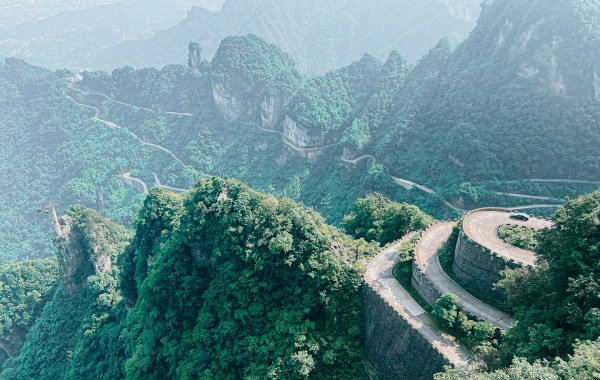
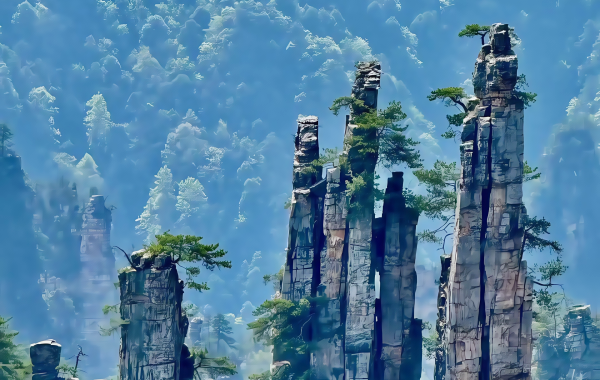
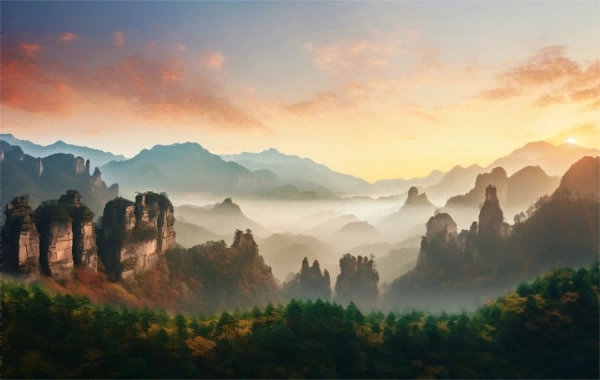
The landscape here is an eternal symphony of stones, water, clouds, and forests, with the core being the quartz sandstone peak forest. 380 million years ago, this was still a vast ocean where thick quartz sandstone was deposited. With the intense uplift of the earth's crust, rocks have been cut, eroded, weathered, and collapsed by flowing water for millions of years, ultimately forming the unparalleled wonder of towering peaks and deep canyons that we see today.
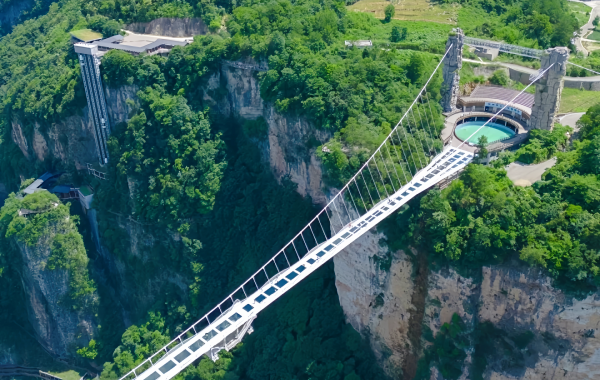
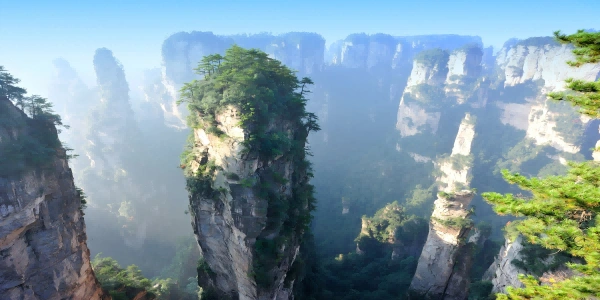
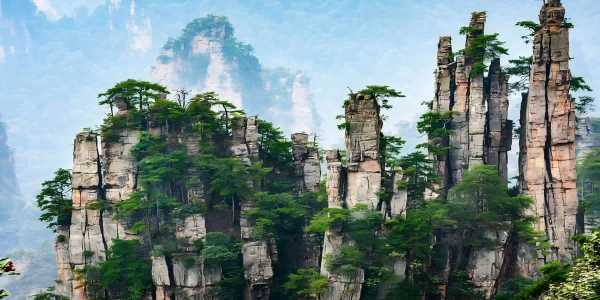
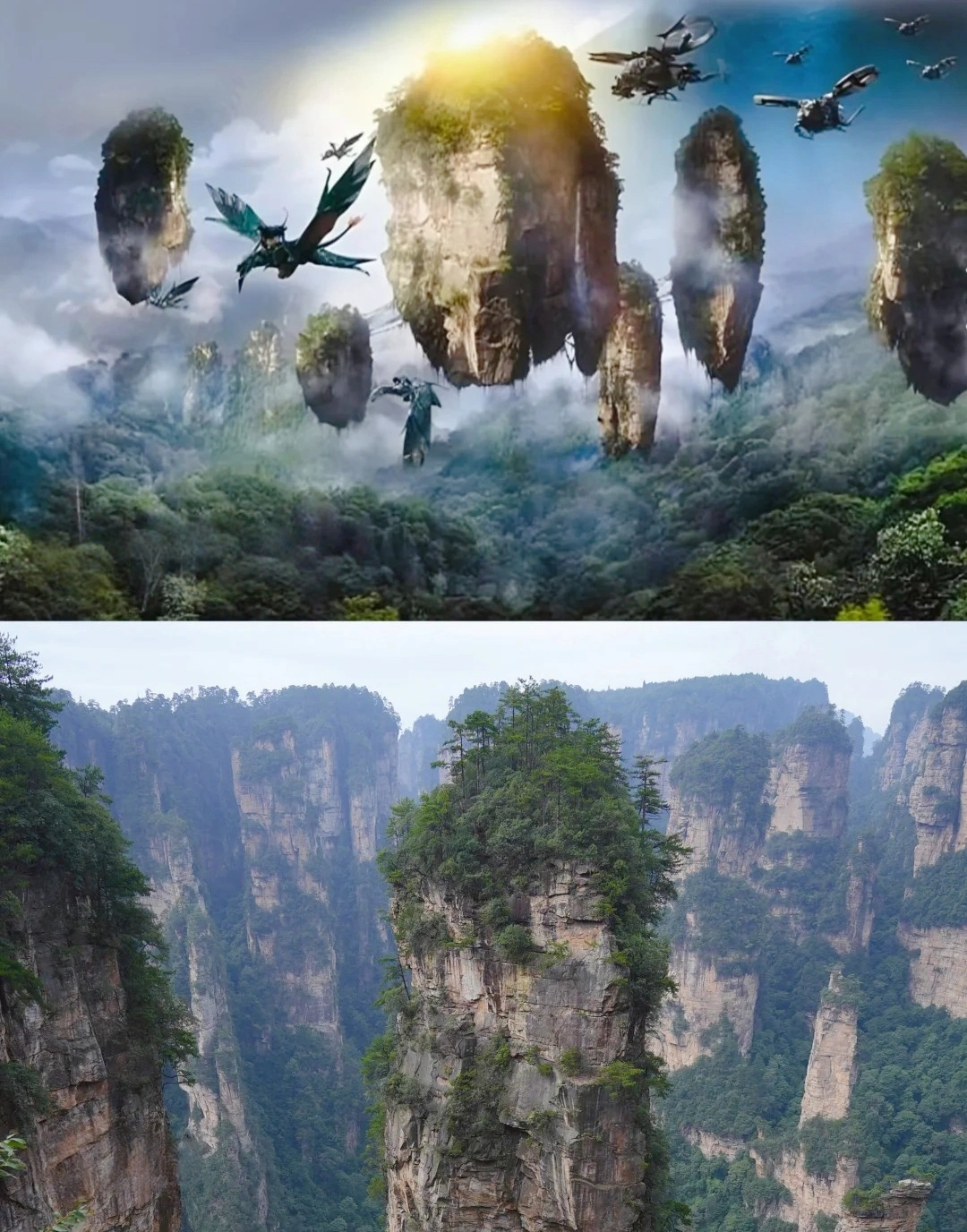
The rugged peak: the epic array of the earth: The "Qiankun Pillar" of Yuanjiajie is one of the soul landmarks of the park. This giant stone pillar, towering 150 meters high, stands tall like a knife or axe, and is famous worldwide for its prototype of the "Hanging Mountain" (Hallelujah Mountain) in the movie Avatar. Tianzi Mountain's "Imperial Brush Peak" is an iconic landscape in Zhangjiajie, with several slender and sharp stone peaks standing side by side, resembling inverted brushes. Whenever the sea of clouds churns, the stone peaks brush ink like a pen tip in the clouds. The "Star Picking Platform" in Huangshi Village, known as the saying "If you don't go to Huangshi Village, you'll end up in Zhangjiajie", is a huge viewing platform that offers a panoramic view of hundreds of stone peaks in the surrounding area, creating a myriad of scenery.
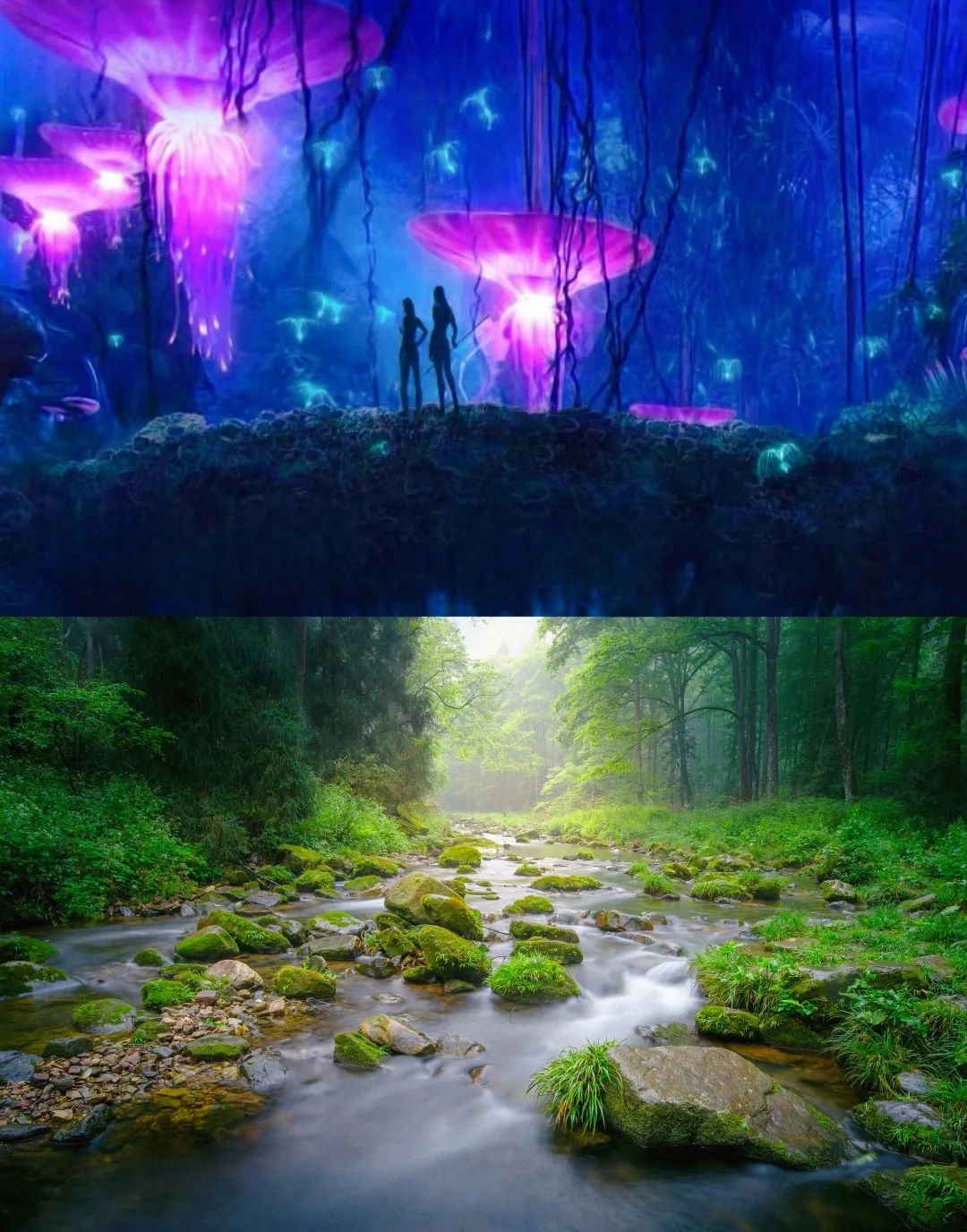
The dynamic water and deep valley: the pulse and bloodline of the peak forest: the Golden Whip Creek winding through the peaks and valleys, known as the "most beautiful canyon stream". Walking along the stream, with strange peaks lining both sides, lush forests, and clear water that reaches the bottom, is an excellent hiking and forest bathing route. The ten mile gallery, which is more than five kilometers long, has continuous stone peaks on both sides, which are rich in shapes, like a long scroll of landscape paintings. The "old man picking herbs", "three sisters peaks" and other strange stones along the way are lifelike.
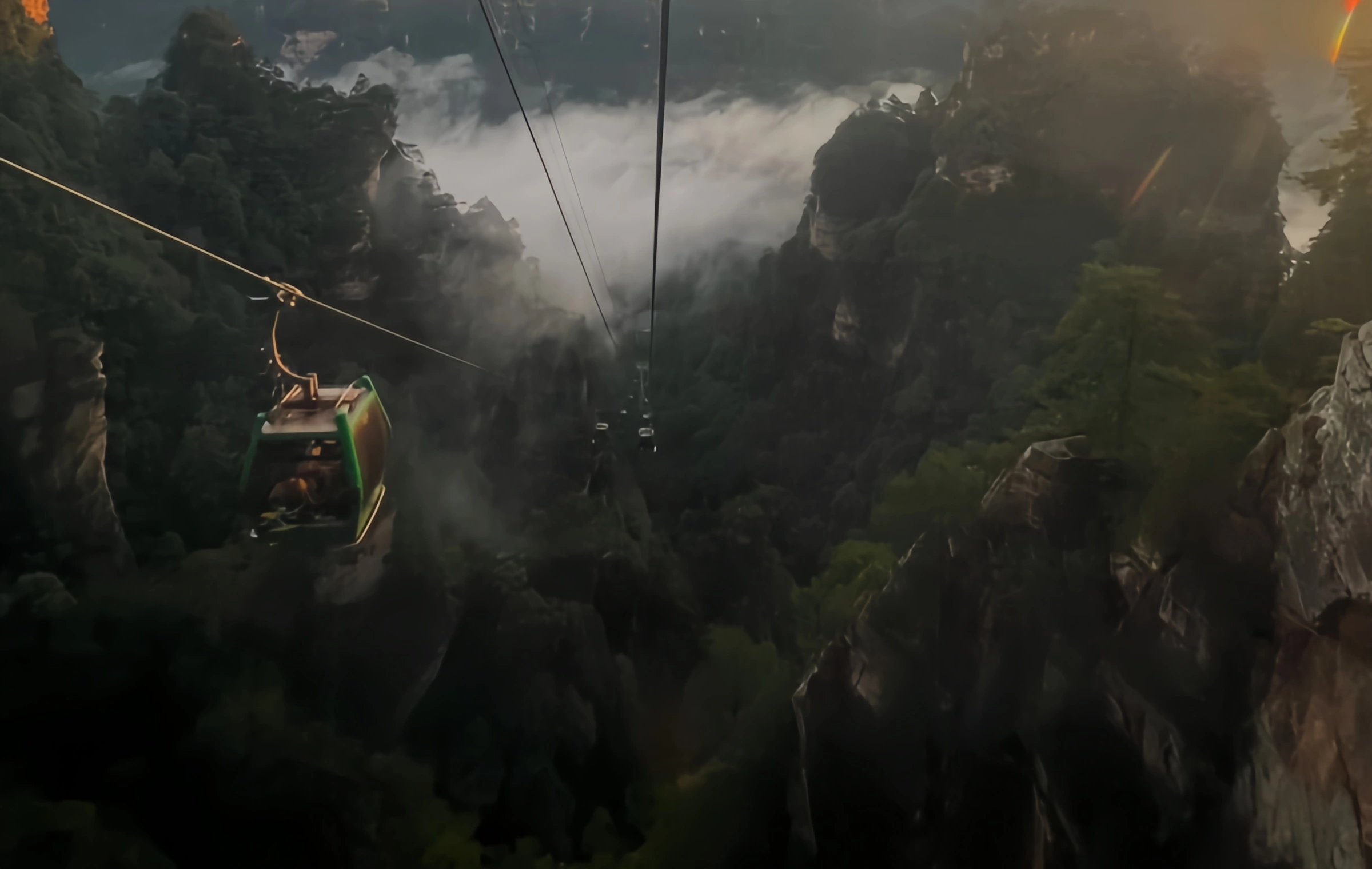
The Clouds and Green of the Secret Realm: The Changing Curtain and Breathing Skin: The Clouds and Forests of Zhangjiajie are the soul of its landscape. After the rain, on the first clear day or in the early morning, the sea of clouds surges, making the peak appear like an isolated island, like a dream. The forest coverage rate of the park is as high as 98%, preserving intact subtropical primary secondary forests, forming the most vivid texture of the peak forest.
Humanistic craftsmanship - cultural imprints embellished among the picturesque mountains and waters
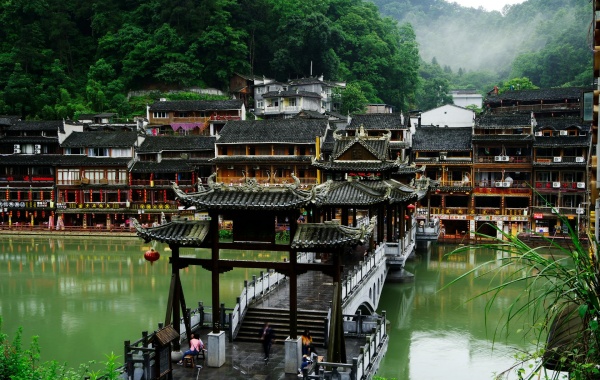
The cultural atmosphere of Zhangjiajie, although not as dazzling as its natural landscape, is scattered like pearls. Wulingyuan National Scenic Spot District where the park is located is a place where Tujia, Miao and other ethnic minorities live together. At the Tujia Cultural Park, you can enjoy the original hand waving dance and Maogusi dance, and feel the rich ethnic customs of Xiangxi. Tianmenshan Temple, located in the adjacent Tianmenshan National Forest Park, is an ancient temple dating back to the Ming Dynasty. It is elegant and serene, with a thriving incense industry. Located in Tianzishan, Helong Park is built to commemorate Marshal Helong, who was born in Sangzhi County. Here, we can pay tribute to the martyrs and overlook the deep Xihai Peak Forest at our feet. The cultural and natural landscapes complement each other.
Photography tips:
The best panoramic camera position is at the "Six Wonders Pavilion" in Huangshi Village or the "Yunqing Rock" in Tianzi Mountain, which can capture large areas of towering peaks, forests, and sea of clouds.
The Yuan Family Realm's "Enchanting Tower" is a classic angle for shooting the "Qiankun Pillar" (prototype of Mount Hallelujah) and dense peaks in deep valleys, especially when shrouded in clouds and mist, exuding a fairy like aura.
In the middle section of the Golden Whip Creek, using the creek as a foreground, capturing the symmetrical reflections of the peak forests on both sides can create works that are quiet and rich in depth.
To capture clouds and mist, one needs to patiently wait for the opportunity to clear up after rain, and use a tripod to stabilize the camera and capture the flowing sea of clouds.