Natural Creation - The Ultimate Interpretation of 'Returning from Jiuzhai without Looking at the Water'
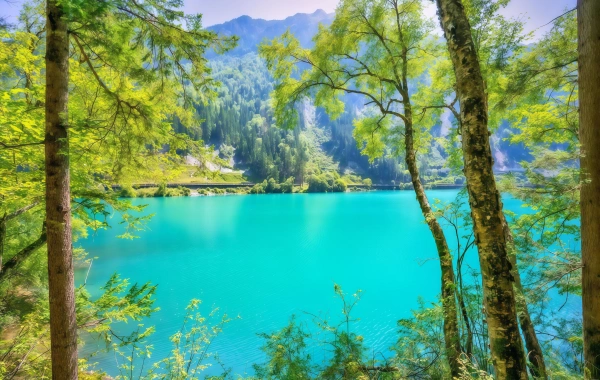
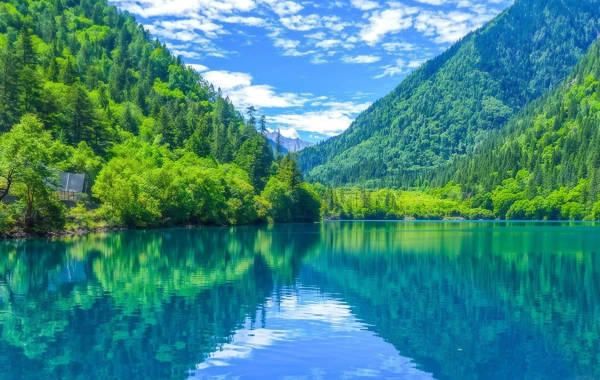
The soul of Jiuzhaigou Valley Scenic and Historic Interest Area lies in water. There are 114 lakes, 17 waterfall groups, 11 rapids, and 5 calcareous beach currents here, which are connected along three valleys (Shuzheng Gully, Rize Gully, and Zechawa Gully) distributed in a "Y" shape, playing the most moving hydrological music on Earth together.
The Sea of Illusions: Nature's Color Palette
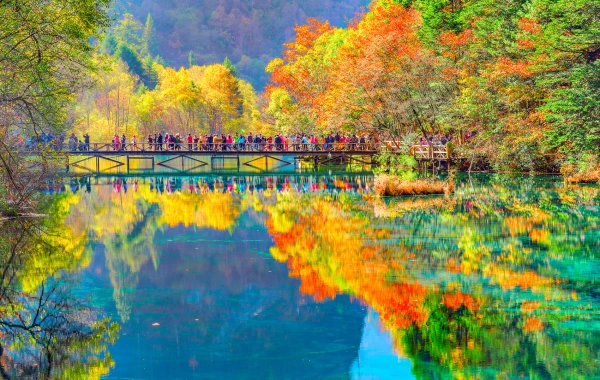
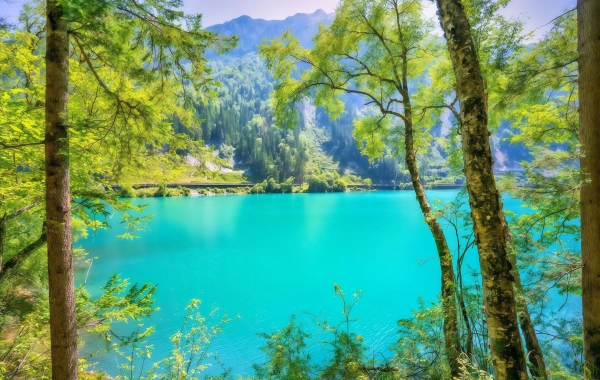
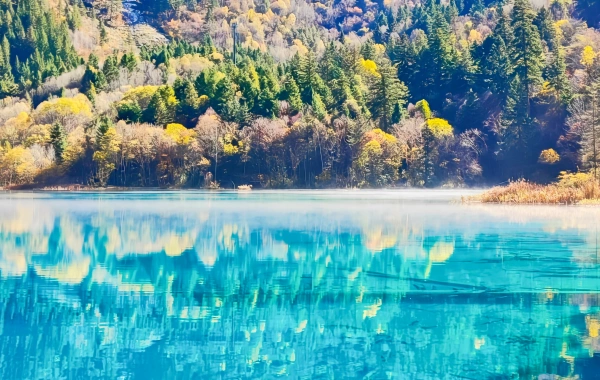
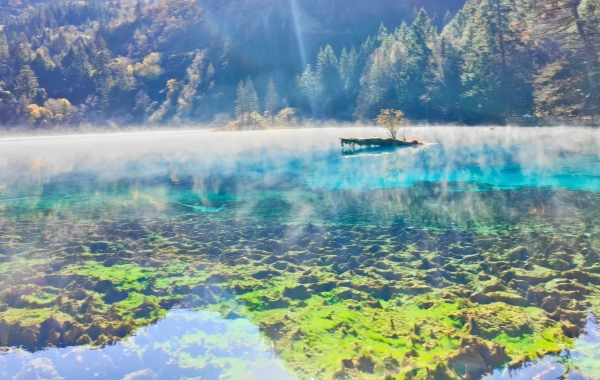
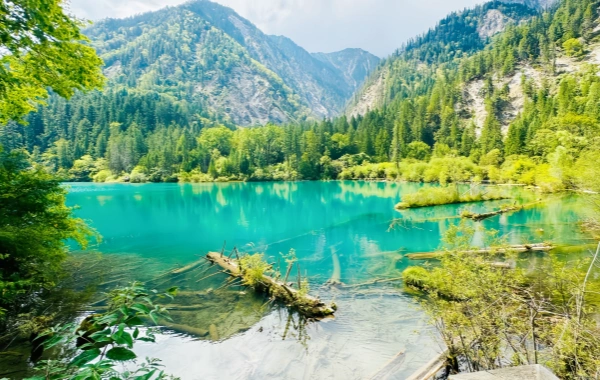
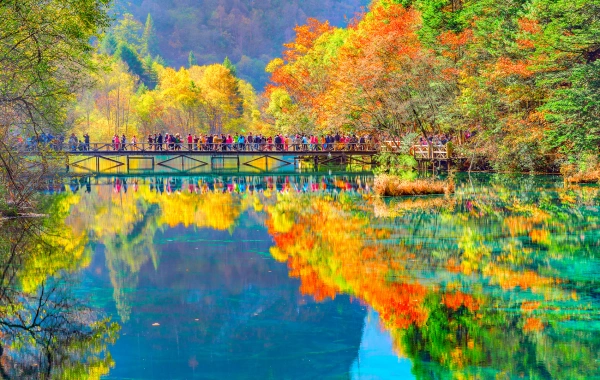
The Five Flower Sea is known as "a unique place in Jiuzhaigou Valley Scenic and Historic Interest Area". The ancient trees, water sponges, and algae at the bottom of the lake scatter sunlight through Rayleigh scattering in the calcium carbonate rich lake water, presenting a colorful mix of goose yellow, emerald green, dark green, sapphire blue, and other colors, like a peacock with an open screen.
Wucai Pool is the smallest but most beautiful Haizi in Jiuzhaigou Valley Scenic and Historic Interest Area. The upper half of the pool is blue in color, while the lower half is orange red due to the presence of aquatic plant communities. The color layers are extremely rich and unpredictable in the sunlight, making it the ultimate challenge for photography.
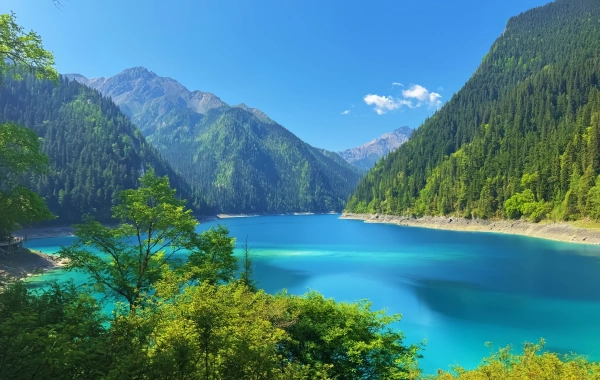
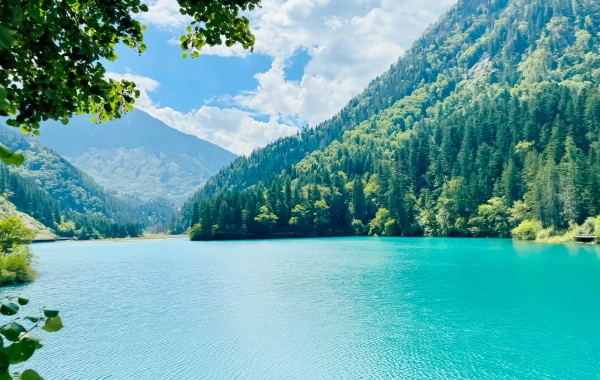
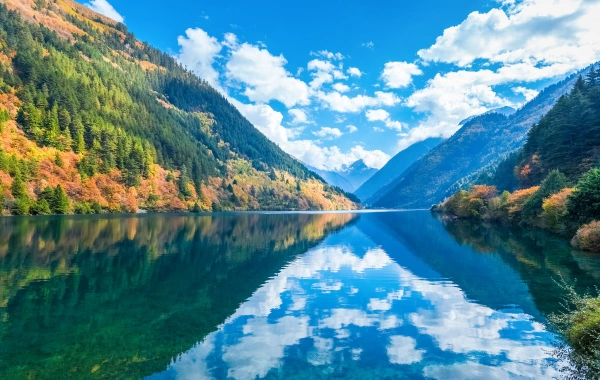
Changhai is the longest, highest and deepest lake in Jiuzhaigou Valley Scenic and Historic Interest Area. It is located at the end of Zechawa Gully, surrounded by snow capped mountains. The lake water is clear as a mirror, quiet and deep, showcasing the magnificent beauty of plateau lakes.
The Galloping Waterfall: Flowing Sculptures on Calcium
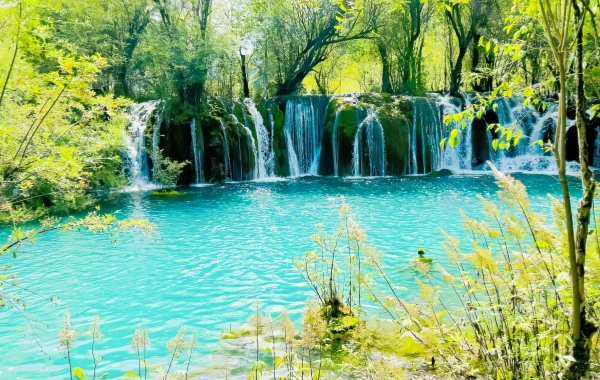
Nuorilang Waterfall is the widest calcareous waterfall in China, with a width of 270 meters. The surging water rushes down from the calcareous embankment, shaking the valley with a majestic sound. In winter, it transforms into huge blue ice reliefs, which can be called a wonder.
The Pearl Beach Waterfall was the filming location for the ending theme song of Journey to the West. The clear stream splashes countless water droplets on the wide yellow calcareous beach, like giant pearls scattered, and finally converges into a silver ribbon flying off the cliff, with extraordinary momentum.
The Mystery of Wonders: The Fusion of Science and Legend
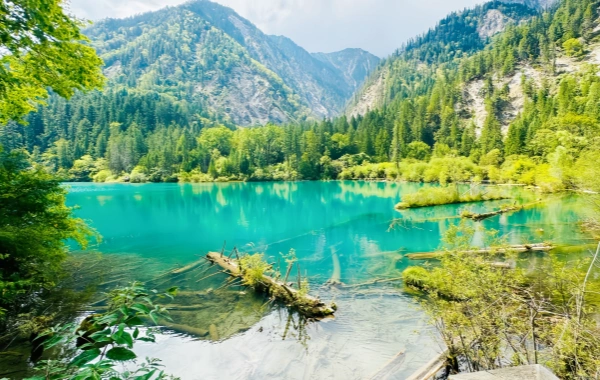
The phenomenon of trees growing in water can be seen in scenic spots such as Spark Sea, where trees take root in the water but still grow vigorously. This is because the flowing water rich in minerals (especially calcium) has been scouring trees for a long time, forming a calcified protective layer on their surface, making them less prone to decay, creating the wonder of "trees growing in water and water flowing in the forest".
The reason why fish fly to the shallow bottom is that there are few fish in the Jiuzhaigou Valley Scenic and Historic Interest Area Haizi, mainly mountain naked carp. This is because the lake water mostly comes from melted ice and snow, with low water temperature and extremely high mineral content, which is not suitable for most fish to survive, thus maintaining the extremely clear water body.
Humanistic Craftsmanship - Poems of Life in Tibetan Villages
Jiuzhaigou Valley Scenic and Historic Interest Area is not only a natural holy land, but also the home of Anduo Tibetan culture.
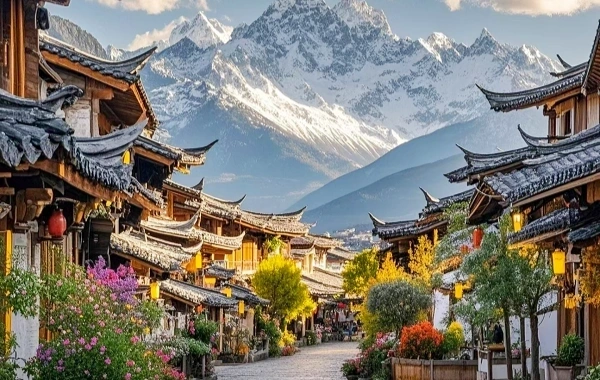
The nine ancient villages scattered in the valley, such as Shuzheng Village and Heye Village, preserve traditional wooden Tibetan style houses (bunkers). The prayer flags, white pagodas, mills, and prayer houses are interspersed among them, forming a lively folk cultural landscape.
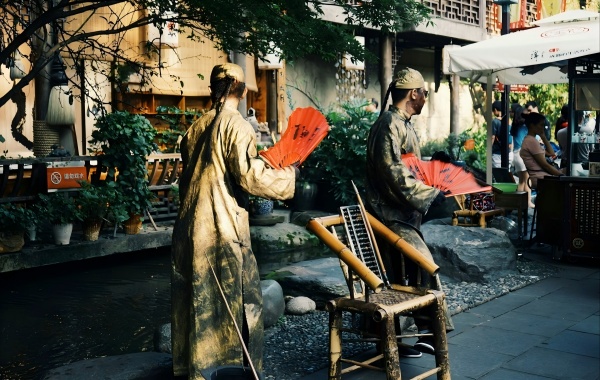
National intangible cultural heritages, such as the dance of bamboos, the dance of pandas, Tibetan folk songs in western Sichuan, and Nanping Quzi, have been preserved here. Tourists have the opportunity to witness these ancient art forms in specific cultural attractions or festivals.
The large-scale song and dance dramas such as "Eternal Love of Jiuzhai" or "Nine Villages in the World" launched by the scenic area use modern artistic techniques to interpret local historical legends and ethnic customs, making them a wonderful choice at night.
Photography tips:
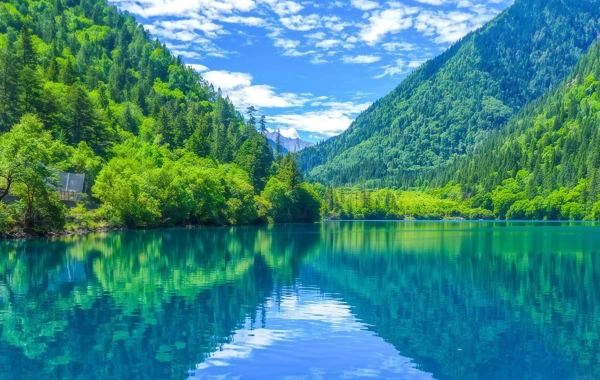
The best panoramic camera position is at the observation deck by the Rhinoceros Sea or Tiger Sea, which can capture the combination of snow capped mountains, forests, and perfect reflections. In terms of light and shadow timing, taking photos of Mirror Sea before 10am, when there is no wind and the reflection is clearest; In the afternoon, taking a photo of the Five Flower Sea with smooth lighting, the colors are most saturated and vibrant. Important reminder: To ensure safety and order, the use of drones is strictly prohibited within the scenic area without permission.