Dujiangyan Irrigation Project: a millennium achievement from Minjiang River flood to the source of Tianfu

Dujiangyan Irrigation Project: a millennium achievement from Minjiang River flood to the source of Tianfu

Overview: An ecological engineering miracle that has been operating continuously for over two thousand years
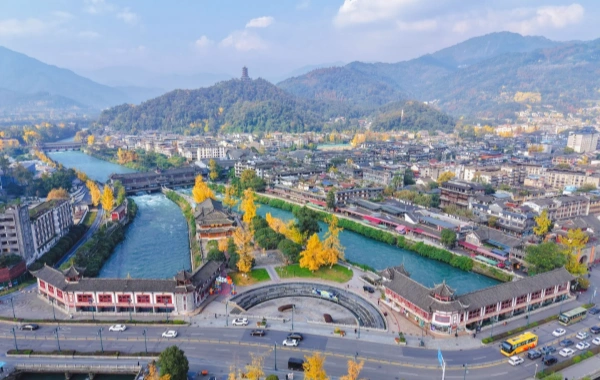
Dujiangyan Irrigation Project, located on the Minjiang River in the west of Dujiangyan Irrigation Project City, Chengdu, Sichuan Province, is a dam free water diversion project built in the 3rd century BC. It is not only a living fossil of water conservancy engineering, but also the "source of Tianfu" that every traveler who desires to understand the wisdom of Chinese civilization must pilgrimage to.

Quick overview of core highlights
Identity tags: Ancestor of World Water Culture/Founder of the Land of Abundance/Living Millennium Project
Core Experience: Watching Fish Mouth Divide Water, Walking on Anlan Bridge, Exploring Treasure Bottle Mouth, Visiting Erwang Temple, Paying respects to Water and Asking
Recommended tour: half a day to one day, which can be connected with Qingcheng Mountain for a 1-2 day in-depth tour
Address: Gongyuan Road, Dujiangyan Irrigation Project, Chengdu, Sichuan

  • Dujiangyan Irrigation Project: a millennium achievement from Minjiang River flood to the source of Tianfu-1
  • Dujiangyan Irrigation Project: a millennium achievement from Minjiang River flood to the source of Tianfu-2
  • Dujiangyan Irrigation Project: a millennium achievement from Minjiang River flood to the source of Tianfu-3
  • Dujiangyan Irrigation Project: a millennium achievement from Minjiang River flood to the source of Tianfu-4

Origin: The collision of water disasters in Shu and timeless wisdom

Furong Ancient Town Furong Ancient Town

The Name of Water Control - The Long lasting Achievements of Li Bing and His Son
The name of "Dujiangyan Irrigation Project" originates from its core function - water diversion and irrigation of the Chengdu Plain (formerly known as "the city"). Its creation stems from an urgent need for survival. During the Warring States period, Li Bing, the governor of Shu Commandery, and his son Li Erlang presided over the construction of the Minjiang River around 256 BC to eradicate the floods that caused summer waterlogging and winter drought, and endangered people's livelihoods. This project is not based on the principle of "blocking", but innovatively adopts the strategy of "diverting water and building dams to divert water", completely changing the fate of the Chengdu Plain and making it a land of abundance where "water and drought follow people, and hunger is unknown".

The Path of Inheritance - From Warring States Projects to World Heritage Sites
The legend of Dujiangyan Irrigation Project is a continuous evolution epic spanning more than 2200 years and still benefiting people's livelihood:
Founding Foundation (Warring States Period): Li Bing and his son led a group of people to chisel away piles, open treasure bottle mouths, build fish mouth water diversion embankments, and Feisha Weir spillways, laying the basic pattern of the project. The six character formula of "deep cleaning of the beach, low building of the dam" and the eight character motto of "cutting corners when encountering a bay, drawing heart when encountering the right place" have become the highest principles for maintenance and upkeep in later generations.
Renovation and expansion of previous dynasties (Han, Tang, Ming and Qing Dynasties): The governments of previous dynasties attached great importance to the maintenance and expansion of Dujiangyan Irrigation Project, constantly strengthened the main body of the project, improved the canal system network, and gradually expanded its irrigation area from the original core area of the Chengdu Plain to today's tens of millions of acres of good farmland.
Protection and Renewal (Since Modern Times): After the founding of the People's Republic of China, scientific modernization and protection have been carried out. In 2000, Dujiangyan Irrigation Project and Qingcheng Mountain were included in the The World Heritage List. After the Wenchuan earthquake in 2008, it withstood the test and was carefully restored. Its ecological water conservancy concept of "following the natural way" has become increasingly valuable across time and space on a global scale today.

In depth understanding: Explore more of China's great ancient engineering projects>>Yunhe Sanwan Scenic Spot

Must See Wonders: Echoes of Natural Landscapes and Artificially Constructed Poems

Furong Ancient Town Furong Ancient Town

Natural Creation - Minjiang River Landscape and Engineering Foundation
The greatness of Dujiangyan Irrigation Project lies first in its profound understanding and ingenious use of natural laws.
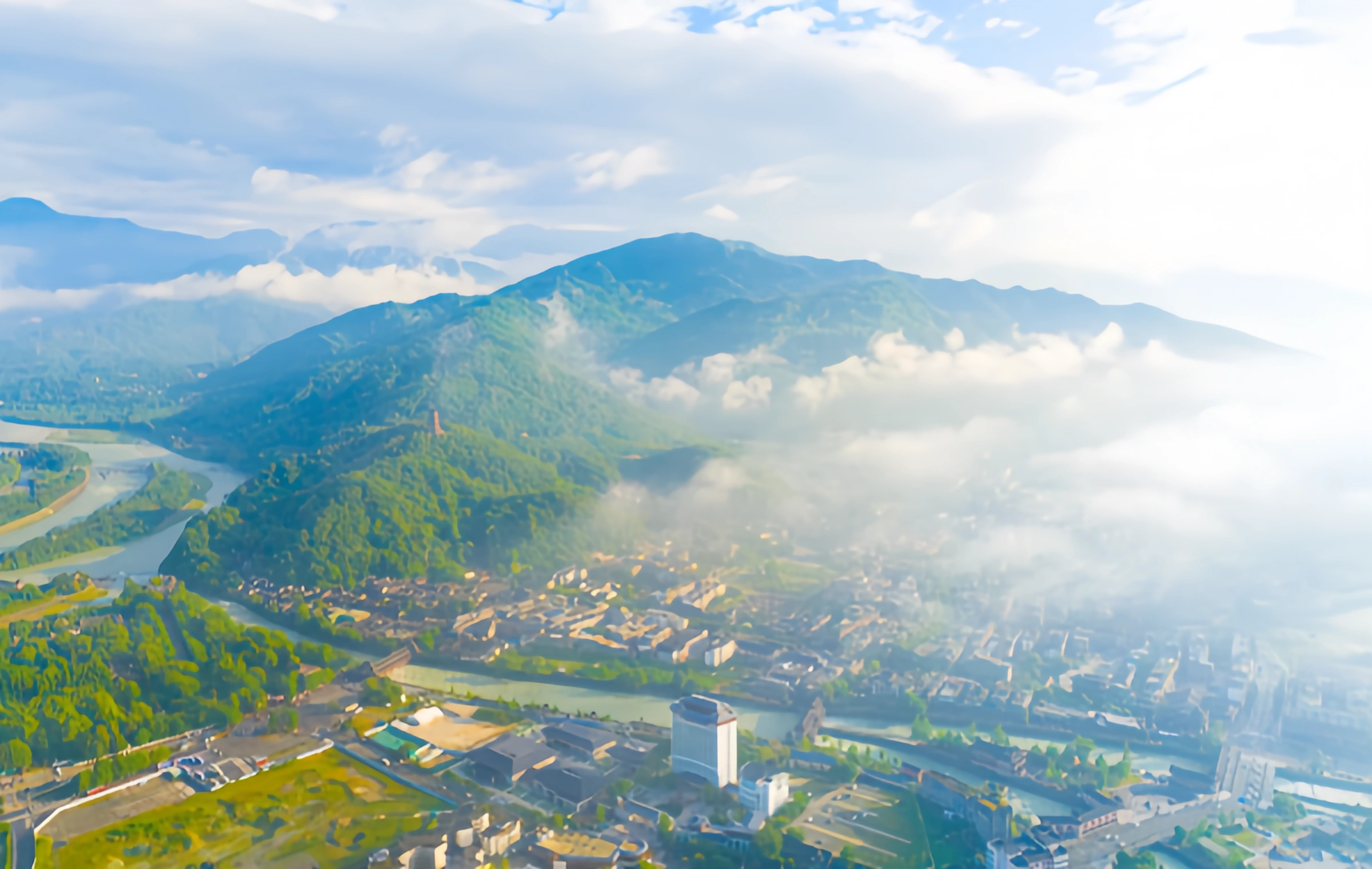
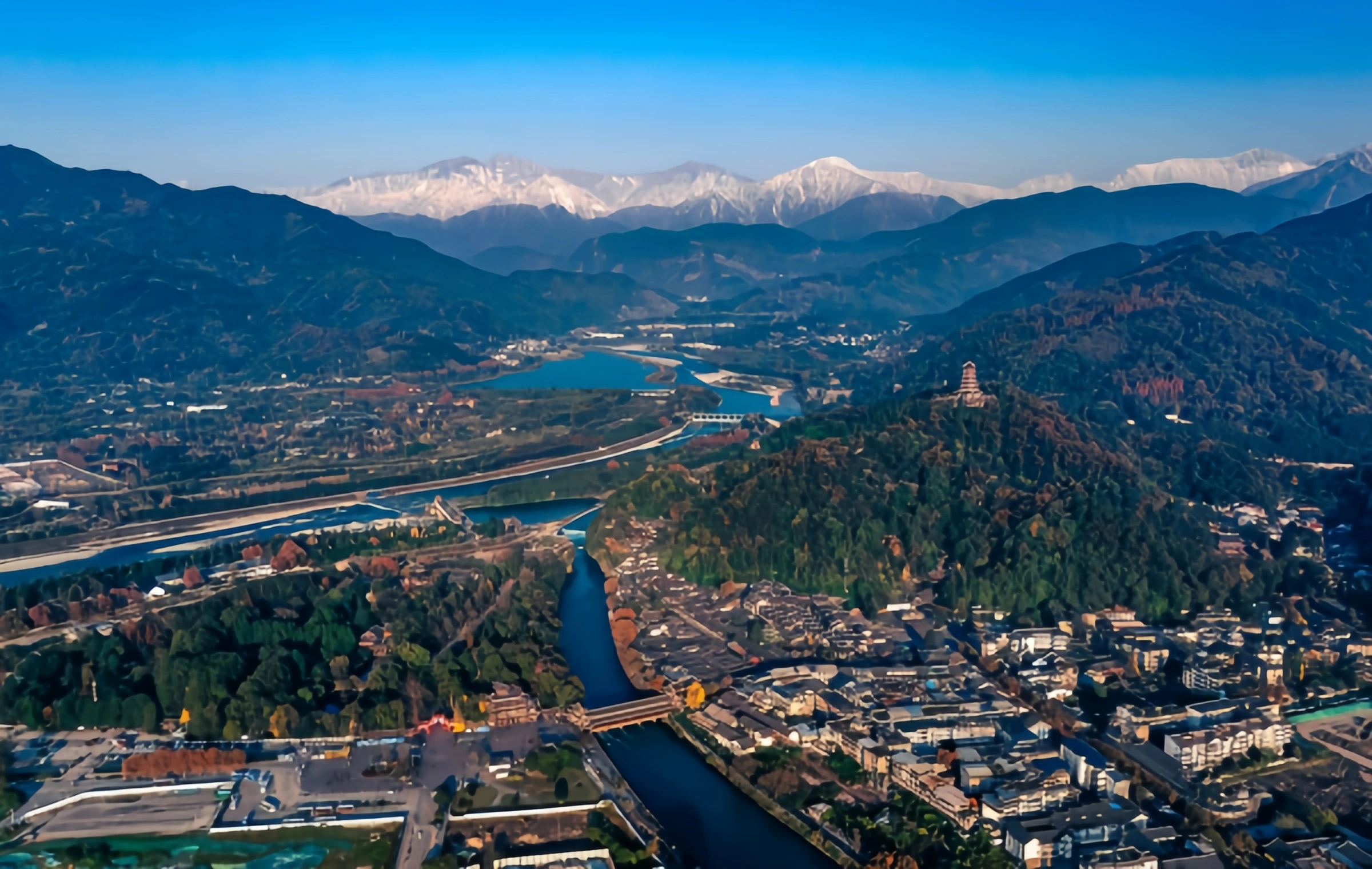
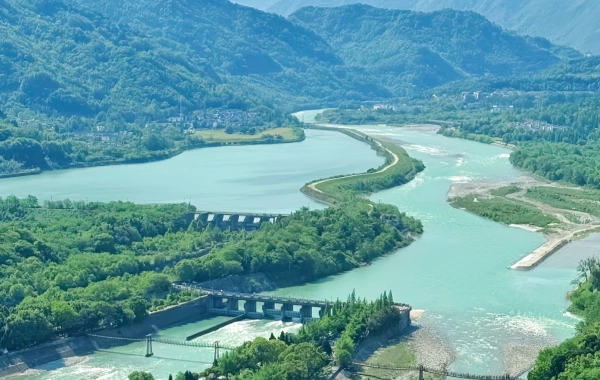
Minjiang Canyon and Lidui: The Minjiang estuary where the project is located has a wide river surface and turbulent water flow. Li Bing chose to excavate the "Li Dui" (an isolated island formed by manually separating the mountain) here, forming a natural control gate. The surging Minjiang River is divided into two parts here, with one side being the outer river (the main flow of Minjiang River) and the other side being the inner river (an irrigation channel), laying the natural geographical foundation for the division of water. The "Treasure Bottle Mouth" formed between Yulei Mountain and Lidui is like a giant axe splitting open, with steep cliffs on both sides and a spectacular scenery.
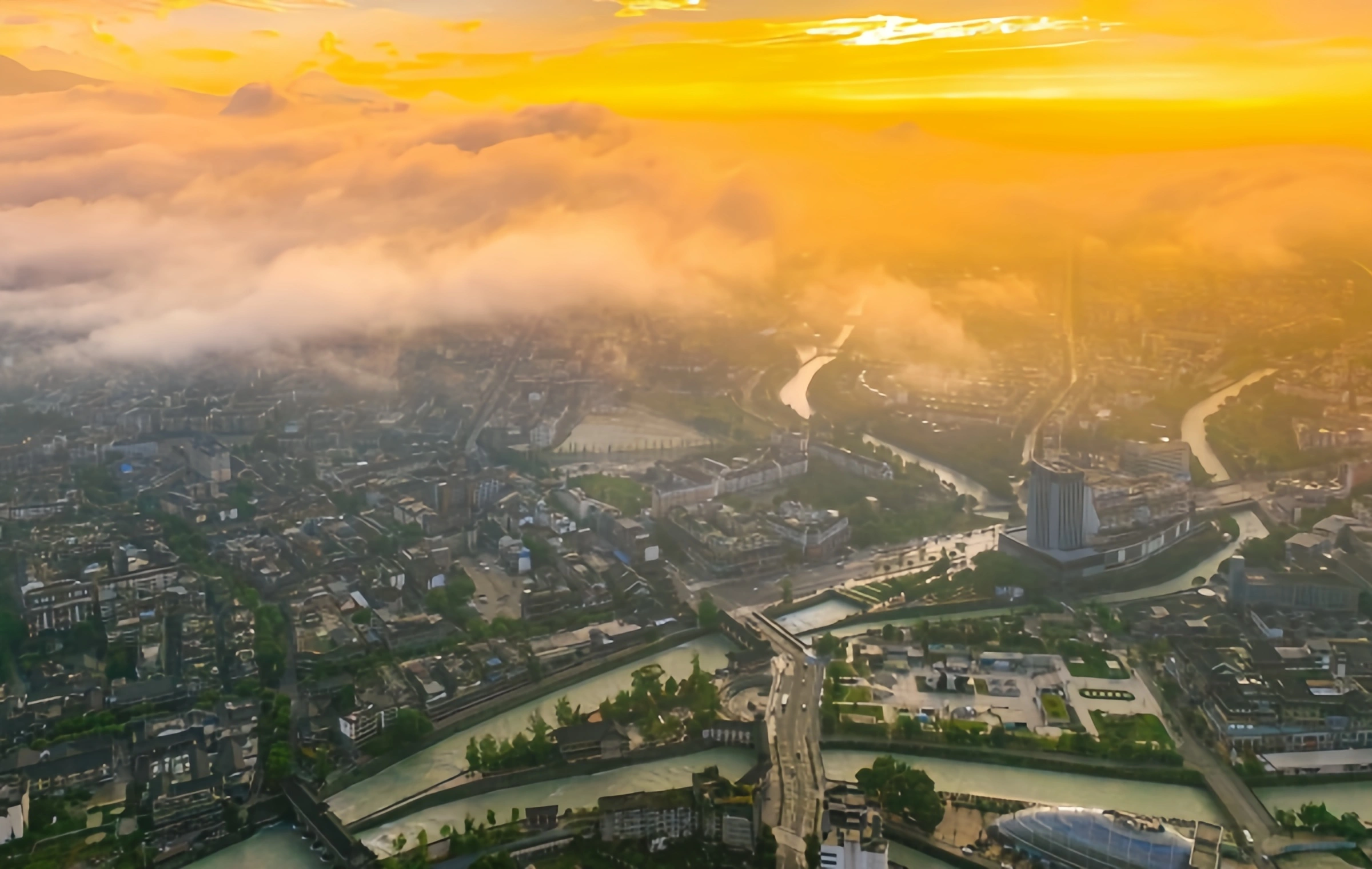
The ancient architectural complex of Erwang Temple blends with nature: The Erwang Temple, which enshrines Li Bing and his son, is built on the steep slope of Yulei Mountain, layer by layer, climbing up the stairs. The temple blends seamlessly with towering ancient trees and rugged rocks, showcasing a unique architectural style that fully embodies the Taoist philosophy of "harmony between heaven and man". Overlooking from the high place of the temple, the whole Dujiangyan Irrigation Project project has a panoramic view, with myriad scenes.

Humanistic Craftsmanship - The Three Main Projects of "Dam free Water Diversion"
Every project here may seem simple and unadorned, but in reality, it is a precise design full of physical wisdom.
Fish Mouth Splitting Embankment: Like the kiss of a giant fish, lying quietly in the heart of the river. This is an automatic water and sand separation device that utilizes the principle of river bend circulation ("four to six water separation, two to eight sand removal"). During spring plowing, about 60% of the clear water from the Neijiang River flows into the Chengdu Plain; During the flood season, more than 60% of the sediment is discharged into the outer river using water potential, and its ingenuity is breathtaking.
Feisha Weir Spillway: Located on the inner river side downstream of Yuzui, it is a low and low weir body. It cleverly utilizes centrifugal force to achieve secondary sand and flood discharge. When the water volume of the inner river exceeds the capacity of the Baopingkou, the excess water will flow over the Feisha Weir and discharge into the outer river on its own; At the same time, the remaining sand and gravel in the water will also be thrown out, ensuring that the water flow entering the bottle mouth is relatively clear.
Baopingkou Water Inlet: This is the "main gate" that controls the amount of water entering the Chengdu Plain. The narrow passage formed by manually excavating Yulei Mountain is named after its shape resembling a bottle mouth and its critical function. No matter how much water comes from the Minjiang River, the Baopingkou is like a constant faucet, automatically blocking out excessive floods and ensuring the safety of downstream irrigation areas.
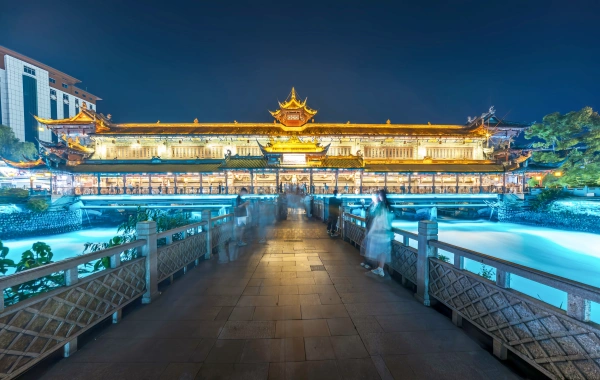
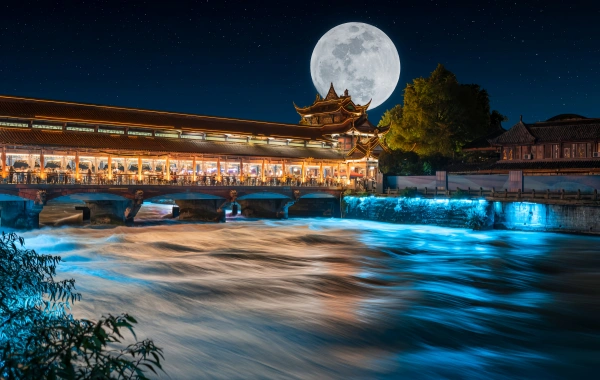
Anlan Suoqiao: A "couple bridge" spanning the inner and outer rivers, it is one of the five ancient bridges in ancient China. Walking on it, the bridge sways gently, and the river rushes under your feet. You can not only personally feel the momentum of the Minjiang River, but also have an excellent perspective from the air to overlook the fish mouth and the diversion of the inner and outer rivers.

Photography tips:
The best panoramic camera position is at the high point of Qinyan Tower or Erwang Temple, which can include Yuzui, Anlan Bridge, Baopingkou, and distant mountain city walls.
The fish mouth diversion dike is suitable for capturing dynamic scenes of river water diversion, and using a slow gate can capture silky smooth water flow.
On the Anlan Bridge, people can be photographed interacting with the bridge and the river, creating a dynamic atmosphere.
The cliffs and rapids at the mouth of the treasure bottle are highly impactful, suitable for depicting the magnificence of engineering.
Please comply with the regulations of the scenic area and use drones in designated safe areas.

Core Experience: Immersive Exploration Guide for Water Conservancy Civilization

Furong Ancient Town

Four must do things to unlock the complete Dujiangyan Irrigation Project trip
Take a walk on the Anlan Cable Bridge and experience the "water swing": step on this ancient and swaying cable bridge, listen to the roar of the river below, and feel the danger and wisdom of ancient people traveling between the two sides. This is the most direct and fun interactive experience with Dujiangyan Irrigation Project.
Observe the fish mouth dividing water once and understand the "Four Six Rules": stand in front of the fish mouth dividing dam, carefully observe the difference in water flow ratio and clarity between the inner and outer rivers. The scenery during the dry season and the wet season is very different. If you can personally see its "intelligence" in automatically adjusting water distribution and sediment discharge, you can truly appreciate the core mystery of engineering.
Ascending the Two Kings Temple once and bowing to the water, I asked, 'Climb the steep steps and arrive at the Two Kings Temple, which commemorates Li Bing and his son.'. Here, we not only pay tribute to the achievements of our predecessors, but also overlook the macro layout of the entire water conservancy project from a high place, understand its philosophical thinking of "taking advantage of the situation and adapting to the times", and complete a cultural and spiritual baptism.
Take a trip to Lidui Park and experience the source of Tianfu: Enter Lidui Park downstream of Baopingkou (where Fulong Temple is located), where the river water has become gentle. Visit the stone statue of Li Bing carved in the Eastern Han Dynasty, feel the portraits of the meritorious officials in the past dynasties by the Weir Gong Road, and experience the peace and prosperity brought by Dujiangyan Irrigation Project in the environment surrounded by clear streams and towering trees.

 Tourist Route Suggestions
Half day "Core Project" Tour (suitable for tourists with limited time):
In the morning, enter from the entrance of the scenic area (Lidui Park entrance), visit Fulong Temple, admire the statue of Li Bing, overlook Baopingkou, pass through the Yan Gong Road and Tianfu Yuan Teahouse, cross the Anlan Bridge to the opposite bank, visit the Yuzui Water Diversion Embankment, and learn about the principle of water diversion and sand removal on site, walk along the Jingang Embankment, watch Feisha Weir, return to the bridge, climb the Erwang Temple after crossing the bridge, overlook the panoramic view, and then return from the exit near the Erwang Temple or the original road.
IntoTravelChina tip: This route is a classic counterclockwise tour that can avoid most group crowds, and climbing up the Second King Temple is relatively effortless. Please wear comfortable walking shoes.
One day "Deep Humanities" Tour (highly recommended for history and engineering enthusiasts):
Morning: Following the above half day route, carefully observe the three major projects, listen to explanations or read instructions at each point, and deeply understand their principles.
Noon: Taste local specialty restaurants near the scenic spot or in the ancient city of Dujiangyan Irrigation Project (inside Xuanhua Gate), such as Youtu Tou, soybean milk steamed buns, etc.
Afternoon: There are two options: First, visit Lidui Park and Dujiangyan Irrigation Project Museum in depth to learn the history of water conservancy systematically; Second, go to the adjacent Yulei Mountain Park and climb the Yulei Pavilion (you can take the cloud corridor escalator) to get a higher and more panoramic view than the Erwang Temple, overlooking the whole urban area of Dujiangyan Irrigation Project and the project.
The advantages of IntoTravelChina: We can book the most suitable accommodation for you, arrange the connection of all activities, and provide detailed hiking routes and safety guidelines.

Professional guide: IntoTravelChina can provide you with a personalized itinerary, including exclusive tour guides, transportation, and activity arrangements, allowing you to have a worry free and in-depth experience. >>Consult now for customization

Travel Guide: Transportation, Accommodation, and Seasons

Furong Ancient Town

How to reach: Convenient access to Chengdu backyard
Dujiangyan Irrigation Project is about 50km away from the urban area of Chengdu, with a well-developed transportation network, which can be called the "Back Garden of Chengdu".
Departing from Chengdu city: The most recommended intercity railway. At Xipu Station of Chengdu Metro Line 2, you can seamlessly transfer to Guanzhou Express Railway, and you can arrive at "Dujiangyan Irrigation Project Station" in about 30 minutes. After leaving the station, you can take a bus or take a taxi to the scenic spot in about 15 minutes. You can also take the direct bus at Chengdu Chadianzi Bus Station, or book the scenic spot direct bus through a travel agency.
Self driving: Take the Chengguan Expressway (G4217) to get there, which takes about 1-1.5 hours. There are multiple parking lots in the scenic area and city center.
Starting from the surrounding scenic spots (such as Qingcheng Mountain): there are multiple buses between Dujiangyan Irrigation Project and Qingcheng Mountain. It takes about 30-40 minutes by car, which is very suitable for package tours.
Important return reminder: If you plan to take the intercity railway to return to Chengdu in the evening, please reserve enough time to Dujiangyan Irrigation Project Station and pay attention to the time of the last bus. Tourists who choose to drive themselves should pay attention to avoiding the rush hour traffic back to the city on weekends.

 Best Travel Time
The scenery of Dujiangyan Irrigation Project is different in four seasons, but the water volume in summer and autumn is abundant, which can best show the magnificent momentum of the project.
Summer and autumn flood season (July to October): The Minjiang River enters the main flood season, with abundant water. The scene of fish mouth water diversion and flying sand weir flood discharge is particularly spectacular and majestic, making it the golden period to appreciate the beauty of engineering dynamics. But attention should be paid to rain and safety.
Spring and Autumn pleasant season (March June, November): mild climate, beautiful mountains and clear waters, moderate water level, suitable for easy sightseeing and hiking. Spring is lush with greenery, autumn is full of colorful forests, and the scenery is beautiful.
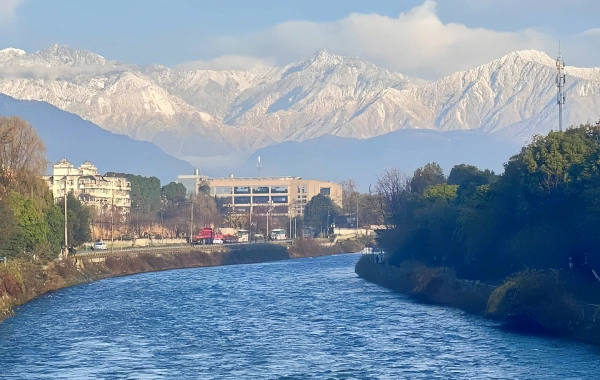
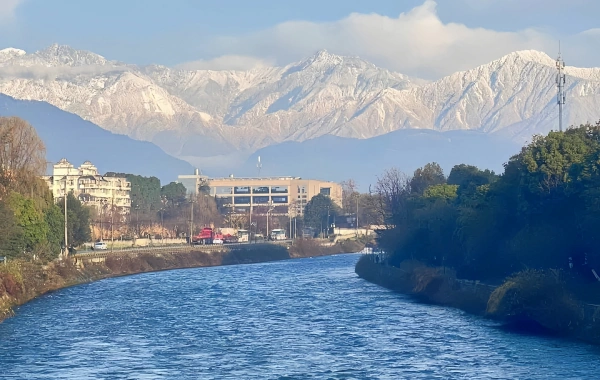
Winter quiet season (December February): There are relatively few tourists, and the river water is green and clear, allowing for a clearer observation of the engineering structure. When the weather is sunny, you can often overlook the snow capped mountains from Yulei Pavilion, which has a unique charm.

Accommodation Options
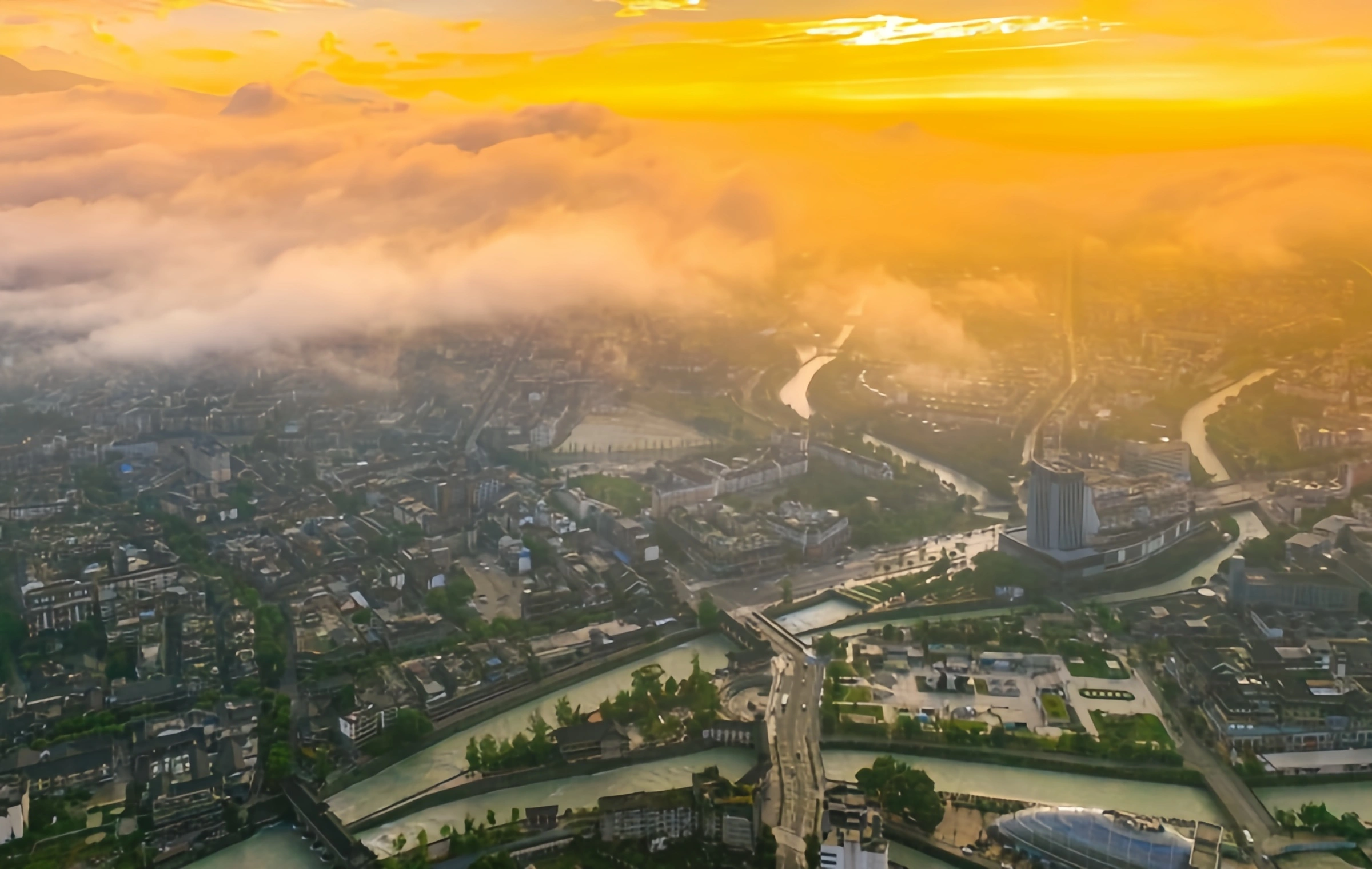
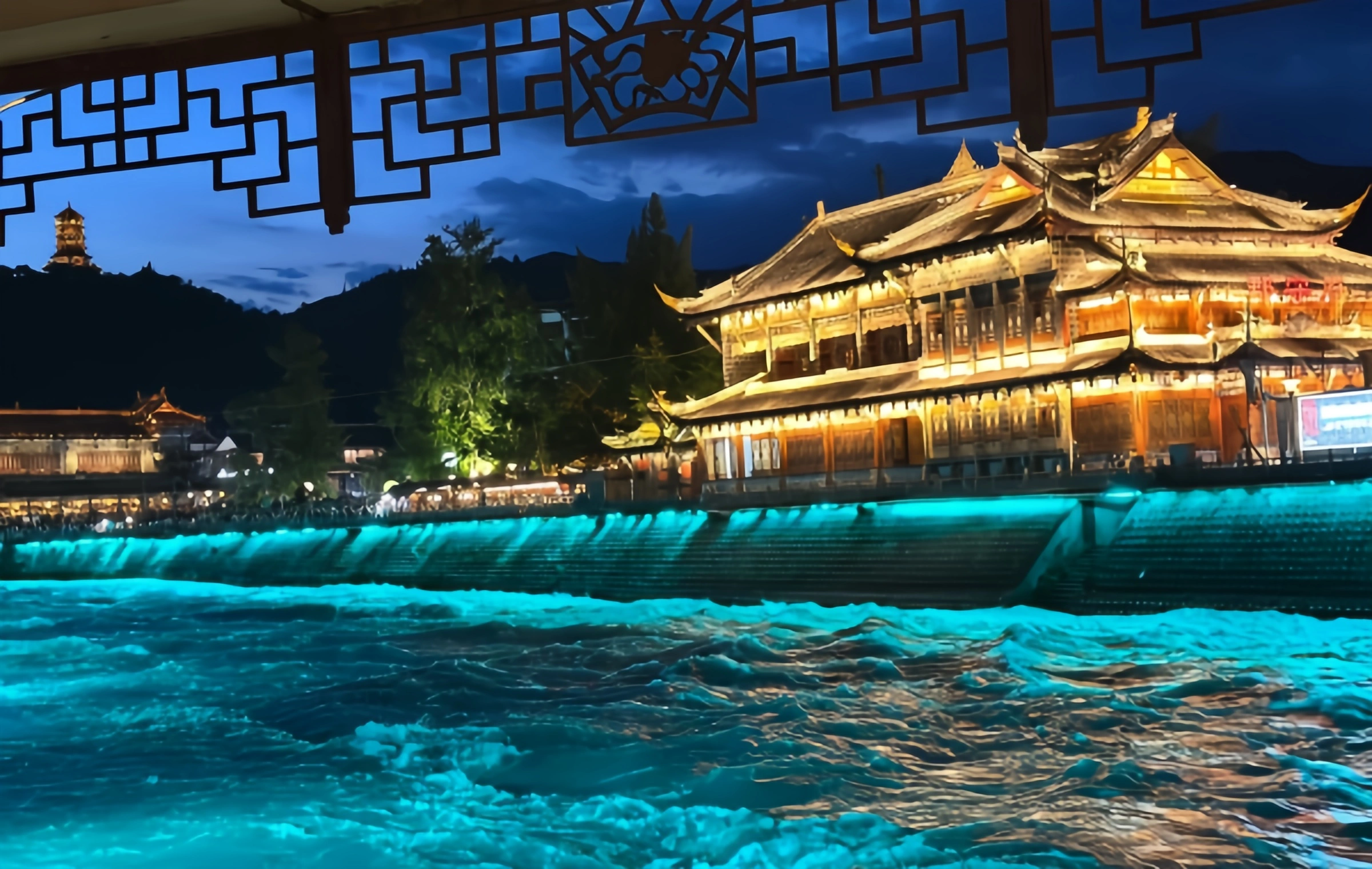
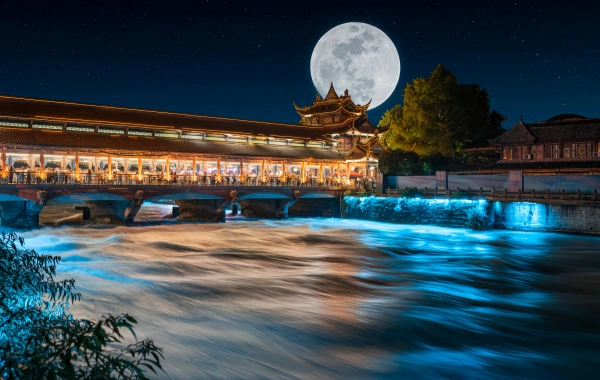
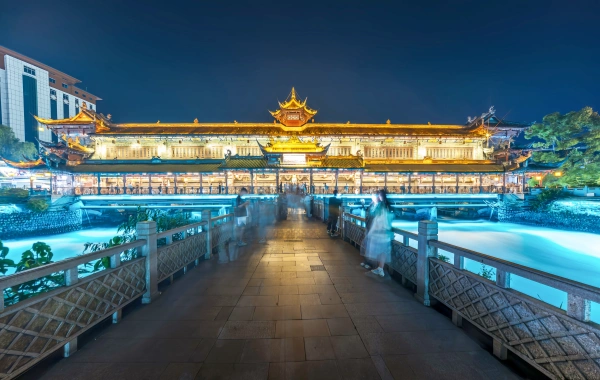
Dujiangyan Irrigation Project urban area/around the scenic spot (preferred): There are a wide range of accommodation options, from boutique hotels with night view to economic hotels. Living near the scenic spot is convenient for leisurely tour in the morning and evening, and experience the night life and food of the ancient city of Dujiangyan Irrigation Project (such as the night view of Nanqiao, "Blue Tears").
At the foot of Qingcheng Mountain (related choice): If you plan to visit Qingcheng Mountain in series, you can choose to stay in Tai'an Ancient Town at the foot of the mountain or in the surrounding hotels. The environment is quiet and full of Taoist health atmosphere.
Urban area of Chengdu (flexible choice): With the convenient intercity railway, you can choose to live in Chengdu and return to Dujiangyan Irrigation Project on the same day. This is suitable for tourists who want to explore multiple surrounding attractions centered around Chengdu.

IntoTravelChina accommodation booking recommendations:
Dujiangyan Irrigation Project is a popular destination around Chengdu, and accommodation is tight during holidays and summer vacations. Through our reservation, we can not only recommend the best accommodation area according to the core of your itinerary (focusing on water conservancy projects or combining with Qingcheng Mountain), but also provide one-stop ticket and transportation connections for the scenic spot, and even arrange senior guides to deeply interpret the mysteries of the project and history and culture for you. Tell us your needs, and we will plan the most reasonable "Bai Shui Wen" journey for you. >>Click to contact IntoTravelChina travel consultant

Extended journey: fashion culture loop connecting essence of Chengdu

Furong Ancient Town Furong Ancient Town

One day essence tour of Chengdu urban culture: Chengdu Museum (history) → Taikoo Li (modern fashion) → Kuanzhai Alley (traditional street) → Sichuan Opera Performance (night). This route crosses the past and present of Chengdu within a day.
Sichuan Sichuan Classic 6-day Ring Road: Chengdu → Leshan (Leshan Giant Buddha Scenic Area, Mount Emei) → Sanxingdui → People's Park, Jinli Old Street → Giant Panda Base, Chunxi Road. This is a classic Sichuan journey from modern cities to natural wonders and cultural heritage. >>Explore the 6-day essence of Sichuan

Join hands with IntoTravelChina and embark on your exclusive Chengdu fashion journey

Furong Ancient Town Furong Ancient Town

Our travel experts can assist you with:
Tailored itinerary: Based on your interests, cleverly integrate the natural, historical, and culinary journeys of Taikoo Li and Sichuan, and design a unique route.
One stop service: handle all transportation, accommodation, tour guide, and special activity reservations during the itinerary, making you worry free and effortless.
Exclusive perspective and arrangement: providing in-depth interpretation of urban culture, recommending hidden treasure shops and exhibition information, making your trip not just sightseeing, but also a deep experience of urban aesthetics and lifestyle.
Make your trip to Taikoo Li not just about shopping, but also a deep conversation about understanding Chengdu, a city where you don't want to leave once you come.  

Start planning your journey now:Feel free to contact our professional travel consultants, and we will provide you with exclusive itinerary plans and quotes within 24 hours. >>Click to contact IntoTravelChina travel consultant

Recommended Tours

Top 3 tours chosen by most customers to explore in the best way. Check the detailed itinerary, or tailor your own trip now with us.

Zhangjiajie Tour
Lijiang Shangrila Chengdu 7-Day Tour
Zhangjiajie Tour
11-Day Chinese Classic In-depth Tour

11 Days  |  Chengdu-Zhangjiajie-Xi'an-Beijing

Zhangjiajie Tour
Zhangjiajie-Chengdu 7-Days Tour

What Our Clients Say?

Based on 10,000+ traveler reviews

...
Daniel Dorothea
Canada
Reviewed on April 29,2025
Shopping on Nanjing Road in Shanghai was just amazing! It's truly the "First Commercial Street of China", where tradition and modernity blend perfectly. You can find awesome souvenirs and experience the trendy vibes in cool stores. The neon lights at night are just spectacular, shining bright like Times Square in New York. The food here is incredible too. I had a feast for my taste buds. Shanghai, I'll definitely be back!
Destination(s): Shanghai
Date of Experience: May 08,2024
...
...
Elvis Eva
Canada
Reviewed on June 20,2025
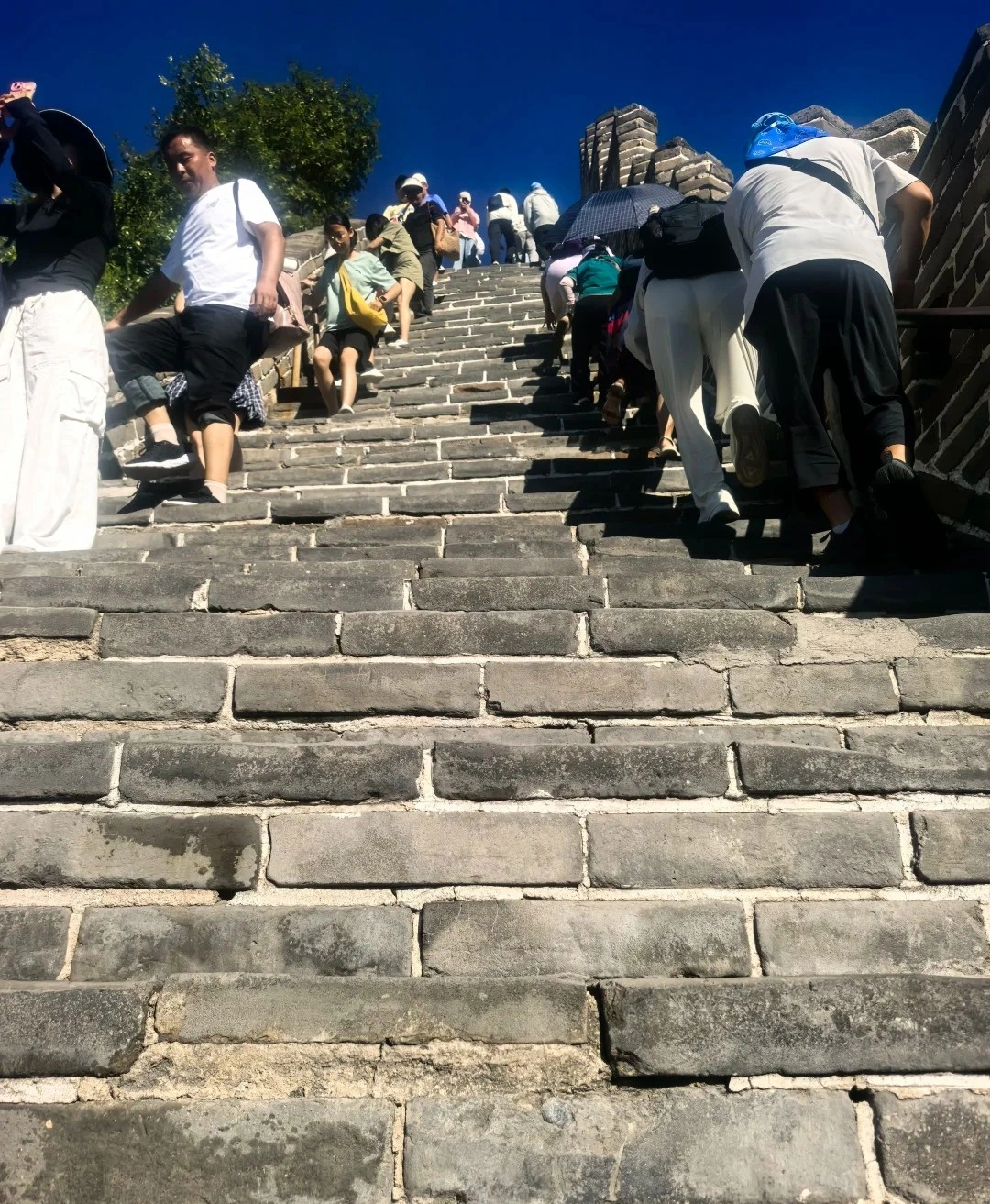
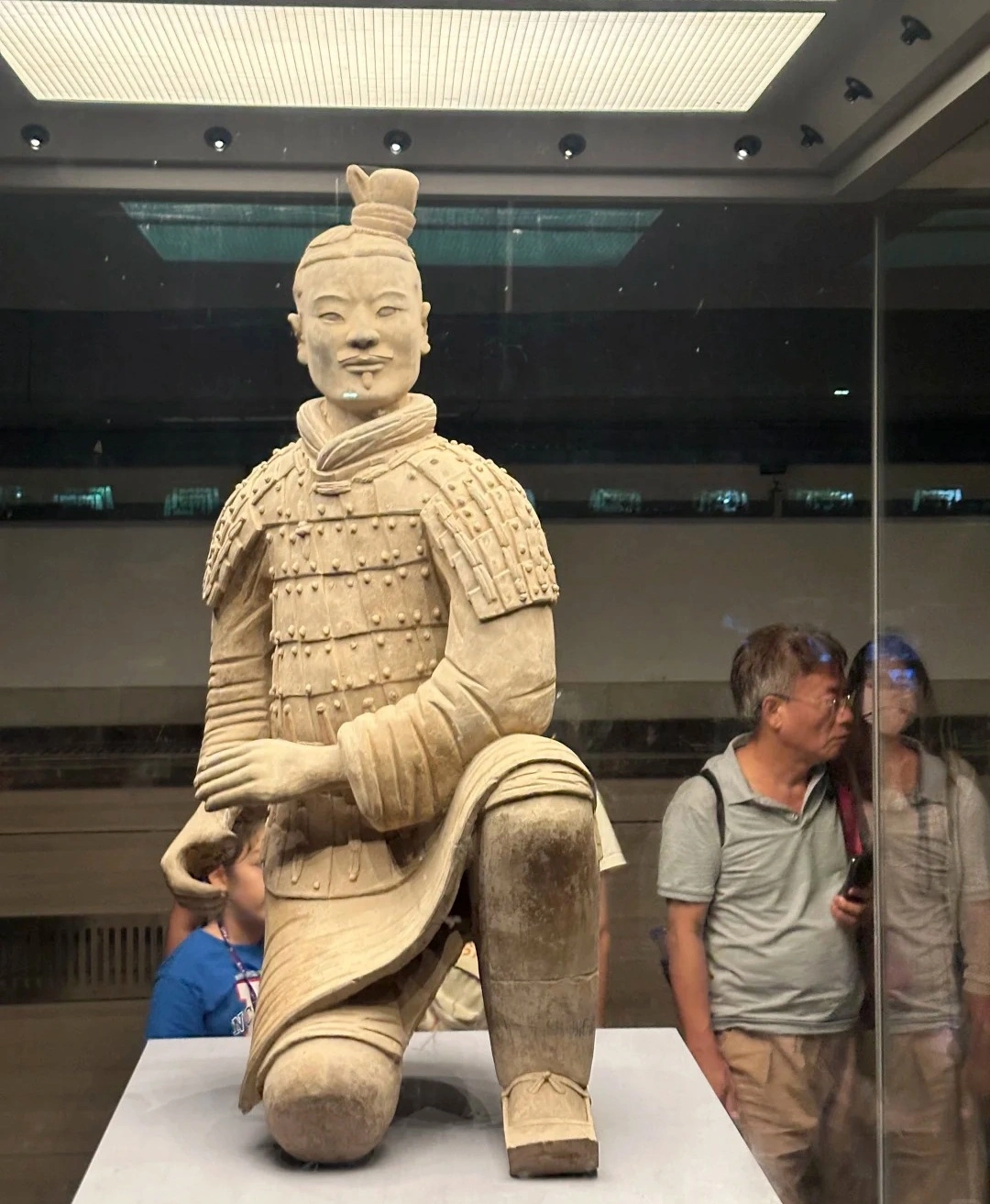
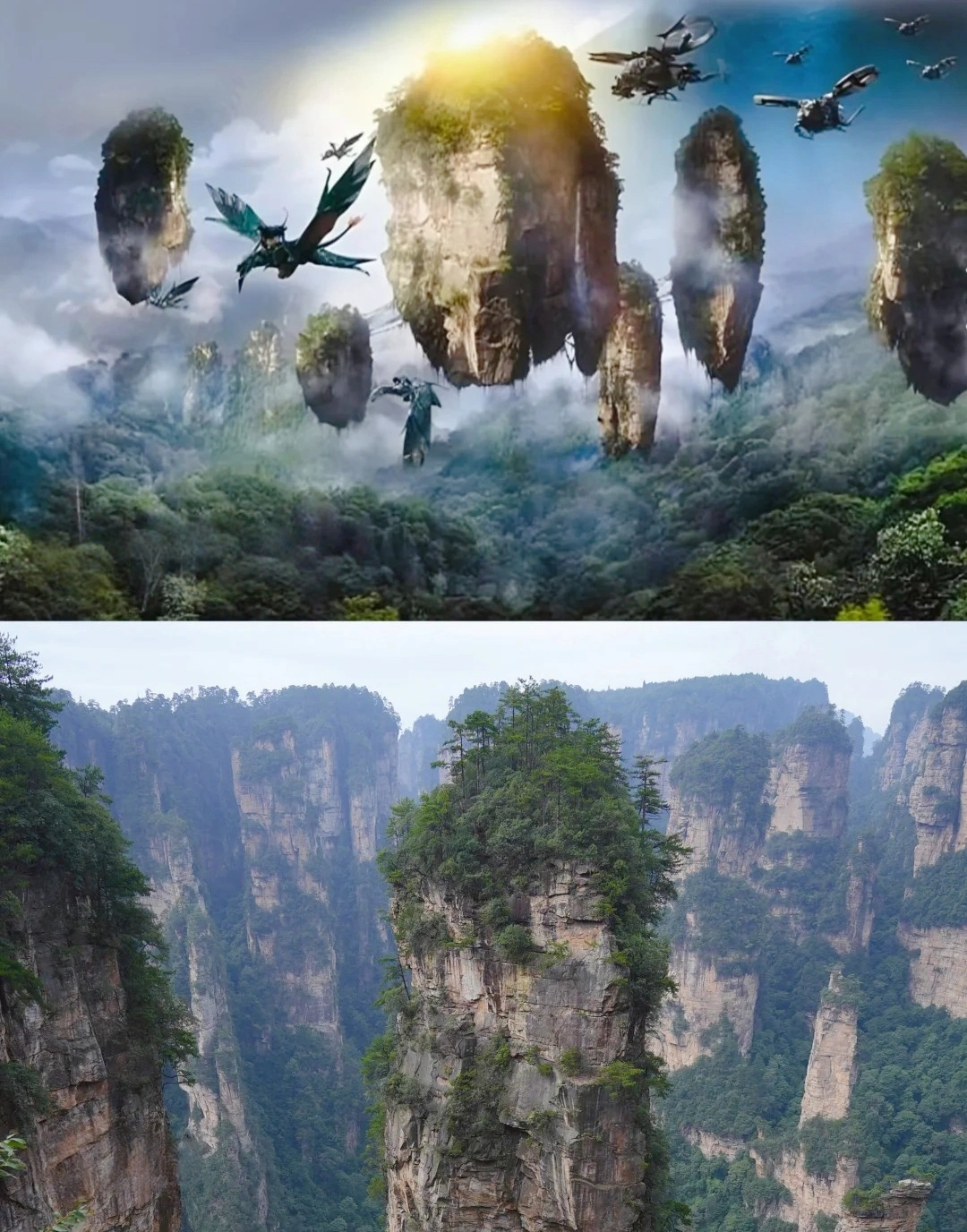
As a solo traveler from Canada, I was nervous about navigating China alone—but this 11-day tour was PERFECT! From hiking the Great Wall at sunrise (Day 3) to gasping at the Terracotta Army (Day 5), every day delivered ‘pinch-me’ moments. The real showstopper? Zhangjiajie’s Avatar Mountains (Day 7)! Our guide made the stone pillars come alive with stories. Massive thanks for handling all logistics—bullet train tickets, entry passes, car! And the 4-star hotels surprised me.
Destination(s): Beijing Xian Zhangjiajie Shanghai
Date of Experience: June 02,2025
... ... ...
...
Simon
America
Reviewed on May 29,2025
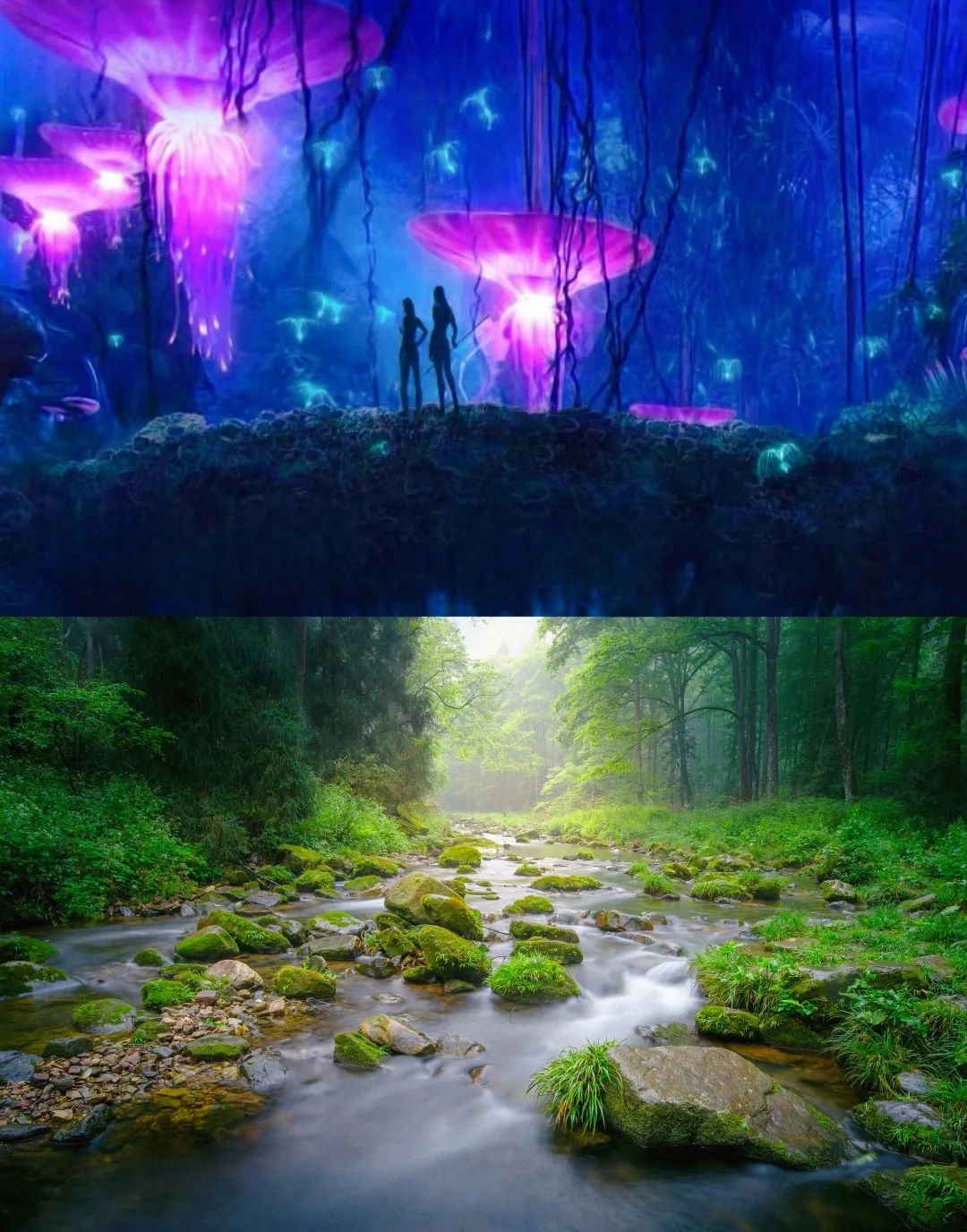
Our 2-day Zhangjiajie tour was beyond spectacular! As someone who’s visited Beijing and Shanghai for work, this trip revealed China’s wild, magical heart. Day 1 in Zhangjiajie National Forest Park felt like stepping onto Pandora—I’m a huge Avatar fan, and Yuanjiajie’s floating peaks left me breathless. The misty pillars and lush valleys like pure movie magic! Then came Fenghuang Ancient Town, we eat dinner beside the thundering waterfall. It seems Unreal! The night views of stilt houses glowing over the river were straight from a fairy tale. For fellow Avatar lovers and adventure seekers: Don’t miss this bucket-list experience! 10/10 would return. A Well-Traveled Film Buff, May 2025
Destination(s): Zhangjiajie
Date of Experience: May 08,2025
... ...

FAQ

Why is Dujiangyan’s "Fish Mouth" shaped like a fish?

The "Fish Mouth" (a triangular dyke) is shaped like a fish to reduce water resistance, splitting the Minjiang River into inner and outer streams

How to tour Dujiangyan following the "irrigation principles" theme to understand its engineering logic?

Start at the Fish Mouth to learn about water diversion. Move to the Flying Sand Weir to observe sediment removal. Visit the Precious Bottle Neck to see water control in action. End at Erwang Temple to study Li Bing’s management rules—each stop connects to the next, revealing the system’s "smart design."

What unique rituals are held during the annual "Water Release Festival"?

On April 5th, locals dress as ancient officials to reenact Li Bing’s "water release" ceremony: they remove a stone marker (indicating the dredging depth) and let water flow into farmland.

What’s the easiest way to get from Dujiangyan to Qingcheng Mountain after your visit?

Take bus No. 101 from "Dujiangyan Scenic Area" to "Qingcheng Mountain Front Gate" (30 minutes, ¥2). It’s direct and runs every 15 minutes, perfect for combining both UNESCO sites in one day.

What "irrigation-themed" souvenirs can you take home?

Mini replicas of the Fish Mouth or Precious Bottle Neck, with explanations of their functions. Bamboo baskets (like those used for dredging) woven with patterns of the river. Postcards with photos of the system in different seasons, paired with Li Bing’s quotes.

Ask a Question

Question Summary (100 characters)
Details (optional) (2,000 characters)
Name
Country
Email