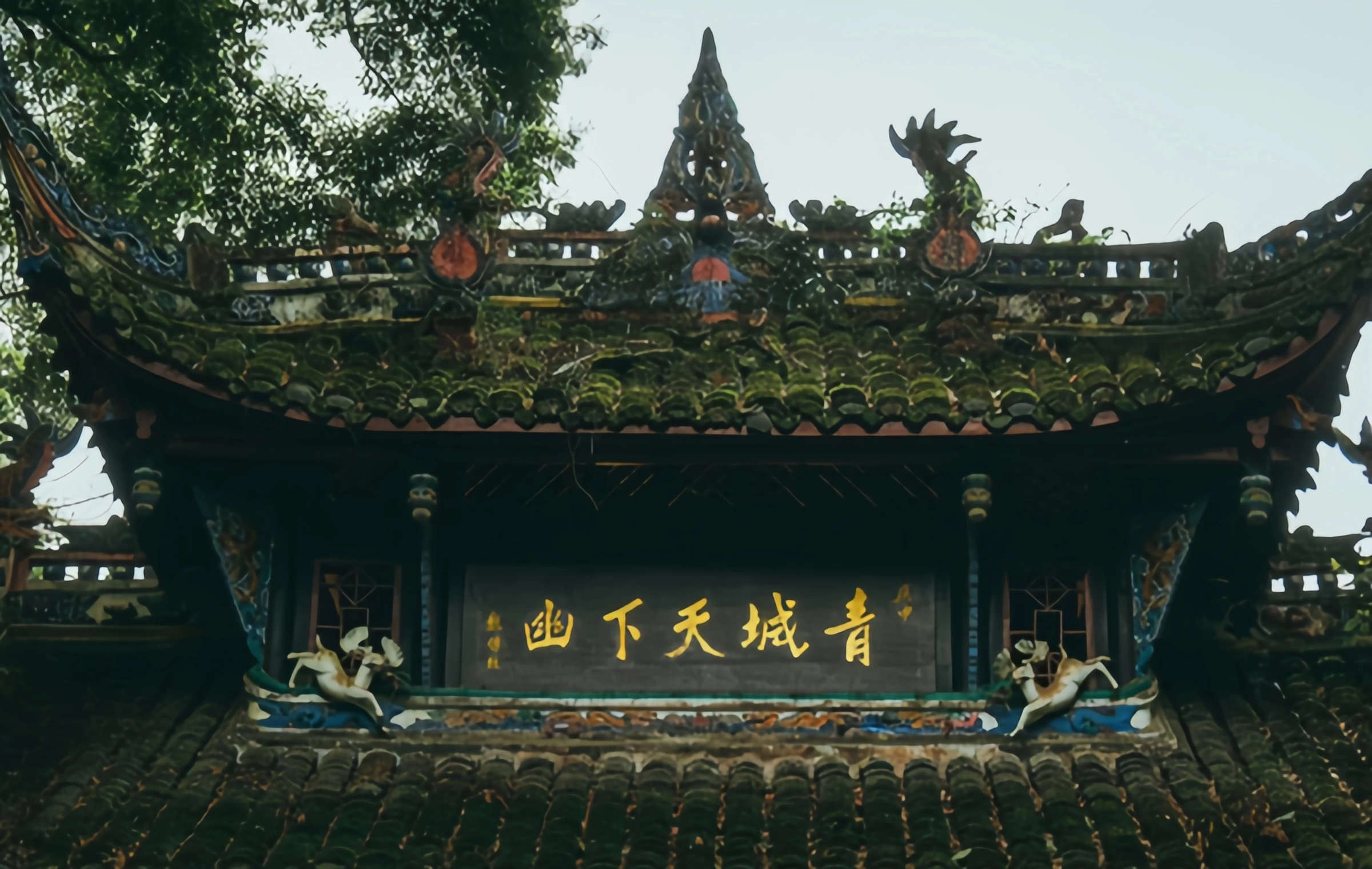
Natural Creation - The Ultimate Interpretation of "Qingcheng Tianxia Youjing"
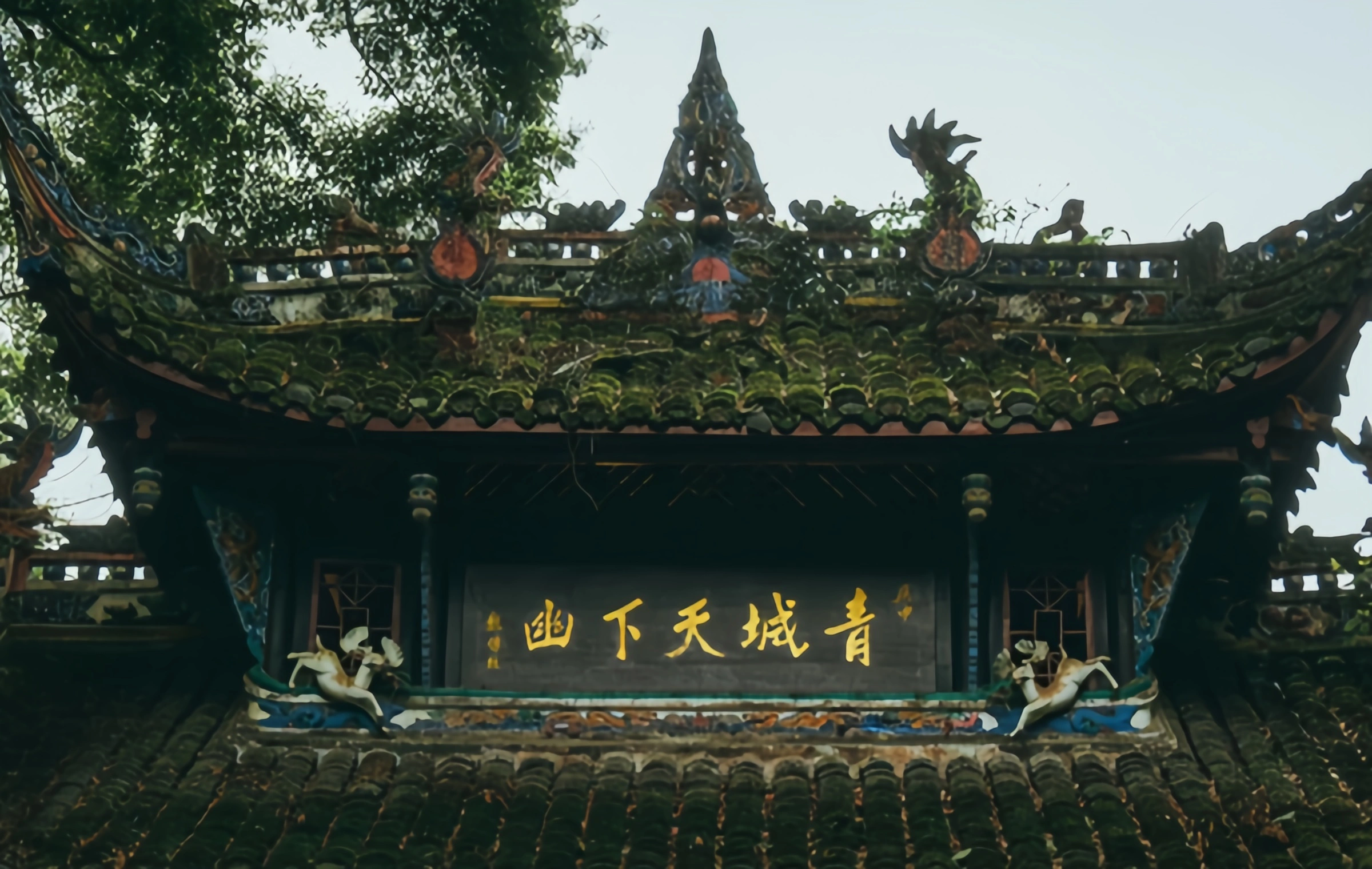
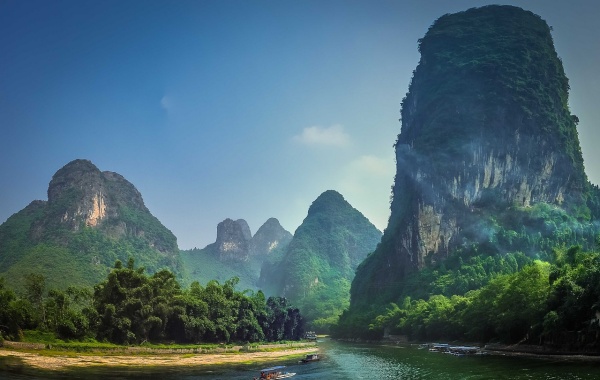
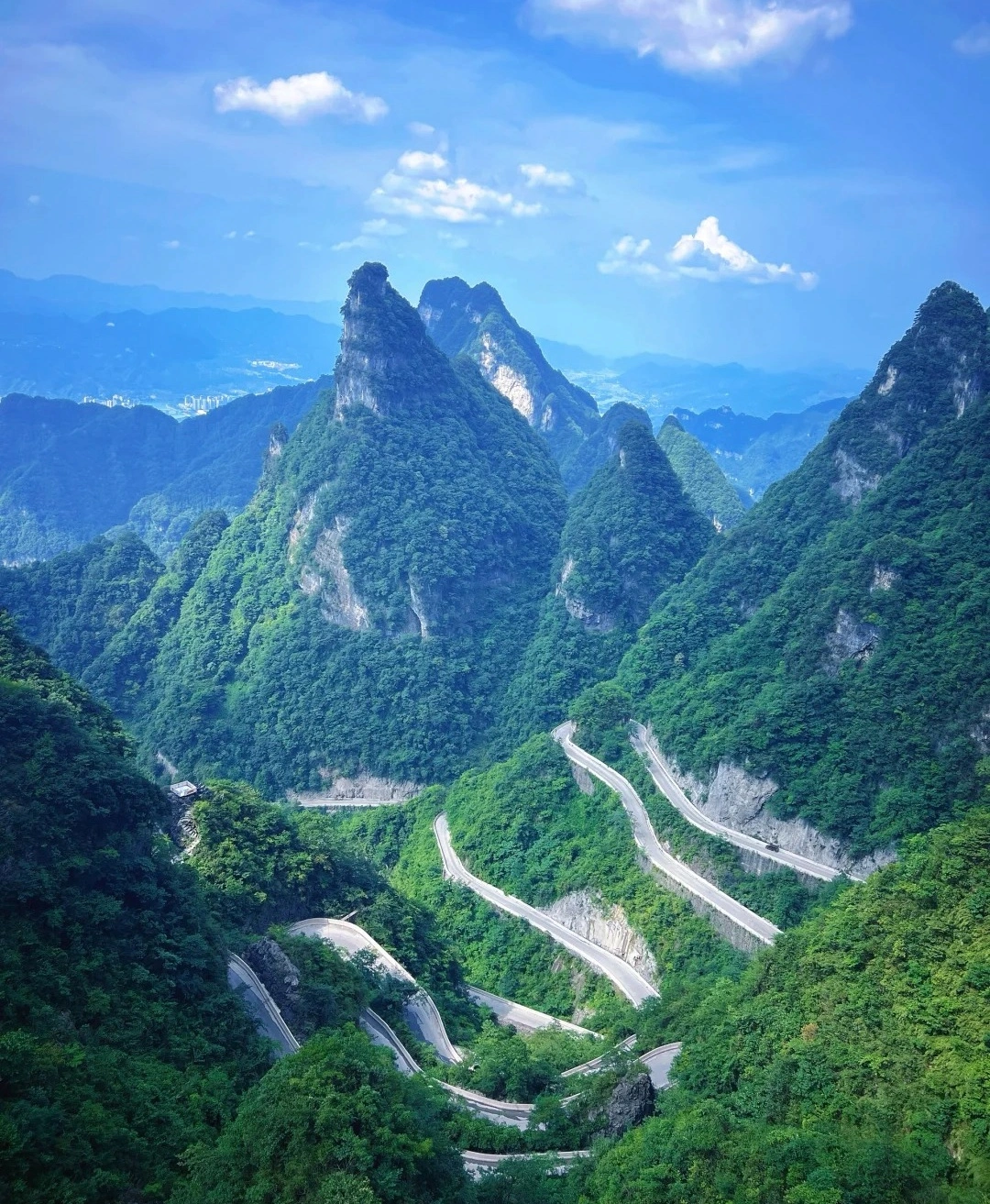
The soul of Qingcheng Mountain lies in the word "You". The whole mountain has 36 peaks, 8 large caves, 72 small caves, and 108 scenic spots. The trees are green and evergreen all year round, surrounded by various peaks and resembling city walls. Here, victory is not achieved through steepness or grandeur, but through the picturesque and serene atmosphere that conquers people's hearts.
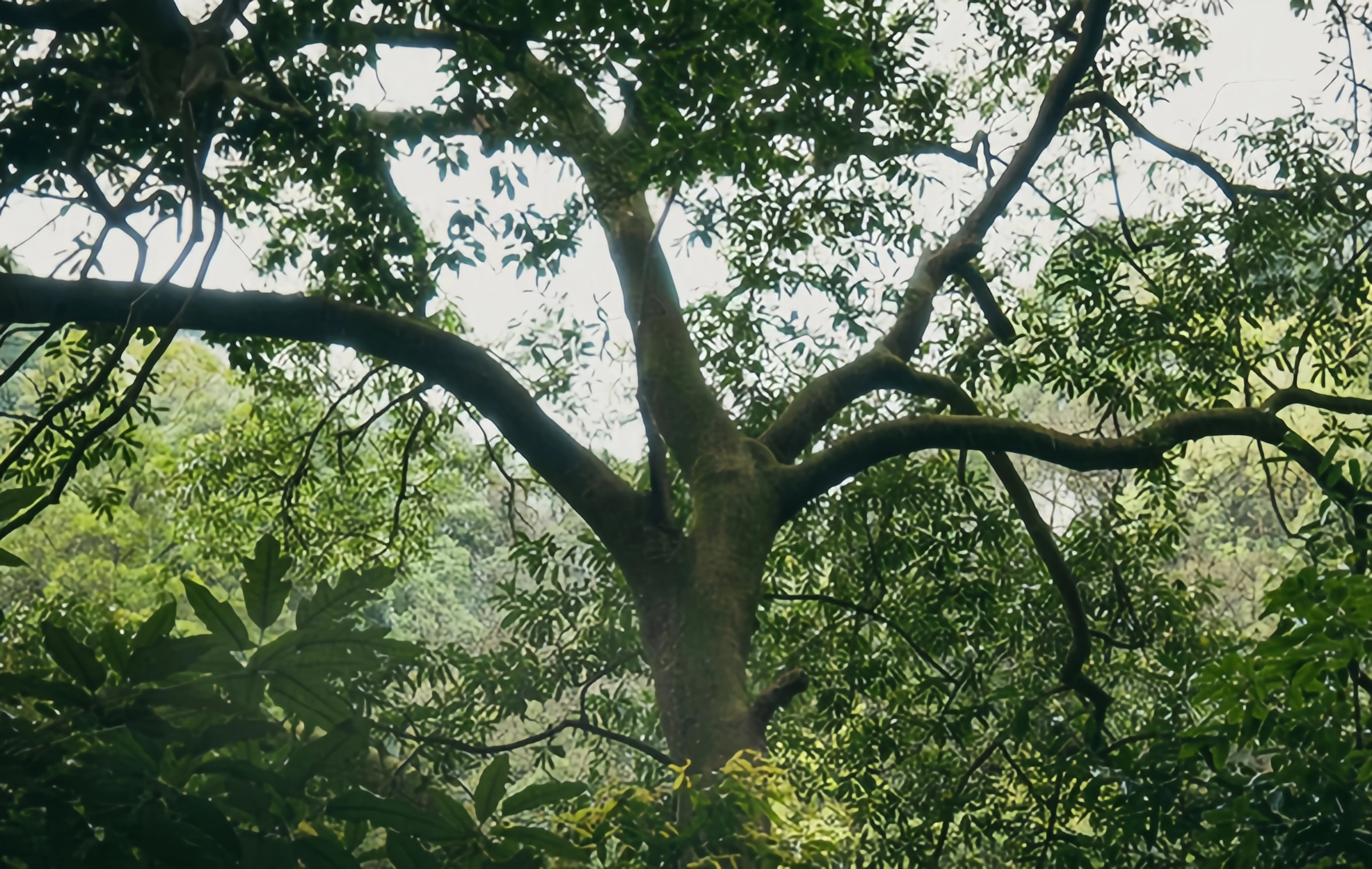
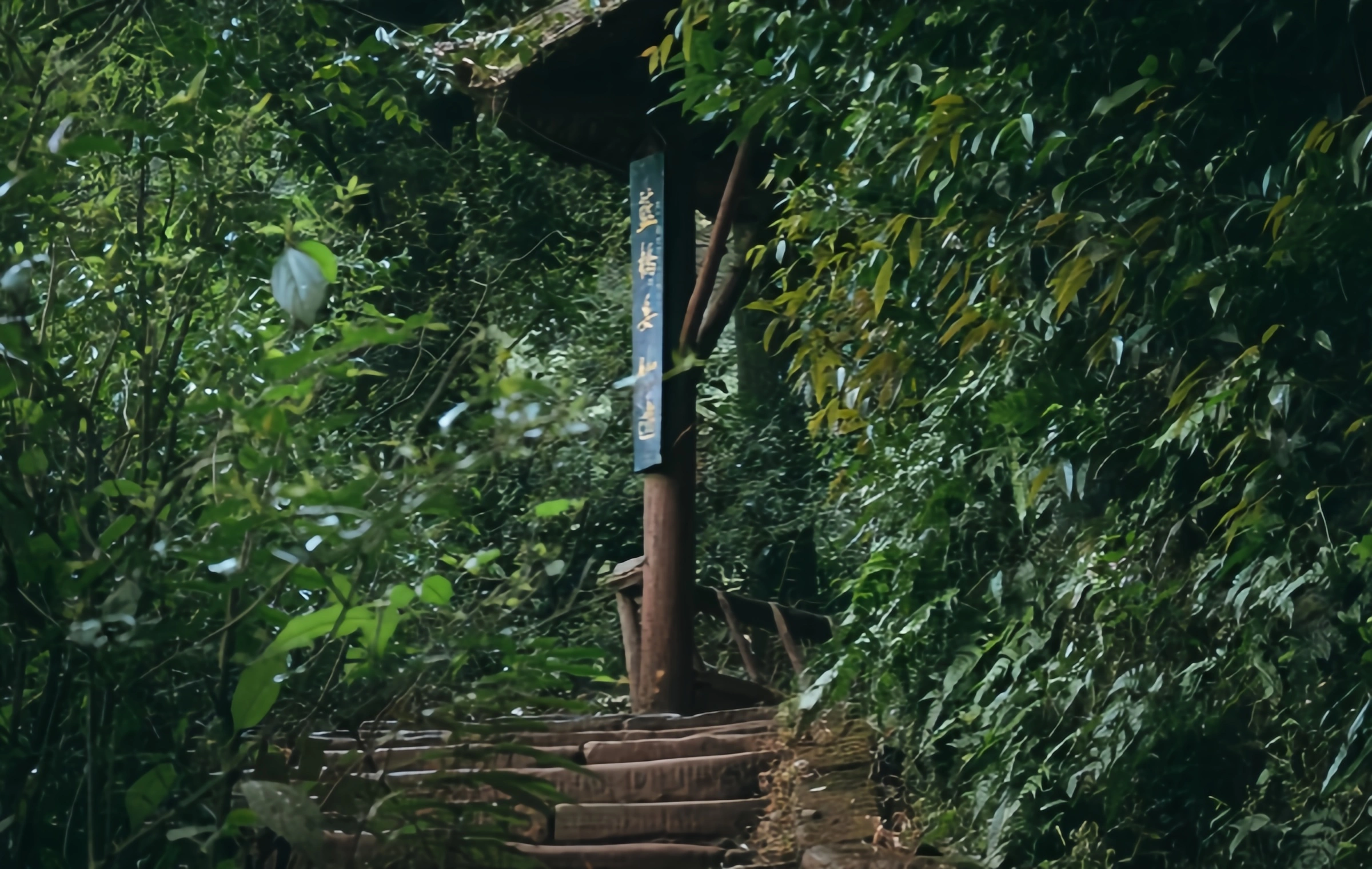
Kong Cui Si He: As soon as you enter the mountain gate, it feels like stepping into a huge green dome. The towering ancient trees cover the sky and the sun, while ancient and famous trees such as nanmu, ginkgo, and cedar are scattered throughout the mountains, resulting in a high forest coverage rate. The concentration of negative oxygen ions in the air far exceeds that of cities, and every breath is a cleansing of the body and mind. Even in summer, the mountains are as cool as autumn, making them a natural summer resort. The winding path leads to secluded places: The mountain trails connecting various scenic spots are the best way to experience the charm of "seclusion". These stone steps and paths meander between dense forests and deep streams, sometimes facing streams, sometimes passing through caves, and sometimes hidden by dense branches and leaves. Strolling on it, one can only hear the chirping of birds and cicadas, the murmuring of flowing water, and the troubles of the world are instantly isolated from the green mountains. Sunrise Sea of Clouds and Holy Lamp: Climbing up to the main peak Laojun Pavilion (1260 meters above sea level), you can enjoy the magnificent sunrise and rolling sea of clouds when the weather is suitable. The "Holy Lamp" (actually a natural phenomenon of phosphine) at night in Qingcheng Mountain is regarded as a Taoist mascot, adding infinite mystery in ancient times.
Humanistic Craftsmanship - Taoist Architecture Museum Built on the Mountain
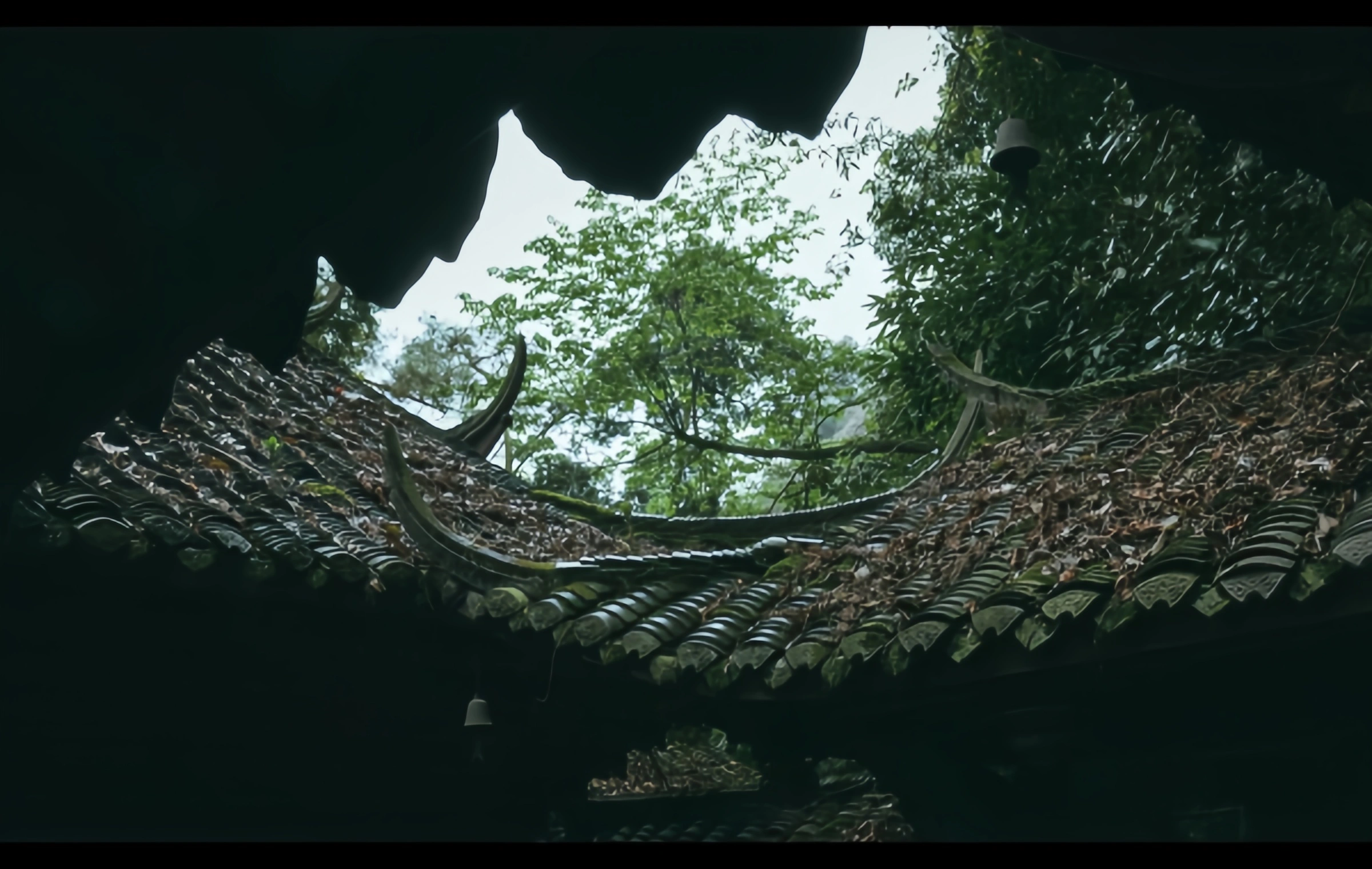
The palace here is not only a religious site, but also a perfect crystallization of ancient Chinese architectural art and Taoist philosophical thought.
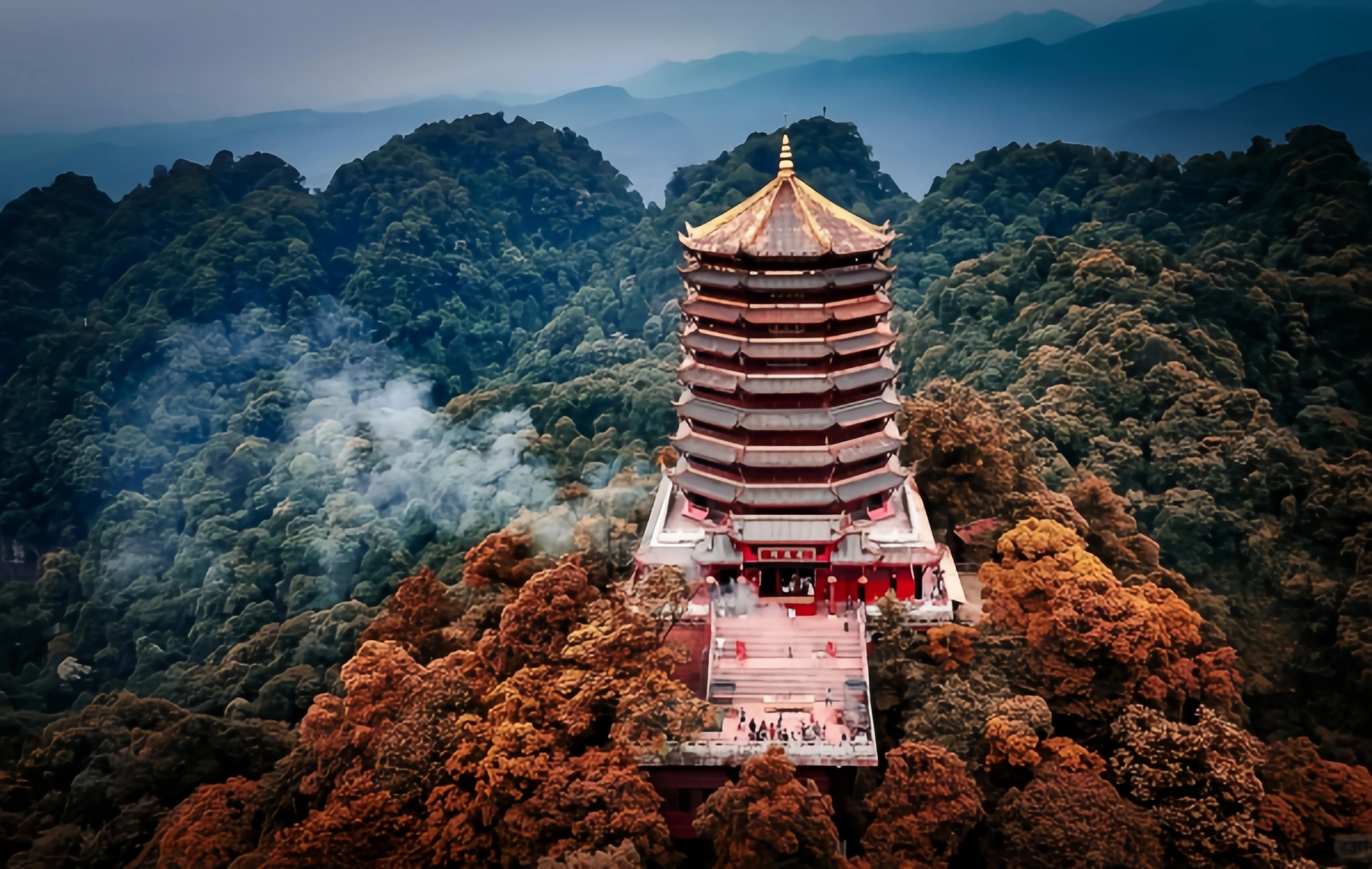
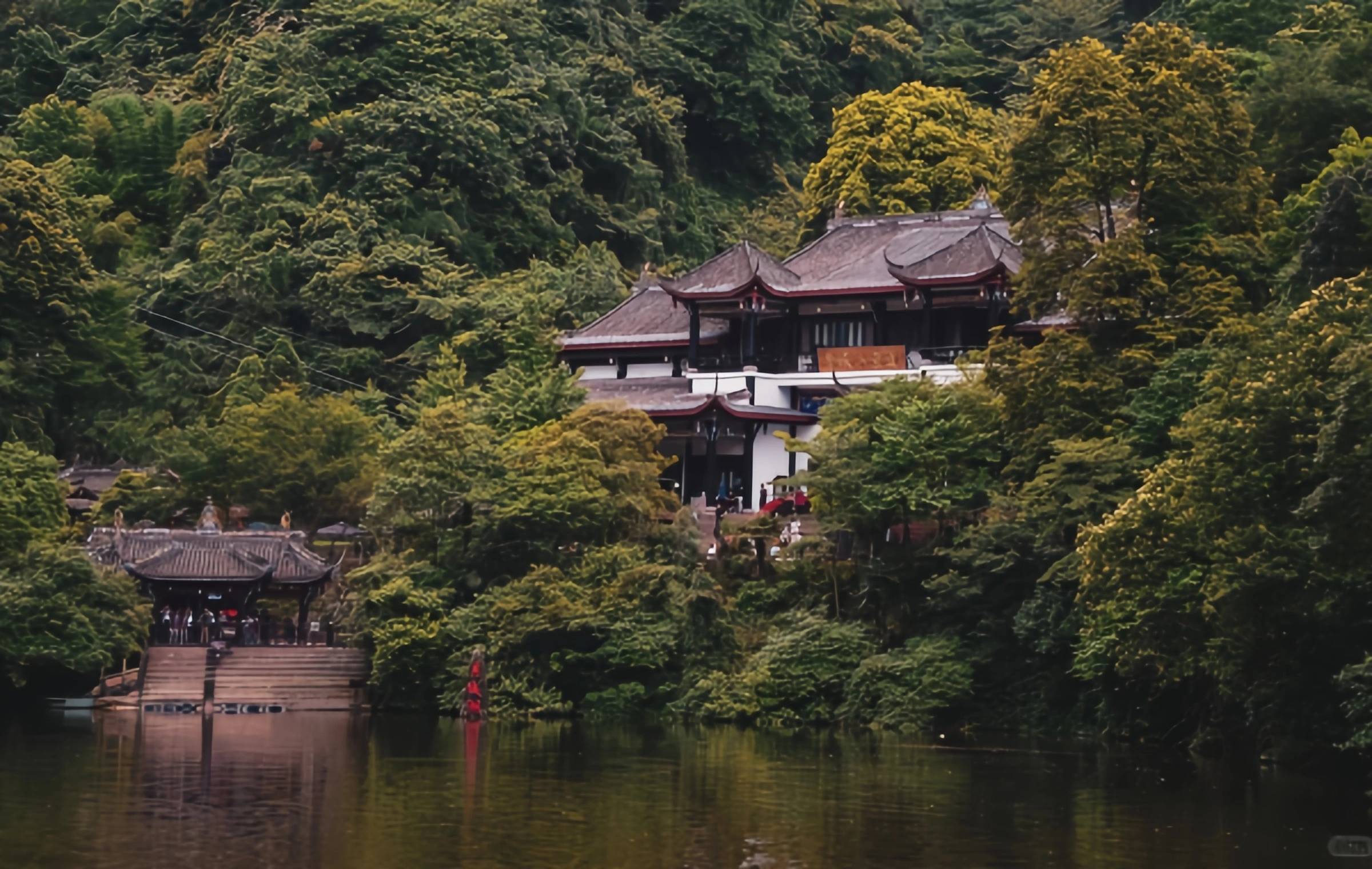
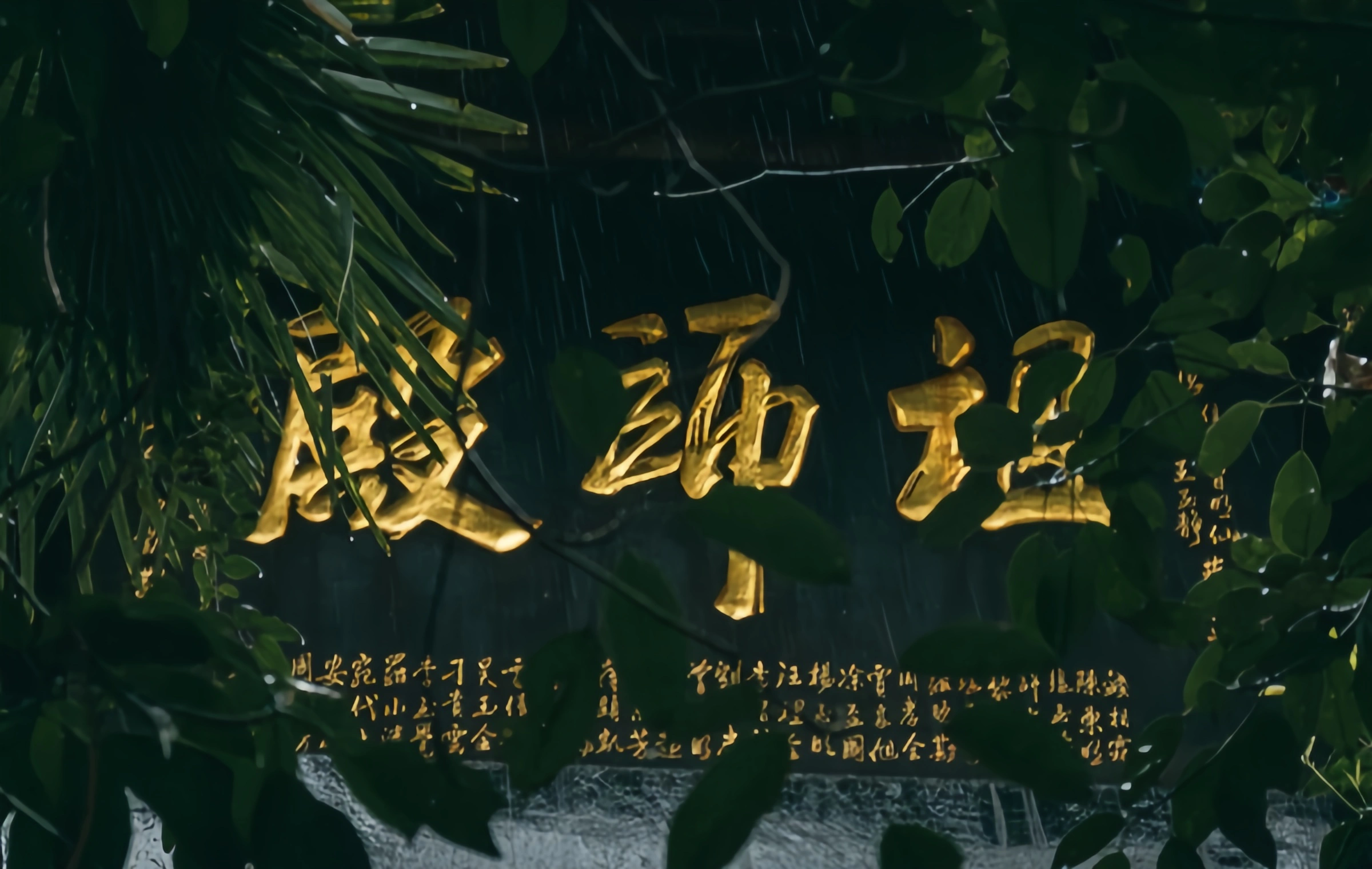
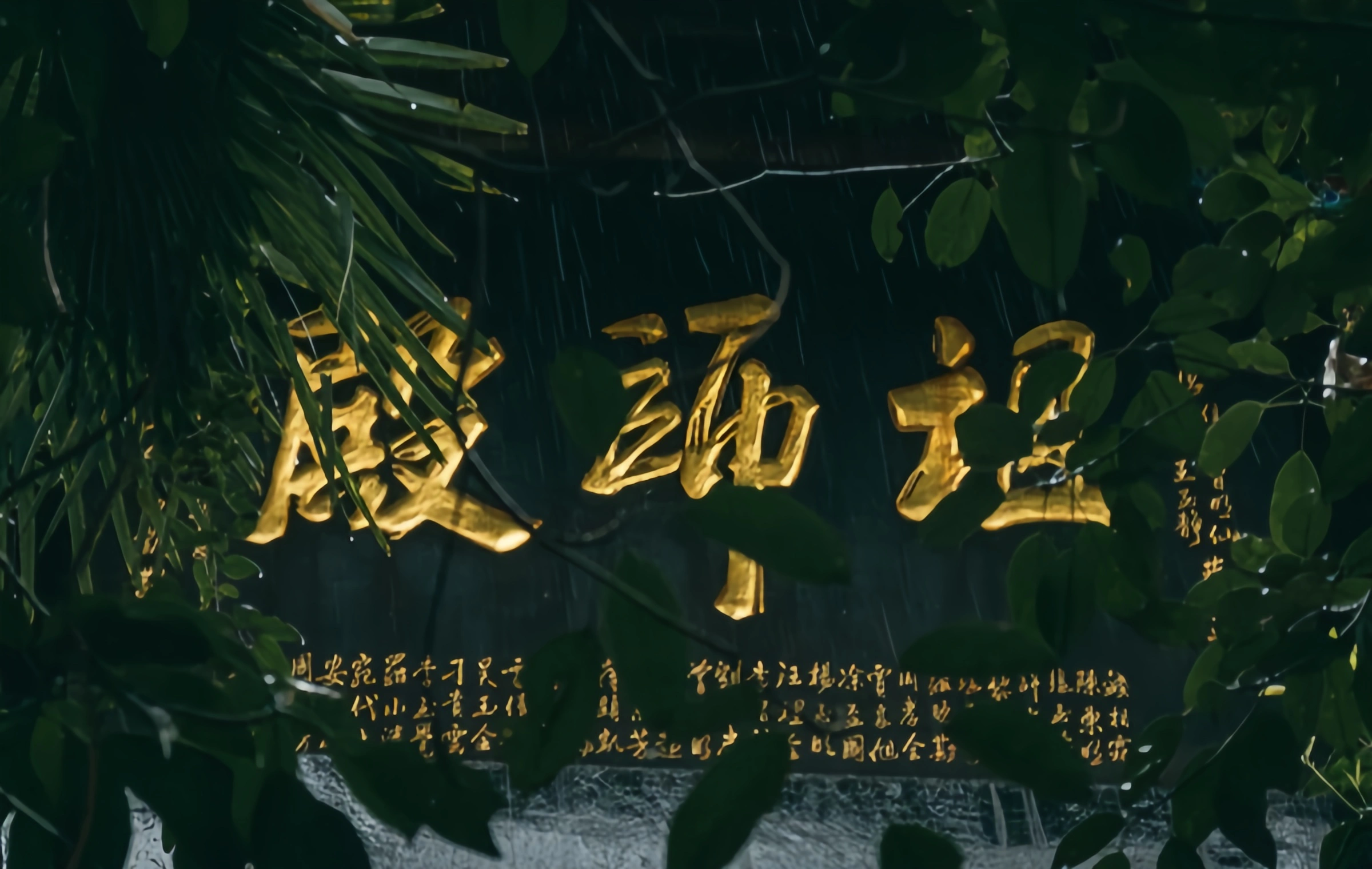
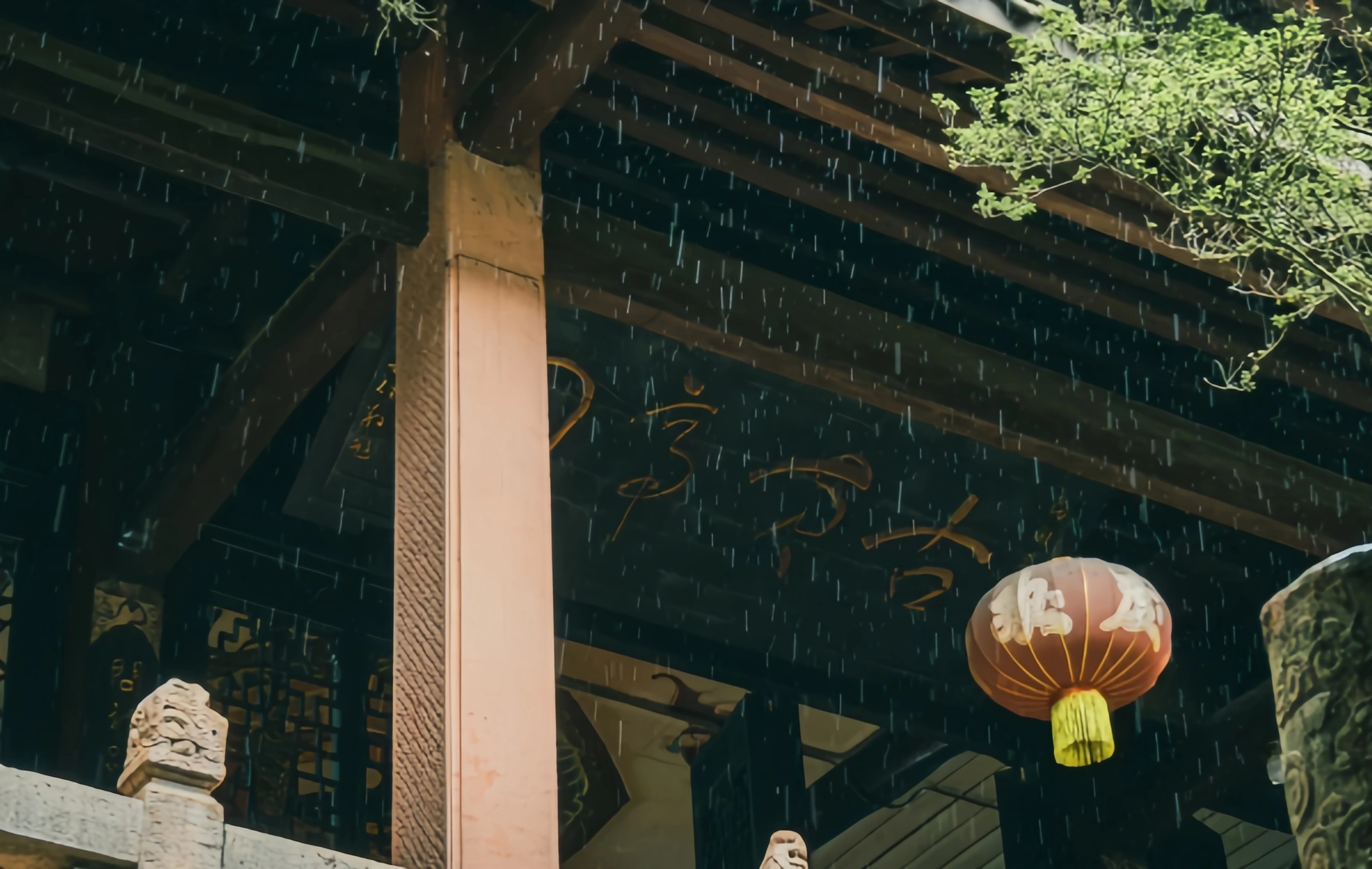
Jianfu Palace: Located at the foot of Zhangren Peak next to the mountain gate, it is the starting point for sightseeing. Founded in the Tang Dynasty, the existing buildings were renovated during the Qing Dynasty. There are a large number of precious poems, couplets, and murals preserved in the palace, creating a strong cultural atmosphere and serving as a warm-up before entering the "Immortal Cave". Tianshi Cave (Changdao Temple): the location of the Taoist Association of Qingcheng Mountain, which is also the core of the whole mountain. It is said to be the place where Zhang Tianshi practiced and preached. The entire architectural complex rises layer by layer along the mountain terrain, with a grand scale. The Sanqing Grand Hall is majestic and solemn, with a millennium old ginkgo tree that is said to have been planted by Zhang Tianshi. In the deep autumn season, the ground is covered in golden yellow, making it a spectacular sight. There are also statues of the "Heavenly Master" Zhang Ling and his 30th generation descendant "Xujing Heavenly Master" in the cave, which is a must visit place for pilgrimage. Shangqing Palace: Located at the top of a high mountain, it was first built in the Jin Dynasty. The temple worships the founder of Taoism, Tai Shang Lao Jun. The high and open terrain here is an excellent place to watch the sunrise, the sea of clouds and the Dujiangyan Irrigation Project water conservancy project. There are halls such as Laojun Hall, Sanqing Hall, and Daode Jing Hall in the palace, and Chiang Kai shek once inscribed a plaque here. Patriotic general Zhang Xueliang was once placed under house arrest near the palace. Laojun Pavilion: Located at the top of Qingcheng's first peak, it is a tower shaped building that has been rebuilt in recent years. Inside the pavilion, there is a giant sitting statue of the Grand Master. Climbing to the top of the pavilion, the view is extremely broad, giving a heroic feeling of "seeing all the small mountains at a glance", which is the climax of the tour route.
Photography tip: The best panoramic camera position is in Shangqing Palace or Laojun Pavilion, which can capture magnificent scenes surrounded by mountains and shrouded in clouds and mist. The combination of ancient buildings and towering ancient trees (especially ginkgo trees) in Tianshi Cave is a classic scene for capturing the fusion of culture and nature. Mountain trails and pavilions are suitable for taking photos of people blending into a serene environment, and it is recommended to wear simple and elegant clothing. In the early morning or after rain, the mountains and forests are shrouded in mist, which best captures the fairy like texture of "Qingcheng Tianxia".