Nature's Handiwork—A Geological Tapestry Woven by Eons of Erosion
The natural landscape of Lion Rock represents a dialogue spanning millions of years—a conversation between the mountains, the rocks, and the skyline.
The Eons-Old Lion: A Sculpture of the Earth
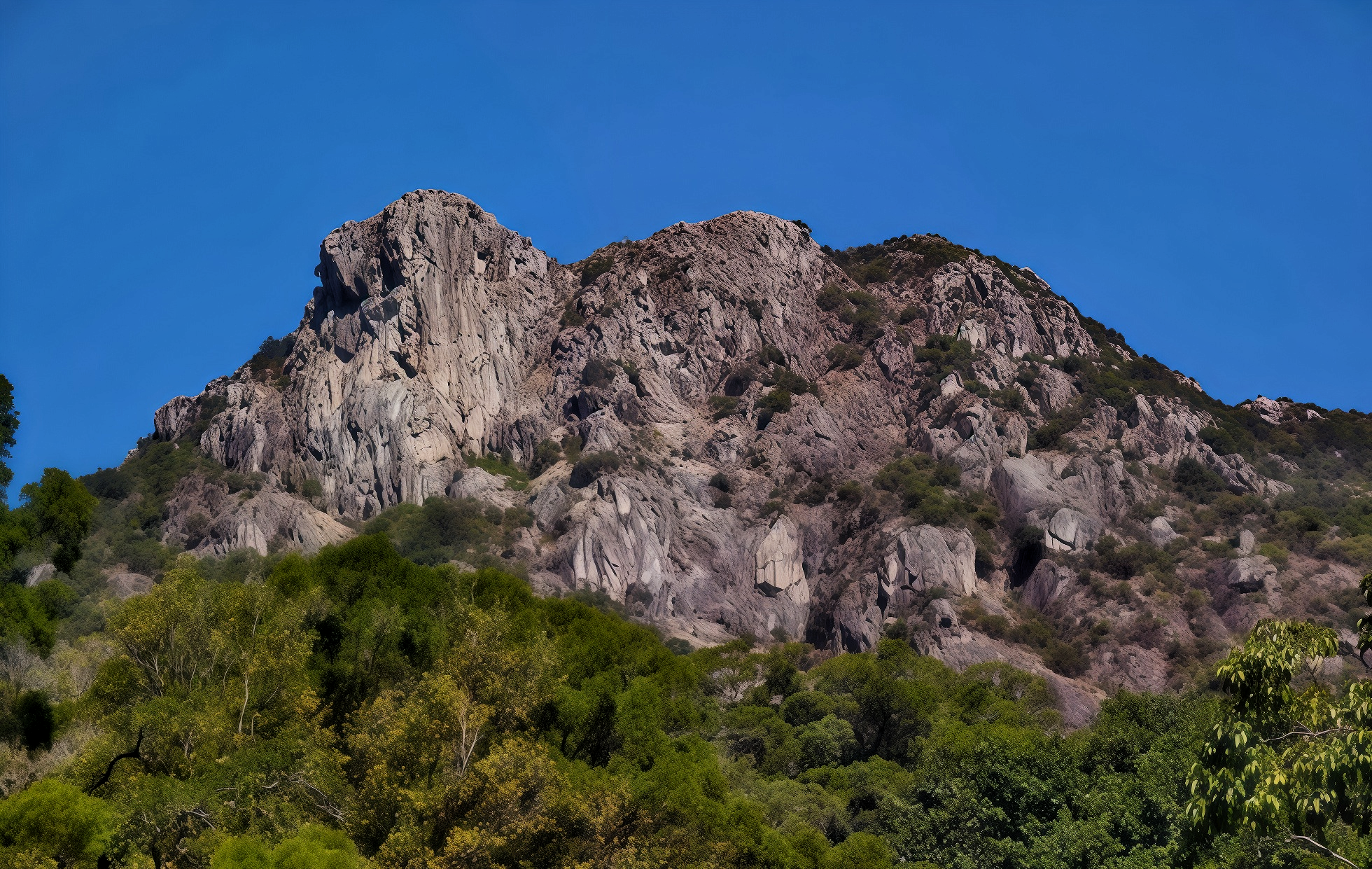
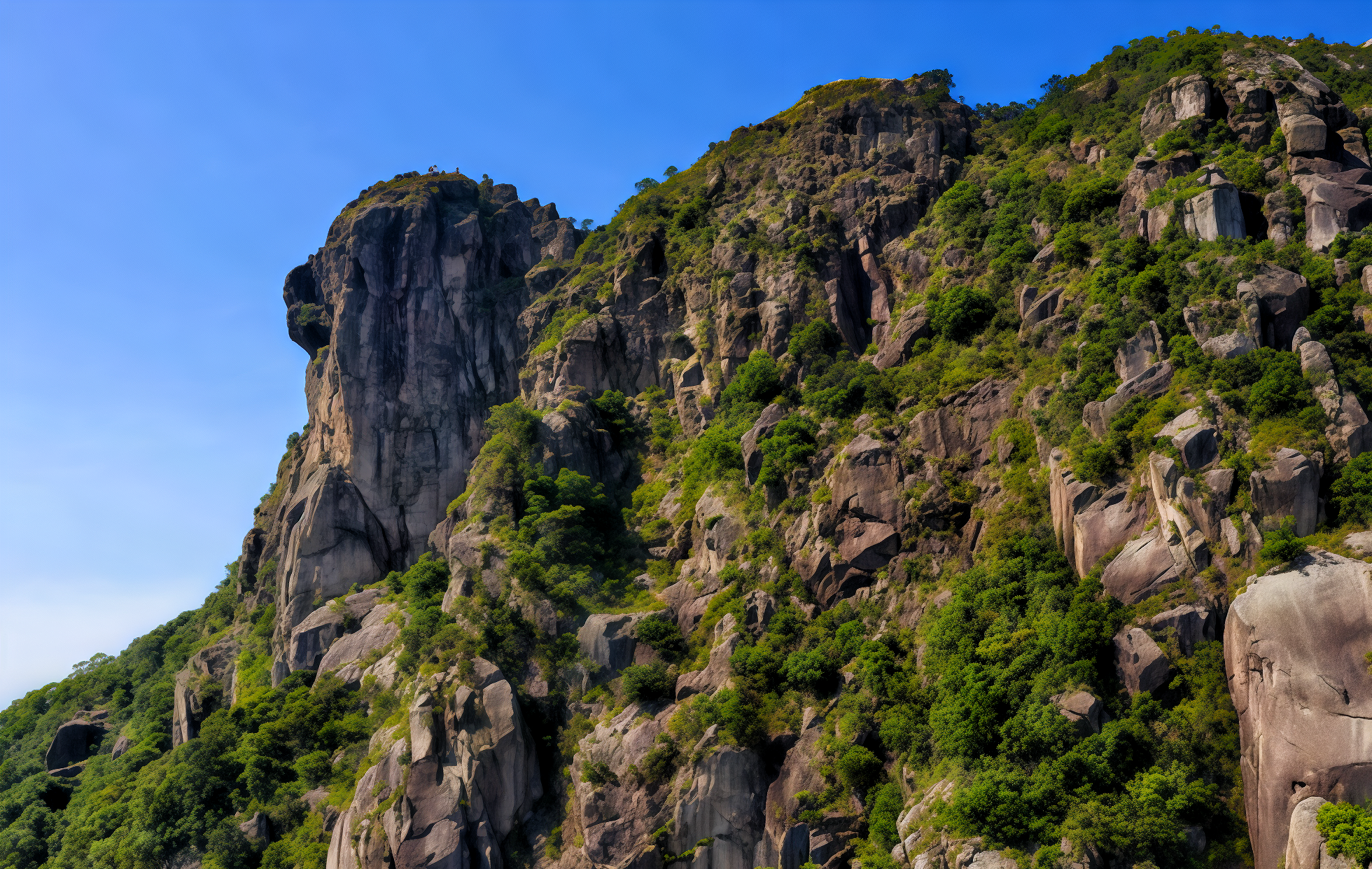
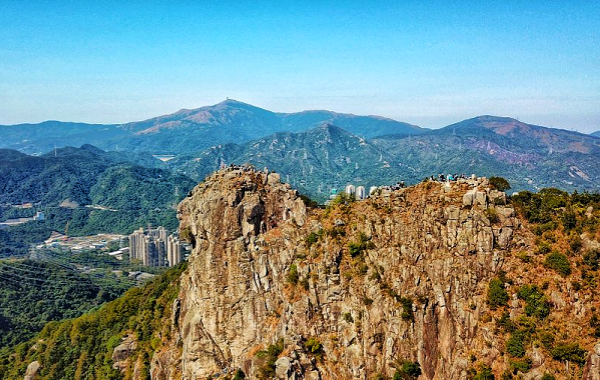
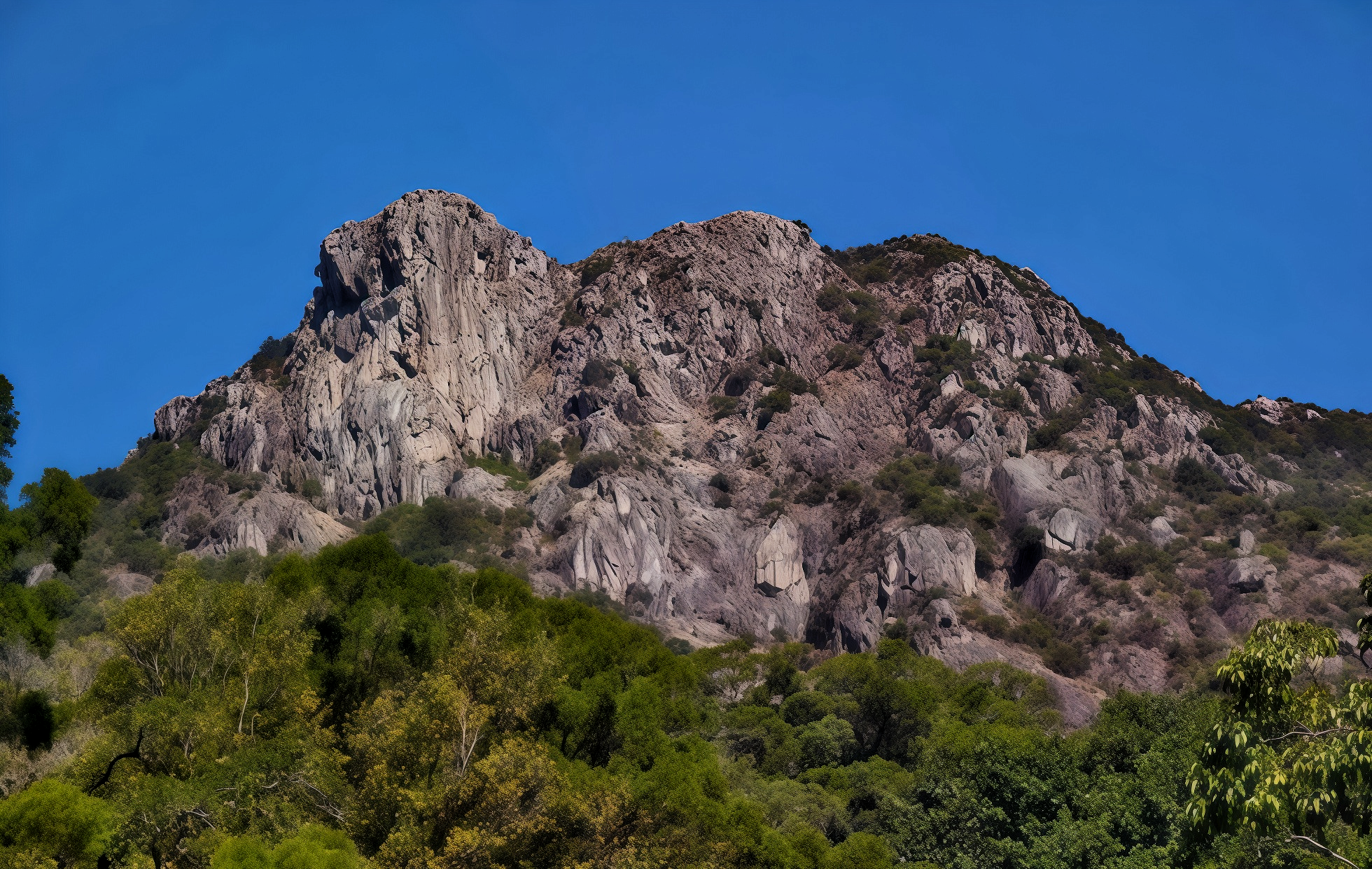
The true allure of Lion Rock lies in its unique and extraordinary geological wonders. Composed of Jurassic granite, the mountain has undergone eons of weathering and erosion to form a unique landform resembling a crouching male lion. Viewed from the west, the lion's head, body, and tail are clearly discernible, appearing as if a majestic lion were deep in slumber. Best Viewing Spot: The mountain path situated to the west of Lion Rock offers a panoramic vista of the rugged western cliffs and the full profile of the reclining lion. A Must-Know for Geology Enthusiasts: While most of Hong Kong's mountains are formed from volcanic rock, Lion Rock is composed of granite. Although granite is less resistant to weathering than volcanic rock, the fact that the lion's head, body, and tail remain clearly visible after millennia stands as a true geological marvel.
A Rugged Divide: Where City Meets Nature
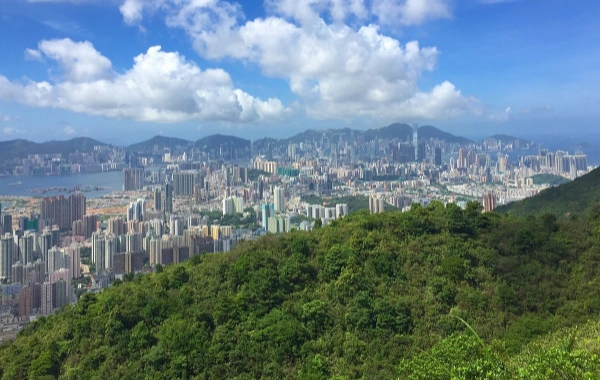
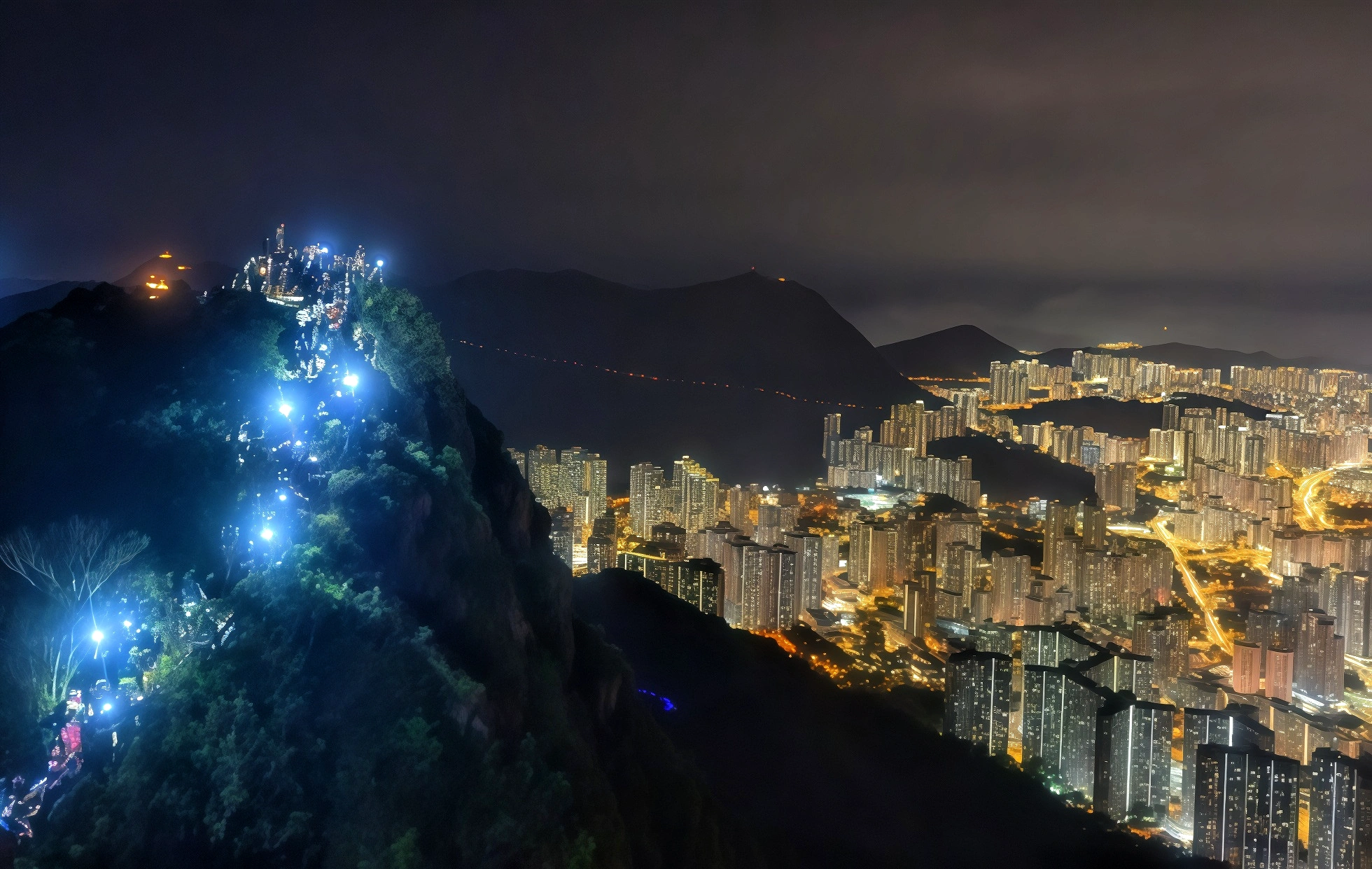
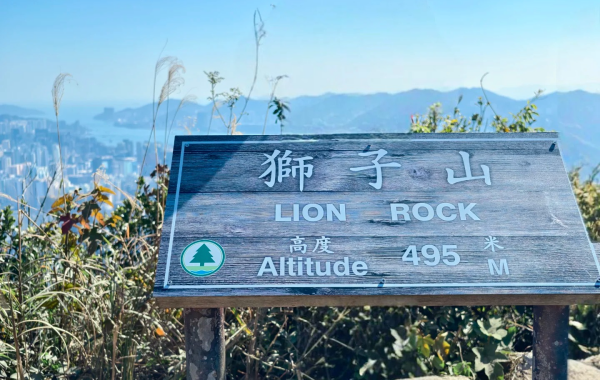
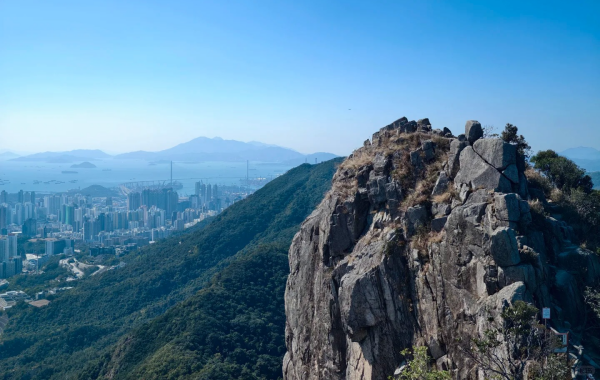
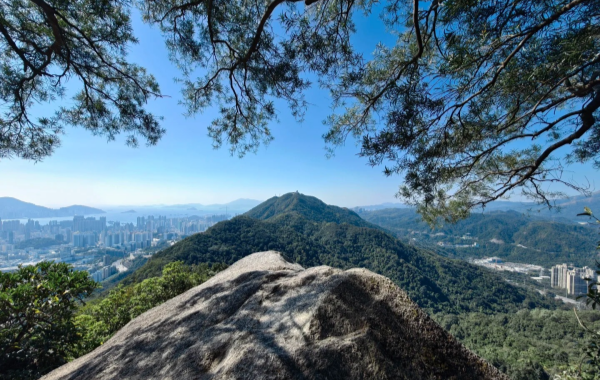
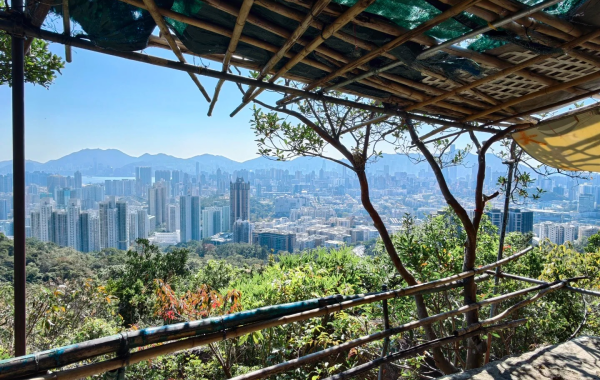
The ridge of Lion Rock serves as the natural boundary between Kowloon and the New Territories; its southern face is steep and barren, while its northern face boasts lush vegetation and abundant water sources. Standing atop the summit, one can gaze southward to overlook the entire Kowloon Peninsula, Victoria Harbour, and the Hong Kong Island skyline; looking northward, the view extends to the new town of Sha Tin, Tolo Harbour, and the peaks of the Pat Sin Leng range. Here, the bustle of the city converges with the tranquility of the forest, creating a breathtaking tableau of epic proportions.
A "Breathing" Forest: The City's Backyard
Lion Rock Country Park spans 5.57 square kilometers, two-thirds of which are covered by woodland. The northern slopes are home to plant communities featuring species such as the Masson pine, while the southern slopes—though steep and sparse—possess a distinct, rugged beauty of their own. The park is also home to wildlife, including a population of long-tailed macaques—descendants of animals released into the wild in the 1920s—as well as black kites and other creatures. It serves as an ideal sanctuary for city dwellers seeking to reconnect with nature. A morning stroll through the woods—where mist and light dance together—offers the perfect opportunity for a rejuvenating "forest bath," cleansing both body and soul.
The natural landscape of Lion Rock offers far more than just a visual spectacle; it invites you to feel the very boundary where the city meets the wilderness. The mountain itself stands as a colossal observation deck and a living ecological classroom.
Humanistic Craftsmanship — Historical Echoes on the Ridge
The significance of Lion Rock lies not merely in its natural formation, but more profoundly in the deep humanistic heritage and enduring spirit it embodies.
The Spirit of Lion Rock: The Soul of a Mountain
In 1979, the theme song for the TV series Below the Lion Rock was released. Its lyrics—"Life is inevitably rugged, rarely free of worries; yet, as we share the same boat, let us help one another below the Lion Rock"—articulated the core spirit of the Hong Kong people: one of perseverance, diligence, hard work, and unceasing self-improvement. As the TV series became a massive hit, the song became a household name, and Lion Rock was henceforth imbued with a significance transcending mere geography; it became the embodiment of the "Hong Kong Spirit," representing a collective belief in unyielding resilience and mutual support in the face of adversity. To this day, Lion Rock remains an unshakable spiritual beacon in the hearts of the people of Hong Kong.
The "Husband-Watching Stone": An Enduring Folktale
Located within the Lion Rock Country Park, the "Husband-Watching Stone" is a massive granite boulder steeped in a poignant legend. The story goes that, long ago, a woman would climb the mountain every day with her child, anxiously awaiting the return of her husband who had gone out to sea to earn a living; eventually, she transformed into a stone statue. Viewed from different angles and distances, the colossal rock appears at times like a giant gazing up at the heavens, and at others like a woman standing by the sea, gazing out into the distance—leaving the interpretation entirely to the viewer's imagination. This monumental rock has become one of Hong Kong's most renowned natural wonders, as well as a popular photo spot for visiting families and photography enthusiasts alike.
Remnants of the Gin Drinkers' Line: Silent Witnesses to WWII
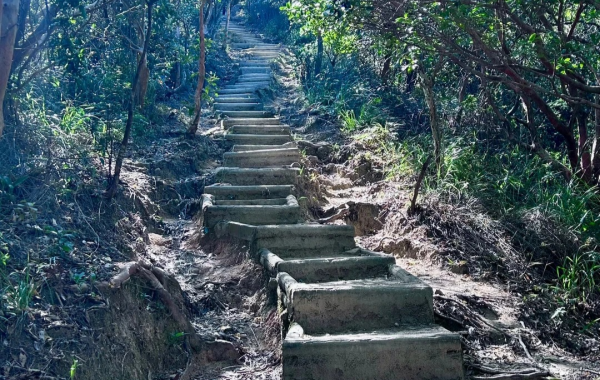
Lion Rock was once a vital component of the "Gin Drinkers' Line"—a defensive fortification system—during the Second World War. Military relics such as marker stones, machine-gun pillboxes, and coordinate markers can still be found scattered across its slopes today. The "Lion Rock Historical Trail" links these remnants together, with its ancient stone-stepped paths whispering tales of the wartime years of fire and conflict. It was along these very mountain trails that Lieutenant Colonel Lindsay Ride—a professor at the University of Hong Kong and commander of the Hong Kong Volunteer Defence Corps—made his escape from the Sham Shui Po Prisoner-of-War Camp; he eventually reached Sai Kung, from where he was escorted to the Chinese mainland by the East River Column. Although the marks of history may have faded, interpretive plaques still stand ready to recount this little-known past to passing visitors.
MacLehose Trail Section 5: A Pilgrim's Path for Hikers
The MacLehose Trail is Hong Kong's most renowned long-distance hiking route, and Section 5 of the trail cuts directly through Lion Rock Country Park. Passing iconic landmarks such as the Lion Rock ridge and Kowloon Pass, it offers the ultimate hiking route for experiencing the full grandeur of Lion Rock. The Eagle's Nest Nature Trail and Hung Mui Kuk Nature Trail, meanwhile, cater to visitors of varying fitness levels; along these paths, educational signage provides insights into local flora, geology, and ecology.
> Photography Tips:
> Ascending to the summit of Lion Rock offers one of the best vantage points for capturing panoramic views of Victoria Harbour. A late-afternoon ascent allows you to capture that magical transitional moment as the golden glow of sunset gives way to the twinkling city lights;
> Photographing Lion Rock from below—looking up from the urban districts of Kowloon—creates a striking visual contrast between the city and the natural landscape;
> The "Amah Rock" (Mong Fu Shek) is an ideal spot for capturing silhouettes against the backdrop of the setting sun, evoking a sense of profound poetic imagery;
> Note that the path along the "Lion's Head" section of the summit is narrow, so please exercise caution for your safety. Additionally, drone usage is restricted in certain areas of Lion Rock; please check regulations in advance.