Defensive art - A model of ancient city defense projects
The core charm of Xiangyang Ancient City lies in its well-preserved and functionally clear ancient military defense system.
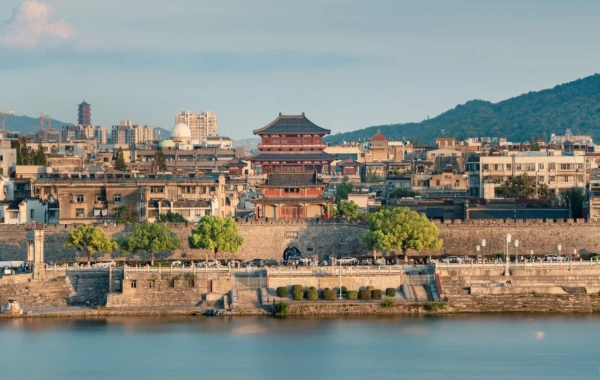
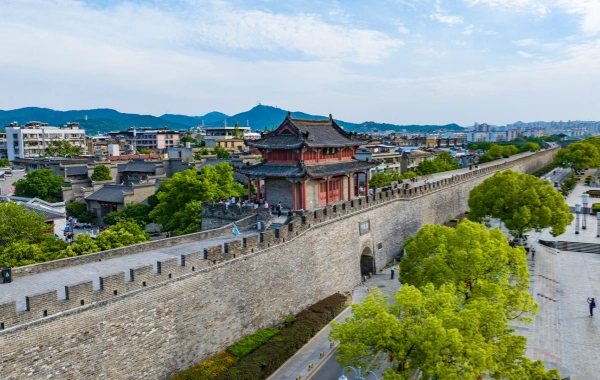
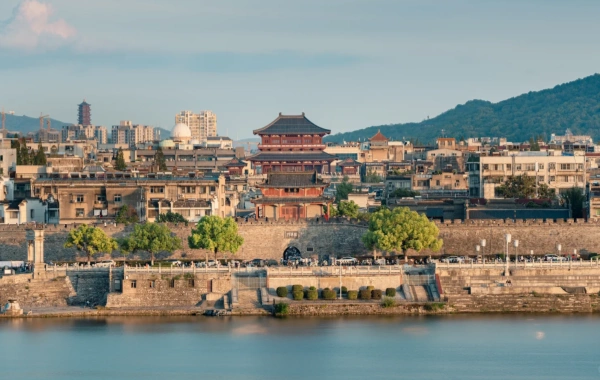
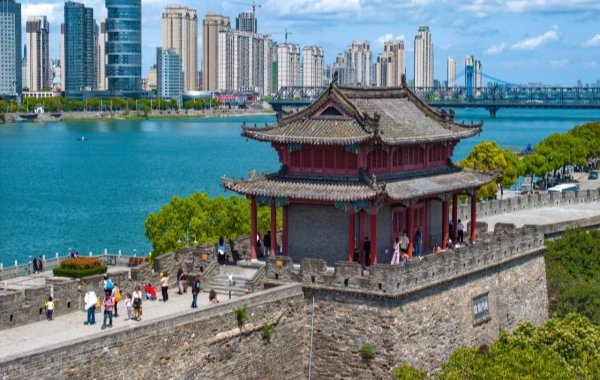
The ancient city wall and moat: The main body of the existing city wall is a Ming Dynasty structure, with a circumference of approximately 7.3 kilometers, an average height of 8.5 meters, and a width of 5 to 15 meters. The most astonishing feature is its moat, which averages 180 meters wide and exceeds 250 meters at its widest point. It is hailed as "the widest ancient moat in Asia". The river water is drawn from the Han River, vast and boundless like a lake, forming an insurmountable natural barrier. Taking a cruise on the river in a painted boat and looking up at the majestic city walls, one can best appreciate its defensive concept of "high city and deep pool".
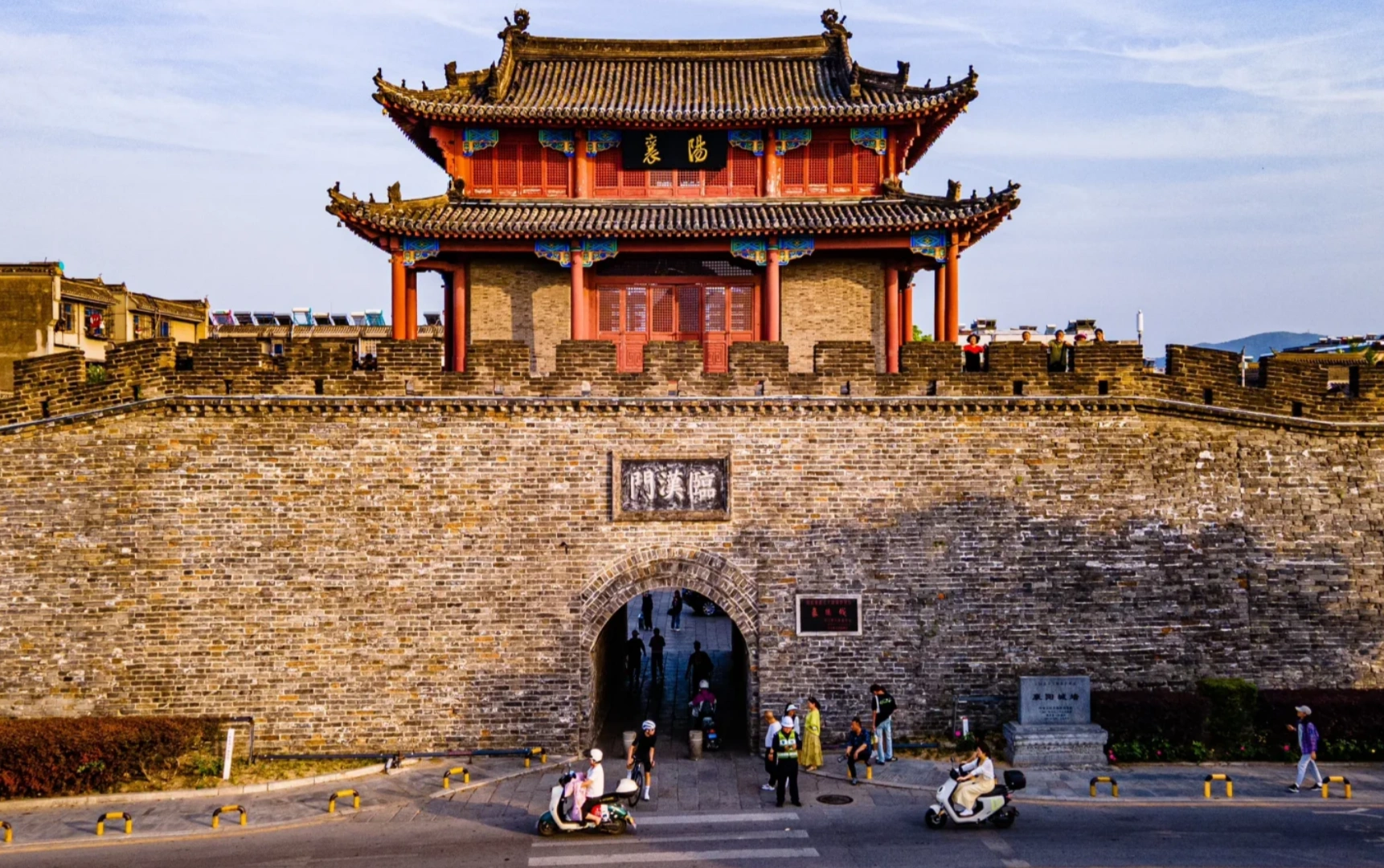
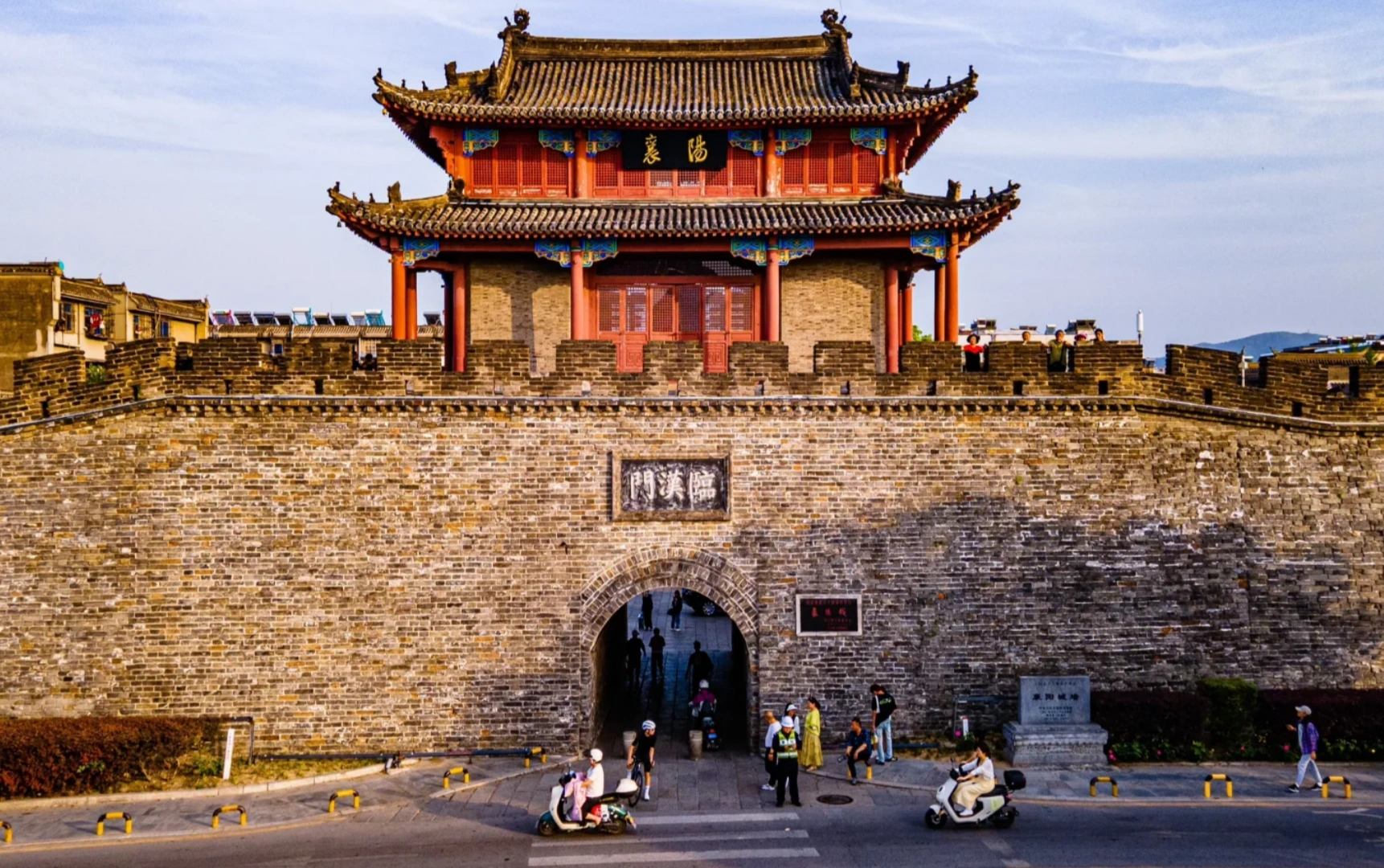
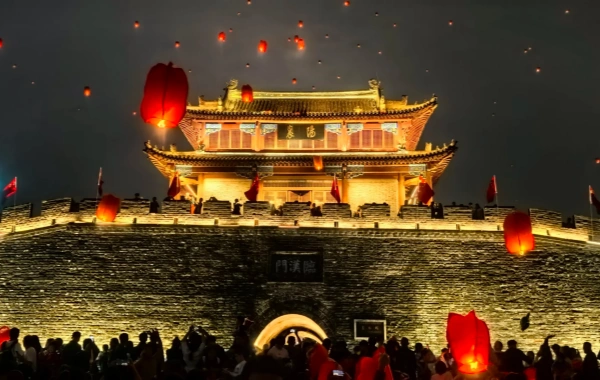
- Six city gates and barbicans: The ancient city originally had six gates, each with its own unique features. Linhan Gate (Little North Gate) is the only well-preserved ancient city gate. It is simple and heavy. Right outside the gate is the Han River wharf, which is a historical witness to the saying "Southern boats and northern horses". The Zhenhua Gate (Long Gate) still retains the remains of an ancient gate. Each city gate originally had a barbican, which was a physical manifestation of the "catching turtles in a barbican" tactic.
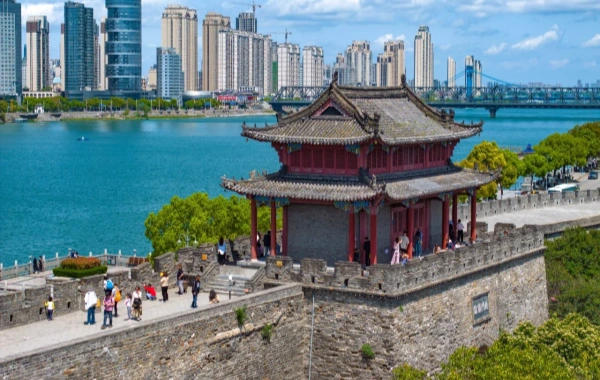
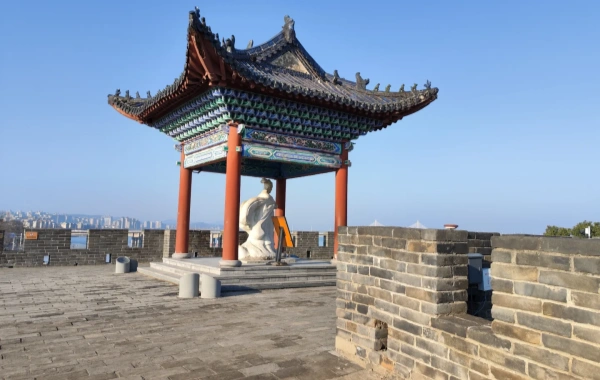
Zhongxuan Tower and Furen City: Zhongxuan Tower is located at the southeast corner of the city wall. It was built in memory of Wang Can (courtesy name Zhongxuan), a literary figure of the late Eastern Han Dynasty. It is a symbol of "Xiangyang City Tower". Standing on the tower, one can enjoy the view of the Han River and the ancient city. Furen City is a sub-city in the northwest corner of the city wall. It is said to have been supervised and built by Lady Han, the mother of Zhu Xu, a general of the Eastern Jin Dynasty, to defend against the enemy, embodying the spirit of unity among the military and civilians of Xiangyang in defending the city.
Water system layout - The lifeline of the city with the Han River as its lifeblood
Xiangyang has thrived and remained stable because of water.
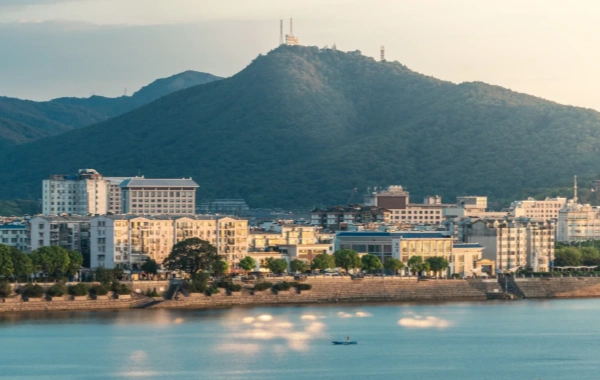
The Han River (Xiang River) : The "Mother river" and the ultimate defense line of the ancient city. Both the north and east sides of the city wall are adjacent to the Han River. Relying on the natural barrier, it forms a defense that is difficult to break through from the front by water. Standing at Linhan Gate or on the city wall, one can watch the Han River rushing and thousands of sails passing by. This is the best place to experience the geographical grandeur of the ancient city.
The moat system: Not only is it wide, but it is also connected to the Han River and the Xiang River (South Canal), serving as a flowing water source. It has multiple functions such as defense, transportation, drainage, and fire protection, demonstrating the high wisdom of ancient urban planning and military water conservancy projects.
Cultural accumulation - Monuments from history to literature
The Ancient Longzhong Scenic Area: Located 13 kilometers west of the ancient city, it was the place where Zhuge Liang lived in seclusion in his youth. The Three Visits Hall, the Thatched Cottage Pavilion, the Wuhou Shrine and other scenic spots are serene and ancient, making them a "cultural pilgrimage" place for exploring the source of wisdom in The Three Kingdoms period and learning about the entrepreneurial history of the Shu Han Dynasty.
Xiangyang Museum: With a rich collection, it features bronze wares from the Pre-Qin period, porcelain from the Tang Dynasty, and calligraphy and paintings from various dynasties. It serves as a window to systematically understand the history and culture of the Xiangyang area from ancient times to modern times.
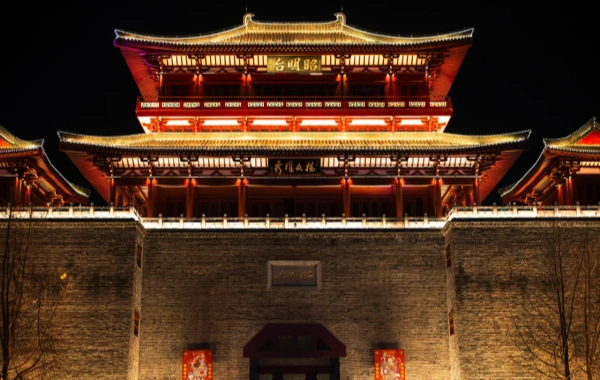
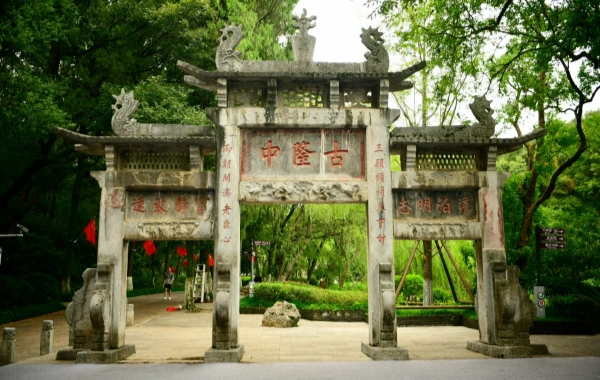
North Street and Zhaoming Terrace: North Street is a well-preserved historical district within the ancient city. It features bluestone-paved roads and ancient-style buildings, exuding a lively and bustling atmosphere. Zhaoming Terrace is located at the southern end of Beijie Street. It was built in memory of Prince Xiao Tong of the Southern Liang Dynasty (who compiled the "Wenxuan") and serves as the geographical and cultural center of the ancient city.
Photography Secrets:
The best panoramic shooting position is near the Mi Gong Shrine in Fancheng on the opposite side or on the opposite bank of the Han River, where you can capture the magnificent panorama of the ancient city, the Han River and the city wall, especially at sunset.
On a moat cruise, use the water surface as a mirror to capture the complete reflections of the city walls and towers, especially at the time when the street lamps are just coming on.
Both inside and outside the Han Gate, one can capture the dialogue between the ancient city gate and the ships on the Han River as well as the modern bridge.
In the evening on North Street, lanterns are lit up and people are bustling about, making it a perfect place to capture night scenes full of the flavor of life.