Jingzhou Ancient City: An “Ironclad” Three Kingdoms Military Stronghold and Cultural Treasure Trove

Jingzhou Ancient City: An “Ironclad” Three Kingdoms Military Stronghold and Cultural Treasure Trove

Overview: Southern China's Best-Preserved Ancient City Defense System
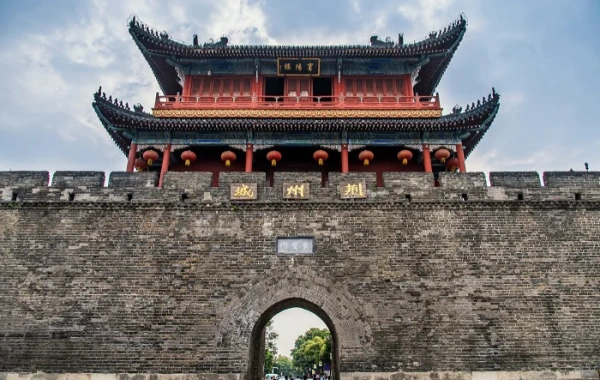
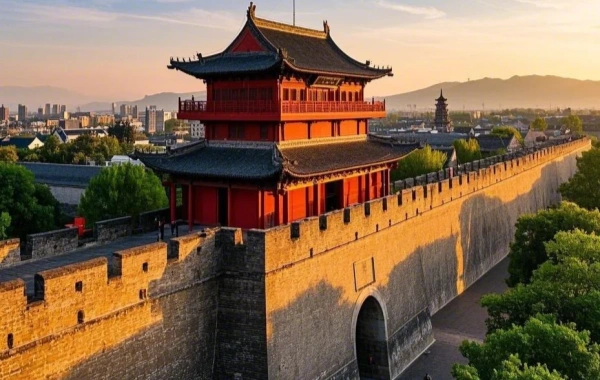
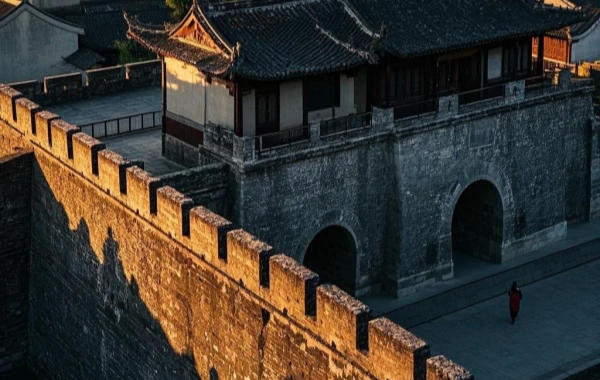
Jingzhou Ancient City, historically a strategic military stronghold known as the “Iron Fortress of Jingzhou,” stands as one of China's four best-preserved Ming Dynasty city walls.

Core Highlights at a Glance
Identity Tags: Southern China's Most Intact Ancient City / Core Stage of Three Kingdoms Culture / Significant Birthplace of Chu Culture
Core Experiences: Complete City Wall Hike, Ascending Binyang Tower for Historical Reflection, Visiting Guan Yu Temple, Exploring Jingzhou Museum, Night Tour of the Moat
Recommended Visit: 1-2 days; one day covers city highlights, two days allows deeper exploration combining museum and Three Kingdoms relics.
Address: Zhang Juzheng Street, Jingzhou District, Jingzhou City, Hubei Province

  • Jingzhou Ancient City: An “Ironclad” Three Kingdoms Military Stronghold and Cultural Treasure Trove-1
  • Jingzhou Ancient City: An “Ironclad” Three Kingdoms Military Stronghold and Cultural Treasure Trove-2
  • Jingzhou Ancient City: An “Ironclad” Three Kingdoms Military Stronghold and Cultural Treasure Trove-3
  • Jingzhou Ancient City: An “Ironclad” Three Kingdoms Military Stronghold and Cultural Treasure Trove-4

Origins: From the Capital of Chu to the Battleground of the Three Kingdoms

Furong Ancient Town

The Dawn of History—The Ancient Capital of Chu, a City of Three Kingdoms
Jingzhou's historical significance was established as early as the Spring and Autumn and Warring States periods. In 689 BC, King Wen of Chu relocated his capital to Ying (present-day Jinan City in Jingzhou). For over four centuries thereafter, this region served as the political, economic, and cultural heart of the Chu state, giving rise to the splendid Chu civilization. Landmarks such as Zhanghuata Terrace—“where the Chu king favored slender waists”—and the Zeng Hou Yi Bells (“underground palace of music,” though unearthed in Suizhou, belong to the Chu cultural sphere) all originated from this land.
Jingzhou's true legend and widespread renown, however, are inextricably linked to the Three Kingdoms period. Strategically positioned at the natural fortress of the Yangtze River, it commanded the Han and Mian rivers to the north, controlled trade routes to the South Sea, connected to Wu and Huai to the east, and linked to Ba and Shu to the west—making it a “land of military prowess.” During the late Eastern Han Dynasty, Liu Biao, the Governor of Jingzhou, established his base here. After the Battle of Red Cliffs in 208 AD, Jingzhou became the focal point of contention among Liu Bei, Sun Quan, and Cao Cao. The renowned general Guan Yu garrisoned here for a decade, earning fame through feats like “Attending the Meeting with a Single Sword” and “Flooding the Seven Armies,” only to ultimately suffer the eternal regret of “Losing Jingzhou Through Carelessness.” This tumultuous history imbued the ancient city of Jingzhou with a spirit of loyalty, strategic cunning, and heroic grandeur, cementing its status as one of the most pivotal geographical landmarks in Three Kingdoms culture.

Evolution of the City Walls—A Millennium of Reinforcement from Earthen Fortifications to an “Iron Wall”
The earliest form of Jingzhou's extant city walls traces back to the earthen fortifications built by Guan Yu during the Three Kingdoms period. Subsequent reinforcements were carried out by renowned generals such as Huan Wen of the Eastern Jin Dynasty and Yue Fei of the Southern Song Dynasty. The present brick walls represent large-scale reconstructions and repairs carried out during the Ming and Qing dynasties, building upon earlier foundations. Notably, the reconstruction during the Shunzhi era of the Qing dynasty, built upon the old Ming walls, largely established the layout seen today.
The construction of the walls was ingeniously designed. The walls were built using specially made blue bricks bonded with a mortar mixture of lime and glutinous rice paste, making them exceptionally sturdy. Archaeological excavations within the rammed earth layers revealed successive layers of city walls dating from the Five Dynasties period through the Ming and Qing dynasties. This layered structure serves as a veritable “chronicle of the city walls,” vividly illustrating how this military stronghold was forged through repeated wars and reconstructions into the “iron-clad Jingzhou” we see today. Its complete system of walls, gates, barbican, watchtowers, and troop-hiding caves is hailed as “a rare, intact masterpiece in southern China.”

> Explore Further: Discover more Three Kingdoms-era historical sites and ancient military defenses >> [Xiangyang Ancient City]

Must-See Spectacles: The Symphony of City Walls, Waterways, and History

Furong Ancient Town Furong Ancient Town Furong Ancient Town Furong Ancient Town

The Art of Defense: A Textbook of City Fortifications in the Age of Cold Weapons
The core value of Jingzhou Ancient City lies in its exceptionally well-preserved ancient military defense system.
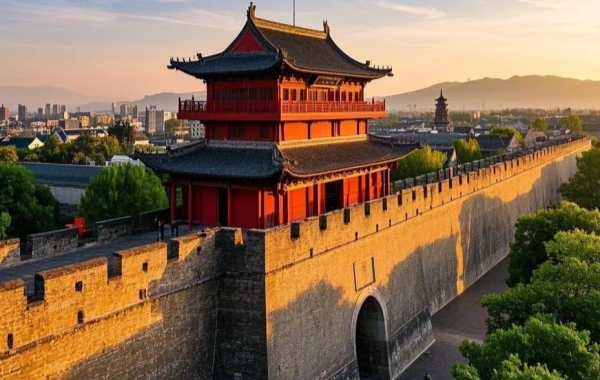
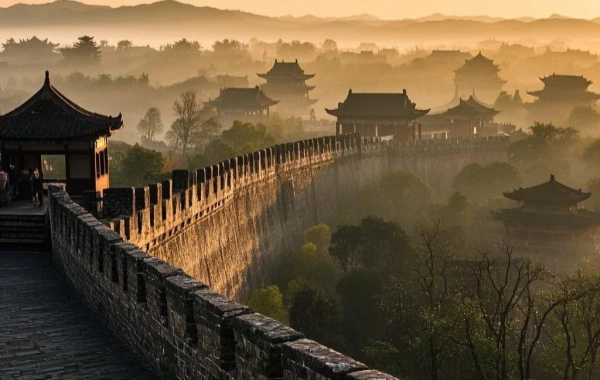
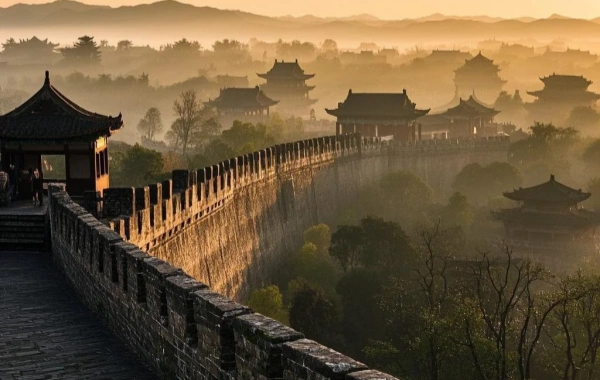
- Ancient City Walls and Ramparts: Standing an average height of 8.83 meters (29 feet) with a crest width of 3-5 meters (10-16 feet), the walls accommodate two-way traffic. Walking or cycling along the ramparts offers the best vantage point to appreciate the city's scale and grandeur. Peering outward from the crenellations reveals orderly streets within and the moat winding like a ribbon without, presenting expansive vistas.
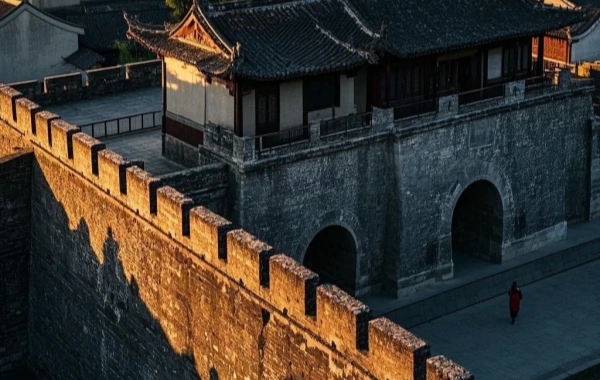
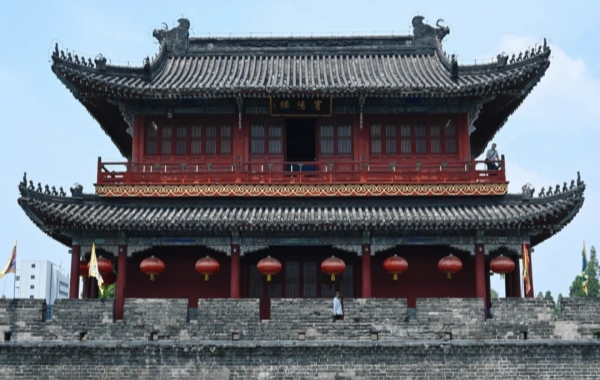
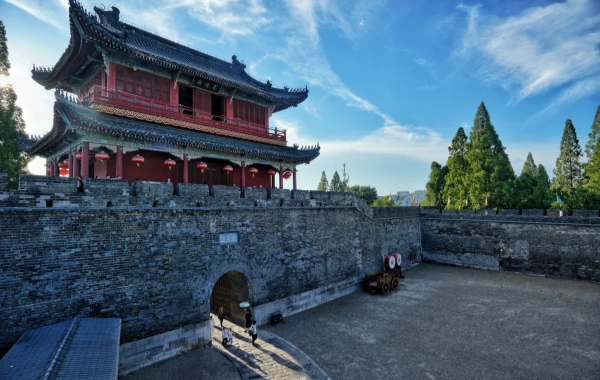
- Six Ancient City Gates: Each gate features a barbican, with the Great North Gate (Gongji Gate) being the most intact and possessing the largest barbican. It exemplifies the ancient “trapping a turtle in a jar” tactical strategy. Binyang Tower, perched atop the East Gate (Yinbin Gate), is a double-eaved, hip-and-gable roofed pavilion. As the city's iconic landmark, ascending its heights offers panoramic views of the ancient city and its winding moat.
- Hidden Troop Chambers and Watchtowers: Unique troop chambers within the inner wall allowed rapid deployment and concealment of forces during wartime. The watchtowers and artillery platforms along the ramparts vividly illustrate defensive strategies spanning the transition from cold to hot weaponry.

Water System Layout—Natural Barriers Utilizing Water
“A city thrives with water; it perishes without it.” Water was integral to Jingzhou's ancient defenses.
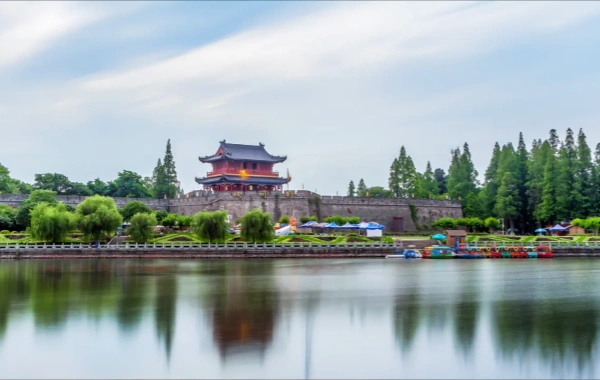
- Moat: Encircling the walls, the moat averages 30 meters wide, reaching up to 100 meters at its widest point. Fed by Taihu Port to the west, it ultimately flows into the Yangtze River. Serving as both a military barrier and an aesthetic landscape belt, it now offers unique perspectives when viewed from traditional pleasure boats gliding along its waters.
- Inner Waterways: A historical folk rhyme described the city as “three hills without visible peaks, three bridges without flowing water,” praising its ingenious drainage system. Though the layout has changed, water features like the Three Kingdoms Park still grace the city center, harmonizing with the walls.

Cultural Heritage—Buried Treasures of Chu-Han Civilization
Layers of historical and cultural treasures lie within and beyond the ancient city walls.
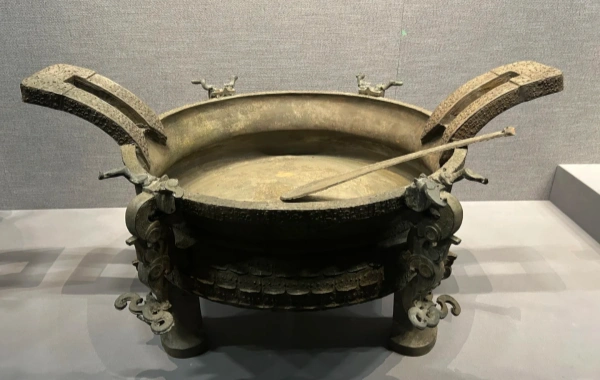
- Jingzhou Museum (Must-Visit): Renowned as “China's premier prefecture-level museum” for its rich collections. Its Western Han Dynasty mummy (Mr. Sui) rivals the preservation of Lady Xin Zui from Mawangdui; national treasures include Warring States silk, King Fuchai's spear, and King Goujian's sword (replica; original housed in Hubei Provincial Museum). Particularly noteworthy is its collection of Chu, Qin, and Han dynasty lacquered and wooden artifacts. Unparalleled in both quantity and craftsmanship, this collection offers a hallowed space to appreciate the romantic and enigmatic artistic style of Chu culture.
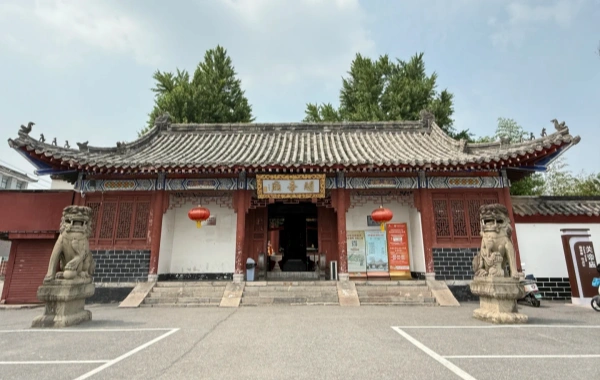
- Guan Yu Temple (Guan Di Miao): Constructed in the early Ming Dynasty to honor Guan Yu. The shrine houses a colossal statue of Guan Yu and displays artifacts and historical materials related to him and the Three Kingdoms period, serving as a central site for experiencing Three Kingdoms culture and paying homage to the martial saint's loyal spirit.
- Zhang Juzheng's Former Residence: Located within the ancient city, this was the childhood home of Zhang Juzheng, the chief minister and reformer of the Wanli era during the Ming Dynasty. The residence showcases the life and achievements of this “outstanding chancellor,” adding a rich layer of literati-political culture to the ancient city.

> Photography Tips:
The optimal vantage point for panoramic shots is atop Binyang Tower, capturing the contrast between ancient city architecture and the modern urban skyline beyond.
When walking along the city walls, leverage the curves and depth of the ramparts near the inner and outer bailey of the Great North Gate to capture images brimming with power and historical resonance.
From the moat cruise, use the water's surface as a mirror to capture full reflections of the city walls and towers, especially during the blue hour at dusk.
Flash photography is prohibited inside Jingzhou Museum, but you can photograph exterior views and architecture. Its collection of lacquerware, with its vibrant colors, offers excellent still-life subjects.

Core Experience: Immersive Guide to Three Kingdoms Chu Culture

Furong Ancient Town Furong Ancient Town Furong Ancient Town Furong Ancient Town

Five Must-Do Activities to Unlock the Complete Ancient City Experience
1.  Walk or cycle the entire city wall circuit: Spend 3-4 hours completing a full loop on foot or by bike. Touch the thick bricks, gaze out in all directions, and personally feel the grandeur and history of this military stronghold—a core ritual no other experience can replace.
2. Ascend Binyang Tower to Read Half the History of the Three Kingdoms: Standing atop the East Gate tower, envision the scenes of clashing swords and burning beacon fires from 1,800 years ago. This vantage point offers the best view to survey the landscape and reflect on the past, deeply appreciating Jingzhou's crucial strategic importance.
3.  Pay Homage at the Guan Yu Temple, Honoring Loyalty and Righteousness:
    Enter the Guan Yu Temple and stand quietly before his statue. Learn of his achievements and missteps in defending Jingzhou, and feel how his timeless spirit of “loyalty, righteousness, benevolence, and courage” has become woven into the cultural DNA of the Chinese people.
4.  Spend a day at the museum and watch a Chu dance performance:
    - Core Experience: Spend half a day immersed in the Jingzhou Museum, focusing on its crown jewels: the Western Han Dynasty mummy, Chu-Qin-Han lacquerware, and bronze weapons.
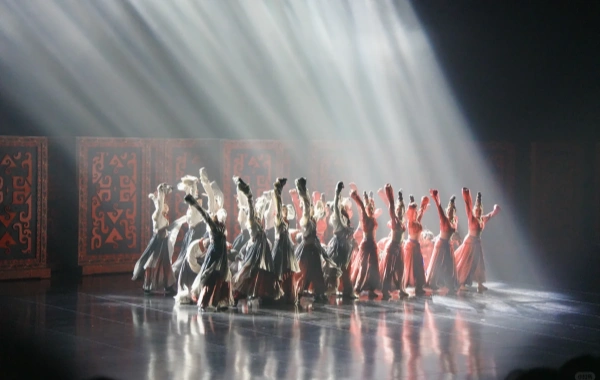
    - Cultural feast: If timing permits, witness an ancient Chu-style music and dance performance, experiencing the grace and romance of the era when “the Chu king favored slender waists.”
5. Savor a feast of fish and rice, taste the essence of Jingzhou:
    - Must-try dishes: Jingzhou fish cakes (“no feast is complete without fish cakes”), layered pork belly with bean curd sheets, shredded eel, and Zhaotang noodles.
    - Snack Hunt: Pot-stewed bread, glutinous rice-wrapped fried dough sticks, Gong'an beef.

Suggested Itinerary
Jingzhou Ancient City's attractions are relatively concentrated. The city walls, gates, and major historical sites can be covered in a single day for a core tour. Combining in-depth museum visits requires 1.5 to 2 days.

One-Day “City Walls & Three Kingdoms” Essentials Tour (Efficient & Classic):
Morning: Ascend the walls from East Gate (Binyang Tower) → Walk north along the ramparts to North Gate (Gongji Gate), focusing on the barbican → Descend to visit Guan Yu Temple.
Lunch: Sample Jingzhou specialties on Zhang Juzheng Street or Huangjintang Road within the old city.
Afternoon: Visit Zhang Juzheng's Former Residence → Proceed to Jingzhou Museum (allow at least 2 hours, focusing on the Lacquerware Gallery and Treasure Gallery).
Evening: Enjoy a nighttime stroll along the moat or dine in the ancient city's commercial district.
IntoTravelChina Tip: This itinerary requires moderate physical fitness, especially for the wall hike. Wear comfortable sneakers and stay hydrated with sun protection.

One-and-a-Half-Day “Cultural Immersion” Tour (Recommended):
Day 1 (Afternoon + Evening, Initial Exploration & Night Views):
Afternoon: Arrive and check into hotel → Relaxed visit to Binyang Tower, short stroll along city walls → Visit Guan Di Temple.
Evening: Night cruise along the moat, admire illuminated city walls.
Day 2 (Full Day, Museum & Complete City Walls):
Morning: Dedicate the entire morning to Jingzhou Museum. Follow a docent or rent an audio guide for a systematic exploration of Chu culture and precious artifacts.
Afternoon: Complete the full city wall circuit (walking or by rental bicycle) to reinforce your understanding of the ancient city's defensive system from a different perspective.

IntoTravelChina Advantage: We can arrange expert museum tours, plan the most efficient wall walking routes (including optimal gate access points), and book moat cruise tickets—ensuring your cultural journey is both immersive and hassle-free. >> [Request a Customized Itinerary Now]

Complete Travel Guide: Transportation, Accommodation, and Seasons

Furong Ancient Town

How to Get There: Seamless Travel Guide
Jingzhou boasts convenient transportation and is fully integrated into China's high-speed rail network.
- High-Speed Rail (Highly Recommended): Jingzhou Station serves multiple high-speed trains, offering easy access from Wuhan, Yichang, Chongqing, Shanghai, Beijing, and beyond. The station is approximately 6 kilometers from the ancient city, about a 15-minute taxi ride.
- Air: The nearest airports are Shashi Airport (serving select domestic routes) and Yichang Three Gorges Airport (about a 1.5-hour drive from Jingzhou).
- By Car: Major highways like the Shanghai-Chongqing Expressway and the Guangzhou-Nanning Expressway intersect in Jingzhou. Navigate to “Jingzhou Ancient City.” Vehicles cannot drive on the city walls and must be parked in lots near the city gates.

Best Time to Visit
Jingzhou features a subtropical monsoon climate with distinct seasons.
- Peak Seasons (March-May, September-November): Mild temperatures and sunny weather make these months ideal for walking the city walls and sightseeing. Spring brings blooming flowers, while autumn offers clear skies and crisp air.
- Summer (June-August): Hot, rainy, and humid. If visiting during this season, plan outdoor activities for early morning or evening hours. Schedule indoor activities like museum visits during the day. The moat boat tour is cooler in the evening.
- Winter (December-February): Damp and cold, with occasional snow. Fewer tourists, and snow-covered ancient walls offer a unique, desolate historical atmosphere—but be sure to bundle up.

Accommodation Options
- Within the Ancient City Walls and Surroundings (Top Choice for Immersion):
    1.  Character Hotels/Inns in the Ancient City: Mostly concentrated near Zhang Juzheng Street, these renovated old buildings feature rustic styles. Major attractions are within walking distance, offering an immersive experience.
    2. Modern hotels near city gates: Offer more options with newer facilities, combining convenient sightseeing with modern comfort.
- Shashi District or Jingzhou New City (Value-for-money choice):
    1. Wider selection and more developed commercial amenities, potentially offering better prices. Requires short commutes to the ancient city (typically 10-20 minutes by car).

IntoTravelChina Accommodation Booking Tips: Accommodations within the ancient city walls are in high demand during holidays and summer weekends. If planning a walk along the city walls, choose lodging near a specific gate (e.g., East Gate or North Gate) for easy access. Book through us for tailored recommendations. >> [Click to contact IntoTravelChina travel consultants]

Join IntoTravelChina to embark on your journey of discovery through ancient Jingzhou

The story of Jingzhou Ancient City revolves around the defensive wisdom that kept a fortress standing for millennia, the tumultuous Three Kingdoms era that shaped history, and the splendid Chu civilization quietly flourishing beneath the earth. IntoTravelChina specializes in crafting immersive, personalized, and hassle-free cultural travel experiences in China. Our travel experts can:
- Tailor-made itineraries: Design perfect routes featuring Jingzhou and surrounding historical sites based on your interests (military, history, archaeology, cuisine).
- One-stop service: Handle tickets, unique accommodations, transportation transfers, professional cultural commentary, and activity bookings.
- Exclusive experiences: Arrange in-depth activities like museum expert tours, specialized city wall walking tours, and intangible cultural heritage craft workshops.

Transform your Jingzhou journey from a superficial tour into a profound dialogue with China's ancient military, political, and artistic history.
> Start planning your journey now
> Contact our professional travel consultants today. We'll provide a customized itinerary and quote within 24 hours. >> [Click to contact IntoTravelChina travel consultants]

What Our Clients Say?

Based on 10,000+ traveler reviews

...
Daniel Dorothea
Canada
Reviewed on April 29,2025
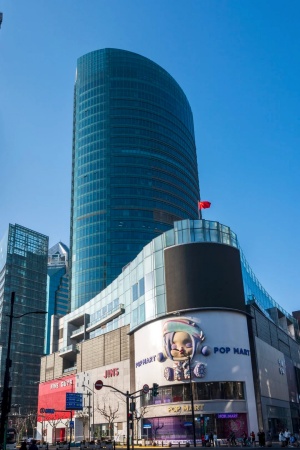
Shopping on Nanjing Road in Shanghai was just amazing! It's truly the "First Commercial Street of China", where tradition and modernity blend perfectly. You can find awesome souvenirs and experience the trendy vibes in cool stores. The neon lights at night are just spectacular, shining bright like Times Square in New York. The food here is incredible too. I had a feast for my taste buds. Shanghai, I'll definitely be back!
Destination(s): Shanghai
Date of Experience: May 08,2024
...
...
Elvis Eva
Canada
Reviewed on June 20,2025
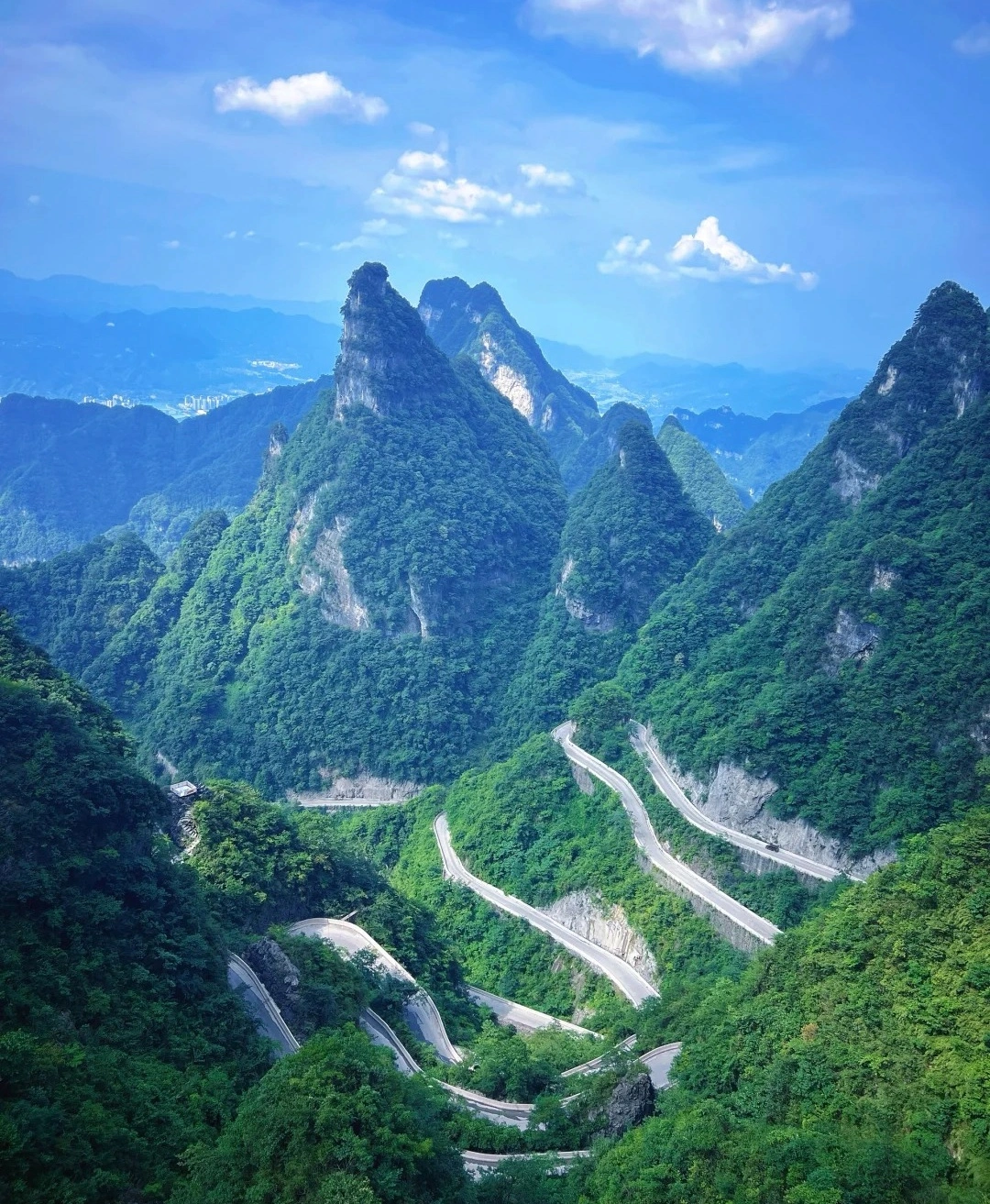
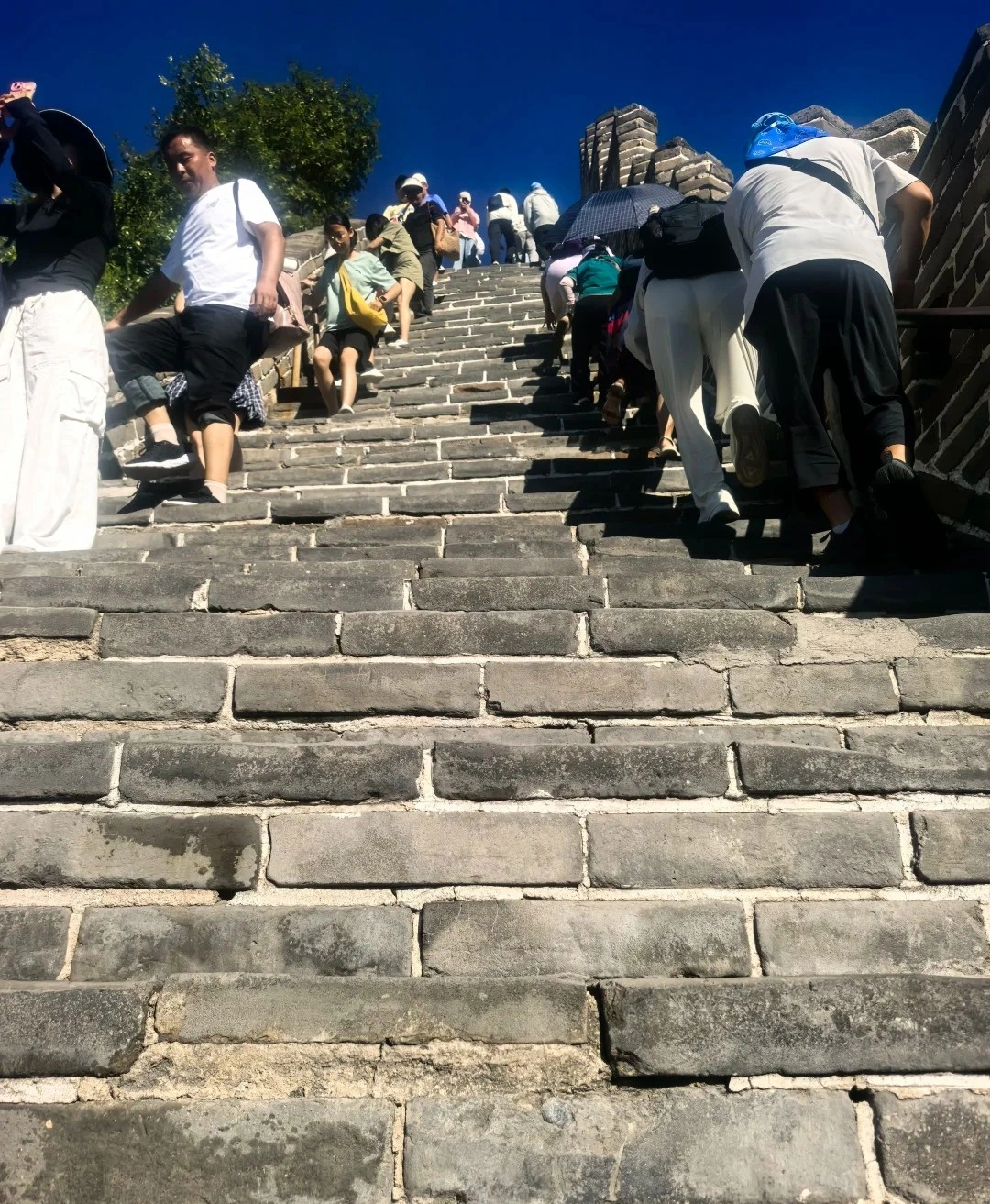
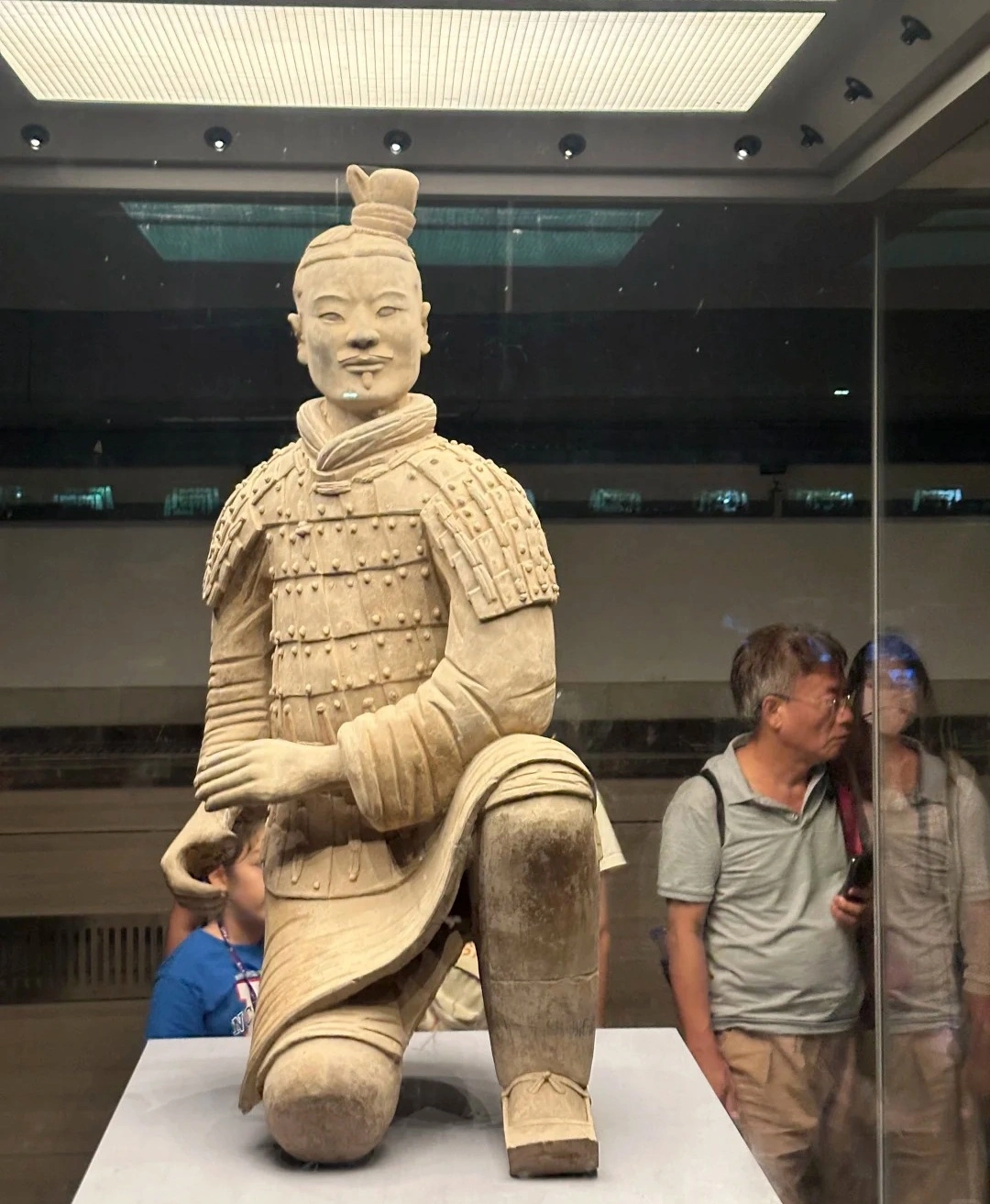
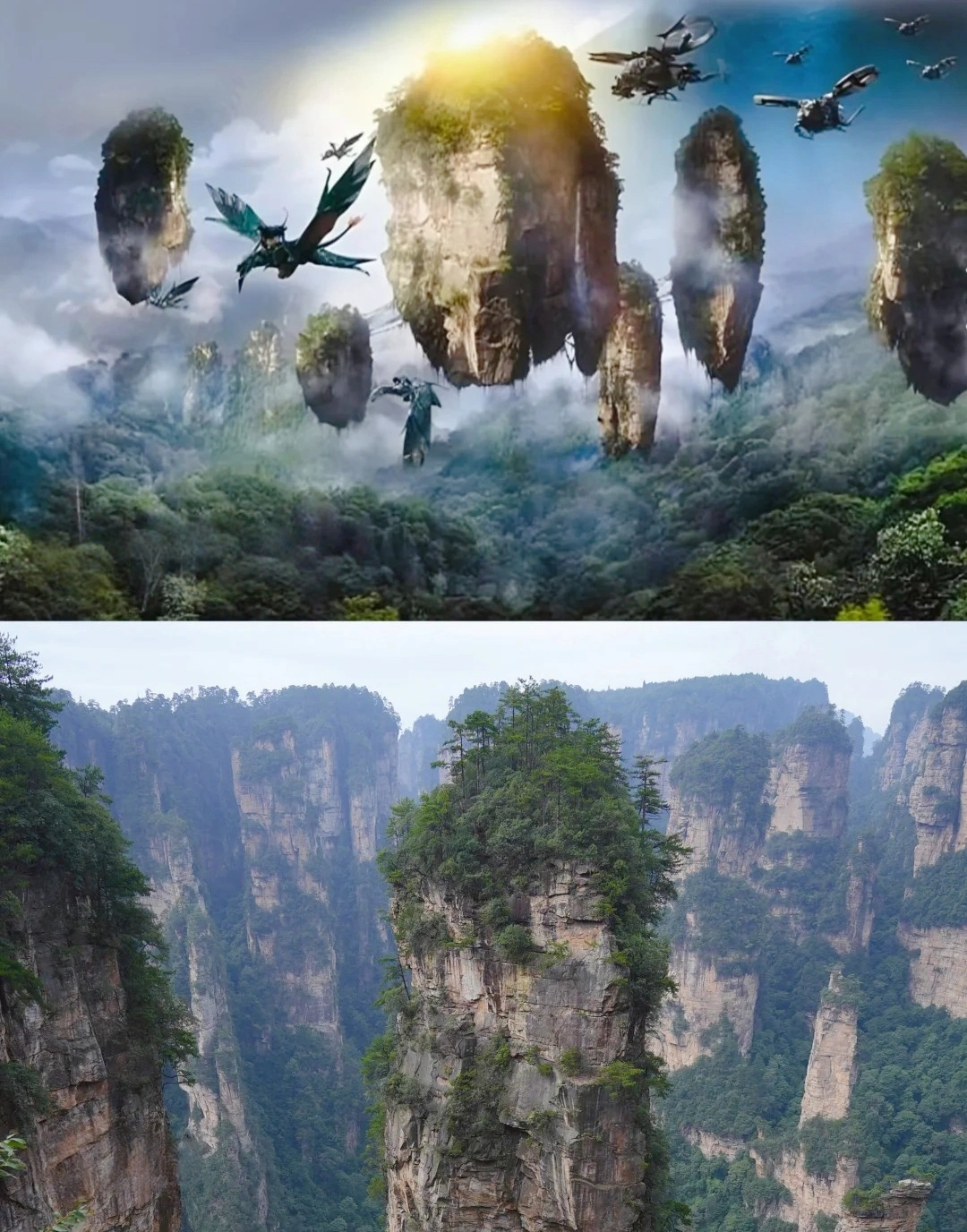
As a solo traveler from Canada, I was nervous about navigating China alone—but this 11-day tour was PERFECT! From hiking the Great Wall at sunrise (Day 3) to gasping at the Terracotta Army (Day 5), every day delivered ‘pinch-me’ moments. The real showstopper? Zhangjiajie’s Avatar Mountains (Day 7)! Our guide made the stone pillars come alive with stories. Massive thanks for handling all logistics—bullet train tickets, entry passes, car! And the 4-star hotels surprised me.
Destination(s): Beijing Xian Zhangjiajie Shanghai
Date of Experience: June 02,2025
... ... ...
...
Simon
America
Reviewed on May 29,2025
Our 2-day Zhangjiajie tour was beyond spectacular! As someone who’s visited Beijing and Shanghai for work, this trip revealed China’s wild, magical heart. Day 1 in Zhangjiajie National Forest Park felt like stepping onto Pandora—I’m a huge Avatar fan, and Yuanjiajie’s floating peaks left me breathless. The misty pillars and lush valleys like pure movie magic! Then came Fenghuang Ancient Town, we eat dinner beside the thundering waterfall. It seems Unreal! The night views of stilt houses glowing over the river were straight from a fairy tale. For fellow Avatar lovers and adventure seekers: Don’t miss this bucket-list experience! 10/10 would return. A Well-Traveled Film Buff, May 2025
Destination(s): Zhangjiajie
Date of Experience: May 08,2025
... ...

Ask a Question

Question Summary (100 characters)
Details (optional) (2,000 characters)
Name
Country
Email