How to Get There: A Seamless Connection Guide
Traveling from Major Cities Across the Country:
By Air: Jiayuguan Jiuquan Airport (JGN) is located approximately 12 kilometers northeast of the city center. It currently offers direct or connecting flights to over 20 cities, including Beijing, Xi'an, Lanzhou, Chengdu, and Shanghai. The airport shuttle bus costs approximately 15–20 RMB and travels directly to the city center; a taxi ride to the city center costs about 30–40 RMB.
By High-Speed Rail: Jiayuguan South Station is a key stop on the Lanzhou–Xinjiang High-Speed Railway. Travel time is approximately 4 to 4.5 hours from Lanzhou West Station, 3 hours from Xining, 30 minutes from Zhangye, and 6 hours from Urumqi.
By Conventional Train: Jiayuguan Station primarily handles non-high-speed trains, connecting the city with destinations such as Beijing, Shanghai, Guangzhou, and Xi'an—an ideal option for budget-conscious travelers.
Traveling from Jiayuguan City Center to the Scenic Areas:
By Public Bus: Take Bus Route 4 or 6 directly to the Jiayuguan Fort Scenic Area Visitor Service Center; fares are affordable.
By Car or Taxi: Navigate to "Jiayuguan Fort Scenic Area Visitor Service Center." The drive takes approximately 15–20 minutes from the city center, and ample parking is available.
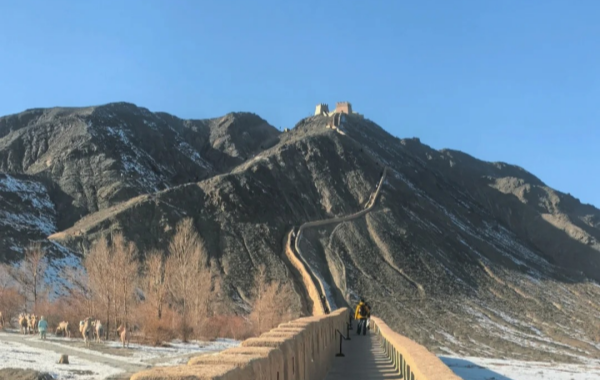
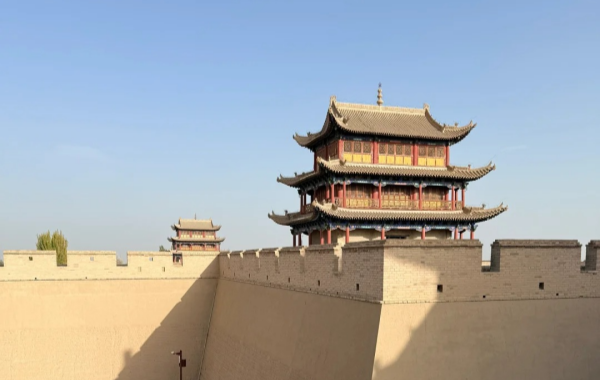
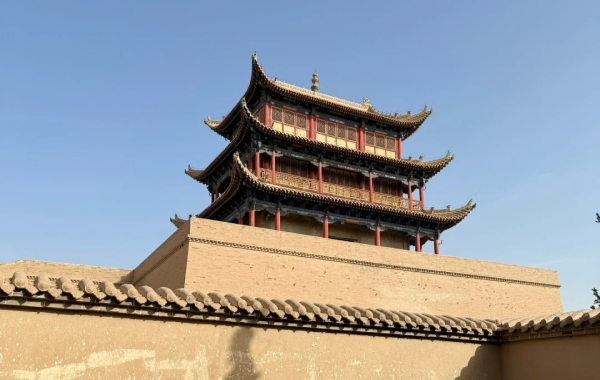
Scenic Area Shuttle Bus: A dedicated shuttle service connects the three main attractions: Jiayuguan Fort, the Overhanging Great Wall, and the First Beacon Tower of the Great Wall. A one-way ticket costs 10 RMB per person and can be purchased at the ticket windows at each attraction. The shuttle buses operate strictly according to a schedule; it is recommended that you take a photo of the timetable when purchasing your ticket for future reference (note that schedules vary between peak and off-peak seasons).
Driving from Nearby Cities:
Approximately 30 minutes from Jiuquan; 2 hours from Zhangye; and 4 hours from Dunhuang.
Important Reminder: Mobile signal coverage in the Northwest region can be unstable, and gas stations are often spaced far apart. Before embarking on a long-distance road trip, please ensure your fuel tank is full, download offline maps, and pack an ample supply of drinking water and snacks.
Best Time to Visit
Jiayuguan possesses a unique beauty in every season; however, the optimal times to visit are spring (April to June) and autumn (September to October). During these periods, the climate is mild and wind and sand are minimal, making it ideal for outdoor sightseeing and photography.
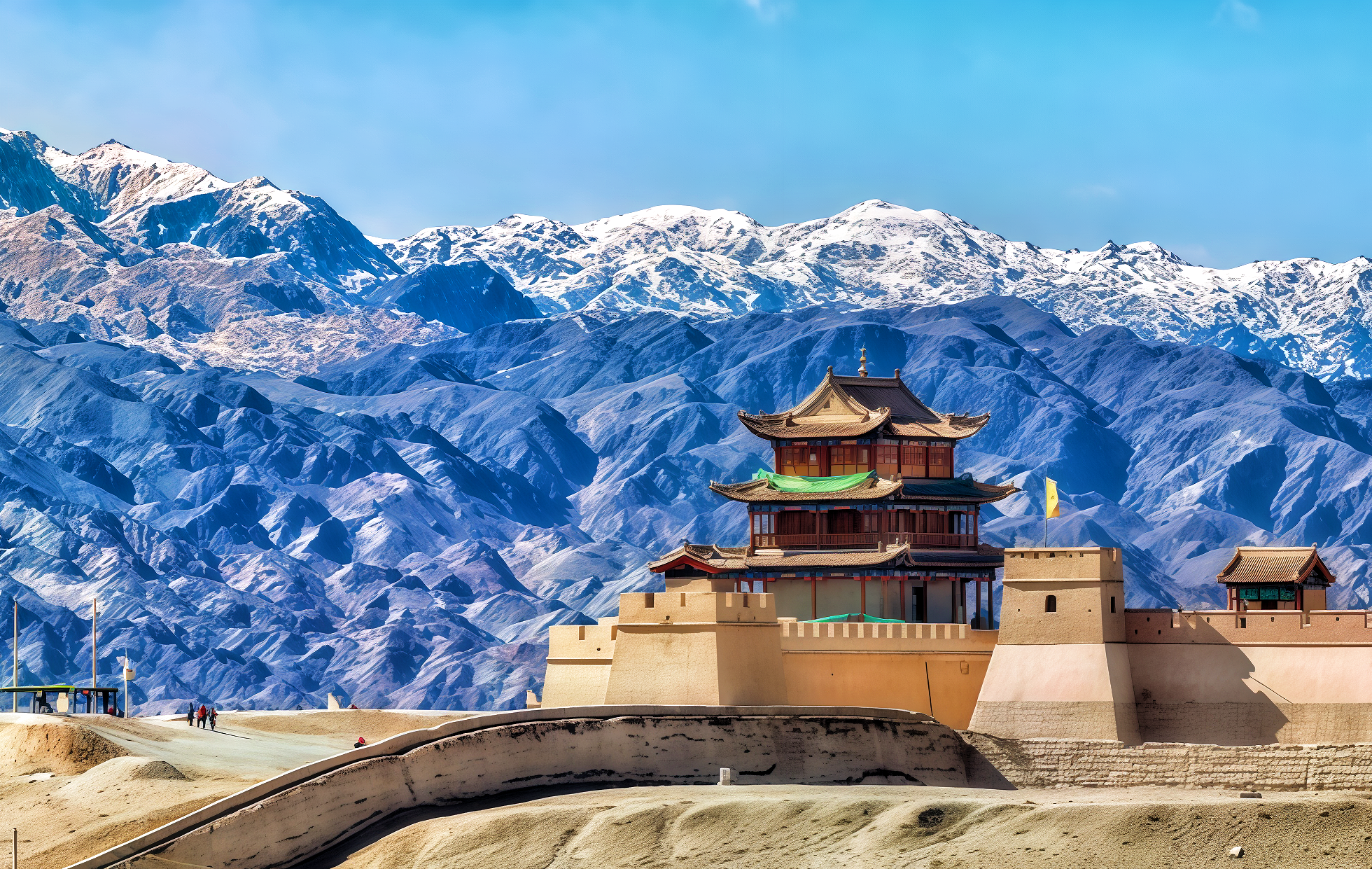
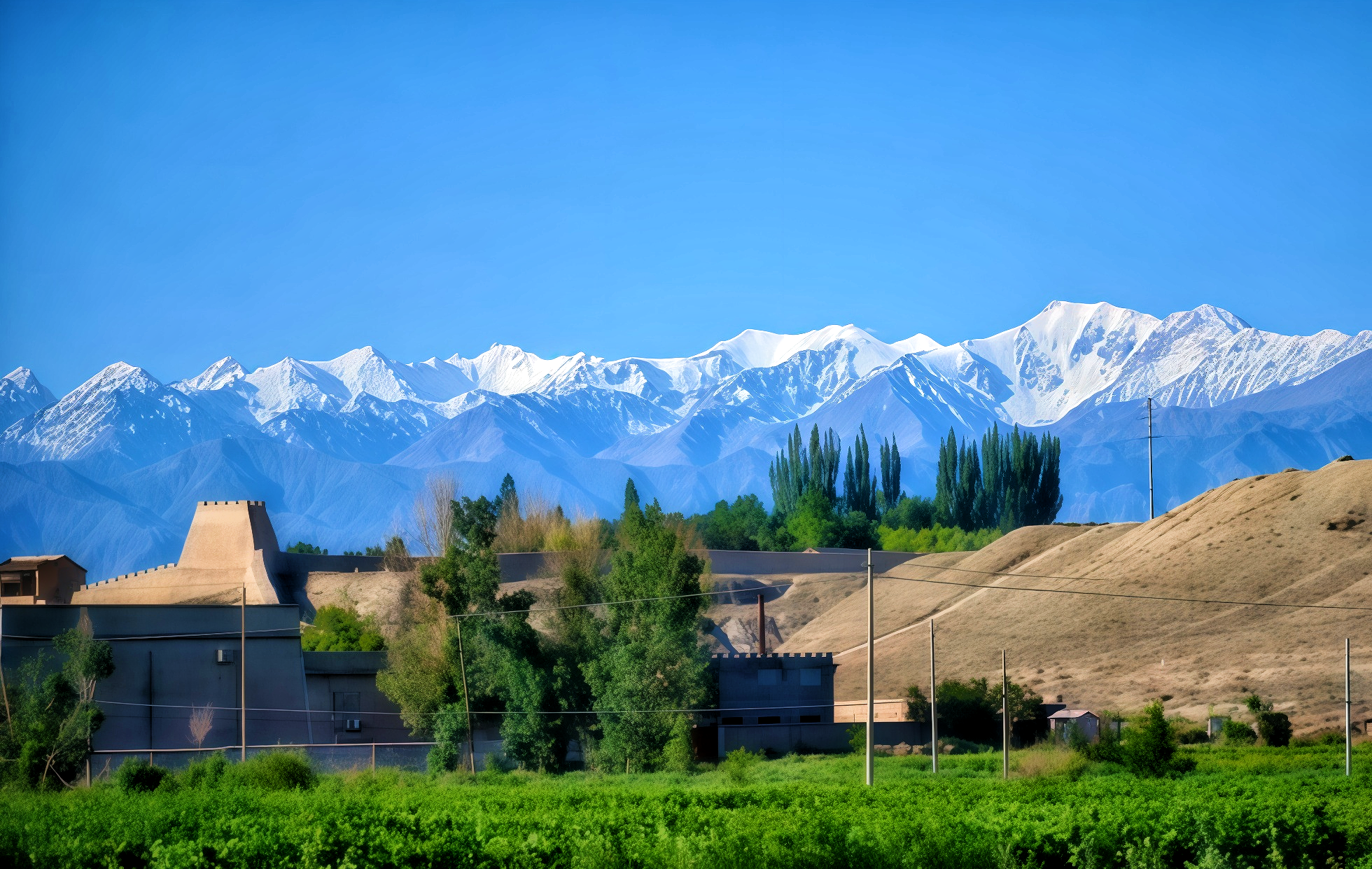
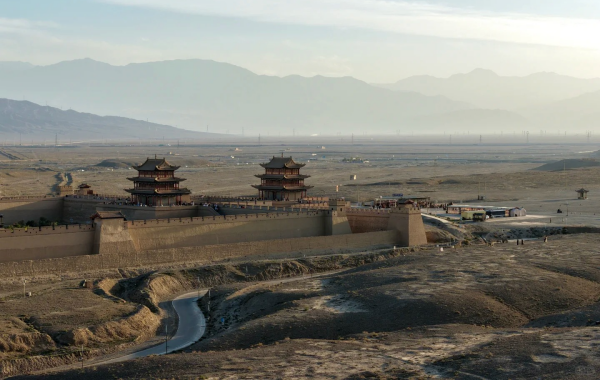
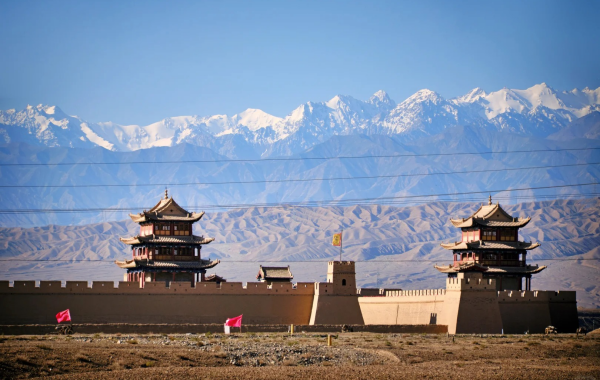
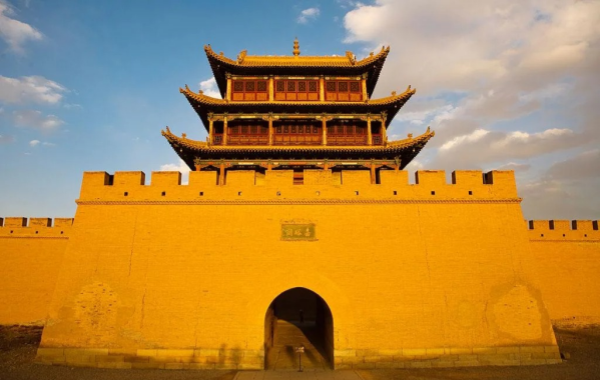
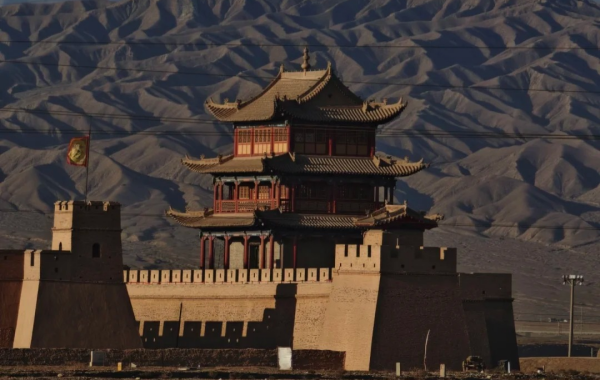
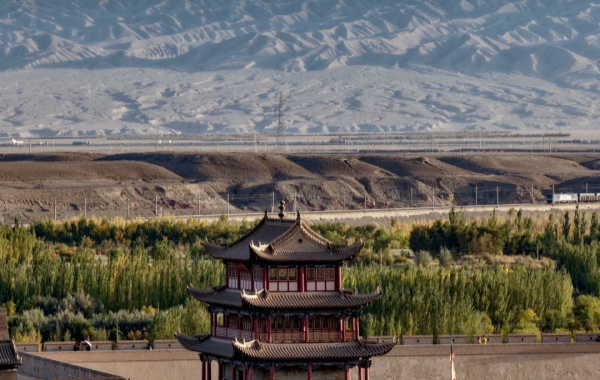
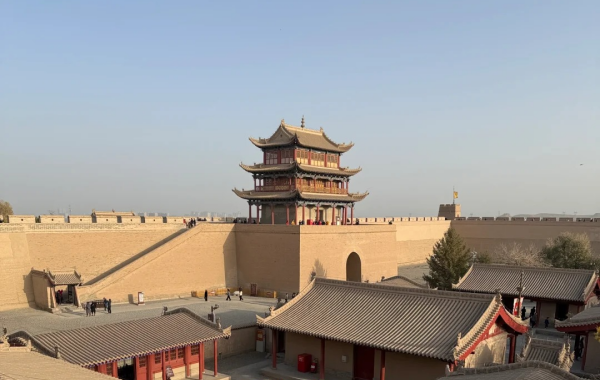
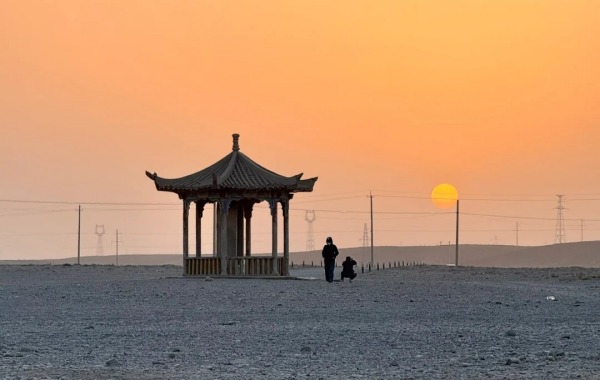
The Golden Seasons of Spring and Autumn (April to October): The climate is cool and comfortable with gentle sunlight, making it the best season for photographing sunrises and sunsets at the Fortress. In autumn, the Gobi Desert is bathed in warm golden hues, creating a striking contrast with the snow-capped peaks of the Qilian Mountains. This also marks the peak tourist season for Jiayuguan; therefore, it is highly recommended to book your accommodation and tickets in advance.
Summer (July to August): The weather is hot and dry with intense UV radiation. However, the vivid contrast between the clear blue skies and white clouds against the earthen walls of the Fortress makes this an excellent season for stargazing in the vast desert. When visiting, be sure to take adequate precautions against sun exposure and stay hydrated; try to avoid outdoor activities during the midday hours.
Winter (November to March of the following year): Visitor numbers are low, and ticket and accommodation prices are significantly more affordable. The Gobi Desert is blanketed in snow, lending the Fortress a unique, stark beauty. Furthermore, atmospheric visibility is exceptionally high during the winter, making it the prime time to capture photographs featuring both the Qilian Snow Mountains and the Fortress in a single frame. Please note that temperatures can drop as low as -20°C; ensure you dress warmly and prepare accordingly, as some outdoor activities may be subject to adjustment or cancellation due to weather conditions.
Tickets and Opening Hours
Scenic Area Opening Hours: Peak Season (April to October) is from 8:00 AM to 8:00 PM; Off-Peak Season (November to March of the following year) is from 8:30 AM to 6:00 PM. The evening light show runs from 7:30 PM to 12:00 AM (last entry at 11:00 PM) and includes a voucher for a traditional Hanfu costume experience.
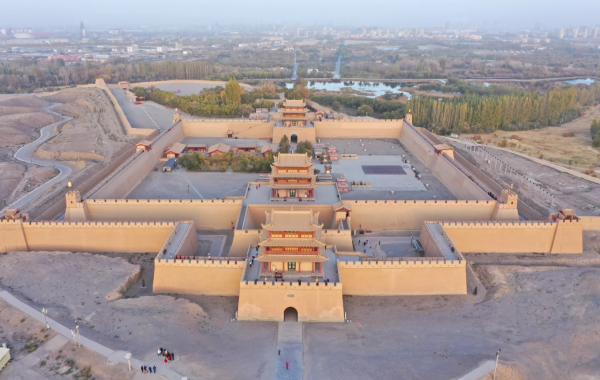
Ticket Prices: The combined ticket costs 110 RMB per person during the Peak Season and 90 RMB per person during the Off-Peak Season. This ticket grants access to three attractions—the Jiayuguan Fortress, the Overhanging Great Wall, and the First Pier of the Great Wall—and remains valid for three days. Students, military personnel, and journalists are eligible for a 50% discount upon presentation of valid identification; seniors aged 65 and above, as well as children under 1.2 meters in height, are admitted free of charge.
Scenic Area Transportation: A direct shuttle service connecting the Fortress to the Overhanging Great Wall and the First Pier is available for 20 RMB per person (round-trip). Within the First Pier scenic area, a sightseeing buggy service is available for 12 RMB per person.
Pre-Trip Checklist
Identification: National ID Card (real-name registration is required for ticket purchases at all attractions). Sun Protection: Jiayuguan is situated in the Gobi Desert, where ultraviolet radiation is extremely intense. It is recommended to bring sunscreen with an SPF of 50 or higher, a wide-brimmed hat, sunglasses, and a face towel.
Clothing: The temperature difference between day and night can exceed 15°C; even in summer, it is advisable to bring a light jacket. In winter, heavy down jackets, thermal underwear, gloves, and scarves are essential.
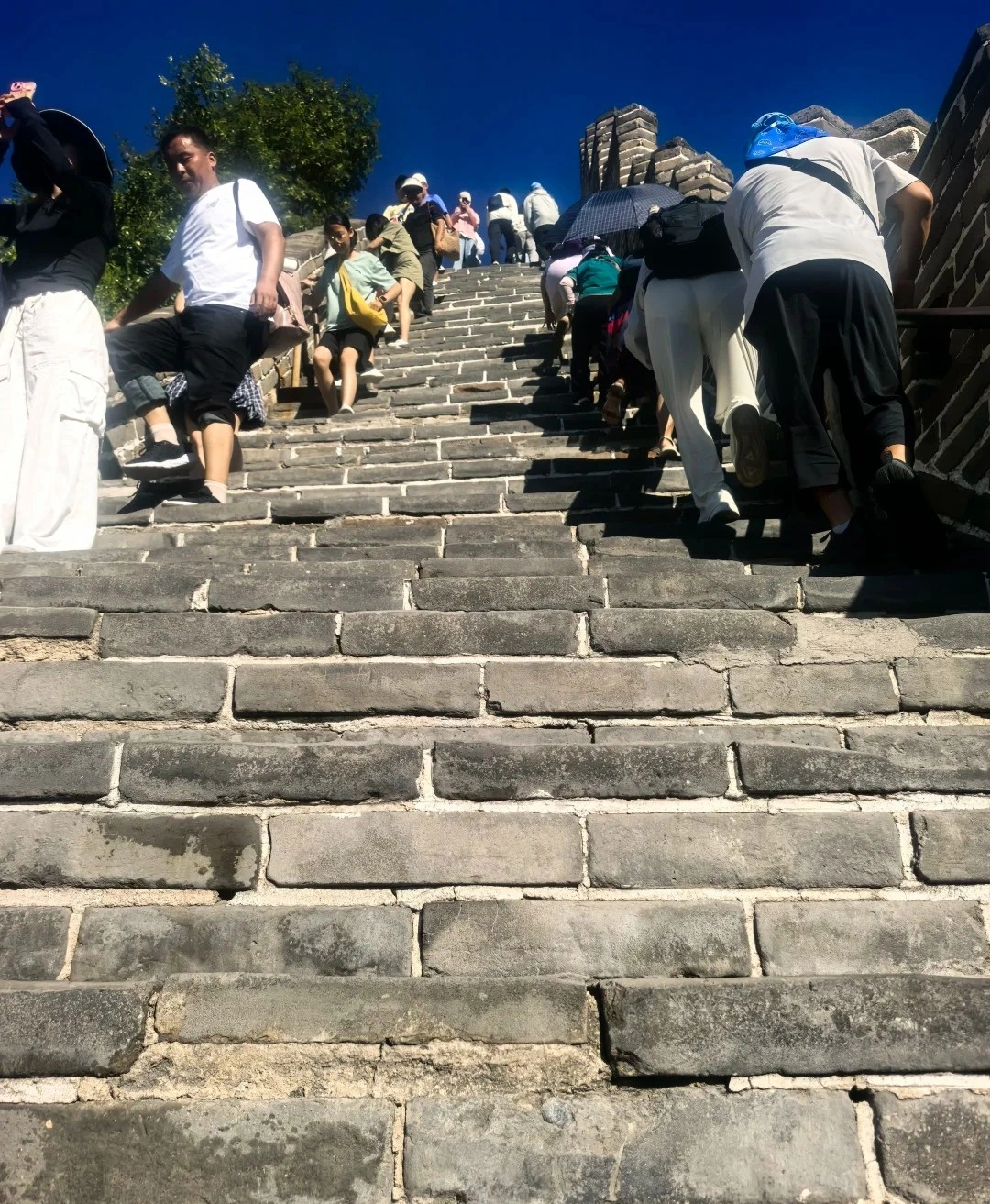
Footwear: Visiting the Jiayuguan Fort and the Overhanging Great Wall involves a significant amount of walking and climbing stairs; comfortable walking shoes or non-slip sneakers are recommended.
Supplies: Energy bars and an ample supply of drinking water (supply points within the scenic areas are limited).
Electronic Devices: A portable power bank and offline maps (mobile signal coverage in the Gobi region can be unstable).
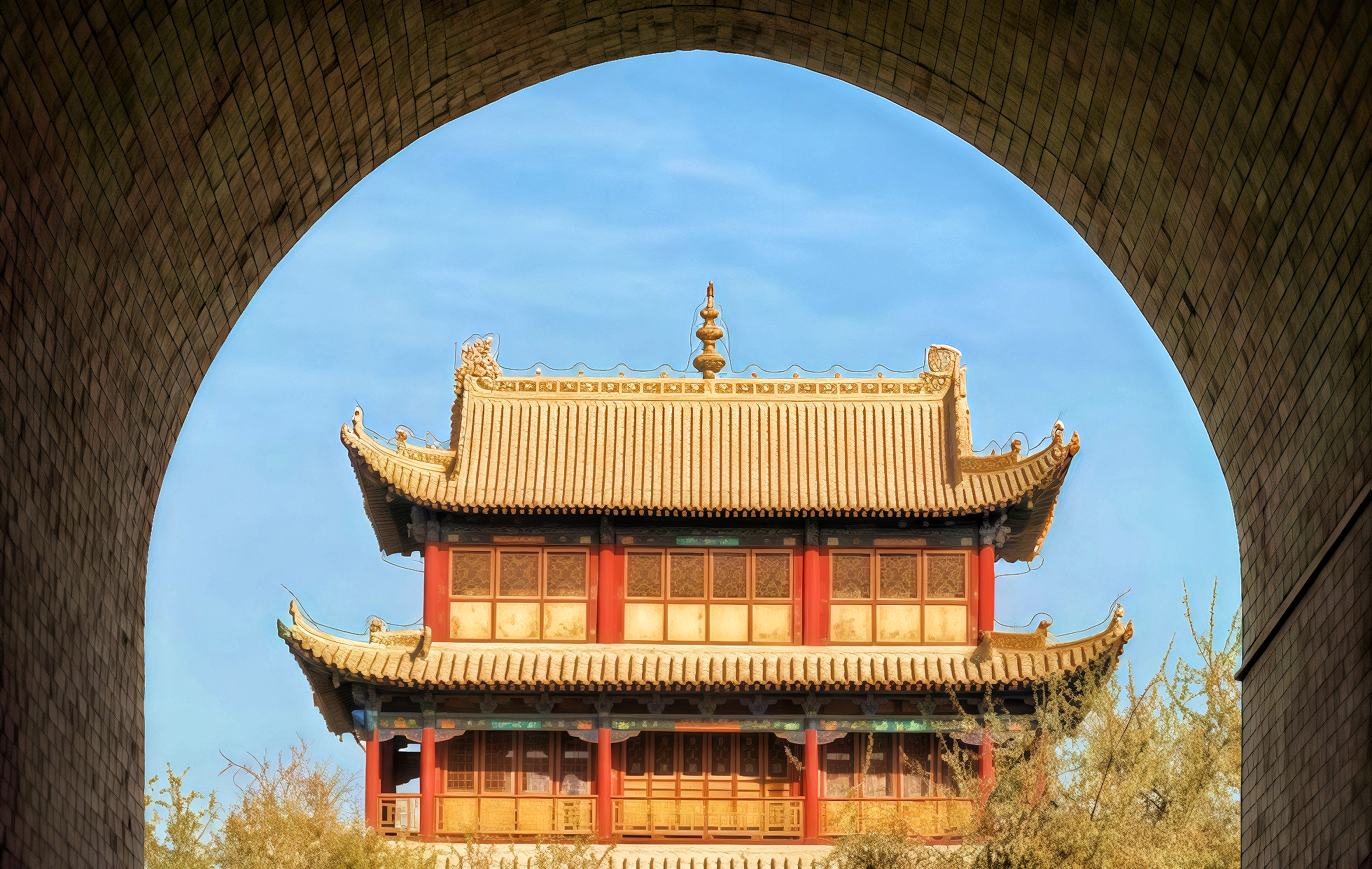
Photography Gear: A wide-angle lens (for capturing panoramic views of the Fort and the Qilian Mountains), a telephoto lens (for capturing architectural details), and a tripod (for astrophotography or long-exposure shots).>> [Consult for Customization Now]