Leshan Giant Buddha Scenic Area: The thousand year protection and mountain at the confluence of the three rivers are a legend of a Buddha

Leshan Giant Buddha Scenic Area: The thousand year protection and mountain at the confluence of the three rivers are a legend of a Buddha

Overview: A monument of faith carved from a mountain
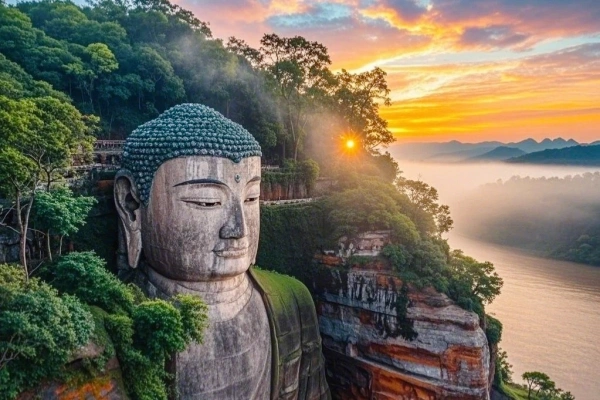
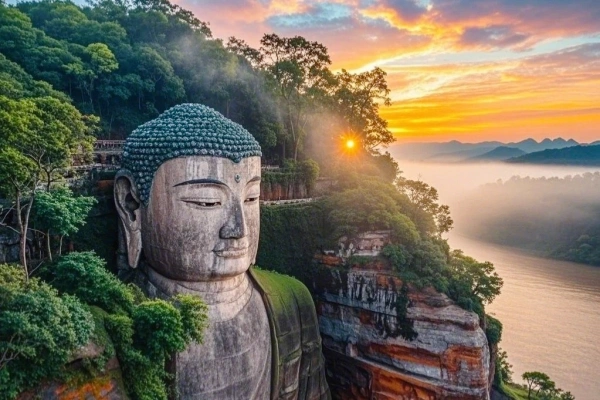
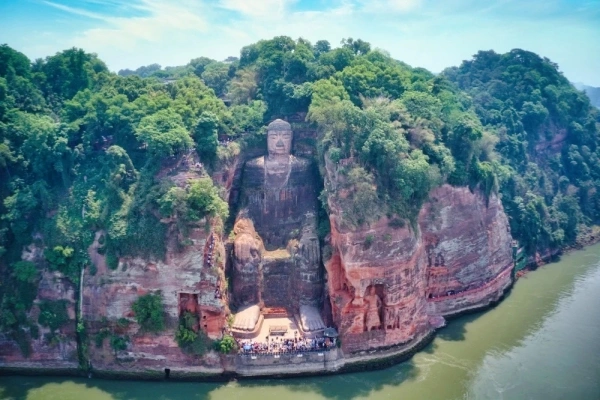
Leshan Giant Buddha Scenic Area, located on the cliff of Qixia Peak of Lingyun Mountain on the east bank of Minjiang River in South Leshan City, Sichuan Province, is a 71 meter high cliff sculpture of Maitreya Buddha of the Tang Dynasty. As the tallest ancient stone seated Buddha in the world, Leshan Giant Buddha Scenic Area integrates natural mountain shape, water conservancy wisdom, Buddhist belief and the ultimate stone carving art.

Quick overview of core highlights
Identity tags: Mountain is a Buddha, Buddha is a Mountain/World's Highest Ancient Stone Carving Sitting Buddha/World Dual Heritage Site
Core experience: all-round observation and worship of Buddha, panoramic view by boat, exploration of craftsmanship by climbing the plank road, and insight into the convergence of the three rivers
Suggested tour: 0.5-1 day, recommended combination tour of "viewing the whole picture on the river and experiencing the details on the shore"
Address: No. 2435 Lingyun Road, Shizhong District, Leshan City, Sichuan Province

  • Leshan Giant Buddha Scenic Area: The thousand year protection and mountain at the confluence of the three rivers are a legend of a Buddha-1
  • Leshan Giant Buddha Scenic Area: The thousand year protection and mountain at the confluence of the three rivers are a legend of a Buddha-2
  • Leshan Giant Buddha Scenic Area: The thousand year protection and mountain at the confluence of the three rivers are a legend of a Buddha-3
  • Leshan Giant Buddha Scenic Area: The thousand year protection and mountain at the confluence of the three rivers are a legend of a Buddha-4

Origin: The Century Project of Flood Control and Prosperous Tang Buddhist Light

Furong Ancient Town Furong Ancient Town

The Difficulty of Reality: The Ambition of Three Rivers' Turbulence and Sea Connection
The construction of Leshan Giant Buddha Scenic Area began with a compassionate and grand realistic wish. In the Tang Dynasty, the Minjiang River, Qingyi River, and Dadu River converged in front of Lingyun Mountain, and the water was turbulent. Boats and boats often overturned here, causing tragedies. A renowned monk from Guizhou, Master Haitong, traveled here and witnessed the tragic situation with deep sorrow. He made a grand vow: to use the power of Buddhism to save all sentient beings, and even more so, to use the opportunity of excavating the Great Buddha to cut mountains and rocks, and fill fallen rocks into the river to slow down the water flow and forever calm the winds and waves. This great idea that integrates faith, engineering, and people's livelihood received support from both the public and the government, and construction began in 713 AD.

Craftsmanship of Nine Ranks - The Relay of Life for Three Generations
Excavating a giant Buddha is an almost crazy and massive project. Master Haitong sought alms everywhere, raised funds, and even "set his own goals" to protect the donations. The project was temporarily interrupted due to its silence. Later, two officials, Zhang Qiu Jianqiong and Wei Gao, who were serving as the military governor of Jiannan Xichuan at the time, donated funds to continue the construction and took charge of the relay. From Haitong to Weigao, it went through four dynasties: Emperor Xuanzong of Tang, Emperor Suzong of Tang, Emperor Dezong of Tang, and three generations of craftsmen worked tirelessly to complete it in 803 AD. These 90 years have not only been about carving a Buddha statue, but also a marathon spanning centuries about faith, perseverance, and collective wisdom.

In depth understanding: explore more China's impressive ancient super projects>>Dujiangyan Irrigation Project Water Conservancy Project

Must See Wonders: Symphony of the Great Buddha of Heaven and Earth and the Subtle Humanities

Furong Ancient Town Furong Ancient Town

Natural Creation - A Natural Dojo with Beautiful Landscape Forms
The selection of the location for the Great Buddha is itself a dialogue between nature and humanity, which is a genius.
The magnificence of the confluence of the three rivers: Standing at the foot of the Buddha or on a boat in the river, one can see the fierce collision and blending of the three colors of the Minjiang River, Qingyi River, and Dadu River, which are the green, green, and yellow rivers, and finally flow eastward. The Buddha faces the river, like an eternal judge and mediator, and the scene is extremely magnificent. The roar of the water flow is like a background Sanskrit sound that lasts for thousands of years.
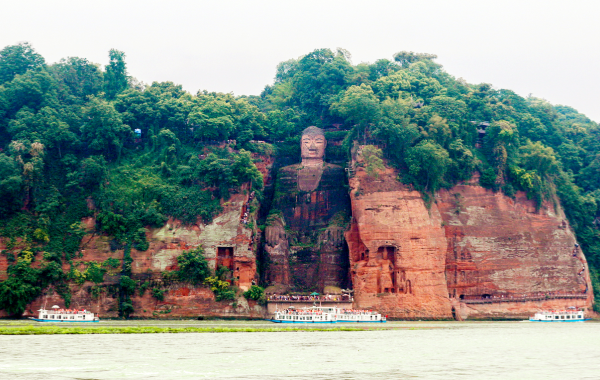
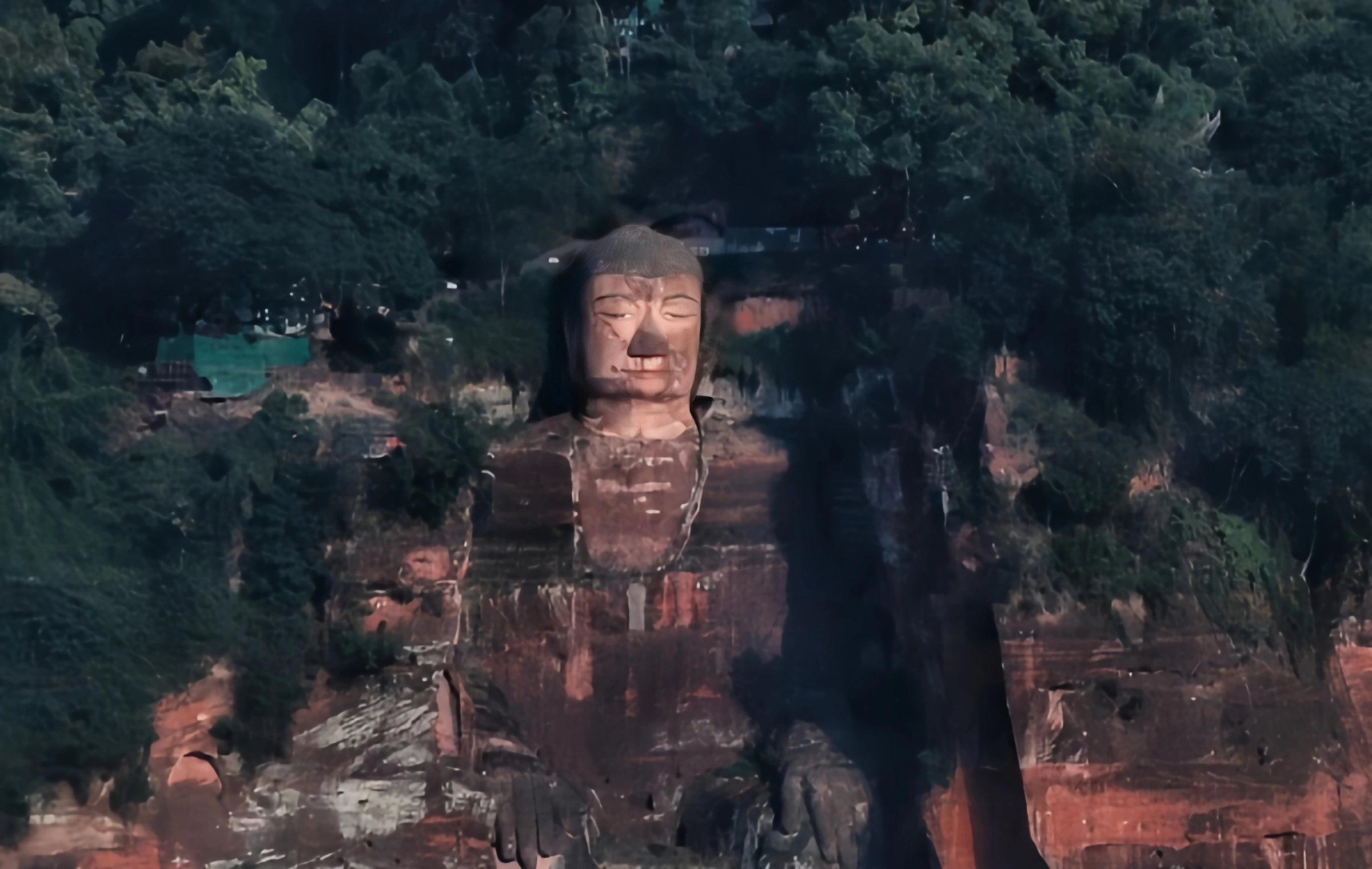
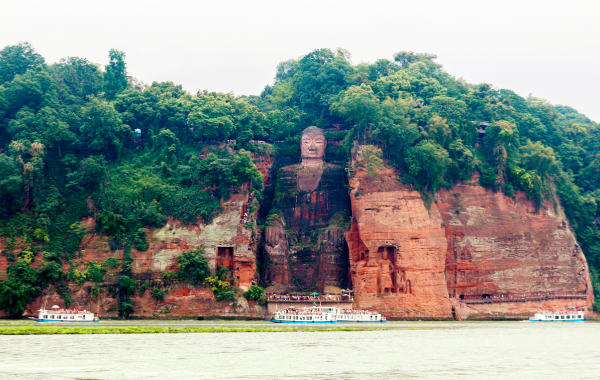
The Nine Peaks of Lingyun: Lingyun Mountain, where the Great Buddha is located, integrates mountains, water, forests, springs, pavilions, and towers, and is known as the "Upper Emei, Lower Lingyun". The mountains are lush with trees, and the red sandstone mountains of Danxia landform blend seamlessly with the Buddha statues. Viewed from the other side of the river, the continuous mountain shape of Wuyou Mountain, Lingyun Mountain and Guicheng Mountain ingeniously forms a huge "sleeping Buddha" outline, while the Leshan Giant Buddha Scenic Area is just in the "heart" position, and this natural wonder of "Buddha in Buddha" is amazing.

Humanistic craftsmanship - the grandeur of the era between millimeters
Looking up at the Buddha, every detail showcases the aesthetic peak and engineering wisdom of the Tang Dynasty.
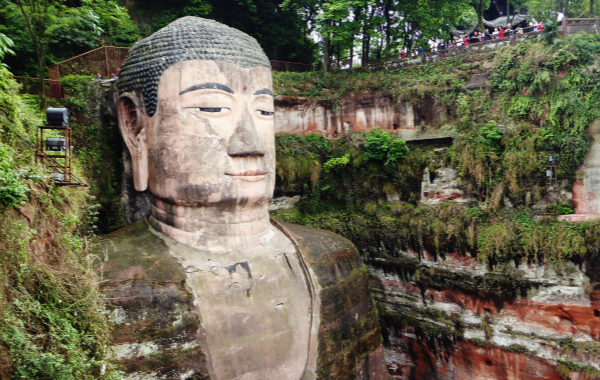
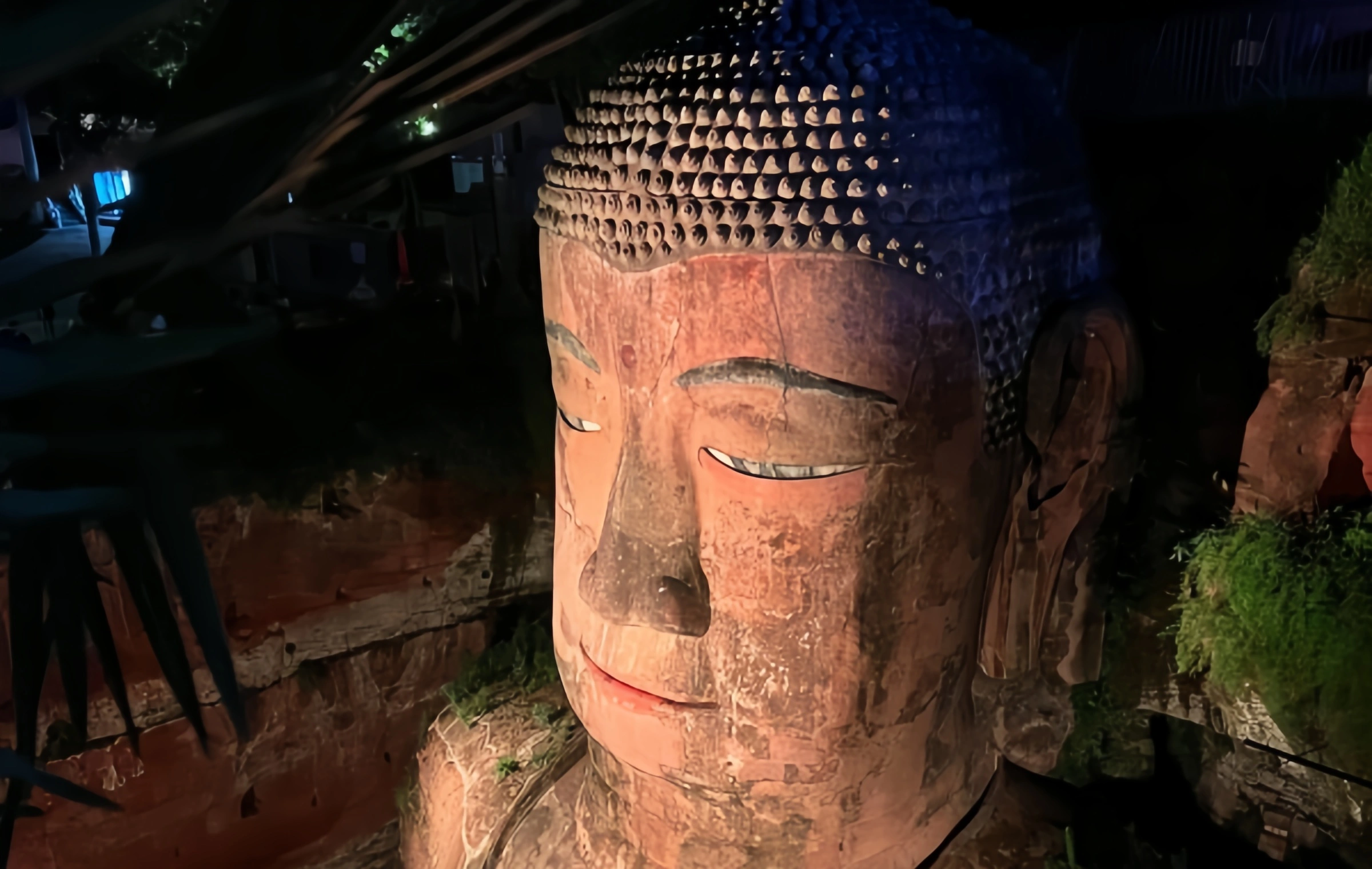
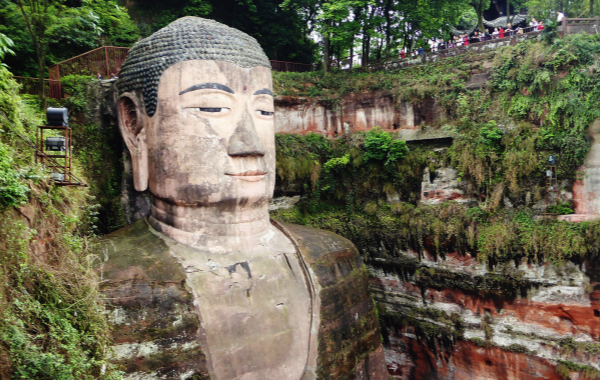
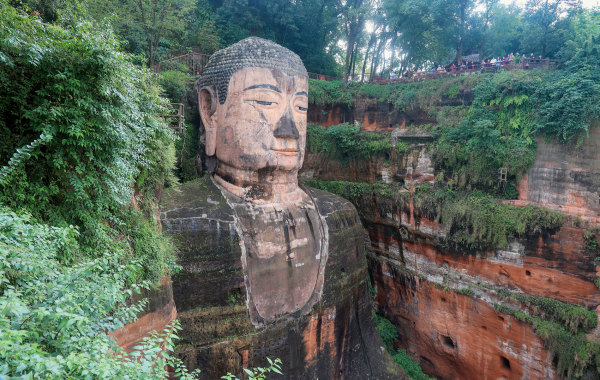
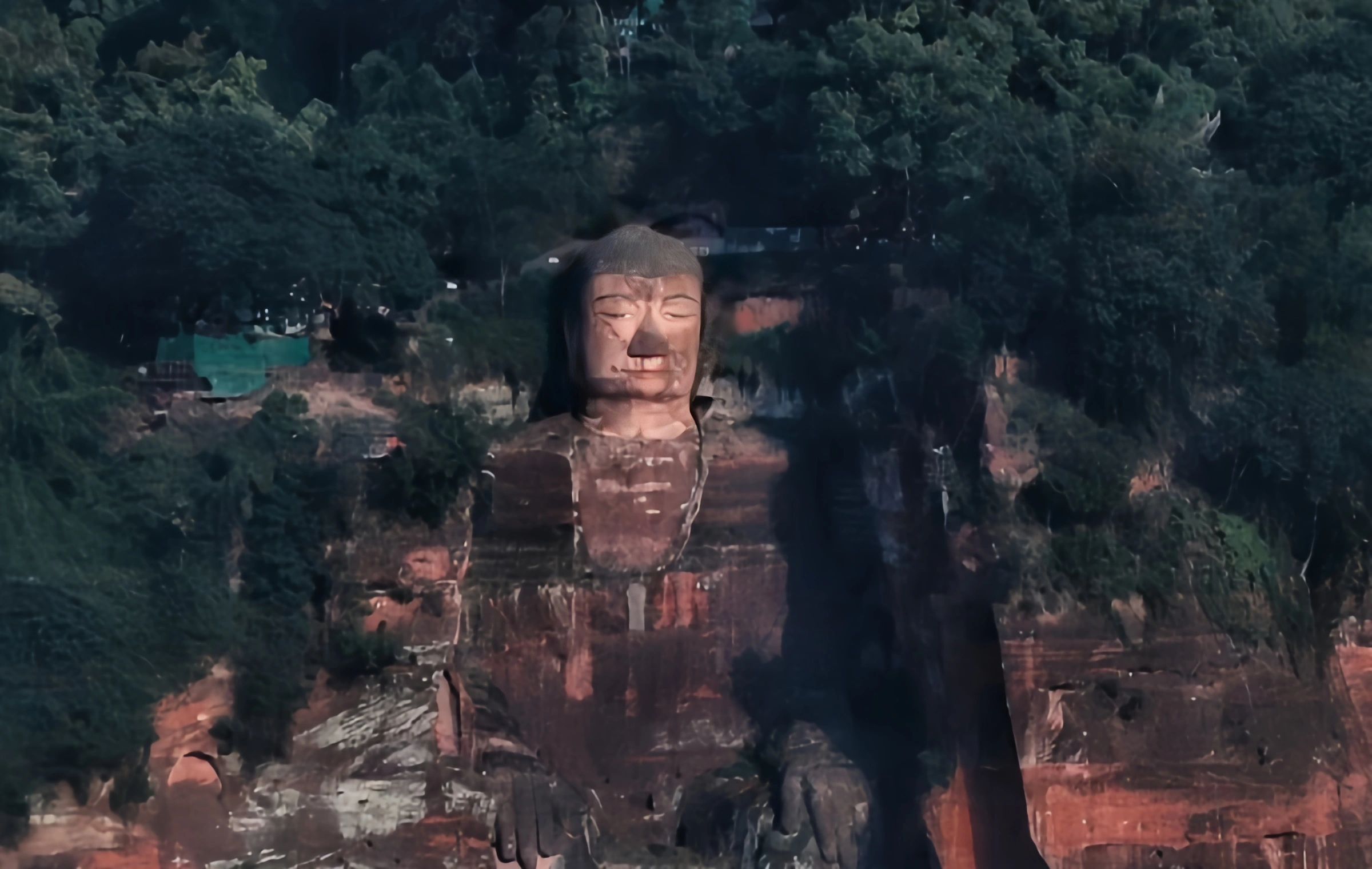
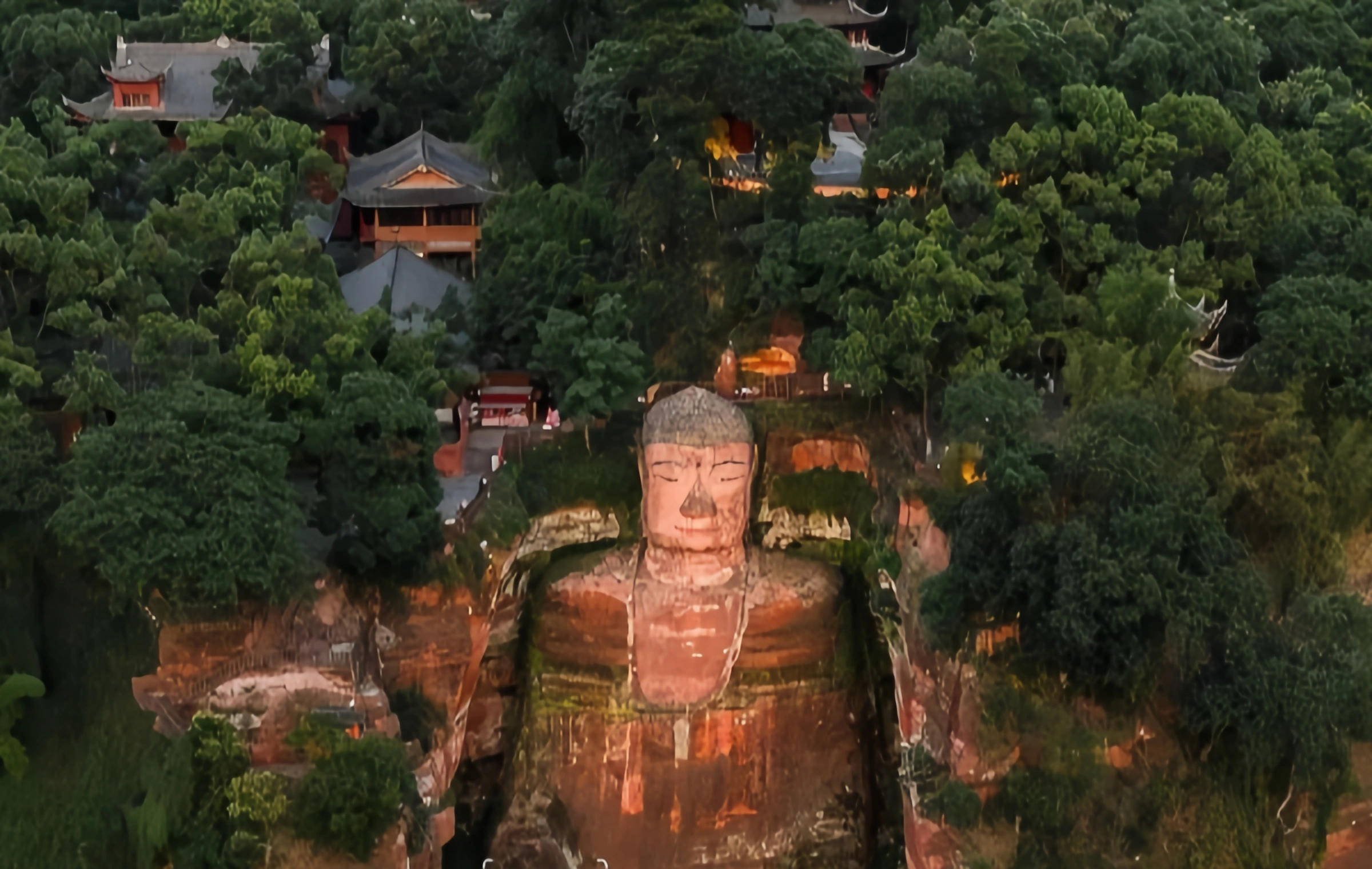
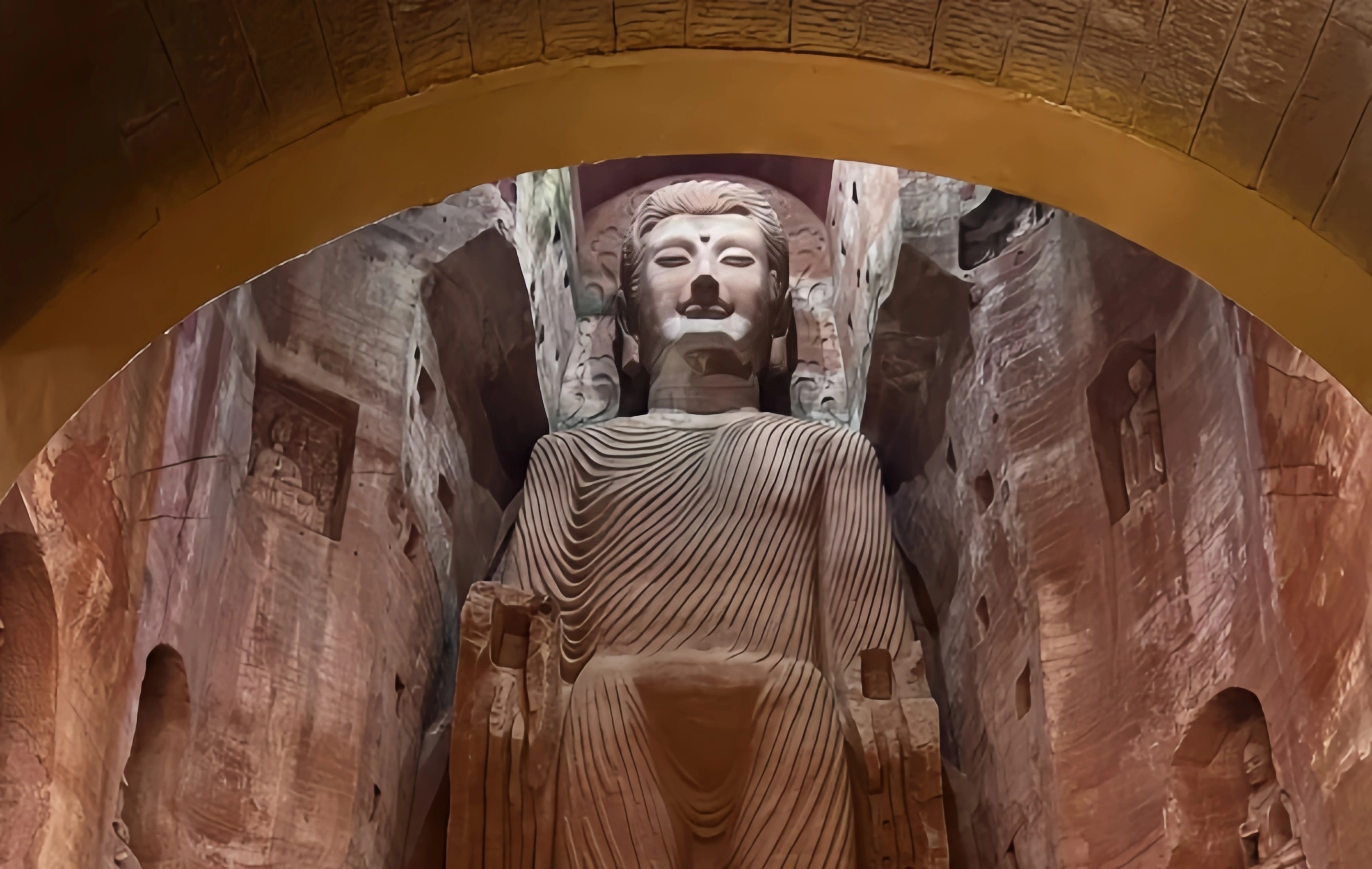
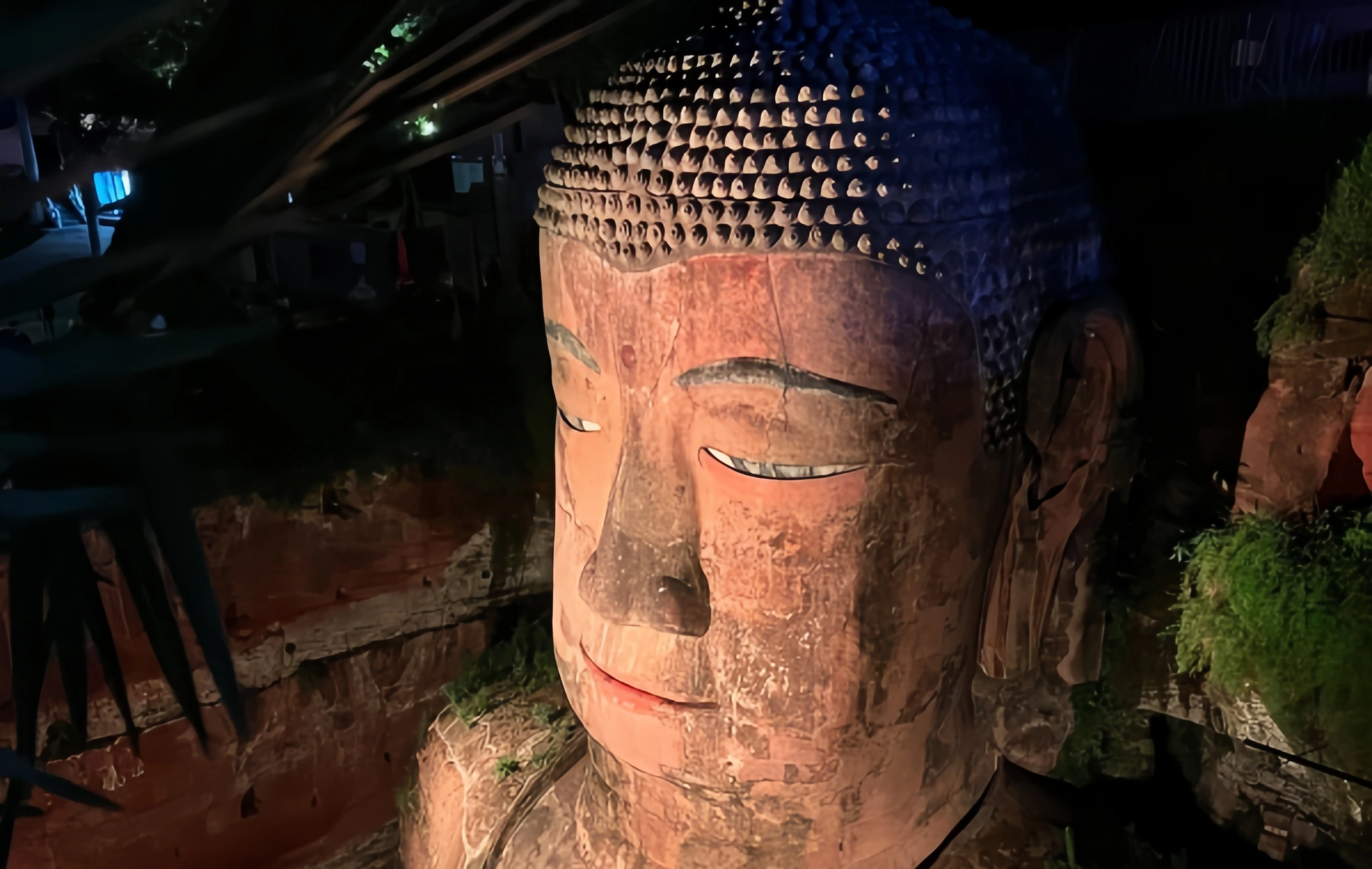
The original Buddha statue - a detailed and intricate manifestation of compassion: The Great Buddha is a seated statue of Maitreya Buddha carved on a mountain. He touched his knees with both hands, had a well proportioned body, and a solemn expression. There are a total of 1051 hair buns, all of which are embedded with stones; The ears are up to 7 meters long and can hold several people together; The instep is 8.5 meters wide and can accommodate over a hundred people. The most exquisite feature is its drainage system: clever drainage corridors are hidden behind the folds of the Buddha's robe, behind the ears, and between the chest and abdomen. After thousands of years, they effectively reduce the erosion of the Buddha statue by rainwater, reflecting the ancient wisdom of creating "harmony between heaven and man".
The Nine Curve Plank Road and Lingyun Ancient Temple: Follow the Nine Curve Plank Road (formerly the Tang Dynasty Ancient Road) on the right side of the Buddha and spiral down to observe the Buddha from head to foot at the closest distance, feeling its majestic momentum. The Lingyun Temple (also known as the Great Buddha Temple) on the mountaintop is bustling with incense, forming a complete pilgrimage space together with the Great Buddha. The Lingbao Pagoda, Dongpo Tower, Beilin and other historical sites next to the temple have added a profound cultural layer to this holy land.

Photography tips:
The best panoramic camera position must be on the river cruise ship, which can capture the full view of the Buddha and the confluence of the three rivers;
The Nine Curve Plank Road is suitable for capturing the stunning elevation angle and details of the Buddha's side profile;
The "Sun Island" or Binjiang Road on the opposite bank is an ideal location for capturing the outline of the "Giant Sleeping Buddha" and overlooking the Buddha in the distance;
Drones need to report and obtain permission in advance before they can take aerial photos and obtain extraordinary images from God's perspective.

Core Experience: Immersive Pilgrimage and Viewing Guide

Furong Ancient Town

Four essential tasks to unlock the complete journey of the Great Buddha
Take a boat on the river and admire the complete Dharma image: Take a sightseeing boat and slowly sail past the Buddha statue from the front of the river. This is the only way to fully appreciate the panoramic view of the Buddha's "Mountain is a Buddha" and feel its magnificent integration with the Lingyun Mountain. The perspective is the most stunning.
Climbing the Nine Curve Trekking Trail and experiencing a cliff overlooking view: descend from the mountaintop along the steep Nine Curve Trekking Trail to the foot platform of the Buddha. This process is like a small pilgrimage, where each step can change the perspective of appreciating the Buddha, and ultimately reach the Buddha's feet to look up and appreciate one's own insignificance and the majesty of the Buddha.
Explore invisible drainage and touch the wisdom of ancient people: under the guidance of tour guides or signs, carefully observe the folds of the Buddha's clothing and the hidden drainage channels behind the ears and chest. Understanding the 'invisible engineering' from over a thousand years ago is the most direct tribute to the extraordinary wisdom of ancient craftsmen.
Strolling through Lingyun Mountain and encountering the "Giant Sleeping Buddha": After visiting the Buddha's body, don't forget to take a stroll on Lingyun Mountain. Looking back from a specific angle (such as near Wuyou Temple), try to find and identify the outline of the "Giant Sleeping Buddha" naturally formed by the continuous mountains. This natural wonder will add a mysterious surprise to your journey.

Suggested tour routes
One day "panoramic essence" classic tour (the most recommended way):
Morning: Depart from the downtown area of Leshan and arrive at the north gate (or east gate) of the scenic area. First, visit Lingyun Temple and experience the atmosphere of the ancient temple. Then, line up and walk down the Jiuqu boardwalk (which is one-way traffic and has a long queue time on holidays) to observe the Buddha up close and down to the Buddha's foot platform. After visiting the Buddha's foot platform, walk up the Lingyun boardwalk on the other side and return to the mountaintop.
Noon: Have a simple meal inside the scenic area or at the entrance of the mountain.
Afternoon: Go to Leshan Port, purchase a boat ticket, take a boat ride from the river to enjoy the panoramic view of the Giant Buddha and the confluence of the three rivers, while searching for the outline of the "Giant Sleeping Buddha". After disembarking, if you have spare time, you can visit the adjacent Wuyou Temple and end the trip.
IntoTravelChina tip: This itinerary covers both shore details and panoramic views of the river. It is important to note that the Jiuqu boardwalk is a one-way street. Once you descend, you need to reach Fojiao before leaving. During holidays, queuing down the boardwalk may take 1-2 hours. Please reserve sufficient time and pay attention to safety.
Two day "Leshan Depth" Cultural Tour (highly recommended for cultural enthusiasts):
Day 1: Focus on the Leshan Giant Buddha Scenic Area Scenic Area all day long. In the morning, visit Lingyun Temple, Forest of Steles and other historic sites in detail. In the afternoon, queue up calmly to see the Buddha on the plank road. In the evening, take a walk on Binjiang Road to see the night view of the Giant Buddha from afar.
Day 2: In the morning, visit the Emei Mountain Museum in the urban area of Leshan (to learn about Buddhist culture) or Jiazhou Changjuan Tianjie (to experience local culture). In the afternoon, go to Suji Ancient Town to taste the most authentic Leshan stilted beef, sweet skinned duck and other delicacies, experience the bustling life of Leshan, and then return.
The advantages of IntoTravelChina: We can book the most reasonable tour sequence tickets for you (such as prioritizing cruise ships), provide suggestions for avoiding the peak flow of people during the tour period, and arrange in-depth local cultural guides for you to connect the deep experience of the Giant Buddha and Leshan cuisine culture.

Professional guide: IntoTravelChina can provide you with a personalized itinerary, including exclusive tour guides, transportation, and activity arrangements, allowing you to have a worry free and in-depth experience. >>Consult now for customization

Complete Travel Guide: Transportation, Seasons, and Accommodation

Furong Ancient Town

How to reach: Seamless Connection Guide
Leshan has convenient transportation and is an important hub for tourism in southern Sichuan.
High speed rail: Taking the high-speed rail from Chengdu East Station to Leshan Station takes about 50 minutes at the fastest, which is the most convenient way. After leaving the station, transfer to the scenic area direct train (about 30 minutes) or take a taxi (about 20 minutes) to reach the scenic area.
Self driving: It takes about 1.5-2 hours to drive from Chengdu to Leshan Giant Buddha Scenic Area Scenic Spot via Chengdu Leshan Expressway, and navigate to the parking lot of Leshan Giant Buddha Scenic Spot.
Waterway (Featured Experience): Taking a tourist cruise ship from the dock in Leshan city can directly reach the foot of the Giant Buddha for sightseeing, but usually does not include tickets to enter the scenic area by disembarking.

Best travel time
The Leshan Giant Buddha Scenic Area can be visited in all seasons, but the spring and autumn (March May, September November) are the most comfortable and pleasant.
Spring and Autumn Golden Season: With moderate temperatures, many sunny days, and clear color layers of the river water, it is the best season for photography and outdoor travel.
Summer flood season (June August): The Three Rivers have abundant water, and the convergence scene is particularly spectacular. But at this time, it is the rainy season and summer, with the highest number of tourists, hot weather, and long waiting times. Attention should be paid to heatstroke prevention and cooling.
Winter (December February): There are relatively fewer tourists, so you can travel more quietly. But occasional fog may affect the river view.
Accommodation and surrounding tours
Leshan city is the first choice for accommodation, with convenient dining and transportation. There is a wide selection of high, medium, and low-end hotels, and in the evening, you can also taste authentic Leshan barbecue, stilted beef, and other delicacies.
The Grand Buddha Scenic Area Inn or the homestay near Wuyou Temple near the scenic area can enjoy a more peaceful environment, making it easier to take a walk in the morning and evening.
Recommended tours around include: Mount Emei, which is called "Leshan Tourism Twin Star" together with Leshan Giant Buddha Scenic Area (about 1 hour's drive); Suji Ancient Town, filled with the hustle and bustle of the market (a food gathering place); And the Leshan City Museum showcasing the history and culture of Leshan.

IntoTravelChina accommodation booking recommendations:
During holidays and summer vacations, there is a strong demand for accommodation in the urban area and surrounding scenic spots of Leshan. We strongly recommend planning your itinerary in advance and booking accommodation. By booking with us, not only can you get real-time room availability, but you can also package and plan accommodation, scenic spot tickets, transportation connections, and specialty food experiences, often receiving combined discounts and ensuring seamless travel. Please let us know your budget and requirements, and we will match you with the most suitable "Buddhist Journey" plan. >>Click to contact IntoTravelChina travel consultant

Extended journey: essence loop connecting southern Sichuan Buddhism and food

Furong Ancient Town Furong Ancient Town

Leshan Giant Buddha Scenic Area is the core portal to explore the wonderful southern Sichuan region.
Classic 2-day trip to essence of Leshan: Leshan (Giant Buddha, Lingyun Temple) → Mount Emei (Qingyin Pavilion at the foot of the mountain, ecological monkey area). This is a condensed dual heritage tour route, allowing you to experience the shock of the stone carved giant Buddha and the tranquility of the immortal mountain Buddhist kingdom in the shortest possible time. >>Check the 2-day Leshan essence Tour
Panoramic Sichuan tour: connect the Leshan Giant Buddha Scenic Area with Chengdu (Panda Base, Kuanzhai Alley), Jiuzhaigou Valley Scenic and Historic Interest Area Valley, and Huanglong, and experience a diversified China from Bashu culture, world heritage to stunning nature.

Join hands with IntoTravelChina and embark on your exclusive journey of Buddhist legend

Furong Ancient Town Furong Ancient Town

The story of Leshan Giant Buddha Scenic Area is about the power of belief, the carving of time and the eternity of craftsmanship. IntoTravelChina is dedicated to creating a deep, personalized, and worry free travel experience in China. Our travel experts can assist you with:
Tailored itinerary: according to your interests, time and physical strength, design a perfect route that includes the Leshan Giant Buddha Scenic Area and the essence of southern Sichuan.
One stop service: booking tickets, special accommodations, cross city transportation, local cultural guides, and food recommendations.
Exclusive experience: arrange in-depth explanations during non-public hours, guide the best Buddhist photography locations, and explore authentic Leshan cuisine.
Your trip to Leshan Giant Buddha Scenic Area is not only to admire a giant statue, but also a cultural practice that goes through thousands of years and talks with craftsmen in the flourishing Tang Dynasty.

Start planning your journey now
Welcome to contact our professional travel consultants, we will provide you with exclusive itinerary plans and quotes within 24 hours. >>Click to contact IntoTravelChina travel consultant

What Our Clients Say?

Based on 10,000+ traveler reviews

...
Daniel Dorothea
Canada
Reviewed on April 29,2025
Shopping on Nanjing Road in Shanghai was just amazing! It's truly the "First Commercial Street of China", where tradition and modernity blend perfectly. You can find awesome souvenirs and experience the trendy vibes in cool stores. The neon lights at night are just spectacular, shining bright like Times Square in New York. The food here is incredible too. I had a feast for my taste buds. Shanghai, I'll definitely be back!
Destination(s): Shanghai
Date of Experience: May 08,2024
...
...
Elvis Eva
Canada
Reviewed on June 20,2025
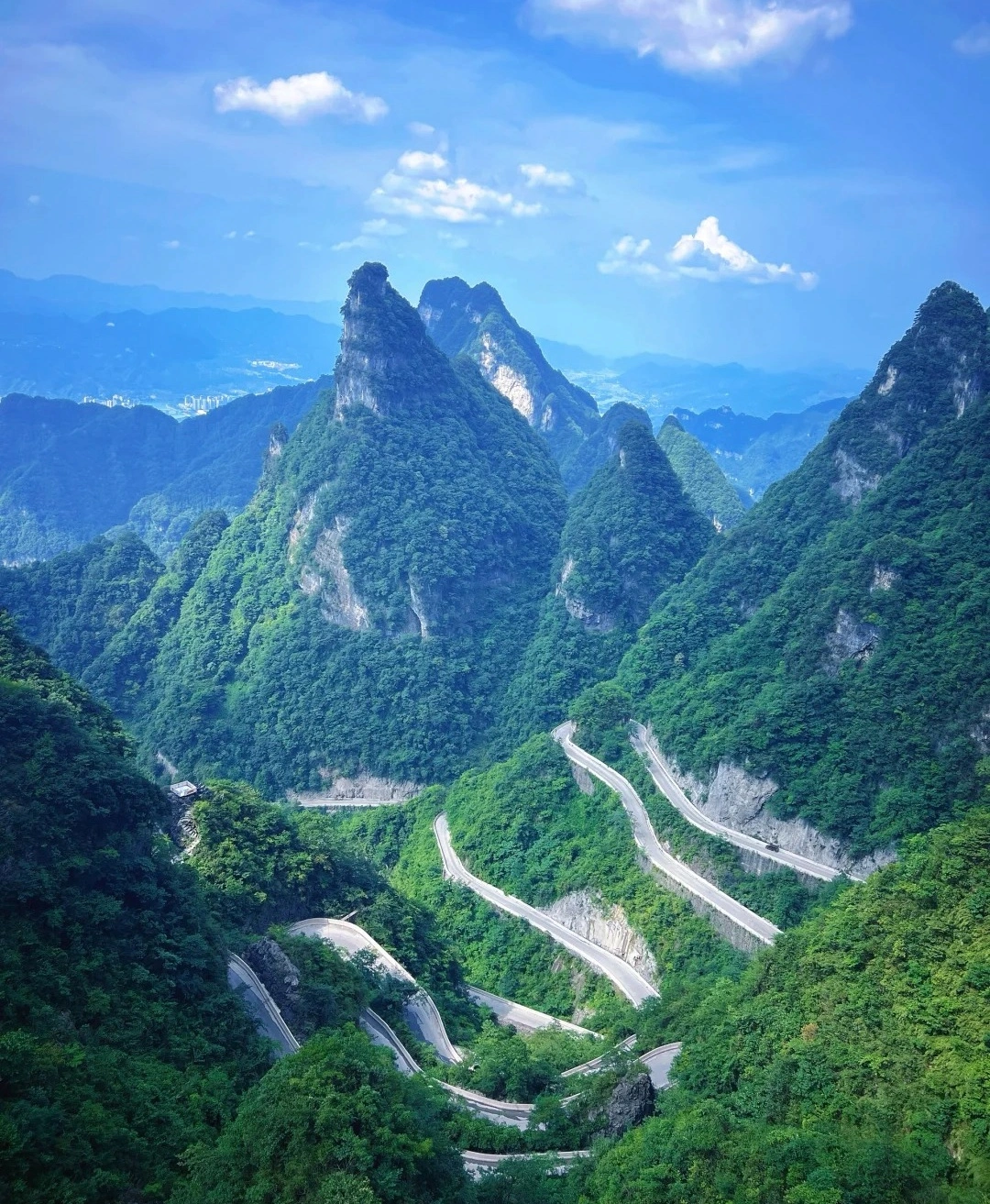
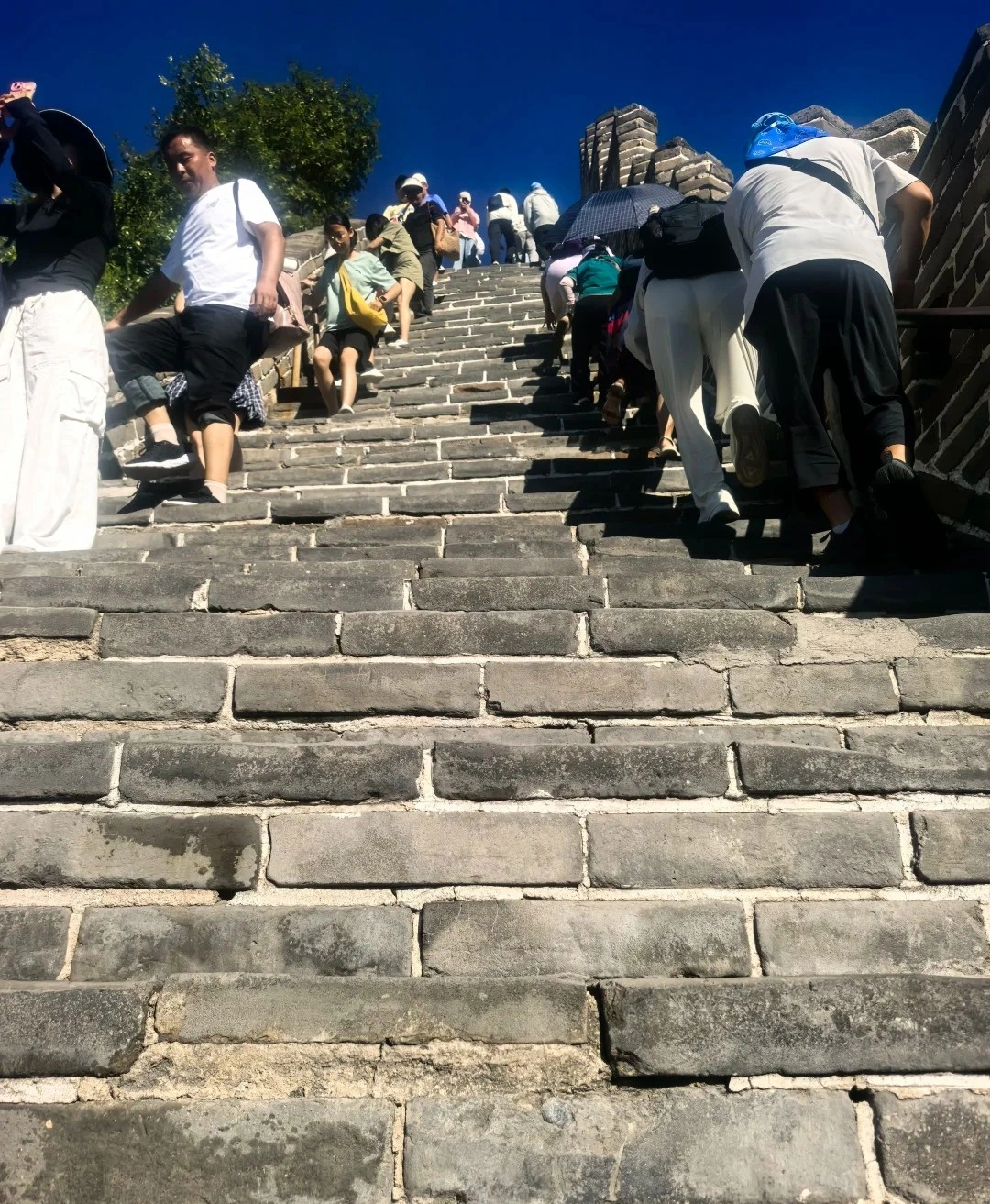
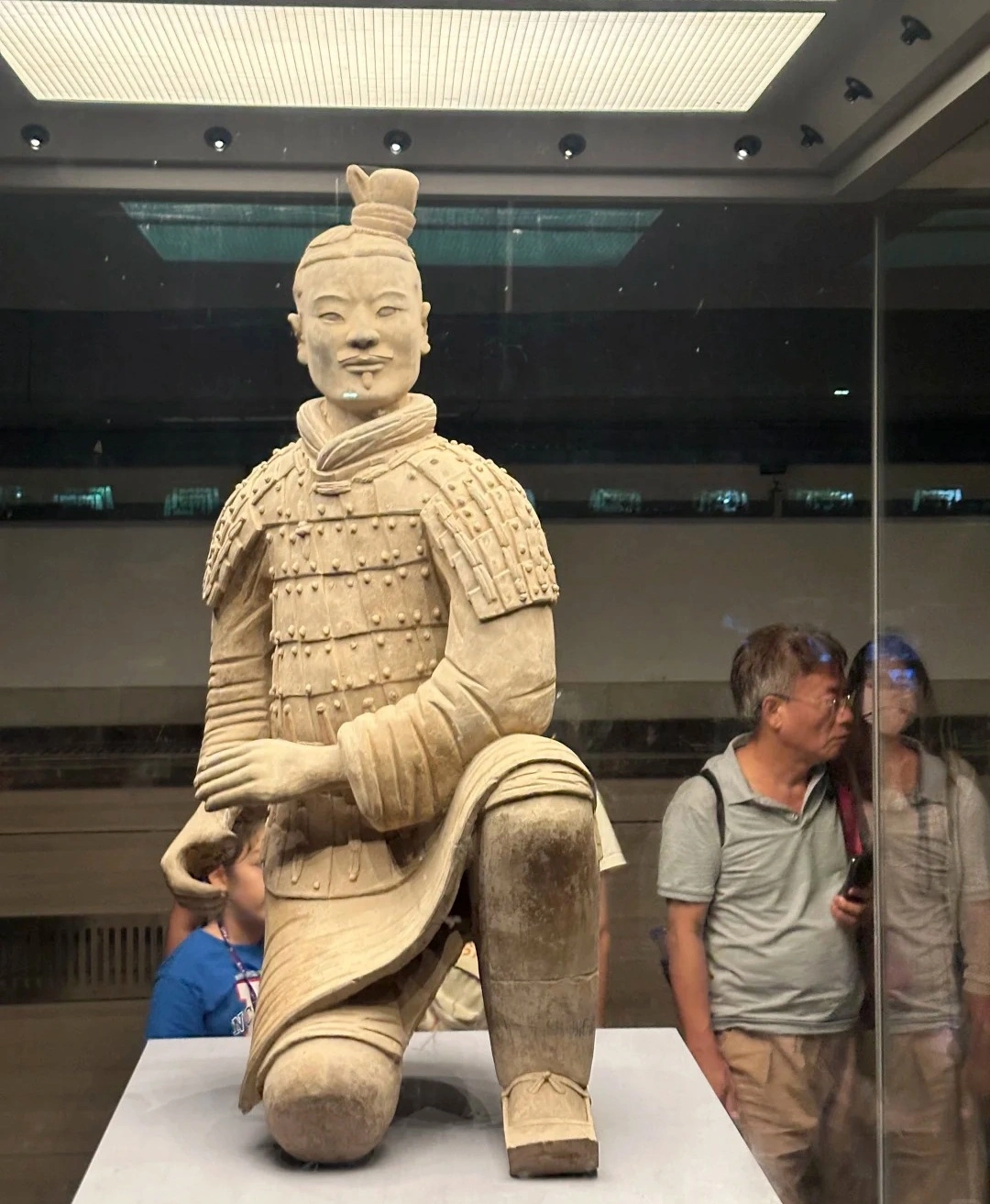
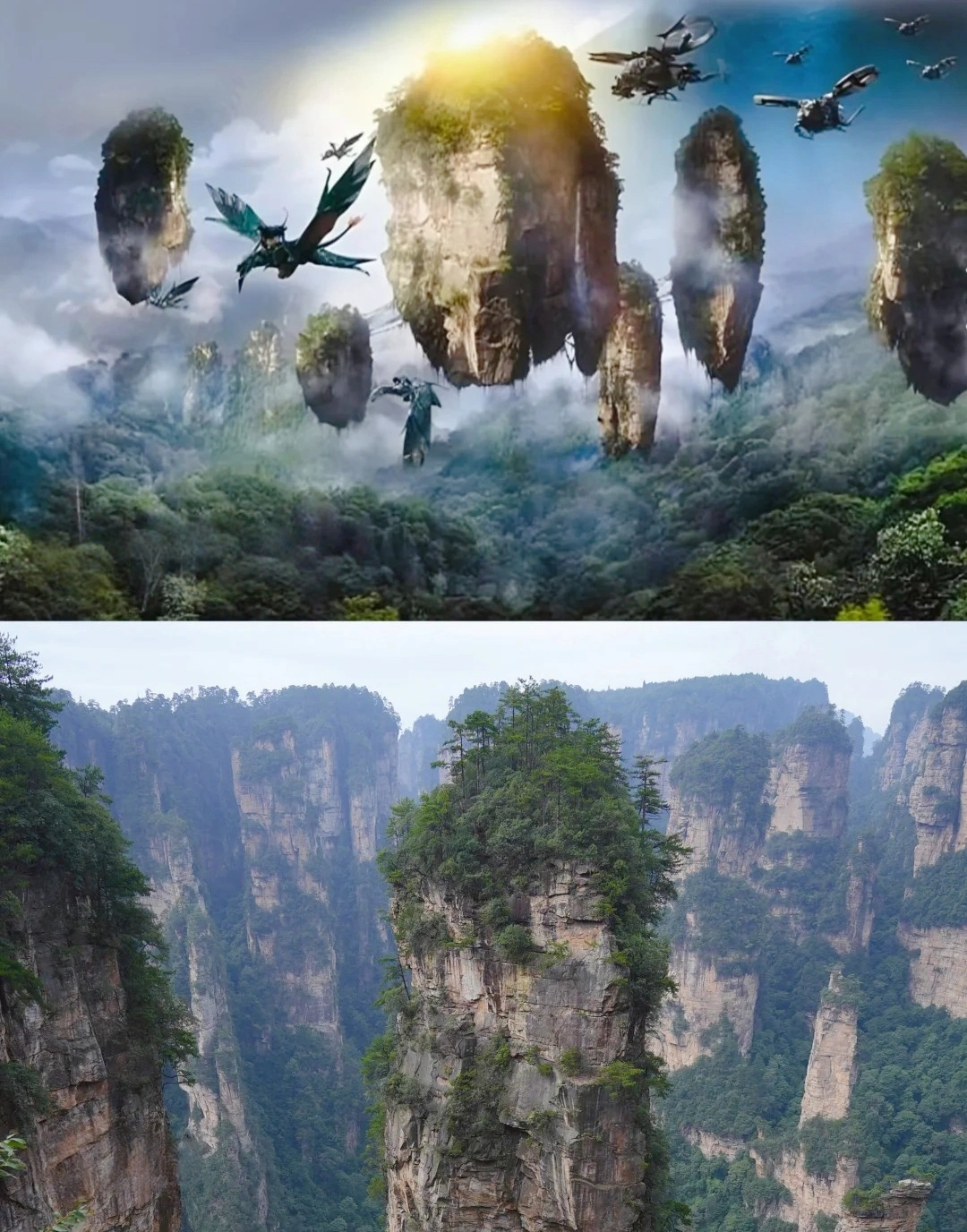
As a solo traveler from Canada, I was nervous about navigating China alone—but this 11-day tour was PERFECT! From hiking the Great Wall at sunrise (Day 3) to gasping at the Terracotta Army (Day 5), every day delivered ‘pinch-me’ moments. The real showstopper? Zhangjiajie’s Avatar Mountains (Day 7)! Our guide made the stone pillars come alive with stories. Massive thanks for handling all logistics—bullet train tickets, entry passes, car! And the 4-star hotels surprised me.
Destination(s): Beijing Xian Zhangjiajie Shanghai
Date of Experience: June 02,2025
... ... ...
...
Simon
America
Reviewed on May 29,2025
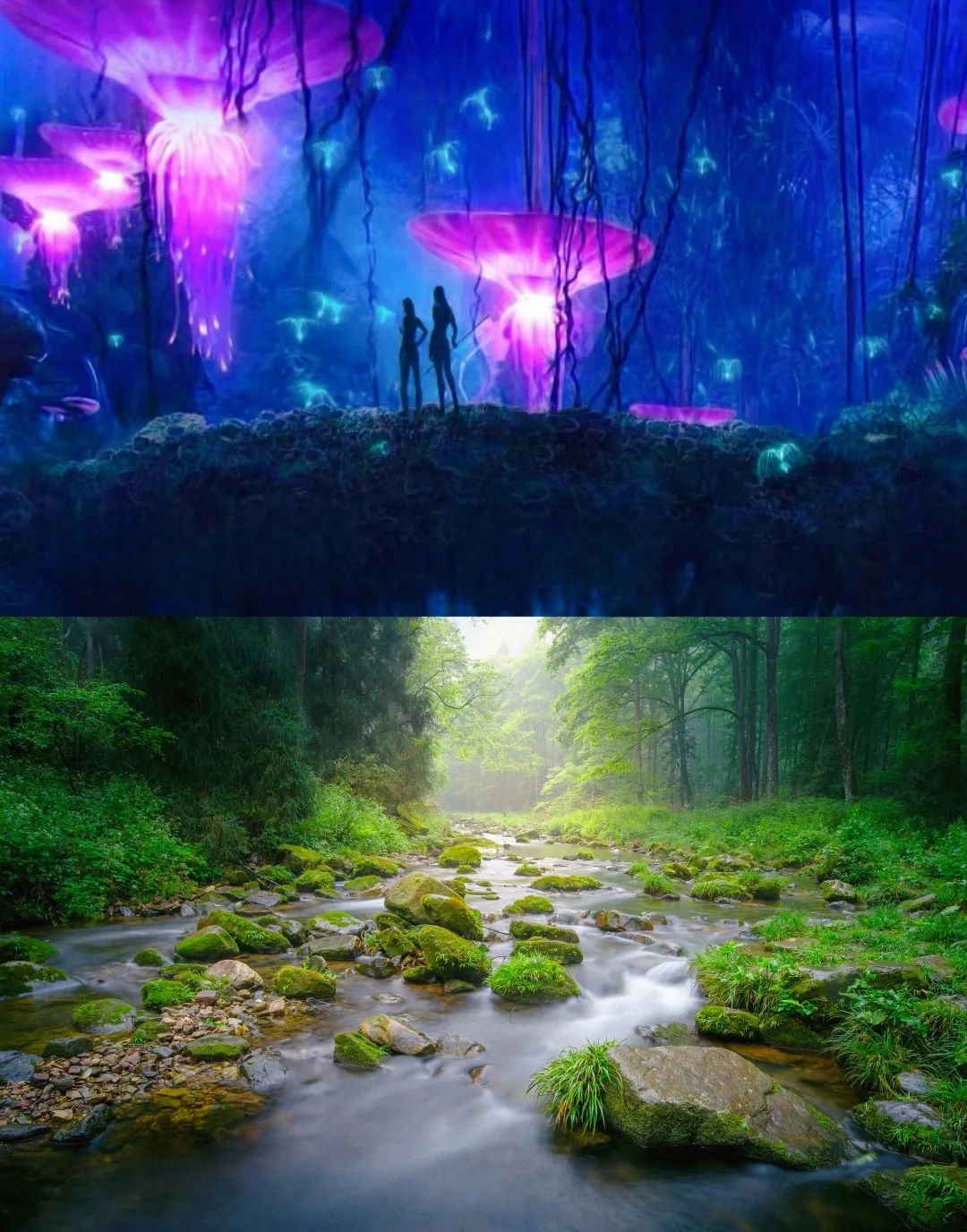
Our 2-day Zhangjiajie tour was beyond spectacular! As someone who’s visited Beijing and Shanghai for work, this trip revealed China’s wild, magical heart. Day 1 in Zhangjiajie National Forest Park felt like stepping onto Pandora—I’m a huge Avatar fan, and Yuanjiajie’s floating peaks left me breathless. The misty pillars and lush valleys like pure movie magic! Then came Fenghuang Ancient Town, we eat dinner beside the thundering waterfall. It seems Unreal! The night views of stilt houses glowing over the river were straight from a fairy tale. For fellow Avatar lovers and adventure seekers: Don’t miss this bucket-list experience! 10/10 would return. A Well-Traveled Film Buff, May 2025
Destination(s): Zhangjiajie
Date of Experience: May 08,2025
... ...

FAQ

What other places are worth visiting in the Leshan Giant Buddha Scenic Area besides the Giant Buddha?

The Lingyun Temple, located at the head of the Leshan Giant Buddha, is a place with a long - standing history and rich Buddhist culture. Wuyou Temple, with its unique architectural style and 500 arhat clay - figure, is also a good choice. In addition, the Forest of Steles, which displays many calligraphy and painting steles of ancient and modern celebrities, is worth a visit. There are also Suyuan, Dongpo Tower, and other scenic spots, which can let you feel the profound cultural heritage of Leshan.

Is it better to climb the mountain or take a boat to visit the Leshan Giant Buddha?

It depends on your preferences. If you want to get a close - up view of the details of the Buddha, feel its grandeur at a close distance, and visit other scenic spots in the scenic area, such as Lingyun Temple and the Forest of Steles, climbing the mountain is a good choice. But it takes about 2 - 3 hours and requires certain physical strength. If you want to see the whole picture of the Buddha at one time, avoid the crowd, and enjoy the magnificent view from a distance, taking a boat is more suitable. The boat tour takes about 40 minutes, and you can take photos with the Buddha from the boat.

How to get to the Leshan Giant Buddha from Chengdu?

You can take a high - speed train from Chengdu East Station to Leshan Station, which takes about 45 minutes and costs about 54 yuan. After getting off at Leshan Station, you can take a taxi to the scenic area, which costs about 25 - 30 yuan, or take bus K1 and get off at Guichengshan Station, and then navigate to the north gate of the scenic area. You can also drive by yourself, just navigate to the Leshan Giant Buddha Scenic Area parking lot, but be prepared for traffic congestion and parking difficulties during the peak tourist season.

What are the opening hours of the Leshan Giant Buddha Scenic Area?

The opening hours are from 07:30 to 18:30 from April 1 to October 7 (peak season), and from 08:00 to 17:30 from October 8 to March 31 (off - season).

Is the transportation convenient within the scenic area?

The transportation within the scenic area is relatively convenient. There are free sightseeing buses next to the ticket office, which can take you to the main scenic spots. However, if you choose to climb the mountain to visit the Buddha, you need to walk a lot of steps, especially on the Jiuqu Plank Road, where the road is narrow and steep, so you need to pay attention to safety. If you take a boat to visit, you can enjoy a more leisurely journey.

Ask a Question

Question Summary (100 characters)
Details (optional) (2,000 characters)
Name
Country
Email