Nature's Masterpiece—The Majestic Aura of the Ten-Mile Canyon
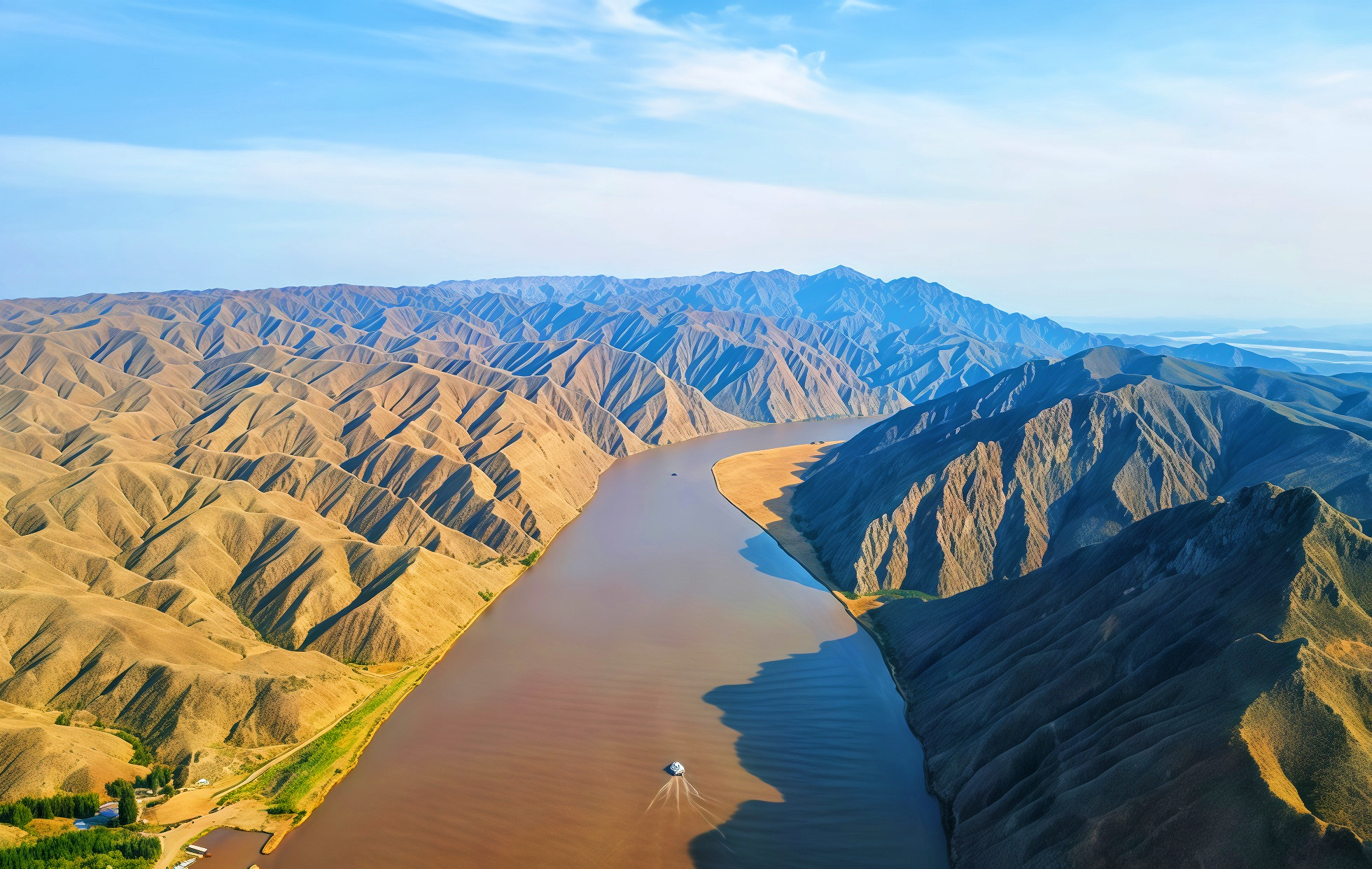
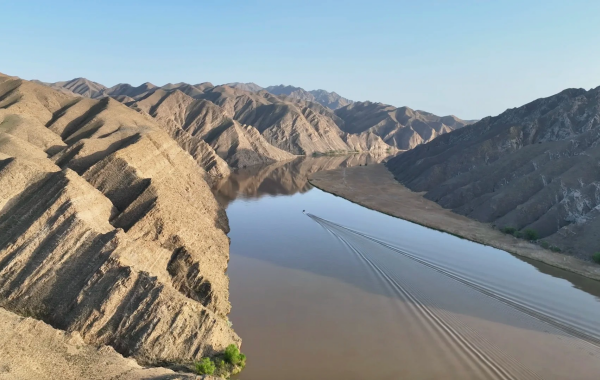
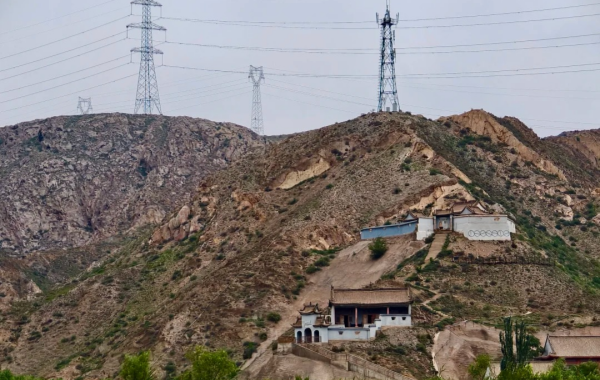
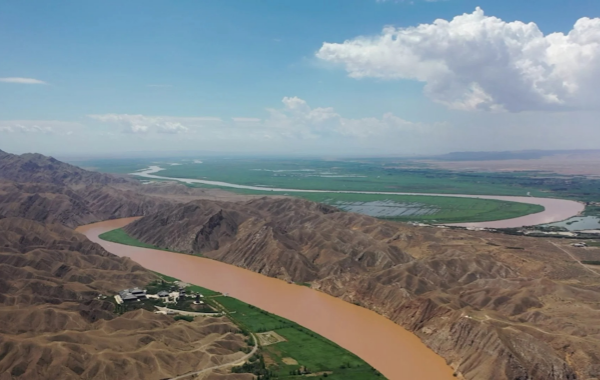
The natural landscape of the Qingtongxia Yellow River Grand Canyon is a magnificent symphony of mountains, water, and stone. Spanning over ten li in length and ranging from 50 to 100 meters in width, the canyon is flanked by cliffs towering more than 30 meters high. Embodying the rugged and majestic characteristics typical of the Yellow River in the North, it is hailed as the "Premier Canyon of the Middle and Upper Yellow River."
The Canyon’s Lifeblood: The Waters of the Yellow River
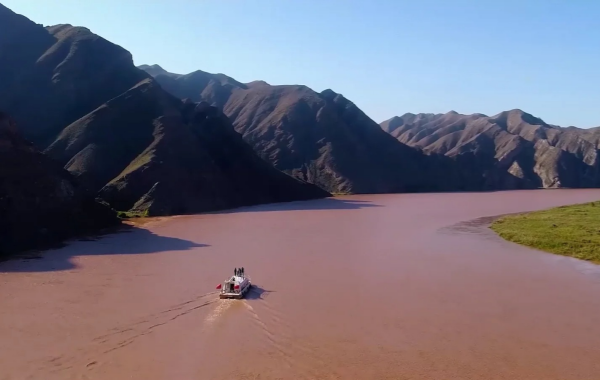
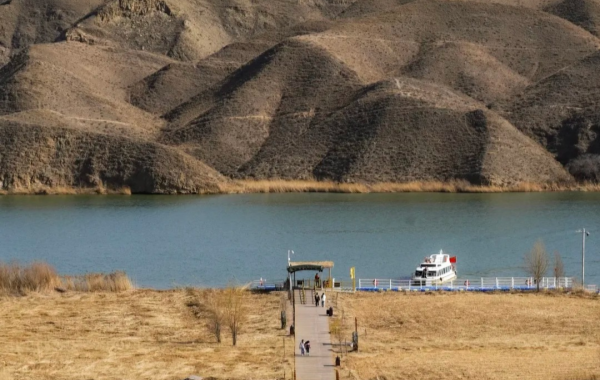
- The Ten-Li Canyon: This constitutes the very soul of the scenic area. As you traverse the canyon by boat, the cliffs on both banks appear as if hewn by knife and axe; the surging waves of the Yellow River—where a tranquil lake meets a deep, rushing gorge—weave together to form a dynamic, flowing masterpiece. Here, the river waters display a clarity and serenity starkly distinct from that of the middle and lower reaches. Reflecting the rugged, exotic scenery of the banks, the water creates an ethereal illusion where wild grandeur and gentle beauty coexist in perfect harmony.
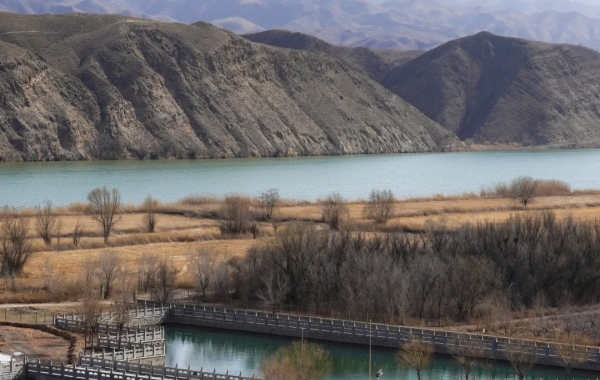
- The High Gorge and Tranquil Lake: The completion of the Qingtongxia Water Conservancy Hub has transformed the upper reaches of the canyon into a magnificent landscape featuring a vast, placid lake. The expansive water surface, shimmering like a polished mirror, is nestled amidst the surrounding mountains. The reflections of the towering Helan Range and the exotic peaks of Mount Niushou ripple across the water, composing a picturesque tableau of mountains and rivers—a rare sight in the North. The optimal way to experience this scenery is by boat; as a gentle breeze caresses your face, you can fully immerse yourself in the panoramic views of the banks and savor the majestic imagery of a "tranquil lake emerging from a high gorge."
Rugged Stones: Nature’s Sculptural Art
Walking along the canyon feels akin to stepping into a natural geological museum. A succession of extraordinary rock formations and scenic landmarks unfolds before your eyes: Guanyin Terrace, the Heavenly Book Pavilion, Crocodile Rock, the Shrimp Wall, Three-Gorge Ravine, the Spring of Cleansing Heart, the Qingtongxia Rock Carvings, and the Sleeping Buddha Mountain. Sculpted over millions of years by the forces of wind and water erosion, these rocks assume myriad forms—some resemble Guanyin seated in meditation, others look like stacks of heavenly scriptures, while the Sleeping Buddha Mountain lies recumbent against the skyline, its contours remarkably lifelike. This is not merely a visual feast, but also a living textbook for geology enthusiasts seeking to decipher the evolutionary history of the Earth.
The Green Sanctuary: The Ecological Paradise of the Reservoir Bird Island
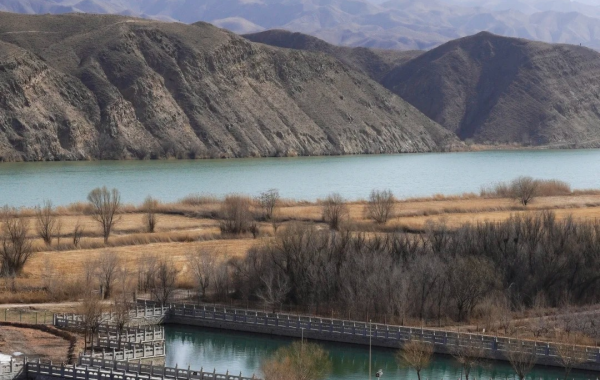
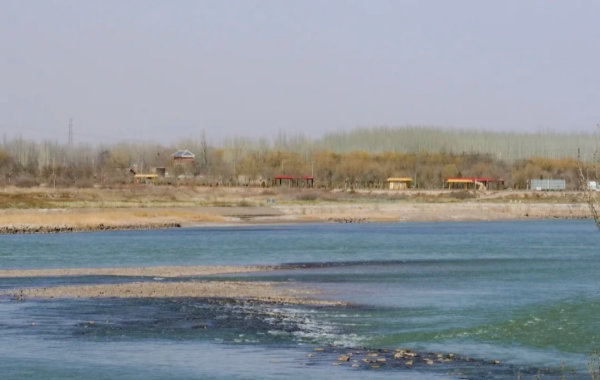
Nestled within the canyon, the Bird Island Wetland—located within the reservoir area—serves as a vital stopover point for migrating birds. During the transition from spring to summer, flocks of migratory birds gather here to rest and breed; rare species—such as egrets, grey herons, and swans—dance gracefully, infusing the rugged northern canyons with a touch of vivacity and life. This place is a paradise for birdwatchers and nature photographers; at dawn or dusk, as golden sunlight spills across the wetlands, the migratory birds harmonize with the shimmering lake and majestic scenery, freezing into a series of breathtaking natural tableaux.
Cultural Craftsmanship—Imprints of Civilization Etched on the Banks of the Yellow River
The cultural landscapes of Qingtongxia embody a rich tapestry of water conservancy civilization, religious art, and collective ethnic memory.
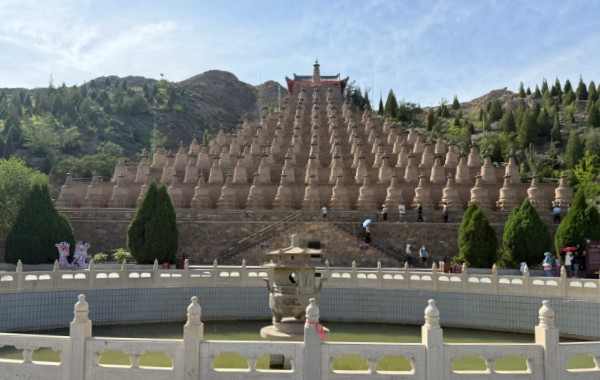
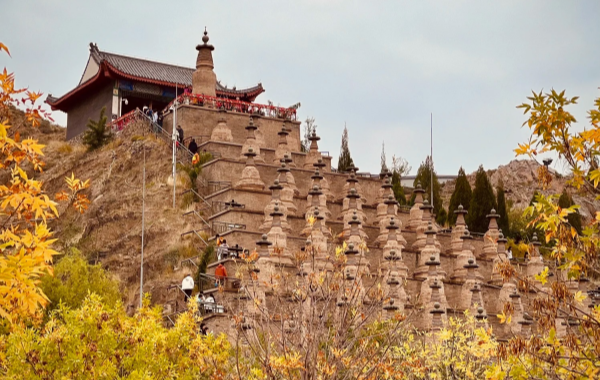
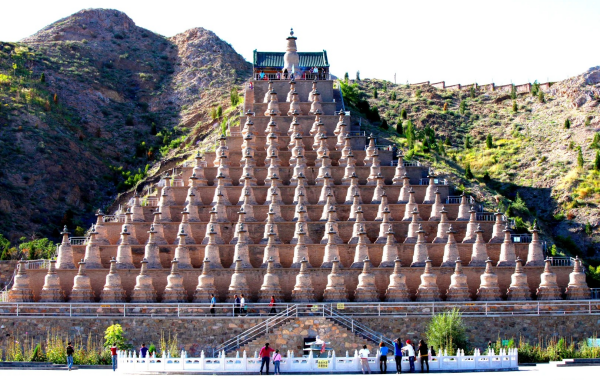
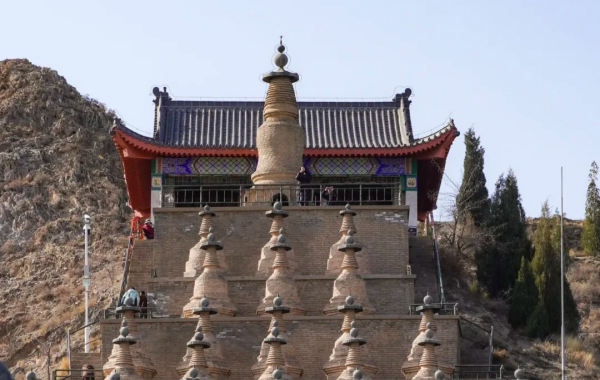
- The 108 Pagodas (Major Historical and Cultural Site Protected at the National Level): Originally constructed during the Western Xia Dynasty, this cluster of Tibetan Buddhist pagodas ranks among the largest and most symmetrically arranged groups of Lamaist stupas still extant in China. The 108 bell-shaped stupas are built in stepped tiers along the mountain contours, arranged across twelve distinct platforms. Facing east with the mountains at their back and the water before them, they stand as silent witnesses to a millennium of military strife and the intermingling of diverse ethnic groups across the Ningxia Plain. Ascending the pagodas to gaze into the distance, one sees the Yellow River flowing like a silken ribbon and the mountains and rivers unfolding like a painted scroll—making this an exceptional vantage point for capturing panoramic views of the canyon.
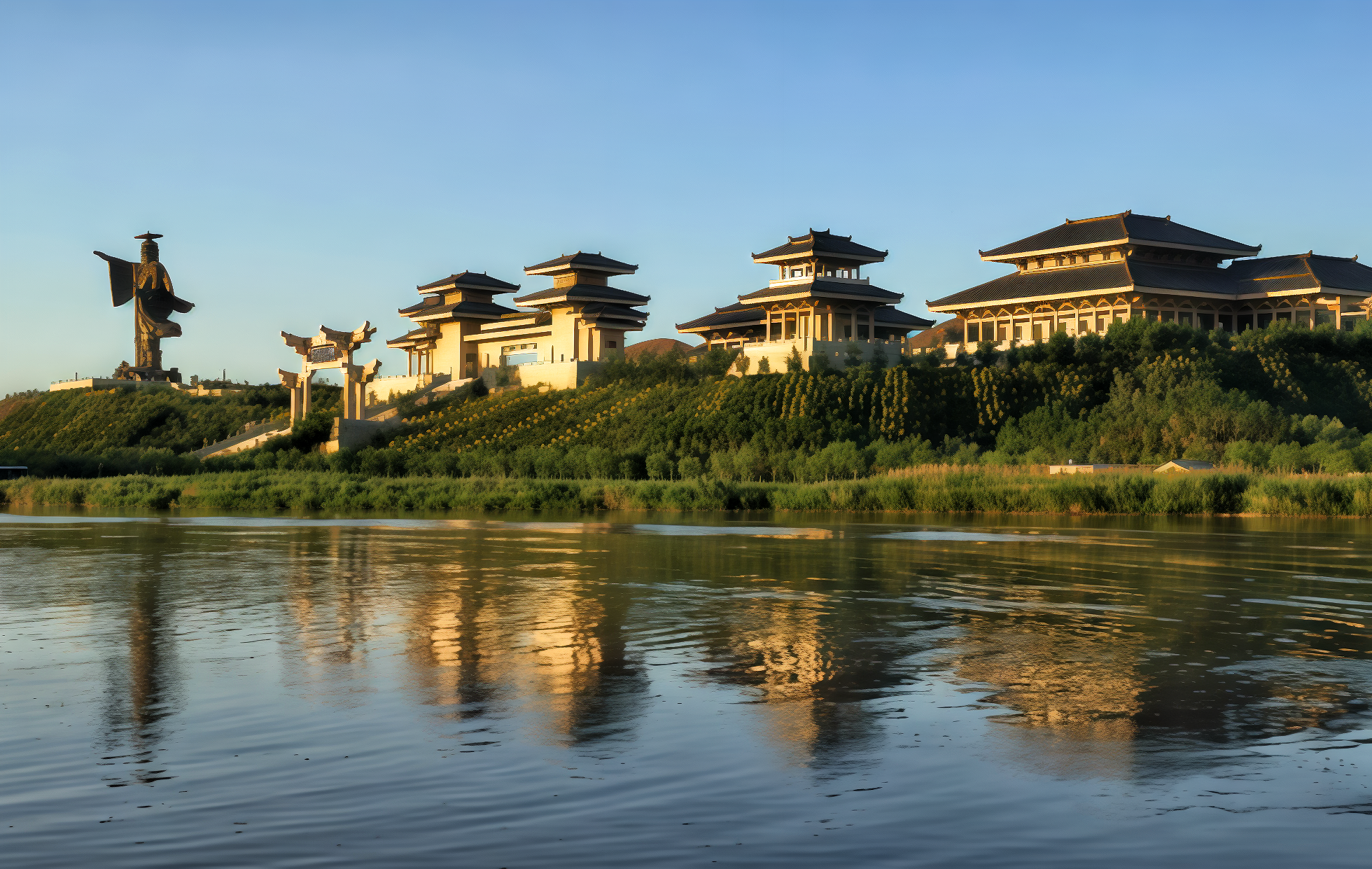
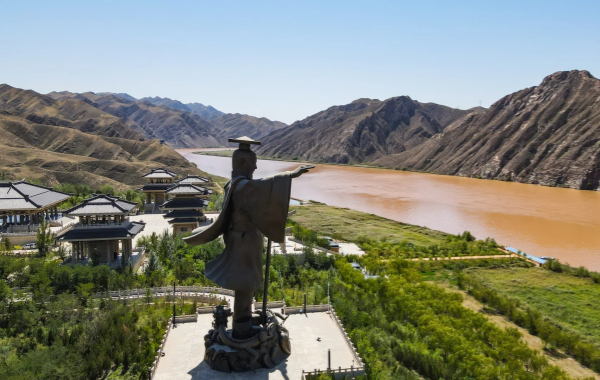
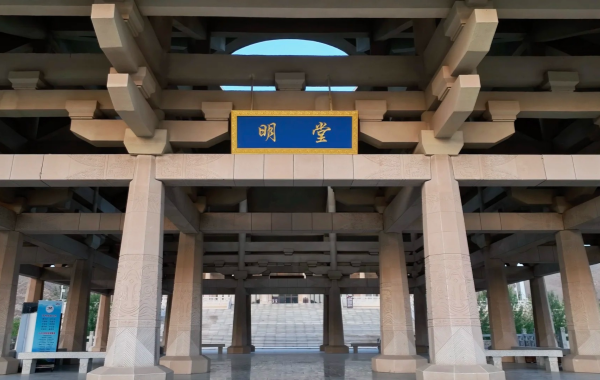
- The Dayu Cultural Park: Built in honor of Dayu—the legendary hero renowned for his mastery of flood control—the park features a towering, majestic statue of Dayu that stands in solemn grandeur. The park's architecture is rustic yet elegant, housing the Dayu Culture Exhibition Hall. Through a wealth of historical artifacts and illustrated materials, the hall comprehensively presents the legendary saga of Dayu's flood-taming exploits and the profound spiritual significance of his legacy. Standing before the statue of Dayu and casting one's mind back to the epic feat of "cleaving the mountains with a divine axe" four thousand years ago, one is overwhelmed by the palpable weight of history.
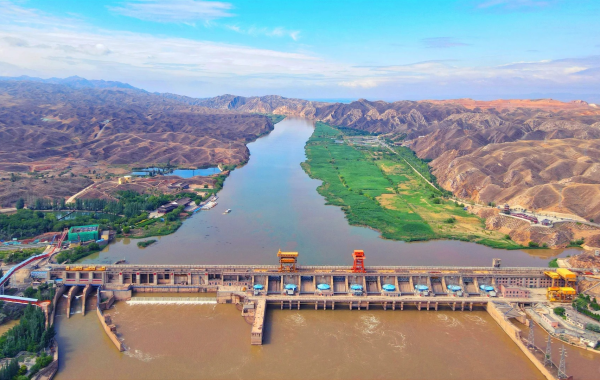
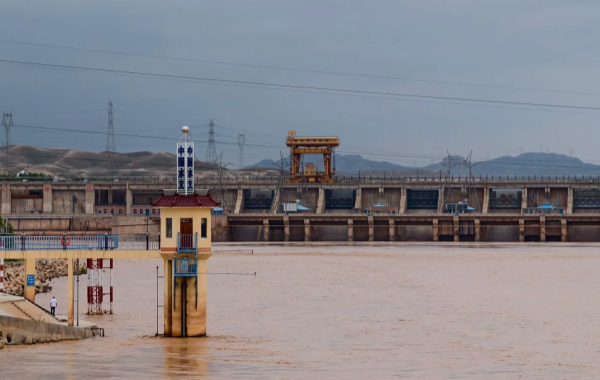
- The Qingtongxia Water Conservancy Hub: A key project of the New China's "First Five-Year Plan," this facility stands as the nation's first hydroelectric power station built directly upon the riverbed of the Yellow River. The entire complex comprises a dam, a powerhouse integrated into the sluice piers, flood discharge gates, and irrigation intake structures. It functions as a comprehensive water conservancy project, primarily dedicated to irrigation and power generation while simultaneously serving multiple auxiliary purposes, such as flood control and the prevention of ice jams. As you stroll across the scenic pedestrian bridge, vintage black-and-white photographs chronicle the arduous journey of self-reliance and pioneering spirit undertaken by the builders of New China. This monumental structure stands not merely as an engineering marvel, but as a vivid, living textbook on patriotism.
- Qingtongxia Yellow River Iron Bridge (A Cultural Heritage Site of the Ningxia Hui Autonomous Region): Constructed in 1959, this was the very first bridge to span the Yellow River within Ningxia. Measuring 292.3 meters in length, its steel girders bear cast inscriptions in multiple languages—including English and French—alongside manufacturing dates; consequently, it has long been affectionately known as the "Four-Nation Bridge." Having now fulfilled its historical mission, the iron bridge has been transformed into a cultural landmark where visitors can pause to indulge in nostalgia and touch the tangible imprints of a bygone era.
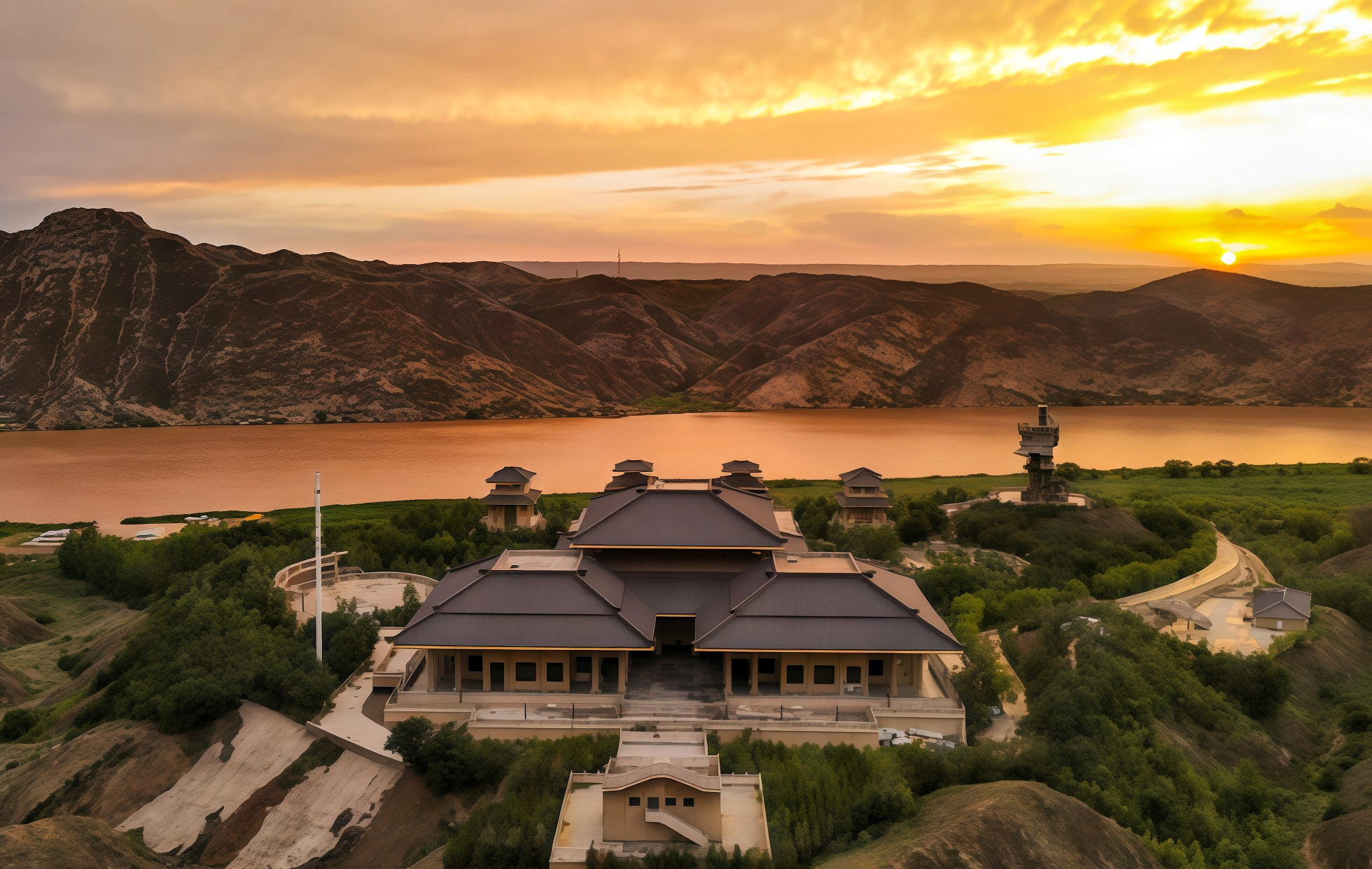
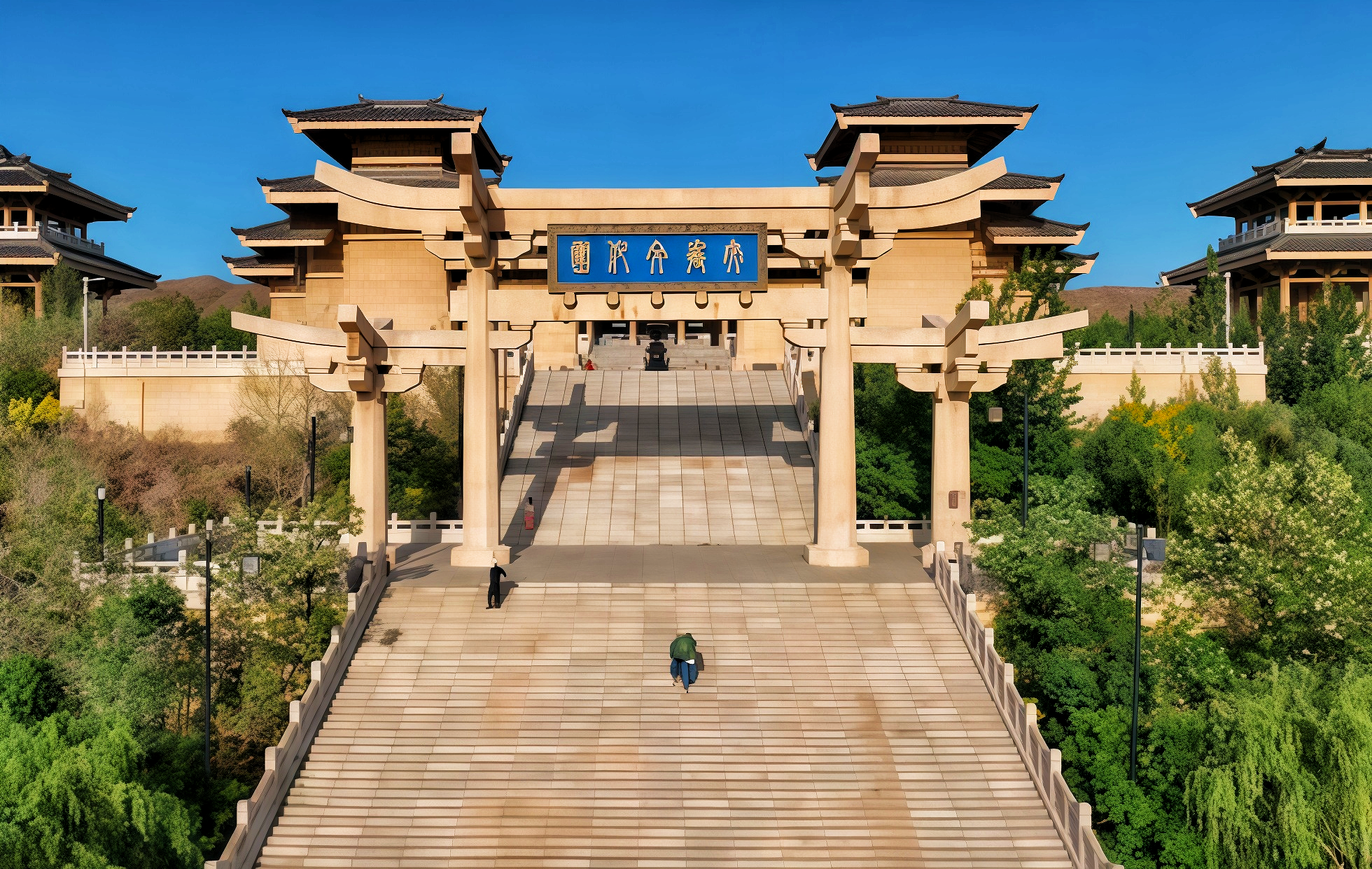
- Ningxia Water Conservancy Museum: Situated right at the scenic area's entrance, this institution serves as China's premier museum dedicated to ancient irrigation systems. Through a blend of physical exhibits and interactive experiences, the museum authentically recreates the 2,000-year history of Yellow River diversion and irrigation in Ningxia, vividly illustrating the profound truth behind the adage: "The Yellow River enriches Ningxia." It is highly recommended to make this your first stop; it provides the essential historical and technical context needed to enrich your subsequent journey through the canyon.
> Photography Tips:
> The ultimate vantage point for a panoramic view of the canyon is atop the 108 Pagodas, offering a sweeping perspective of the Yellow River's dramatic bend and the entire canyon landscape.
> When photographing the "Ten-Mile Long Canyon" from a boat, utilizing a medium-to-long telephoto lens helps compress the visual depth between the towering cliffs on either bank.
> For a classic "bronze-hued" shot, position yourself downstream from the main dam at sunset; as the golden light bathes the river's surface and the surrounding cliffs, you can capture that signature, iconic moment.
> Drone flight is permitted (subject to scenic area regulations); from an aerial perspective, the geometric precision of the 108 Pagodas juxtaposed against the sinuous curves of the Yellow River creates a visually striking and dynamic composition.