Laoshan: A Thousand Year Legend from the Sea Immortal Mountain to the Taoist Holy Land

Laoshan: A Thousand Year Legend from the Sea Immortal Mountain to the Taoist Holy Land

Overview: A Lingxiu Holy Land Standing by the Blue Sea
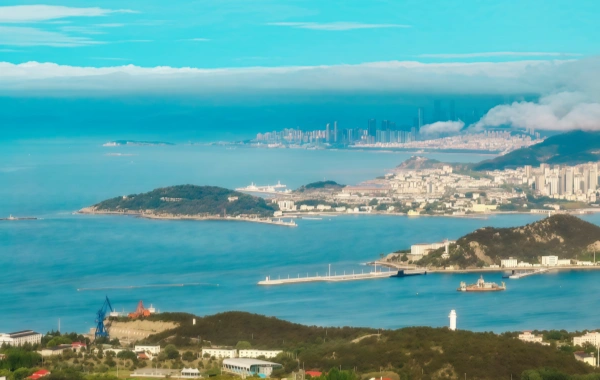
Laoshan Mountain, located in the eastern part of Qingdao City, Shandong Province, on the coast of the Yellow Sea, is a huge painting with a total area of 446 square kilometers where mountains and seas depend on each other. It is not only a beautiful place where "Mount Taishan is not as high as Laoshan in the East China Sea although it is cloudy", but also the second largest forest of Taoism Quanzhen Sect, known as the "No.1 Mountain on the Sea" and "Immortal Cave".

Quick overview of core highlights
Identity tags: Number One Mountain on the Sea/Holy Land of Quanzhen Taoism/Highest Peak on the Chinese Coastline
Core Experience: Climbing the Giant Peak to witness the sunrise over the sea of clouds, visiting the Taiqing Palace to seek directions and inquire about the source, tasting authentic Laoshan green tea, and appreciating the wonders of the connected mountains and seas
Suggested tour: 1-2 days, strongly recommend staying overnight to experience the tranquility of the mountains and the magnificent sunrise
Address: Laoshan Scenic Area, Laoshan District, Qingdao City, Shandong Province

  • Laoshan: A Thousand Year Legend from the Sea Immortal Mountain to the Taoist Holy Land-1
  • Laoshan: A Thousand Year Legend from the Sea Immortal Mountain to the Taoist Holy Land-2
  • Laoshan: A Thousand Year Legend from the Sea Immortal Mountain to the Taoist Holy Land-3
  • Laoshan: A Thousand Year Legend from the Sea Immortal Mountain to the Taoist Holy Land-4

Origin: The Creation of Mountains and Seas and the Origins of Immortal Paths

Furong Ancient Town Furong Ancient Town

Wonders of Mountains and Seas - Masterpieces of Millions of Years of Geological Movement
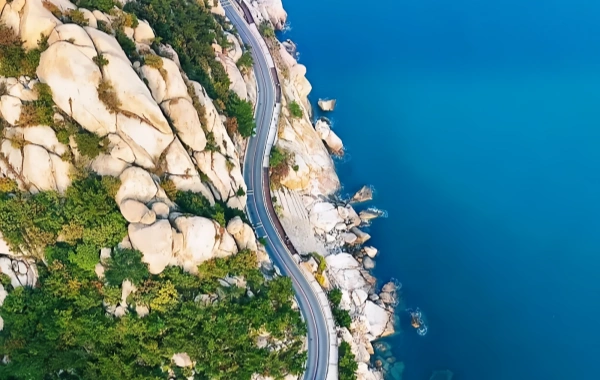
The rise of Mount Laoshan is a magnificent history of land and sea changes. About 70 million years ago in the late Cretaceous period, the intense Yanshan movement caused massive granite formations to rise from deep within the Earth's crust. After millions of years of wave erosion and wind and rain erosion, they were eventually carved into today's rugged and steep mountains and deep and unique canyons. The unique granite "spherical weathering" landform of Laoshan has formed countless lifelike pictographic stones, such as "Lion Peak" and "Sheep Stone", making it a natural geological sculpture museum. The mountains and seas directly connect here, with towering peaks overlooking thousands of hectares of blue waves, forming a unique "Shanhai Grand View" on China's thousands of miles of coastline.

The Source of Immortal Dao - From the Dwellings of Fangshi to Famous Taoist Mountains
The Xiandao culture of Laoshan has a long and rich history, dating back to the Qin and Han dynasties. Emperor Qin Shi Huang and Emperor Wu of Han both climbed Mount Laoshan to search for immortals and obtain the elixir of immortality, leaving behind legends of "Qin Emperor Seeking Immortals" and "Han Wu Worshiping Gods". Since the late Tang and Five Dynasties, Laoshan has gradually become a sacred site of Taoism. During the Song and Yuan dynasties, Qiu Chuji, also known as the "Changchun Zi" and one of the Northern Seven Realms of Quanzhen Taoism, visited Laoshan three times to preach and preach, establishing Laoshan's lofty position as the "second jungle in the world" of Quanzhen Taoism. For thousands of years, there have been many spectators in the mountain palace, and high schools of Taoism have emerged. Taoist culture and the spiritual energy of mountains and seas are deeply integrated here, making the legend of "Laoshan Taoist" well-known and injecting immortal soul into this mountain and sea wonder.

In depth understanding: Explore more famous mountains of Chinese religious culture>>Wudang Mountain in Hubei Province

Must see Wonders: The Charm of Mountains and Seas and the Soul of Humanity

Furong Ancient Town Furong Ancient Town

Natural Creation - Symphony of the Sea, Peaks, Stones, and Springs
The natural beauty of Laoshan lies in its perfect fusion of the magnificence of the mountains and the vastness of the sea, creating a visual feast of changing scenery step by step.
Shanhai Wonders: Dialogue between Giant Peaks and Sea of Clouds
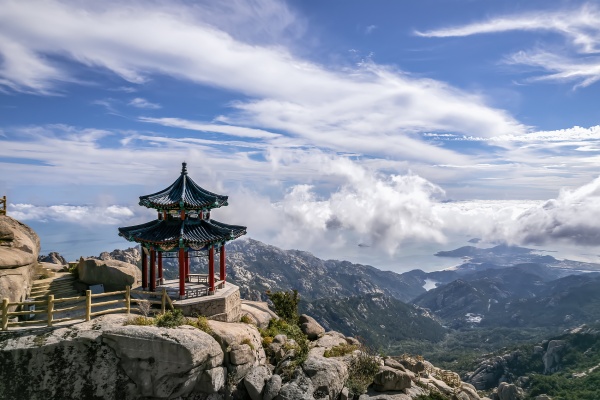
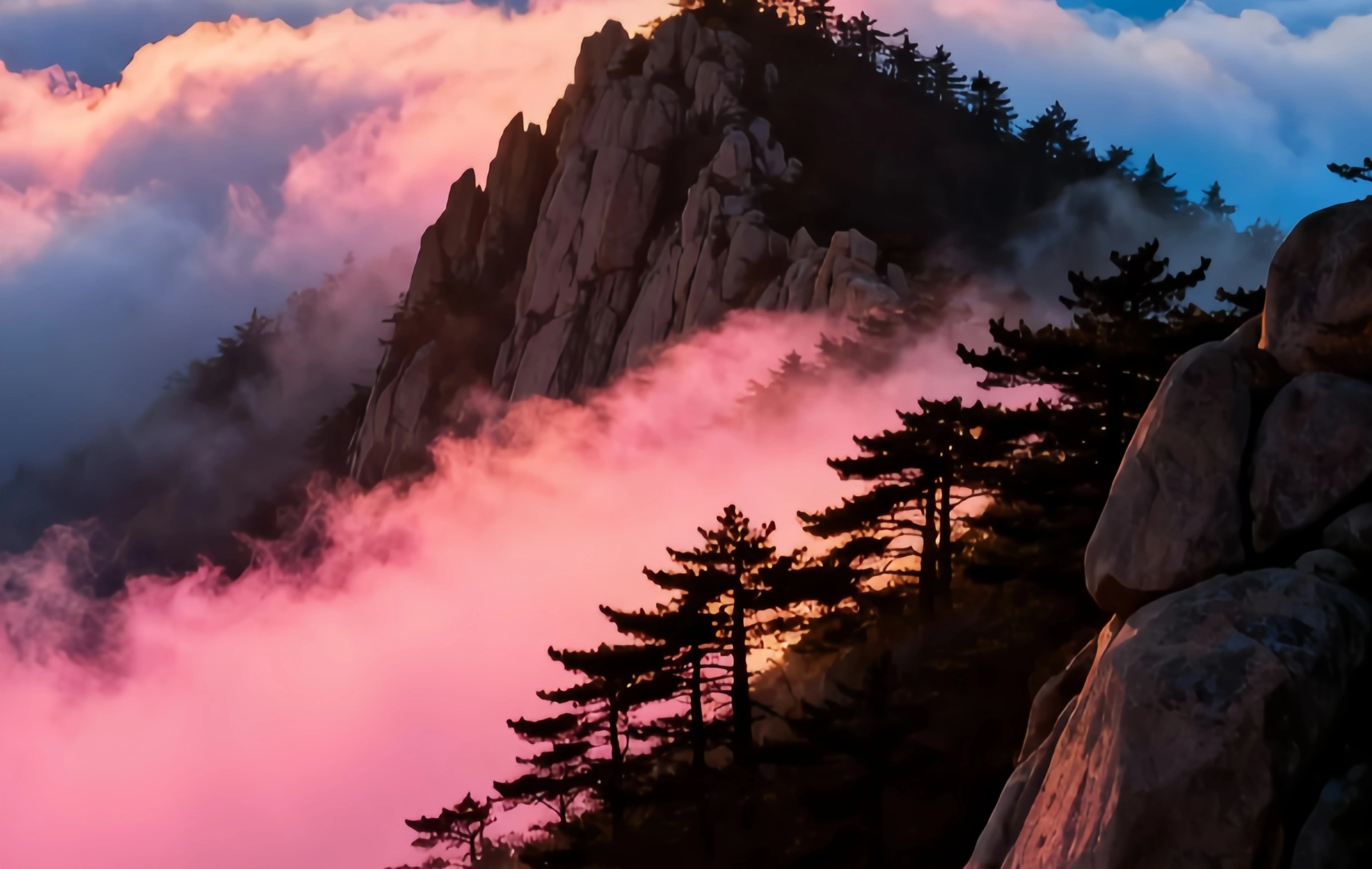
Climbing to the summit of Mount Laoshan is the ultimate experience of visiting Mount Laoshan. This is an excellent location for watching the sunrise and admiring the sea of clouds. In the early morning, the red sun sprayed out from the sea level, and the rosy glow dyed the sky and sea of clouds red, creating a myriad of atmosphere. When the rain and snow first clear up, there are often magnificent cloud waterfalls pouring down from the mountains, and the peaks are faintly visible in the sea of clouds, like the fairy island of Penglai, evoking a heroic feeling of "seeing all the mountains small and the sea flowing downstream".
Strange Peaks and Stones: Natural Sculptures of Granite
The granite peaks and forests of Laoshan are exquisitely crafted. The peak of a lion is shaped like a roaring lion, facing the sea, making it a classic platform for watching the sea and sunrise; Camel Peak is lifelike and charmingly simple; Along the way, there are countless unknown stones that can be imagined, such as the "Immortal Bridge", "Chessboard Stone", etc. Each stone seems to carry an ancient story.
Dynamic Water: Singing of Famous Springs and Flying Waterfalls
How high is the mountain and how high is the water? "Is a major wonder of Mount Laoshan. The clear and sweet Laoshan mineral water is famous all over the world, and its source is numerous famous springs in the mountains, such as the "Divine Water Spring" in Taiqing Palace. During the rainy season, waterfalls and springs can be seen everywhere in the mountain streams, and the sound of tidal waterfalls cascading down in three folds is like a surging tide, making it a rare mountain waterfall landscape in the north.

 Humanistic Craftsmanship - Palace Stone Carvings and Shan Hai Poetry and Prose
The cultural landscape of Laoshan is deeply imprinted with the imprint of a thousand years of Taoist culture and the praises of literati.
Taiqing Palace: The oldest and largest Taoist temple in Laoshan, known as the "second jungle in the world". The ancient trees in the palace are towering, and the Han cypress, Tang elm, and Song ginkgo trees have been thriving for thousands of years. The buildings such as Sanguan Hall, Sanqing Hall, and Sanhuang Hall are quaint and elegant. Walking among them, you can feel the strong Taoist cultural atmosphere and listen to historical legends such as "Pu Songling's Book".
Shangqing Palace and Mingxia Cave: located in a more secluded place in the deep mountains, with a quieter environment. According to legend, Shangqing Palace was the place where Qiu Chuji first practiced; Mingxia Cave is towering and steep, with a wide view, making it a retreat for enjoying the scenery of mountains and seas and contemplating enlightenment.
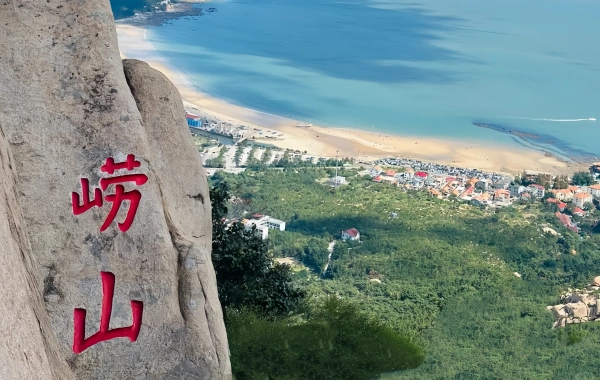
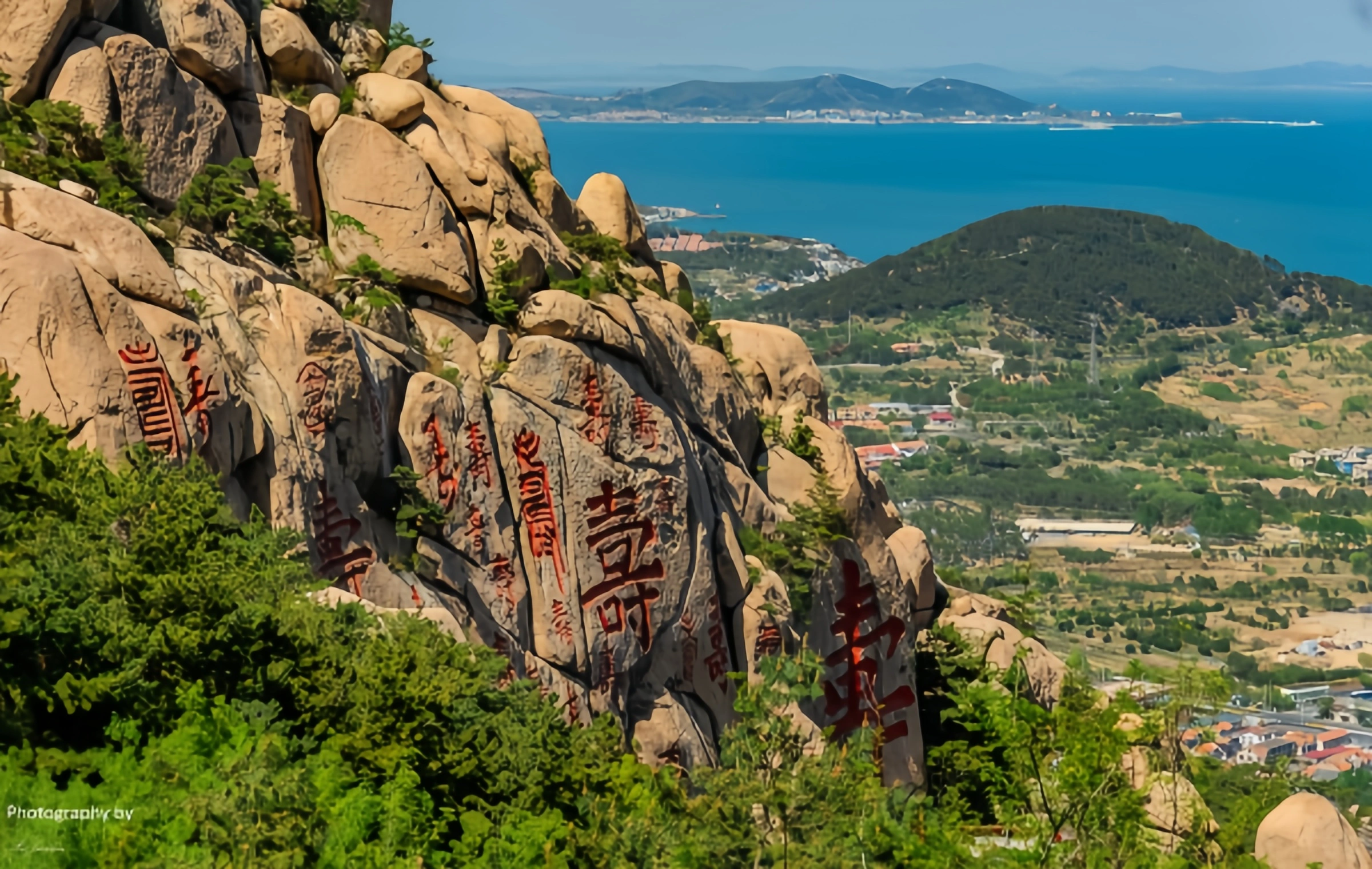
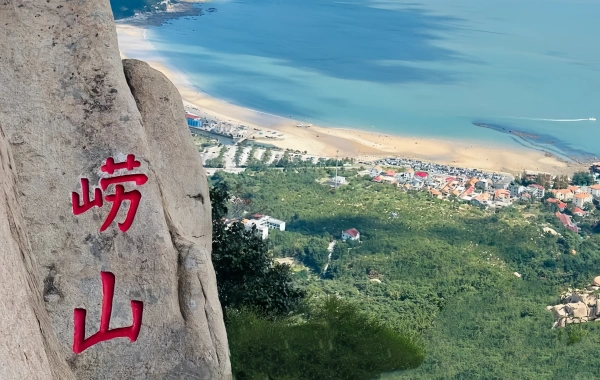
Cliff carvings: The ancient cliff carvings scattered throughout the mountains are the "open-air calligraphy museum" of Laoshan. From the Tang and Song dynasties to modern times, there were a wide variety of inscriptions left by literati, officials, and Taoist priests, with contents ranging from scenic views to emotional expressions and chronicles. They were written in seal script, clerical script, regular script, cursive script, and cursive script, and had extremely high cultural value.
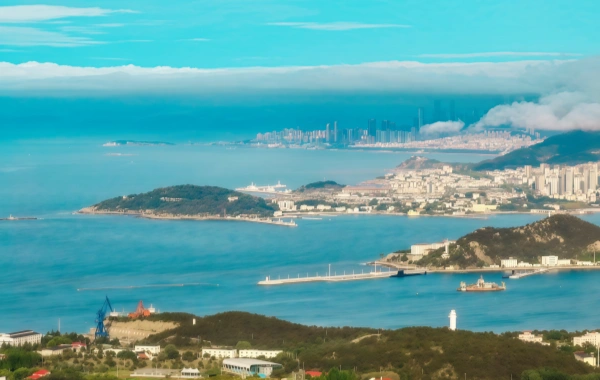
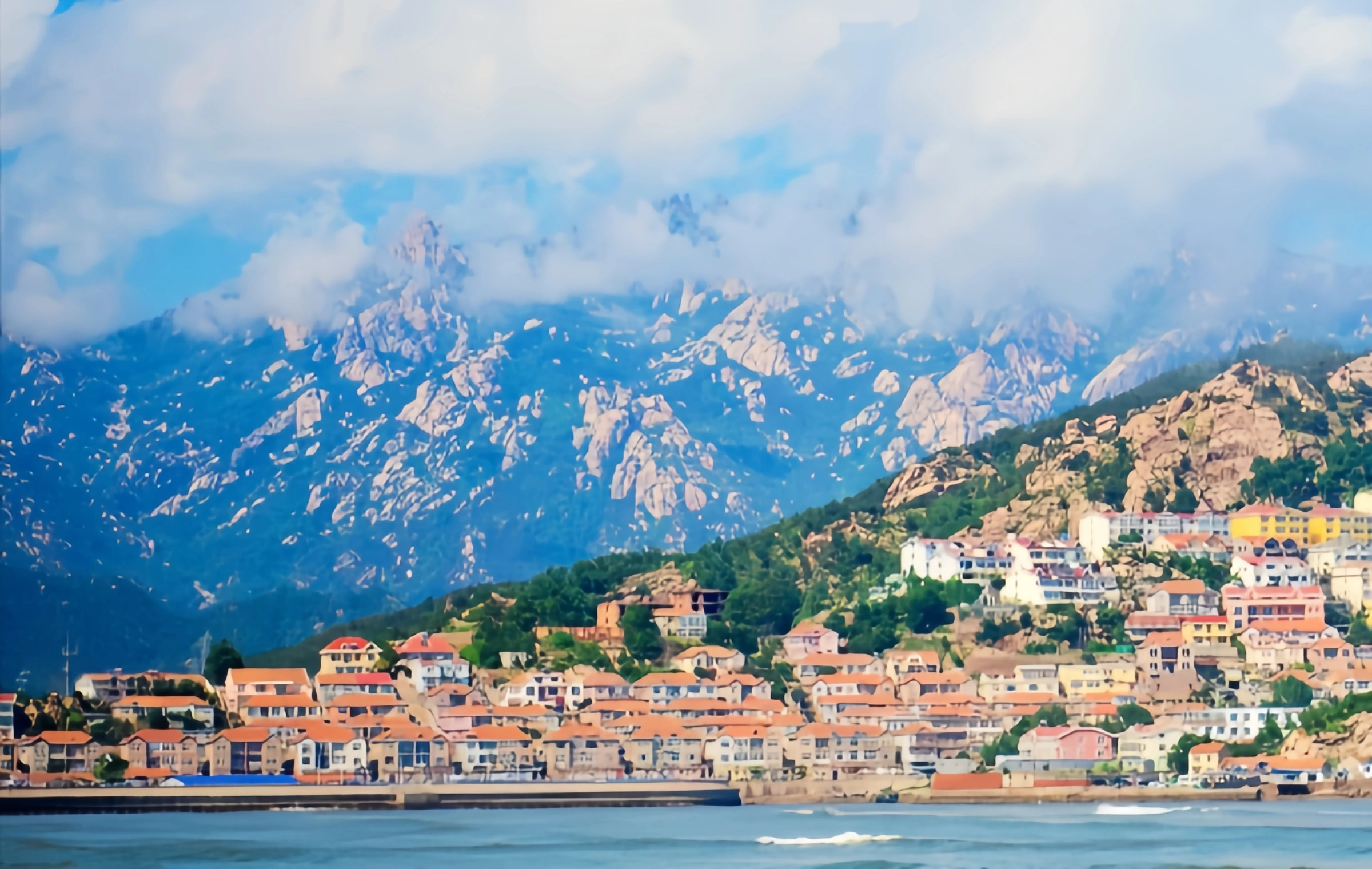
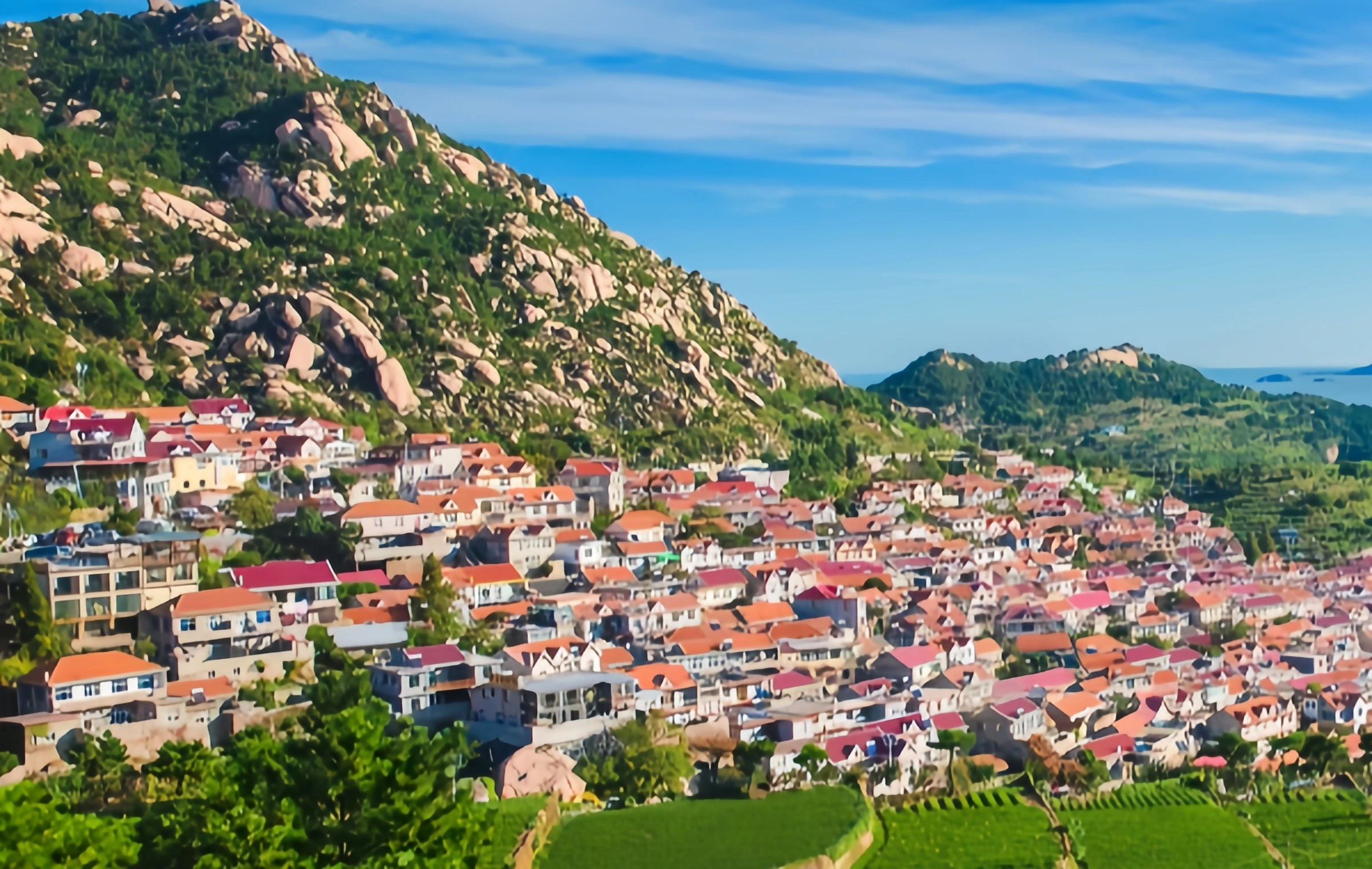
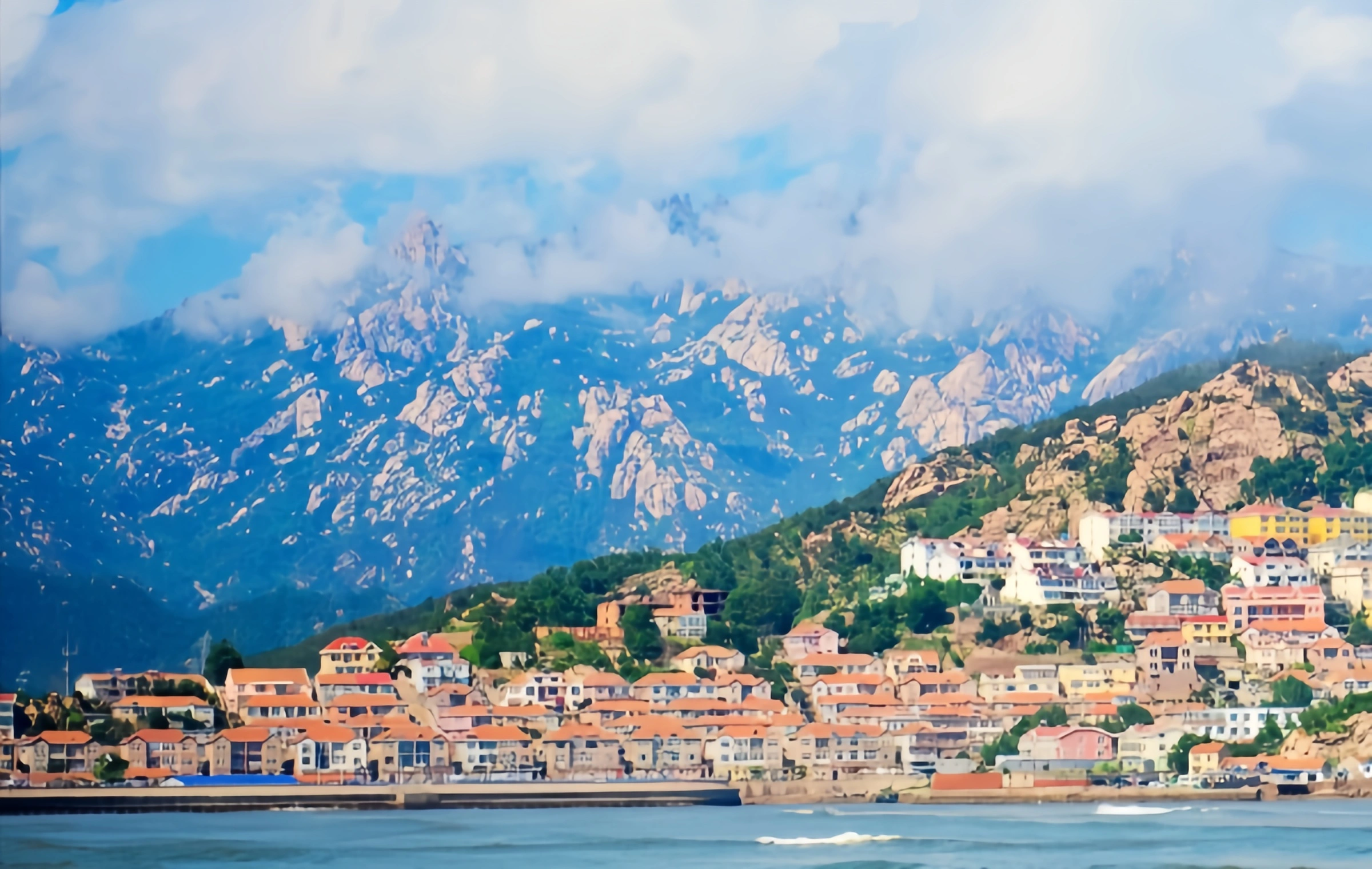
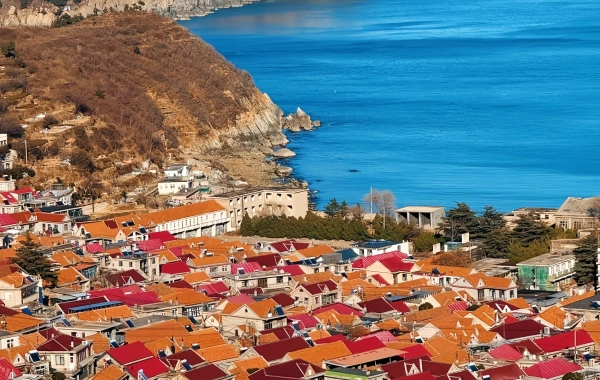
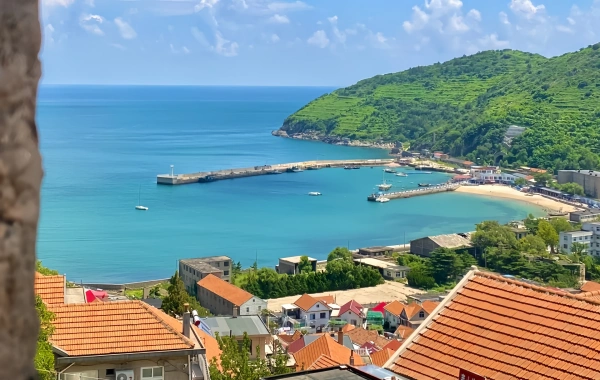
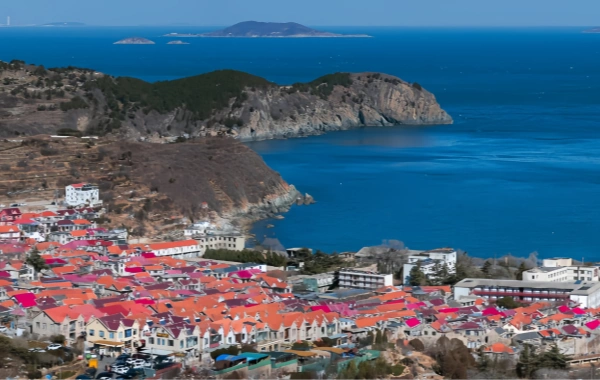
Yakou and Qingshan Fishing Village: Located at the Yakou between Taiqing Scenic Area and Yangkou Scenic Area, it is a landmark observation deck for enjoying the magnificent scenery of mountains and seas. The green mountain fishing village built by the sea at the foot of the mountain, with red tiled houses scattered between the mountains and the sea, forms a peaceful and beautiful fishing village style painting.

Photography tips:
The "Lingqi Peak" of Jufeng is an excellent location for capturing the sunrise over the sea of clouds and the granite peaks of Laoshan Mountain. It is necessary to check the sunrise time in advance and climb the mountain as early as possible;
The seaside trail of Taiqing Palace can capture classic scenes of Taoist temples framed with pine trees and the sea;
The high point of Qingshan Fishing Village can capture the colorful and vibrant fishing village, the winding coastline, and the layered feeling formed by the distant Laoshan Mountain;
Using a telephoto lens can capture the details and grandeur of giant cliff carvings such as "Shouzi Peak" in Yangkou Scenic Area;
Drone aerial photography can comprehensively display the magnificent landscape of Laoshan Mountain, where mountains and seas are connected (flight must comply with scenic regulations and pay attention to safety).

Core Experience: Immersive Xianshan Life Guide

Furong Ancient Town

 Five Must Do Things to Unlock a Complete Journey to Mount Laoshan
Climbing to the summit and welcoming the first ray of sunshine in the Yellow Sea: Check the sunrise time one day in advance and reserve at least 2 hours for climbing (or taking a cable car). Choose the "Lingqi Peak" or "Xunmen" observation deck in the Jufeng Tourist Area, and at the top of the mountain at an altitude of kilometers, watch the sun leap out of the sea level, the sea of clouds churn, and feel the magnificence of heaven and earth.
Strolling through the Taiqing Palace and exploring the millennium old Dao Yuan: not only to see architecture, but also to experience culture. Pay attention to the millennium old trees, listen to Taoist sermons (if available), and taste Laoshan tea next to Taoist temples. Search for the setting of Pu Songling's story "Laoshan Taoist" and experience the integration of literature and reality.
Enjoy a cup of authentic Laoshan tea and mineral water: Laoshan is the highest latitude tea region in China, and Laoshan green tea (especially "Laoshan green") is known for its pea aroma and refreshing taste. At tea houses near Taiqing or Yakou, facing the sea, enjoy a cup of spring tea while feeling the refreshing sweetness of Laoshan spring water.
Enjoy the beautiful coastline along the mountain and sea highway: the essence section is on the mountain road from Yakou to Yangkou. It is recommended to take a scenic sightseeing bus or self drive (some sections of the road), with cliffs on one side and an endless sea on the other. Stop at scenic spots such as "Frog Stone" and "Eight Immortals Pier" and experience the unique charm of "mountains and seas depend on each other".
Stay at a mountain homestay and enjoy the tranquil starry sky: choose a special homestay or resort hotel near Liuqing or Yangkou, many of which have a balcony for sea views. After nightfall, stay away from urban light pollution, listen to the sound of nature in the mountains and seas, and look up at the clear starry sky.

Tourist Route Suggestions
One day "Mountain and Sea essence" Tour (suitable for those who are pressed for time):
Arrive at Dahedong Tourist Service Center in the morning and take the scenic area bus to enter Taiqing Tourist Area. Focus on visiting Taiqing Palace, experiencing Taoist culture, and admiring the beautiful scenery of Taiqing Bay along the coastal trail (about 2.5 hours). Have lunch near Taiqing Cableway Station at noon. In the afternoon, take a bus to the Jufeng Cableway station, take the cableway up the mountain, and travel around the core tourist route of Jufeng (Lingqi Peak, Kunmen, etc., about 3 hours), overlooking the panoramic view of the mountains and seas. In the evening, take the cableway down the mountain and end the journey.
IntoTravelChina reminder: This itinerary requires reasonable time planning and advance purchase of scenic spot tickets and ticket coupons. During peak seasons, the cable car may need to queue up.
Two day 'Deep Culture and Nature' Tour (highly recommended):
Day 1: Exploring Taoist Culture and Mountains and Seas
Arrive in the morning and check into homestays in the Liuqing or Yangkou area. In the afternoon, focus on visiting the Taiqing Scenic Area and taking a deep tour of the Taiqing Palace. You can ask a tour guide to explain, and then take the Taiqing Cableway to Mingxia Cave to enjoy a high view of the sea. In the evening, head to Qingshan Fishing Village to enjoy the sunset and enjoy a seafood dinner.
The next day: Climbing to the top for sightseeing and coastal scenery
Early in the morning, go to the Jufeng Scenic Area, climb the mountain or take the cable car to the top of the mountain to watch the sunrise and sea of clouds (depending on the weather conditions). In the morning, travel around the giant peak. After checking out in the afternoon, take a ride to experience the Yangkou Tourist Area, where you can visit the Taiping Palace, take the Yangkou Cableway, and enjoy landscapes such as "Shouzi Peak" and "Lion Peak". Finally, relax at Yangkou Beach and end the trip.
The advantages of IntoTravelChina: We can book the most suitable accommodation for you, arrange transportation connections for all scenic spots, and provide detailed recommendations and safety guidelines for mountain climbing and sightseeing.

Professional guide: IntoTravelChina can provide you with a personalized itinerary, including exclusive tour guides, transportation, and activity arrangements, allowing you to have a worry free and in-depth experience. >>Consult now for customization

Travel Guide: Transportation, Accommodation, and Seasons

Furong Ancient Town

How to reach: Seamless Connection Guide
Laoshan Scenic Area has a vast area with multiple entrances and convenient transportation.
By plane/train: After arriving at Qingdao Jiaodong International Airport or Qingdao Station/Qingdao North Station, you can take the subway or taxi to the city center.
From within Qingdao city: You can take multiple bus routes such as 304, 104, and 113 directly to major tourist service centers in Laoshan (such as Dahedong and Yangkou). Self driving or taking a taxi can navigate to the "Laoshan Scenic Area Dahedong Tourist Service Center" or "Yangkou Tourist Service Center", and the city drive takes about 1-1.5 hours. Some sections of the scenic area require transfer to scenic sightseeing buses.
Internal transportation within the scenic area: It is necessary to transfer to the unified sightseeing bus of the scenic area to enter each core tourist area. There are sightseeing buses connecting major sections such as Jufeng, Taiqing, and Yangkou, and some sections can be taken by cable car.

 Best Travel Time
The scenery of Laoshan varies throughout the four seasons, but spring (April May) and autumn (September November) are the most pleasant and scenic golden seasons.
Spring and Autumn Golden Season (April May, September November): The climate is mild and the sky is clear. In spring, the mountain flowers are in full bloom, and the tea trees are fresh green; In autumn, the sky is high and the clouds are light, the forests are stained, and the seafood is delicious. It is the best season for hiking, photography, and tea tasting.
Summer Vacation Season (June August): The climate between mountains and seas is cool, making it a popular summer resort. But at this time, it is the rainy season and peak tourist season, with many tourists and occasional fog affecting the view. It is necessary to prepare rain gear and pay attention to anti slip measures.
Winter quiet season (December to March): Tourists are rare, but if you encounter the first clear after snow, the snow scenery on the top of Laoshan interweaves with the sea of clouds, making the scenery particularly magnificent and stunning. But the temperature is relatively low, and some mountain roads may freeze over. It is necessary to take measures to prevent cold and keep warm, and pay attention to the opening information of the scenic area.

 Accommodation Options
Within and around the scenic area (preferred, immersive experience): Homestays and resorts in the Liuqing/Yangkou area: Most of them offer sea or mountain views, with a quiet environment that is convenient for early morning tours the next day. The styles range from high-end resort hotels to unique fishing experiences, but prices are higher during peak seasons and advance booking is required. Near Taiqing Scenic Area: There are relatively few options, but the location is at the core, making it easy to deeply experience the Taoist cultural atmosphere.
Qingdao city (flexible economy option): Laoshan district commercial district (such as near Shilaoren): There are many hotel options, rich catering and entertainment, convenient transportation, and a 30-40 minute drive to Laoshan. Qingdao city area (south and north): The widest range of choices, from youth hostels to five-star hotels, is suitable for tourists planning to visit other attractions in Qingdao (such as Zhanqiao and Badaguan), but commuting to Laoshan every day takes a longer time.

IntoTravelChina accommodation booking recommendations:
During the peak tourist season in Qingdao (May Day, National Day, summer vacation, and Beer Festival), accommodation is tight, especially for sea view rooms and characteristic homestays in scenic areas. By booking with us, not only can you get real-time room availability and the best combination price (including tickets and train tickets), but you can also recommend the most suitable accommodation area based on your itinerary focus (on hiking or culture), and ensure seamless transportation connection. >>Click to contact IntoTravelChina travel consultant

Extended journey: connecting the essence of Qingdao and Qilu

Furong Ancient Town Furong Ancient Town

Laoshan is the crown jewel of Qingdao and the perfect starting point for exploring the coastal scenery of the Shandong Peninsula.
The 2nd essence loop line of Qingdao Shanhai City: Laoshan Scenic Area (1 day, Jufeng+Taiqing) → Qingdao Old City and Culture (1 day, Zhanqiao Pier, Badaguan, Beer Museum) This is a classic route integrating natural wonders, historical culture and modern urban customs. >>View the 2-day Qingdao deep tour itinerary

5-6 day tour of Qilu Culture Mountain and Sea: Qingdao (Laoshan, Old Town) → Penglai (Penglai Pavilion, Eight Immortals Crossing the Sea) → Yantai (Zhangyu Liquor Culture Museum) → Weihai (Liugong Island, Chengshantou). Experience the rich natural and cultural landscapes of the Shandong Peninsula, from Taoist fairy mountains to fairyland legends, and then to the historical echoes of the Jiawu Fengyun.

Join hands with IntoTravelChina and embark on your journey of searching for immortality in mountains and seas

Furong Ancient Town Furong Ancient Town

The story of Laoshan is about the power of the collision of land and sea for billions of years, the tranquil wisdom of Taoist culture for thousands of years, and the endless smoke and fire of fishing villages between mountains and seas. IntoTravelChina is dedicated to creating a deep, personalized, and worry free travel experience in China. Our travel experts can assist you with:
Tailored itinerary: Based on your interests (mountaineering, photography, culture, cuisine), physical strength, and time, design the most reasonable Laoshan tour route (scenic area selection, cableway utilization, seasonal highlights).
One stop service: Get tickets, scenic transportation tickets, special accommodation, transportation connections, local tour guides, and activity reservations.
Exclusive Experience: Arrange lectures on Taoist culture, provide guidance on the best sun watching photography, explore niche fishing villages, experience the Laoshan tea ceremony, and more.
Make your journey to Mount Laoshan not just about climbing mountains and watching the sea, but also a deep dialogue with ancient wisdom, natural power, and delicious scenery.

Start planning your journey now
Welcome to contact our professional travel consultants, we will provide you with exclusive itinerary plans and quotes within 24 hours. >>Click to contact IntoTravelChina travel consultant

What Our Clients Say?

Based on 10,000+ traveler reviews

...
Daniel Dorothea
Canada
Reviewed on April 29,2025
Shopping on Nanjing Road in Shanghai was just amazing! It's truly the "First Commercial Street of China", where tradition and modernity blend perfectly. You can find awesome souvenirs and experience the trendy vibes in cool stores. The neon lights at night are just spectacular, shining bright like Times Square in New York. The food here is incredible too. I had a feast for my taste buds. Shanghai, I'll definitely be back!
Destination(s): Shanghai
Date of Experience: May 08,2024
...
...
Elvis Eva
Canada
Reviewed on June 20,2025
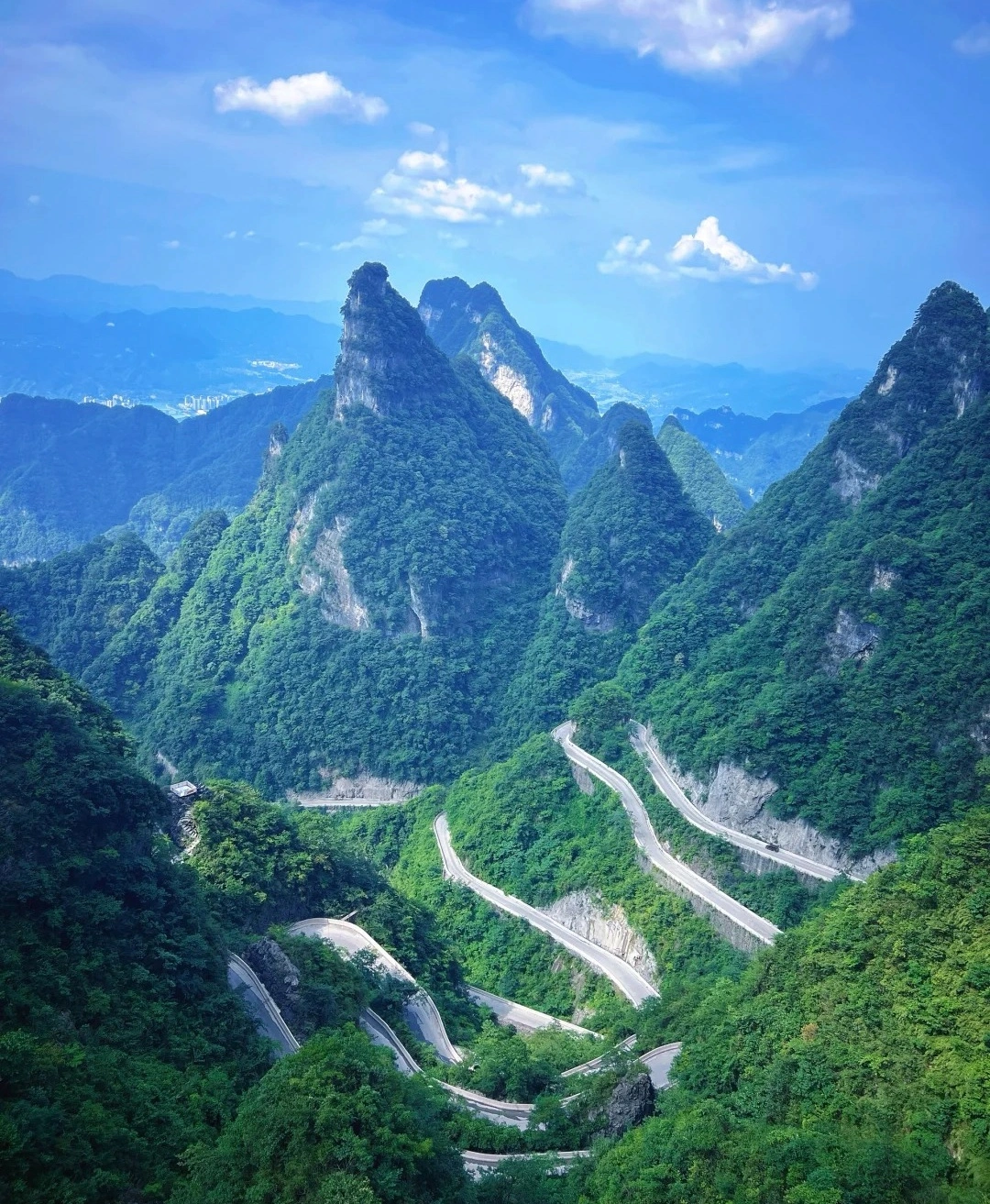
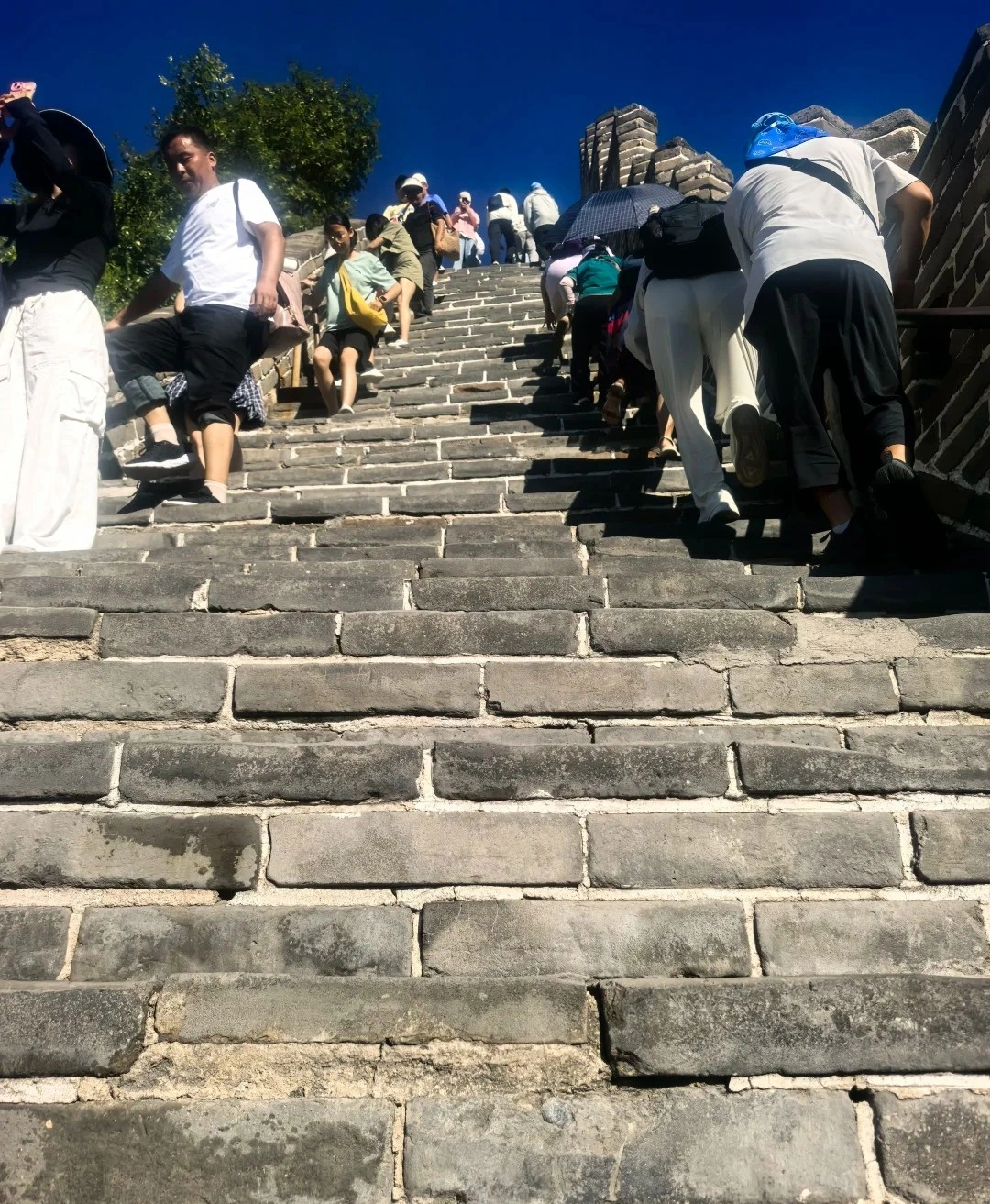
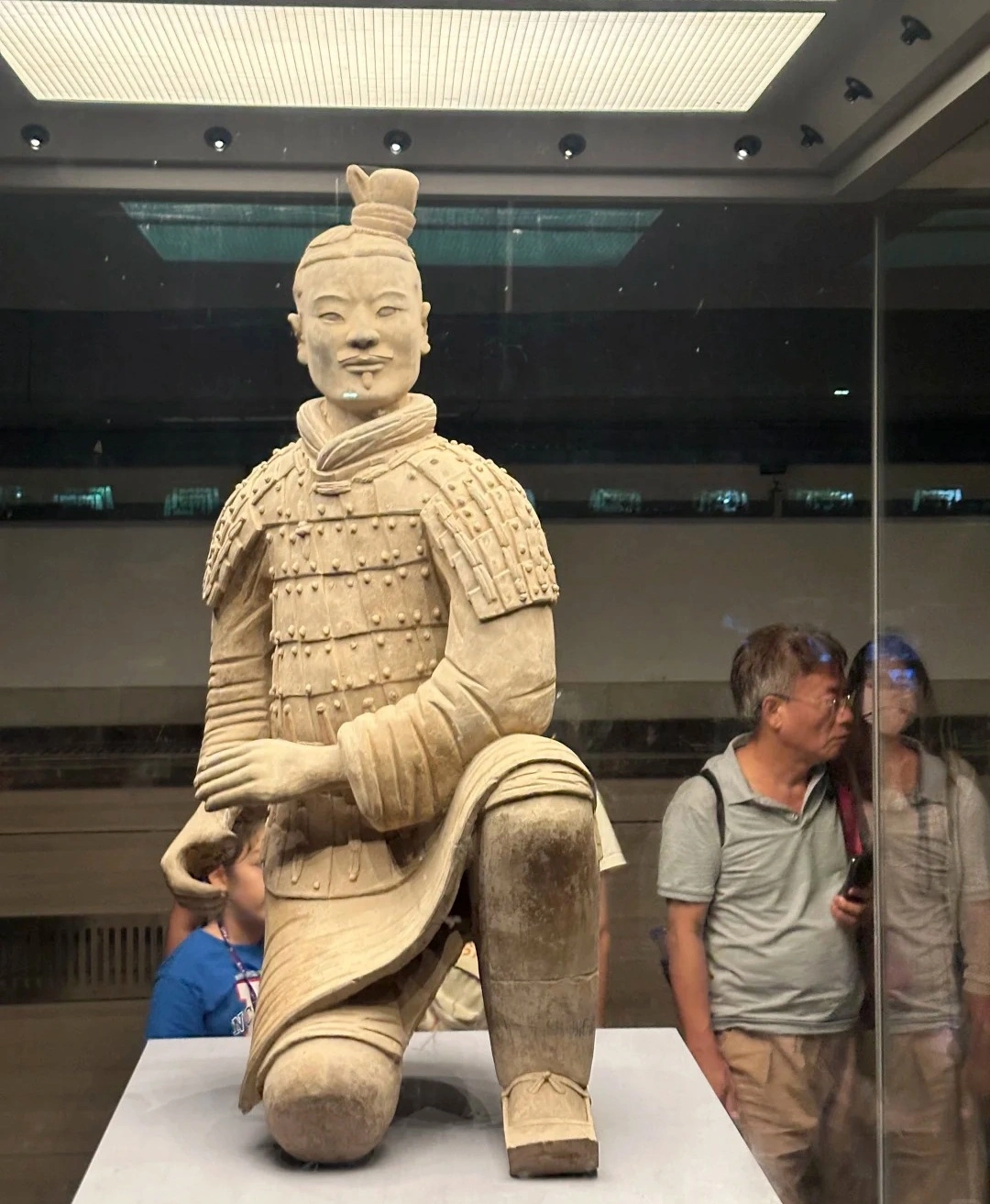
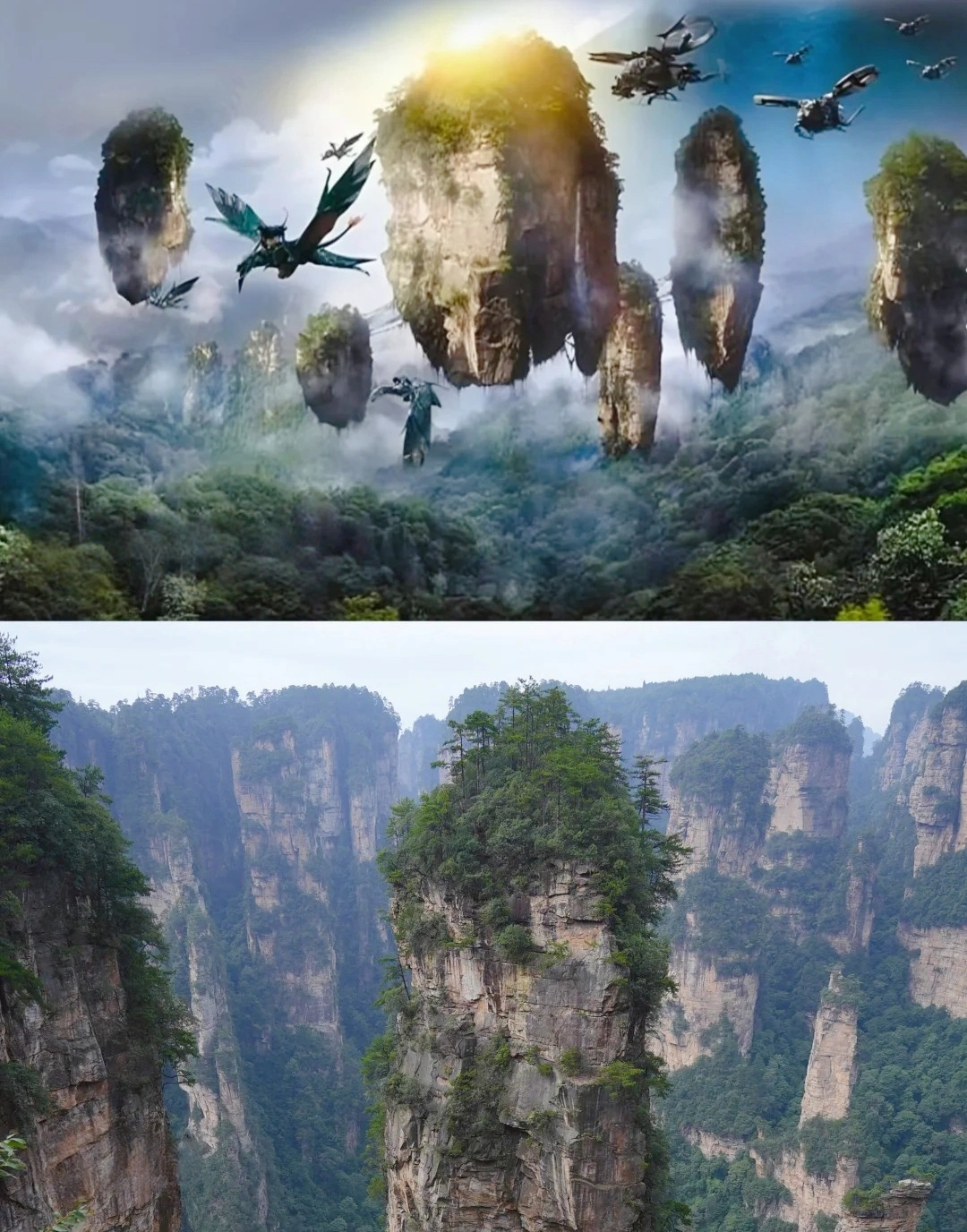
As a solo traveler from Canada, I was nervous about navigating China alone—but this 11-day tour was PERFECT! From hiking the Great Wall at sunrise (Day 3) to gasping at the Terracotta Army (Day 5), every day delivered ‘pinch-me’ moments. The real showstopper? Zhangjiajie’s Avatar Mountains (Day 7)! Our guide made the stone pillars come alive with stories. Massive thanks for handling all logistics—bullet train tickets, entry passes, car! And the 4-star hotels surprised me.
Destination(s): Beijing Xian Zhangjiajie Shanghai
Date of Experience: June 02,2025
... ... ...
...
Simon
America
Reviewed on May 29,2025
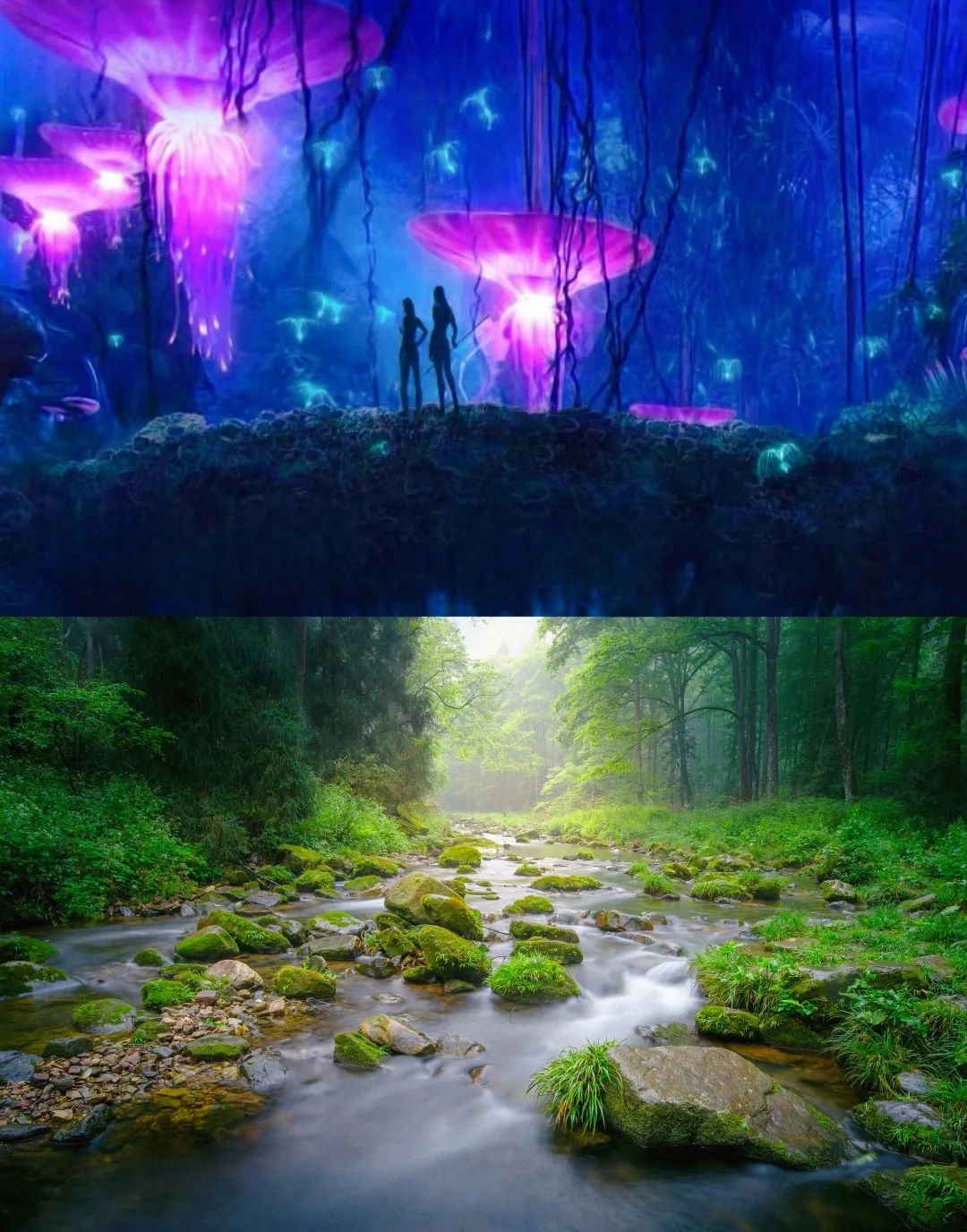
Our 2-day Zhangjiajie tour was beyond spectacular! As someone who’s visited Beijing and Shanghai for work, this trip revealed China’s wild, magical heart. Day 1 in Zhangjiajie National Forest Park felt like stepping onto Pandora—I’m a huge Avatar fan, and Yuanjiajie’s floating peaks left me breathless. The misty pillars and lush valleys like pure movie magic! Then came Fenghuang Ancient Town, we eat dinner beside the thundering waterfall. It seems Unreal! The night views of stilt houses glowing over the river were straight from a fairy tale. For fellow Avatar lovers and adventure seekers: Don’t miss this bucket-list experience! 10/10 would return. A Well-Traveled Film Buff, May 2025
Destination(s): Zhangjiajie
Date of Experience: May 08,2025
... ...

Ask a Question

Question Summary (100 characters)
Details (optional) (2,000 characters)
Name
Country
Email