The Charm of Nature – A Symphony of Sycamore Trees Through the Seasons
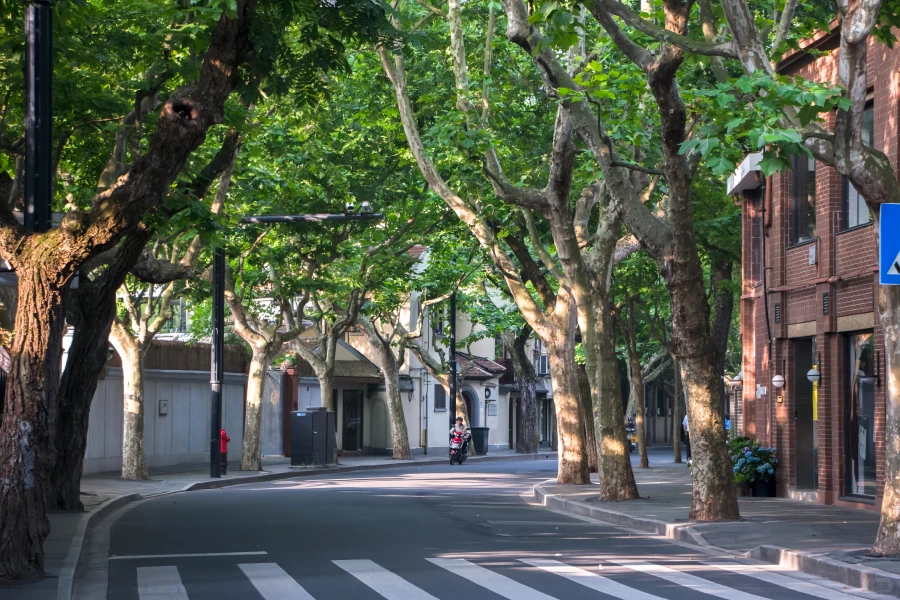
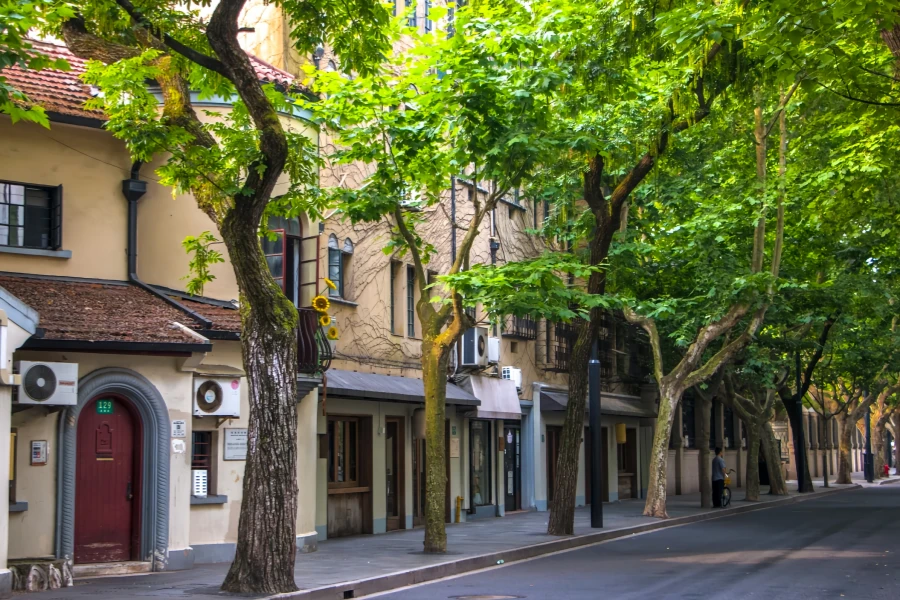
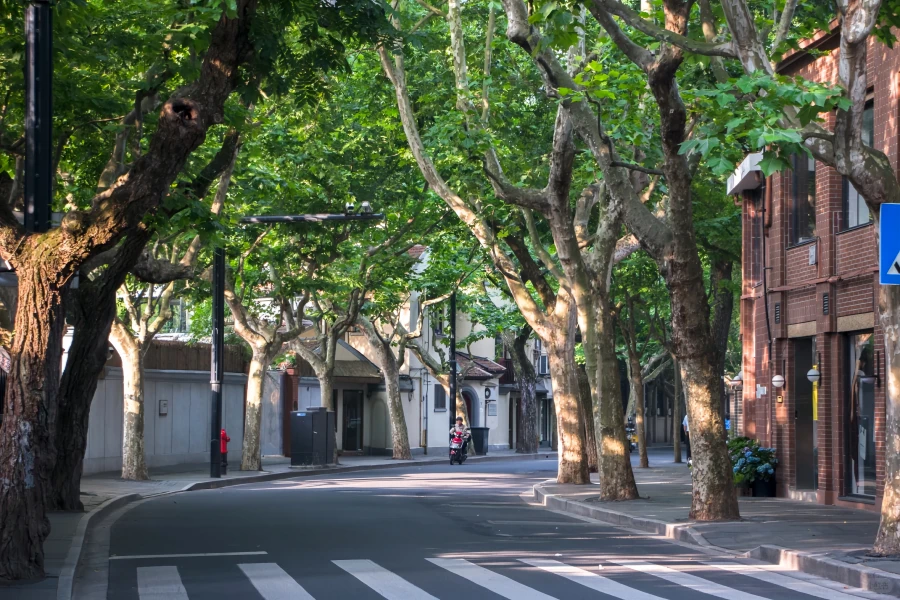
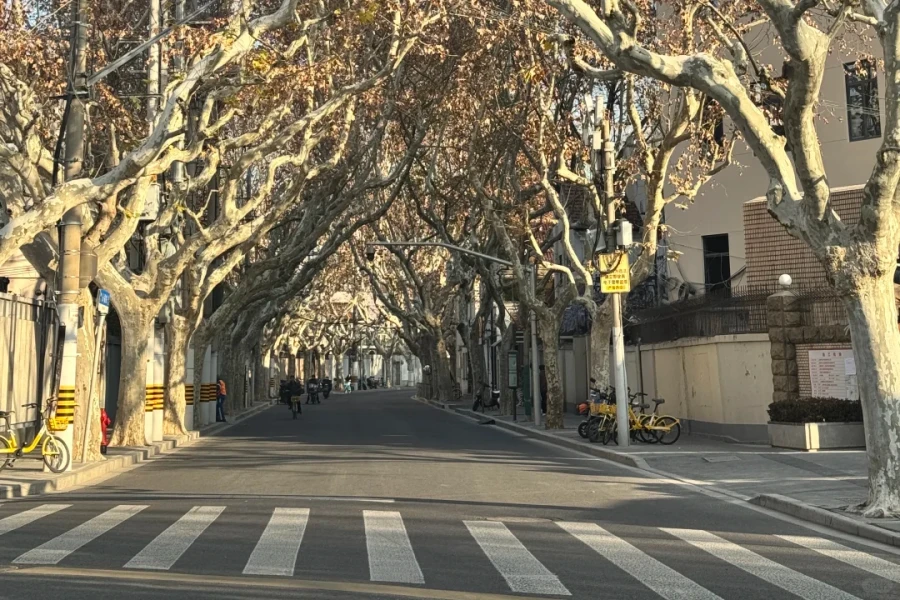
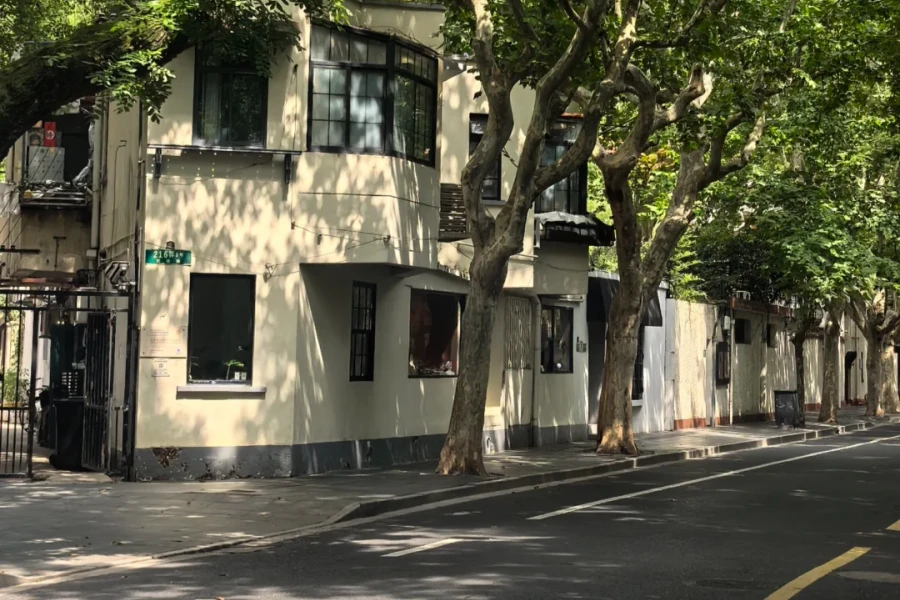
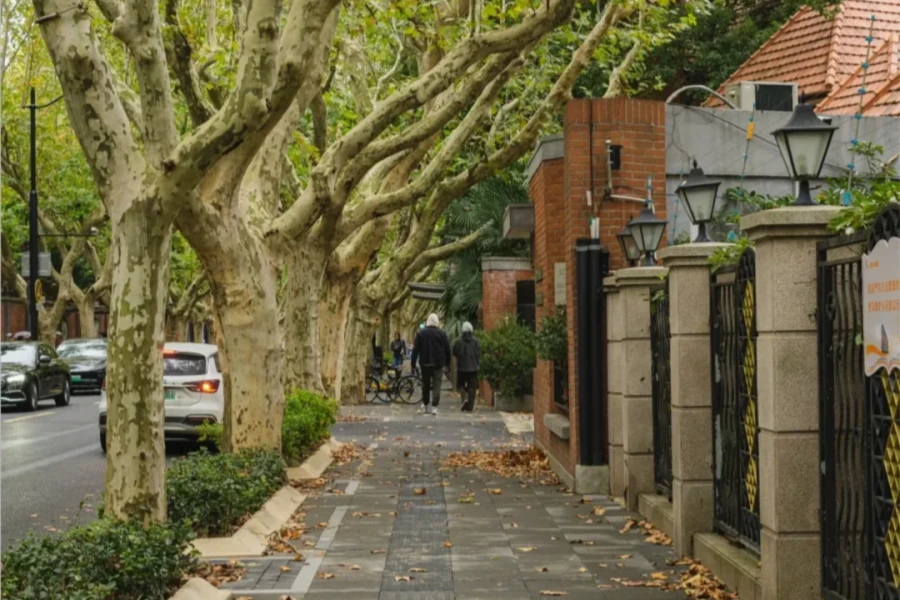
The "nature" of Wukang Road is the elegant rhythm carefully cultivated by the city, with two rows of nearly 100-year-old French plane trees as the main characters.
Sycamore Shade: Natural Arcades and Magical Light and Shadow in the Streets
The plane trees lining both sides of the road intertwine their branches and leaves, forming a kilometer-long "green tunnel." They are the soul of Wukang Road. In spring and summer, the new green leaves are vibrant, with sunlight filtering through them and casting dappled shadows, full of life; in late autumn, the leaves turn golden, and fallen leaves carpet the road, creating a romantic and poetic scene; in winter, the clear lines of the branches display a simple yet powerful beauty, like a sketch. Strolling beneath them and experiencing the changing seasons is the most basic and captivating experience of Wukang Road.
A secluded garden hidden within the walls.
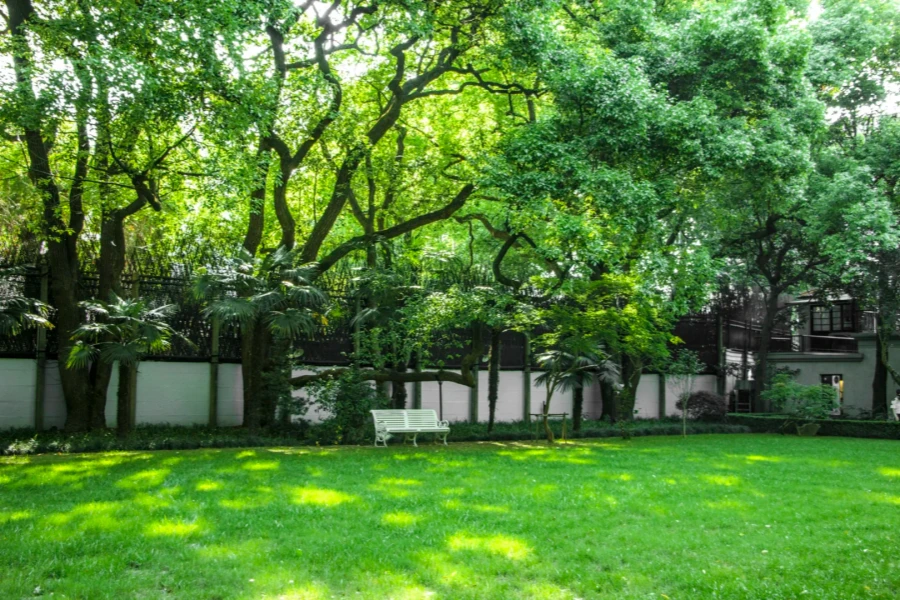
Many historic buildings conceal meticulously maintained gardens within their walls. Occasionally, glimpses of wisteria, blooming camellias, or delicate garden ornaments can be seen peeking out from behind ornate iron gates or over the walls. These "hidden elements of nature" add a touch of dynamism and privacy to the stately architecture, inspiring contemplation.
Humanistic Ingenuity – An Open-Air Museum of International Architecture
Every building here is a beautiful work of art, carrying the architectural memories of Shanghai's inclusive spirit.
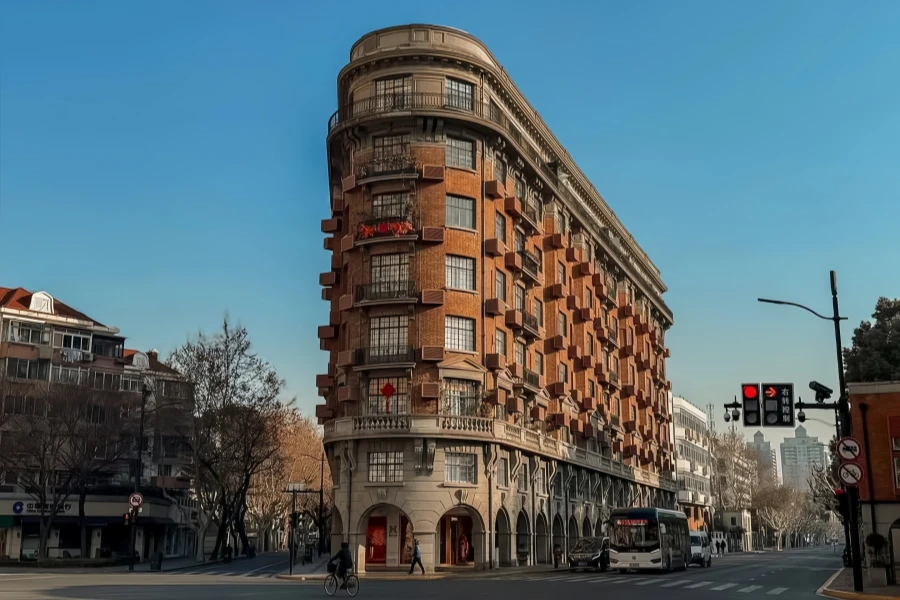
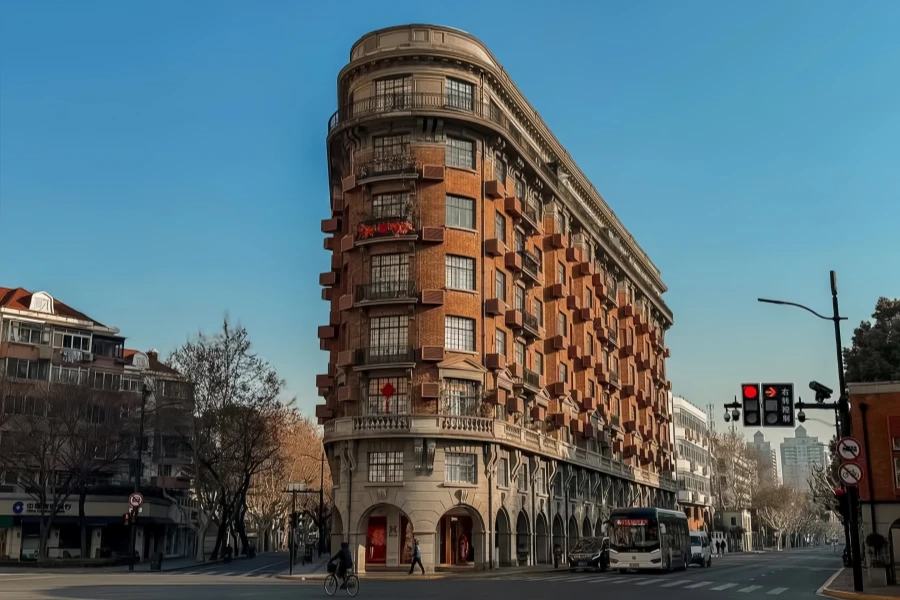
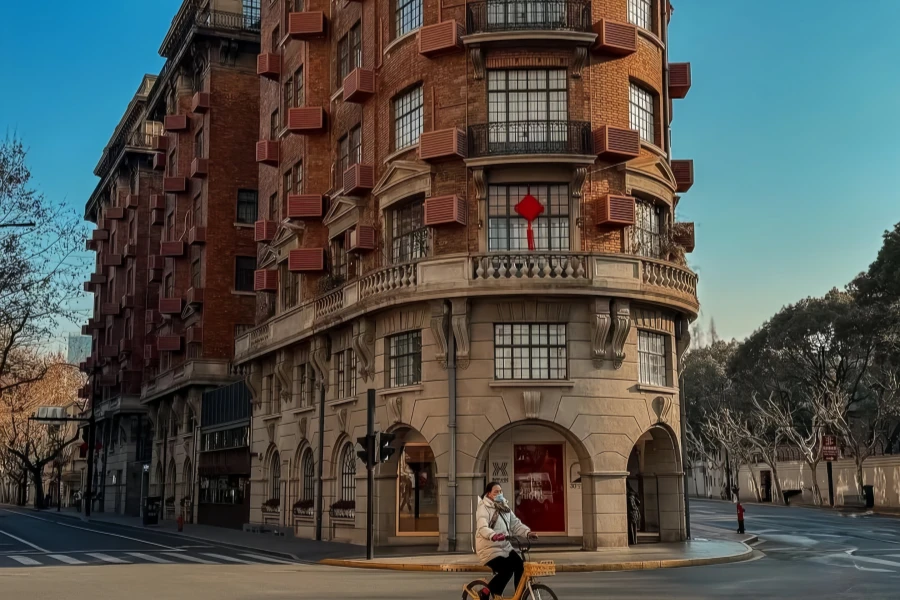
Wukang Building: A City Landmark Resembling an Airship
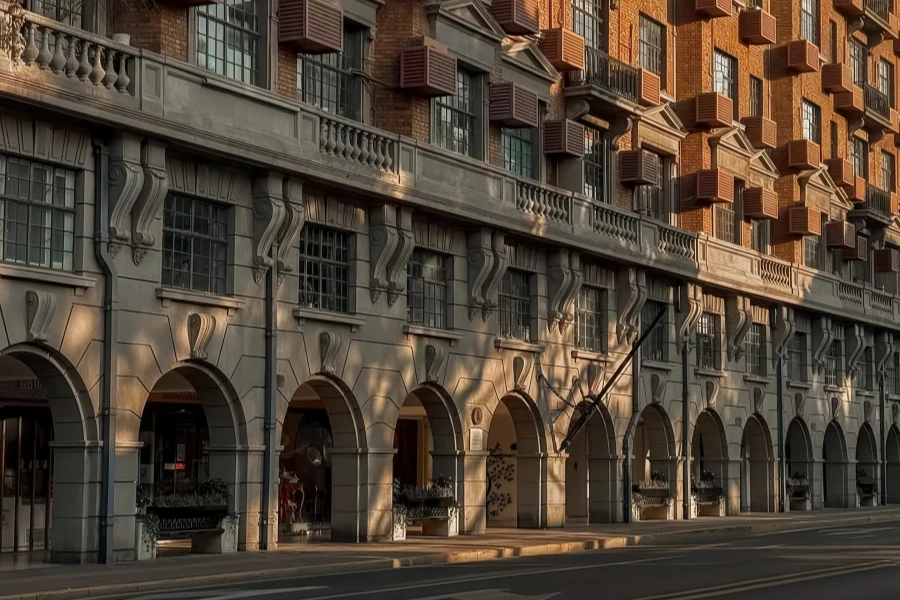
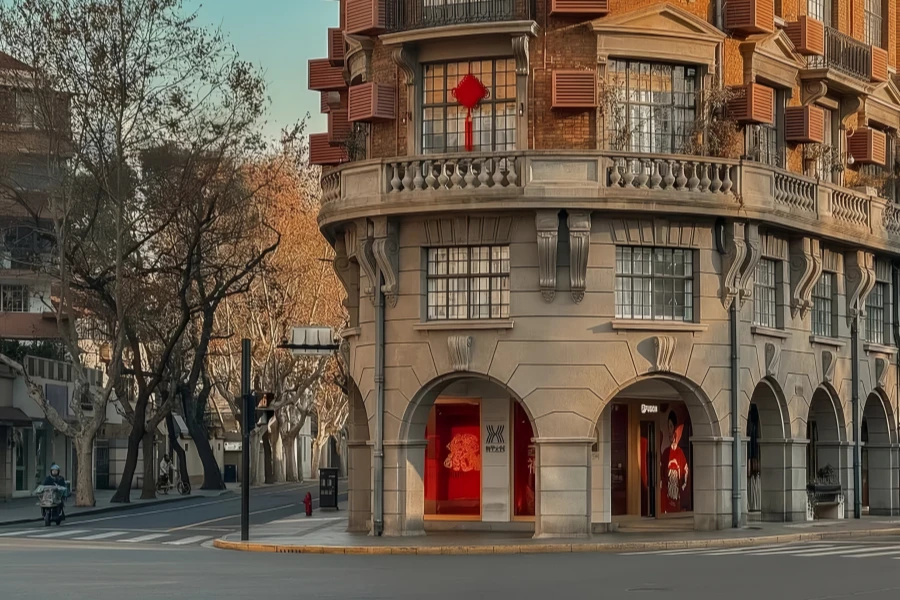
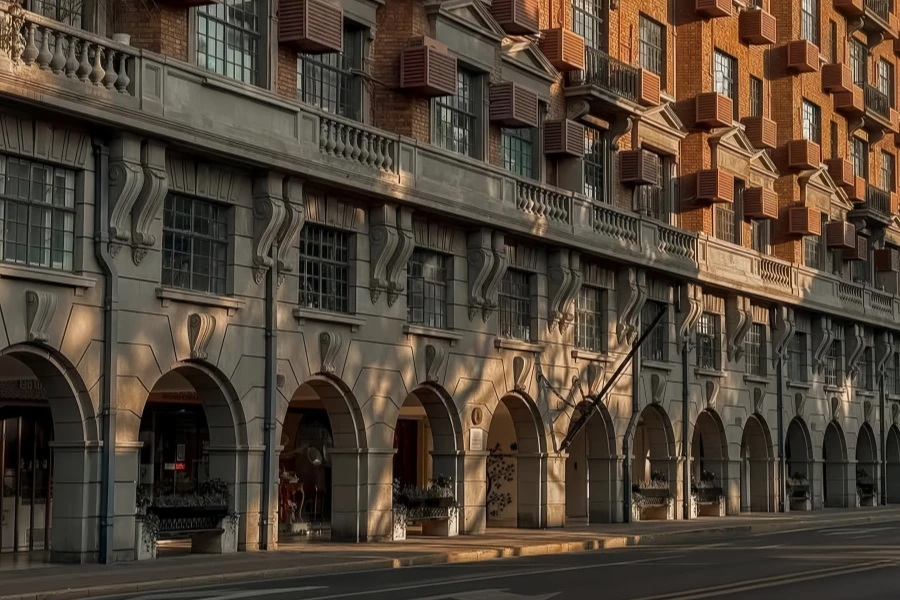
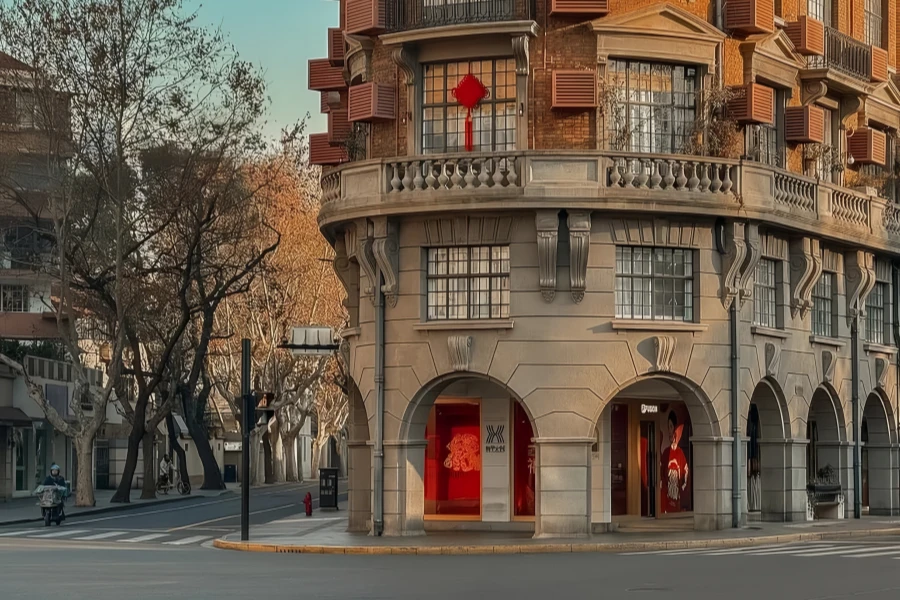
Located at the intersection of Huaihai Middle Road and Wukang Road, the Wukang Building is undoubtedly the visual focal point of this street. Designed by the Hungarian architect László Hudec and built in 1924, its unique acute-angled triangular shape resembles a giant ship about to set sail. The building's facade is in the French Renaissance style, with exposed red brick and cement finishes interwoven. It is one of Shanghai's earliest apartment buildings with external corridors, a true gem of architectural art, and a filming location for countless movies and television shows.
Former Residences of Celebrities: Every Brick and Tile Tells a Story
- Huang Mansion (No. 393 Wukang Road): The former residence of Huang Xing, a modern democratic revolutionary, is now the Shanghai Old Houses Art Center, and is an excellent window to understand the old buildings of Wukang Road and even Shanghai.
- Ba Jin's Former Residence (No. 113 Wukang Road): The place where the literary giant Ba Jin lived and created for a long time in his later years. The furnishings have been basically preserved in their original state and are full of literary atmosphere.
- Midan Apartments (115 Wukang Road): Art Deco style, formerly an apartment for senior staff of Texaco Oil Company, with simple and elegant lines.
- Cape Town Apartments (240 Wukang Road): Echoing the Wukang Building, also designed by László Hudec, but with a more minimalist and modern style.
- Romeo's Balcony (210 Wukang Road): A small balcony on the second floor of a Spanish-style garden house, named for its resemblance to the scene of Romeo and Juliet meeting in Shakespeare's play, is a romantic spot for taking photos.
Photography Tips:
The classic shooting position for the Wukang Building is on the pedestrian overpass on Huaihai Middle Road, where you can capture the entire building and the traffic flow at the intersection; or you can stand on the side of Wukang Road and use the sycamore branches and leaves as a foreground to capture a part of the building.
On a sunny afternoon between 3 and 5 pm, use low-angle sidelighting to photograph the dappled shadows cast by sycamore trees on the road and old walls.
Architectural details focus on the exquisite details of each building, such as wrought iron window frames, stained glass, carved doorways, and spiral staircases.
Humanistic documentary captures vivid scenes such as street artists, newlyweds taking wedding photos, and customers reading in cafes.