Zhenbeibao Western Film Studios: A Journey of Rebirth—From Frontier Ruins to Cinematic Legend

Zhenbeibao Western Film Studios: A Journey of Rebirth—From Frontier Ruins to Cinematic Legend

Overview: A Desolate Sanctuary Illuminated by Cinema

Zhenbeibao serves not only as a pilgrimage site for film enthusiasts worldwide but also as a must-visit destination for photographers, history buffs, and anyone seeking to experience the raw, desolate beauty of the Chinese West.

Key Highlights at a Glance

Identity Tags: China’s Answer to "Hollywood" / Birthplace of Eastern Cinematic Legends

Core Experiences: Visiting iconic movie sets, historical costume role-playing and photography, Northwestern folk culture immersion

Recommended Visit Duration: 1 Day (The park features a one-way loop design; we recommend allocating at least 4–5 hours for a fully immersive experience)

Address: Zhenbeibao Town, Xixia District, Yinchuan City, Ningxia Hui Autonomous Region

  • Zhenbeibao Western Film Studios: A Journey of Rebirth—From Frontier Ruins to Cinematic Legend-1
  • Zhenbeibao Western Film Studios: A Journey of Rebirth—From Frontier Ruins to Cinematic Legend-2
  • Zhenbeibao Western Film Studios: A Journey of Rebirth—From Frontier Ruins to Cinematic Legend-3
  • Zhenbeibao Western Film Studios: A Journey of Rebirth—From Frontier Ruins to Cinematic Legend-4

Origins: The Transformative Journey from Ruins to Legend

Furong Ancient Town Furong Ancient Town Furong Ancient Town

Echoes of History—A Millennium of Vigilance on the Ming-Qing Frontier

The story of Zhenbeibao begins over five centuries ago, during the Ming Dynasty's frontier defense era. During the Hongzhi reign (1488–1505), to repel incursions by northern nomadic tribes, the imperial court constructed a series of military strongholds along the Helan Mountain range; Zhenbeibao was one such fortress. In the fifth year of the Qianlong reign (1740) of the Qing Dynasty, a massive earthquake devastated the original Ming-era fortress. Acting on imperial decree, the court erected a new garrison adjacent to the ruins—the very structure we see today as the "Qing City." Standing side-by-side—one ancient, one newer—these two fortresses silently guarded the northwestern frontier for centuries. Yet, as the smoke of war eventually cleared, they gradually succumbed to the relentless erosion of wind and sand, fading into mere remnants of crumbling walls. 1.2 A Turning Point of Destiny—The Encounter Between a Writer and a Ruin

The modern legend of Zhenbeibao began with a chance encounter. In the 1950s, the young writer Zhang Xianliang arrived in Ningxia from Beijing as part of a government-sponsored migration program to support the region. During a journey into the city, he caught a distant glimpse of Zhenbeibao; the desolate yet majestic ruins left an indelible impression on his mind. In the 1980s—by then an acclaimed author—Zhang Xianliang recommended this unique ancient fortress to the film industry. Zhang Yimou filmed One and Eight here, and subsequently directed the world-renowned Red Sorghum; the site's famous "Moon Gate" has since become an iconic symbol of Chinese cinema. In 1993, Zhang Xianliang officially established the Zhenbeibao Western Film Studios, transforming the desolate ruins into China’s most distinctive film and television production base, guided by the philosophy of "restoring the old to its original state."

A Miracle of Light and Shadow—"Chinese Cinema Steps Out to the World from Here"

Over the three decades that followed, approximately two hundred films and television series were shot on location here. From The Herdsman and Red Sorghum to A Chinese Odyssey and New Dragon Gate Inn, a succession of cinematic classics emerged from this site to reach a global audience. Countless filmmakers—including Zhang Yimou, Stephen Chow, Gong Li, and Maggie Cheung—have left their footprints here. Inscribed on a stone tablet at the studio's entrance is a single sentence: "Chinese cinema steps out to the world from here." This is not merely a bold declaration, but a true epic woven from light and shadow.

> Dive Deeper: Explore More Sacred Sites of Chinese Culture >>[Taoping Qiang Village]

Must-See Spectacles: A Symphonic Poem of Desolate Aesthetics and Memories of Light and Shadow

Furong Ancient Town Furong Ancient Town Furong Ancient Town

Natural Wonders—A Vast and Majestic Tableau Beneath the Helan Mountains

The natural landscape of Zhenbeibao Western Film Studios is characterized by its distinct qualities: "rustic, primal, rugged, desolate, and rooted in folk tradition." Here, one finds none of the gentle charm of lush green hills and flowing waters; instead, there is only a majestic and boundless grandeur, woven from the interplay of yellow earth, swirling winds, and radiant sunlight. The Guardianship of the Helan Mountains

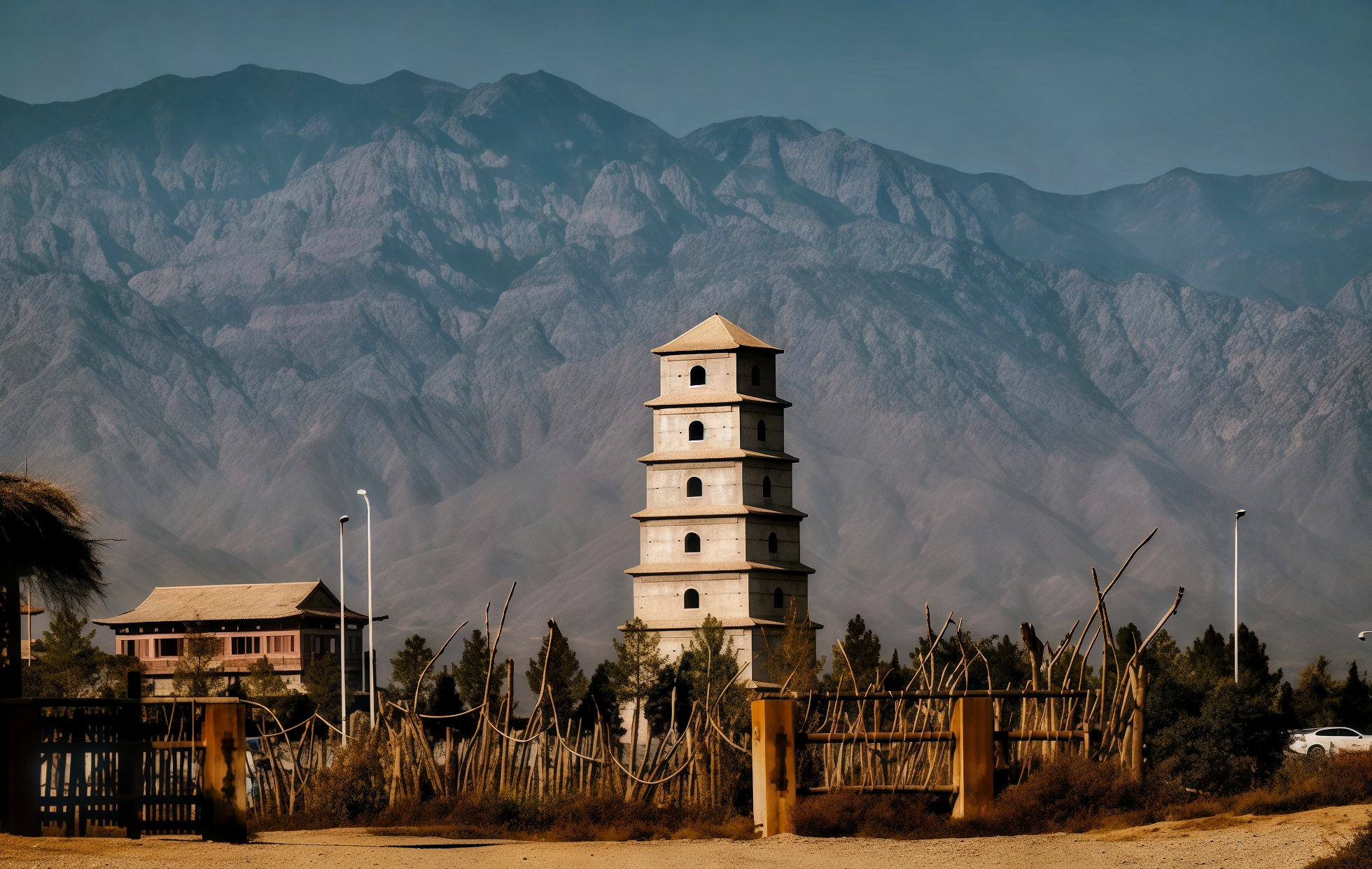
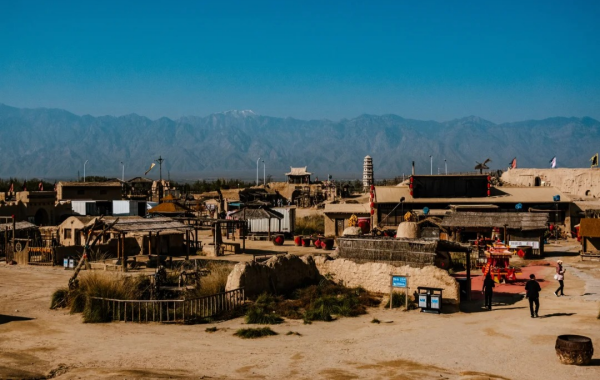
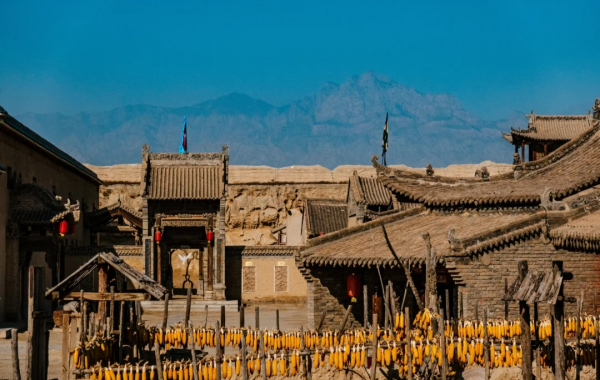
The majestic Helan Mountain range stretches across the western flank of the Film City, acting as a natural barrier that has silently guarded this land for millennia. On clear days, the mountainside takes on a deep ochre-red hue, creating a striking visual contrast against the golden-yellow earthen fortresses nestled at its foot. In winter, after a snowfall, the spectacle known as "Helan’s Sunny Snow" becomes truly breathtaking—pristine white snow blankets the rugged ridges, set against the ancient yellow-earth fortresses; the interplay of black, white, and yellow weaves together to form a poetic tableau of China's Northwest.

The Magic of Loess and Light

The buildings within the Film City are constructed from locally sourced loess (yellow earth); having endured centuries of wind and rain, they now possess a unique texture and coloration. When the slanted sunlight of the Northwest falls upon these rammed-earth walls, they appear to be bathed in a warm, caramel-colored glaze, creating a remarkably rich interplay of light and shadow. Dusk marks the "golden hour" for photography: the setting sun casts long, stretching shadows from every crack in the walls and every window and doorway. The entire ancient fortress becomes immersed in a golden-red glow—a scene so cinematic that any casual snapshot instantly resembles a professional movie still. For photography enthusiasts, every inch of this land serves as a natural viewfinder; no digital filters are needed, for the very desolation of the landscape acts as the most beautiful filter of all.

A Cultural Marvel: An Eternal Stage for Cinematic Memories

The Zhenbeibao Western Film City is comprised of three distinct zones: the Ming City, the Qing City, and the "Old Yinchuan Street." Each area preserves a unique tapestry of historical memories and cinematic narratives.

The Qing City: Stepping into the Classic World of A Chinese Odyssey

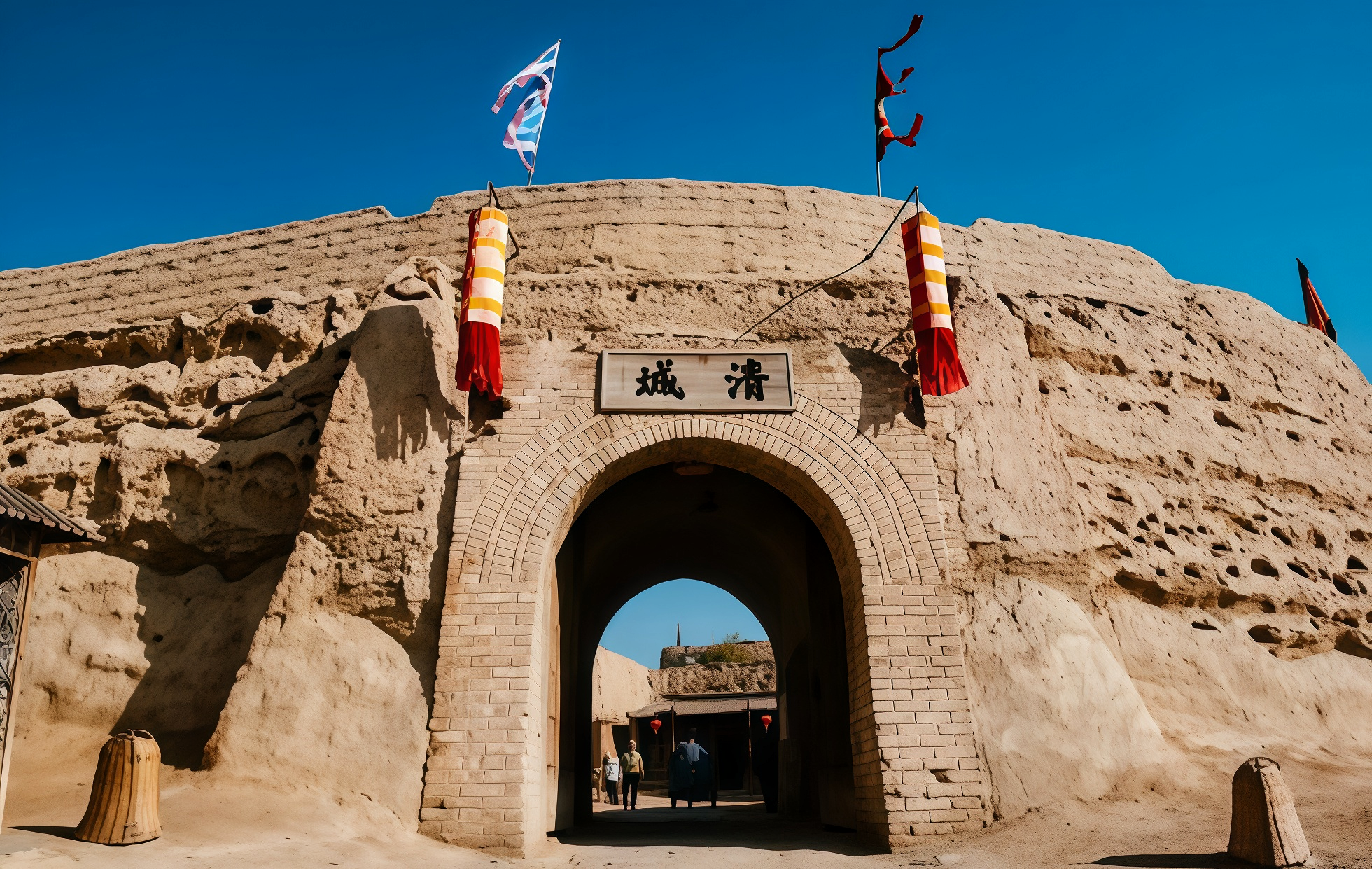
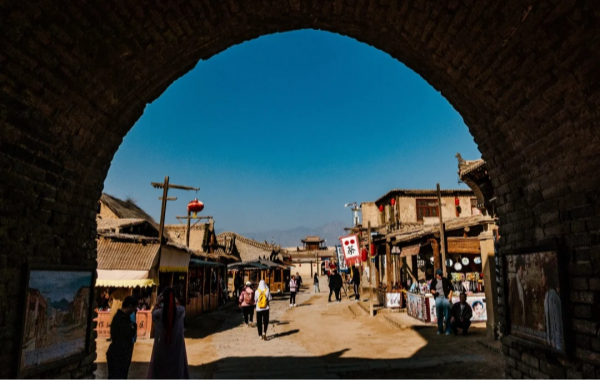
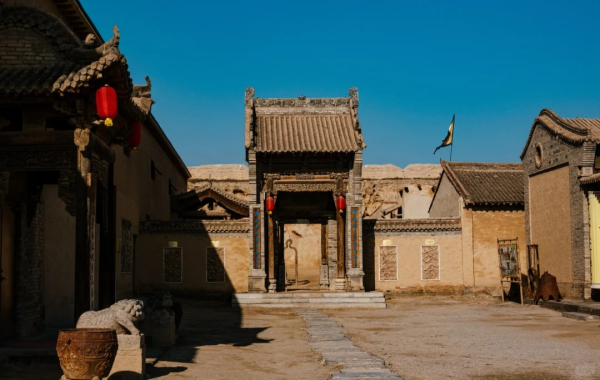
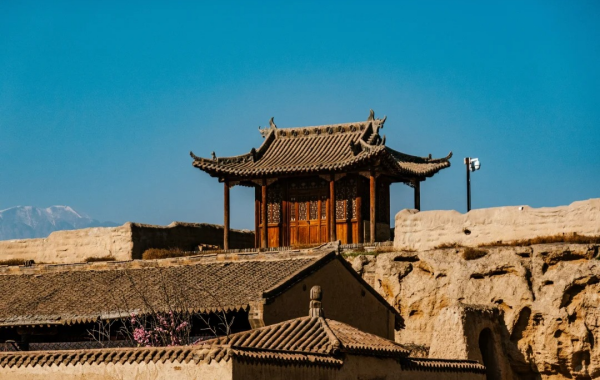
The Qing City was constructed in the fifth year of the Qianlong Emperor's reign during the Qing Dynasty. It was originally built as a military barracks—reconstructed by imperial decree after the original Ming City was destroyed by an earthquake. Today, this site has become a pilgrimage destination for fans of the classic film A Chinese Odyssey. Upon entering the Qing City, visitors are immediately greeted by its iconic gate tower—the very spot where, in the film's finale, the Supreme Treasure and Zixia Fairy shared their poignant, lingering gaze. Countless visitors rent the red robes of Zixia Fairy or the armor of the Supreme Treasure, brandish a long sword, and pose for their own "movie stills" amidst the authentic settings of the film. As you venture deeper into Qingcheng, you will discover even more familiar scenes: the festive, lantern-lit palace of the Bull Demon King; the courtyard where the Supreme Treasure once cried out, "Once there was a sincere love placed before me"; the prison cell—complete with the torture cross—where Tripitaka famously belted out "Only You"; and the Spider Cave, a nexus connecting past lives with the present... Every scene has been preserved exactly as it appeared during filming, and in your ears, the echoes of those classic lines seem to linger still. The legendary "Moonlight Box"—rumored to have cost a mere 10 RMB to construct—is also quietly on display here, waiting for visitors to come and seek it out.

Mingcheng—A Pinnacle of Desolate Aesthetics

Built during the Hongzhi era of the Ming Dynasty, Mingcheng is the older of the two fortresses. Although only crumbling ruins and weathered walls remain today, it is precisely this sense of incompleteness and desolation that has made it the quintessential backdrop for the Northwest region in the eyes of countless film directors.

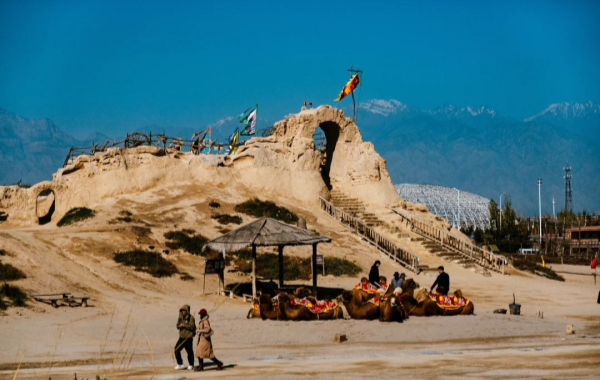
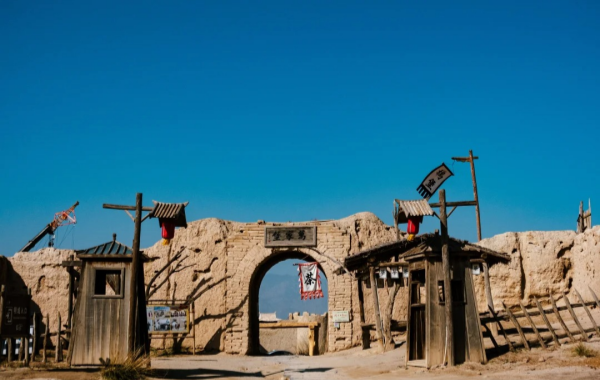
Stepping into Mingcheng, the first sight to greet you is the renowned "Moon Gate"—a natural earthen archway sculpted by wind erosion, resembling a crescent moon suspended above the loess highlands. This site features one of the most iconic scenes from Zhang Yimou’s Red Sorghum; it was through this gate that the bridal sedan chair of "My Grandma" (Jiu'er) once passed, and where the graceful figure of Gong Li once swayed. Interestingly, this very Moon Gate also made a subtle cameo in a corner of A Chinese Odyssey—can you spot it?

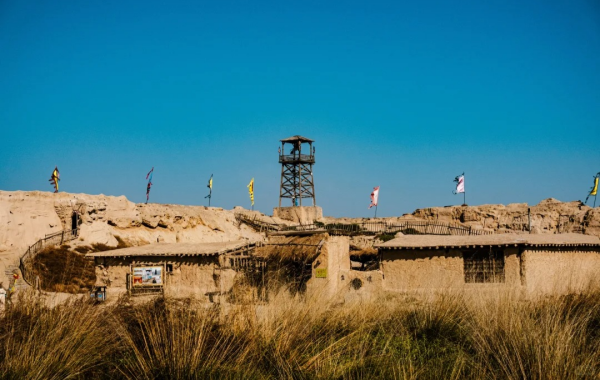
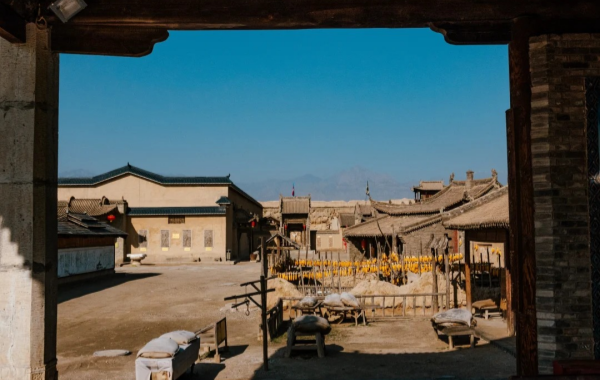
Continuing onward, you will find a dilapidated thatched cottage standing in quiet solitude—a classic setting from New Dragon Gate Inn, starring Maggie Cheung. Amidst the broken windows and mottled earthen walls, one can almost still glimpse the figure of Jin Xiangyu leaning against the doorway with a smile. Furthermore, Mingcheng preserves over 140 distinct film and television settings—including the courtyard from The Herdsman, a "Cultural Revolution"-era compound, a distillery, a blacksmith's forge, a firewood shop, and the Spider Cave—each offering a magnificent backdrop for shooting cinematic blockbusters.

Old Yinchuan Street—A Time Tunnel Spanning a Century

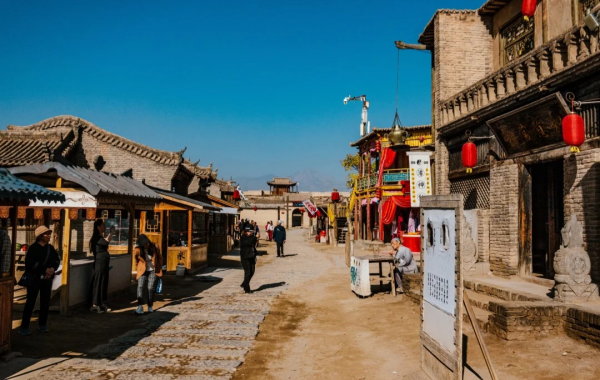
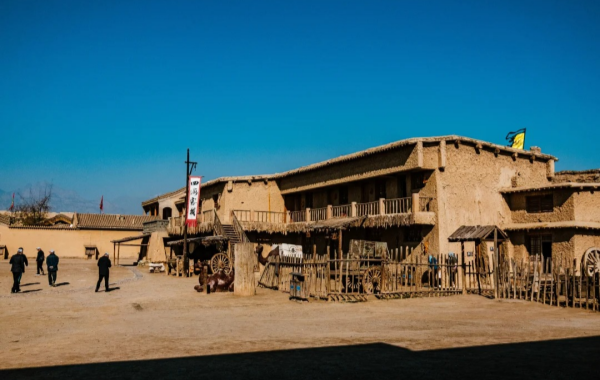
Stepping out of the cinematic worlds of Mingcheng and Qingcheng and onto Old Yinchuan Street, you will be instantly transported back in time to the Ningxia provincial capital of the early 20th century. This street is modeled after "Willow Lane"—Yinchuan's most bustling thoroughfare during the Republic of China era—and faithfully recreates the appearance of the old shops and alleys of that time. Buildings featuring the Republic-era architectural style—characterized by blue bricks and gray tiles—line the street, while traditional snacks, handicrafts, and folk performances converge here, making it an ideal spot to relax and immerse yourself in the vibrant street culture of Northwest China.

> Photography Tips:

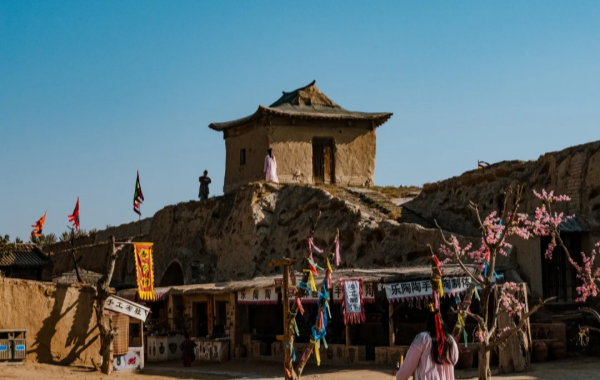
> The best vantage point for a panoramic shot is atop the high slope in the "Ming City" section, offering a sweeping view of the entire "Qing City" skyline set against the backdrop of the Helan Mountains.

> The arched gateway of the Qing City watchtower is a must-visit photo spot for fans looking to recreate scenes from A Chinese Odyssey; shooting against the light to capture a silhouette effect is highly recommended.

> The "Moon Gate" in Ming City is best photographed at dusk; the backlit silhouette created by the setting sun streaming through the archway possesses a truly cinematic quality.

> Drone flight is permitted (subject to the scenic area's regulations), allowing you to capture a magnificent aerial perspective of the two ancient fortresses juxtaposed against the majestic Helan Mountains.

Core Experience: An Immersive, One-Day Journey Through Light and Shadow

Furong Ancient Town Furong Ancient Town Furong Ancient Town

Five Must-Do Activities to Unlock the Full Studio Experience

1.  Recreate Your Own "Movie Still"

- Locations: The arched gateway of the Qing City watchtower (recreating the iconic scene with the Monkey King and Fairy Zixia); the Moon Gate in Ming City (featured in Red Sorghum); and the backyard of the Niu Family Residence (the site of the famous "I'll Love You for Ten Thousand Years" declaration).

- Costumes: The scenic area features several costume rental stations where you can rent a variety of outfits—including those worn by Fairy Zixia and the Monkey King, traditional wuxia (martial arts hero) attire, and Republic-era qipaos—at rates ranging from approximately 20 to 50 RMB per hour.

- Photography Tips: The light is softest—and therefore ideal for photography—before 10:00 AM and after 3:00 PM. Capturing the backlit silhouettes against the Qing City walls and the sunset streaming through the Moon Gate are absolute must-dos.

2.  Seek Out Those Classic Movie Scenes

- Must-See in Qing City: The Watchtower Gateway, the Ox Demon King's Palace, the Spider Cave, and the Platform of Torture (where Tripitaka was tormented).

- Must-See in Ming City: The Moon Gate, the Dragon Gate Inn, Jiu'er's Distillery (Red Sorghum), and the Herdsman's Courtyard. - Easter Egg: The legendary "Pandora's Box"—rumored to have cost a mere 10 yuan to produce—is also on display here; be sure to keep an eye out for it!

3.  Savor a Feast of Authentic Northwest Flavors

- Must-Try Dishes: Ningxia Hand-Grabbed Lamb, Lamb Saozi Noodles, Youxiang (Fried Dough Cakes), and Eight-Treasure Tea.

- Snack Hunt: The "Old Yinchuan Street" area gathers a wide variety of traditional Northwest snacks—including lamb skewers, Niangpi (cold skin noodles), and Tangyougao (sweet fried dough cakes)—offering a vibrant atmosphere brimming with local life.

- Practical Tip: Dining prices within the film studio complex are relatively high. You may opt to bring your own snacks to refuel during your visit, then return to Yinchuan city center after your tour to enjoy a more substantial dinner.

4.  Experience the Fun of Being a "Movie Extra"

- The "Embroidered Ball" Marriage Ritual: An interactive traditional folk performance staged intermittently within the Qing City area; lucky visitors may be selected to play the roles of the "Groom" or the "Elders."

- Folk Crafts: Within the Ming City and Qing City areas, you can observe authentic demonstrations of traditional crafts, such as blacksmithing and winemaking.

- Interactive Activities: Certain zones feature fun attractions like "Shouting Springs" and archery ranges, making them perfect for families with children.

5.  Capture a Photo with the Helan Mountains as Your Backdrop

- Best Photo Spots: The highest vantage points in the Qing City area or the elevated slopes in the Ming City area allow you to frame both the ancient loess fortresses and the majestic Helan Mountains in a single shot.

- Best Time to Visit: Early morning or late afternoon (dusk), when the side lighting highlights the rich textures and contours of the mountain range.

- Winter Exclusive: If you visit on a sunny day following a snowfall, the sight of the "Helan Mountains in Winter Snow" framed alongside the ancient loess fortresses is truly breathtaking—a spectacle well worth waiting for.

Suggested Itinerary

One-Day "Cinematic Time Travel" Highlights Tour (Recommended for All Visitors):

The defining feature of Zhenbeibao Western Film Studio is its "no backtracking" one-way touring design. The itinerary below allows you to fully explore all three core zones:

8:30 AM – 9:00 AM: Arrive at the main entrance of the scenic area (Qing City Entrance), pick up a park map, and confirm the schedule for the day's performances.

9:00 AM – 11:00 AM: Explore the Qing City area in depth. This serves as the primary filming location for the movie A Chinese Odyssey. We recommend starting your visit at the Gate Tower Archway, then proceeding to check off classic scenes such as the Bull Demon King's Palace, the Spider Cave, and the Tang Monk's Torture Platform. Within the Qing City area, you can rent traditional costumes for photos; we suggest allocating ample time for your photo sessions. The visit takes approximately 2 hours.

11:00–13:30: Move on to the Ming City area. The Ming City covers a larger area and features a richer variety of settings; it served as the core filming location for movies such as Red Sorghum and New Dragon Gate Inn. We recommend focusing your visit on key scenes like the Moon Gate, the Dragon Gate Inn, Jiuer's Distillery, and the Herdsman's Courtyard. The terrain in Ming City is relatively open and expansive, requiring a fair amount of walking; please remember to take precautions against the sun and stay hydrated. The visit takes approximately 2.5 hours.

13:30–14:30: Enjoy lunch at "Old Yinchuan Street." This area brings together a wide variety of Northwestern snacks and delicacies; you can sample local specialties—such as lamb saozi noodles and youxiang (fried pastries)—while soaking up the bustling street atmosphere of Yinchuan during the Republic of China era. Dining takes approximately 1 hour.

14:30–15:30: Free time for exploration and shopping. Old Yinchuan Street is lined with various shops selling handicrafts and souvenirs. You can purchase creative cultural products themed around the Western Xia Dynasty, as well as local Ningxia specialties like goji berries, to take home as gifts. Afterward, you may choose to exit the scenic area to conclude your day-long cinematic journey.

If you are pressed for time, you can opt for a streamlined itinerary: focus your visit on the A Chinese Odyssey scenes in Qing City, along with the Moon Gate and Dragon Gate Inn in Ming City. This condensed tour takes approximately 3–4 hours in total.

Two-Day "In-Depth Ningxia" Tour (Connecting Classic Nearby Attractions):

Day 1: In the morning, visit the Western Xia Imperial Tombs to explore the mysteries of this ancient dynasty—often referred to as the "Pyramids of the East." In the afternoon, head to the Zhenbeibao Western Film Studios for an immersive experience of the magic of the cinematic world. For your overnight stay, you may choose to lodge in Yinchuan city center or at the nearby "Manpu: Seeing Helan" Performing Arts Town (located near the film studios) to experience the vibrant nightlife of the Northwest region. Day 2: In the morning, head to the Helan Mountain Rock Carvings to commune with the "Sun God" totems etched into the rocks thousands of years ago. In the afternoon, visit the Ningxia Museum to gain a comprehensive understanding of Xixia civilization and Silk Road culture. In the evening, make your way to the Huaiyuan Night Market to sample the most authentic street food Ningxia has to offer.

> Professional Guides: IntoTravelChina offers fully customized itineraries, including exclusive guides, transportation, and activity arrangements, ensuring a worry-free and immersive travel experience. >> [Consult for Customization Now]

Comprehensive Travel Guide: Transportation, Accommodation, and Seasons

Furong Ancient Town Furong Ancient Town

How to Get There: A Seamless Connection Guide

Zhenbeibao Western Film Studio is located in the Xixia District of Yinchuan City, approximately 35 kilometers from the city center. Yinchuan serves as the sole transit hub for reaching the site.

For travelers arriving from other parts of the country, flying into Yinchuan Hedong International Airport is recommended. The airport is located about 50 kilometers from the scenic area; a taxi ride takes approximately 50 to 60 minutes. Alternatively, you can take an airport shuttle bus to downtown Yinchuan and then transfer to a public bus or taxi to reach the destination.

If departing from downtown Yinchuan, driving yourself or taking a taxi is recommended. The journey takes about 40 minutes; simply navigate to "Zhenbeibao Western Film Studio Visitor Center." Driving Route: Downtown Yinchuan — Beijing Road — Turn right at Xixia Square and head north for 18 km — Zhenbeibao Western Film Studio.

Public transportation is also an option: take Tourist Bus Route 725 directly to the film studio from the Bayi Bus Depot in Yinchuan's Xixia District, or take the Route 17 Tourist Special Line from the Nanguan Mosque (buses depart every 8 minutes). Tourist Bus Route 3 also departs from Xinyue Square (two departures daily: 9:00 AM and 11:00 AM).

If traveling from nearby attractions, driving or chartering a vehicle is recommended. The drive from the Western Xia Imperial Tombs to Zhenbeibao takes approximately 30 minutes; from the Helan Mountain Rock Carvings, it takes about 20 minutes; and from Shahu Lake, it takes about 1 hour. These attractions can be easily combined into a single-day sightseeing itinerary.

Important Tip: If you plan to use a ride-hailing service for your return trip, it is advisable to book in advance, as the availability of vehicles around the scenic area tends to be limited during the evening hours.

Best Time to Visit

Zhenbeibao Western Film Studio is open to visitors year-round; however, autumn offers the most comfortable conditions, making the period from June to October the optimal time to visit.

Spring & Autumn: The Golden Seasons (April–May; September–October): The weather is mild and sunny. September and October constitute the absolute "golden season": the trees along the eastern foothills of the Helan Mountains turn a brilliant gold, creating a striking contrast against the ancient loess fortresses. With pleasant temperatures (10–20°C), this is an excellent time for photography.

Summer: The Cooling Season (June–August): Although Ningxia’s summers can be hot and dry, the studio’s traditional loess architecture provides natural insulation, making early morning and late evening visits relatively cool and comfortable. Summer marks the peak tourist season, featuring the richest array of folk performances and interactive activities; it is also the ideal time for taking photos in traditional period costumes. Visitors should take precautions against sun exposure and stay well-hydrated, and be mindful of the significant temperature fluctuations between day and night.

Winter: The Season of Tranquility (November–March): Visitor numbers are low, offering excellent value for money regarding both admission tickets and accommodation. The film studio in winter reverts to its most authentic, starkly beautiful form; the sunlight is soft, and the interplay of light and shadow is exceptionally rich. After a snowfall, the Helan Mountains and the ancient loess fortresses combine to create a breathtaking tableau known as "Helan Qingxue" (Sunny Snows of Helan). Please Note: Winter temperatures in Yinchuan typically range from -10°C to 5°C, accompanied by strong winds. It is essential to take adequate precautions against the cold by wearing windproof jackets, warm footwear, and hats. Some outdoor interactive activities within the scenic area may be temporarily suspended; we recommend calling the site directly before your visit to confirm current operating status.

Accommodation Options

Accommodation Near the Scenic Area:

Manpu · "See Helan" Performing Arts Town (Adjacent to the Film Studios): Located directly across the road from the Zhenbeibao Western Film Studios, allowing for easy access to the scenic area entrance simply by crossing the street. This immersive cultural tourism town integrates hot springs, live performances, and boutique guesthouses. The evening live-action shows and light displays are particular highlights. The town offers a variety of hot spring hotels and guesthouses to choose from, making it an ideal choice for travelers wishing to deeply immerse themselves in the nightlife of Northwest China. Advance booking is recommended.

Guesthouses in Zhenbeibao Town: These offer affordable rates and provide an opportunity to experience authentic rural life in Northwest China. The scenic area is accessible via a short walk or a brief taxi ride.

Hotels in Yinchuan City Center (Recommended for Most Travelers): Yinchuan’s city center boasts a wide array of hotel options, ranging from budget-friendly accommodations to five-star luxury properties. Staying in the city center offers convenient access to other Yinchuan attractions (such as the Western Xia Imperial Tombs, the Helan Mountain Rock Paintings, and the Ningxia Museum). It also provides greater convenience for dining and evening activities; the Huaiyuan Night Market is a culinary destination not to be missed. The commute between the city center and the Zhenbeibao Western Film Studios takes approximately 40 minutes by car; we recommend arranging your transportation in advance.

IntoTravelChina Accommodation Booking Recommendations:

We recommend using Yinchuan’s city center as your accommodation base, venturing out during the day to visit the Zhenbeibao Western Film Studios and other attractions along the Helan Mountain route. By booking through us, you gain access to real-time room availability and the ability to bundle your accommodation, attraction tickets, and transportation into a single comprehensive plan. This often results in package discounts and ensures a seamless, hassle-free itinerary. Simply share your budget and specific requirements with us, and we will curate the most suitable accommodation solution for you. >> [Consult for Customization Now]
Journey Extensions: A Loop Tour Connecting the Highlights of Ningxia

Furong Ancient Town

Zhenbeibao Western Film Studio is by no means the end of your journey; rather, it serves as the perfect starting point for exploring Ningxia—often hailed as the "Jiangnan of the Frontier."

Classic 3-Day Ningxia Loop: Yinchuan (Zhenbeibao Western Film Studio) → Western Xia Tombs (The Mysterious Dynasty of the "Eastern Pyramids") → Helan Mountain Rock Carvings (Ten-Thousand-Year-Old Rock Totems) → Shahu Lake or Shapotou (A Fantastic Fusion of Desert and Lake). This is a perfect itinerary that blends frontier history, ancient civilizations, and the natural wonders of Northwest China. 

At the Foot of Helan Mountain: A Journey of Millennia-Old Epics and Cinematic Legends: Ningxia Shuidonggou Tourist Area → Ningxia Museum → Western Xia Tombs → Helan Mountain Rock Carvings → Zhenbeibao Western Film Studio → Turandot Wine Town. At Shuidonggou, touch the ancient flames of Paleolithic civilization; at the Western Xia Tombs, decipher the mysterious history of the Tangut people; converse with the "Sun God" totems etched into the rocks; and at Zhenbeibao Western Film Studio, draw the legendary sword of Fairy Zixia—transforming the passage of time into a personal "time tunnel." 

Desert Adventure Extension: Setting out from Zhenbeibao Western Film Studio, continue northward to Shapotou in Zhongwei. Experience classic activities such as drifting down the Yellow River on traditional sheepskin rafts, camel riding across the dunes, and sand-sliding—all while gazing up at the brilliant starry skies of the Tengger Desert. 

Partner with IntoTravelChina to Embark on Your Own Exclusive Journey of Cinematic Legends

Furong Ancient Town

The story of Zhenbeibao Western Film Studio is one of ruins reborn, cinematic miracles, and the poetic beauty found within the desolate landscape. This is a land illuminated by the magic of cinema; every earthen wall is etched with classic moments from the silver screen, and every fortress carries the proud legacy of Chinese cinema's journey onto the global stage. IntoTravelChina specializes in crafting in-depth, personalized, and hassle-free travel experiences across China. Our travel experts are here to offer you:

- Tailored Itineraries: We design the perfect route—incorporating the Zhenbeibao Western Film Studio and surrounding attractions in Ningxia—based entirely on your interests and schedule.

- One-Stop Service: We handle all the details, including attraction tickets, unique accommodations, transportation transfers, local guides, and reservations for period costume experiences.

- Exclusive Experiences: We arrange prime photography sessions, in-depth guided tours of iconic film sets, authentic culinary explorations of Ningxia's local cuisine, and more.

Let your visit to the Zhenbeibao Western Film Studio be more than just sightseeing—let it be an immersive journey through the interplay of light and shadow, and a deep exploration of the culture of the Chinese West.

> Start Planning Your Journey Now

> We invite you to contact our professional travel consultants; we will provide you with a personalized itinerary proposal and quotation within 24 hours. >> [Consult for Customization Now]
What Our Clients Say?

Based on 10,000+ traveler reviews

...
Daniel Dorothea
Canada
Reviewed on April 29,2025
Shopping on Nanjing Road in Shanghai was just amazing! It's truly the "First Commercial Street of China", where tradition and modernity blend perfectly. You can find awesome souvenirs and experience the trendy vibes in cool stores. The neon lights at night are just spectacular, shining bright like Times Square in New York. The food here is incredible too. I had a feast for my taste buds. Shanghai, I'll definitely be back!
Destination(s): Shanghai
Date of Experience: May 08,2024
...
...
Elvis Eva
Canada
Reviewed on June 20,2025
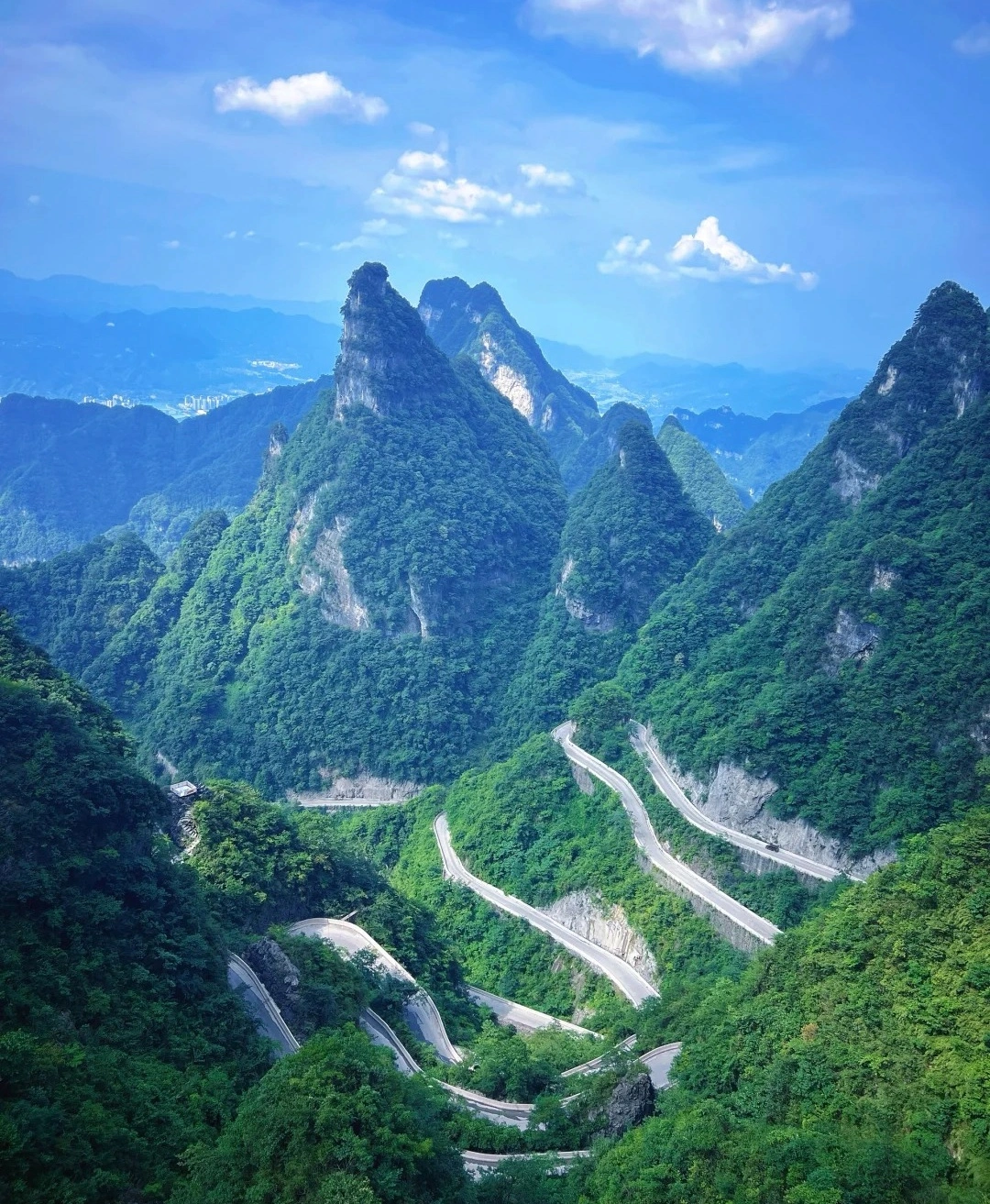
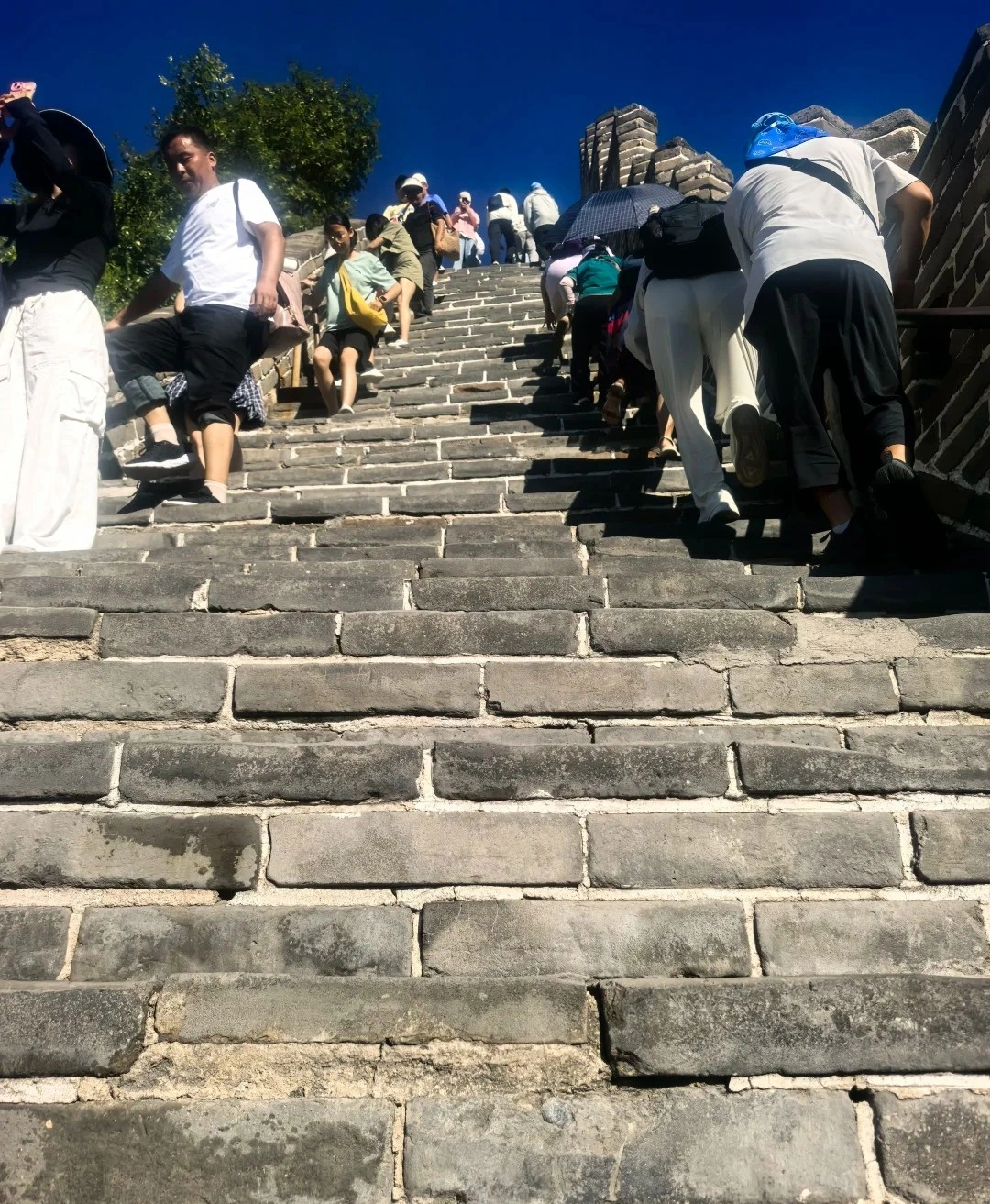
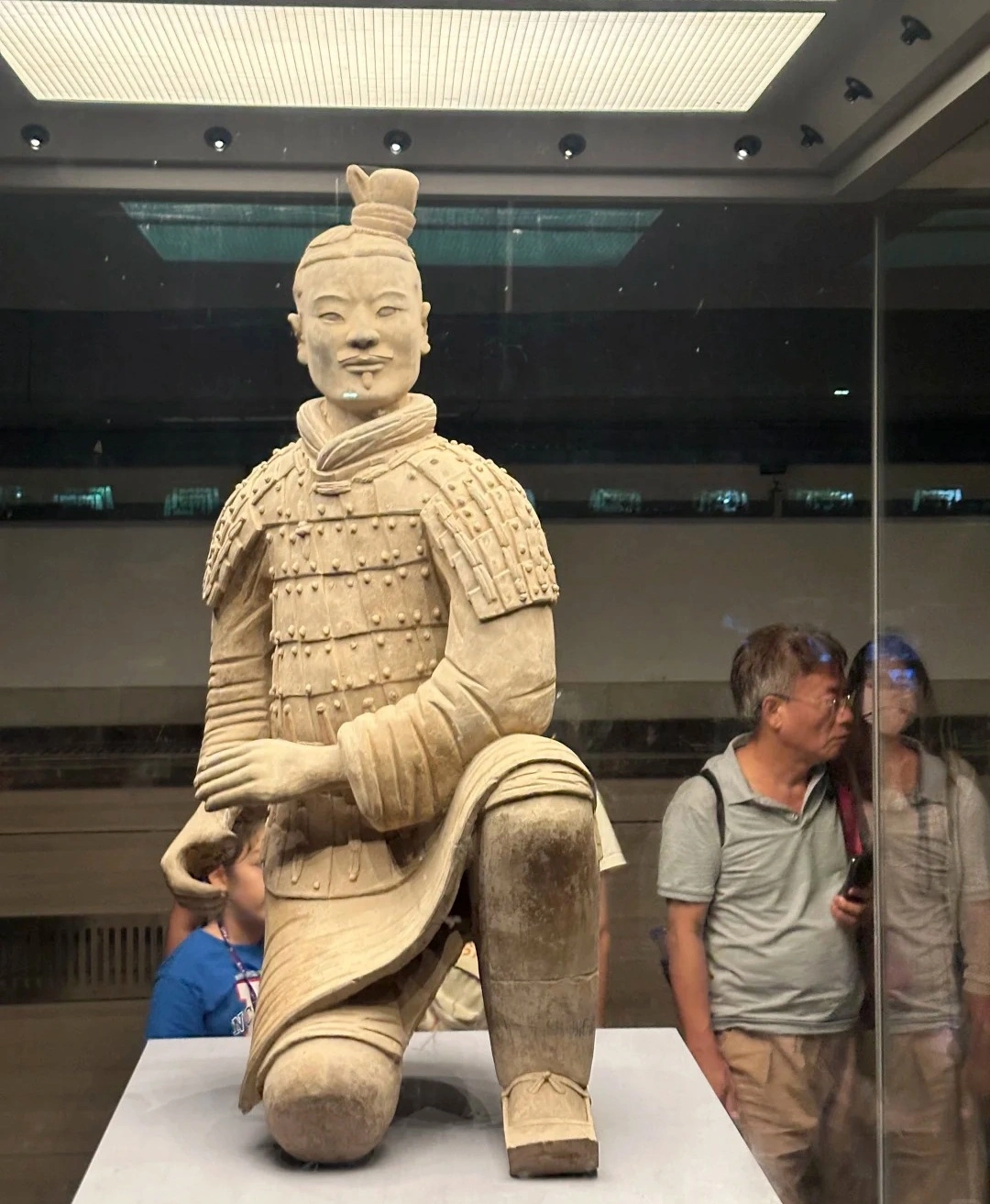
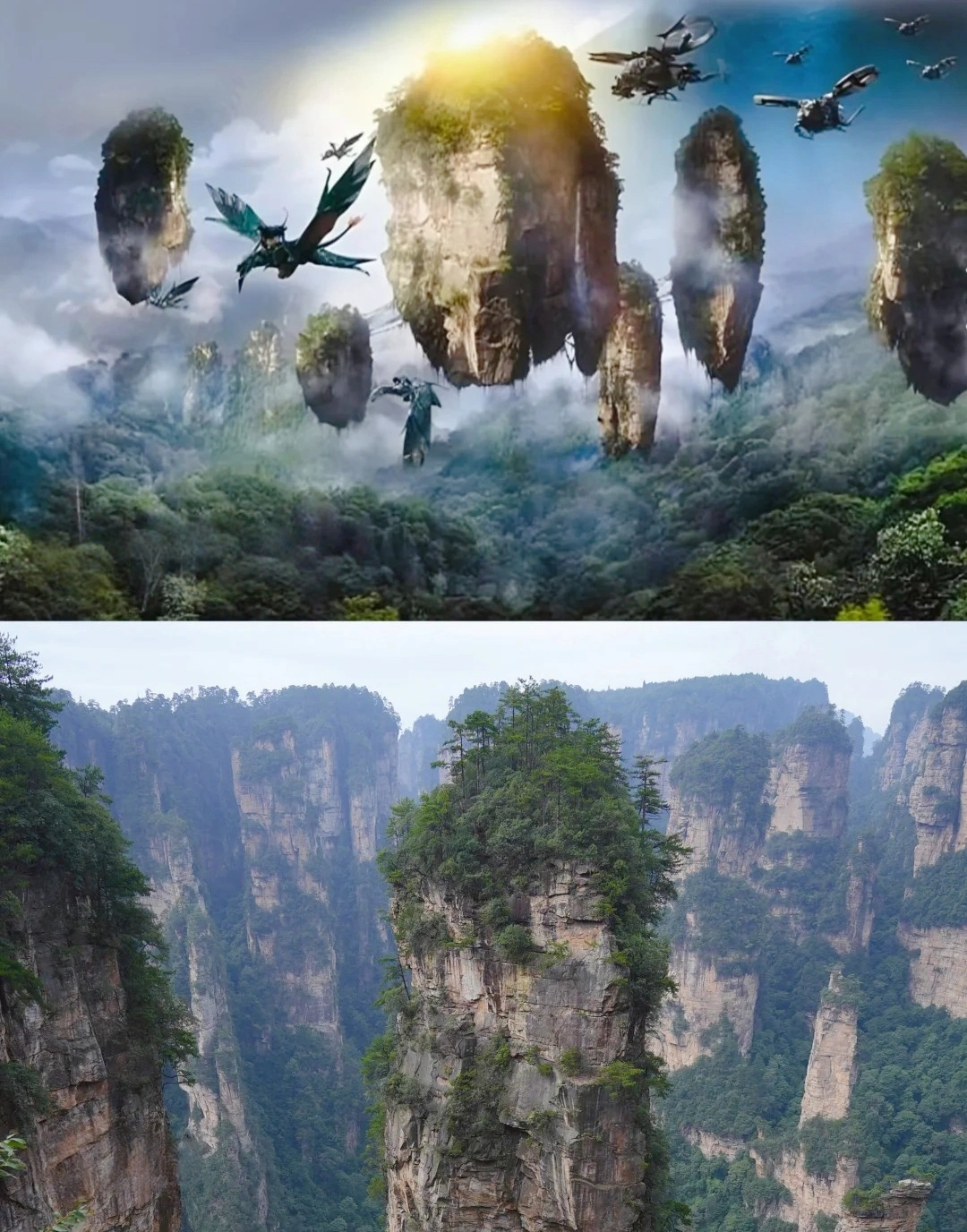
As a solo traveler from Canada, I was nervous about navigating China alone—but this 11-day tour was PERFECT! From hiking the Great Wall at sunrise (Day 3) to gasping at the Terracotta Army (Day 5), every day delivered ‘pinch-me’ moments. The real showstopper? Zhangjiajie’s Avatar Mountains (Day 7)! Our guide made the stone pillars come alive with stories. Massive thanks for handling all logistics—bullet train tickets, entry passes, car! And the 4-star hotels surprised me.
Destination(s): Beijing Xian Zhangjiajie Shanghai
Date of Experience: June 02,2025
... ... ...
...
Simon
America
Reviewed on May 29,2025
Our 2-day Zhangjiajie tour was beyond spectacular! As someone who’s visited Beijing and Shanghai for work, this trip revealed China’s wild, magical heart. Day 1 in Zhangjiajie National Forest Park felt like stepping onto Pandora—I’m a huge Avatar fan, and Yuanjiajie’s floating peaks left me breathless. The misty pillars and lush valleys like pure movie magic! Then came Fenghuang Ancient Town, we eat dinner beside the thundering waterfall. It seems Unreal! The night views of stilt houses glowing over the river were straight from a fairy tale. For fellow Avatar lovers and adventure seekers: Don’t miss this bucket-list experience! 10/10 would return. A Well-Traveled Film Buff, May 2025
Destination(s): Zhangjiajie
Date of Experience: May 08,2025
... ...

Ask a Question

Question Summary (100 characters)
Details (optional) (2,000 characters)
Name
Country
Phone
Email