Nature's Creation—The Poetic Scroll of the Wujiang Gallery
The Vibrant Water:The Lifeblood of the Gorge
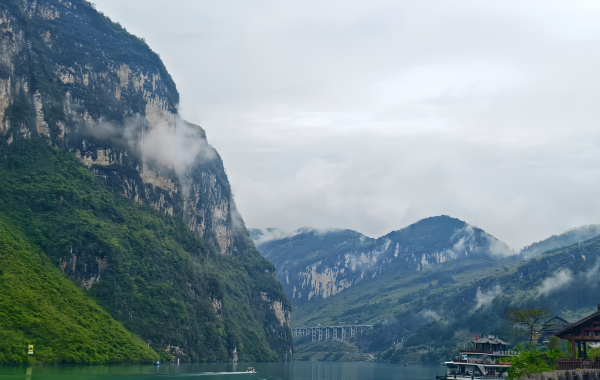
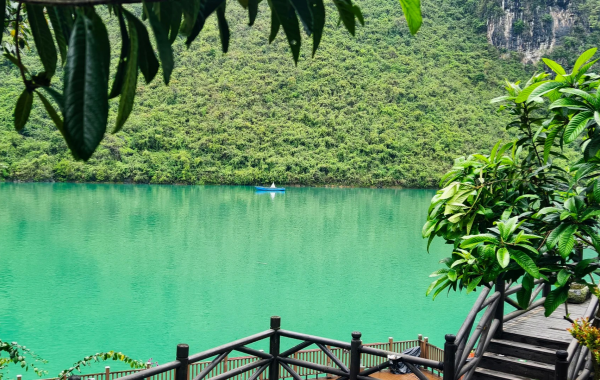
The soul of Gongtan originates from the confluence and surging of the Wujiang and Apengjiang rivers.The Qing Dynasty poet Mei Ruoweng once praised it,saying,"Of all the wonders of Sichuan's mountains and waters,this should be considered the foremost."
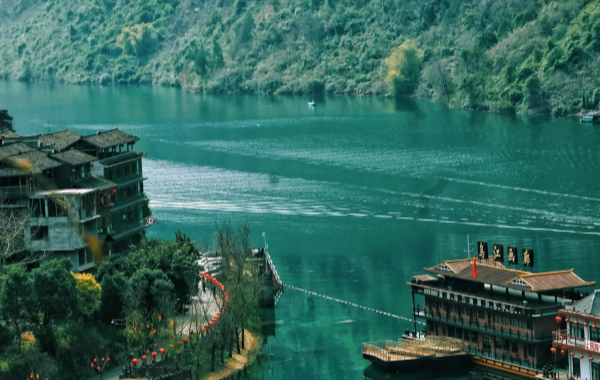
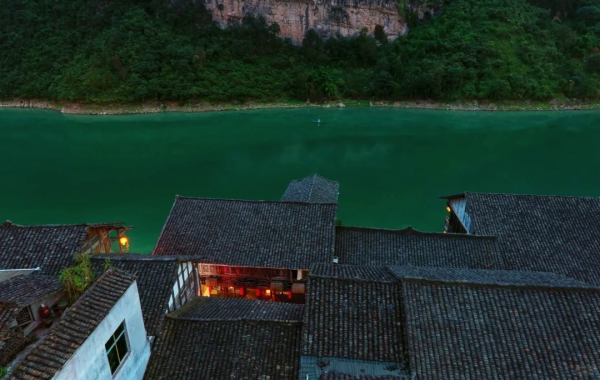
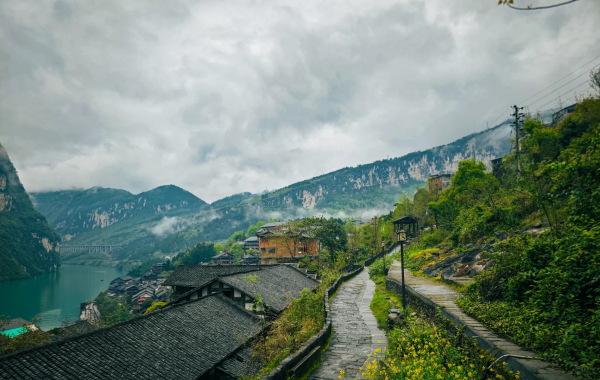
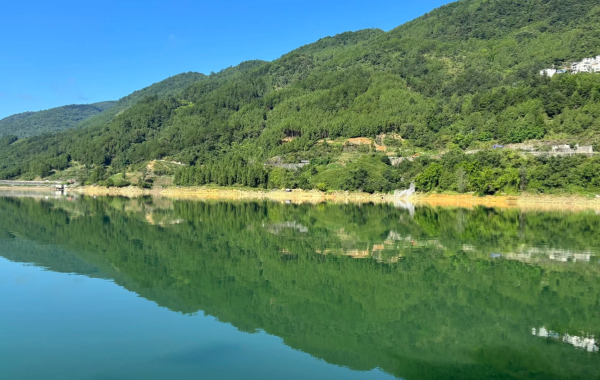
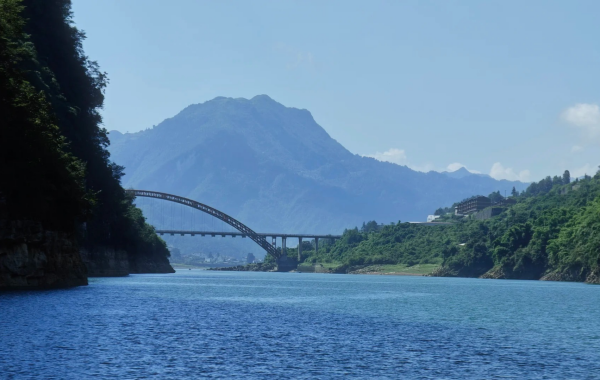
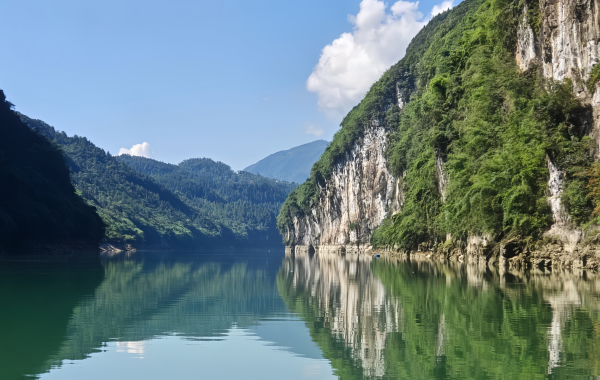
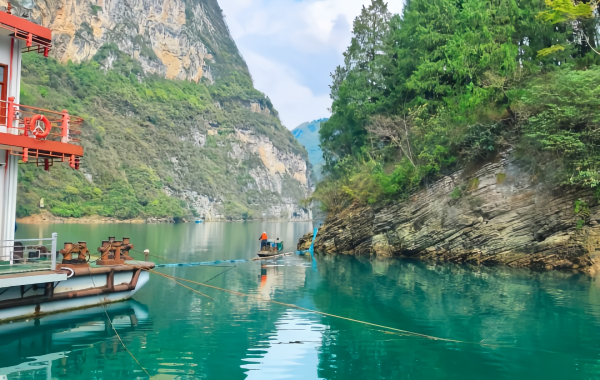
The Wujiang Hundred-Mile Gallery:Traveling upstream from Gongtan along the Wujiang River,passing through Tutuozi Gorge,Baiji Gorge,and finally to Lizhi Gorge,is the essence of the Wujiang Hundred-Mile Gallery.Sailing through it,one sees the river water as clear as jade,the green mountains on both banks as sharp as jade,and clouds and mist swirling like gauze,resembling a flowing ink painting scroll.The best times to view it are when the morning mist locks the river and when the evening sunset melts into gold.Photography Tips:Use burst mode to capture the stunning peaks on both banks while on the boat.In the evening,set up a tripod on the riverside walkway to capture the shimmering reflections of the stilted houses in the river.
Confluence of the Apeng River:At the northern end of the ancient town,the Apeng River flows into the Wujiang River.At the confluence of the two rivers,the clear and turbid waters mingle,creating a unique river gorge landscape and giving Gongtan its geographical advantage as a port town.
Rugged Rocks:Sculpted by the Earth
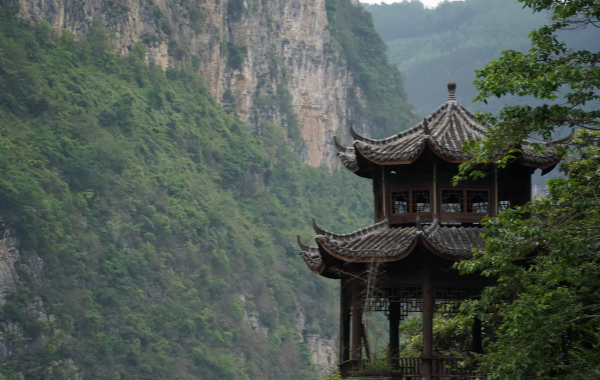
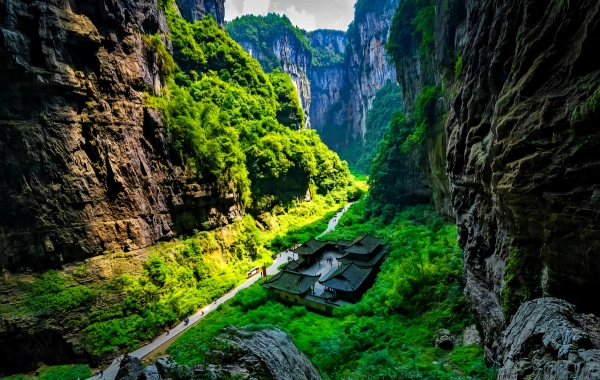
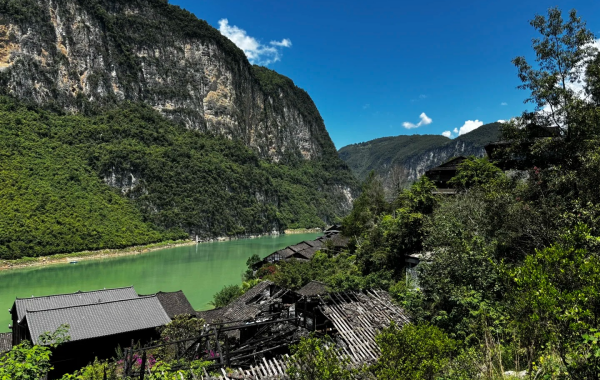
Manwang Cave and Cliffs:On the west bank of Gongtan,towering cliffs pierce the sky,ancient trees abound,and birdsong and monkey calls fill the air.Manwang Cave is hidden among them.Legend has it that this is a relic of the activities of Meng Huo's tribe during the Three Kingdoms period,adding a touch of mysterious wilderness to the rugged natural landscape.
Remnants of the Perilous Rapids and Giant Rocks:Although the massive reefs formed by landslides during the Ming Dynasty are no longer intact due to waterway dredging,the record in the Youyang Prefecture Gazetteer—"In the middle of the great river,huge rocks lined up,some as large as houses,others as small as oxen,surging with thunderous roars and spraying like snow"—still allows later generations to imagine the magnificent,treacherous rapids and swift currents of yesteryear.
Humanistic Ingenuity—Architectural Poetics on the Cliffs
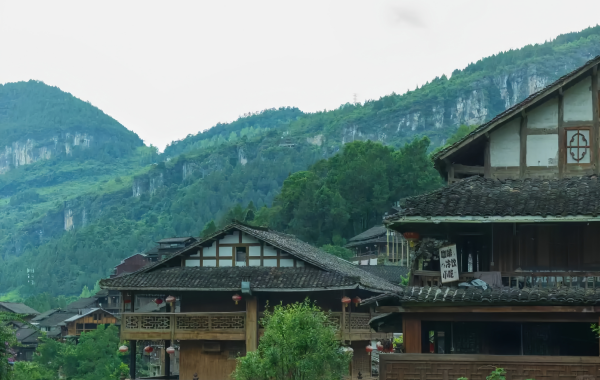
The architecture here is not merely dwelling,but a living fossil of the fusion of Tujia and Han cultures.
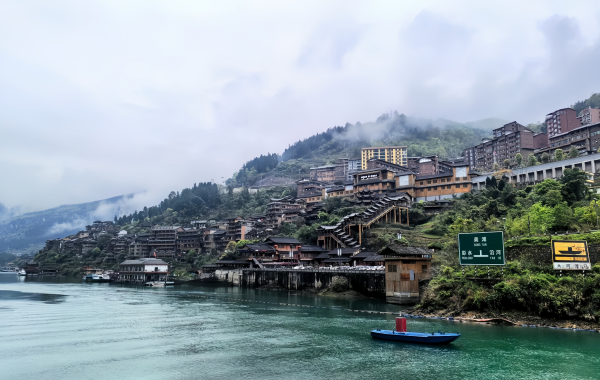
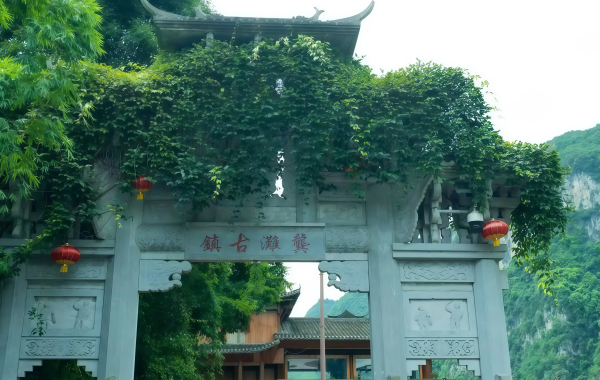
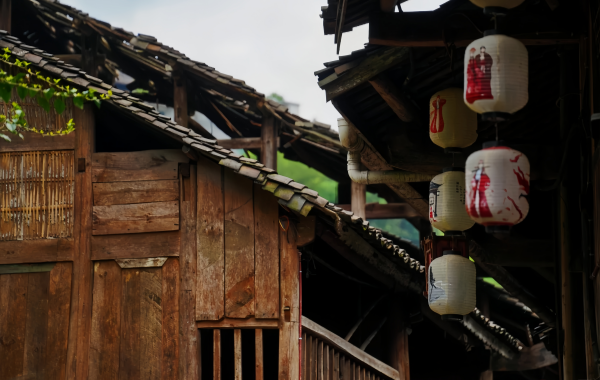
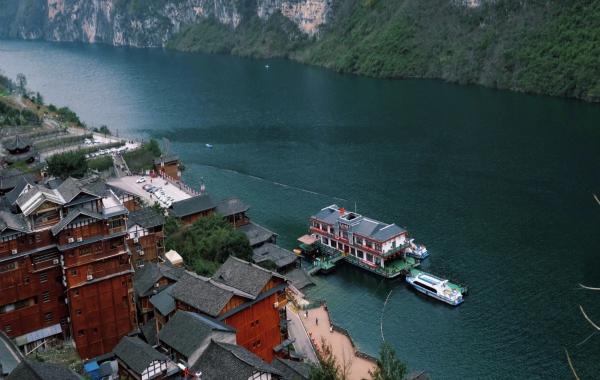
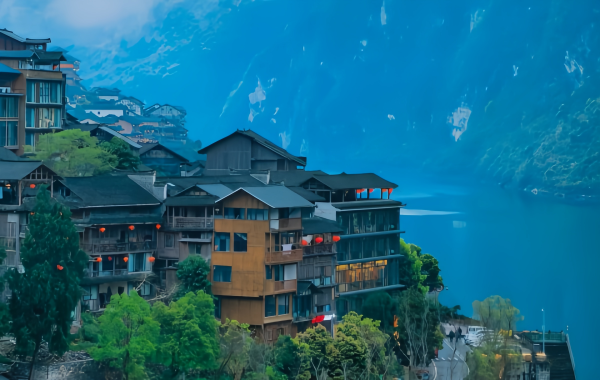
Tujia Stilted House Cluster:Gongtan's most renowned cultural wonder.Along a two-kilometer-long cliff,over 200 Tujia stilted houses are built according to the terrain,carved into the rock for foundations and stacked with stones,layered and staggered in a harmonious arrangement.All the components of the houses are chiseled and connected,allowing for assembly and disassembly.Despite being suspended in mid-air,they remain sturdy after a thousand years of wind and rain,hailed by architects as"architectural marvels"and"musical notes on the cliffs."It is recommended to view the stilted houses from the opposite bank of the Wujiang River,where they hang like musical notes on the cliff face,forming the most classic scene in Gongtan.
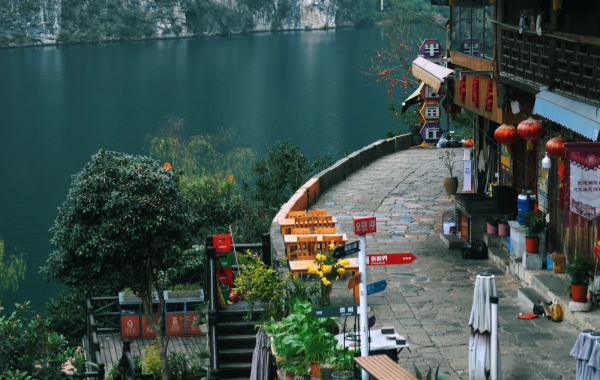
The Old Street with Bluestone Slabs:This old street,about 1.5 to 2 kilometers long,is entirely paved with bluestone slabs.The"pestle indentations"left by the porters who used to pound salt on the slabs are still clearly visible,each step echoing the past.The firewalls,courtyards,ancient shops,and salt warehouses along the old street retain the complete architectural fabric of the Ming and Qing dynasties,making it one of the best-preserved and largest Ming and Qing architectural complexes in China.While strolling along the old street,pay attention to the pestle indentations on the slabs—they are the most silent witnesses to the thousand-year-old salt road.
The Xiqin Guild Hall:The most magnificent building in the ancient town,built by Shaanxi merchant Zhang Pengjiu during the Guangxu period of the Qing Dynasty.The building blends Shaanxi folk architecture with Tujia elements,featuring carved beams and painted rafters,creating a magnificent and imposing structure.It is an important window into the history and commercial culture of Gongtan salt merchants.
Ran Family Courtyard:The residence of Ran Shenzhi,a Tusi(chieftain)during the Qing Dynasty,is an epitome of Tusi culture.The courtyard is filled with well-preserved Tujia ethnic artifacts,including a carved bed,antique blue-and-white porcelain,an old tobacco pipe,a boat tracker's stone,and a threshing windmill.Its rustic and tranquil atmosphere makes it a popular filming location.
Chuanzhu Temple and Dong Family Ancestral Hall:Chuanzhu Temple,dedicated to a water management sage,is a spiritual landmark for the ancient town,symbolizing peace and prosperity.Dong Family Ancestral Hall carries the memories of the clan,showcasing the profound cultural heritage of the Tujia clan system in every brick and tile.
Qiaozhongqiao Bridge and Ancient Wharf:There's a saying in the ancient town,"If you don't know Qiaozhongqiao Bridge,you're not a true Gongtan local."This two-story ancient bridge is a unique landmark of Gongtan,witnessing the town's bustling days as a water and land port.In addition,ancient streets and alleys such as Yangjiaxing,Banbiancang,and Laoyanlu are distinctly different in type of business,preserving numerous historical relics such as ancient wharves,towpaths,staircases,and stone tablets.
Photography Tips:
The best panoramic viewpoints are on the opposite bank of the Wujiang River or on a river cruise ship,offering a complete shot of the stilted houses nestled against the cliffs.For aerial shots of the old street,vantage points like Lanshan Guesthouse capture the S-shaped curve where the bluestone street meets the Wujiang River.The Xiqin Guild Hall and Ran Family Courtyard are ideal for photographing architectural details,carved wooden windows,and the interplay of light and shadow on the buildings.Drones are permitted,allowing for epic,bird's-eye view shots of the"Wujiang Gallery+Cliffside Ancient Town."