Nature's Creation – Sea of Clouds, Valleys, and Three-Dimensional Ecosystem
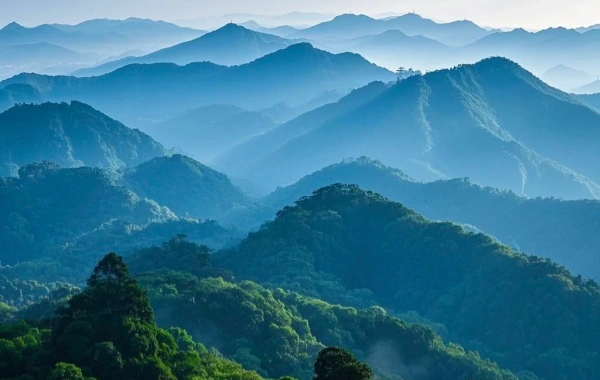
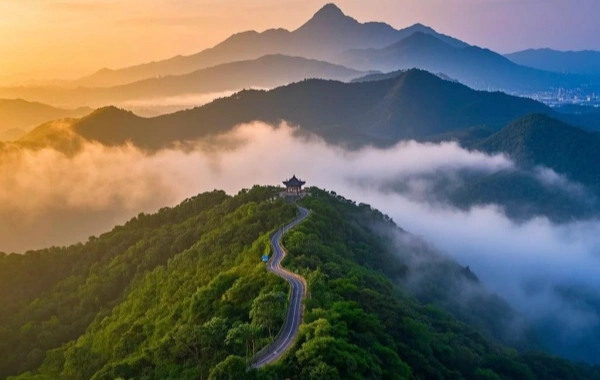
The natural beauty of Baiyun Mountain lies in its ever-changing meteorological landscape and its rich and layered urban ecosystem.
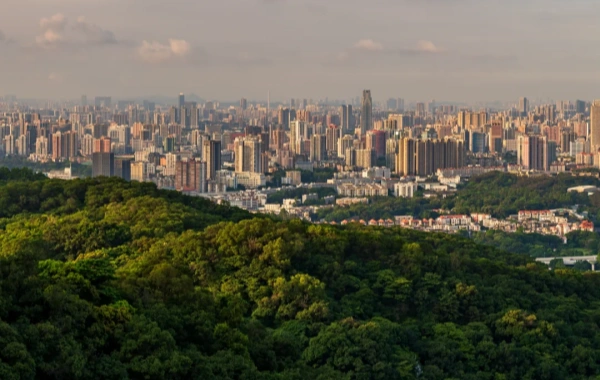
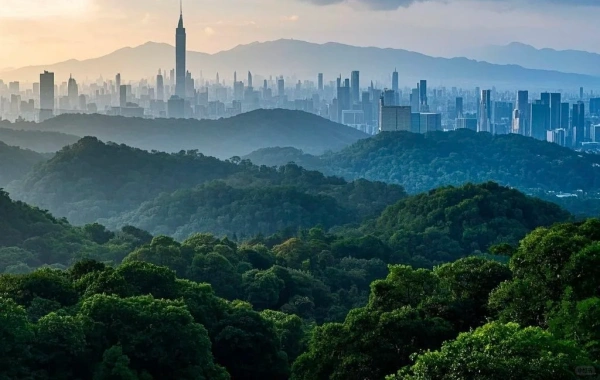
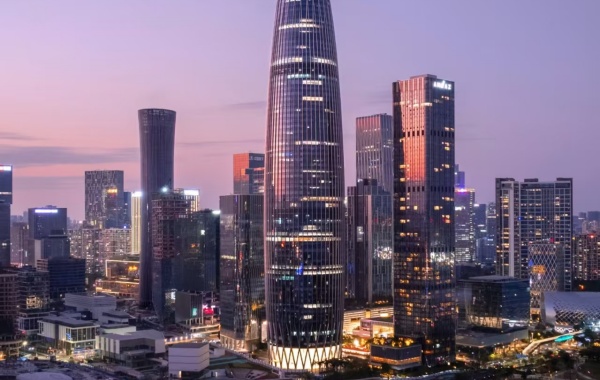
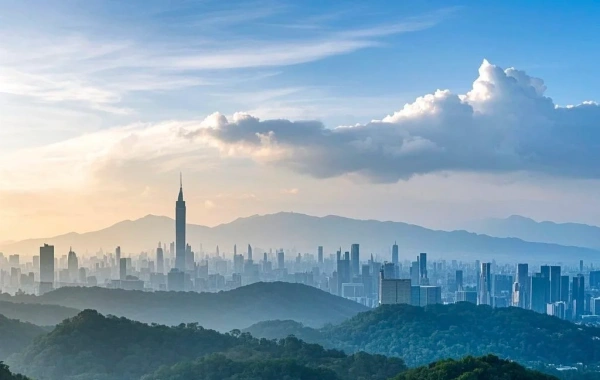
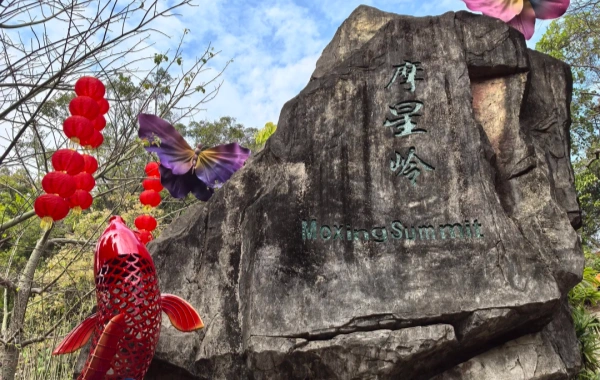
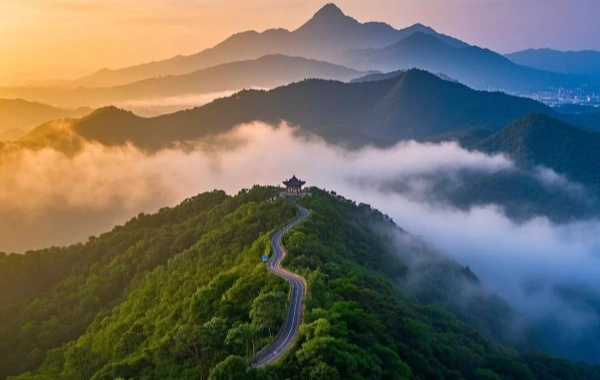
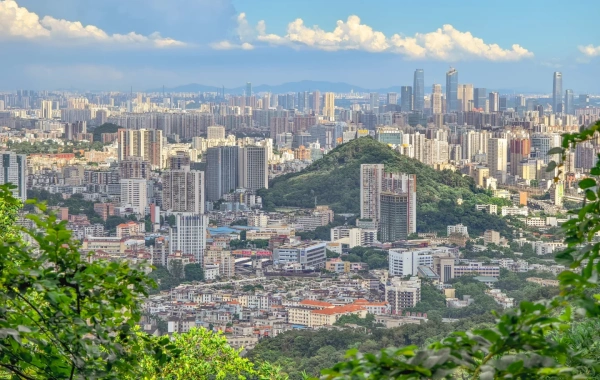
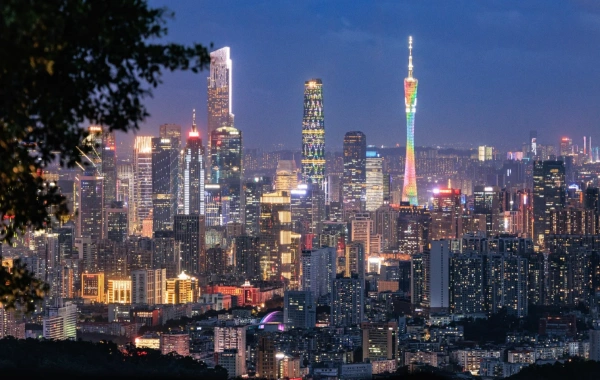
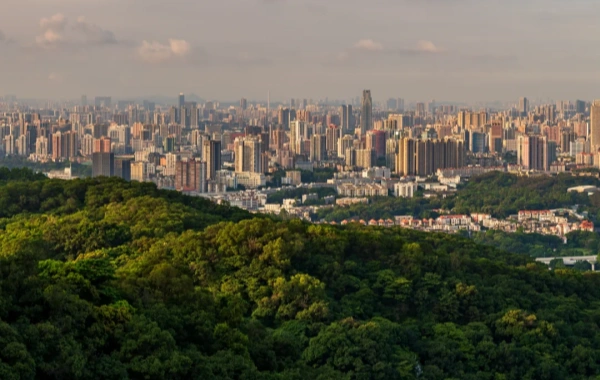
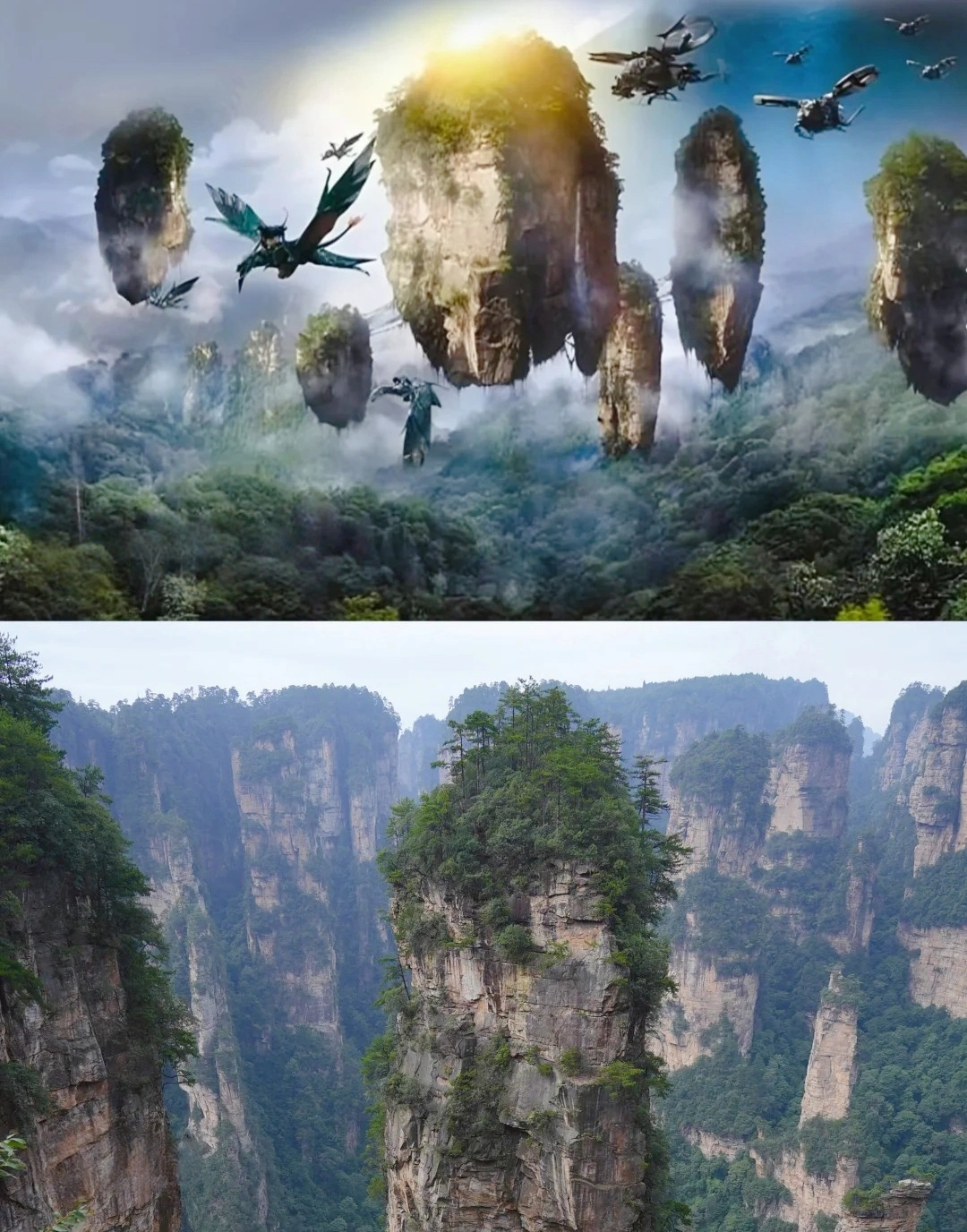
- The "White Cloud" Spectacle and the View from Moxing Ridge: The mountain's name itself evokes the scenery. After rain or in late spring, the mountain is shrouded in mist and clouds, creating a magical "layered green mountains and clouds" spectacle. The main peak, Moxing Ridge, rises 382 meters above sea level, and there's a saying: "You haven't truly been to Baiyun Mountain if you haven't climbed Moxing Ridge." From the top, one can enjoy close-up views of Guangzhou city spread out like a chessboard, and in the distance, the Pearl River flows through the city like a jade ribbon, a truly magnificent sight.
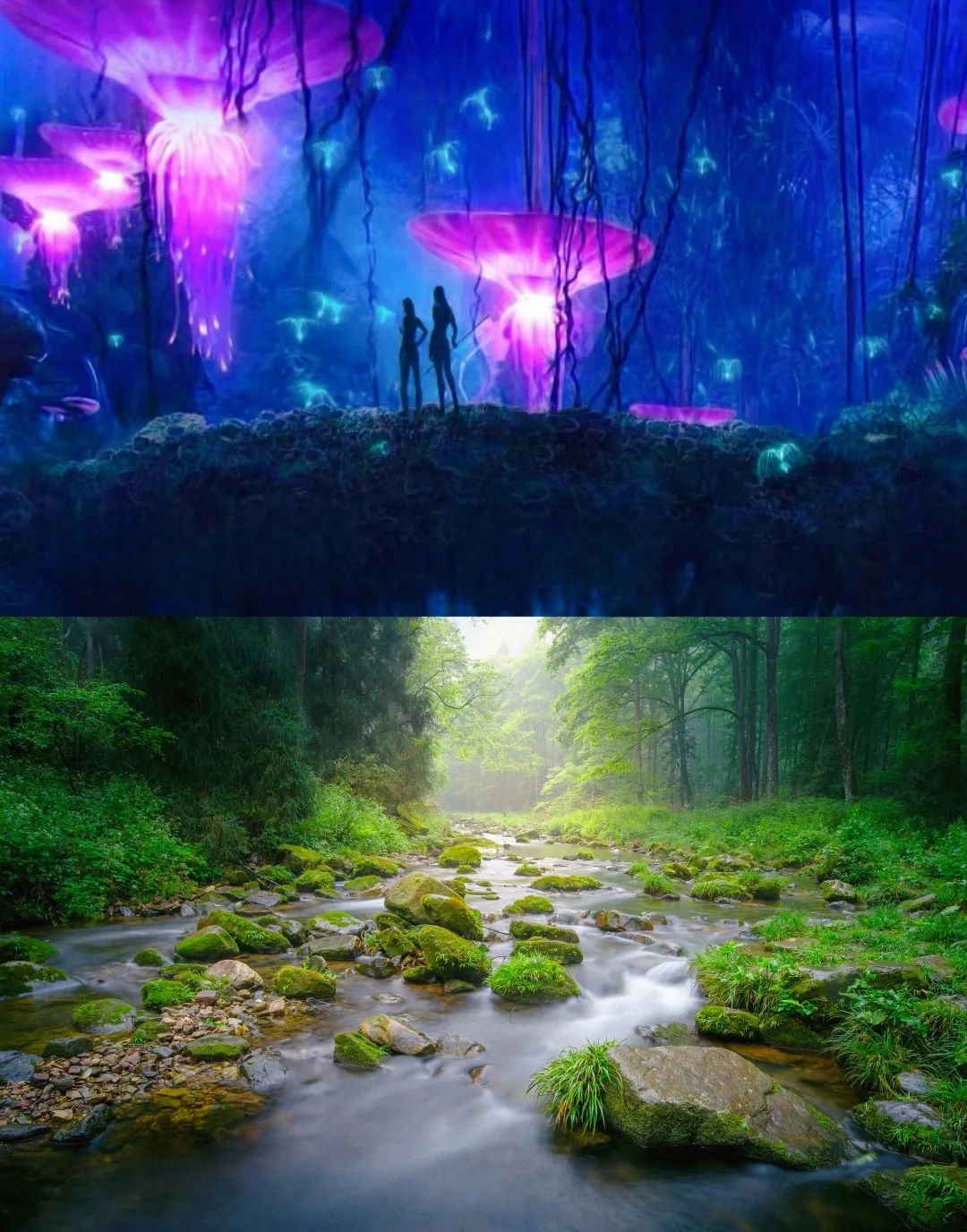
- Pugu Creek – A Tropical Rainforest in the City: Located near the South Gate, Pugu is the essence of Baiyun Mountain. Here, streams flow gently, trees provide ample shade, and the area boasts extremely high levels of negative ions, creating a wild and natural atmosphere. Walking along the boardwalk upstream, listening to birdsong and insect chirps, feels like instantly transporting you to a tropical rainforest – a natural air conditioner for escaping the summer heat.
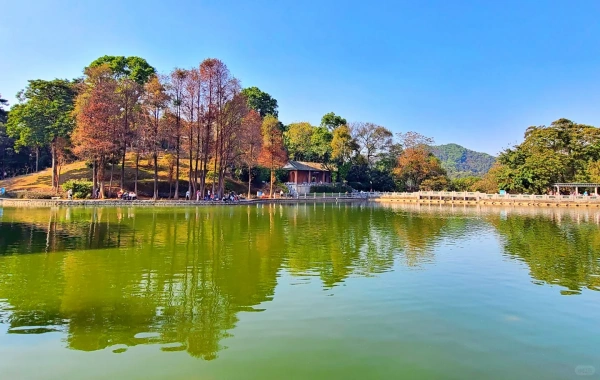
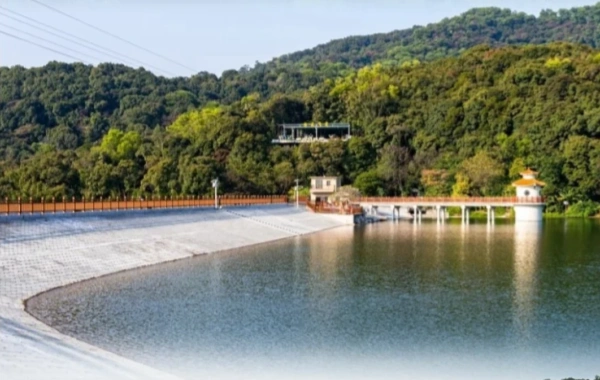
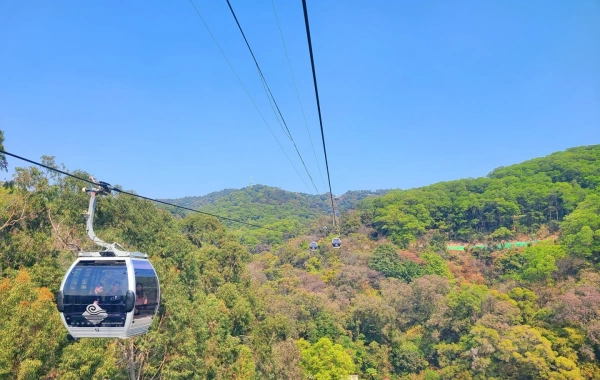
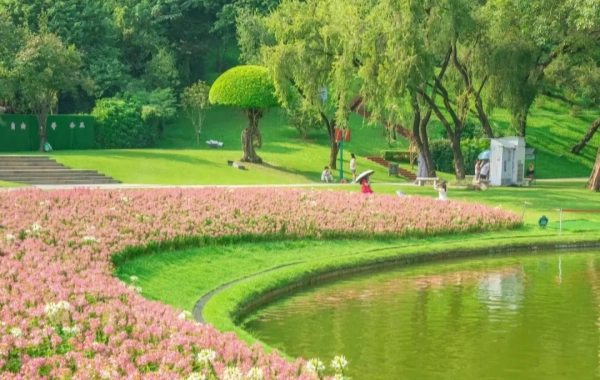
- A vibrant plant kingdom in all four seasons: Baiyun Mountain boasts a complete three-dimensional ecosystem, with over 1485 plant species growing from the Masson pine forests on the mountaintop to the subtropical rainforests in the valleys. In autumn, the bald cypress forests around Huangpodong Reservoir are ablaze with color, resembling fire and sunset; in Plum Blossom Valley, water lilies bloom in summer as beautifully as a Monet painting, while winter brings plum blossoms that bravely brave the snow. The newly built Yunxi and Yunluo Botanical Gardens are science education paradises for plant lovers and families with children.
Humanistic Ingenuity: Stone Carvings, Ancient Temples and Garden Art
A thousand years of cultural heritage has imbued this green mountain with an immortal soul.
- Nengren Temple and Buddhist Heritage: Located on the mountainside, Nengren Temple was first built during the Daoguang period of the Qing Dynasty and is the largest existing Buddhist temple in Baiyun Mountain. The temple's main hall, Ciyun Hall, and other buildings are antique and elegant, with incense burning continuously, adding a touch of tranquility and solemnity to the verdant mountains.
- Stele Forest and Cliff Inscriptions—An Epic on Stone: The Guangzhou Stele Forest houses nearly three hundred steles, bringing together poems praising Guangzhou from Su Shi's "Pujian Temple" to those by famous figures throughout history. It is a treasure trove of Lingnan calligraphy and literature. Scattered throughout the mountains are historical traces such as Liu Yongfu's "Tiger" cliff inscription, which is awe-inspiring.
- A Paragon of Lingnan Gardens – Mountain Villa Inn: This inn, nestled in the mountains, was originally Yuexi Temple, built by descendants of Su Dongpo, a literary giant of the Northern Song Dynasty. Later, it was redesigned and renovated by the master architect Mo Bozhi. It perfectly blends modern Lingnan gardens with natural landscapes, featuring winding corridors and flowing water, offering picturesque views at every turn. Having hosted numerous distinguished guests from home and abroad, it is considered a "State Guesthouse of Southern Guangdong," showcasing the pinnacle of Lingnan architectural art.
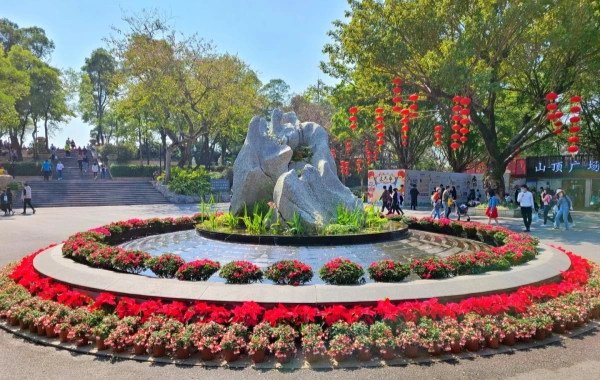
- Modern Public Art Space – Sculpture Park: As the first sculpture-themed park in the country, it combines 460,000 square meters of gardens with sculptural art. From the "Xian Xinghai" statue to the "Huaxia Pillar," modern art and Lingnan style collide and converse here, infusing the natural landscape with the spirit of the times.
Photography Tips:
Classic panoramic viewpoint: Moxingling Viewpoint, offering panoramic views of Guangzhou and the winding Pearl River, especially magnificent at sunrise and sunset.
Natural scenery photo spots:
1. The 520-meter lakeside boardwalk around Huangpodong Reservoir: an excellent spot for photographing the stunning reflections of bald cypress trees in the water during autumn.
2. Pugu Boardwalk: Utilize streams, moss, and trees to create stunning forest-themed photos that exude a sense of tranquility and oxygen.
3. Maji Ridge: Wait at dusk to capture the most beautiful sunset in Guangzhou and watch the afterglow gild the city skyline.
Scenic spots with a humanistic atmosphere: The courtyards and windows of the mountain resort, and the red walls and green tiles of Nengren Temple are all ideal scenes for shooting ancient-style scenes.