Humanistic Collection - Lingnan Stories Across Time and Space
The collections of the Guangdong Provincial Museum are a history of Lingnan told through tangible objects.
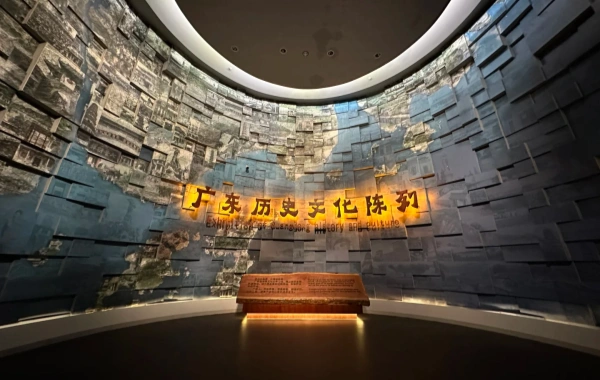
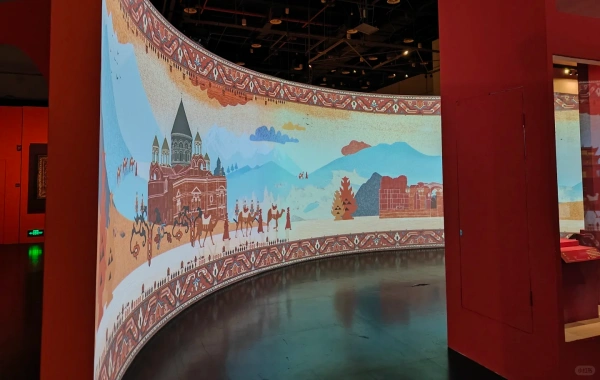
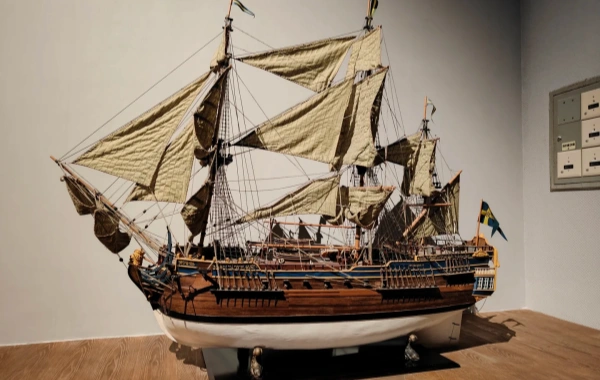
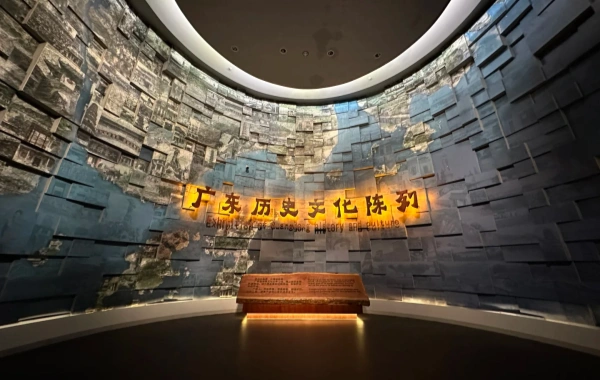
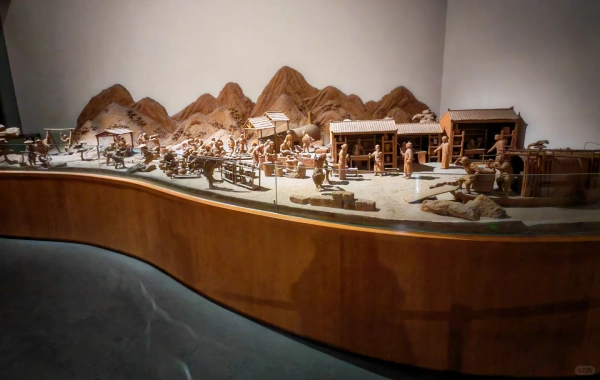
"Guangdong Historical Culture Exhibition" (Fourth Floor): This is a must-see for anyone interested in the history and culture of Lingnan. The exhibition is not merely a collection of artifacts; instead, it constructs a vast narrative space through chapters such as "The Origin of Southern Yue", "Sailing to the World", "Continuing the Legacy", and "The Flames of Guangdong's Frontiers". Here, you can see the Song Dynasty gold-plated belt that witnessed the prosperity of the Maritime Silk Road, the Han Dynasty pottery house full of life气息, and the Qing Dynasty "Thirteen Guilds" export paintings symbolizing the commercial spirit of Guangfu. The exhibition skillfully uses scene reconstruction and multimedia interaction, allowing visitors to feel as if they are strolling through the long river of history.
Art Special Exhibition Hall (Third Floor): Focusing on the pinnacle beauty of Lingnan handicrafts.
- Purple Stone Splendor - Enduring Stone Penetrating Art Exhibition: This showcases a collection of famous stone carvings from various dynasties, ranging from the simplicity of the Tang Dynasty to the complexity of the Qing Dynasty. Within these small spaces, one can appreciate the profound Chinese artistic spirit. The lighting design is excellent, allowing for a clear view of the natural beauty of the stone patterns such as blue and white, fish brain frost, and rouge bloom.
- Wood and Lacquer Essence - Chaozhou Wood Carving Art Exhibition: Entering the exhibition hall, one is immediately surrounded by magnificent and intricately hollowed wood carvings. From altars, screens to serving boxes, the meticulously crafted lobster and crab baskets, and opera figures vividly demonstrate the customs of the people of Chaoshan in revering deities and ancestors, as well as their extreme meticulousness as artisans. It is recommended to look for works with "multi-layer hollowed-out carvings" to experience their extraordinary craftsmanship.
- Earth and Fire Art - Chinese Ceramics Exhibition: This traces the development history of Chinese ceramics, featuring local Guangdong specialties such as pottery sculptures from Shiwang Kiln and the splendid porcelain of Guangcai. One can compare and appreciate the subtlety of the monochrome glaze of the Song Dynasty with the intensity of the Guangcai of the Qing Dynasty, experiencing the traces of the integration of Chinese and Western cultures.
Temporary Special Exhibition (First and Second Floor Exhibition Halls): The Source of the Museum's Vitality. The themes are diverse and of high quality, making it an important reason for attracting visitors to return repeatedly. (Note: For exhibition information, please always refer to the official website or WeChat public account.)
Architectural Ingenuity - The Concealment and Exposure of "The Moonlight Treasure Box"
The museum building itself is the first exhibit.
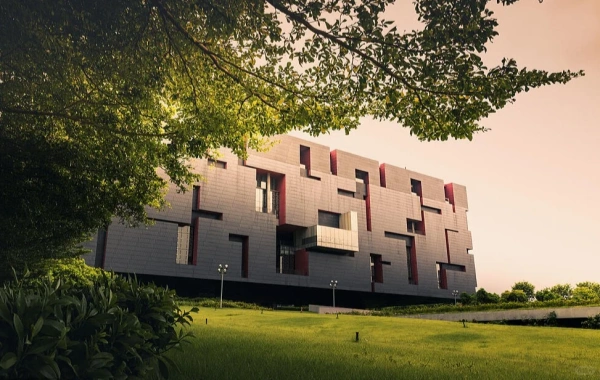
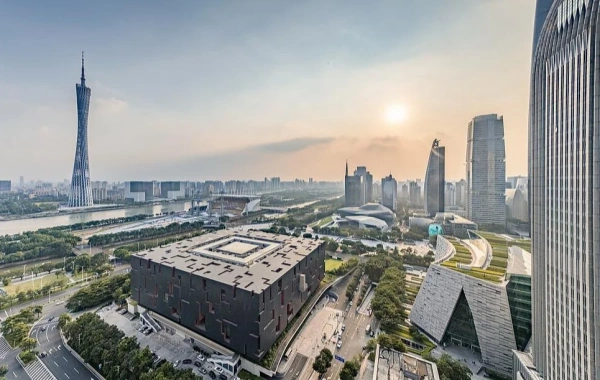
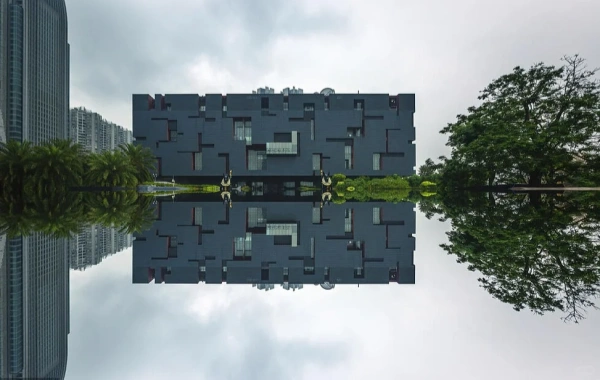
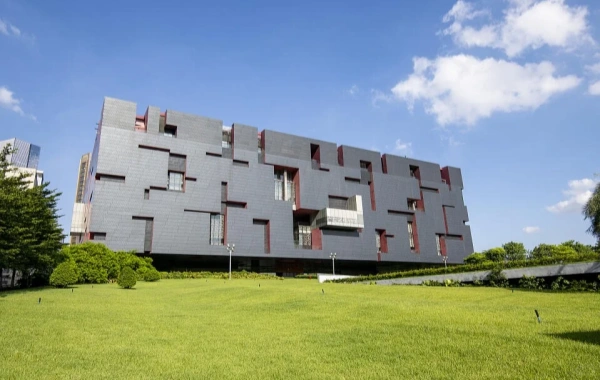
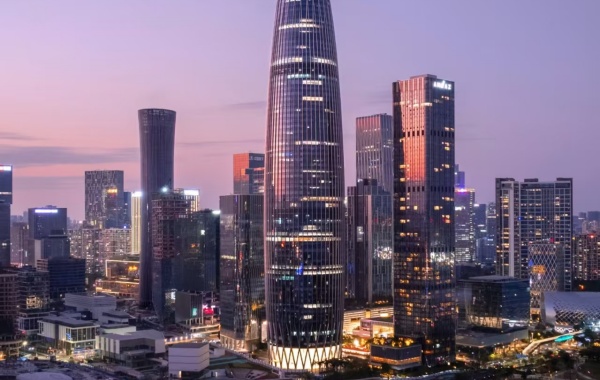
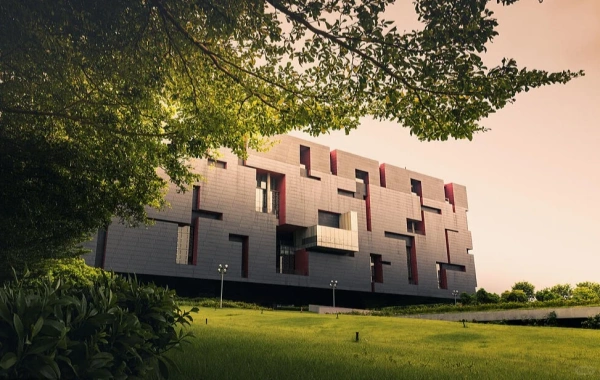
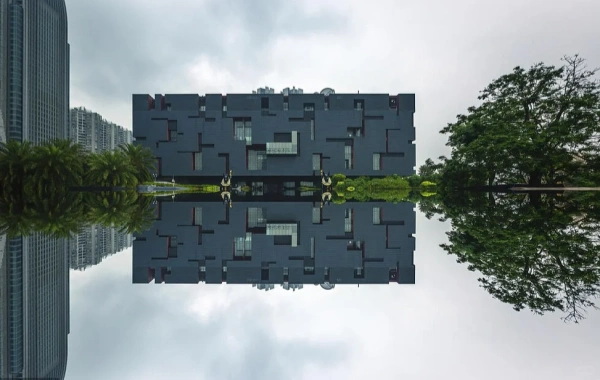
- "The Moonlight Treasure Box" exterior: Designed by the Hong Kong Xu Li Yan Architectural Firm. The huge square volume has an outer layer made of dark gray stone, with traditional Chinese patterns engraved on it, symbolizing "concealing treasures"; the interior is a transparent glass atrium, symbolizing "exposing treasures". The scenes during the day and at night are completely different: during the day, it is solemn and mysterious; at night, light shines through the engraved patterns, and the entire treasure box is crystal clear, serving as a highlight of the night scene in Jinjiu New Town.
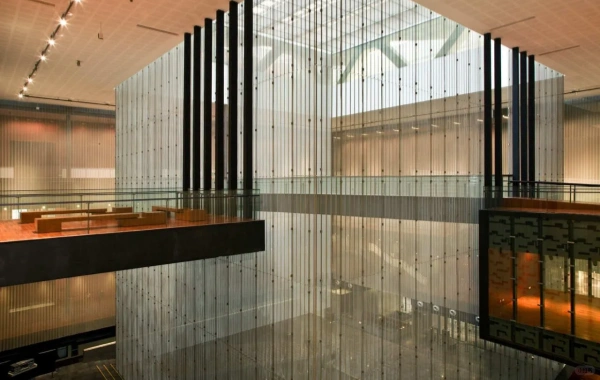
- The "Historical Canyon" in the atrium: Entering the museum, the huge atrium of 30 meters in height is astonishing. The intersecting ascending corridors and sky platforms seem like trails in a canyon, creating a strong sense of spatial depth and ritualism. This is an excellent place to capture the beauty of the architectural structure.
- The concept of "concealment and exposure" of the "treasure box": The entire visiting flow line unfolds around the atrium, and the exhibition halls are embedded within it like a box. This design not only ensures the stability of the exhibition environment but also allows visitors to return to the bright and open modern public space (the atrium) while moving through different historical time periods (exhibition halls), forming an interesting dialogue between the past and the present.
Photography Tips:
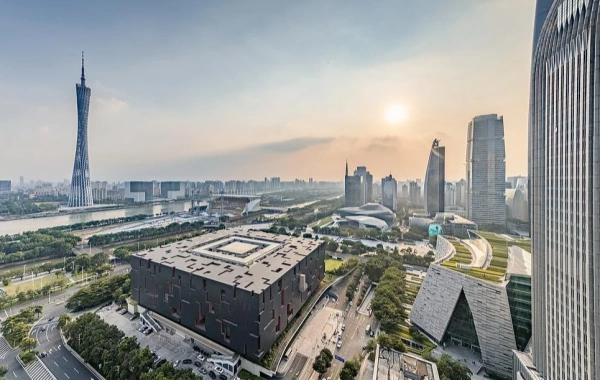
The best shooting position is at the Flower City Square on the west side of the museum, where you can include the "Moonlight Box", Guangzhou Tower, and the East and West Towers in the frame;
Taking an overhead shot of the atrium will yield a highly impactful geometric composition;
The third-floor mezzanine platform is the ideal spot for capturing the panoramic view of the "Historical Canyon" in the atrium;
When shooting the details of the cultural relics, please turn off the flash in the exhibition hall to make use of the soft light there.