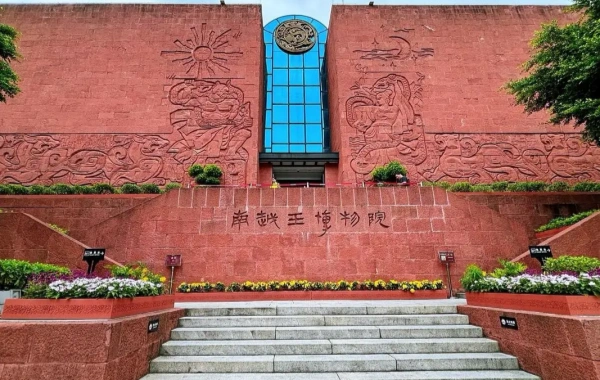
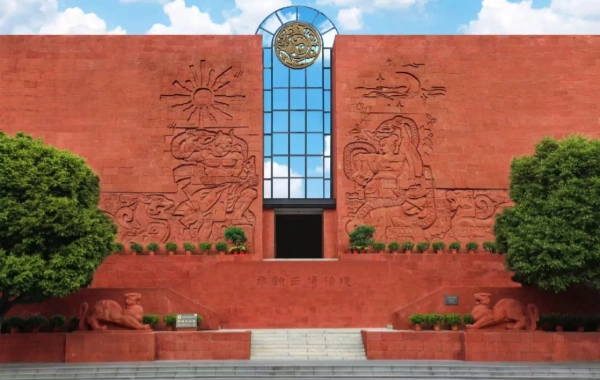
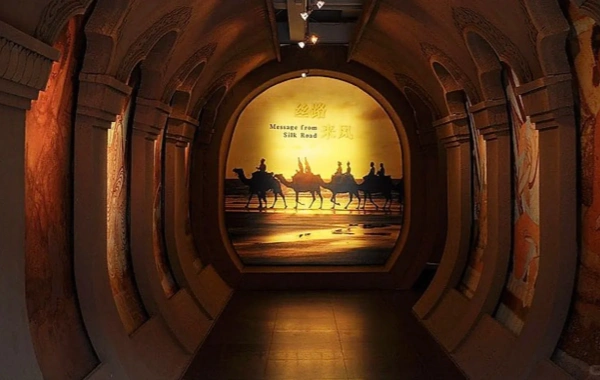
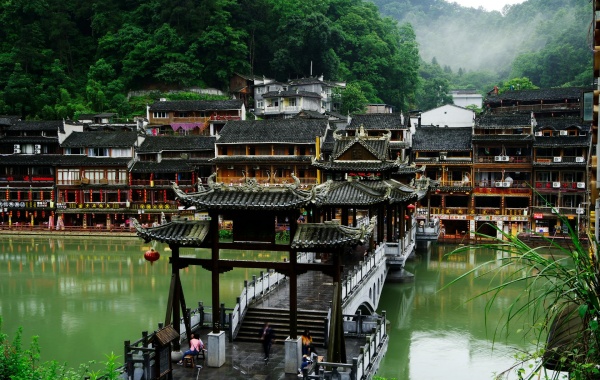
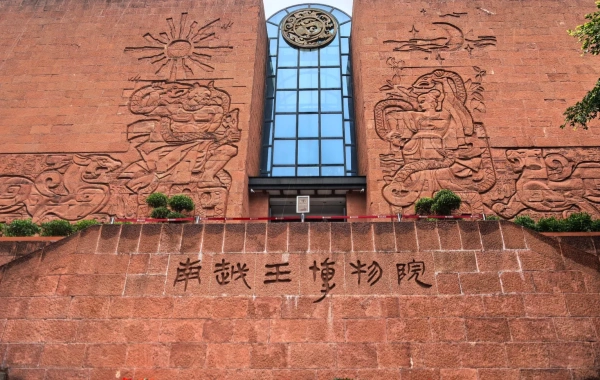
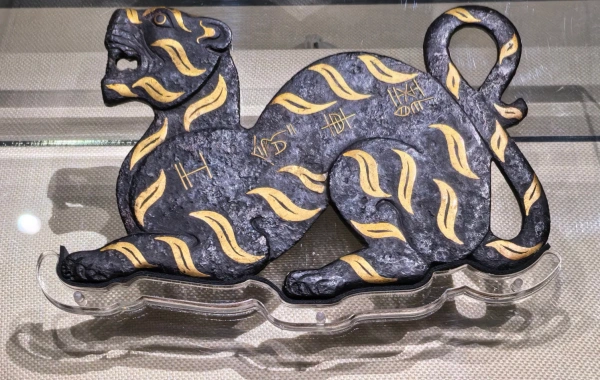
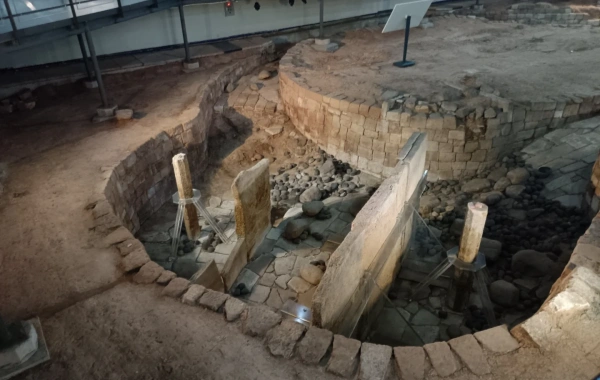
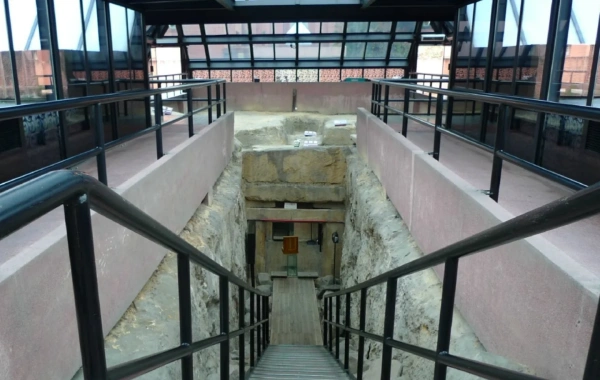
The remarkable aspect of the Museum of the Former King of Nanyue lies in the fact that it presents "dual authenticity": one is the original site where historical events took place, and the other is the authenticity of the splendid artifacts of the civilization. Visiting the museum is like conducting an archaeological excavation, with secrets gradually being unveiled layer by layer.
The Heritage Creation - Breathing History at the "Scene"
The core wonder here is not the cold display cases, but the physical space where the historical events took place itself.
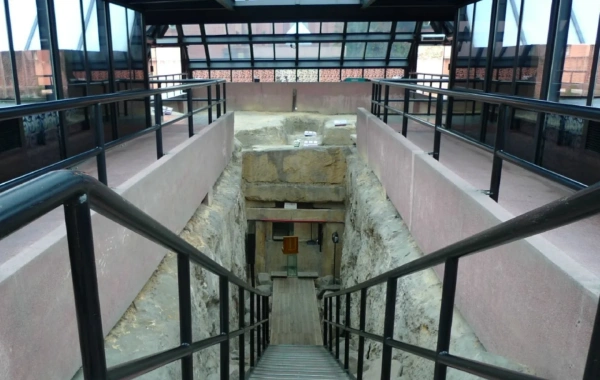
Exploring the Tomb of the King (Core of the Tomb Exhibition Area): Along the sinking tomb passage, step into the cool stone chamber site of the original tomb. This is the soul of the museum experience. You can see the structure of the tomb chamber divided into seven rooms, imagine the placement of the coffin and tens of thousands of precious items, and feel the grand idea of the ancient emperor "living as if dead". Standing in it, history is within reach.
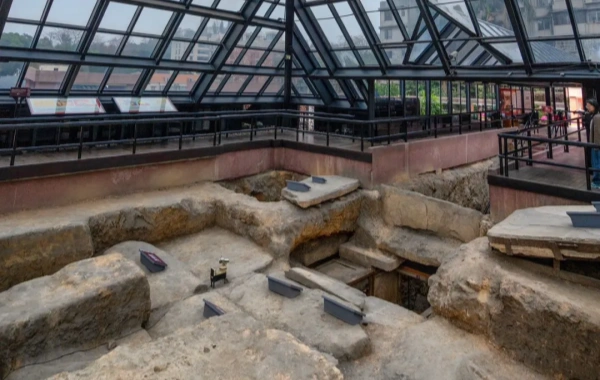
Strolling in the Palace Garden (Core of the Palace Exhibition Area): In the palace exhibition area, you will step onto the ground of China's earliest royal garden. The core is the "Curved Stream and Stone Channel" site - a winding stone channel that once diverted water into a stream, embellished with pavilions and terraces. Two thousand years ago, the Nanzhao royal family enjoyed the scenery and hunted here. Even more wonderfully, you can walk on the top floor of the protected exhibition hall, where there is a curving stone channel restored in its original form, with small bridges, stepping stones and green plants, allowing you to instantly travel through time and experience the rudimentary style of the southern garden.
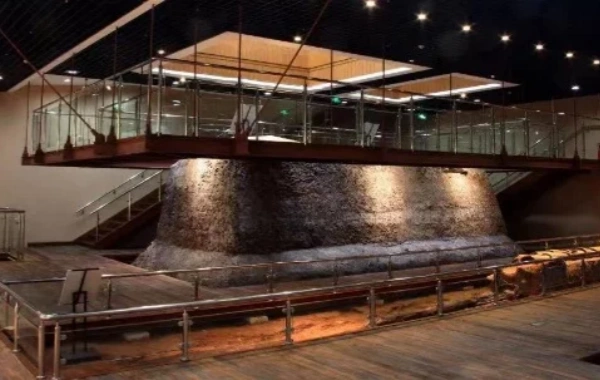
Archaeological Texts of the Strata (Palace Exhibition Area): Here is a stunning "Archaeological Stratum Key Column", which is like a huge multi-layered cake, clearly presenting the cultural accumulation layers of 13 historical periods from the Qin and Han dynasties, the Three Kingdoms, the Jin Dynasty, the Tang Dynasty, the Song Dynasty, the Yuan Dynasty, the Ming Dynasty, the Qing Dynasty to the Republic of China. The 2200-year history of the unchanging city center of Guangzhou has thus become a visual epic at a glance.
Humanistic Craftsmanship - Civilizational Dialogue Amongst the Treasures
The unearthed precious items serve as the key to understanding the cultural integration characteristics of the Nanzhao Kingdom.
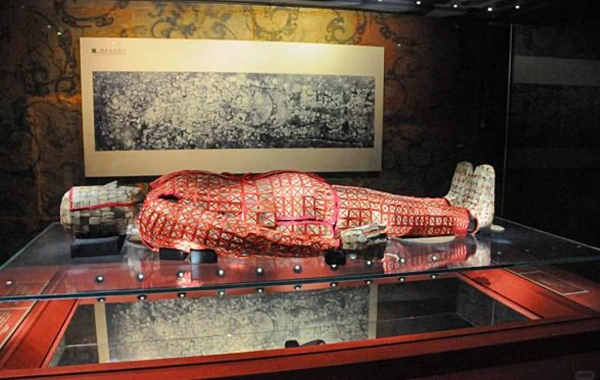
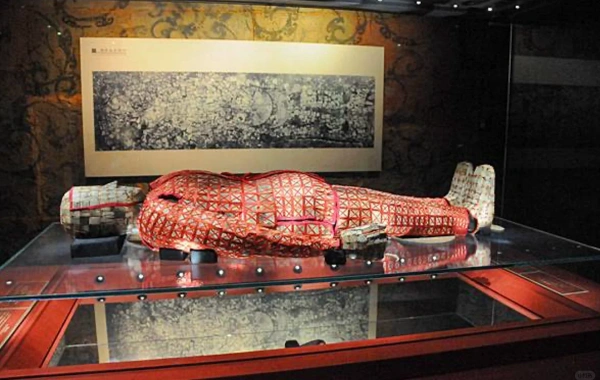
The silk-thread jade suit: This is undoubtedly the most prestigious treasure of the museum. Unlike the common gold-thread and silver-thread jade suits found in the Central Plains, this jade suit specially made for Zhao Zhi was made by threading jade pieces with silk threads. It is the earliest and most complete silk-thread jade suit ever discovered in China, with unique Lingnan characteristics.
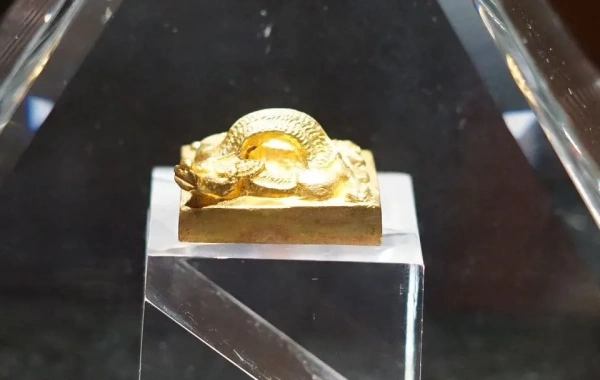
"The Emperor Wen's Seal": This is the first imperial seal unearthed in Chinese archaeological excavations. It breaks the record that "all imperial seals in the Qin and Han dynasties had chimeral or tiger-shaped buttons and were made of jade". With a dragon-shaped button and made of gold, it is a tangible evidence of the Nanzhao Kingdom's usurpation of the throne and is also a distinctive manifestation of its "following the imperial model of the capital".
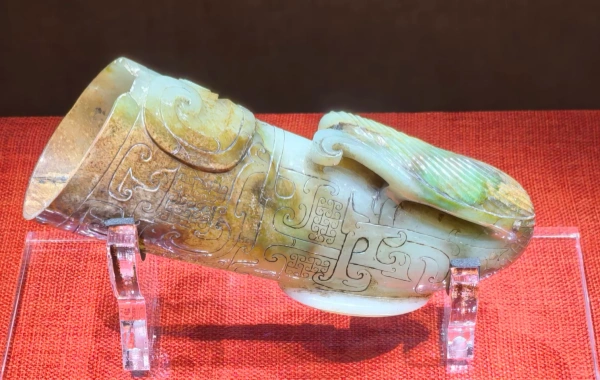
The dragon-shaped jade cup and the glazed brick: One is a fine jade cup with a pointed shape, carved from precious materials from the Western Regions, with exquisite craftsmanship. The other is a flat glass plaque decoration, whose composition suggests possible connections with overseas trade. Together, they witness the history of the Nanzhao Kingdom's location on the coast of the South China Sea and its early interactions with the overseas world, and are important physical evidence of the emergence of the Maritime Silk Road.
"The First Scroll from Lingnan": Among the more than one hundred wooden scrolls unearthed from the Nanzhao palace site, they are the earliest bamboo and silk documents in the Lingnan region. The content covers law and administration, and are irreplaceable first-hand archives for studying the political system of the Nanzhao Kingdom, of great value.
Tour Tips:
Visiting Flowchart for the Tomb Exhibition Area: It is recommended to visit the "Treasures from Nanzhao" exhibition on the second or third floor first. After gaining an understanding of the precious artifacts and history, then proceed to enter the original tomb chamber to have a deeper experience.
Key Points for Visiting the Palace Exhibition Area: Apart from the curved stone channels, do not miss the "Ancient Well Museum". The relics of wells from the Qin and Han dynasties to the Republic of China vividly demonstrate the survival wisdom of the ancient Guangzhou people.
Related Visits: Although the two exhibition areas are separate, their contents are integrated. Visiting the tomb allows you to explore the "afterlife" and luxurious burial items, while visiting the palace enables you to experience the "life before" and the political center. Combining the visits will provide a comprehensive understanding.
Special Exhibition Notes: The museum often holds high-quality temporary special exhibitions, such as "Prince, Son-in-law, King: The Ming King of Nanzhao and His Era", etc. You can choose to watch them based on your itinerary.