Lingyin Temple: A Pilgrimage from the Place Where the Vulture Peak Flies to the Ancestral Temple of a Thousand-Year-Old Zen Buddhism

Lingyin Temple: A Pilgrimage from the Place Where the Vulture Peak Flies to the Ancestral Temple of a Thousand-Year-Old Zen Buddhism

Overview: A Buddhist paradise nestled between lakes and mountains.
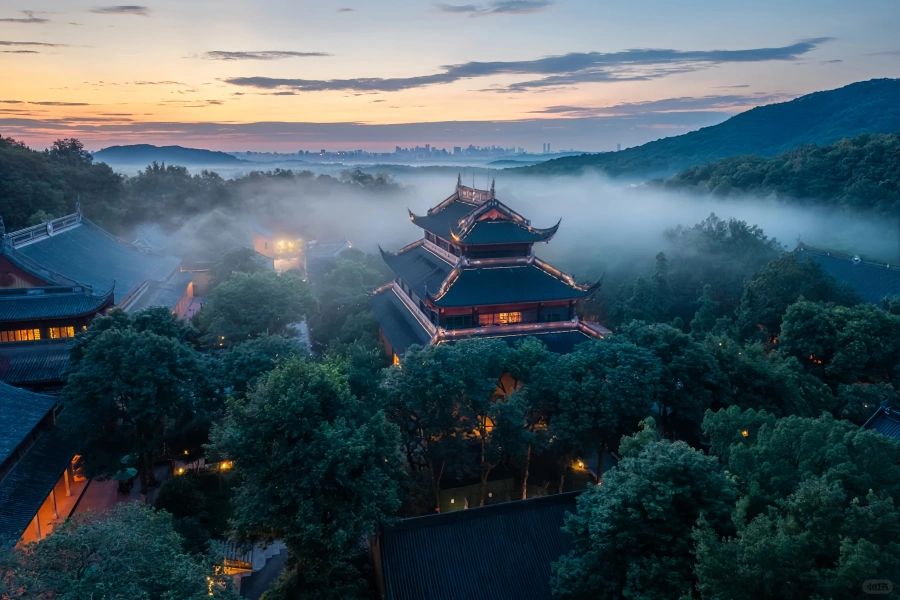
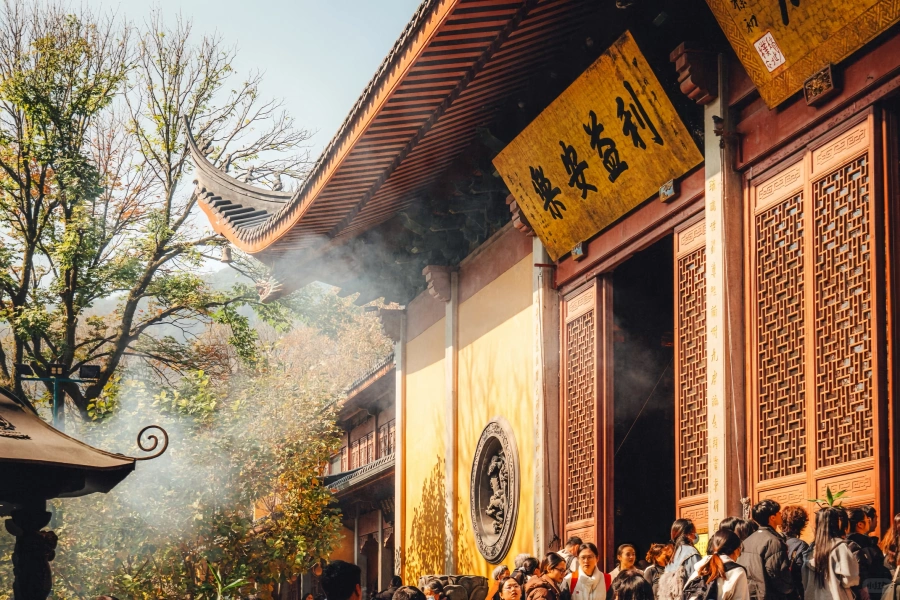
Lingyin Temple, nestled against North Peak and facing Feilai Peak, is a Buddhist holy site covering approximately 257 acres. It is not an ordinary temple for worshippers, but one of the ten ancient temples of the Chan (Zen) school of Chinese Buddhism, with a history of nearly 1700 years.

Key Highlights at a Glance
Identity Tags: First Buddhist Temple of Jiangnan / Place where Ji Gong became a monk / Treasure Trove of Chinese Buddhist Art
Core experiences: Paying homage to Buddha and making wishes, viewing the statues at Feilai Peak, tasting Lingyin Zen tea, and experiencing the morning bell and evening drum.
Recommended visit duration: half a day to one day. 
Address: No. 1, Fayun Lane, Lingyin Road, Xihu District, Hangzhou City, Zhejiang Province

  • Lingyin Temple: A Pilgrimage from the Place Where the Vulture Peak Flies to the Ancestral Temple of a Thousand-Year-Old Zen Buddhism-1
  • Lingyin Temple: A Pilgrimage from the Place Where the Vulture Peak Flies to the Ancestral Temple of a Thousand-Year-Old Zen Buddhism-2
  • Lingyin Temple: A Pilgrimage from the Place Where the Vulture Peak Flies to the Ancestral Temple of a Thousand-Year-Old Zen Buddhism-3
  • Lingyin Temple: A Pilgrimage from the Place Where the Vulture Peak Flies to the Ancestral Temple of a Thousand-Year-Old Zen Buddhism-4

Origin: The Arrival of Vulture Peak in the East and the Emperor's Protection

Furong Ancient Town

The Arrival of the Vulture Peak – The Founding Legend of Master Huili
The name "Lingyin" originates from a mystical founding story. In the first year of the Xianhe era of the Eastern Jin Dynasty (326 AD), the Indian monk Huili traveled to the northwest of West Lake in Hangzhou. When he saw a rugged and beautiful stone peak before him, he exclaimed in surprise, "This is a small ridge of Vulture Peak in Central India. I wonder how it flew here? In the Buddha's time, it was often a place where immortals and spirits hid." —In other words, this mountain peak was part of Vulture Peak in India, and it had flown here at some unknown time, presumably a place where immortals and spirits resided. Therefore, he built a temple there, naming it "Lingyin," and the mountain peak in front of the temple was named "Feilai Peak" (Flying Peak). This legend of "Vulture Peak coming from the East" established the ethereal and mysterious tone of Lingyin Temple.

A Thousand Years of Rise and Fall: From Zen Monastery to Royal Temple
The history of Lingyin Temple is an epic of vicissitudes, rising and falling with the times, repeatedly destroyed and rebuilt:
Origins and Early Prosperity (Eastern Jin to Sui and Tang Dynasties): After Huili built the temple, Lingyin Temple gradually became a popular place of worship. During the Tang Dynasty, Lu Yu, the Tea Sage, praised it in his "Record of Lingyin Temple" as having "a tower overlooking the sea at sunrise, and a gate facing the Zhejiang tide," which shows its prosperity.
It flourished during the Wu-Yue period (Five Dynasties and Ten Kingdoms): King Qian Chu of Wu-Yue was a devout Buddhist and vigorously expanded Lingyin Temple, adding more than 1,300 halls and rooms and more than 3,000 monks, reaching a grand scale of "nine towers, eighteen pavilions, and seventy-two halls", making it a major temple in Jiangnan.
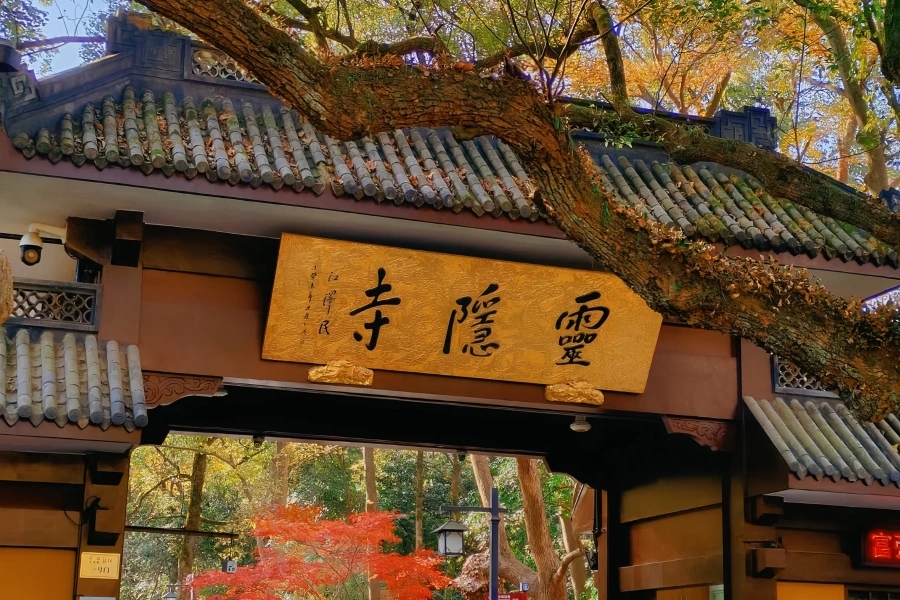
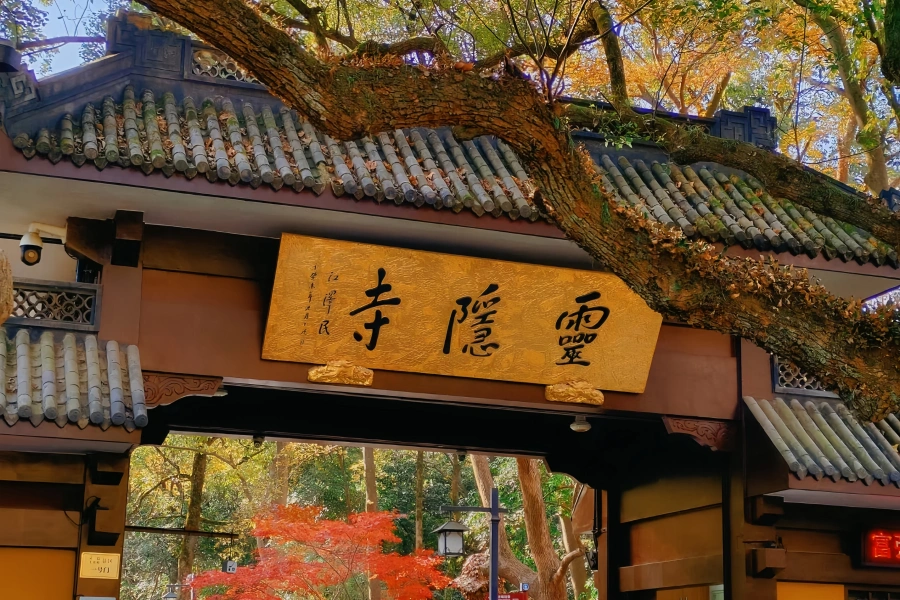
Calamities and Rebirths (Song, Yuan, Ming, and Qing Dynasties): Lingyin Temple was destroyed by fire and war multiple times throughout history, with its reconstruction during the Southern Song Dynasty and its comprehensive renovation during the reign of Emperor Kangxi of the Qing Dynasty being particularly significant. Emperor Kangxi bestowed the name "Yunlin Temple" upon it during his southern tour; although this name is elegant, it is still commonly known as Lingyin Temple by the common people.
Contemporary Revival (1949 to present): After the founding of the People's Republic of China, the temple underwent several protective renovations. Its current layout is largely the result of reconstructions since the late Qing Dynasty, but the spirit of the temple remains, and its incense continues to burn brightly, making it one of Hangzhou's most important cultural landmarks.

In-depth understanding: Explore more famous Buddhist mountains and ancient temples in China >> [Mount Wutai, Shanxi: The Bodhimanda of Manjushri Bodhisattva] | [Jokhang Temple, Tibet: A Holy Site of Tibetan Buddhism]

Must-see wonders: A symphony of natural wonder and human ingenuity

Furong Ancient Town Furong Ancient Town Furong Ancient Town Furong Ancient Town

Nature's Creation—The Zen-like Barrier of Feilai Peak
The most remarkable natural wonder of Lingyin Temple is Feilai Peak in front of the temple. Although it is only 168 meters above sea level, it is characterized by its strangely shaped rocks, numerous caves, and towering ancient trees, forming a natural "screen wall" and a place for spiritual practice for Lingyin Temple.

Rugged rocks and deep caves: Over millions of years, the limestone formations of Feilai Peak have been eroded, creating a fantastical and ever-changing karst landscape. Notable caves include Qinglin Cave (Tiger Cave), Yuru Cave, Longhong Cave, and Shexu Cave (A Line of Sky). Walking through these caves is cool and tranquil, with cliff carvings from various dynasties covering the stone walls, as if stepping into an open-air geological and art museum.
Cold Spring and Clear Stream: At the foot of the mountain flows a cold spring with clear, cool water. The "Cold Spring Pavilion" was built in the Tang Dynasty, and Bai Juyi once wrote "Record of Cold Spring Pavilion" praising it: "Among the mountains and waters of the southeast, those of Yuhang County are the best. Speaking of the county, Lingyin Temple is the most outstanding." Sitting in the pavilion, listening to the spring and watching the fish, is the best way to experience the ancient people's joy in nature.

Humanistic Ingenuity: A Millennium of Heritage in Palaces, Statues, and Calligraphy
The cultural treasures of Lingyin Temple are the essence of its Buddhist art and architecture accumulated over a thousand years.

Core Hall – Solemn Dharma Images on the Central Axis
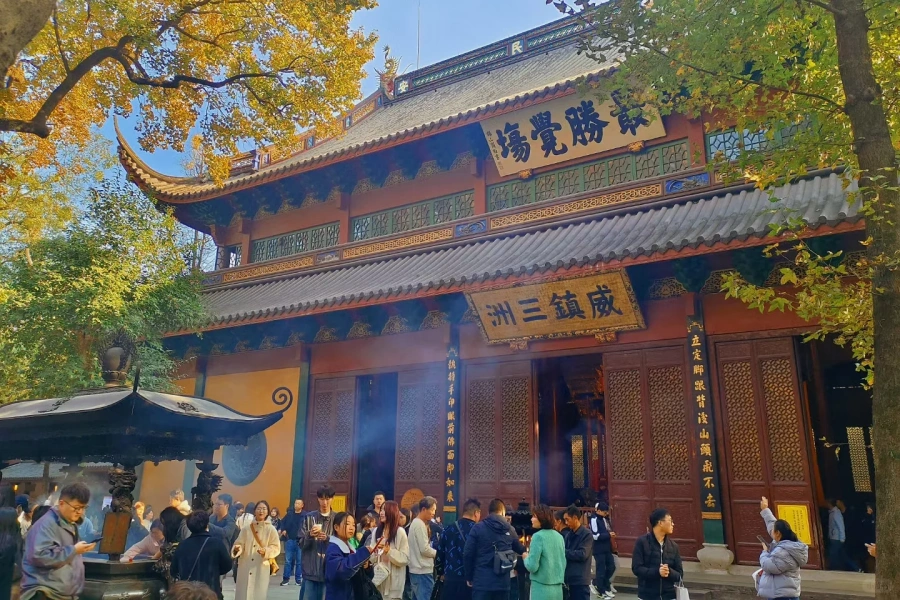
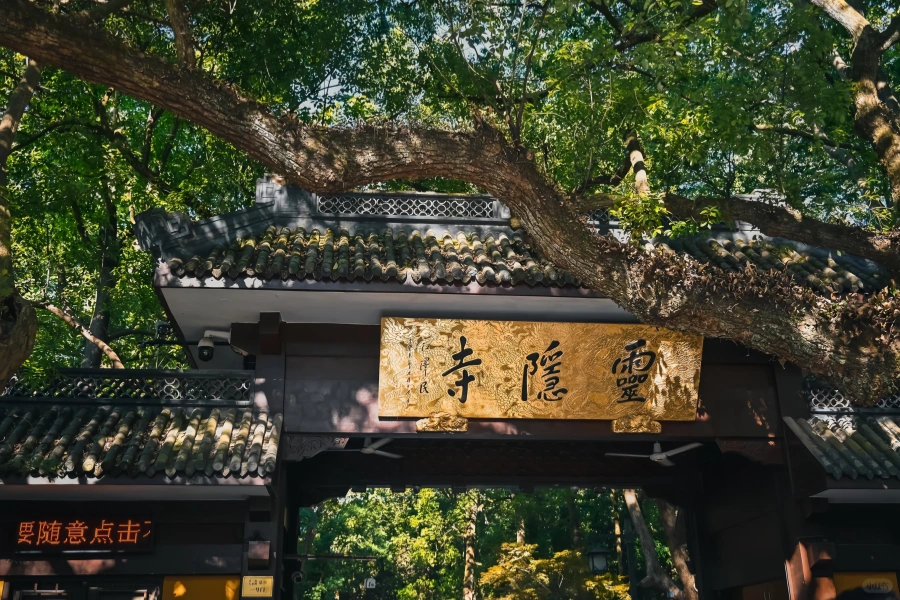
1. Hall of Heavenly Kings: The first hall at the entrance, with the plaque bearing the inscription "Yunlin Temple" written by Emperor Kangxi. Inside the hall is a Maitreya Buddha with his chest and belly exposed, behind which is a statue of Weituo Bodhisattva (carved from a single piece of camphor wood, a relic from the Southern Song Dynasty), and on both sides are the Four Heavenly Kings.
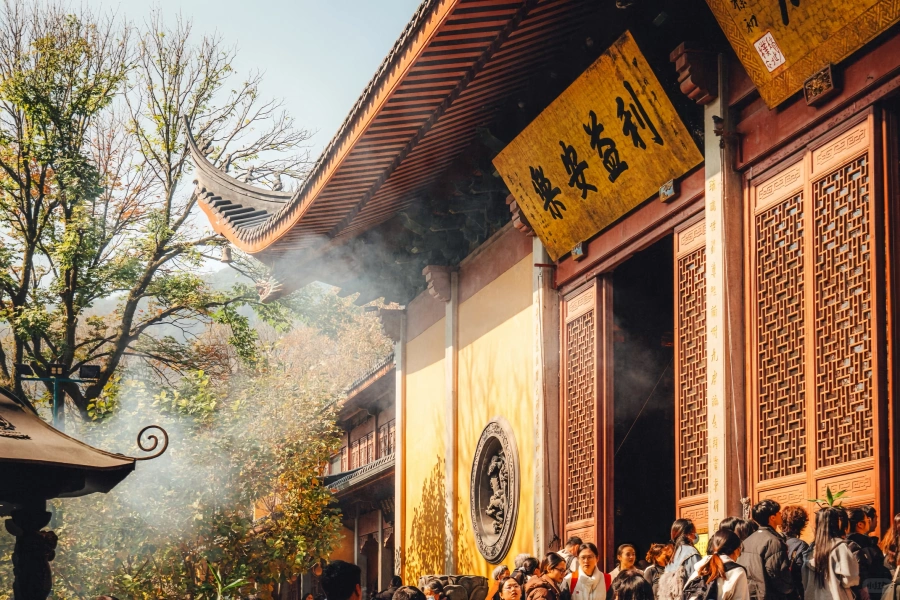
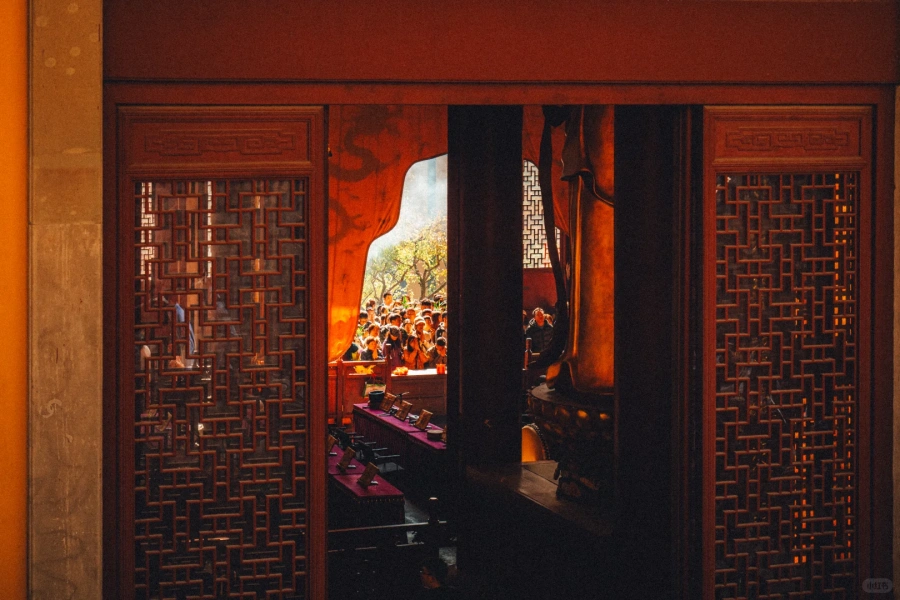
2. The Mahavira Hall: The core of the temple, this single-story, triple-eaved, antique-style building stands 33.6 meters tall, exuding a magnificent aura. Inside, it houses a lotus-seat statue of Shakyamuni Buddha, 19.6 meters high, totaling 24.8 meters with the pedestal. Carved and inlaid with 24 pieces of camphor wood, it is one of the tallest wooden seated Buddha statues in China. The Buddha statue is solemn and compassionate, topped with the Three Sages of Huayan and twenty standing deities. Behind the hall is a lifelike three-dimensional sculpture of Guanyin on an island.
3. Medicine Buddha Hall: Enshrines the Medicine Buddha, the master of the Eastern Pure Land of Lapis Lazuli, for prayers to be made for health and peace.
4. Huayan Hall: Located at the highest point, it enshrines the Three Sages of Huayan (Vairocana Buddha, Manjushri, and Samantabhadra). The wooden wall carvings inside the hall are exquisite.

Feilai Peak Sculptures – A Unique Example of Grotto Art in Jiangnan
Feilai Peak currently contains over 340 cliff carvings dating from the Five Dynasties to the Song and Yuan Dynasties. The Yuan Dynasty Tibetan Buddhist (Sanskrit) sculptures are particularly valuable, making it one of the largest grotto complexes in Han Chinese areas of China. Among them:
The Song Dynasty's Cloth Bag Maitreya: The most representative, with a perpetually smiling face and an endearing appearance, surrounded by eighteen Arhats, vividly depicted.
The Huayan Three Saints, Vairocana Buddha, and Vaisravana, among others, from the Yuan Dynasty, possess unique styles and are treasures for the study of Yuan Dynasty religion and art.

Cultural Relics and Calligraphic Heritage: The temple houses precious cultural relics such as palm-leaf scriptures, a Northern Song Dynasty Burmese jade Buddha, and a Ming Dynasty calligraphy of the Diamond Sutra by Dong Qichang. Literary figures throughout history, such as Bai Juyi, Su Shi, and Yuan Hongdao, have left behind poems and calligraphy here, showcasing its profound cultural heritage.

Photography Tips:
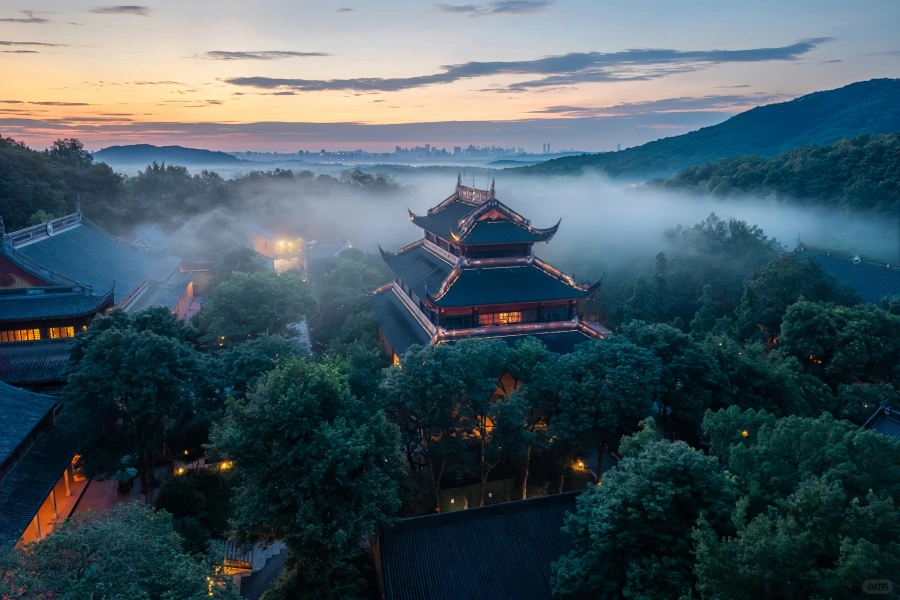
Panoramic shooting positions: From higher platforms within the temple (such as in front of the Huayan Hall) or on Feilai Peak, you can capture the layered scenery of the temple complex and the North Peak.
Close-up of the statues: When photographing the statues at Feilai Peak, especially the Song Dynasty Maitreya statue, it is recommended to use side lighting to bring out its three-dimensionality and vivid expression.
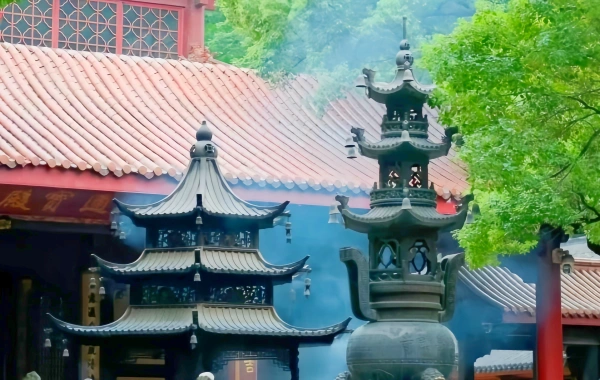
Architectural details: The double eaves and brackets of the main hall, as well as the caisson ceiling inside, are excellent subjects for photography. A wide-angle lens can be used to capture their grandeur.
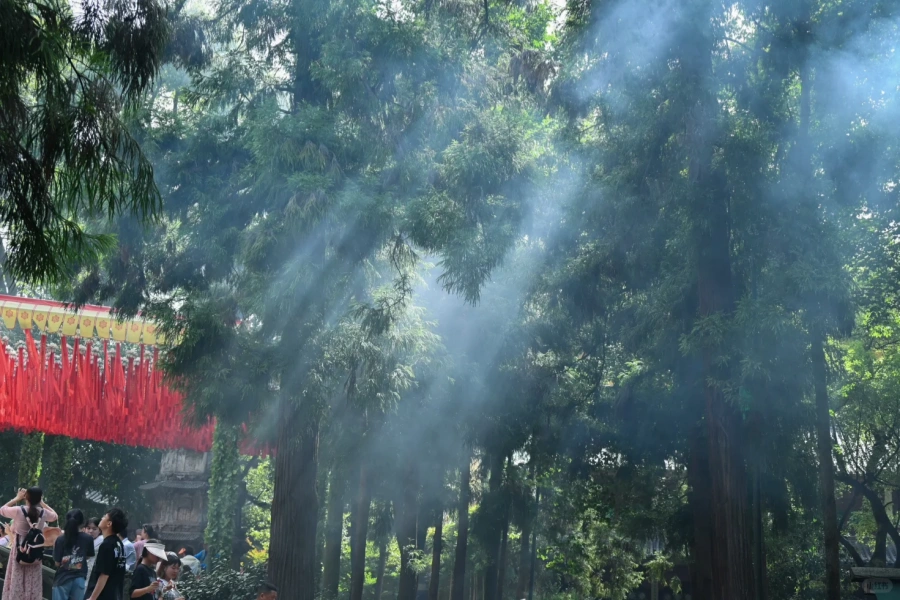
Creating atmosphere: Capture the ambiance of incense burning and mist swirling around in the early morning or after rain, or photograph the tranquil scene of the stream and ancient pavilion at Lengquan Pavilion.

Core Experience: A Guide to Immersive Zen Living

Furong Ancient Town Furong Ancient Town Furong Ancient Town Furong Ancient Town

Five things you must do to unlock the complete Lingyin Temple journey
1. Pay homage to Buddha and pray, experiencing the warmth of a thousand-year-old incense offering.
Location: Devoutly worship before the Shakyamuni Buddha statue in the Mahavira Hall, and pray for health in the Medicine Buddha Hall.
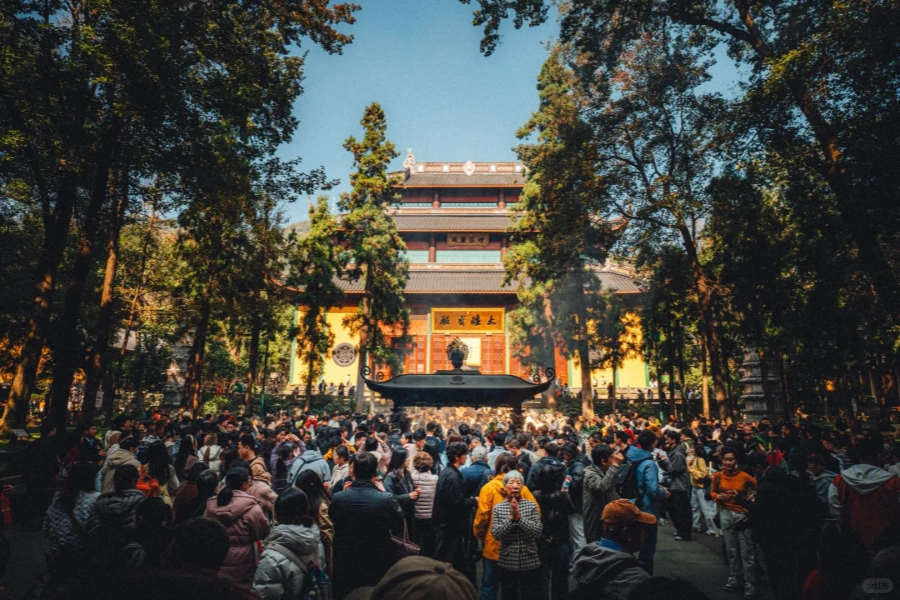
Experience: You can request three sticks of incense and join the monks in their morning prayers (you need to arrive at the temple very early) to experience the solemnity of the chanting.
2. Explore Feilai Peak and admire the grotto art.
Route: After entering from the entrance, first tour along the foot of Feilai Peak, visiting Qinglin Cave, Yuru Cave, and other caves to find exquisite statues from different periods.
Tip: It is recommended to rent an audio guide or hire a guide at the visitor center to learn about the story behind each statue.
3. Enjoy a cup of Lingyin Zen tea.
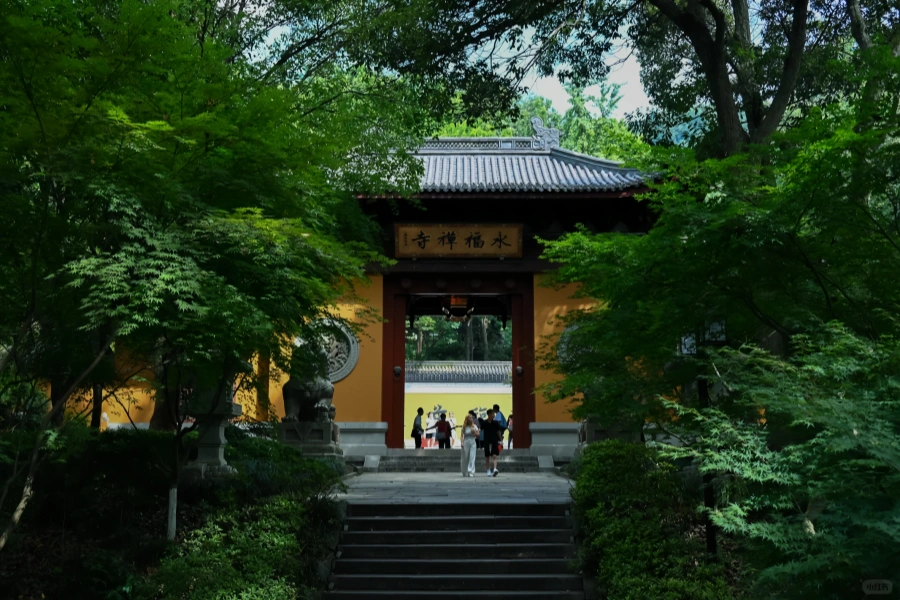
Location: Taoguang Tea House inside the temple or Cibei Coffee Shop near Yongfu Temple (modern Zen style).
Experience: Facing the mountains and forests, savor a cup of Longjing tea or a special Zen tea, and experience the tranquility of "tea and Zen as one".
4. Obtain a consecrated ritual object.
Location: Temple's Buddhist supplies distribution center.
Experience: Purchase a string of blessed Buddhist prayer beads, a peace charm, or a Buddhist scripture scroll as a souvenir and blessing for your journey.
5. Listen quietly to the morning bell and evening drum.
Key point: Lingyin Temple's morning bell and evening drum rituals are extremely ceremonial. If you are not staying overnight, you can arrive half an hour before the temple opens in the morning or closes in the evening to experience the distant and serene atmosphere of the bell and drum echoing among the ancient temples and mountains in a relatively quiet time.

Suggested tour routes
Half-day "Core Buddhist Pilgrimage" tour (suitable for those with limited time):
Arrive before 8:00 AM → Purchase tickets to enter Feilai Peak Scenic Area and quickly tour the main grottoes and statues (approximately 1 hour) → Enter Lingyin Temple and visit the Hall of Heavenly Kings, the Great Buddha Hall, and the Medicine Buddha Hall along the central axis in sequence (approximately 1.5 hours) → Overlook the panoramic view from the Huayan Hall → Enjoy a simple vegetarian meal or tea in the temple → Depart around noon.
IntoTravelChina advises: This tour requires an early start to avoid peak crowds, appropriate attire (avoid short skirts and shorts), and maintaining silence inside the hall.

A one-day "deep Zen" tour (highly recommended):
Morning: A special visit to Feilai Peak, exploring its various caves and carefully observing the stone carvings, followed by a short rest at Lengquan Pavilion (2-2.5 hours). Noon: Enjoy a bowl of authentic vegetarian noodles at Lingyin Temple's Shifangyuan Garden. Afternoon: A thorough tour of Lingyin Temple's various halls, focusing on appreciating the Buddha statues and architectural details of the Mahavira Hall. Afterwards, walk to Yongfu Temple (the first blessed land of Qiantang), just a wall away, to experience its more tranquil and elegant garden-like atmosphere, and take a break at Cibei Coffee. If energy permits, continue climbing to Taoguang Temple (a sacred site encompassing Confucianism, Buddhism, and Taoism), enjoying panoramic views of West Lake.
IntoTravelChina's advantages: We can book the most suitable accommodations for you, arrange all the connections between activities, and provide detailed hiking route maps and safety guidelines.

Professional Guide: IntoTravelChina offers personalized itineraries, including a dedicated guide, transportation, and activity arrangements, ensuring a worry-free and in-depth travel experience. >> [Inquire Now for a Customized Itinerary]

Complete Travel Guide: Transportation, Accommodation, and Seasons

Furong Ancient Town Furong Ancient Town

How to get there: A tranquil monastery hidden in the city
Lingyin Temple is located within the West Lake scenic area, and while it is easily accessible, it is prone to traffic congestion.
Starting from downtown Hangzhou:
Public Transportation (Recommended): Take Metro Line 1 to "Longxiangqiao" Station, then transfer to Bus 7/7W to "Lingyin" Station; or take Metro Line 3 to "Huanglong Sports Center" Station, then transfer to Lingyin Special Line/Bus 505. This is the safest option.
By car/by taxi: Navigate to "Lingyin Temple", but during holidays and weekends, the scenic area implements odd-even license plate restrictions and parking spaces are extremely scarce and expensive. It is strongly not recommended to drive there during peak hours.
Important ticketing reminder: Two tickets are required to enter Lingyin Temple: the first is the Feilai Peak scenic area ticket (approximately 45 yuan), and the second is the Lingyin Temple incense and flower ticket ticket (approximately 30 yuan). Please be sure to purchase the Feilai Peak ticket first, as you can only purchase the temple ticket at the entrance of Lingyin Temple after entering the scenic area.

Best time to visit
Lingyin Temple can be visited in all four seasons, but the climate and scenery are most suitable in spring and autumn.
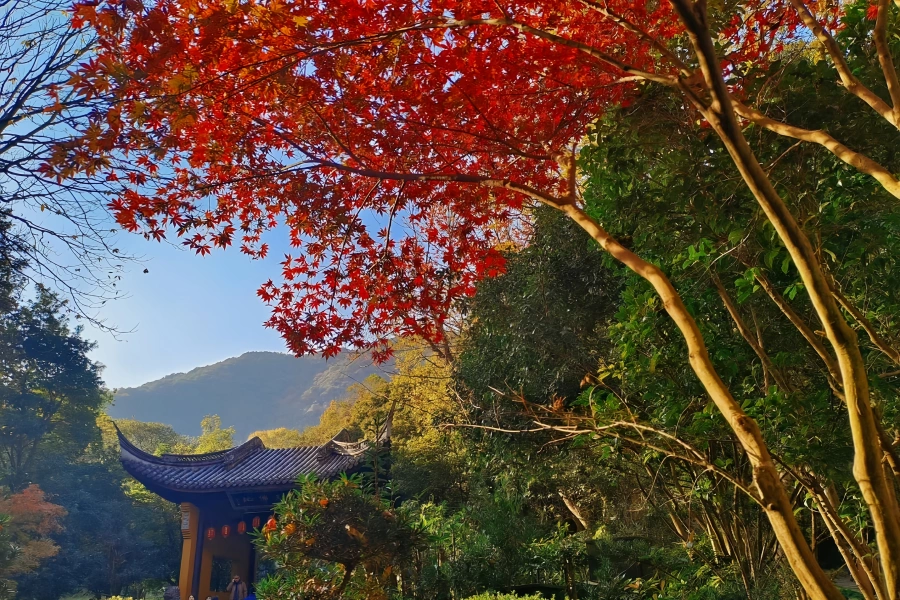
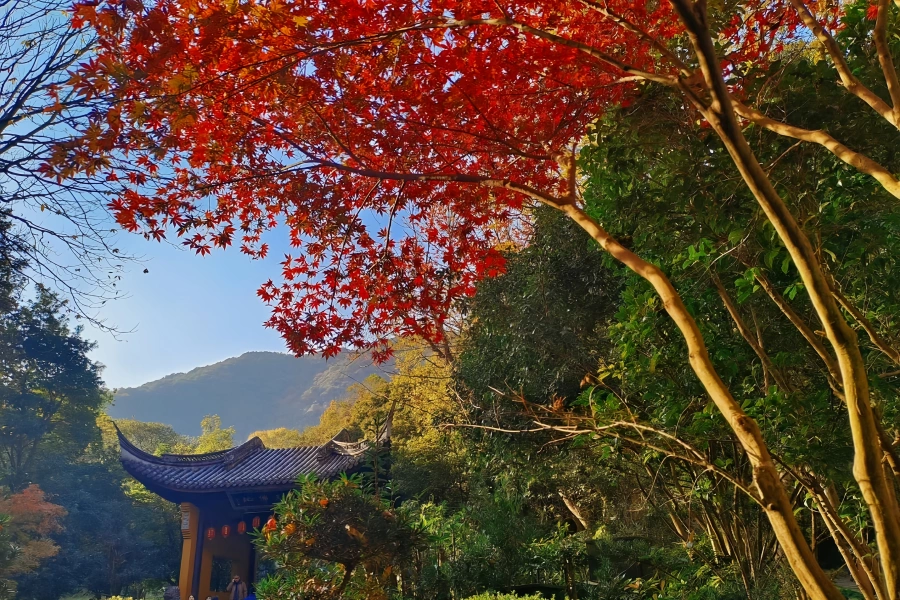
Spring and autumn (March-May, September-November): The climate is mild, Feilai Peak is lush with vegetation or has pleasant autumn colors, and the body feels comfortable.
Summer retreat season (June-August): The mountains and forests are relatively cool, but there are many tourists, and it is also the rainy season in Hangzhou, so rain gear is necessary.
Winter tranquility season (December-February): Fewer tourists, and if it snows, the ancient temple's snowscape is absolutely stunning, making it a perfect time for photography.

Accommodation options
Boutique hotels/guesthouses near the scenic area (preferred):
Experiences include: Amanfayun (top-tier luxury), Lingyin Inn, and guesthouses around Baile Bridge. These offer tranquil environments, are within walking distance of temples, and allow guests to experience the serenity of early mornings and late afternoons when few people are around.
Suitable for: Tourists seeking a deep Zen experience and who wish to have ample time to explore.
Hotels along the northeastern route of West Lake (convenient options):
Experience: Staying near Yue Temple, Huanglong Sports Center, or Beishan Street provides convenient access to Lingyin Temple by public transportation and also makes it easy to visit other attractions around West Lake.
Suitable for tourists planning to visit multiple attractions in Hangzhou.
Downtown Business Hotels (Comprehensive Selection):
Experience: There are many dining and shopping options near the lakeside and Wulin Square, but it takes a bit of time to get to Lingyin Temple during the morning and evening rush hours.
Suitable for tourists who want to combine business and leisure travel and have high requirements for urban convenience.

IntoTravelChina Accommodation Booking Recommendations:
We strongly recommend planning your trip and booking accommodations at least one month in advance, especially during peak seasons such as Golden Week, Chinese New Year, and Buddha's Birthday. Booking through us not only provides real-time room availability but also allows you to package accommodations, tickets, and transportation together, often offering bundled deals and ensuring a seamless itinerary. Tell us your budget and needs, and we'll match you with the most suitable "Zen retreat." >> [Click to contact an IntoTravelChina travel consultant]

Extended Journey: A Two-Day Panorama from Vulture Peak to the Splendor of West Lake

Furong Ancient Town

Lingyin Temple is the perfect starting point for exploring the beauty of Hangzhou's World Cultural Heritage and natural landscape. Centered around it, a two-day journey will take you from the sacred Buddhist site with its chanting and bells to the picturesque West Lake, and then immerse you in the lush greenery of the city, allowing you to deeply appreciate the multifaceted charm of Hangzhou as the "Buddhist Kingdom of Southeast China," "Paradise on Earth," and "City of Innovation and Vitality."

Classic 2-Day Hangzhou Cultural and Natural Highlights Tour:
Day 1: Zen-inspired Landscape and the Classics of West Lake: In the morning, visit Lingyin Temple and Feilai Peak Grottoes to experience the fusion of millennia-old Buddhist art and natural wonders. In the afternoon, embark on a tour of the highlights of West Lake. You can choose to take a boat to Huxin Pavilion, stroll along Su Causeway, or climb Leifeng Pagoda for a panoramic view, immersing yourself in the poetic scene of "the water sparkling in the sunshine." In the evening, enjoy the West Lake Musical Fountain or stroll along the lakeside.
Day 2: Secluded Wetlands and Urban Pulse: In the morning, head to Xixi National Wetland Park and take a rowboat through the natural waterways where "a winding stream and a wisp of smoke" create a tranquil and rustic atmosphere, serving as the "green lung" of the city. In the afternoon, explore the Qinghefang Historical District or the Gongchen Bridge West Historical and Cultural District, seeking out the old-world charm and intangible cultural heritage of Hangzhou in the ancient streets and alleys, bringing your journey to a vibrant and down-to-earth conclusion.
This is a compact yet enriching two-day itinerary that perfectly blends Buddhist culture, world-class lake and mountain scenery, ecological wetlands, and historic urban districts. >> View the 2-day Hangzhou Cultural and Natural Highlights Tour Itinerary

Join hands with IntoTravelChina to embark on your exclusive Zen pilgrimage

Furong Ancient Town

The story of Lingyin Temple is about the persistence of faith, the inheritance of art and the return of the soul. IntoTravelChina focuses on creating a deep, personal, and hassle-free Chinese travel experience. Our travel experts can help you:
Tailor-made itinerary: Design the perfect route to include Zen attractions around Lingyin Temple and West Lake based on your interests and time, whether it's blessings, photography, culture, or retreats.
One-stop service: get ticket reservations, special meditation accommodation reservations, vegetarian arrangements, and professional cultural tour guides.
Exclusive Experience: Arrange in-depth cultural activities such as special visits in the early morning when it is not open (subject to policy), communication with the monks in the temple (reservation required), and ancient incense making experience.

Let your trip to Lingyin Temple not only be a visit, but also a spiritual purification journey immersed in the thousand-year-old Sanskrit sound and the clear sound of mountains and rivers.
> Start planning your journey today
> Welcome to contact our professional travel consultants, we will provide you with an exclusive itinerary plan and quotation within 24 hours. >> [Click to contact IntoTravelChina Travel Consultant]

What Our Clients Say?

Based on 10,000+ traveler reviews

...
Daniel Dorothea
Canada
Reviewed on April 29,2025
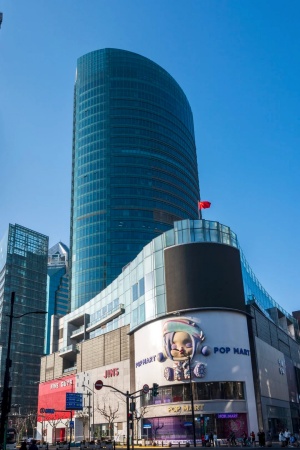
Shopping on Nanjing Road in Shanghai was just amazing! It's truly the "First Commercial Street of China", where tradition and modernity blend perfectly. You can find awesome souvenirs and experience the trendy vibes in cool stores. The neon lights at night are just spectacular, shining bright like Times Square in New York. The food here is incredible too. I had a feast for my taste buds. Shanghai, I'll definitely be back!
Destination(s): Shanghai
Date of Experience: May 08,2024
...
...
Elvis Eva
Canada
Reviewed on June 20,2025
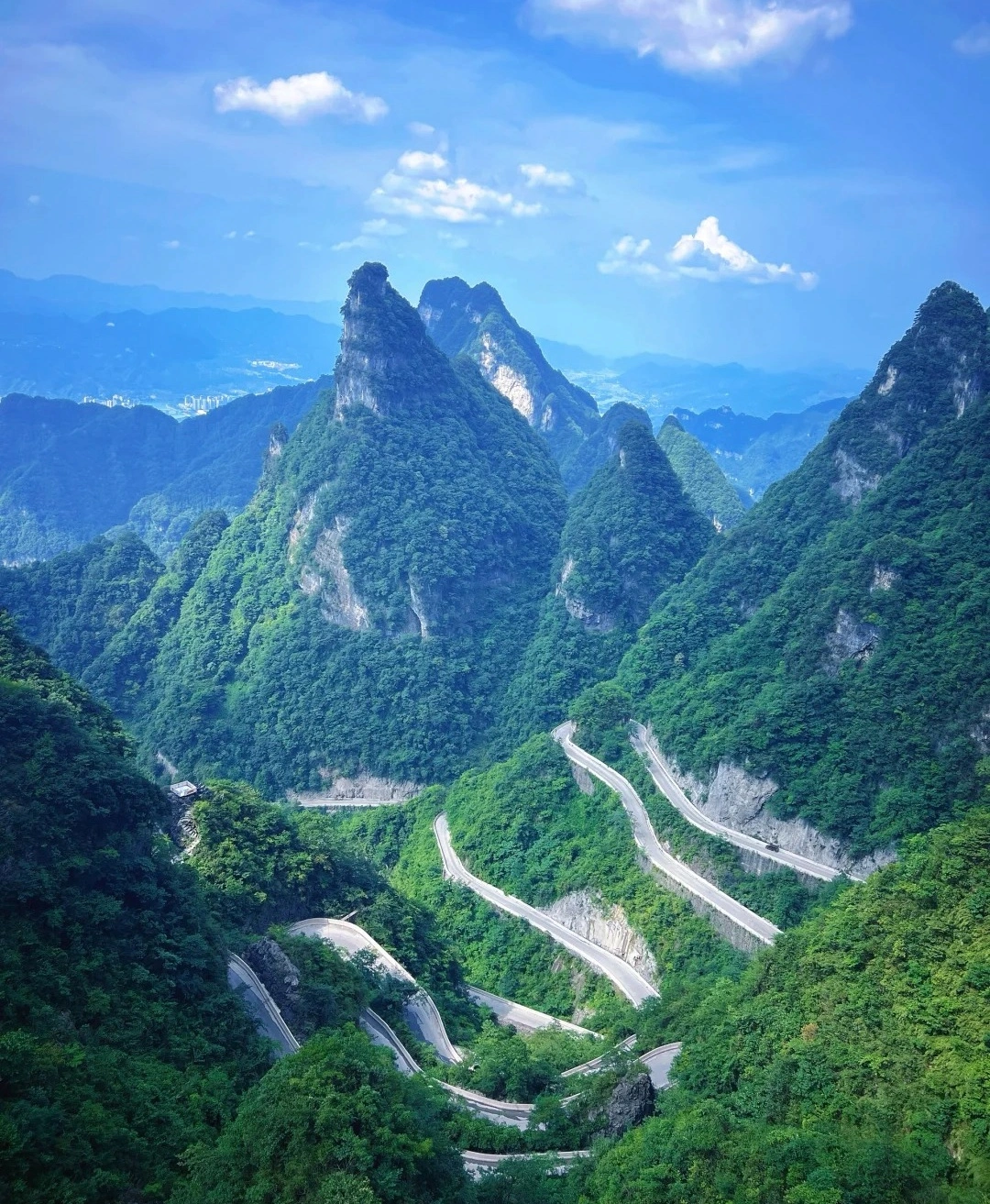
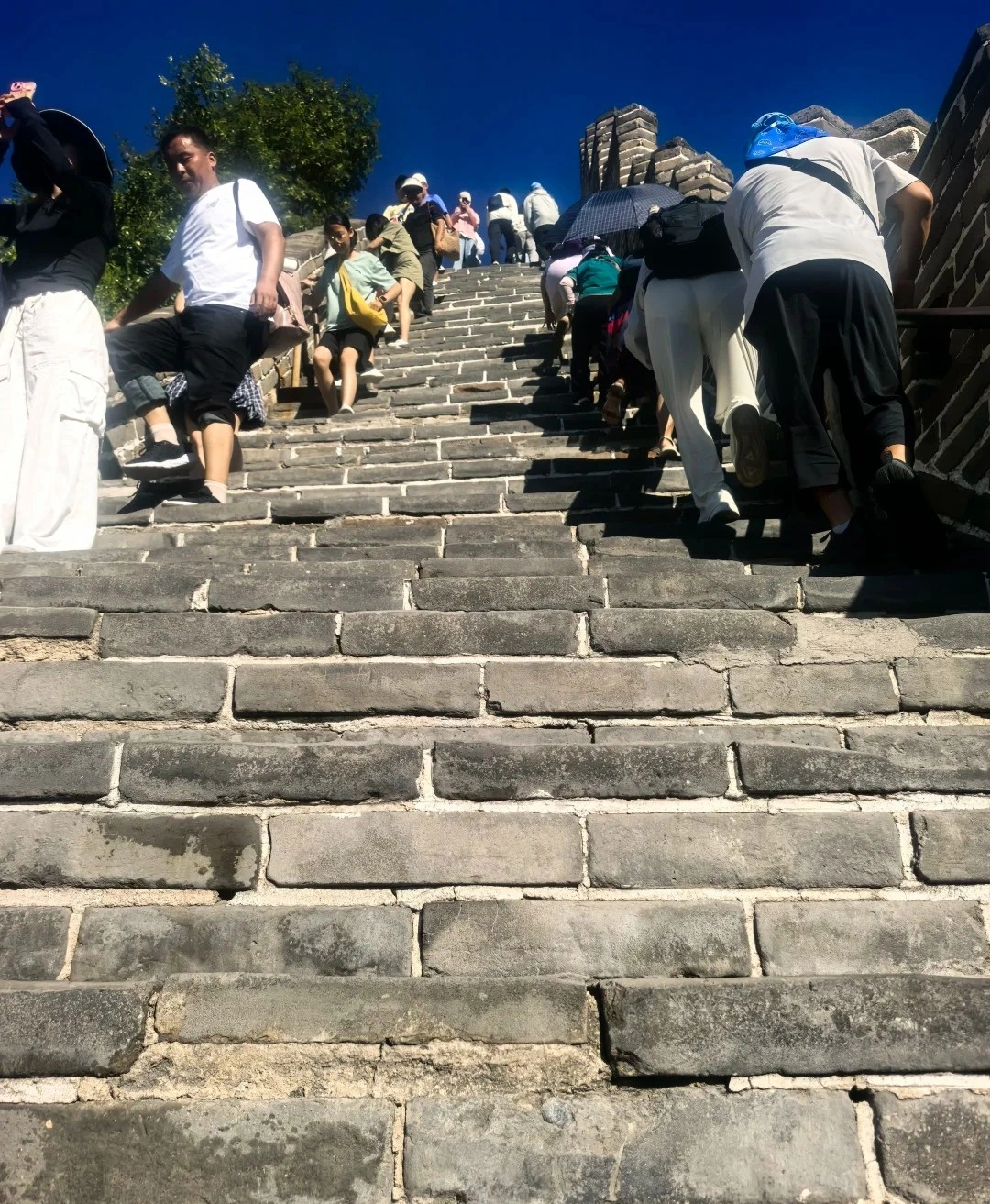
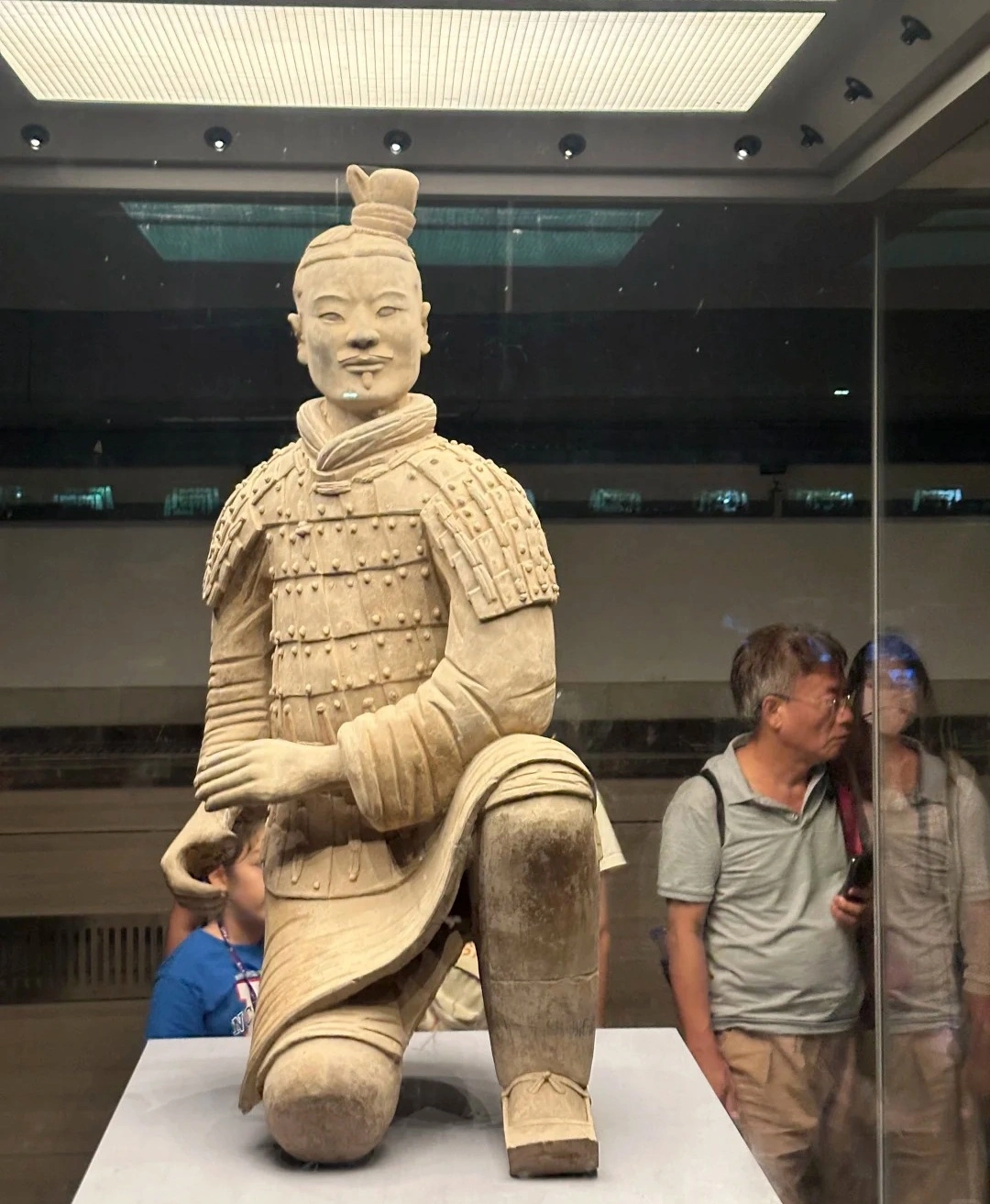
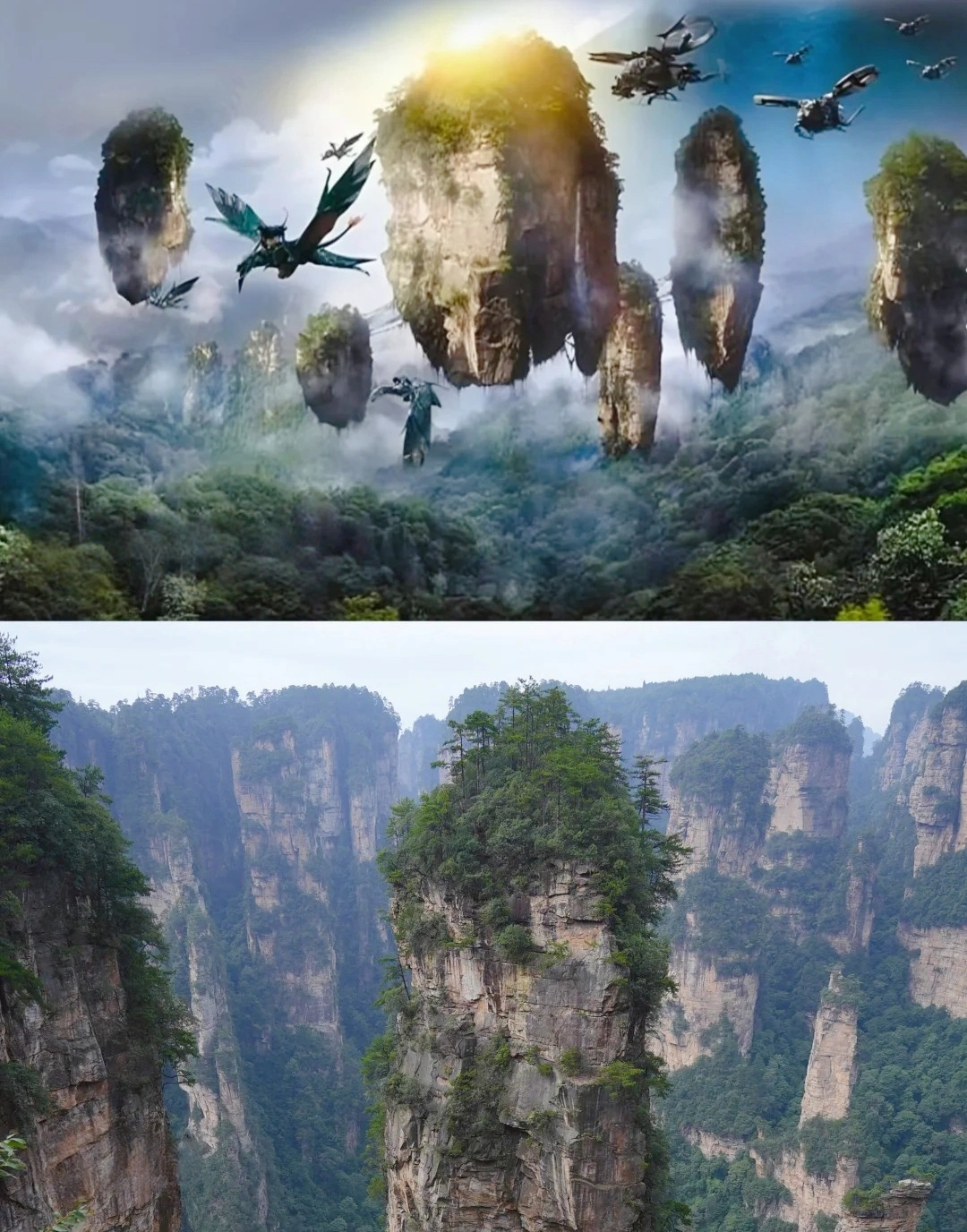
As a solo traveler from Canada, I was nervous about navigating China alone—but this 11-day tour was PERFECT! From hiking the Great Wall at sunrise (Day 3) to gasping at the Terracotta Army (Day 5), every day delivered ‘pinch-me’ moments. The real showstopper? Zhangjiajie’s Avatar Mountains (Day 7)! Our guide made the stone pillars come alive with stories. Massive thanks for handling all logistics—bullet train tickets, entry passes, car! And the 4-star hotels surprised me.
Destination(s): Beijing Xian Zhangjiajie Shanghai
Date of Experience: June 02,2025
... ... ...
...
Simon
America
Reviewed on May 29,2025
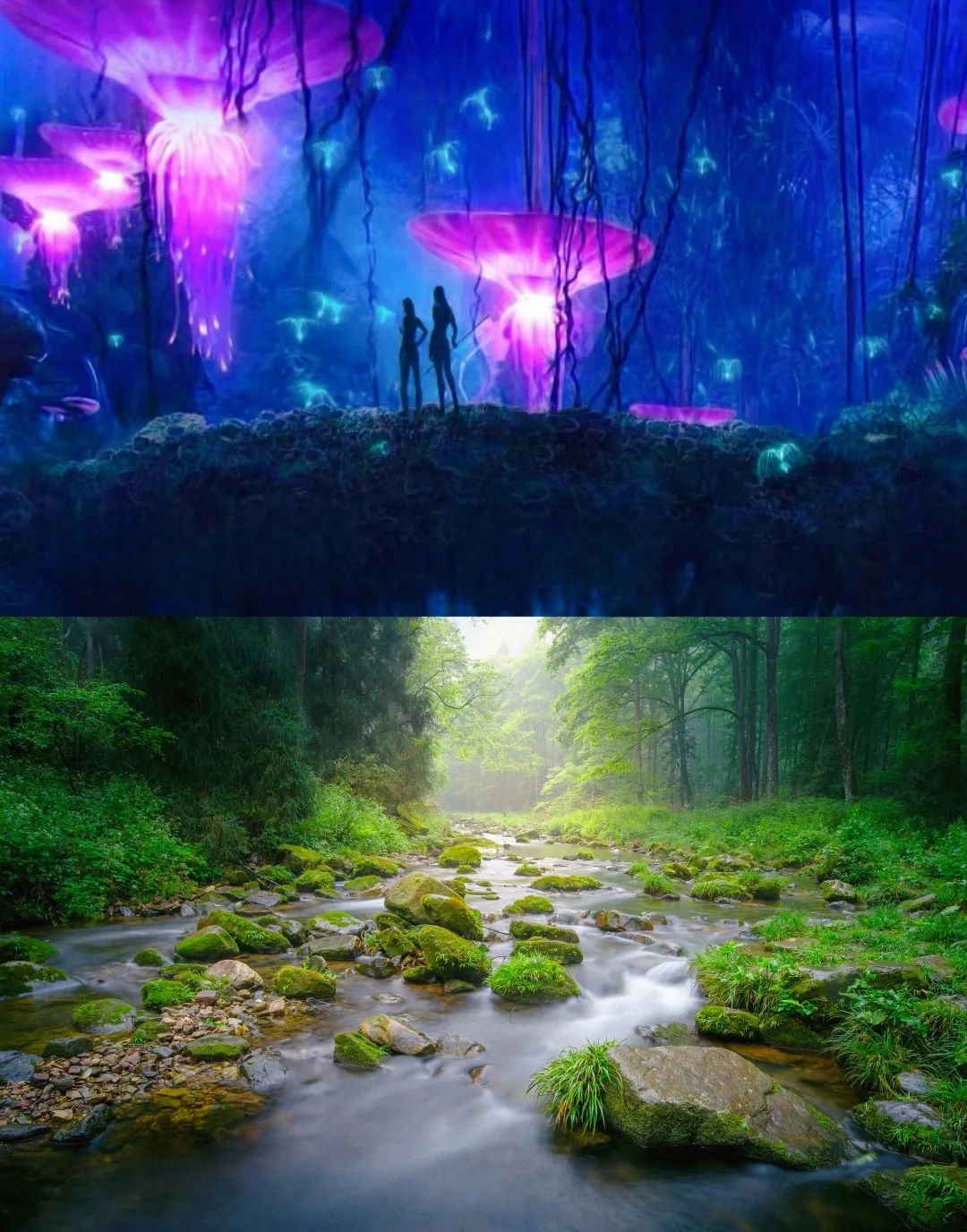
Our 2-day Zhangjiajie tour was beyond spectacular! As someone who’s visited Beijing and Shanghai for work, this trip revealed China’s wild, magical heart. Day 1 in Zhangjiajie National Forest Park felt like stepping onto Pandora—I’m a huge Avatar fan, and Yuanjiajie’s floating peaks left me breathless. The misty pillars and lush valleys like pure movie magic! Then came Fenghuang Ancient Town, we eat dinner beside the thundering waterfall. It seems Unreal! The night views of stilt houses glowing over the river were straight from a fairy tale. For fellow Avatar lovers and adventure seekers: Don’t miss this bucket-list experience! 10/10 would return. A Well-Traveled Film Buff, May 2025
Destination(s): Zhangjiajie
Date of Experience: May 08,2025
... ...

Ask a Question

Question Summary (100 characters)
Details (optional) (2,000 characters)
Name
Country
Email