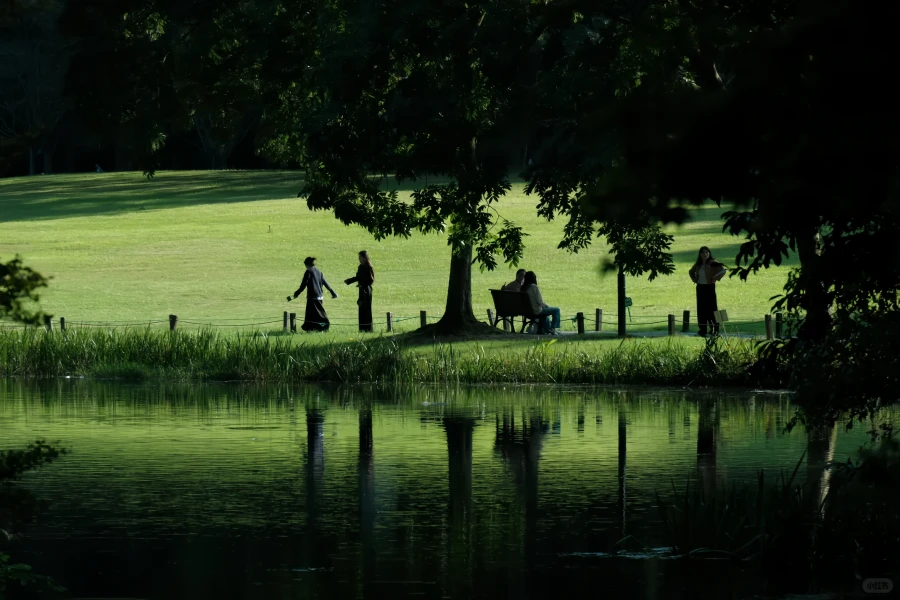
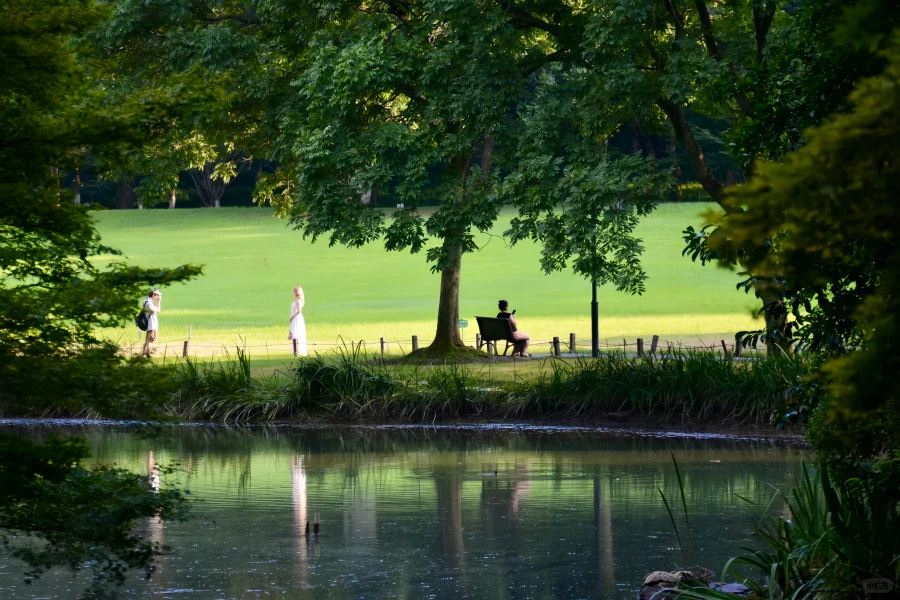
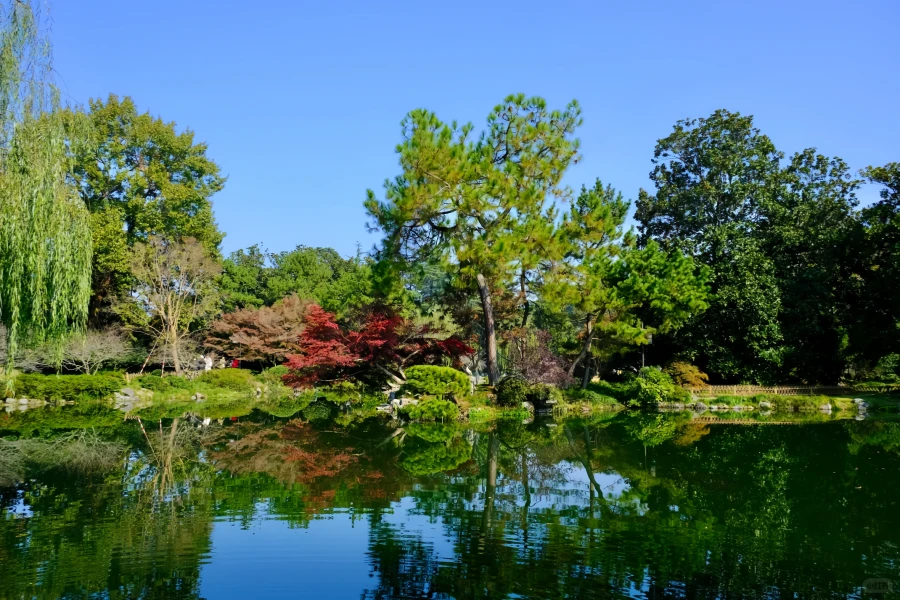
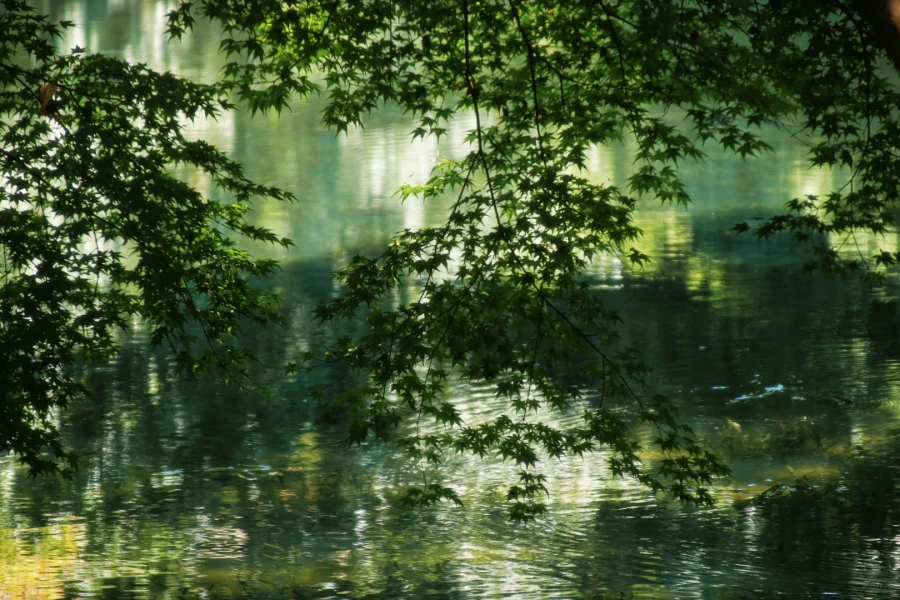
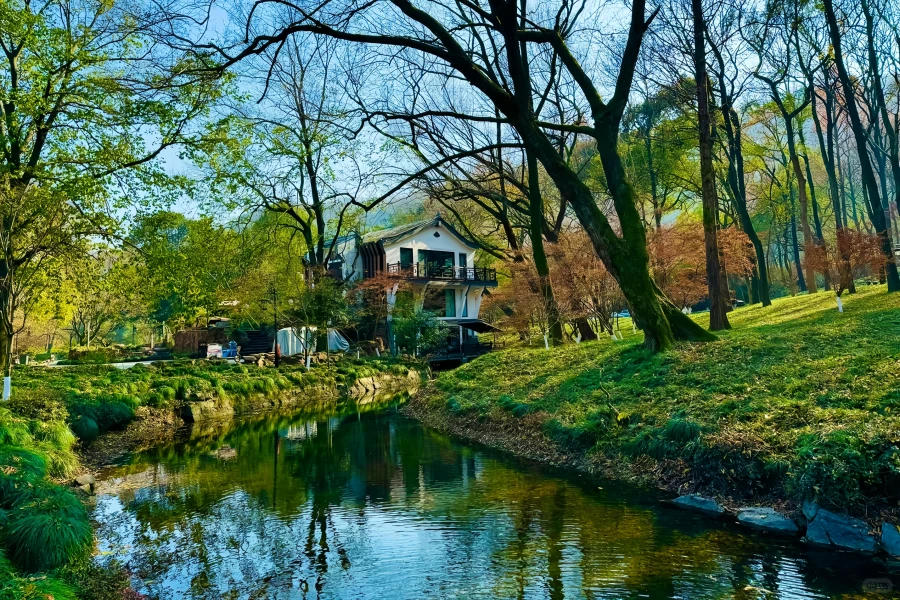
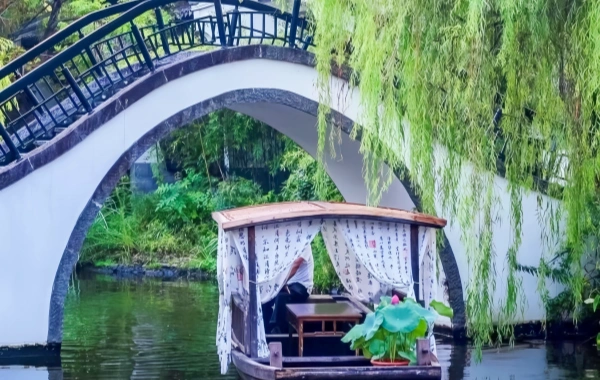
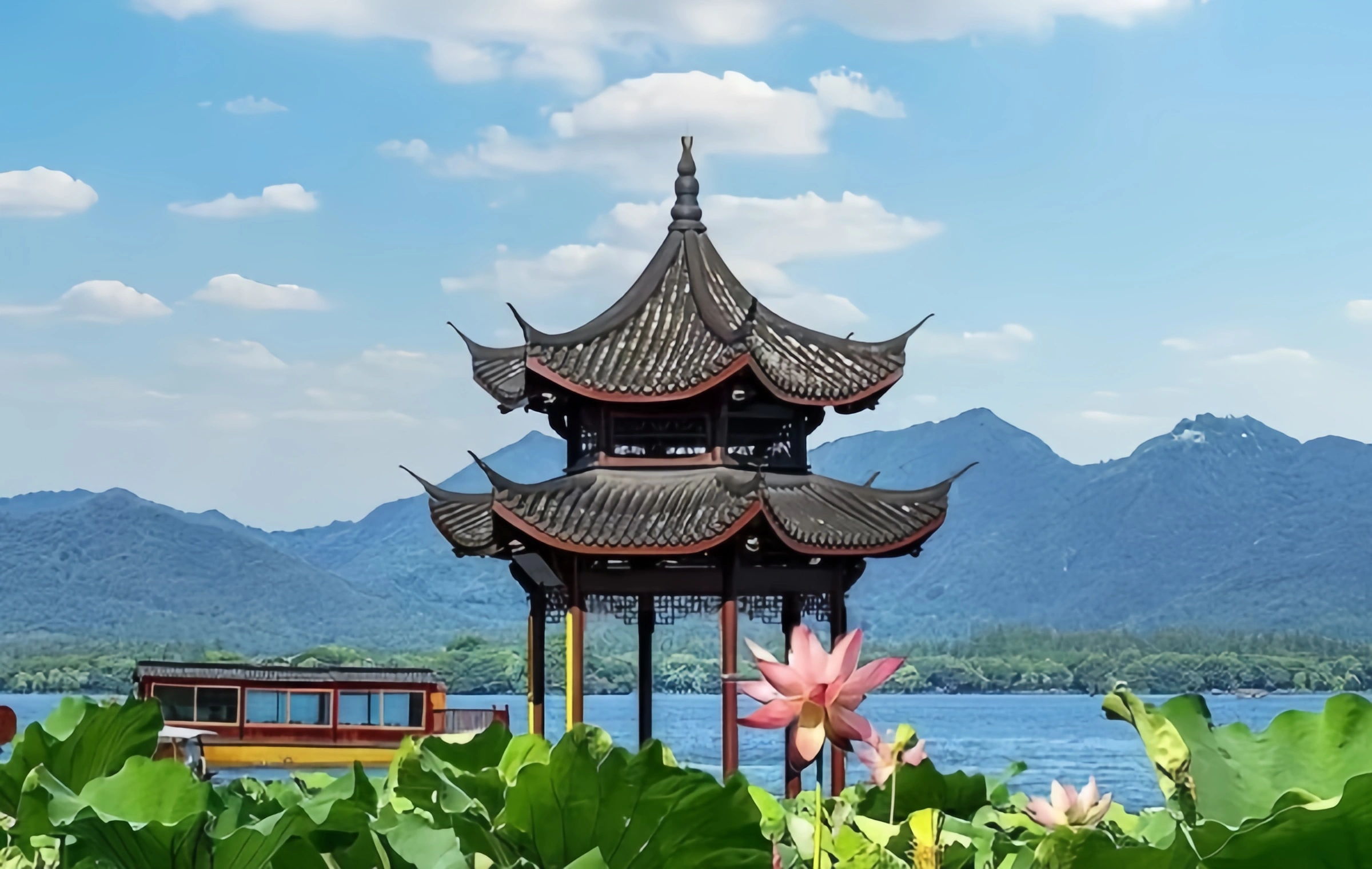
The essence of Prince Bay Park lies in its garden art, which is described as "made by man, yet appearing as if created by nature." The entire park is based on an open water channel, which forms pools, waterfalls, islands, and bridges, creating scenic spots such as Pipa Island, Emerald Garden, Leisure Slope, and Jade Egret Pond.
Nature's Creation - A Visual Feast of the Changing Seasons
The park's plant landscape is its soul, with different themes and colors in each season.
Springtime Blossoms (March-April): The Double Romance of Tulips and Cherry Blossoms
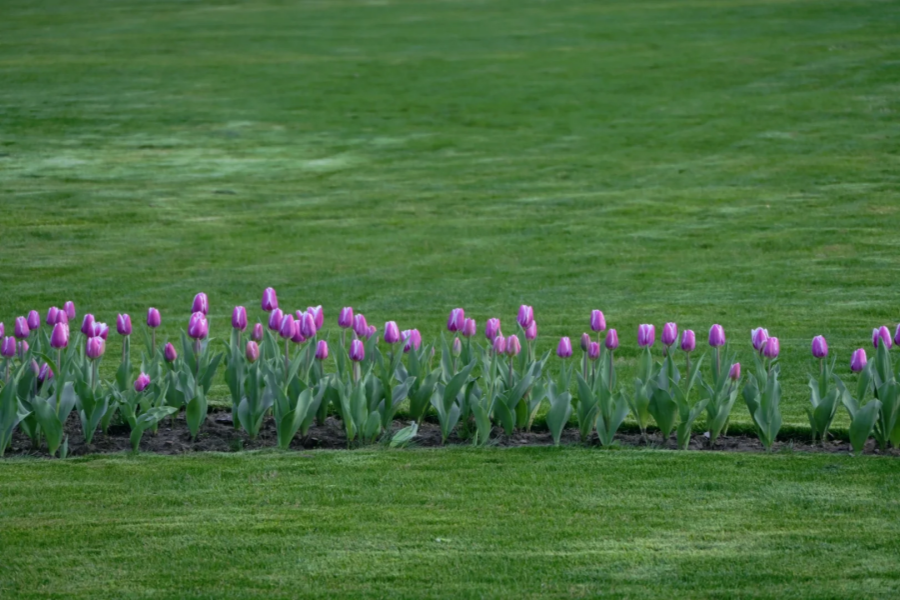
Tulip Sea: This is the absolute star of Prince Bay Park's springtime extravaganza. Every year from March to April, over 400,000 tulips bloom in key areas such as Xiaoyao Slope and Wangshanping. The flowers are as vibrant as a palette of colors: fiery reds, bright yellows, delicate pinks, and mysterious purples, creating a richly colored oil painting together with the babbling brooks and undulating grassy slopes. The best viewing period is around Qingming Festival.
Cherry Blossom Rain: The park boasts approximately 700 cherry trees, primarily from Tokyo, Japan. In mid-March, the cherry blossoms and tulips bloom simultaneously. Looking up, one sees cherry blossoms as vibrant as rosy clouds; looking down, one sees graceful tulips, the two complementing each other perfectly, creating a unique spring scene at Prince Bay Park. A gentle breeze sends pink and white petals fluttering down like snow, an incredibly romantic sight.
Autumn's Vibrant Colors (November-December): A World of Red Maple and Ginkgo Leaves Like an Oil Painting
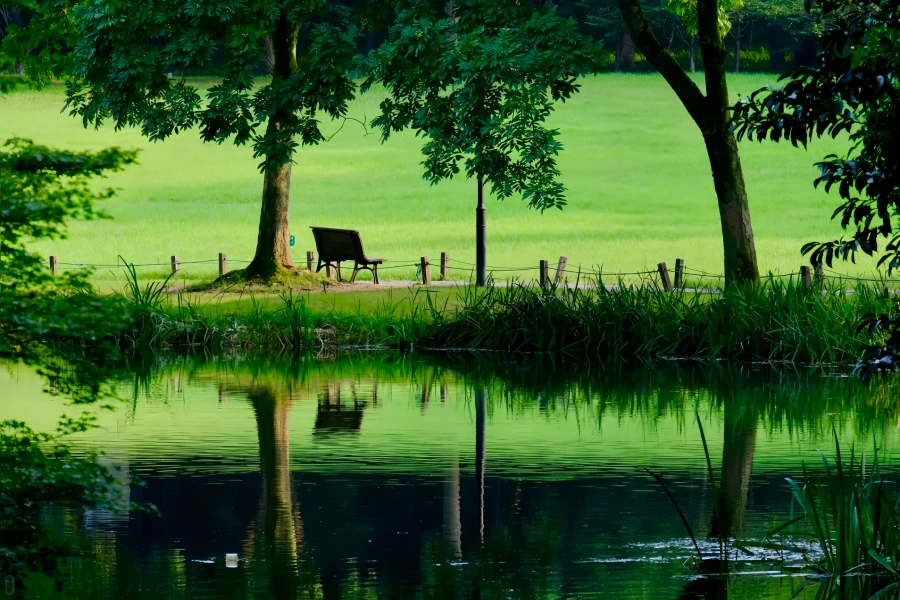
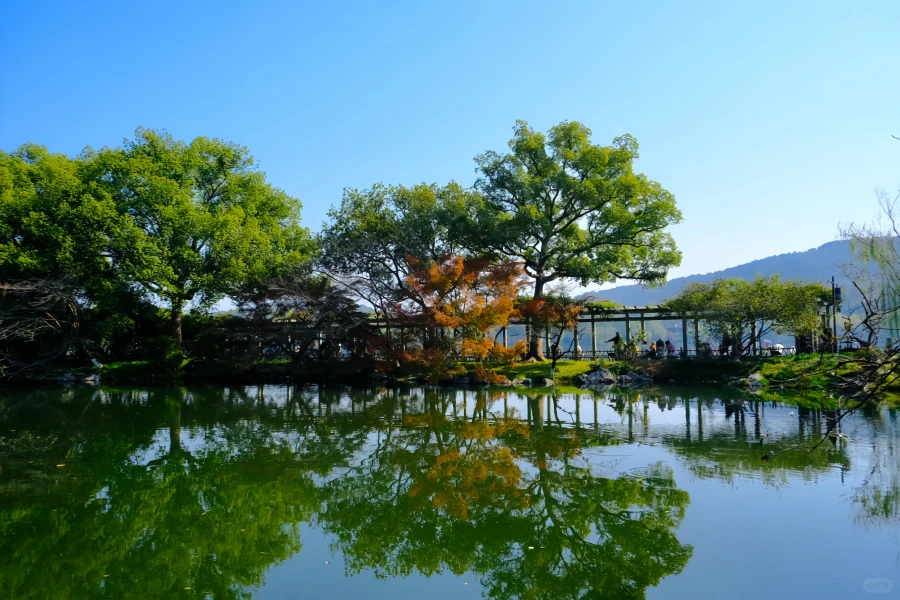
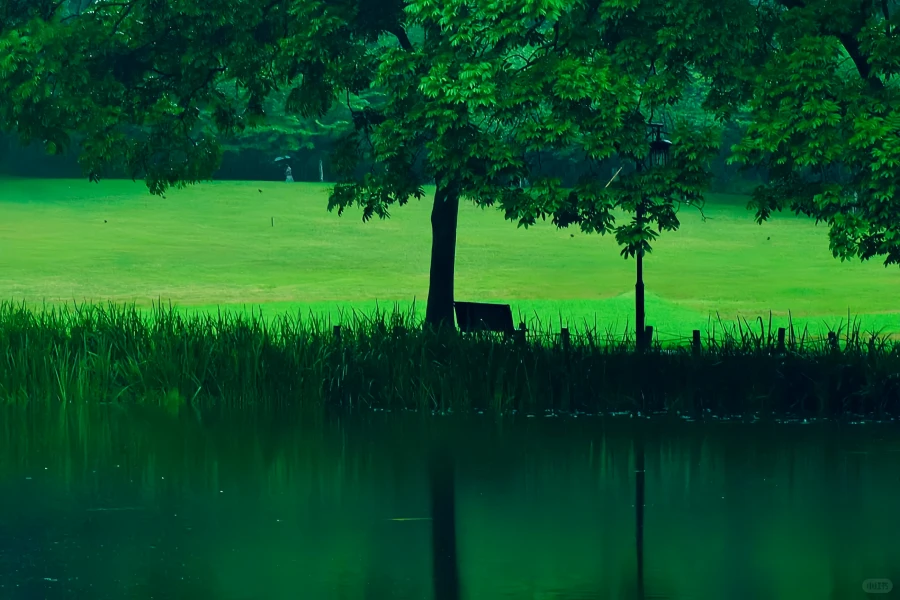
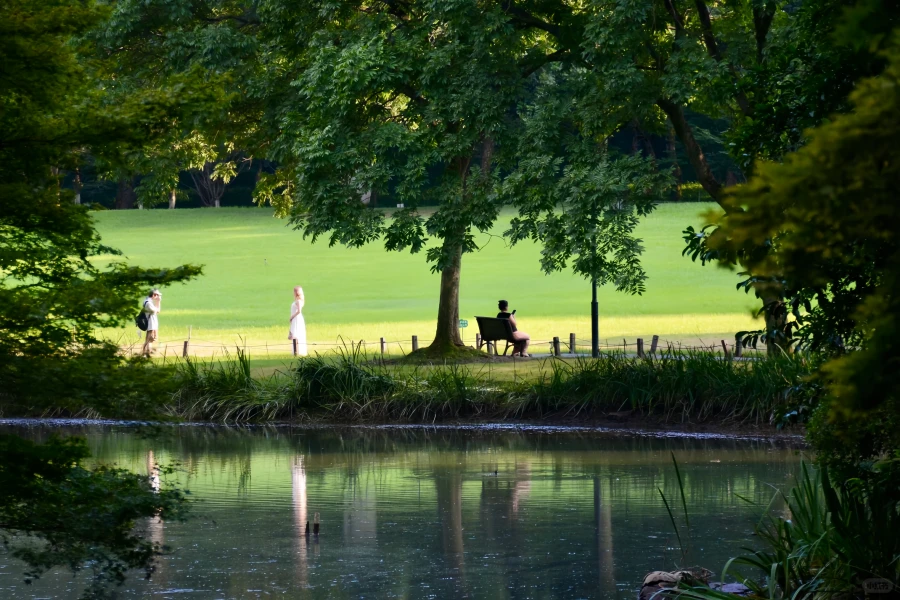
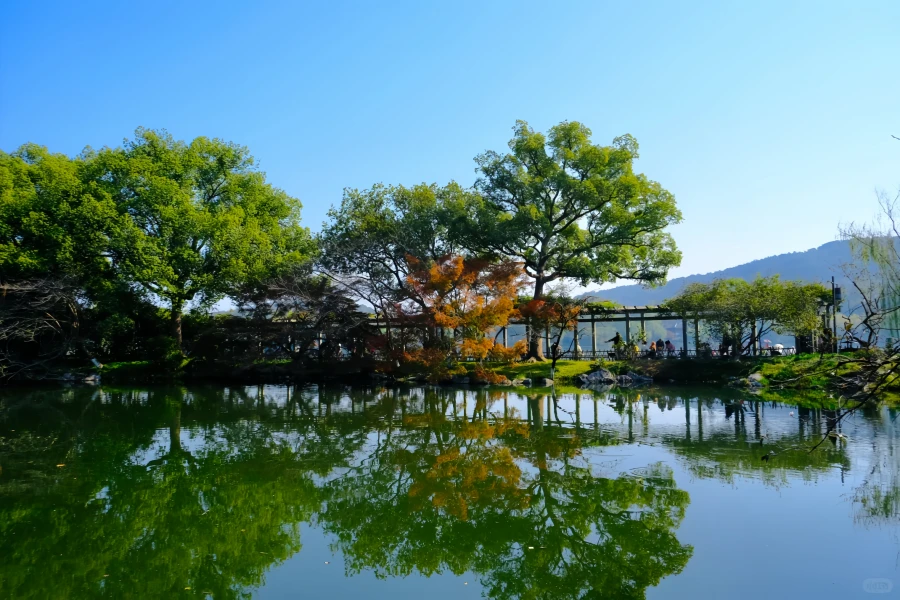
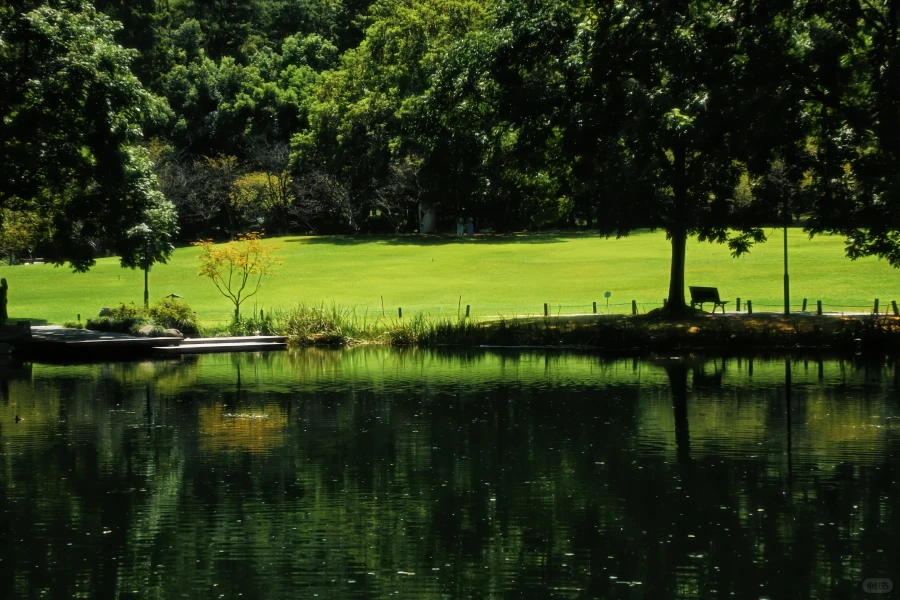
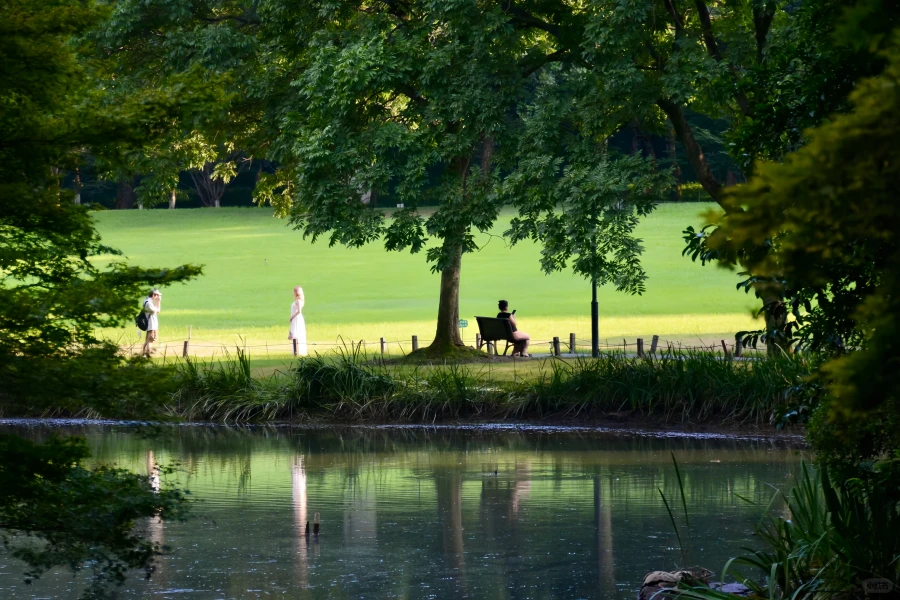
As spring's vibrant blossoms fade, Prince Bay Park dons a different magnificent attire in late autumn. The park's red maples, Japanese maples, soapberries, and dawn redwoods, among other colorful trees, transform into a tapestry of hues. Especially in December, the red maples and golden ginkgo leaves create a breathtaking contrast, their layers of color reflected in the clear pond water. Combined with the park's lawns, rustic benches, and stone paths, it resembles a giant, natural oil painting, earning it the local reputation as a "photogenic wonderland."
Dynamic Water System: The Pulse of the Garden
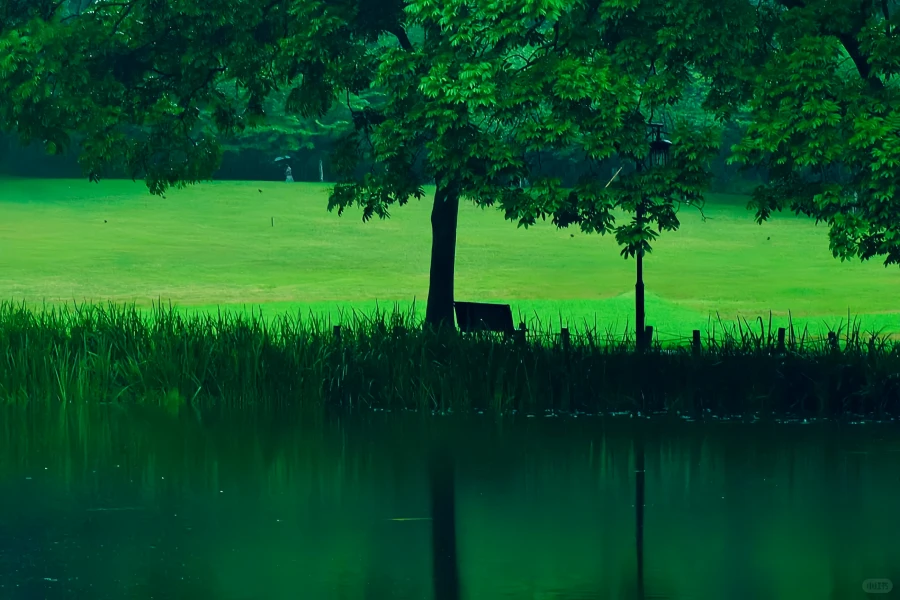
The water features in the garden are a highlight of the design. The open water channels meander and meander, gathering and dispersing in a well-organized manner, sometimes lying flat like a lake, and sometimes forming small waterfalls due to the obstruction of stone embankments, with the sound of the water gurgling or even roaring. Six or seven small bridges, each with a different shape, built from unfinished cedar wood with bark, stand across the water, not only connecting the waterways but also serving as excellent landscape features in themselves.
Humanistic craftsmanship – a romantic imprint blended with nature
The landscape facilities here not only enhance the scenery, but also carry beautiful meanings and functions.
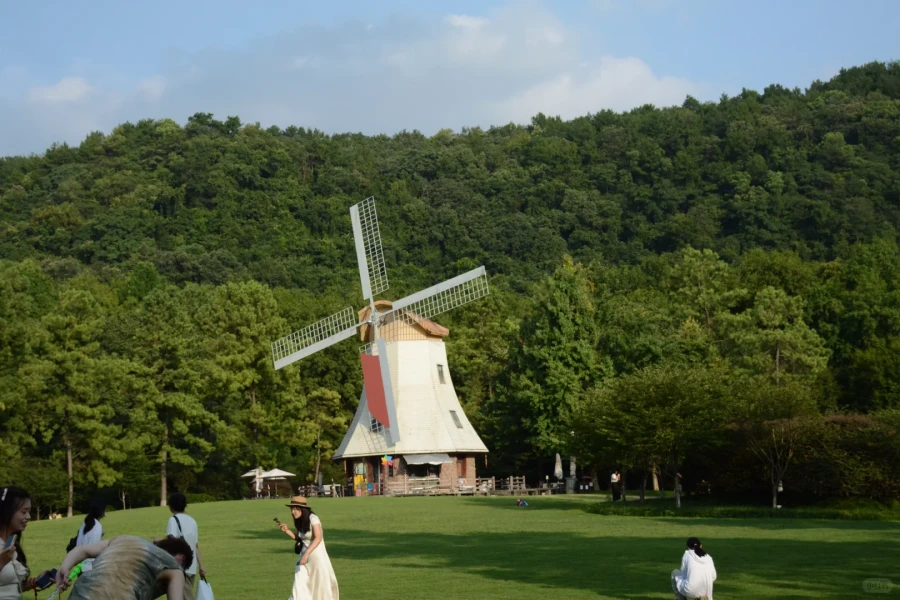
The large windmill: Standing on the open lawn, the Dutch-style windmill is the most prominent landmark of Prince Bay Park. It is not only an embellishment of exotic style, but also a symbol of the park as a wedding theme, becoming a classic backdrop for countless newlyweds to take wedding photos.
Love-themed facilities: As Hangzhou's earliest wedding park, the park features love-themed projects such as "Unwavering Loyalty" and "Flying Together," as well as landscapes such as love pillars and a love post office, exuding a romantic atmosphere everywhere.
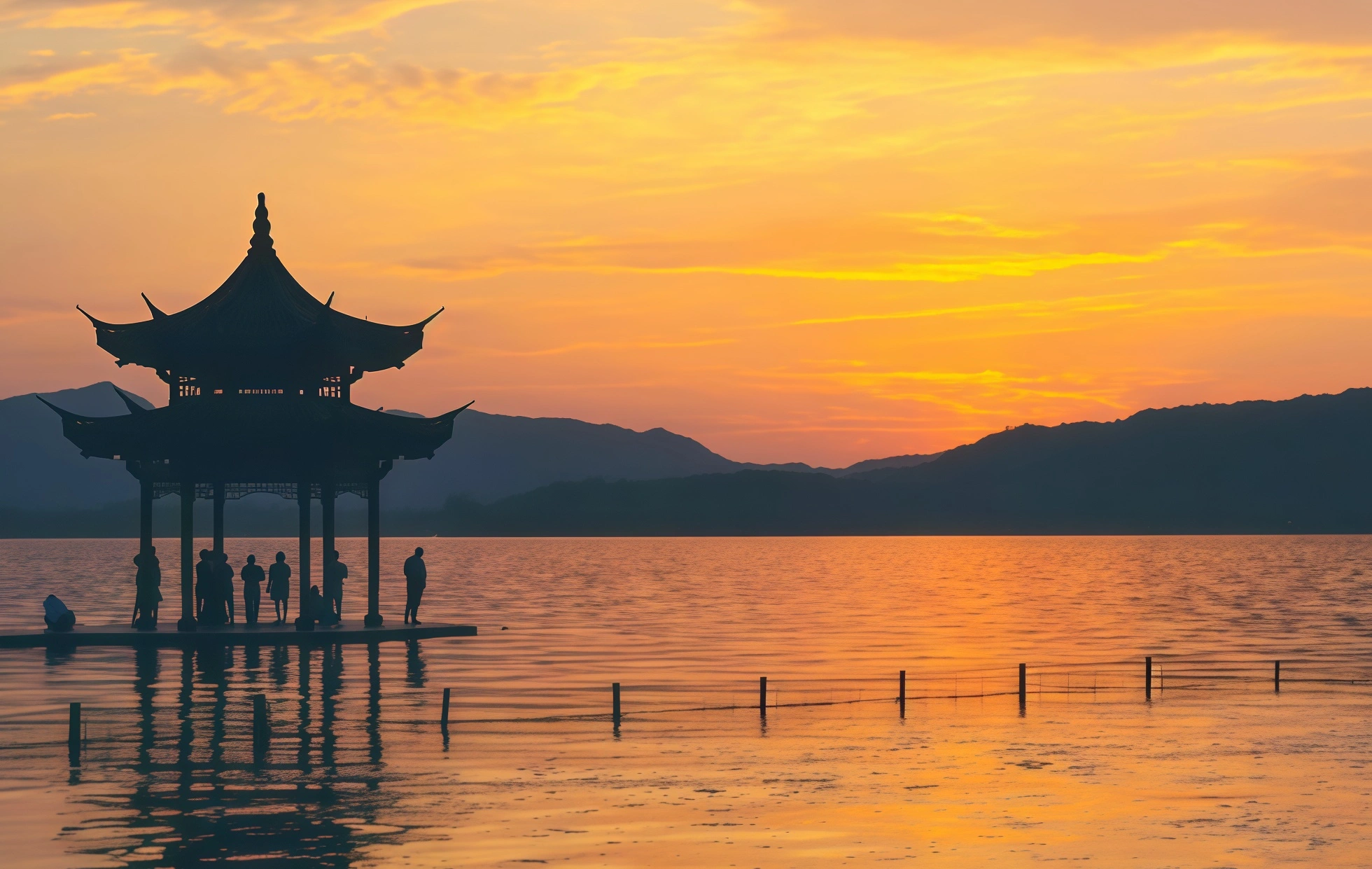
Taiji Square and Fanghuai Pavilion: At the southern end of the Wangshanping lawn, there is a Taiji-shaped circular paving pattern made of light red and gray-black stones, about 10 meters in diameter, full of philosophical interest. Fanghuai Pavilion is an excellent vantage point for overlooking the sea of flowers and admiring the reflection of Jiuyou Mountain and the light and shadow at dawn and dusk.
Historical and cultural sites: The park is adjacent to Jingci Temple to the east, as well as the tombs of Zhang Cangshui, a righteous man who resisted the Qing Dynasty at the end of the Ming Dynasty, and Zhang Taiyan, a master of Chinese studies in modern times. While enjoying the flowers, you can also visit these historical sites and feel the cultural heritage.
Photography Tips:
The best spots for photographing the flower fields are Xiaoyaopo and Fanghuai Pavilion, where you can capture the magnificent scenery of the flower fields and distant mountains.
The classic autumn composition, featuring "big trees and benches" near Fanghuai Pavilion in the western area, is an excellent spot for autumn portrait photography.
For cherry blossom portraits, it's recommended to shoot from below under a cherry blossom grove, using the blossoms and sky as a backdrop.
Please note: Drones are prohibited during the flower show.