Humanistic Imprints – Traces of Time Hidden Beneath the Prosperity
Behind the dazzling shop windows, Wangfujing preserves many cultural landmarks worth stopping to visit.
- Wangfujing Ancient Well Site: Located on the sidewalk on the west side of the street, covered with a bronze well cover and an explanatory sign. This well is the "root" of Wangfujing Street; gazing at it, one can almost hear the hustle and bustle of the city and the sound of water being drawn by the well pulley over the past hundreds of years.
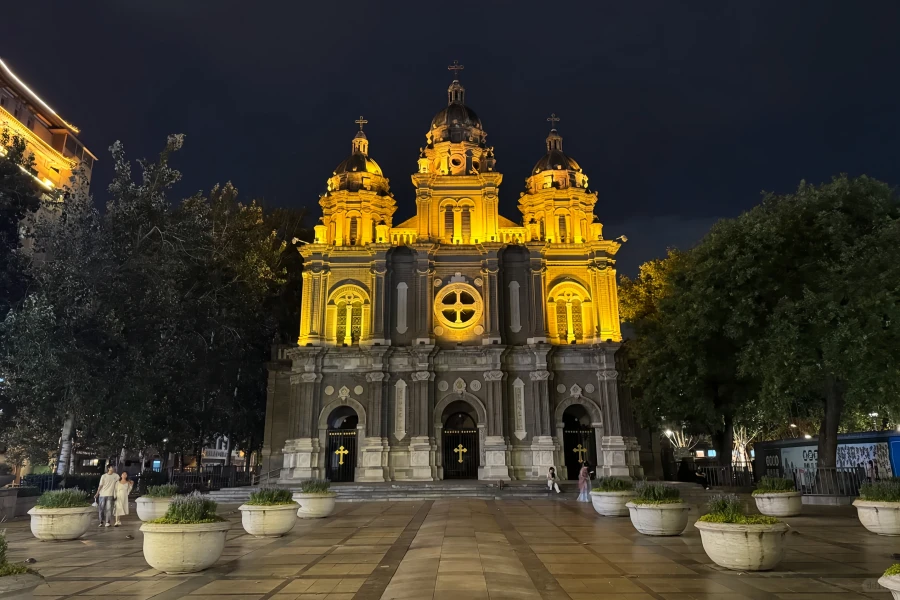
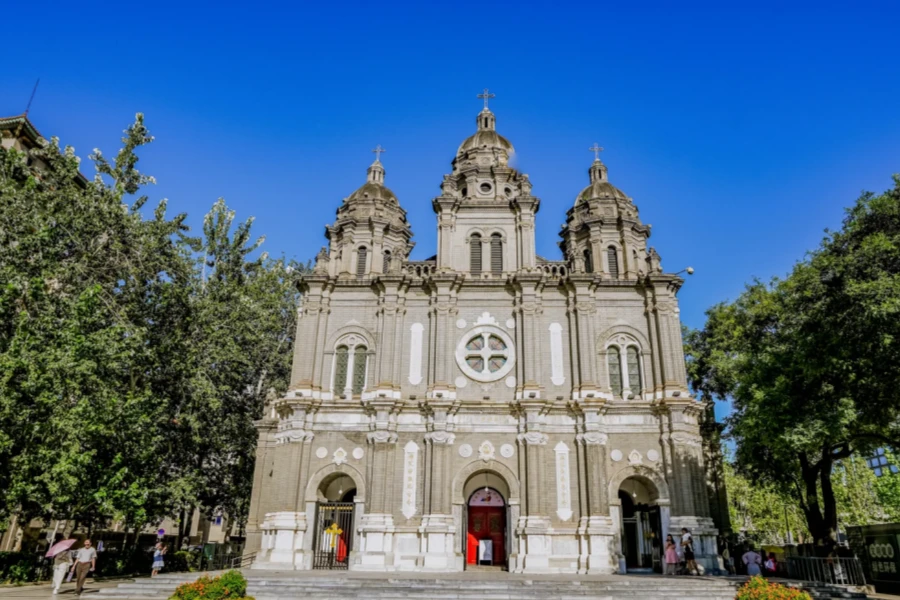
- East Church (St. Joseph's Church): A Roman Catholic church standing in the center of the commercial street, it is the most visually striking cultural symbol of Wangfujing. Originally built in 1655, it has undergone destruction and reconstruction. Today, its solemn gray-white exterior and the plaza in front provide a rare tranquil space amidst the bustling commercial district. At night, illuminated by lights, it appears exceptionally sacred and beautiful.
- The origin of time-honored brands: Many of China's time-honored brands have their flagship stores or origin stores here, and their stores themselves are history.
- Shengxifu (hats) and Tongshenghe (shoes): Their old storefronts retain the architectural style and calligraphy of the Republic of China era, and the traditional handicrafts they sell are living intangible cultural heritage.
- China Photo Studio: The family memories of many national leaders and ordinary people are captured here, and the classic photos in the window tell the story of the changing times.
Commercial Landscape – A Flowing Window to the Times
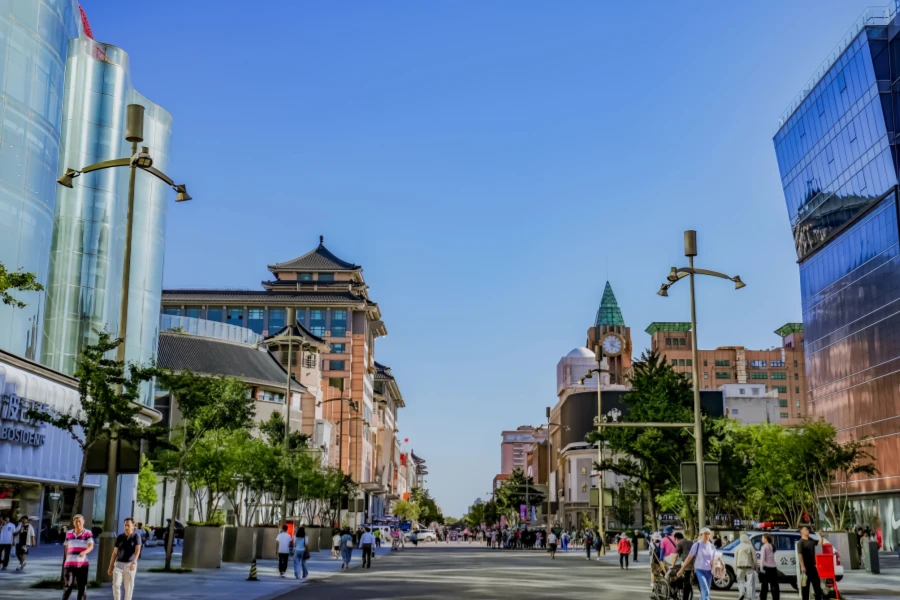
The commercial landscape of Wangfujing itself is a vivid illustration of China's consumption history.
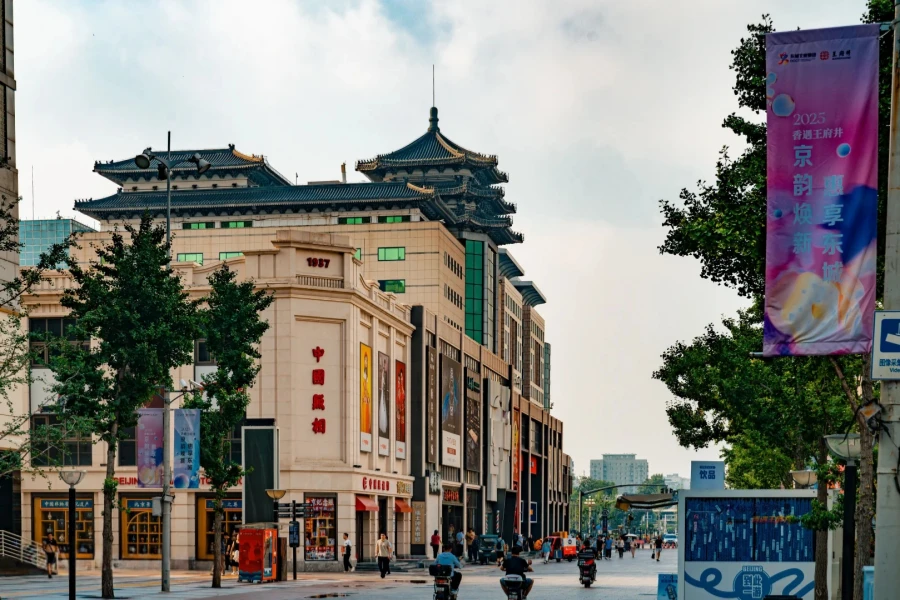
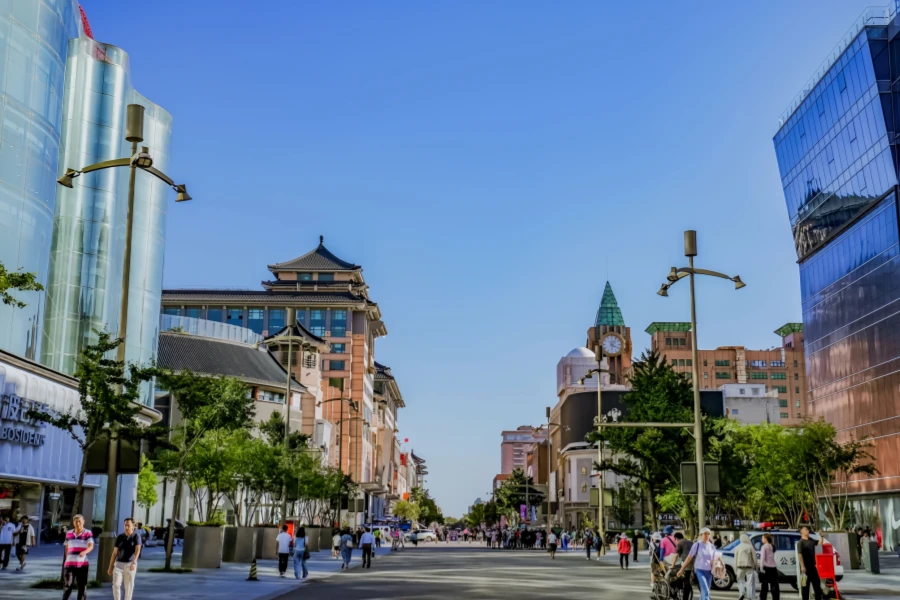
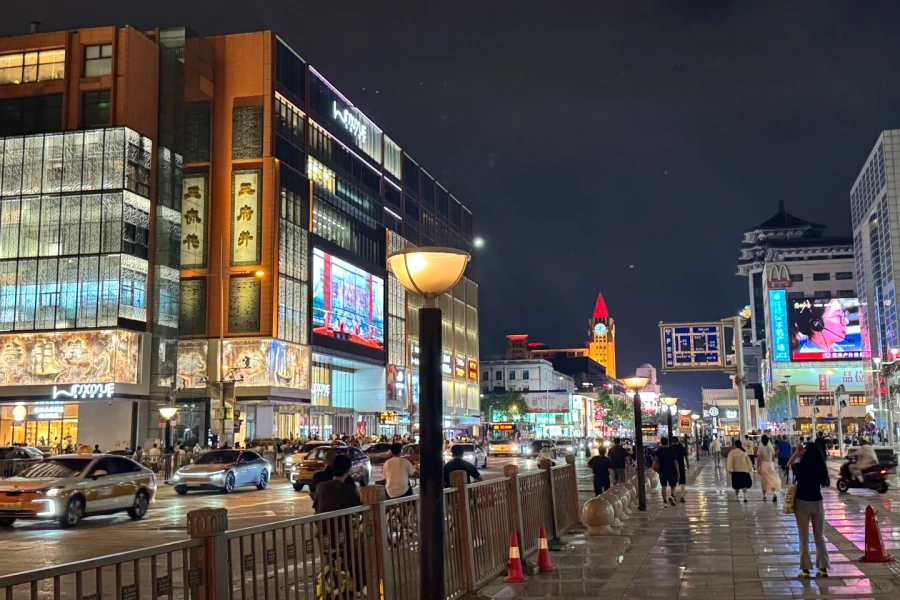
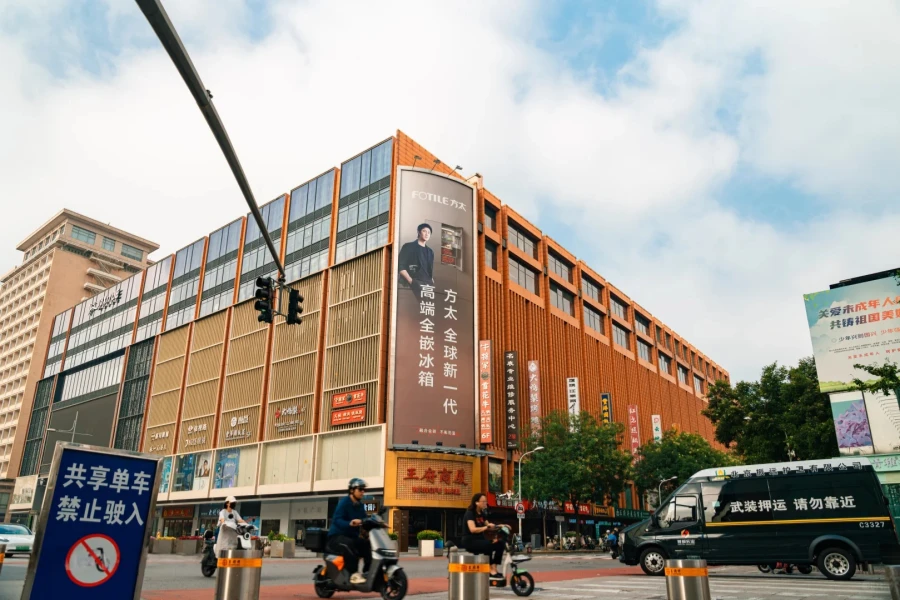
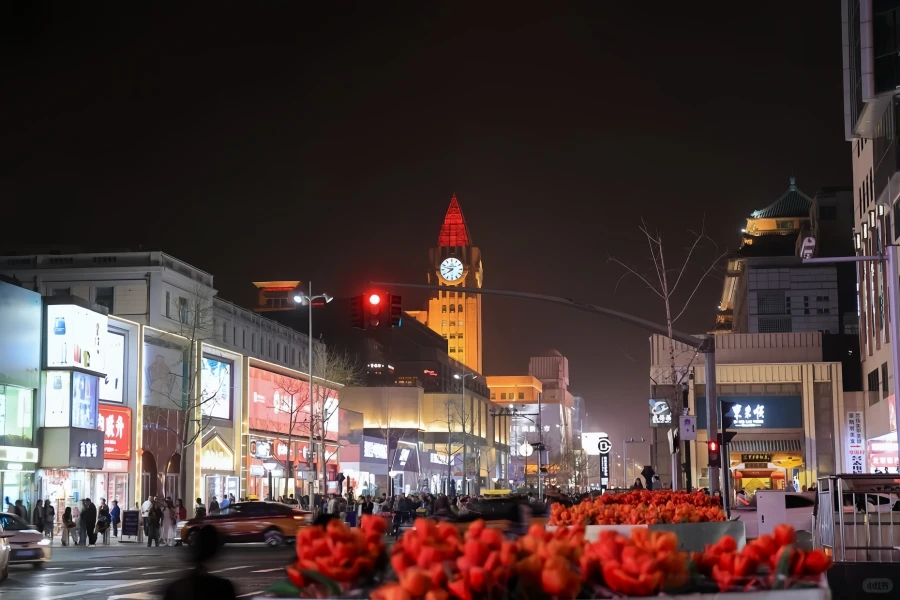
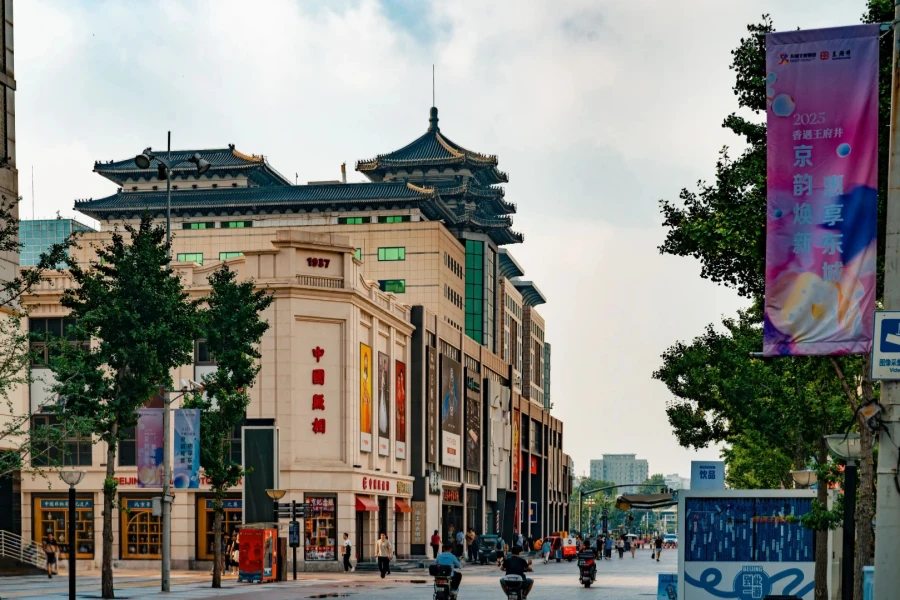
Wangfujing Pedestrian Street: Stretching from Dengshikou in the north to East Chang'an Avenue in the south, it forms the core section of the entire street. Its wide streets, meticulously designed urban furniture, and frequent commercial and cultural events make it an excellent stage for observing the diverse lives of contemporary urban dwellers in China.
- A dialogue between old and new shopping malls:
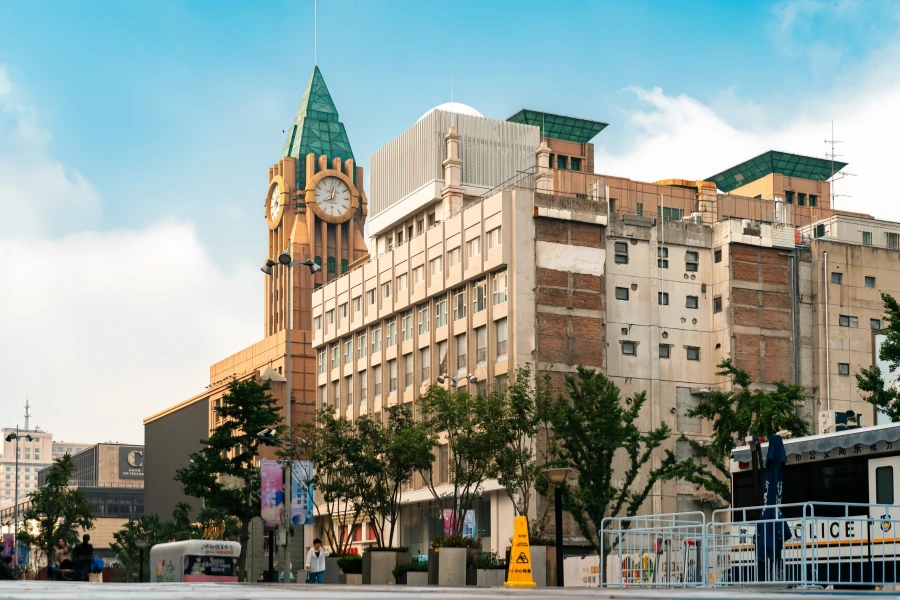
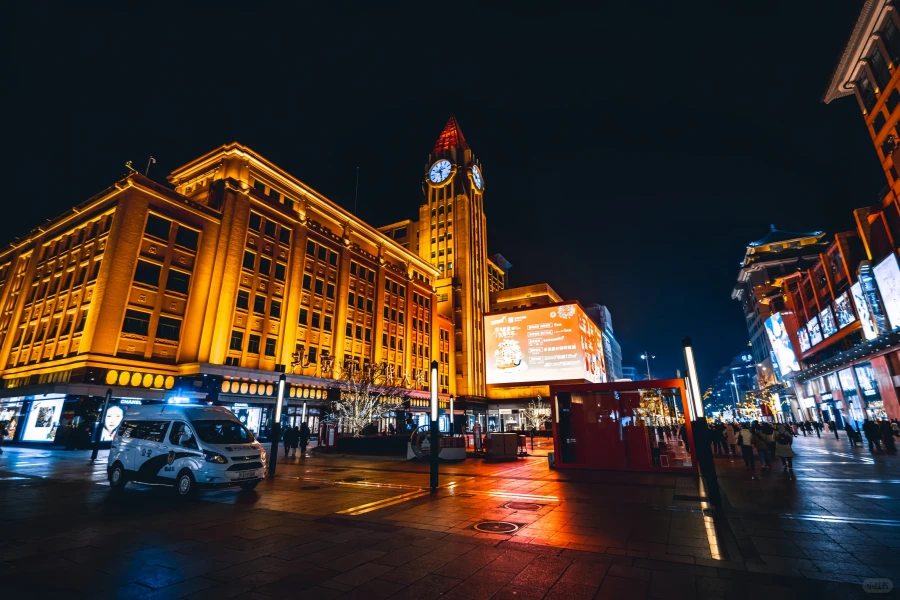
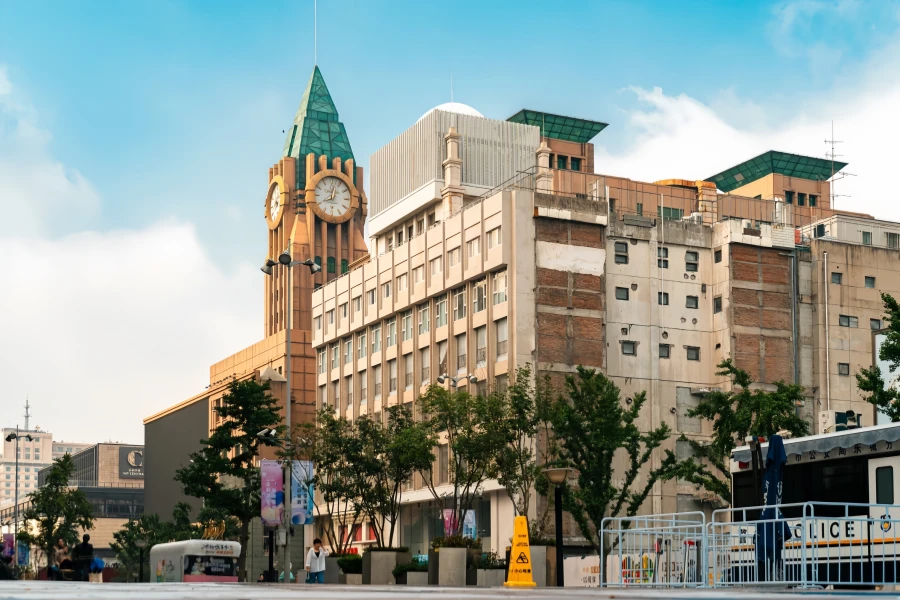
- Beijing Department Store: A solemn Soviet-style building, with a statue of Zhang Binggui, a "National Model Worker," standing in front of the entrance. The interior features both nostalgic merchandise areas and modern brands, symbolizing the fusion of old and new commercial spirits.
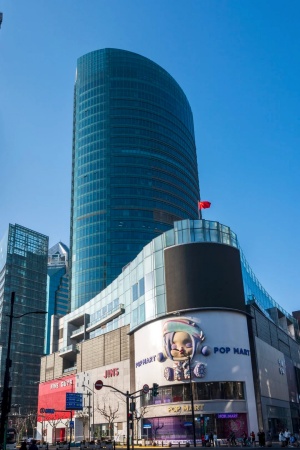
- Beijing APM and Oriental Plaza: Represent the international and youthful side of Wangfujing, full of fashion and trendy atmosphere.
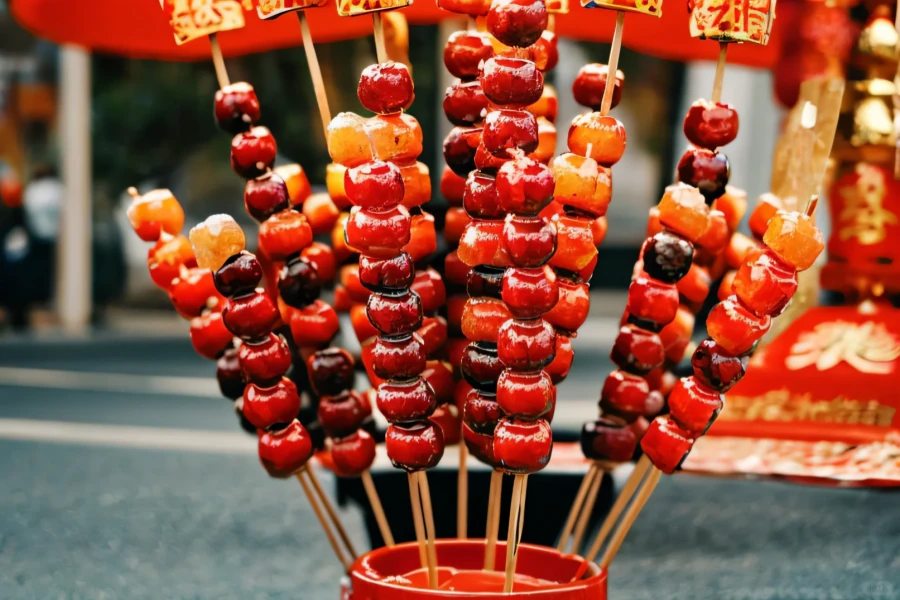
- The lively atmosphere of the snack street: Although it has changed several times, Wangfujing Snack Street and the surrounding hutongs still gather many time-honored restaurants, such as Donglaishun (hot pot) and Quanjude (roast duck) original store, and the air is always filled with the complex aroma of candied hawthorn, fried sausage and braised offal.
Photography Tips:
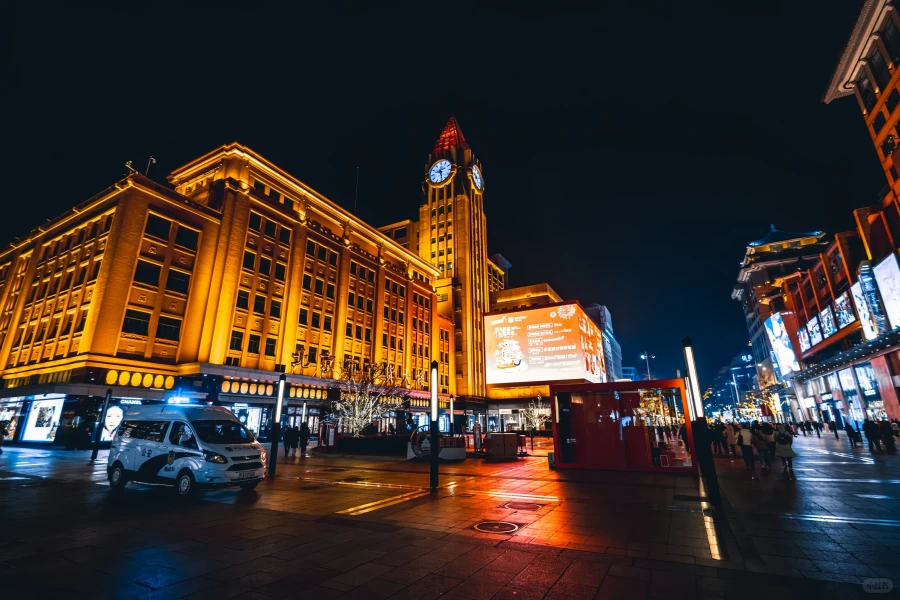
Best shooting locations: The square in front of the East Church offers a glimpse into the church alongside modern commercial buildings, showcasing the blend of the past and present; the middle section of the pedestrian street provides a dynamic night view of the bustling crowds and neon signs; and the area in front of the department store offers a panoramic view of the building and the Zhang Binggui statue.
Golden hour: From sunset to nighttime, during the "blue hour," all the building lights and streetlights illuminate the area, showcasing the dazzling prosperity of "Golden Street." The East Hall is particularly photogenic under these lights.
Humanistic perspective: Delve into the surrounding hutongs (such as Ganyu Hutong) to capture the quiet contrast behind the bustling commercial life.