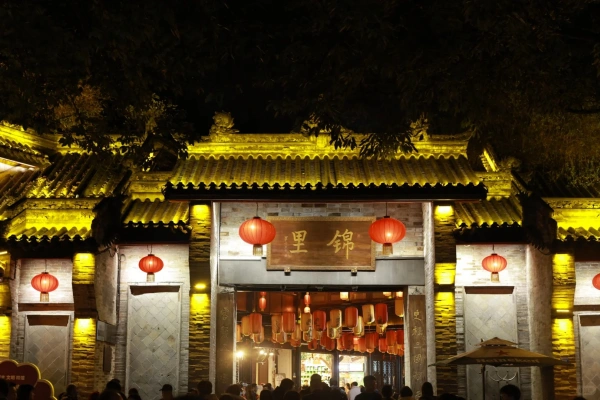
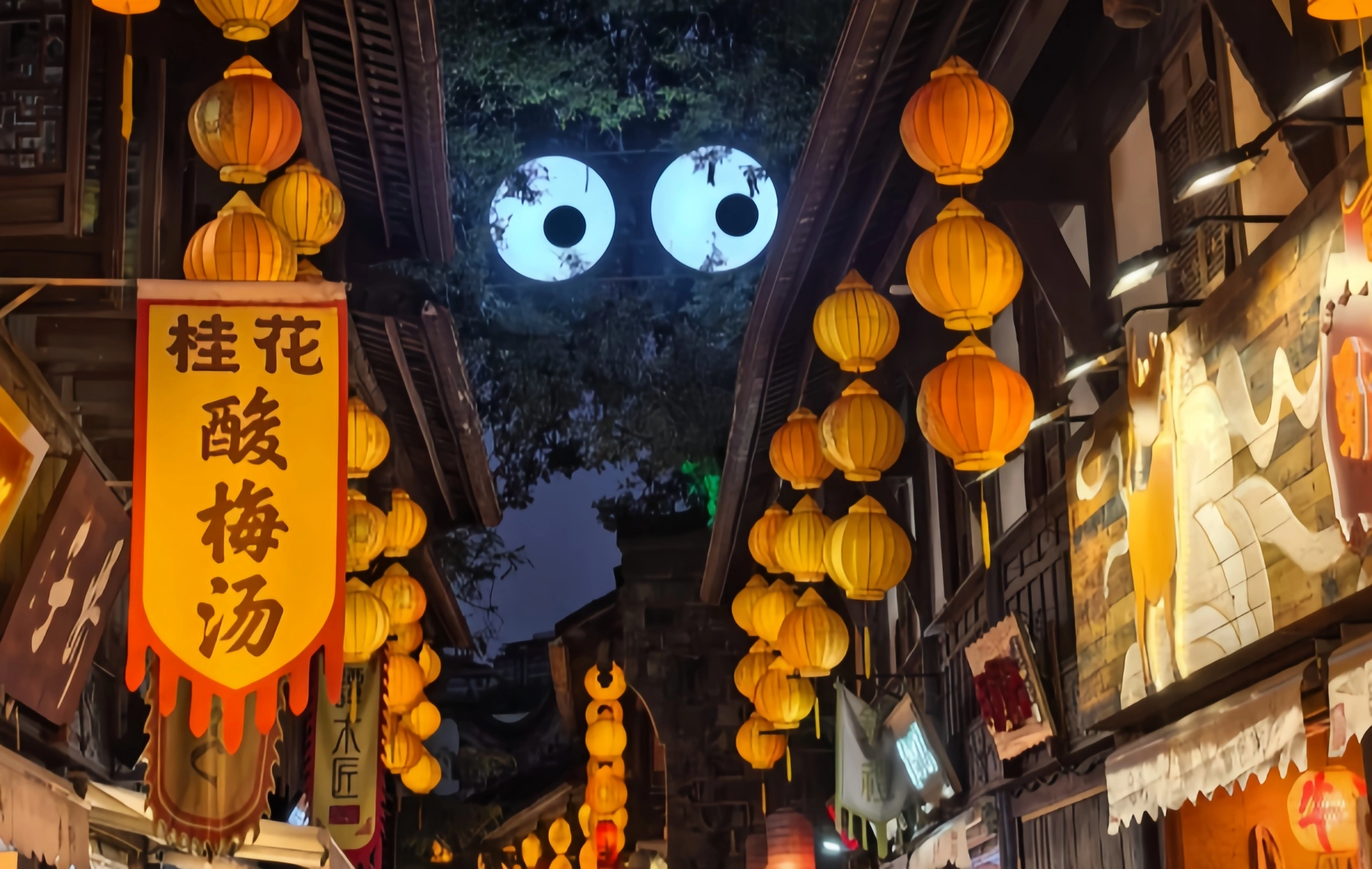
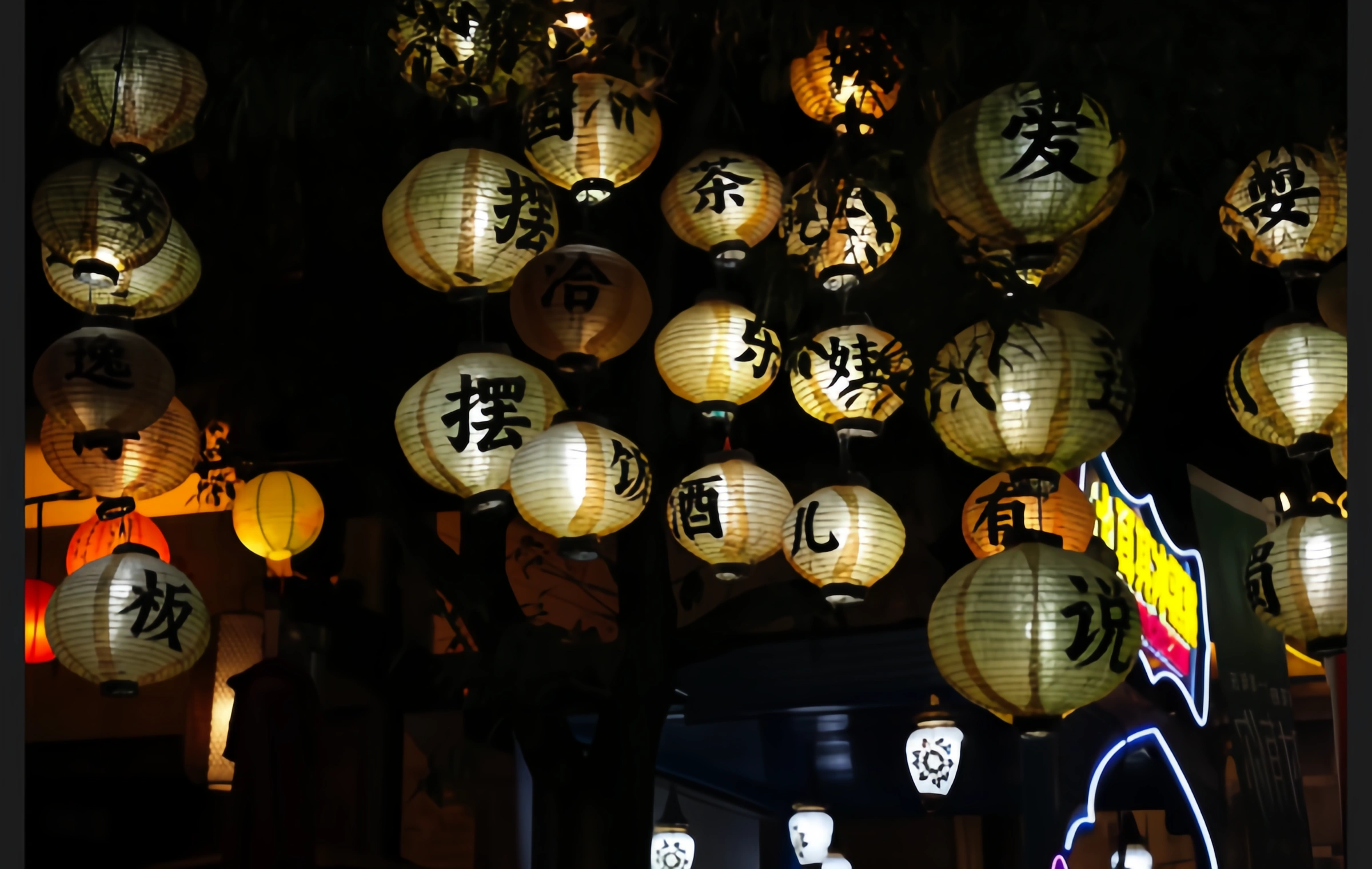
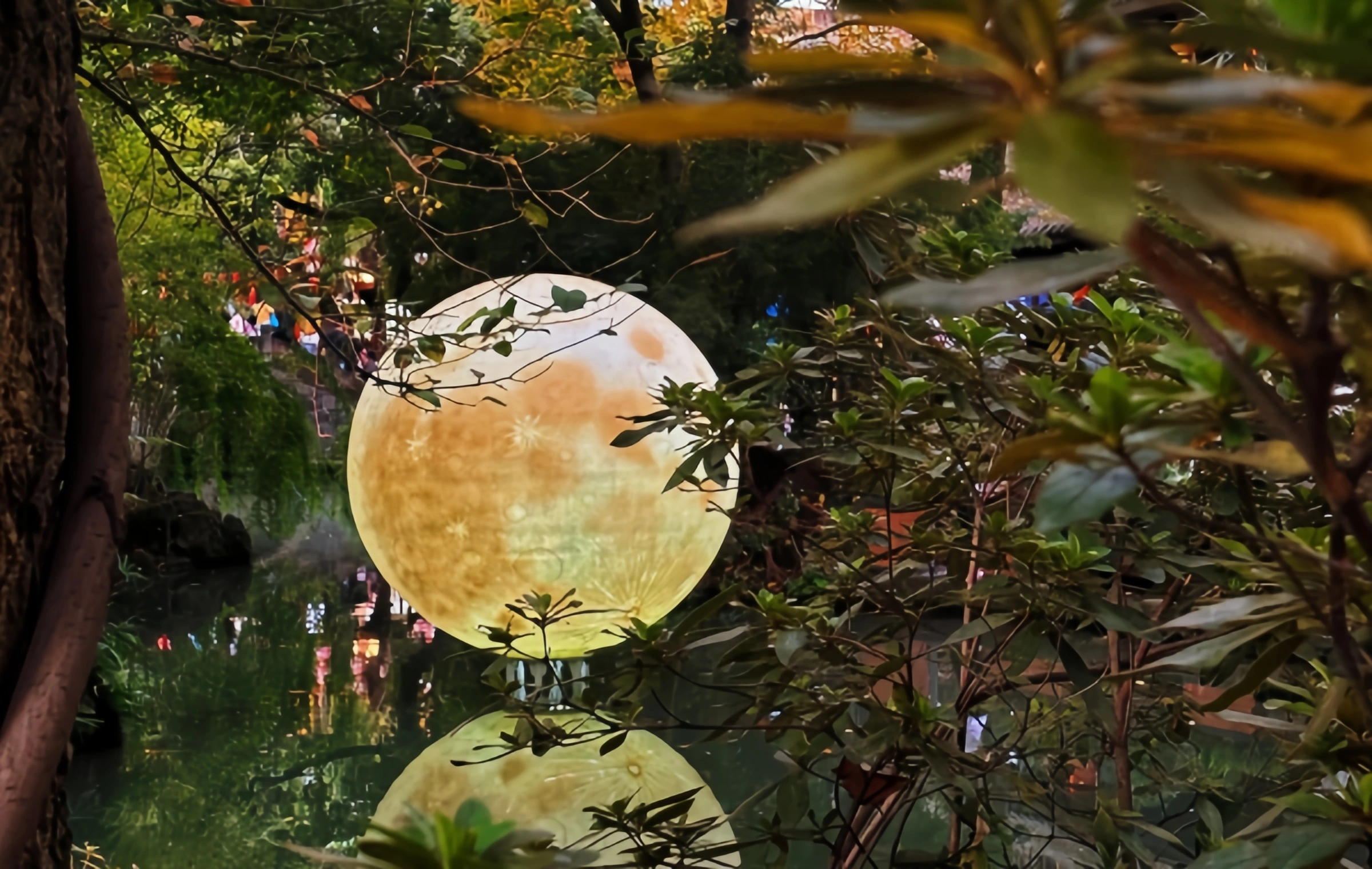
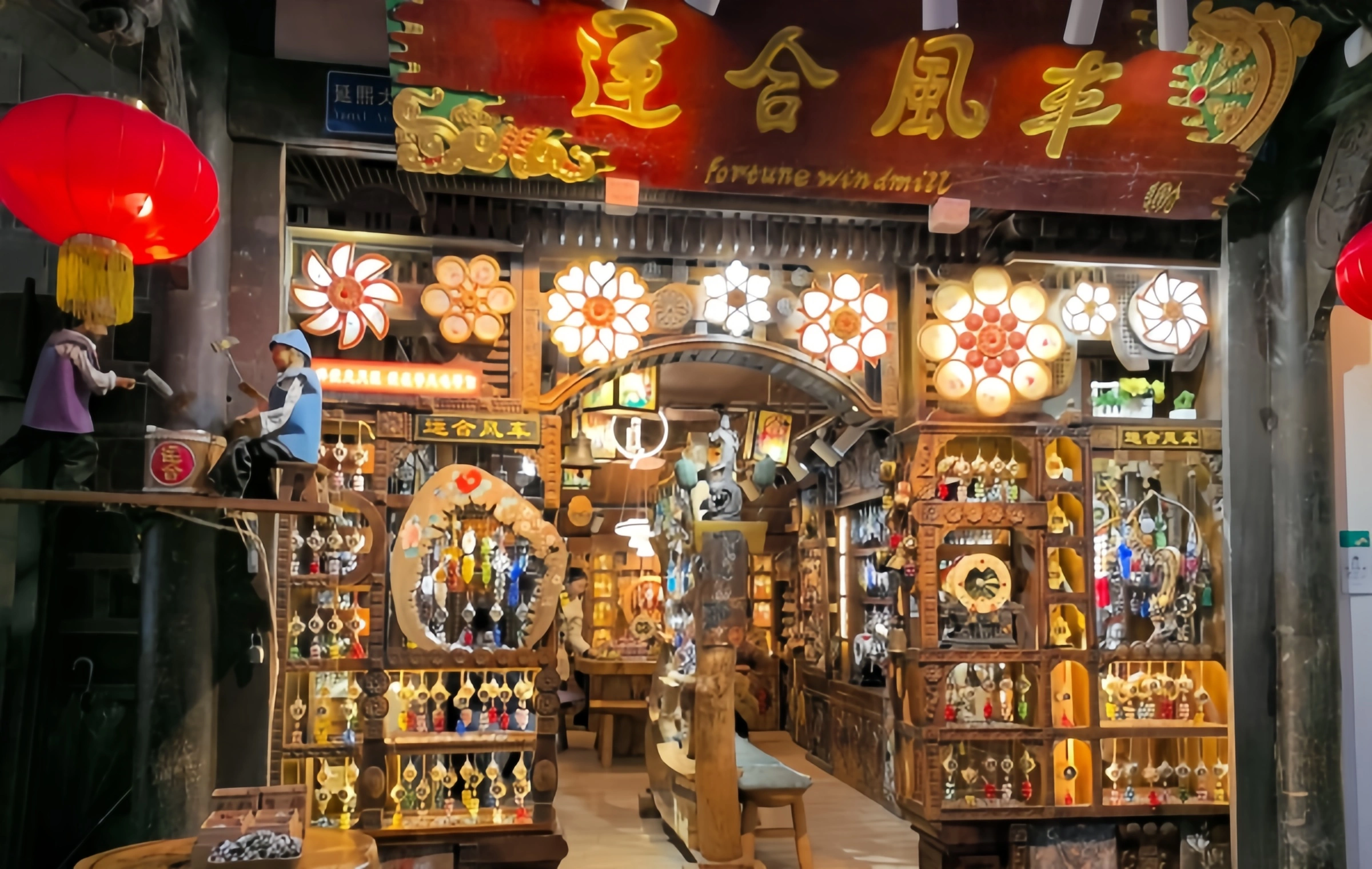
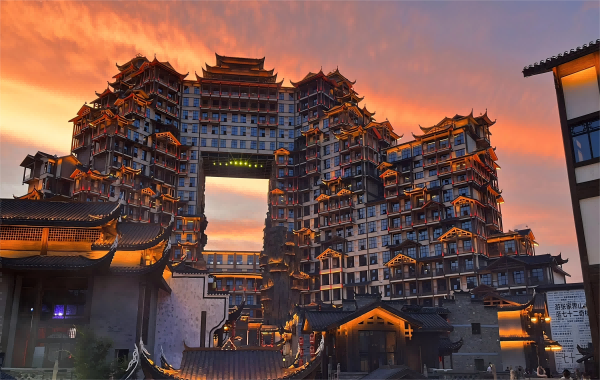
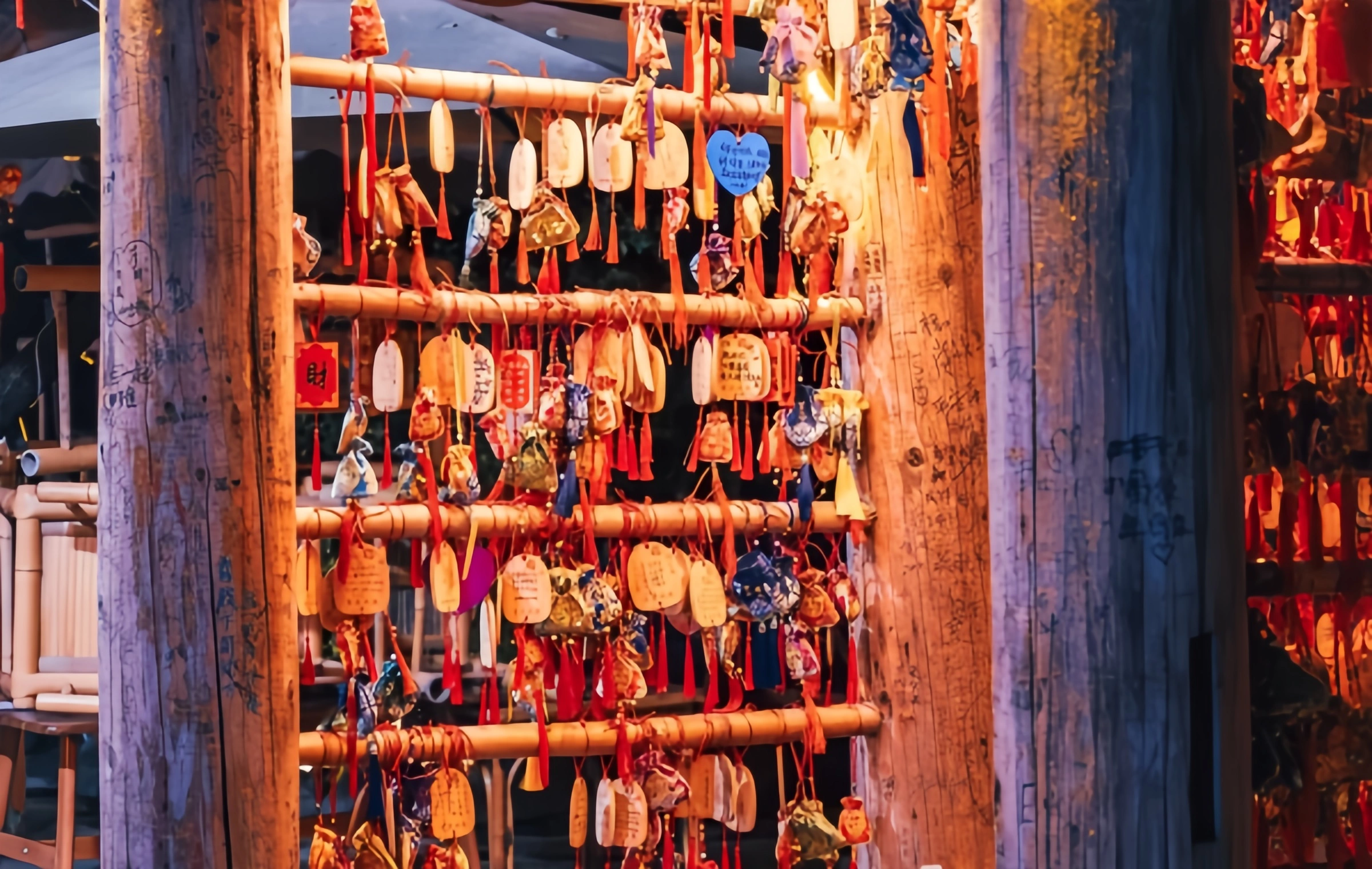
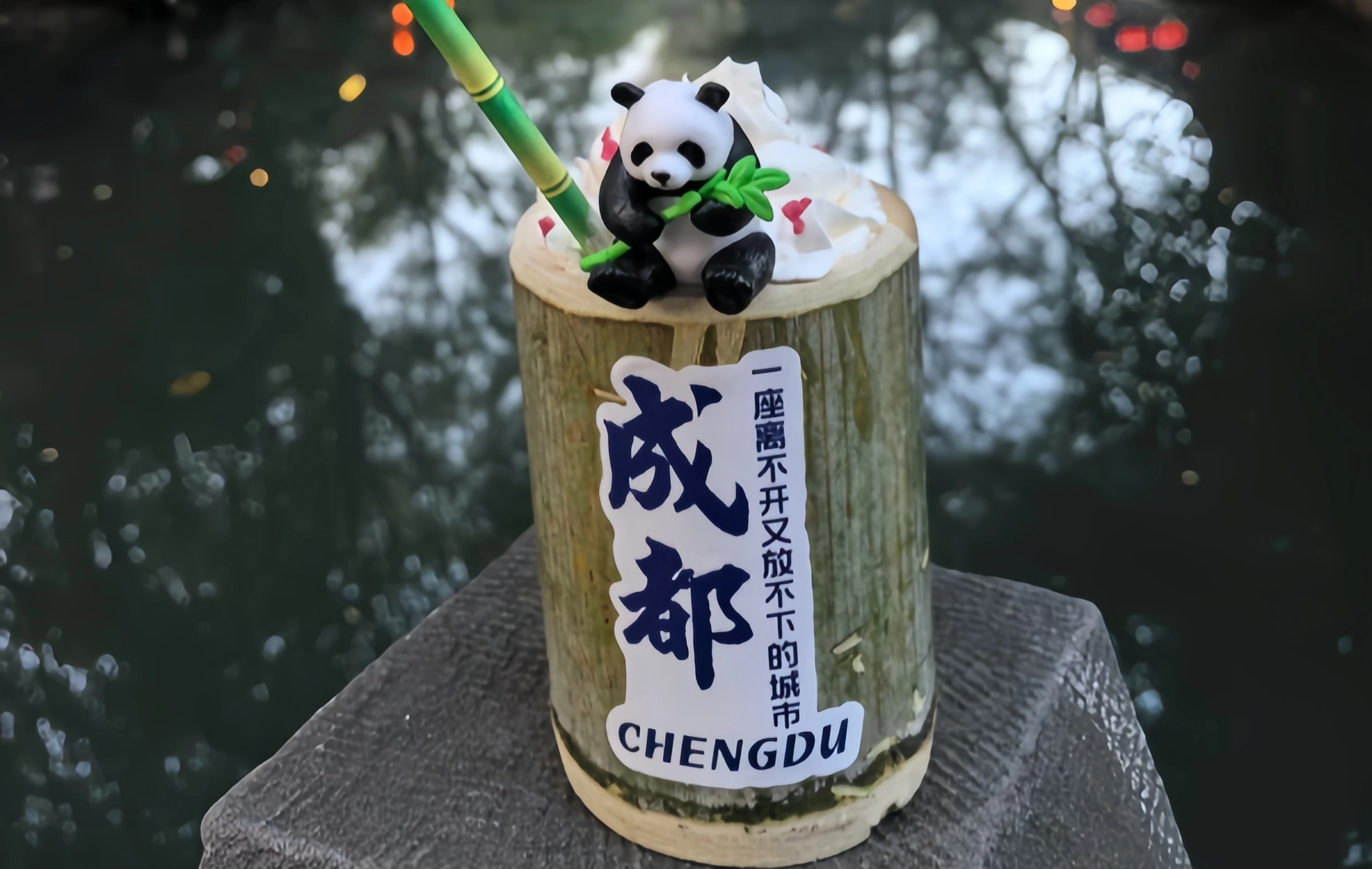
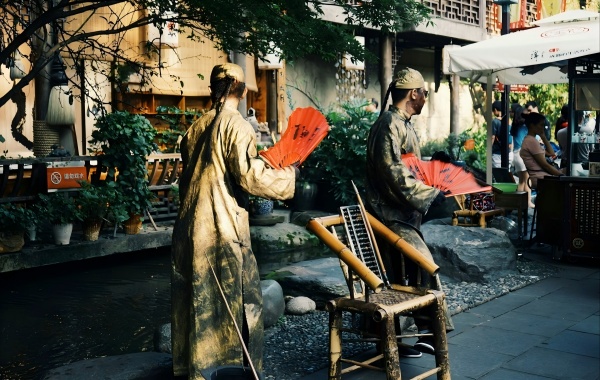
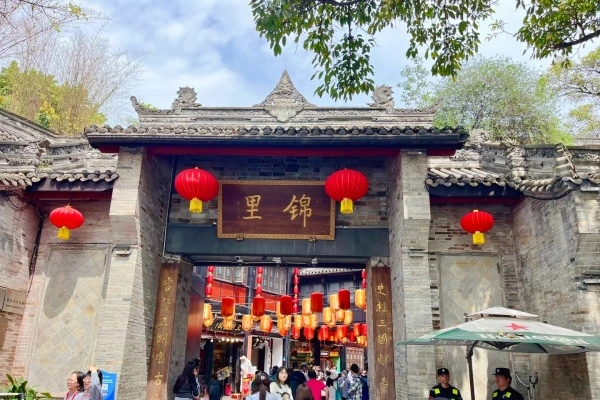
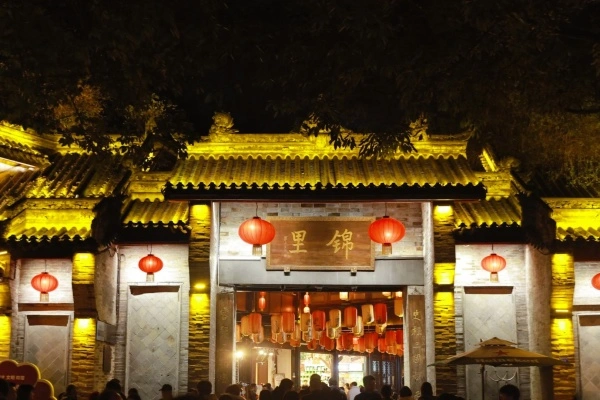
The charm of Jinli lies in its seamless integration of exquisite antique architectural spaces with the bustling urban life, with each scene being a story.
Spatial Charm - Rhythm of Streets, Alleys, Waters, and Bridges
Although Jinli is undergoing reconstruction, its spatial design deeply embodies the essence of the ancient town gardens in western Sichuan, with changes in scenery and pleasant scale.
Winding streets and alleys: The main street intersects with several small alleys, with varying widths. The main street is lively and bustling, gathering major shops and performances; The alleys (such as Lianshangfang) are relatively quiet, hiding some unique small shops and tea houses, suitable for stopping and savoring.
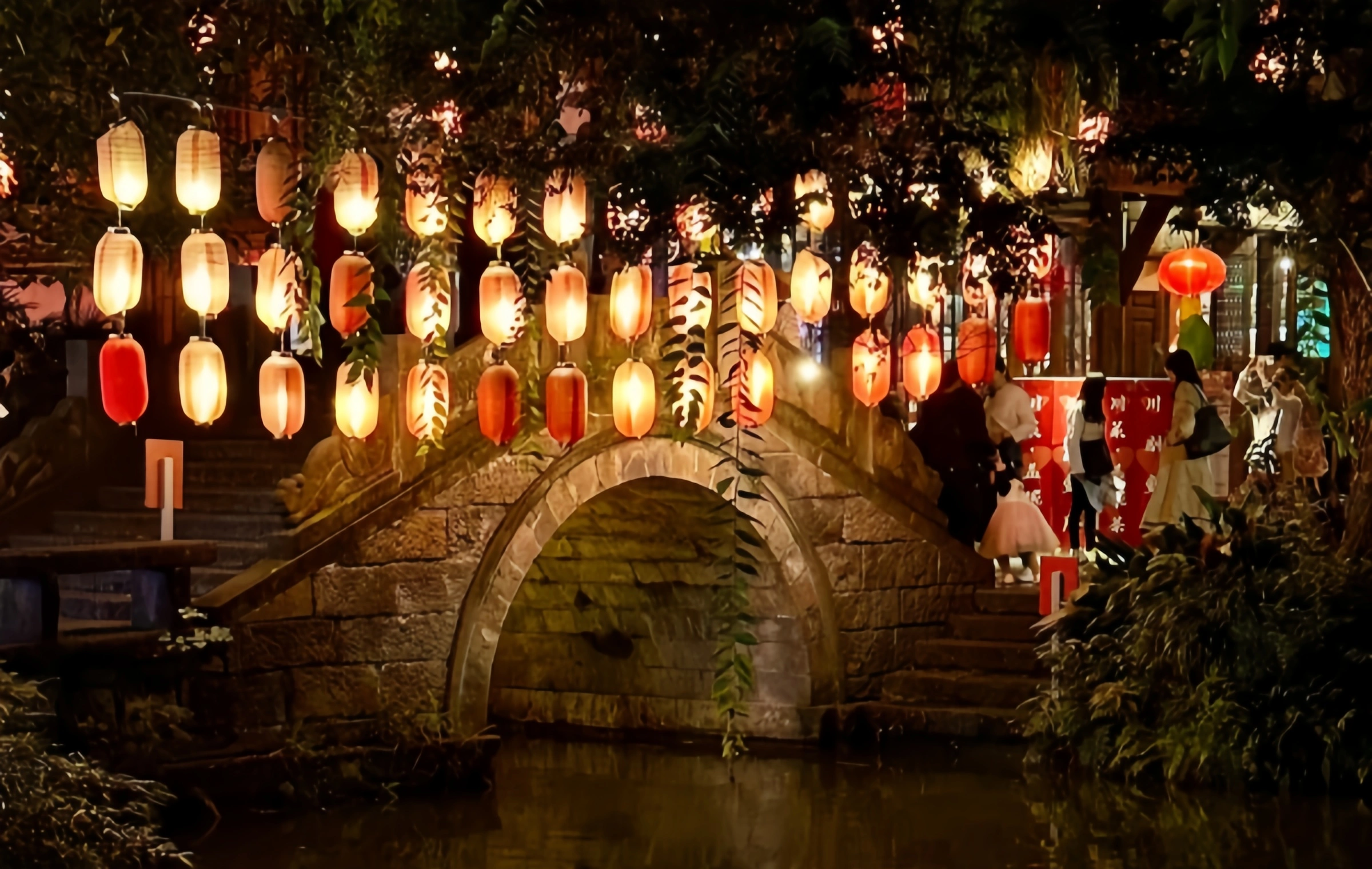
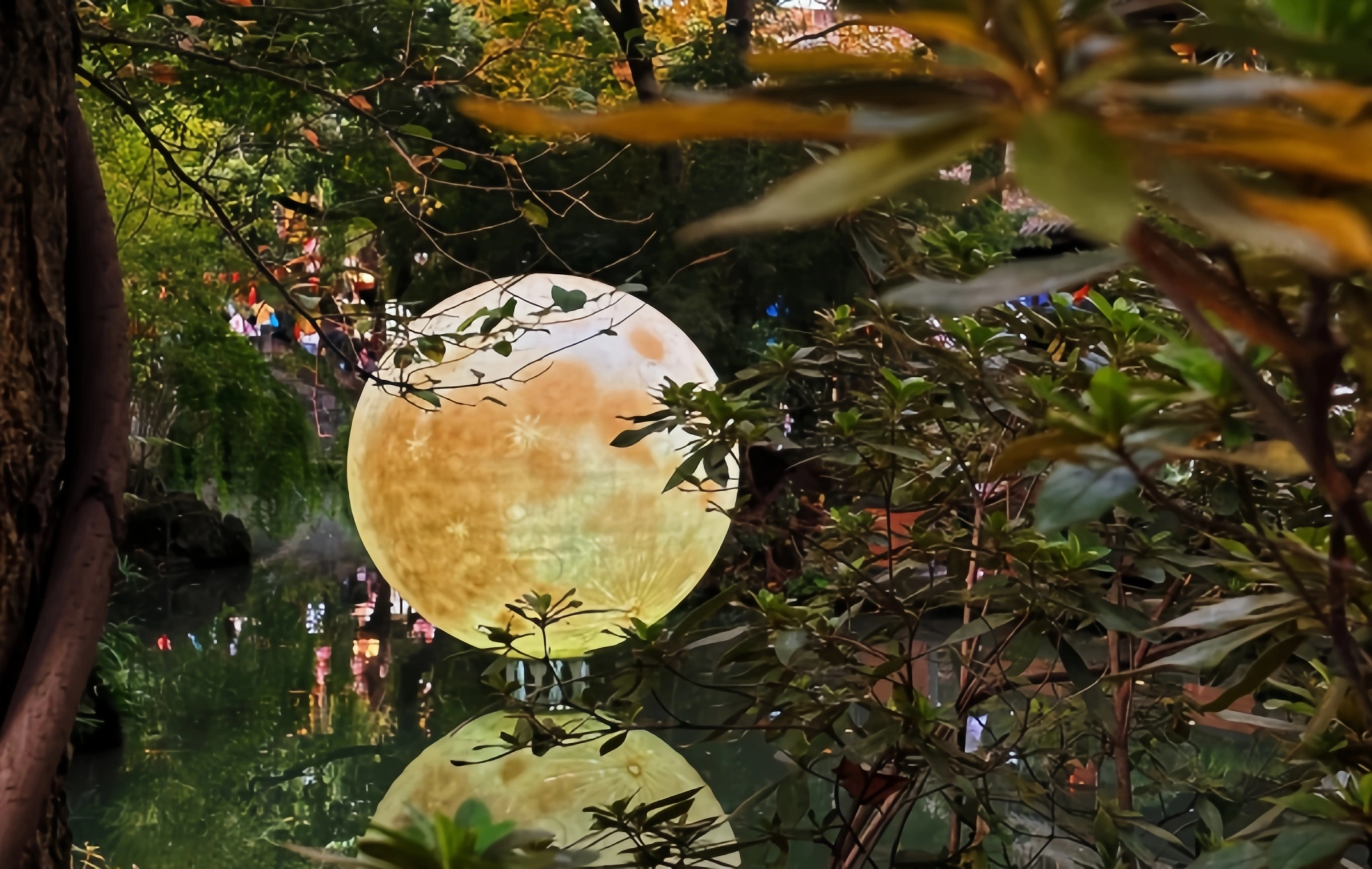
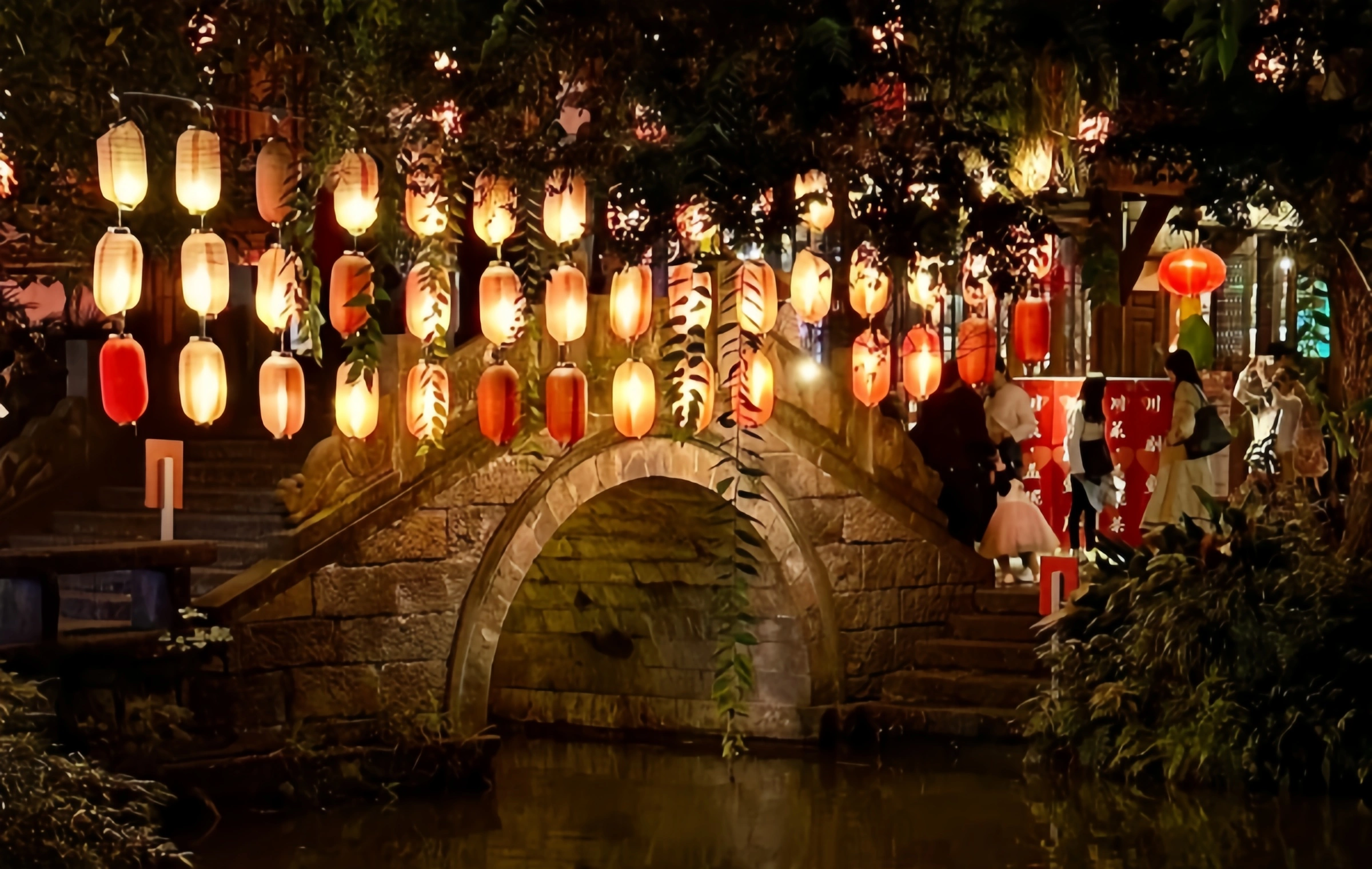
Dynamic Water System: A shallow stream winds along the street, spanning several stone bridges or wooden corridors, like the Jinxiu Bridge. The gurgling water not only adds vitality, but also echoes the urban characteristics of Chengdu's "prosperity due to water". Under the night light, the reflection of the water surface is dazzling and particularly moving.
Architectural style: Blue stone slab road, blue tile wooden walls, carved window frames, typical Western Sichuan residential style of the late Qing Dynasty and early Republic of China. Most buildings are one to two stories high and low, with red lanterns hanging under the eaves as their most vivid visual symbol.
Humanistic Scene - A Touchable and Sensible Long Scroll of Sichuan Life
The soul here lies in the vibrant culture that continues to be performed, participated in, and tasted.
The theme of Three Kingdoms culture: As an extension of the Wuhou Temple, Three Kingdoms elements are everywhere. There is a Zhuge crossbow shooting experience hall on the street, as well as distilleries and shops named after figures from the Three Kingdoms period. Street sculptures and murals often tell classic stories such as the Peach Garden Oath and Three Visits to the Thatched Cottage, making history tangible.
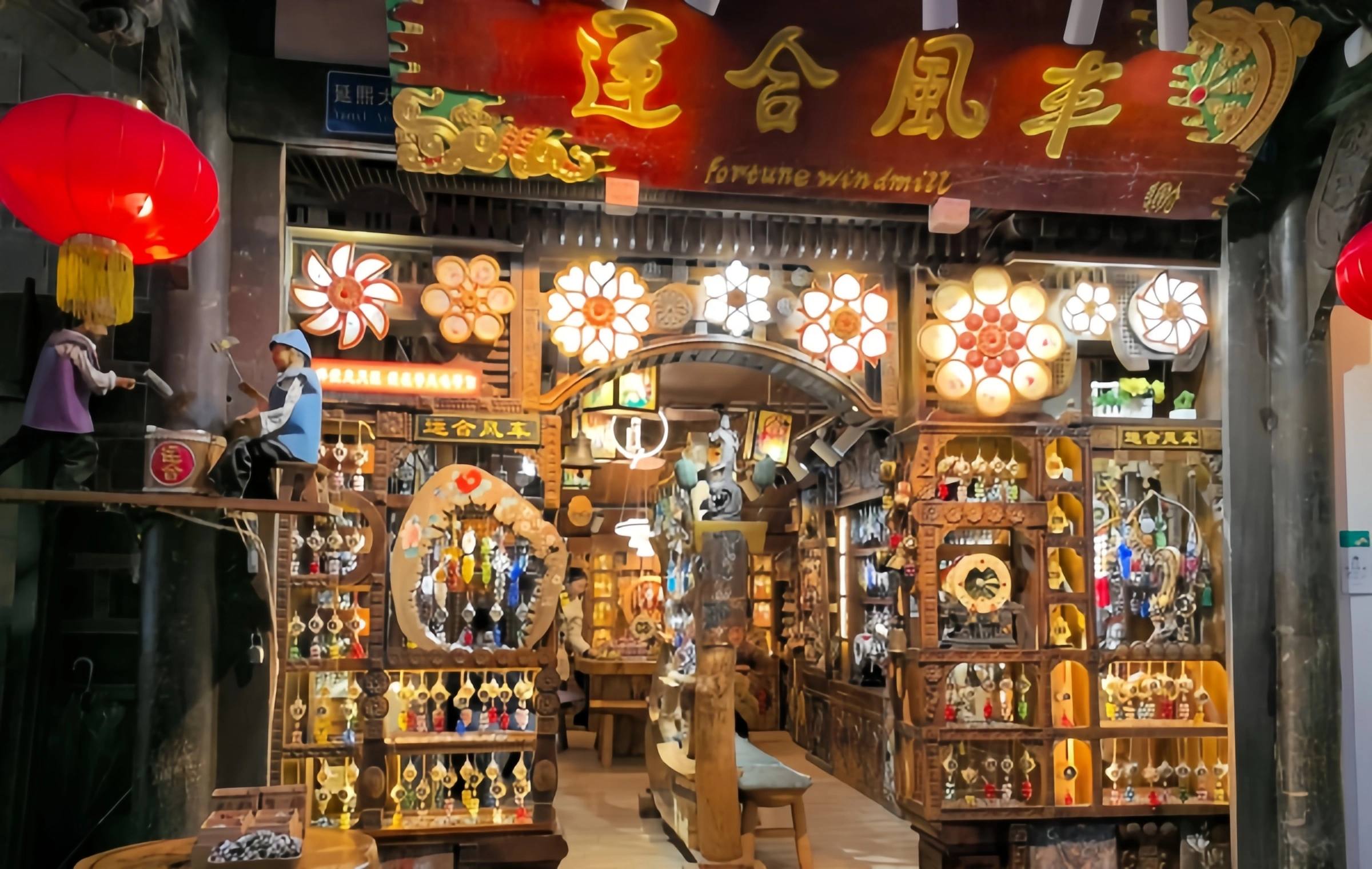
Intangible Cultural Heritage and Handicrafts: This is the window to Sichuan folk art. Tourists can watch the exquisite handicrafts of inheritors of intangible cultural heritage such as sugar paintings, dough figurines, shadow puppetry, Paper Cuttings, etc. at a close distance, or enter the workshops of Shu embroidery, bamboo weaving, and silver ware to enjoy or buy unique handicrafts.
Gourmet Jianghu: Jinli is the "Expo" of Chengdu snacks. From Sad Bean Jelly, Dandan noodles, Three Cannons, Tangyou Fruit, to Juntun Guokui, Ye Erba, Bobo Chicken, almost all famous Sichuan snacks are included. The streets filled with fragrance are themselves a carnival of taste buds.
Folk performances: Sichuan opera face changing, lantern rolling, tea art, shadow puppetry and other performances held regularly on ancient stages or streets are dynamic cultural displays. Especially with facial changes, it often elicits cheers from onlookers, pushing the atmosphere to a climax.
Photography tips:
The best panoramic camera position is on the arch bridge in the middle of the block (such as Jinxiu Bridge), which can capture classic images of small bridges flowing water and blue tiled lanterns.
The best humanistic location is in front of a snack stall or next to a craftsman's stall, capturing vivid moments of people tasting food or watching the production attentively.
The best night scene camera position is when all the lanterns are lit at night, with a deep view of the main street, using a large aperture lens to create a light spot effect, creating a strong atmosphere.
The performance on the ancient stage is an excellent theme for capturing dynamic cultural scenes, and it is recommended to use continuous shooting mode to capture exciting moments.