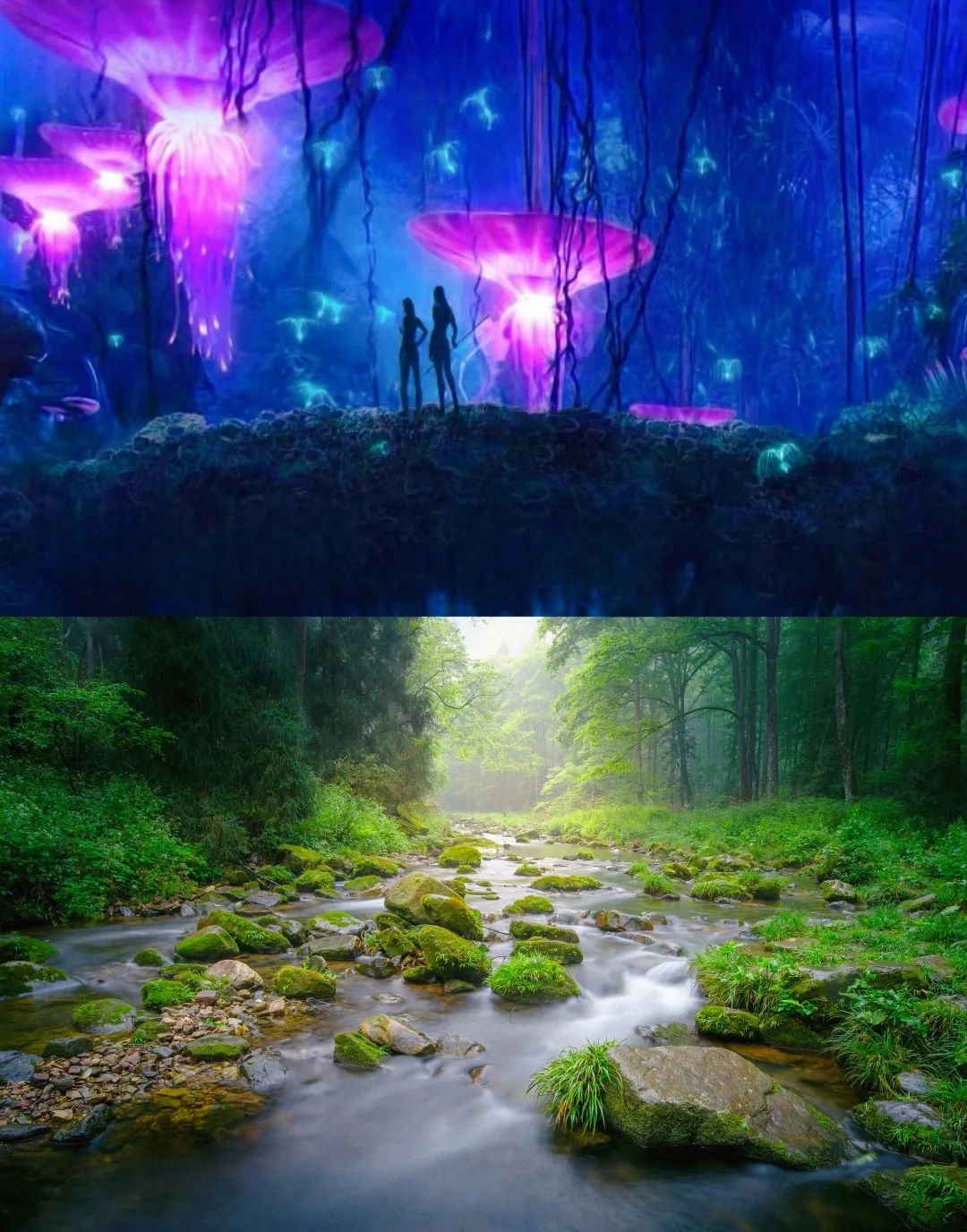
Liupanshan: A Journey into a Northwest Sanctuary Where Green and Red Intertwine

Liupanshan: A Journey into a Northwest Sanctuary Where Green and Red Intertwine

Overview: A Mountain Range Witnessing Both Nature's Rebirth and Revolutionary Legends

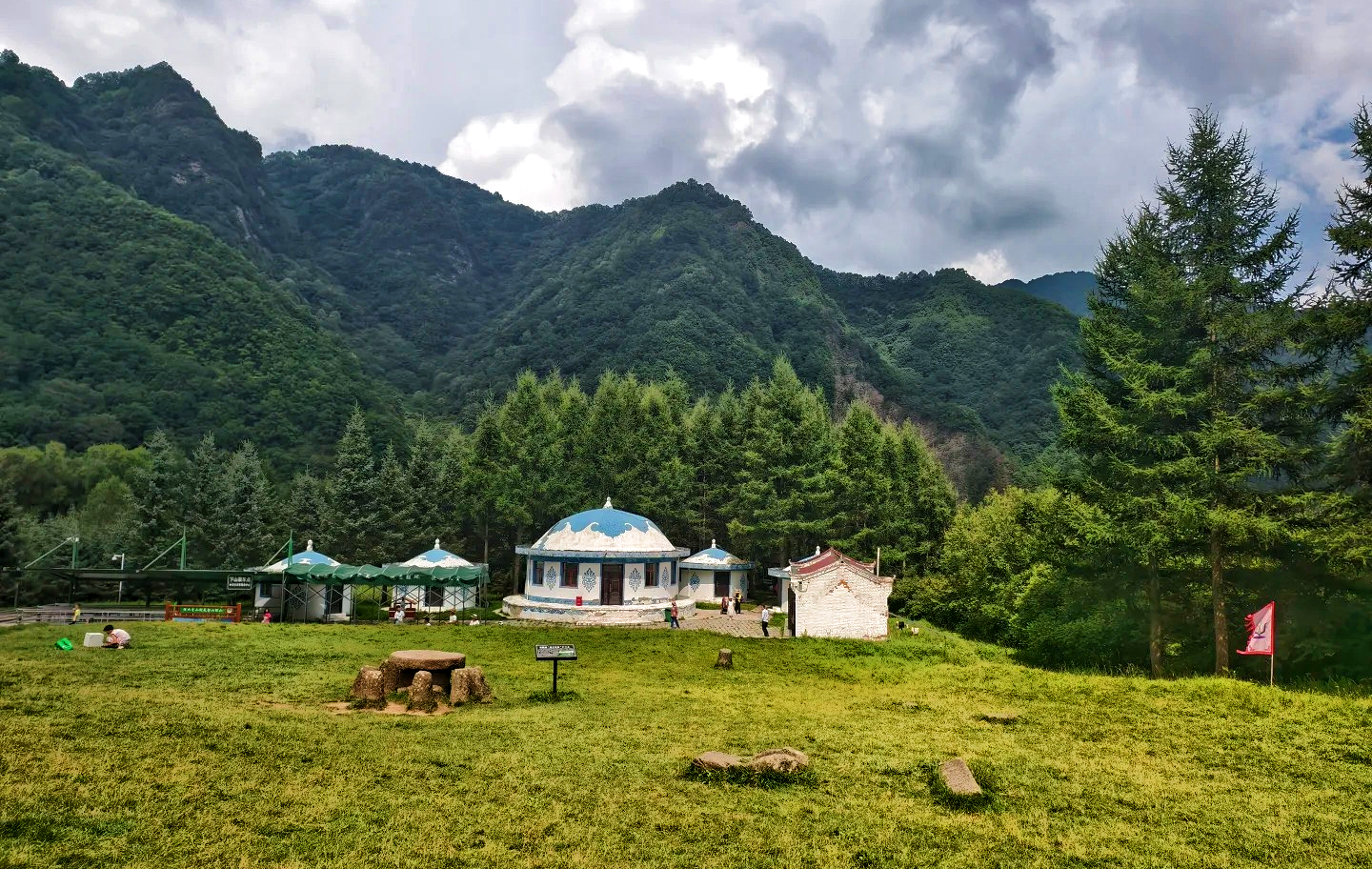
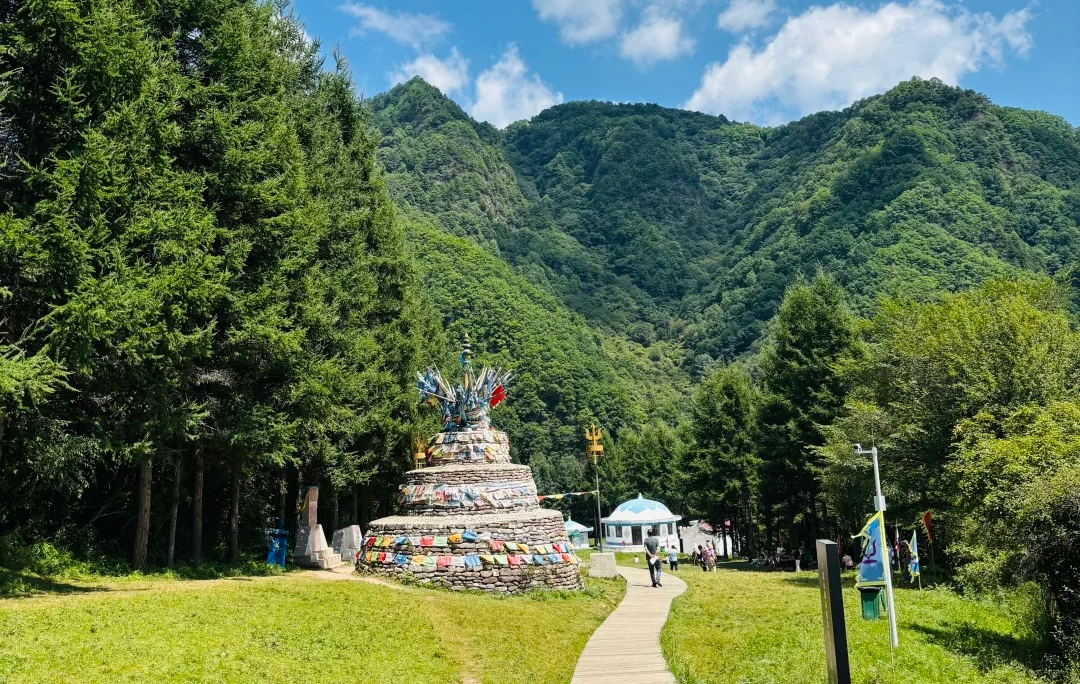
Liupanshan (Mount Liupan) stretches across the southern part of the Ningxia Hui Autonomous Region, spanning two counties—Jingyuan and Longde—and the Yuanzhou District.

Core Highlights at a Glance

Key Identities: The final major mountain of the Red Army's Long March / A "Green Island" and "Natural Oxygen Bar" on the Loess Plateau

Core Experiences: Hiking Xiaonanchuan (dubbed the "Little Jiuzhaigou of the Northwest"), visiting the millennia-old Great Buddha at Xumishan

Suggested Duration: 1–2 days (itinerary can be customized to combine natural landscapes, revolutionary history, or grotto art based on personal interests).

Address: Located within Jingyuan County, Longde County, and Yuanzhou District, Guyuan City, Ningxia Hui Autonomous Region.

  • Liupanshan: A Journey into a Northwest Sanctuary Where Green and Red Intertwine-1
  • Liupanshan: A Journey into a Northwest Sanctuary Where Green and Red Intertwine-2
  • Liupanshan: A Journey into a Northwest Sanctuary Where Green and Red Intertwine-3
  • Liupanshan: A Journey into a Northwest Sanctuary Where Green and Red Intertwine-4

Origins: From Ancient Beacon Trails to Green Rebirth

Furong Ancient Town Furong Ancient Town Furong Ancient Town Furong Ancient Town

Ancient Trails and Beacon Fires—A Millennia-Long Convergence of Nomadic and Agrarian Cultures

Liupanshan—known in antiquity as Longshan—is the northern extension of the Qinling Mountain Range, stretching approximately 110 kilometers from north to south. Since the Qin and Han Dynasties, this region has served as an essential thoroughfare along the northern route of the eastern section of the Silk Road. During his western inspection tour, Qin Shi Huang (the First Emperor of Qin) once traversed the ancient "Jitou Road" (Chicken Head Road) post route located here, leaving behind historical imprints dating back over two millennia. For centuries, Liupanshan has functioned simultaneously as a natural boundary separating the agrarian civilization of the Central Plains from the nomadic cultures of the North, and as a vital hub for trade, commerce, and the intermingling of ethnic groups. Nestled at the foot of the mountain lies Guyuan City—historically known as the "Gateway to the Western Frontier"—a place that has borne witness to the ceaseless ringing of camel bells and the billowing smoke of battle beacons throughout the ages.

A Red Monument: The Final Great Mountain Conquered During the Long March

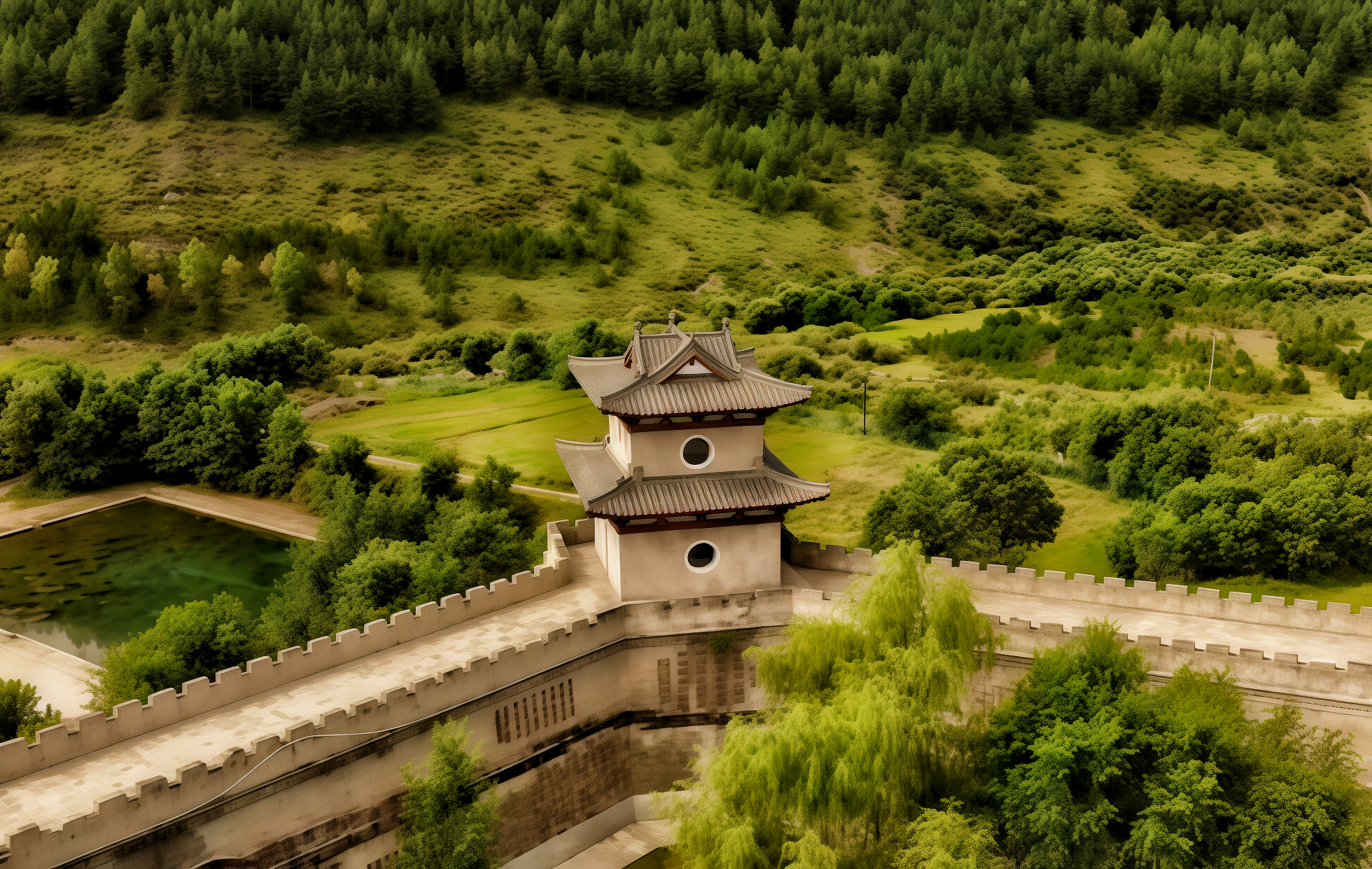
In October 1935, Mao Zedong led the Central Red Army across Mount Liupan; it was the very last high mountain the Chinese Workers' and Peasants' Red Army would traverse during their epic Long March. Standing atop Mount Liupan, Mao gazed out over the autumnal landscape of the northern lands and penned the majestic poem Qing Ping Yue: Mount Liupan—verses that seem to encompass the very spirit of the mountains and rivers: "The sky is high, the clouds are pale; the southward-flying wild geese vanish from sight. He who has never reached the Great Wall is not a true hero; counting on my fingers, the journey spans twenty thousand li." The "Great Wall" referred to here is the Qin Great Wall of the Warring States period, located within the territory of Guyuan. Thus, Mount Liupan was imbued with the historical significance of being the "Mountain of Victory," becoming a geographical landmark marking the Chinese Revolution's journey from hardship to glory.

Green Rebirth: From Loess Wasteland to Highland Green Haven

Throughout history, Mount Liupan suffered the scars of war and indiscriminate deforestation. However, since the 1970s, through the implementation of a series of ecological initiatives—including national water-conservation forest projects, the "Three-North" Shelterbelt Program, and natural forest protection measures—the forest coverage rate in the Mount Liupan region has surged from 27% in 1958 to its current level of 60.1%. The forested area within the nature reserve has expanded from 360,000 mu to 810,000 mu, creating a 300-kilometer-long "green corridor" for wildlife migration. Rare and precious species—such as the North China leopard, forest musk deer, and tufted deer—have migrated here from the Qinling Mountains; today, Mount Liupan stands as one of the most vibrant and biodiverse ecological treasures in Northwest China.

> Dive Deeper: Explore More Sacred Sites of China. >>Hulunbuir Grassland

Must-See Wonders: A Visual Epic of Green Landscapes and Grottoes

Furong Ancient Town Furong Ancient Town Furong Ancient Town Furong Ancient Town

Nature's Masterpiece: A Cool, Hidden Sanctuary on the Loess Plateau

The natural scenery of Mount Liupan completely shatters the stereotypical image of the Loess Plateau as a "dry and desolate wasteland." Tucked away here lies a cool, hidden sanctuary—a landscape whose beauty rivals that of the mountains and waters of Southern China. Xiaonanchuan — The "Little Jiuzhai of the Northwest"

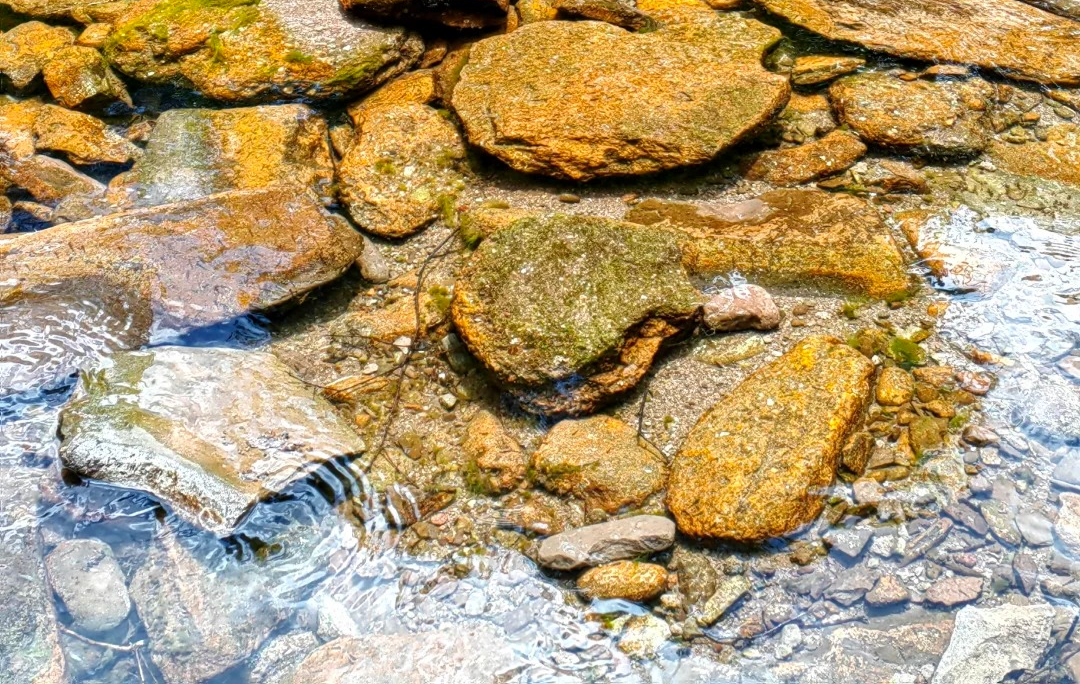
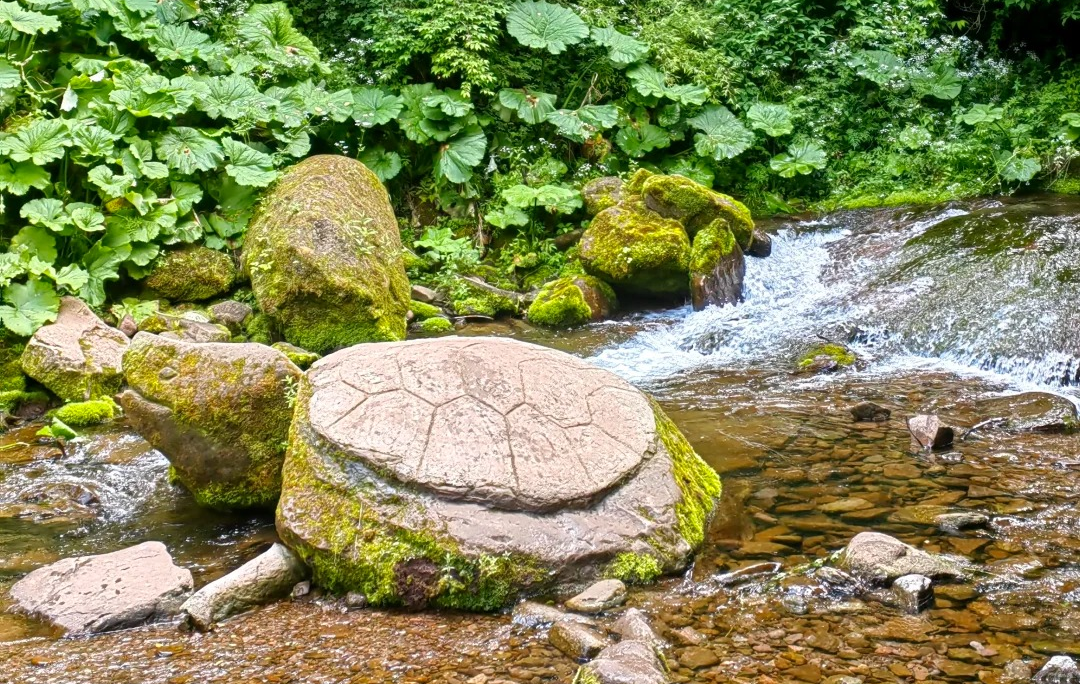
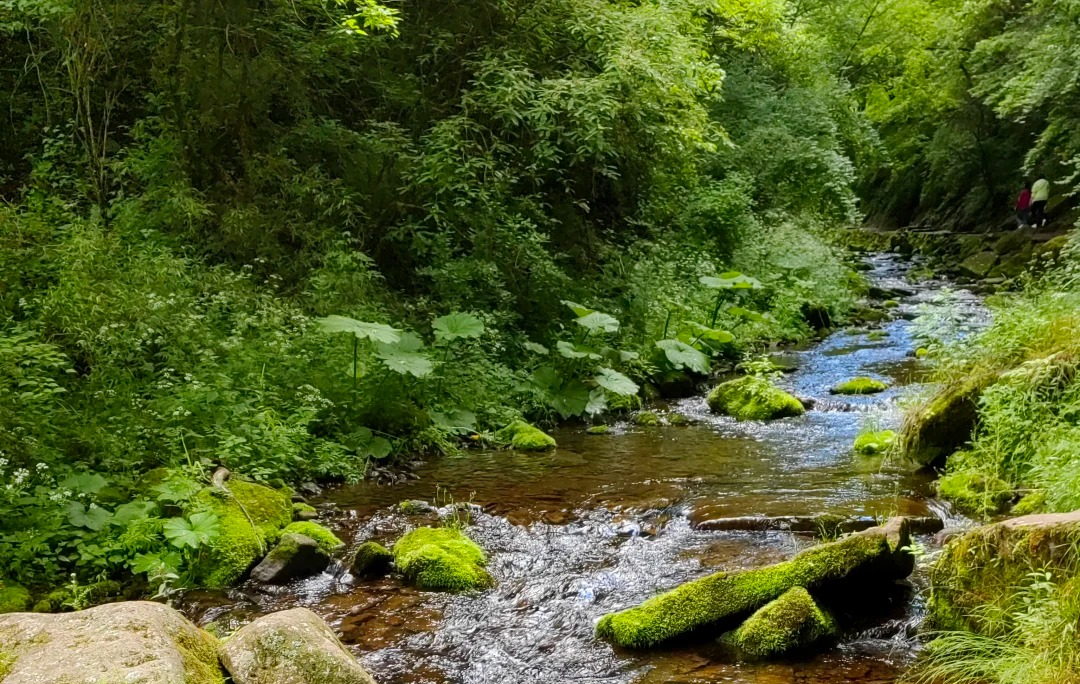
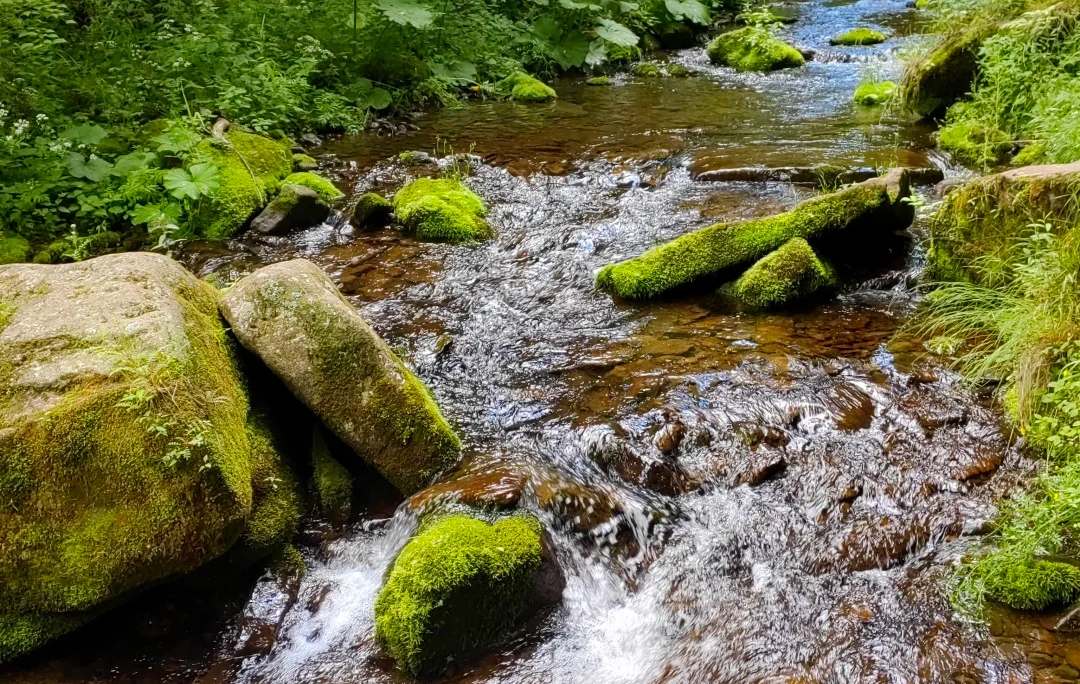
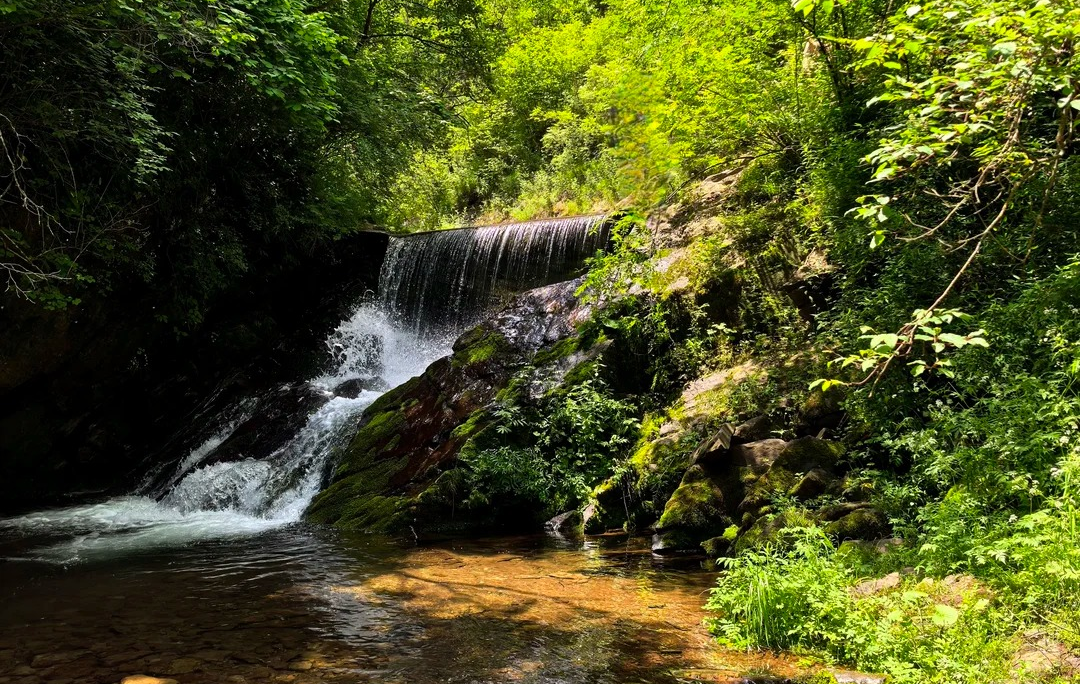
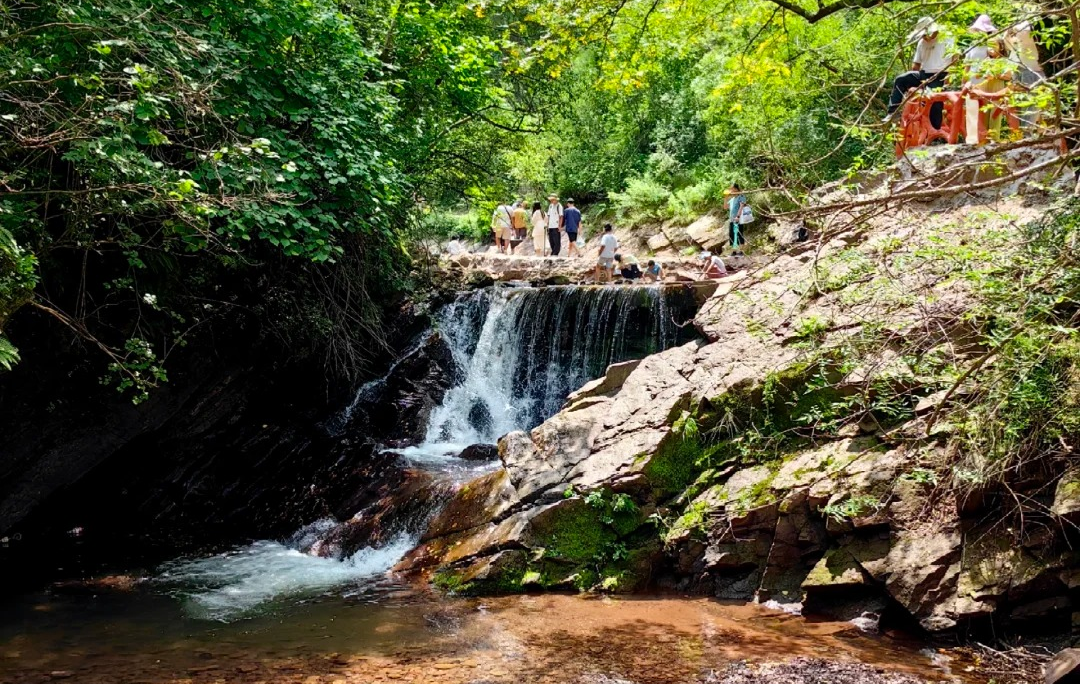
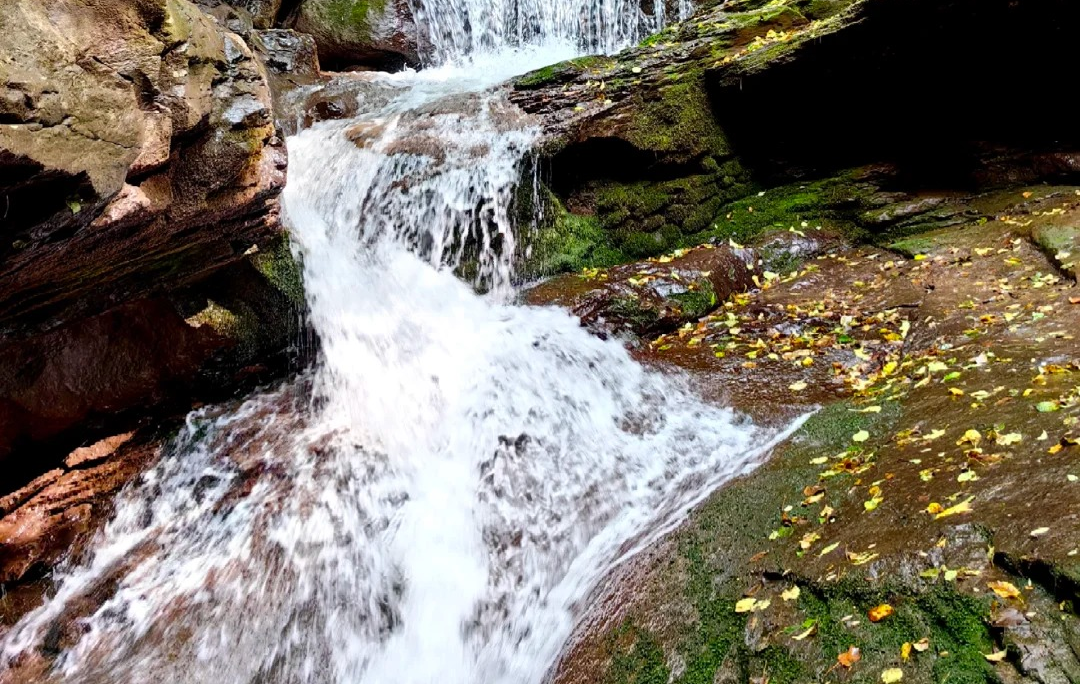
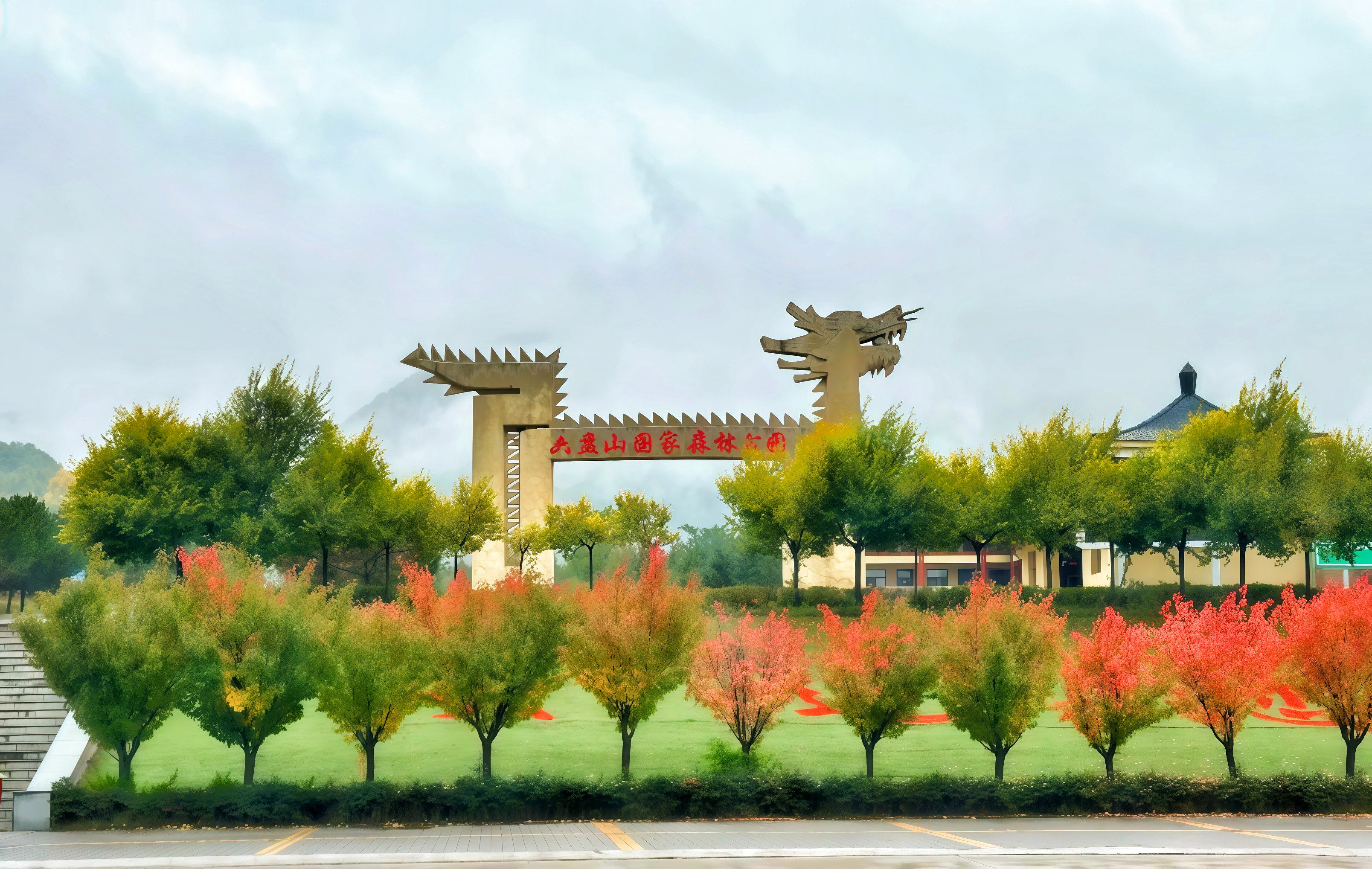
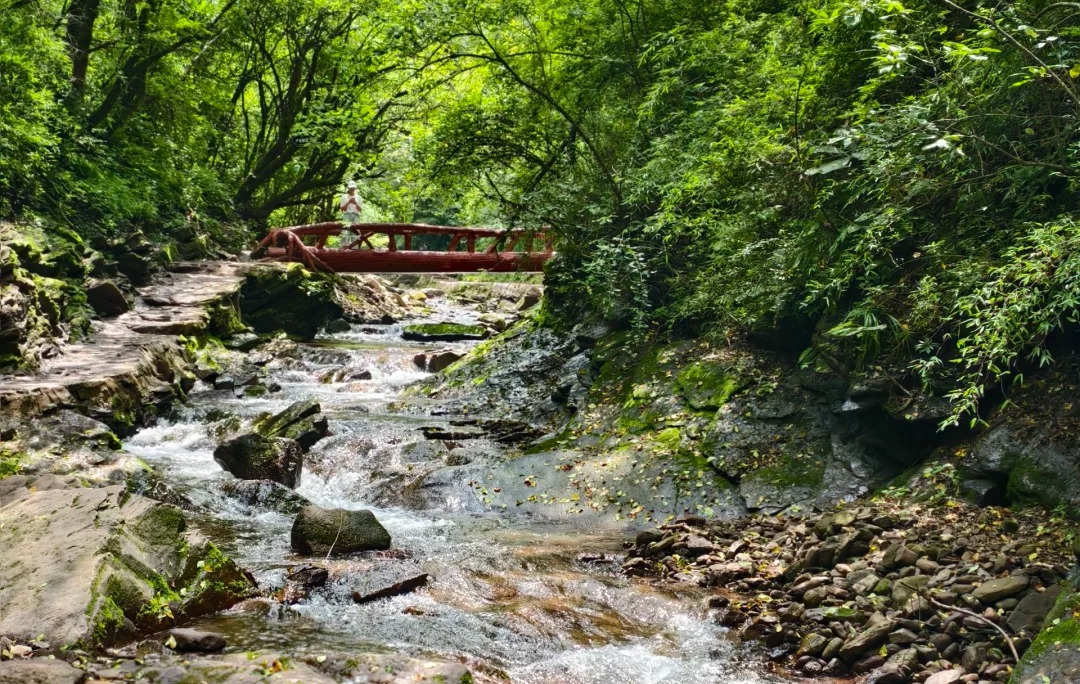
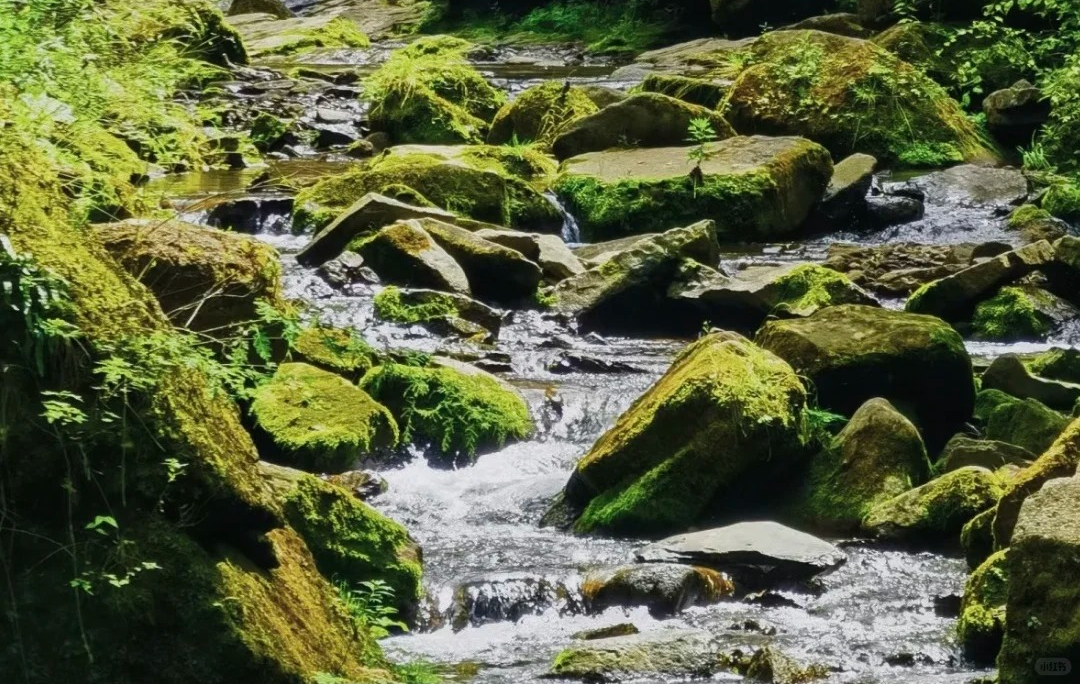
Xiaonanchuan is the central scenic area within the Liupanshan National Forest Park, renowned as the "Little Jiuzhai" of the northern frontier. As you hike along the canyon boardwalk, a crystal-clear stream winds alongside you, while groves of red birch trees on both banks cast dappled patterns of light and shadow under the sun. The highlight of the experience is the wading section—here, you can step barefoot into the cool stream waters to feel the pristine clarity and refreshing chill of the source of the Jing River. At the far end of the canyon lies the "Dragon Maiden Bathing Waterfall," a favorite spot for photography enthusiasts; around 3:00 PM, when the sunlight strikes the mist at an angle, one can often witness the dreamlike spectacle of a rainbow arching across the falls.

Liandianxia — A Summer Retreat for Emperors and Generals

Also known as Liangtianxia, Liandianxia is a pristine canyon stretching eight kilometers from east to west. Encircled by mountains on three sides, it boasts an average summer temperature of only 18°C, making it a celebrated summer retreat since ancient times. Legend has it that Genghis Khan—the "Pride of the Age"—once stationed his troops here to rest and recuperate; relics from that era, such as stone troughs used for feeding horses, can still be found deep within the canyon today. Hiking through the canyon, you are shaded by towering larch trees that form a dense canopy overhead, while mountain breezes drift through the valley, carrying the fragrant scents of the surrounding flora. If luck is on your side, an early-morning ascent to the Migangshan Observation Deck offers the chance to witness a magnificent "sea of clouds," where golden mists intertwine with the vast expanse of the forest below.

Erlonghe and Guimenguan — A Wilderness Expedition into the Primitive Forest

Erlonghe (Two Dragons River) is a major tributary of the upper Jing River, named for the two streams that wind their way to a confluence here. This area lies within the core zone of the Liupanshan Nature Reserve, home to a vast and dense primitive secondary forest ecosystem where 788 plant species and 213 animal species thrive. Following the Erlonghe upstream leads you into a place locals call "Guimenguan" (The Gate of Hell)—a deep, eight-kilometer-long canyon. The valley is perpetually shrouded in mist, creating an atmosphere that is both tranquil and eerie; local folklore warns, "Guimenguan: mountains stacked upon mountains—easy to enter, but hard to leave." Yet, it is precisely this air of mystery and wild primitiveness that draws countless outdoor adventure enthusiasts to come and explore its depths.

Wild Lotus Valley — A Touch of Refined Elegance in Summer

Every summer, the wild lotuses of Wild Lotus Valley stand tall and graceful, their fragrance wafting across ten li (several kilometers). This natural expanse of high-altitude wetland—a veritable sea of flowers—is a gift bestowed by Mount Liupan upon the summer season. As you stroll along the wooden boardwalk, observing the pink lotuses swaying gracefully against a backdrop of lush green mountains and shimmering waters, you might feel as though you have been instantly transported to the picturesque water towns of Jiangnan.

> Photography Tips: The red birch forest in Xiaonanchuan makes for an excellent backdrop for portrait photography; it is recommended to wear solid-colored clothing to accentuate the interplay of light and shadow. For the sea of clouds in Liangdian Gorge, the best viewing time is between 5:00 AM and 7:00 AM on a clear morning following rainfall; be sure to bring non-slip footwear and a windproof jacket.

Cultural Wonders — The Millennial Buddhist Radiance of the Silk Road Grottoes

Mount Liupan boasts not only magnificent natural landscapes, but its northern foothills also conceal a world-class cultural heritage site: the Xumishan Grottoes.

The Xumishan Grottoes — One of China's Top Ten Grotto Complexes

The carving of the Xumishan Grottoes began during the Taihe era (477–499 AD) of Emperor Xiaowen of the Northern Wei Dynasty. Through continuous construction spanning the Western Wei, Northern Zhou, Sui, and Tang dynasties—as well as subsequent renovations and repainting during the Song, Yuan, Ming, and Qing periods—it has earned its place as one of China's top ten grotto complexes. Today, spread across eight peaks stretching over two kilometers, the site preserves 162 extant caves and over 500 Buddhist statues, collectively forming an epic history of Buddhist art carved directly into the red sandstone.

The Great Buddha of Xumishan — A Pinnacle of Tang Dynasty Stone Carving

Cave No. 5 (the Great Buddha Pavilion) serves as the spiritual heart of the entire grotto complex. It features a colossal rock-face niche housing a seated statue of Maitreya Buddha that stands an impressive 20.6 meters tall—several meters taller even than the Great Buddha at the Yungang Grottoes. With a countenance that is both dignified and serene, and a posture that is upright yet relaxed, the Great Buddha has withstood over a thousand years of wind and rain, yet still stands proudly upon the red sandstone cliff, gazing down upon the ancient Shimen Water Route winding below. Standing at the foot of the Great Buddha and gazing upward, one is overcome by a profound sense of solemnity that transcends time—this colossal statue has borne witness to both the rise and fall of the Silk Road, as well as the piety and prayers of countless merchants and travelers passing through.

Caves of the Northern Zhou and Tang Dynasties—A Living Museum of Grotto Art

Among the Sumeru Mountain Grottoes, Caves 45, 46, and 51—dating back to the Northern Zhou Dynasty—are the best-preserved. Each cave houses over 40 statues, standing between 6 and 7 meters tall; their carvings are exquisite, and their presence is truly magnificent. In contrast, the Bodhisattva figures found in the Tang Dynasty caves exhibit a distinctly different aesthetic style—characterized by gracefully arched brows, expressive eyes, bare chests and arms, and flowing robes—fully embodying the openness and inclusivity of Tang Dynasty culture. Consequently, scholars regard the Sumeru Mountain Grottoes as a prime example of the "transitional zone between clay sculpture and stone carving," endowing them with immense value in the history of art.

Core Experience: An Immersive Guide to Exploring Mount Liupan

Furong Ancient Town Furong Ancient Town Furong Ancient Town

Five Must-Do Activities: Unlocking the Complete Mount Liupan Journey

1. Hike Xiaonanchuan: Discover the Refreshing Coolness of the "Little Jiuzhai of the Northwest"

- Route: Take the shuttle bus to the Xiaonanchuan terminus, then hike approximately 4 kilometers along the waterside boardwalk, following the stream upstream.

- Experience: Wade barefoot through the water to feel the pristine clarity of the Jing River's source, and capture stunning photos amidst the interplay of light and shadow within the tunnel-like grove of red birch trees.

- Tips: During the summer months, it is recommended to bring water shoes (for wading) and sun protection gear; as the scenic area is prone to insects, be sure to pack insect repellent.

2. Retrace the Red Army Trail: Feel the Pulse of the Long March

- Location: Mount Liupan Red Army Long March Tourist Area.

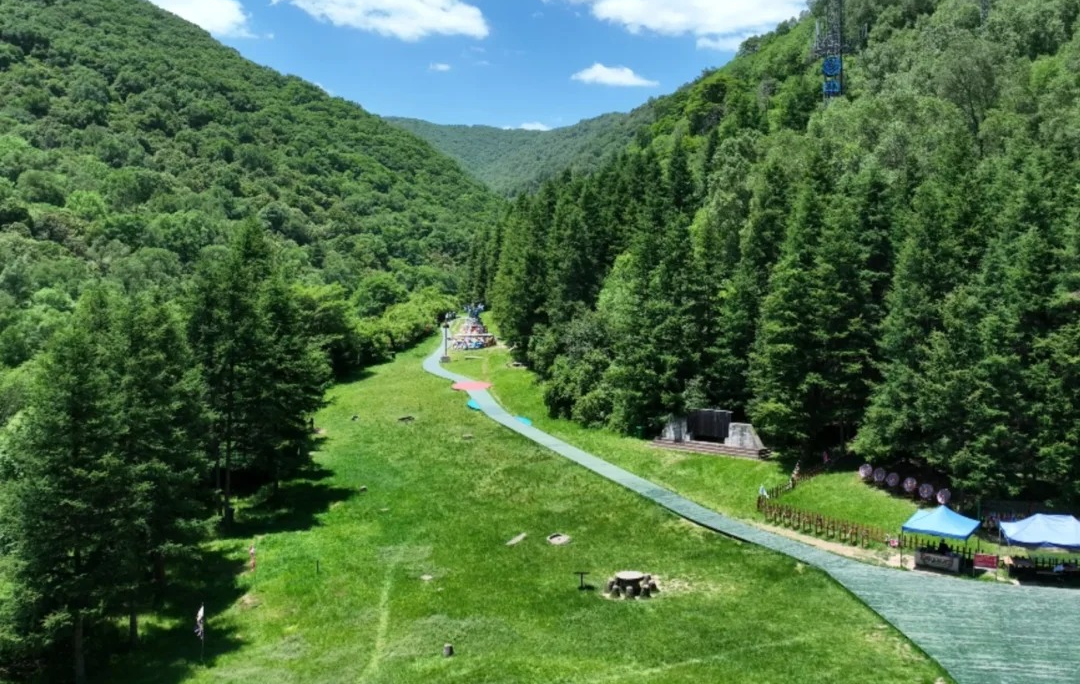
- Route: Hike uphill from the foot of the mountain along the 2.5-kilometer-long "Red Army Trail." Along the way, 18 sets of miniature dioramas vividly recreate pivotal events of the Long March—such as the farewell at the Yu River, the daring seizure of the Luding Bridge, the ascent of snow-capped mountains, and the crossing of the grasslands.

- Experience: Immerse yourself in The Immortal Long March—a live-action theatrical performance that artistically portrays the arduous struggles and indomitable spirit of the Red Army's historic journey. - Duration: The uphill hike takes approximately 50 minutes; it is recommended to set aside sufficient time to visit the memorial hall at the summit.

3. Ascend to the Liupanshan Red Army Long March Memorial Hall to Pay Tribute to an Immortal Monument

- Content: The memorial hall features a collection comprising over 400 sets of historical photographs, more than 220 historical artifacts, and over 30 sets of sculptures and other artworks. It showcases the "Red Footprints"—the historical legacy left behind in Ningxia by the Red Army's 25th Corps, the Central Red Army, and the Western Expeditionary Red Army.

- Highlights: Gaze upon a replica of Chairman Mao's original calligraphy for the poem Qing Ping Yue: Liupanshan, and immerse yourself in the heroic spirit embodied by the famous line: "He who has never been to the Great Wall is not a true man."

- Duration: It is recommended to set aside one hour for an in-depth visit.

4. Gaze Up at the Great Buddha of Xumishan and Journey Through a Thousand Years of Silk Road History

- Location: Approximately 55 kilometers northwest of Yuanzhou District, Guyuan City.

- Key Attractions: Cave No. 5 (the Great Buddha Pavilion), home to a 20.6-meter-tall seated Maitreya Buddha dating back to the Tang Dynasty, as well as an exquisite collection of Buddhist sculptures from the Northern Zhou Dynasty.

- Experience: Wander through the 162 grottoes scattered across eight mountain peaks—an experience akin to reading a three-dimensional history of Buddhist art.

- Tips: It is recommended to set aside half a day for a thorough exploration. As the grottoes are situated on mountain slopes, comfortable hiking shoes are essential.

5. Summit Migangshan to Encounter the "Sea of Clouds" over Liupanshan

- Location: The main peak of Liupanshan National Forest Park.

- Best Timing: Early mornings following rainfall offer the highest probability of witnessing the sea of ​​clouds.

- Experience: As golden sunlight pierces through the clouds, the distant mountains appear as ink-wash silhouettes against a backdrop of surging mist—offering a panoramic view of Liupanshan's picturesque and majestic beauty.

- Tips: Catching the sea of ​​clouds requires an early start; it is recommended to stay at a local guesthouse near the scenic area the night before.

Suggested Itineraries

One-Day "Classic Combo" Tour (Recommended for First-Time Visitors):

Depart from Guyuan city center at 8:00 AM → Sumishan Grottoes (approx. 2.5 hours; focus on visiting the Great Buddha Pavilion and the Northern Zhou Grottoes) → After lunch, proceed to the Liupanshan Red Army Long March Scenic Area → Hike the Red Army Trail and visit the Memorial Hall and Monument (approx. 2 hours) → In the evening, ascend the Memorial Pavilion to watch the sunset → Return to Guyuan city center to enjoy local night market delicacies.

Two-Day "Deep Immersion" Tour (Highly Recommended):

Day 1: Depart from Guyuan in the morning for Liupanshan National Forest Park → Hike Xiaonanchuan (2–3 hours) → Hike through Liangdian Gorge and explore the historical traces of Genghis Khan (1.5 hours) → Check into a local guesthouse near the scenic area → In the evening, enjoy the culinary delights at the Jingyuan Niujie Night Market (try the Shouzhua—hand-grabbed lamb—and Haozi Mian noodles).

Day 2: Ascend Mount Migang at dawn to witness the "Sea of Clouds" and sunrise (weather permitting) → Proceed to the Liupanshan Red Army Long March Scenic Area → Hike the Red Army Trail and visit the Memorial Hall (approx. 2 hours) → After lunch, head to the Sumishan Grottoes → Enjoy an in-depth exploration of the grotto complex and gaze up at the Tang Dynasty Great Buddha → Begin return journey in the evening.

IntoTravelChina Advantage & Expert Guides: IntoTravelChina offers fully customized itineraries, including exclusive private guides, transportation, and activity arrangements, ensuring a worry-free and deeply immersive travel experience. >>Consult now for customization

Comprehensive Travel Guide: Transportation, Accommodation, and Seasons

Furong Ancient Town Furong Ancient Town

How to Get There: A Seamless Connection Guide

The Liupanshan scenic areas are distributed across several districts and counties within Guyuan City; the Guyuan city center serves as the primary transit hub.

- By Air: Guyuan Liupanshan Airport offers flights connecting to and from cities such as Yinchuan and Xi'an. A taxi ride from the airport to the city center takes approximately 30 minutes.

- By Train: Guyuan Railway Station operates trains connecting to and from destinations including Yinchuan, Lanzhou, and Xi'an. Upon arrival, you can transfer to local buses or taxis to reach the various scenic spots. - Long-distance Bus: Direct buses to Guyuan are available from the Yinchuan Bus Station; the journey takes approximately 4 hours.

- Self-driving (Recommended): Since the various scenic areas within the Liupanshan region are quite far apart, driving yourself offers the most flexible mode of transportation. The distance from Guyuan to the Xumishan Grottoes is approximately 55 km (1 hour), to the Liupanshan National Forest Park is about 50 km (1 hour), and to the Red Army Long March Tourist Area is also about 50 km (1 hour).

Best Time to Visit

Liupanshan experiences four distinct seasons, each with its own unique charm; however, the best times to visit are summer (June–August) and autumn (September–October).

- Summer: The Season for Escaping the Heat (June–August): While most of China is being swept by heatwaves, Liupanshan maintains an average summer temperature of just 18°C, making it the perfect destination for escaping the sweltering city heat. During this time, the streams in Xiaonanchuan flow abundantly, and the Wild Lotus Valley bursts into bloom across a ten-mile stretch—making it the ideal season to experience this "Green Island of the Plateau." Note that afternoon thunderstorms are common in summer, so be sure to carry rain gear with you.

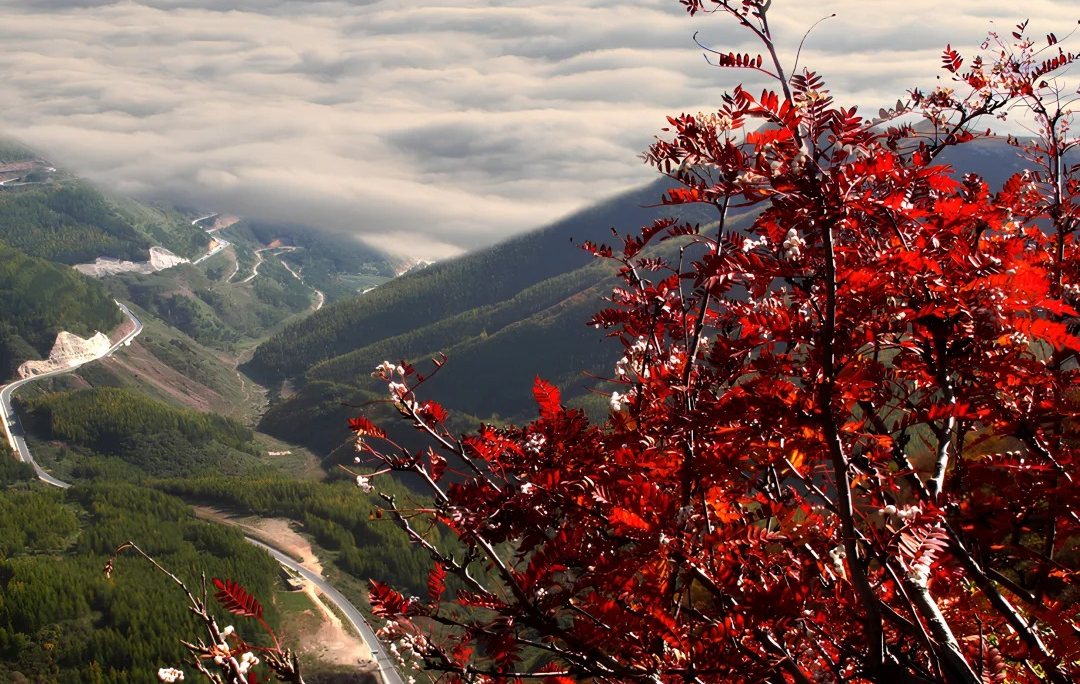
- Autumn: The Season of Splendor (September–October): The sky is high and clear, and the forests are ablaze with color. This is the perfect time to follow in the footsteps of Mao Zedong and experience the poetic imagery he described: "The sky is high, the clouds are pale; I watch the wild geese vanishing southward." In autumn, Liupanshan is a kaleidoscope of color—with the red birch forests turning a brilliant gold—offering an exceptional hiking experience.

- Spring: The Season of Vitality (April–May): Wildflowers bloom in profusion as all of nature awakens. However, occasional windy and dusty conditions may occur in the spring, so it is advisable to keep an eye on the weather forecast.

- Winter: The Season of Tranquility (November–March): With few tourists around, Liupanshan becomes draped in a pristine mantle of snow after a snowfall, offering a unique glimpse of classic northern Chinese winter scenery. However, roads leading to some scenic areas may be closed due to ice and snow, so be sure to check on their operational status before you set out.

Accommodation Options

- Hotels in Guyuan City (Highly Recommended): This area offers the widest range of choices, ranging from budget-friendly inns to four-star hotels. Staying in the city center provides convenient access to attractions such as the Xumishan Grottoes and the Guyuan Museum, while also allowing you to sample local cuisine in the evenings. Travel time to and from the various scenic areas is approximately 1 to 1.5 hours. - Jingyuan County Homestays: Located near the Liupanshan National Forest Park, we recommend staying at Hui-style accommodations such as the Jingyuan Xiangshui Fengqingbao Homestay. Staying here allows you to be among the very first visitors to enter the scenic area in the morning, letting you enjoy the undisturbed morning mist and the soothing sounds of the streams. Some homestays also serve authentic Hui cuisine, such as Shouzhua Yangrou (Hand-Grabbed Mutton) and grilled lamb ribs.

- Longde County Accommodations: Situated close to the Liupanshan Red Army Long March Tourist Area, this location is ideal for travelers planning an immersive experience of "Red Culture" (revolutionary history).

IntoTravelChina Accommodation Booking Tips:

We strongly recommend planning your itinerary and booking your accommodations in advance. Booking through us not only provides access to real-time room availability but also allows for the convenient bundling of accommodations, attraction tickets, and transportation. This often results in package discounts and ensures a seamless, hassle-free travel experience. Simply let us know your budget and specific requirements, and we will match you with the most suitable accommodation options. >>Consult now for customization
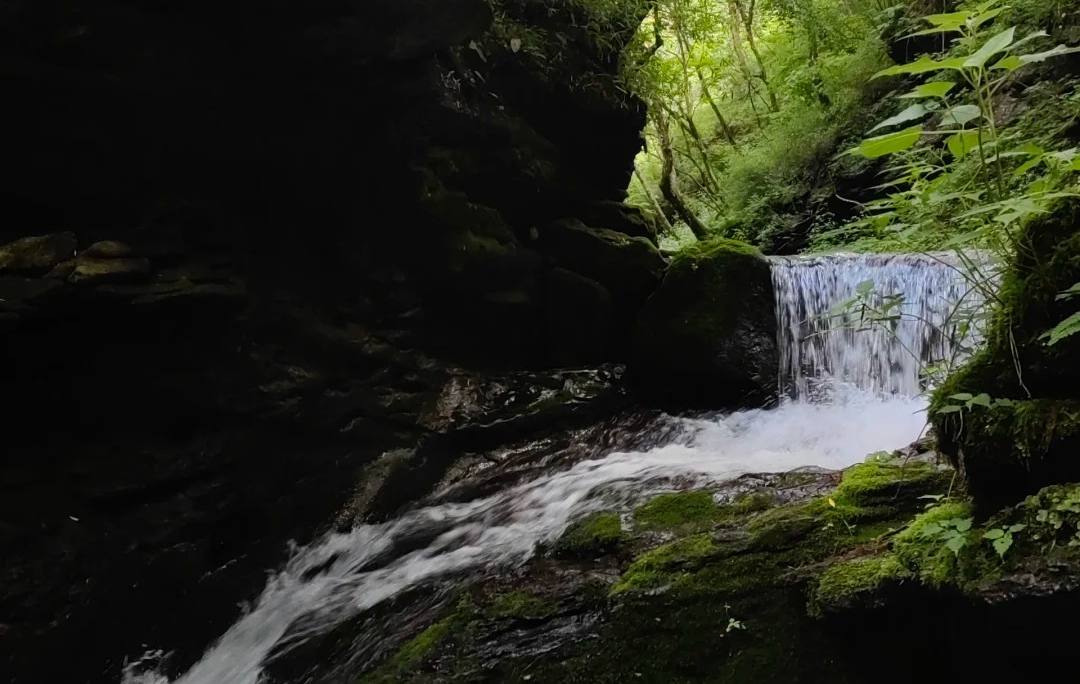
Extending Your Journey: A Loop Tour Connecting the Highlights of Ningxia and Northwest China

Furong Ancient Town

Liupanshan is by no means the end of your journey; rather, it serves as the perfect starting point for exploring Ningxia—and indeed, the entire vast region of Northwest China.

- Classic 3-Day Ningxia Highlights Loop: Guyuan (Liupanshan National Forest Park, Xumishan Grottoes) → Zhongwei (Shapotou, Tengger Desert) → Yinchuan (Western Xia Imperial Tombs, Zhenbeibao Western Film Studios). This itinerary offers a perfect blend of lush natural oases, Silk Road heritage, and spectacular desert landscapes. 

-"Red Memories" 2-Day Tour: Guyuan (Liupanshan Red Army Long March Scenic Area, Jiangtaibao Historic Site of the Great Rendezvous) → Yan'an (Pagoda Hill, Zaoyuan Revolutionary Site). Follow the magnificent footsteps of the Chinese Revolution—from the mountain that marked the victory of the Long March to the revolutionary holy land of Yan'an. 

- In-Depth Northwest China Tour: Connecting Liupanshan with the "Pearls of the Silk Road"—Lanzhou, Dunhuang, Jiayuguan, and Zhangye Danxia—to offer a truly awe-inspiring experience spanning the geography and culture of the Loess Plateau and the Hexi Corridor. 

Partner with IntoTravelChina to Embark on Your Exclusive Liupanshan Adventure

Furong Ancient Town

The story of Liupanshan is one of nature's healing embrace, the epic grandeur of the Long March, and the thousand-year echoes of Silk Road civilization. IntoTravelChina specializes in crafting in-depth, personalized, and hassle-free travel experiences across China. Our travel experts are here to provide you with:

- Tailor-Made Itineraries: We design the perfect route—incorporating Liupanshan and its surrounding attractions—based entirely on your interests and schedule.

- One-Stop Service: We handle everything—tickets, unique accommodations, transportation transfers, expert guides, and activity bookings.

- Exclusive Experiences: We arrange unique activities such as in-depth hiking in Xiaonanchuan, educational tours of the Mount Sumeru Grottoes, and immersive theatrical performances along the Red Army Trail.

Let your journey to Liupanshan be more than just sightseeing; let it be a profound experience that transcends nature, history, and faith.

> Start Planning Your Journey Today

> We invite you to contact our professional travel consultants; we will provide you with a personalized itinerary proposal and price quote within 24 hours. >>Consult now for customization
What Our Clients Say?

Based on 10,000+ traveler reviews

...
Daniel Dorothea
Canada
Reviewed on April 29,2025
Shopping on Nanjing Road in Shanghai was just amazing! It's truly the "First Commercial Street of China", where tradition and modernity blend perfectly. You can find awesome souvenirs and experience the trendy vibes in cool stores. The neon lights at night are just spectacular, shining bright like Times Square in New York. The food here is incredible too. I had a feast for my taste buds. Shanghai, I'll definitely be back!
Destination(s): Shanghai
Date of Experience: May 08,2024
...
...
Elvis Eva
Canada
Reviewed on June 20,2025
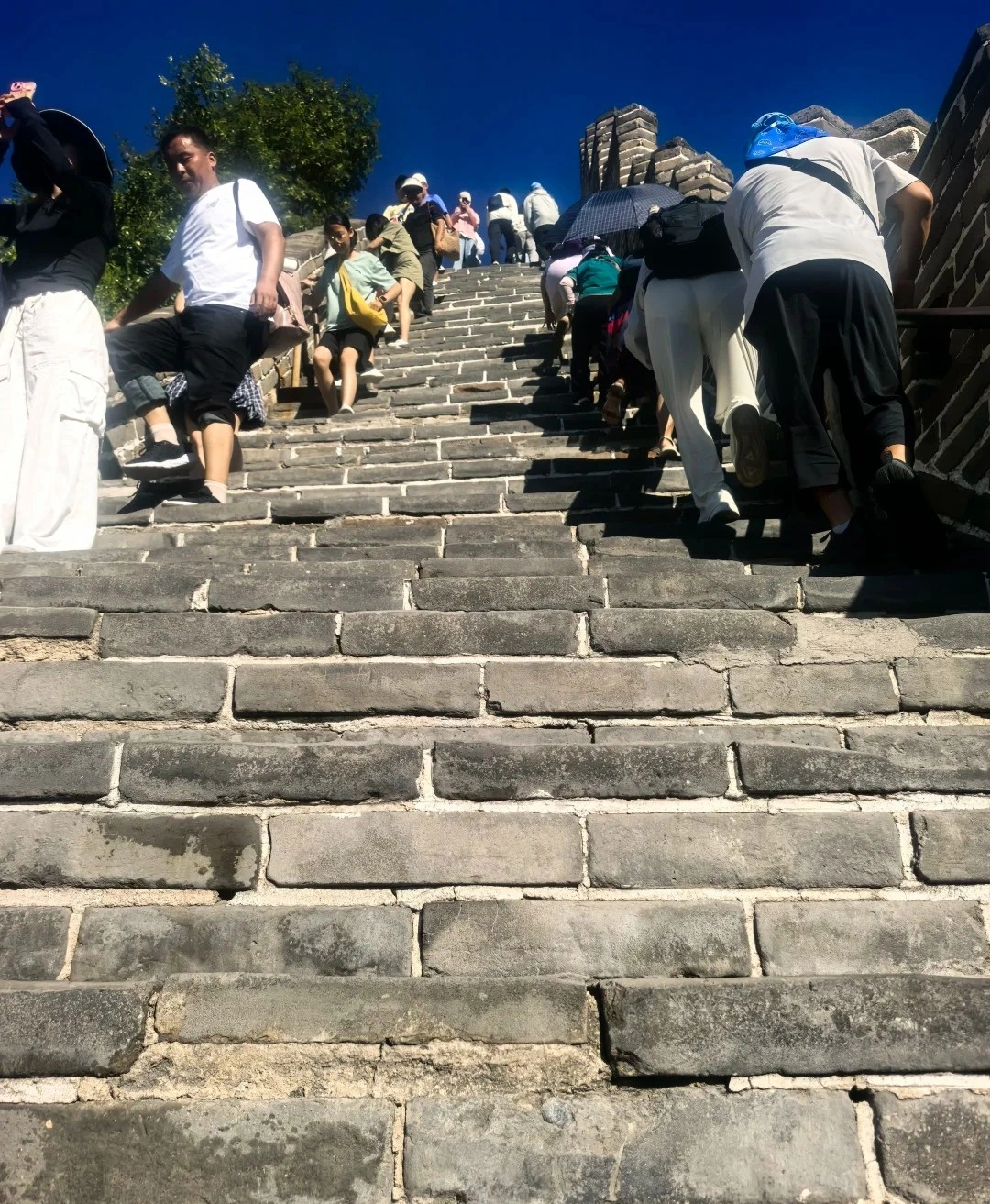
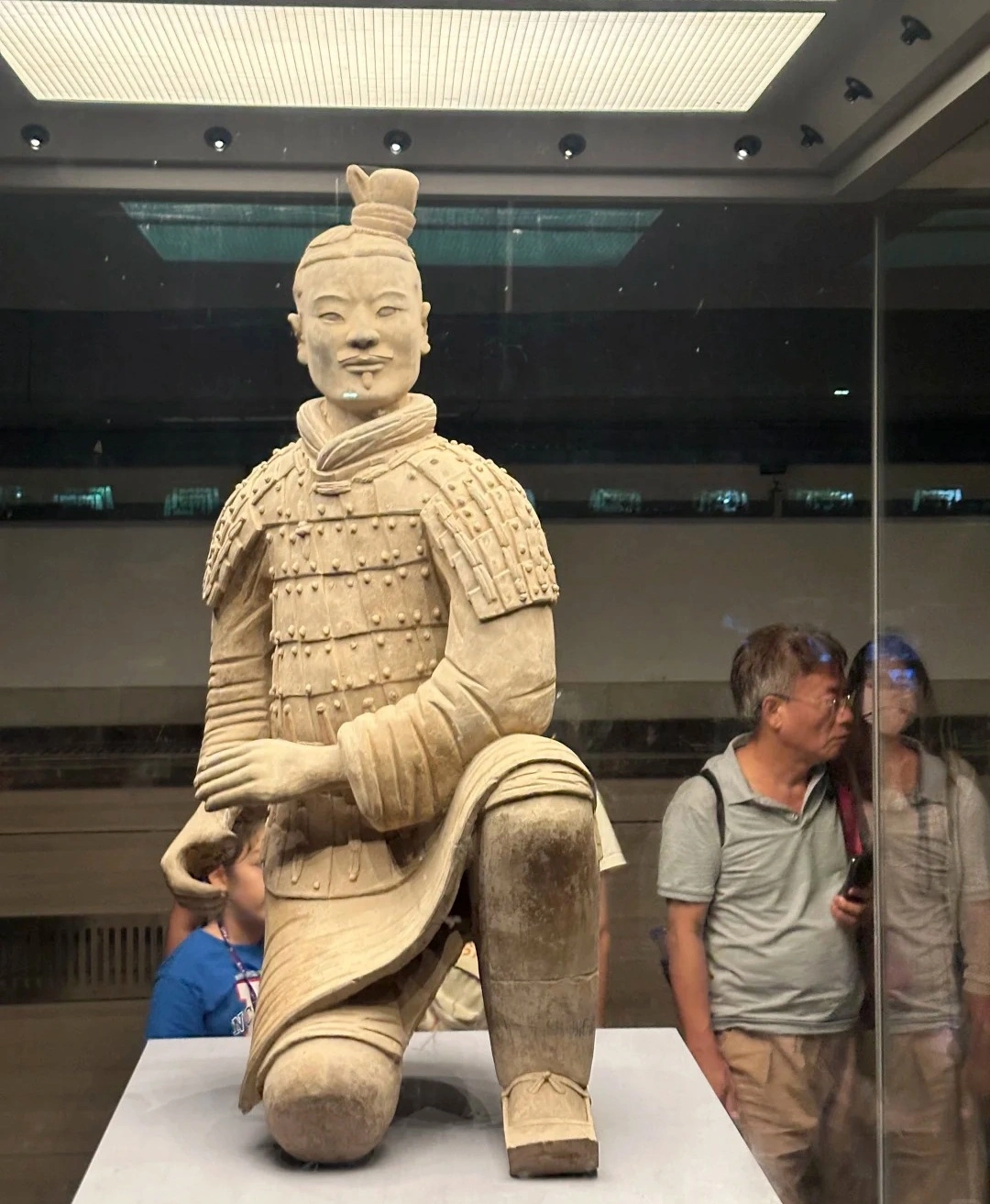
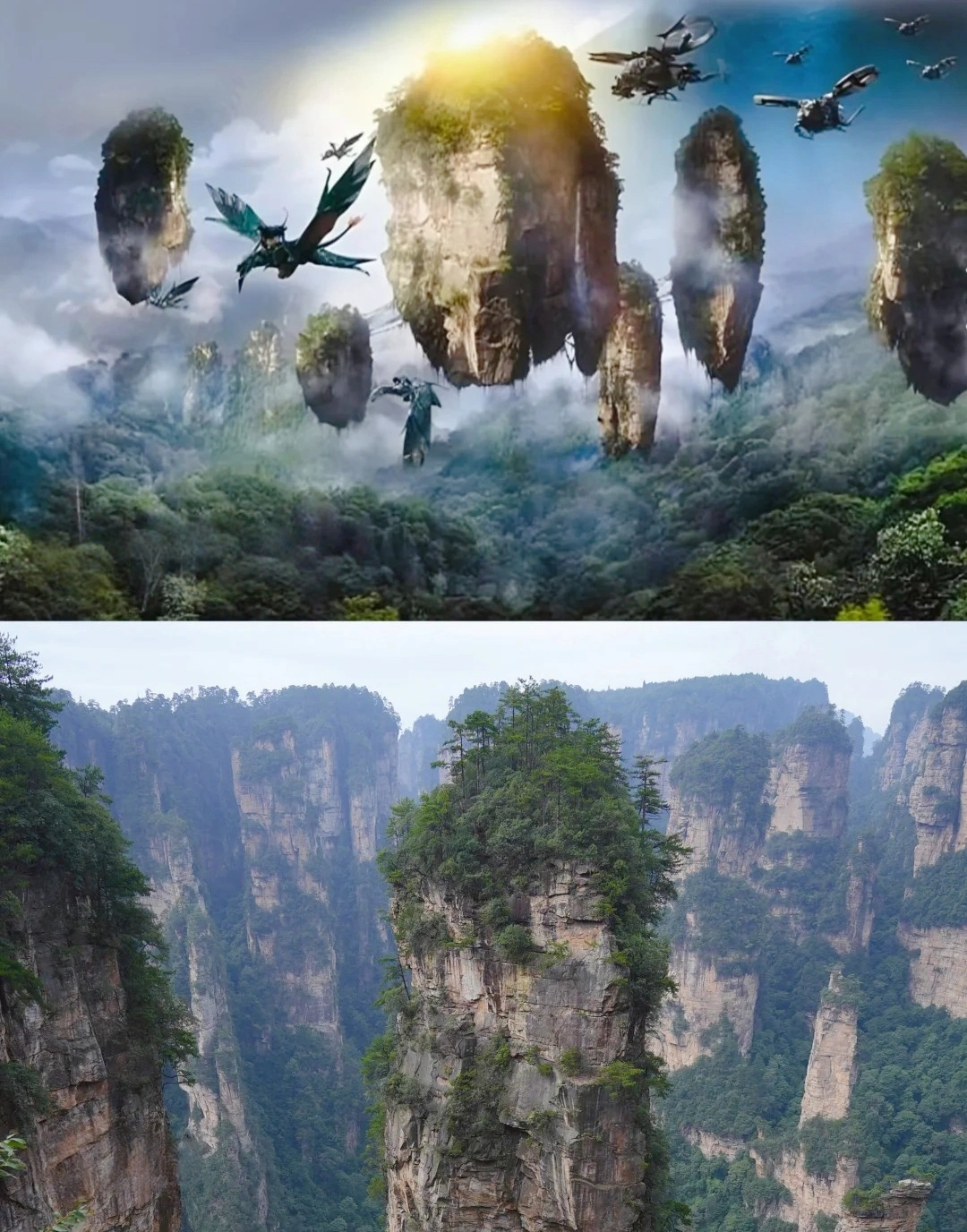
As a solo traveler from Canada, I was nervous about navigating China alone—but this 11-day tour was PERFECT! From hiking the Great Wall at sunrise (Day 3) to gasping at the Terracotta Army (Day 5), every day delivered ‘pinch-me’ moments. The real showstopper? Zhangjiajie’s Avatar Mountains (Day 7)! Our guide made the stone pillars come alive with stories. Massive thanks for handling all logistics—bullet train tickets, entry passes, car! And the 4-star hotels surprised me.
Destination(s): Beijing Xian Zhangjiajie Shanghai
Date of Experience: June 02,2025
... ... ...
...
Simon
America
Reviewed on May 29,2025
Our 2-day Zhangjiajie tour was beyond spectacular! As someone who’s visited Beijing and Shanghai for work, this trip revealed China’s wild, magical heart. Day 1 in Zhangjiajie National Forest Park felt like stepping onto Pandora—I’m a huge Avatar fan, and Yuanjiajie’s floating peaks left me breathless. The misty pillars and lush valleys like pure movie magic! Then came Fenghuang Ancient Town, we eat dinner beside the thundering waterfall. It seems Unreal! The night views of stilt houses glowing over the river were straight from a fairy tale. For fellow Avatar lovers and adventure seekers: Don’t miss this bucket-list experience! 10/10 would return. A Well-Traveled Film Buff, May 2025
Destination(s): Zhangjiajie
Date of Experience: May 08,2025
... ...

Ask a Question

Question Summary (100 characters)
Details (optional) (2,000 characters)
Name
Country
Phone
Email