Nature's Handiwork—The Majesty and Vitality of the Helan Mountains
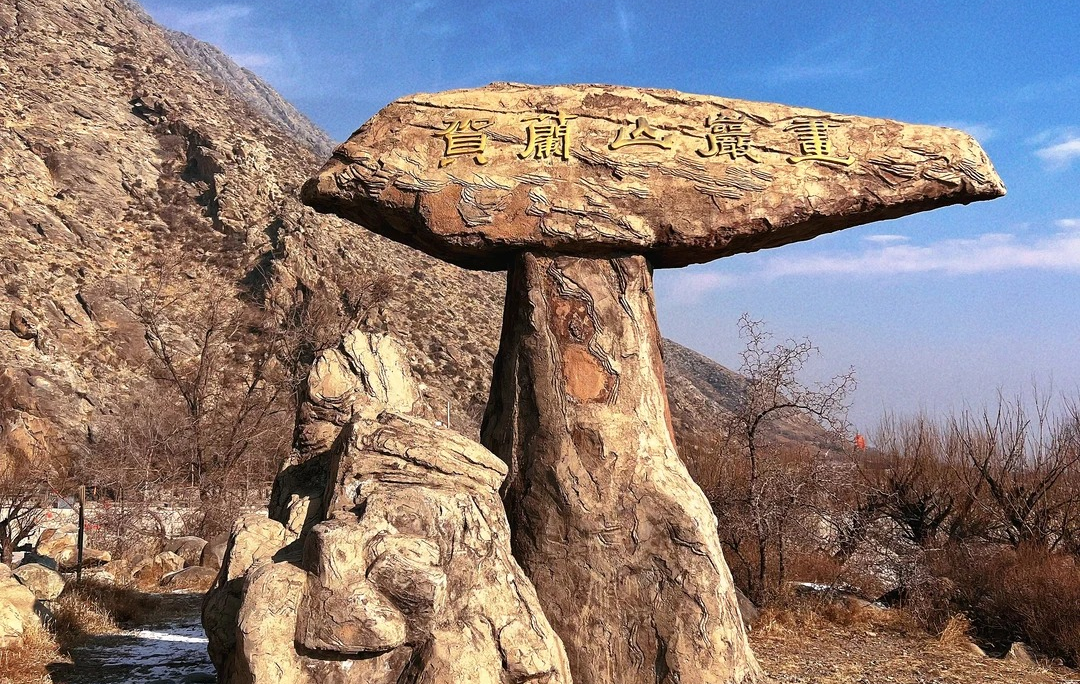
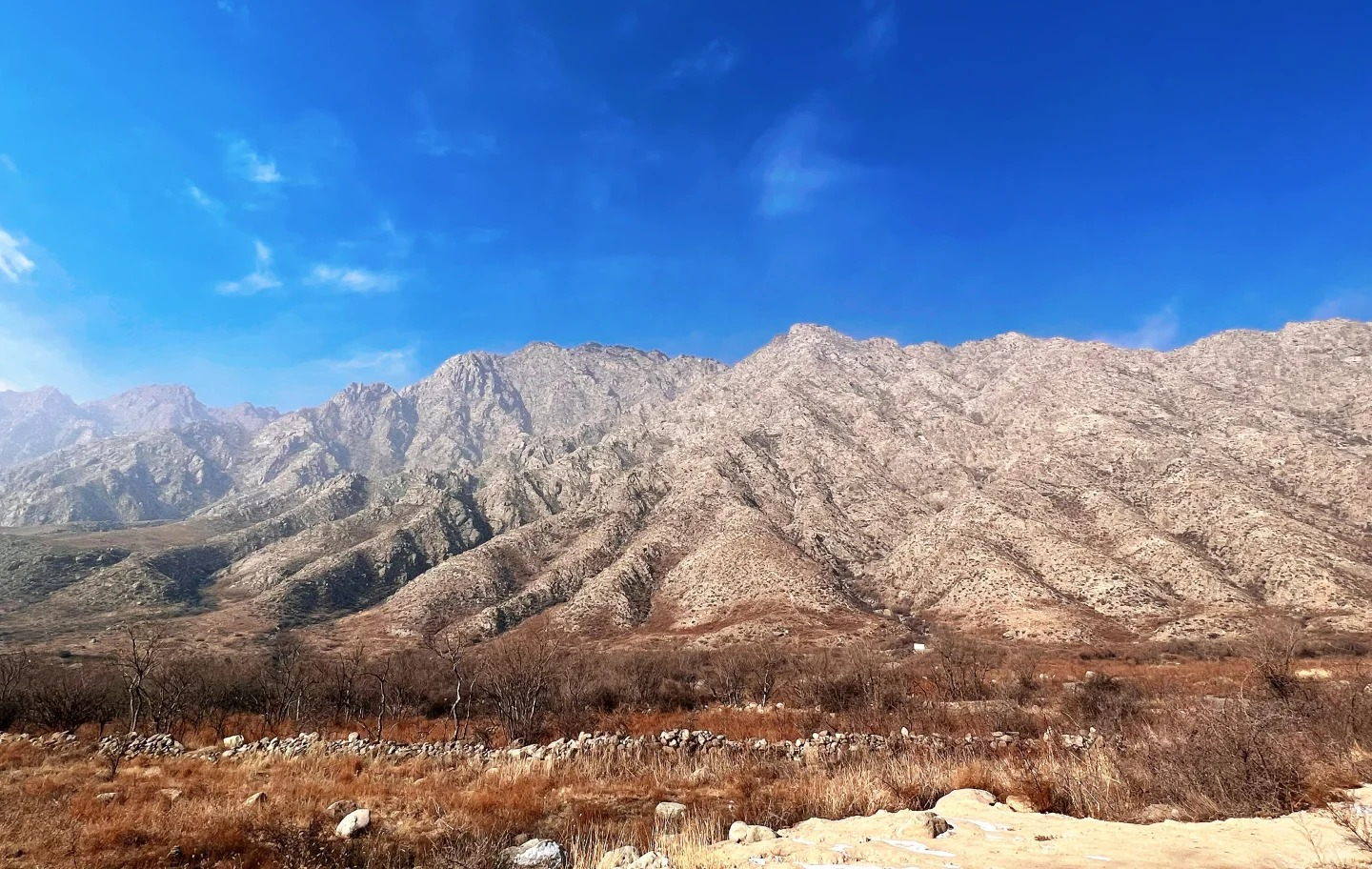
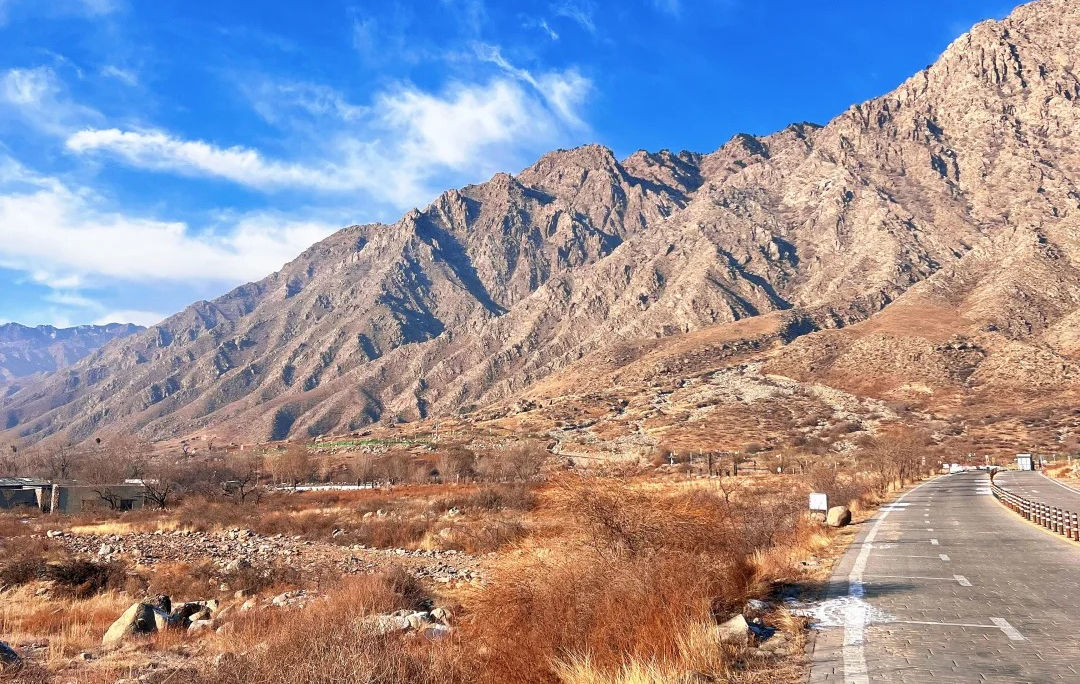
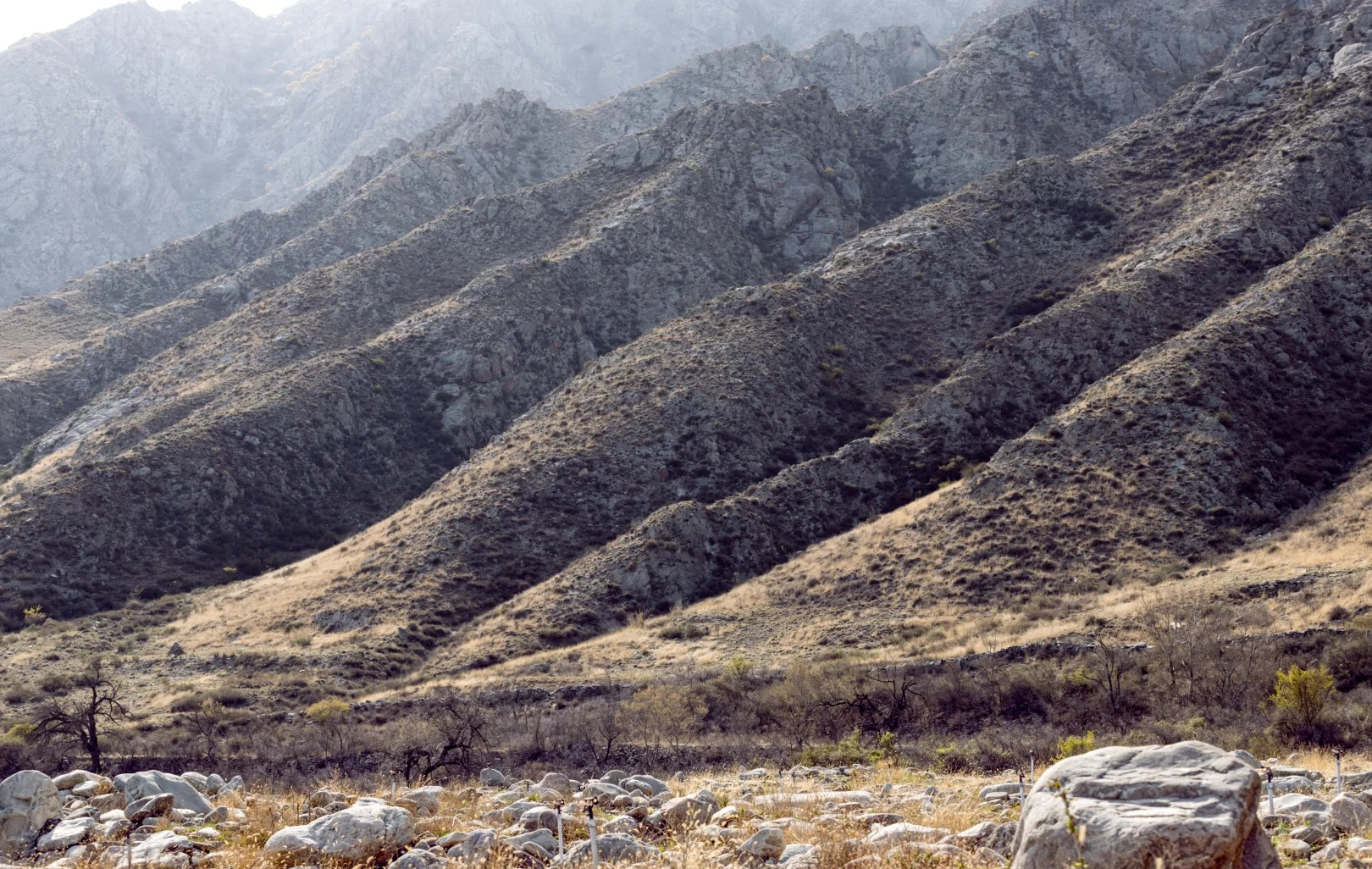
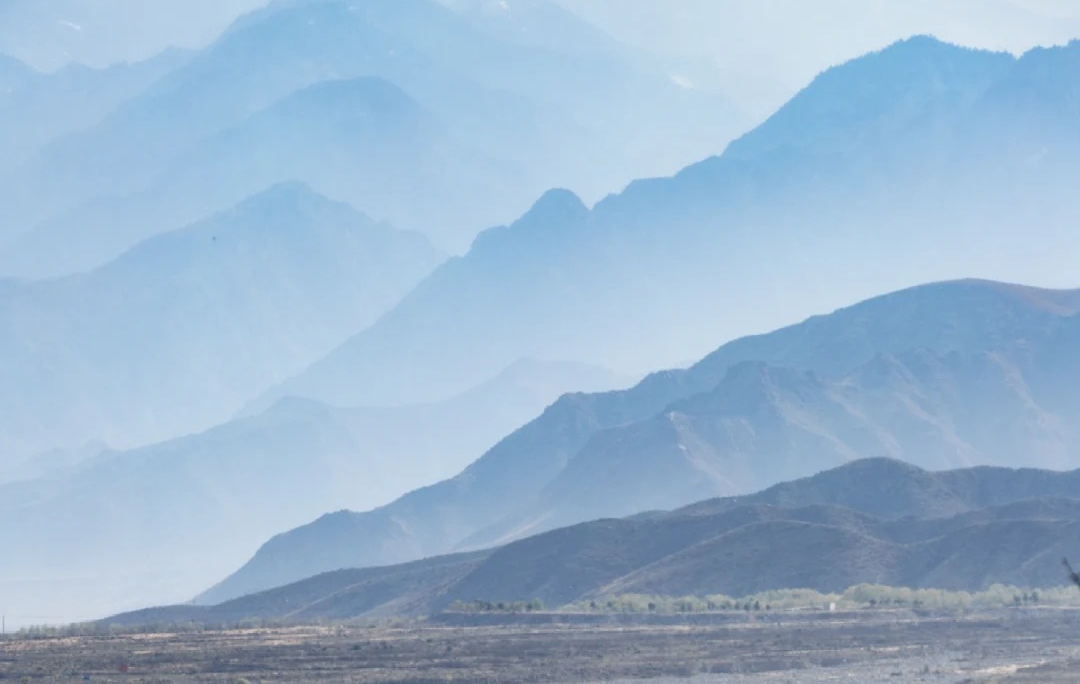
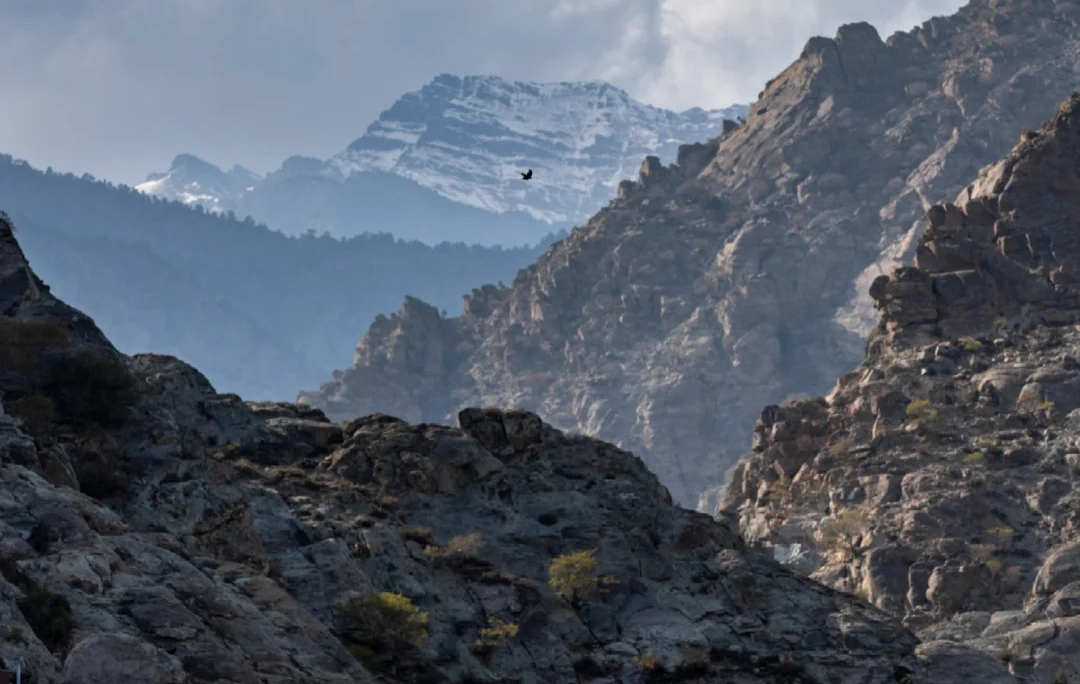
The Helan Mountains are a range of rocky peaks; stretching over 200 kilometers, the chain presents a vast and rugged landscape of gray stone. Vegetation is sparse on the slopes, giving way to sweeping vistas of desolate, grayish-yellow Gobi terrain—yet it is precisely within the remote heartland of this sparsely populated mountain range that precious traces of ancient human civilization lie hidden.
Agile Creatures: Guardians of the Canyon
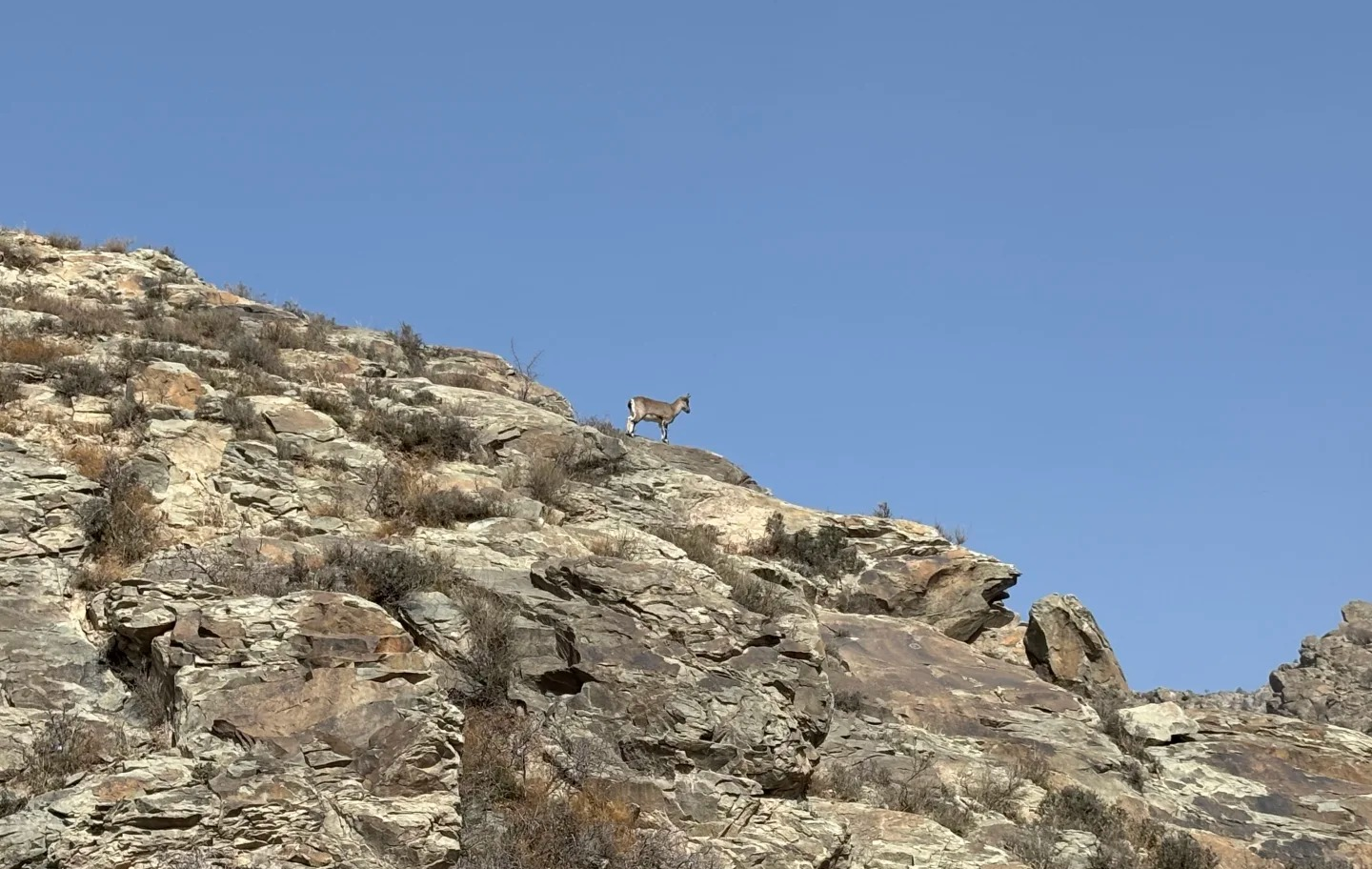
Upon entering the Helan Mountain Rock Art Heritage Park, the first sight to capture a visitor's attention is often the agile gray figures leaping across the steep cliff faces—the Bharal, or Blue Sheep. Classified as a Class II protected species in China, the Bharal are the true masters of the Helan Mountains. Possessing powerful musculature, their gray coats blend seamlessly with the surrounding rocks, making them appear as the mountain's most steadfast guardians. According to records, the Helan Mountains boast the largest population of Bharal in the world.
The Deep Canyon: The Legend of the "Gap"
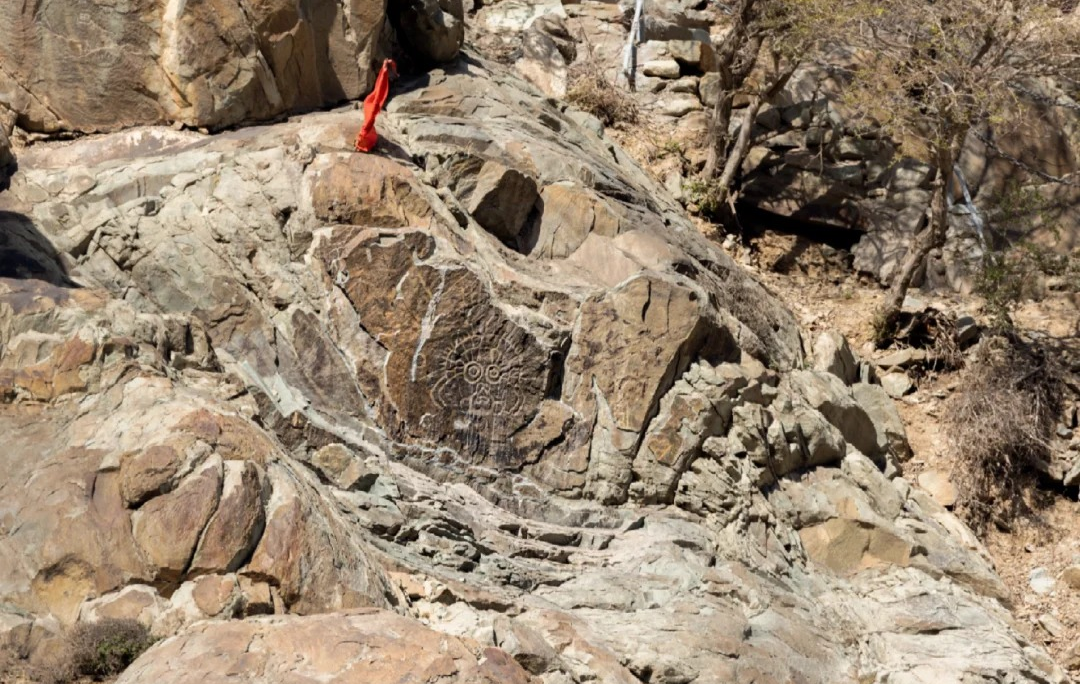
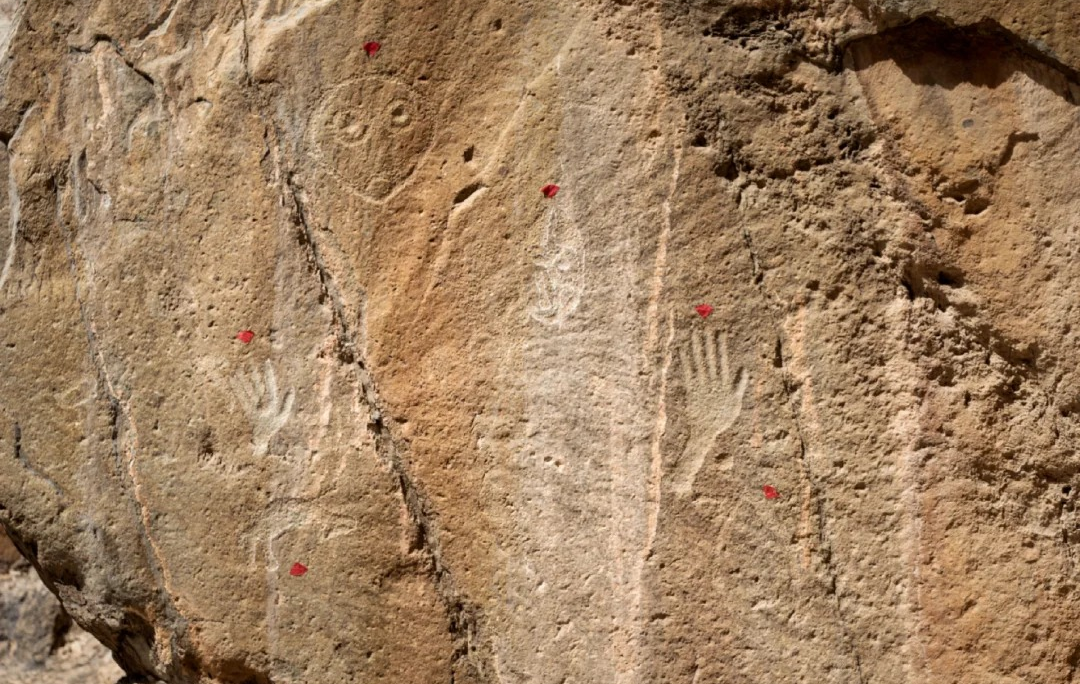
Venturing into the canyon at the Helan Mountain pass, one follows a dry riverbed winding its way forward; the ancient rock carvings are scattered across the cliff faces lining both sides of the channel. An intriguing legend surrounds this mountain pass: it is said that in ancient times, a giant once attempted to cleave the mountain open to access water. Moved by this act, Heaven and Earth parted the mountain, causing a spring to gush forth. Consequently, the site was named "Huo Le Kou" (The Gap); today, through a phonetic variation of that original name, it is known as "Helan Kou."
Human Wonders—Ten Thousand Years of Memory Carved in Stone
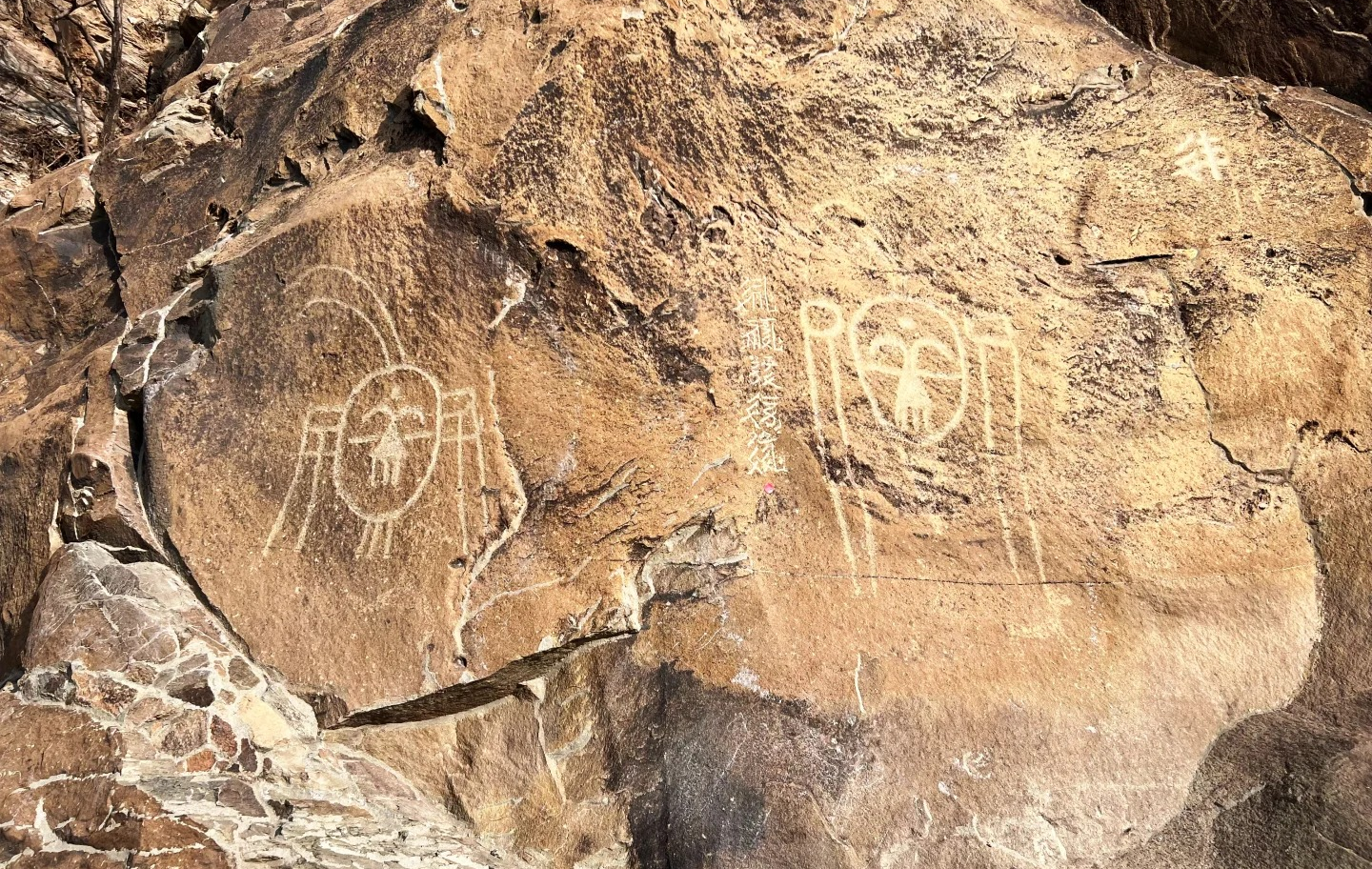
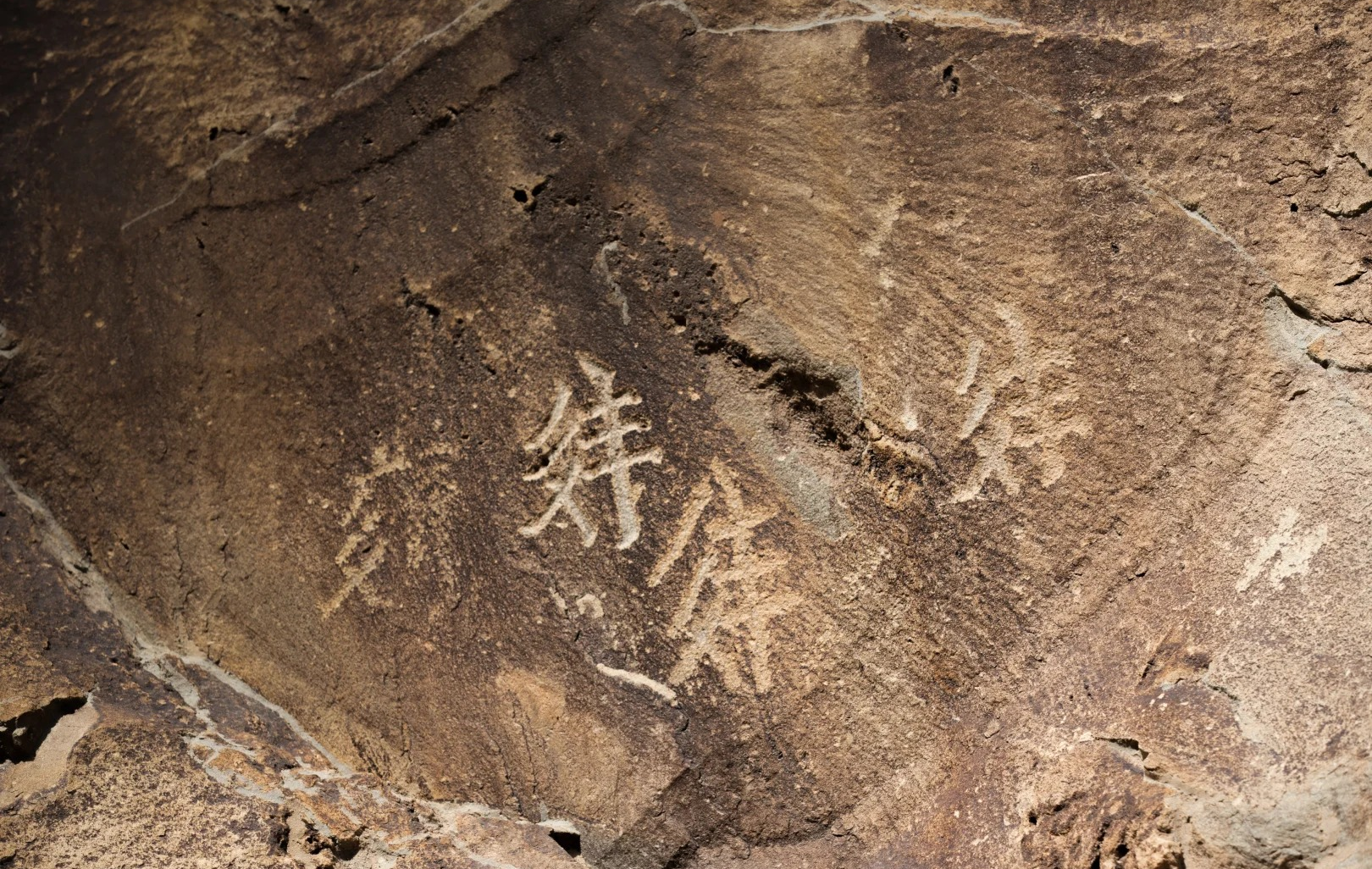
The rock art found here is not merely an artistic expression; it serves as a cryptic code—a dialogue between ancient humans and the deities and natural forces that surrounded them.
The Sun God Petroglyph: The Soul of Helan Mountain Rock Art
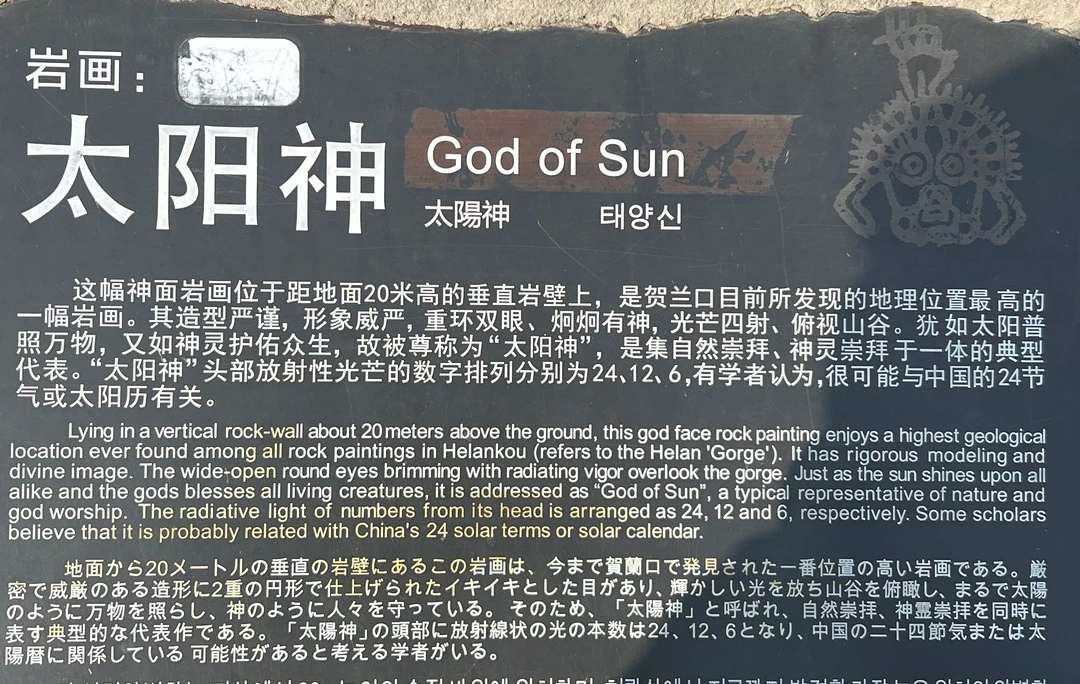
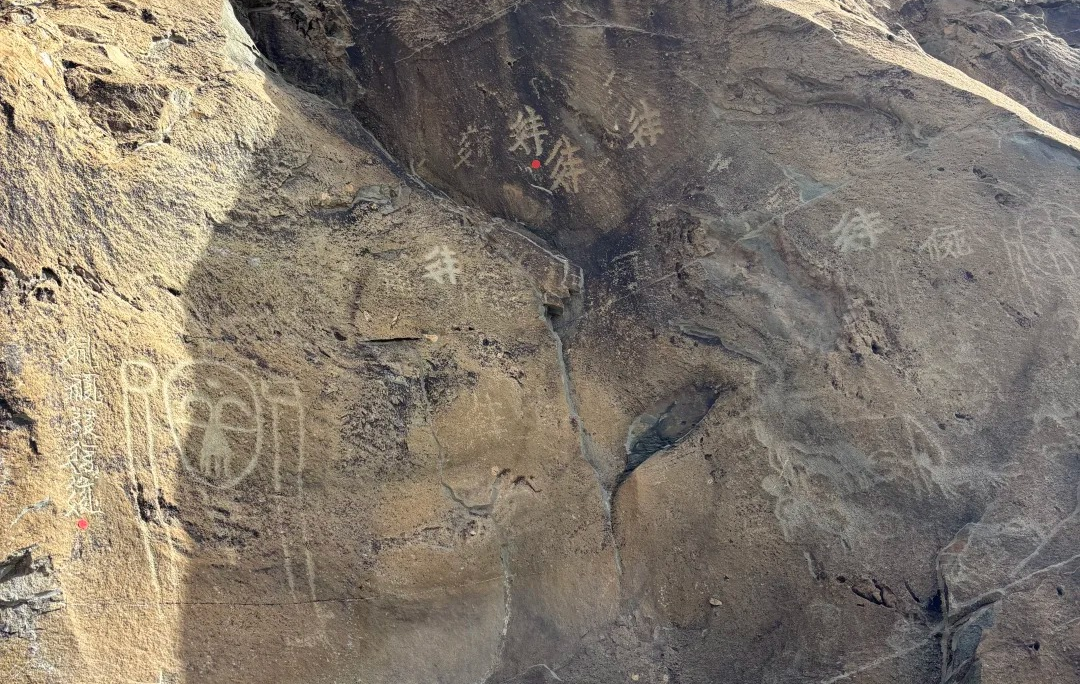
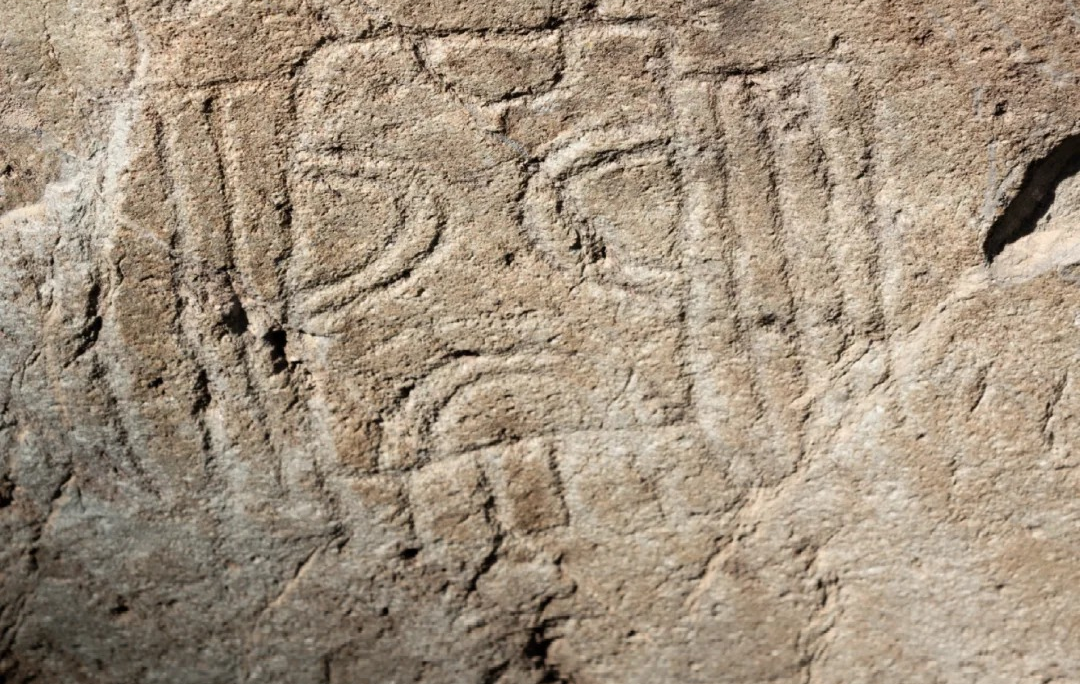
Undoubtedly, the most iconic and representative piece of rock art in the Helan Mountains is the image of the "Sun God." This rock carving is pecked into a stone cliff approximately 40 meters above the ground. Radiating lines emanate from the head, symbolizing the rays of the sun; the face is circular, featuring double-ringed eyes adorned with eyelashes that appear piercing and full of spirit—altogether presenting a majestic and solemn appearance.
Regarding the cultural significance of this Sun God figure, some scholars believe it reflects the early ancestors' naturalistic worship of the sun, while others interpret it as a tribal totem—a celebration of life itself. Although its precise meaning remains an enigma, it offers us boundless scope for imagination in understanding the spiritual world of ancient humanity.
The Assemblage of Anthropomorphic Images—Mysteries of the "Sacred Icon Walls"
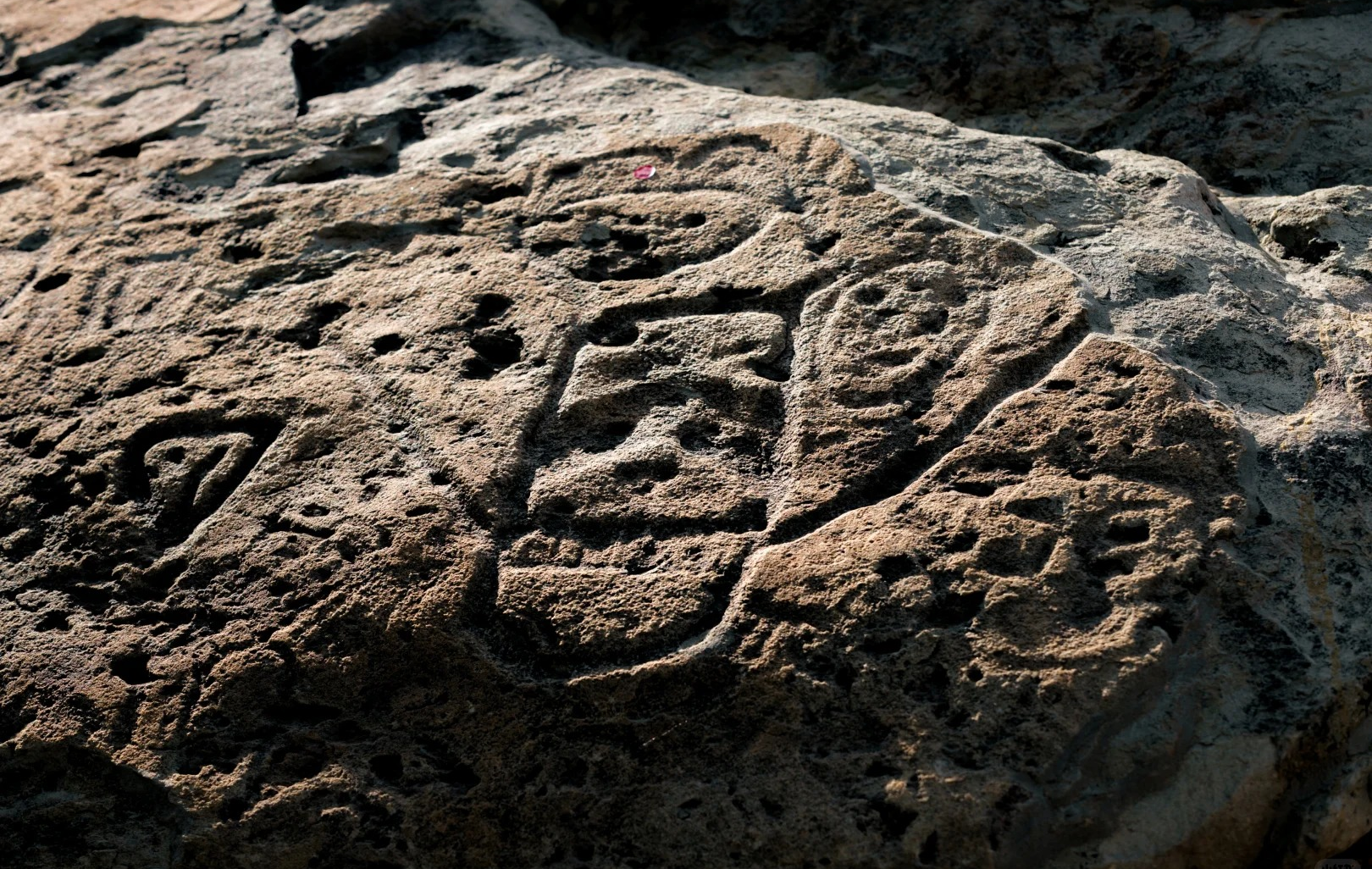
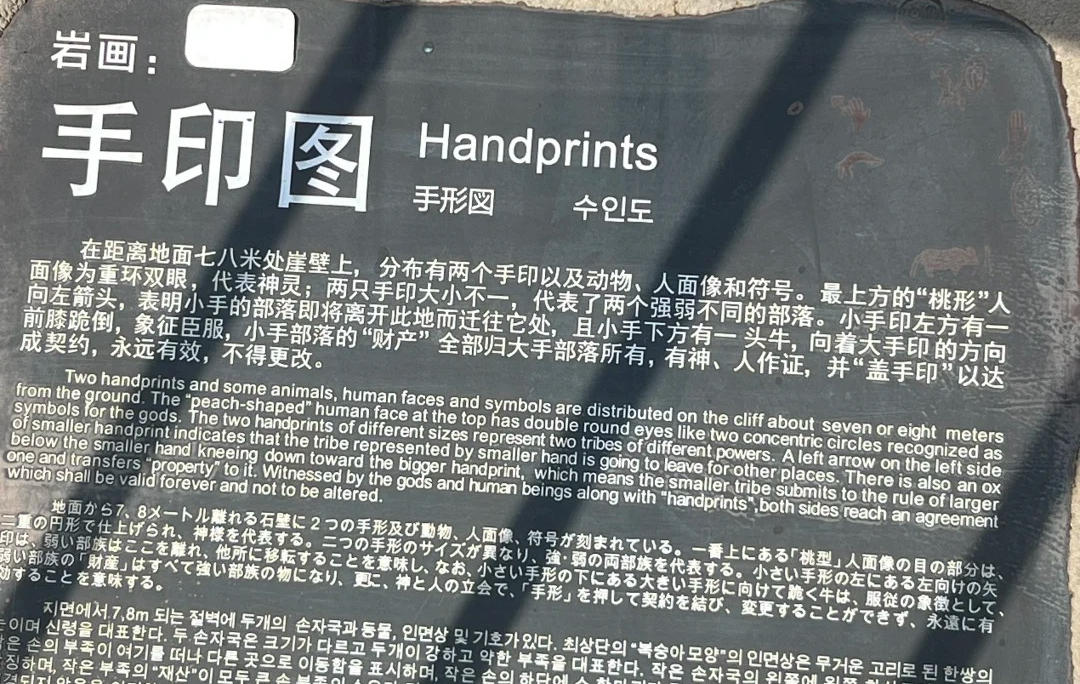
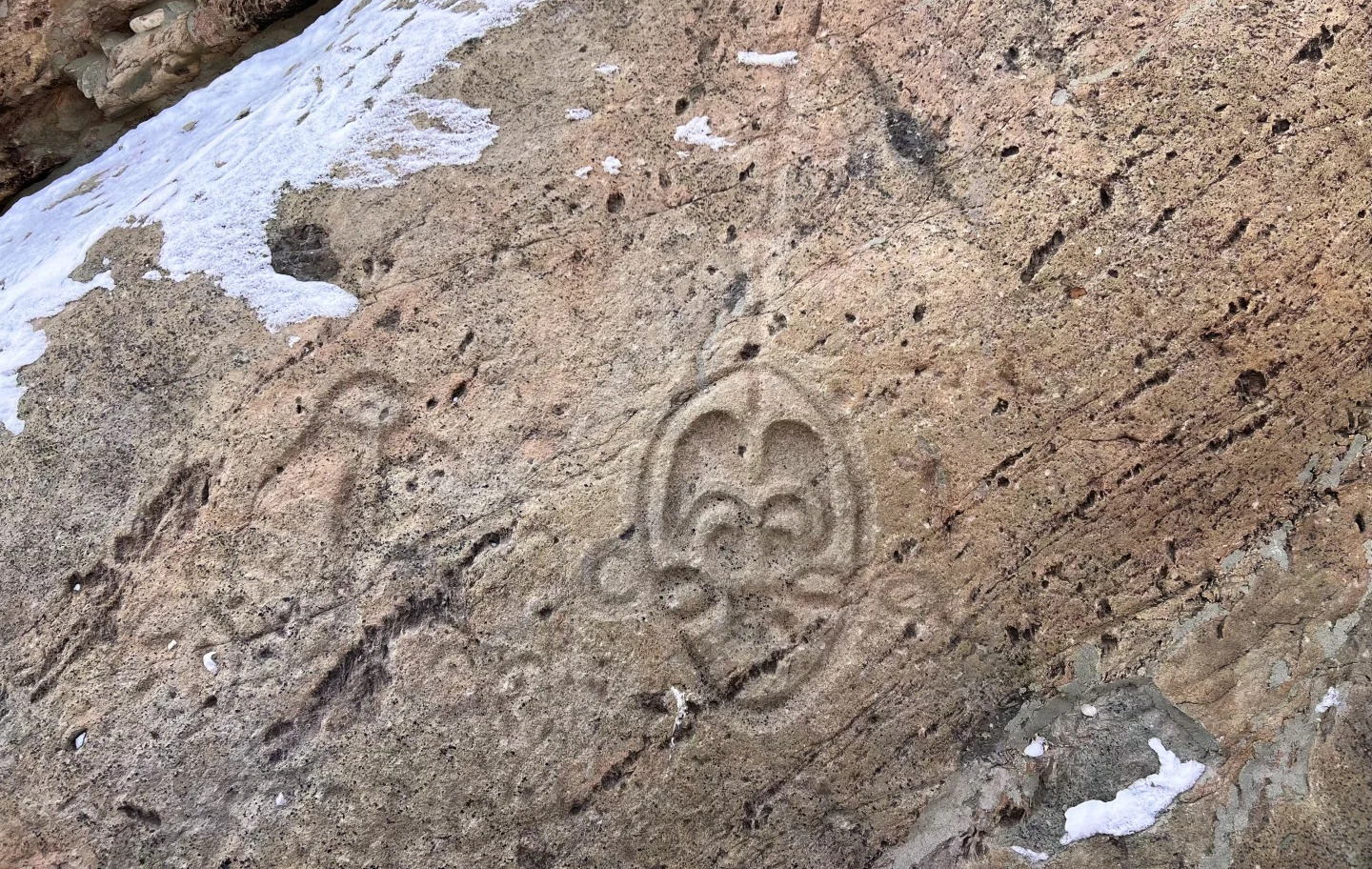
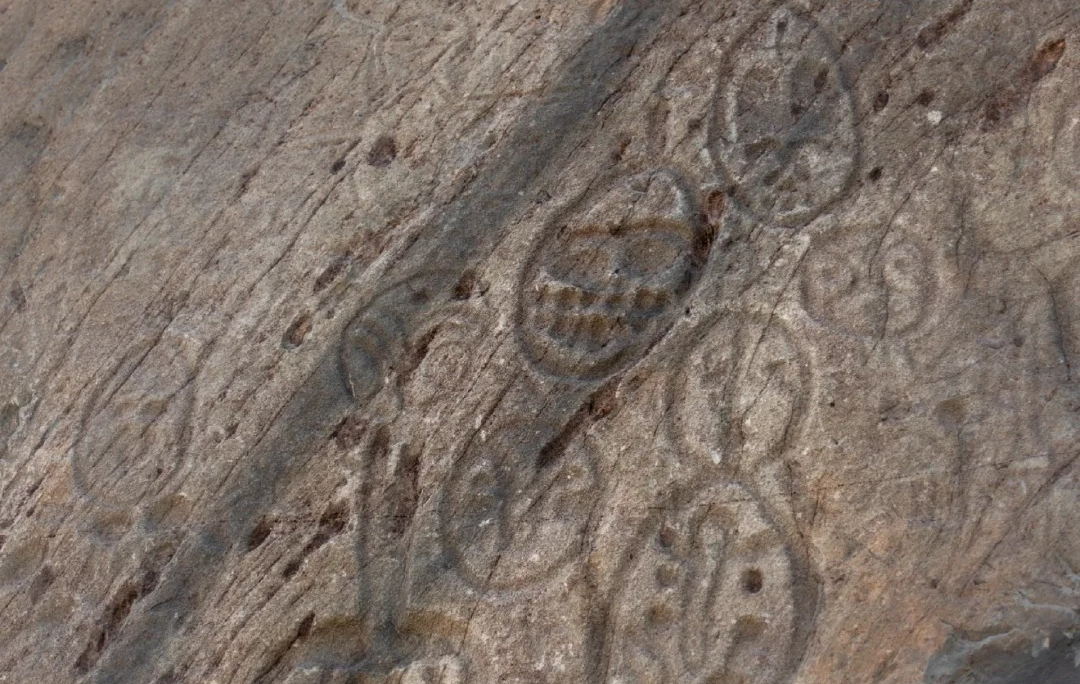
Within the Heiankou valley—an area spanning less than one square kilometer—the stone cliffs lining both sides feature a concentrated distribution of eight distinct "Sacred Icon Walls." These sites collectively contain over 700 anthropomorphic images, each distinguished by a unique compositional style and artistic form. These human-like faces are characterized by round eyes, broad noses, and exposed fangs; rendered with bold, rugged lines, they wear fierce expressions that nonetheless exude an air of imposing authority. Experts interpret these images as enduring traces of the rituals and acts of worship performed by ancient peoples in reverence to their deities. Consequently, Heiankou has emerged as one of the world's foremost rock art sites, boasting one of the highest concentrations of anthropomorphic rock carvings found anywhere.
Animal Rock Art—A Vivid Chronicle of Ancient Hunting
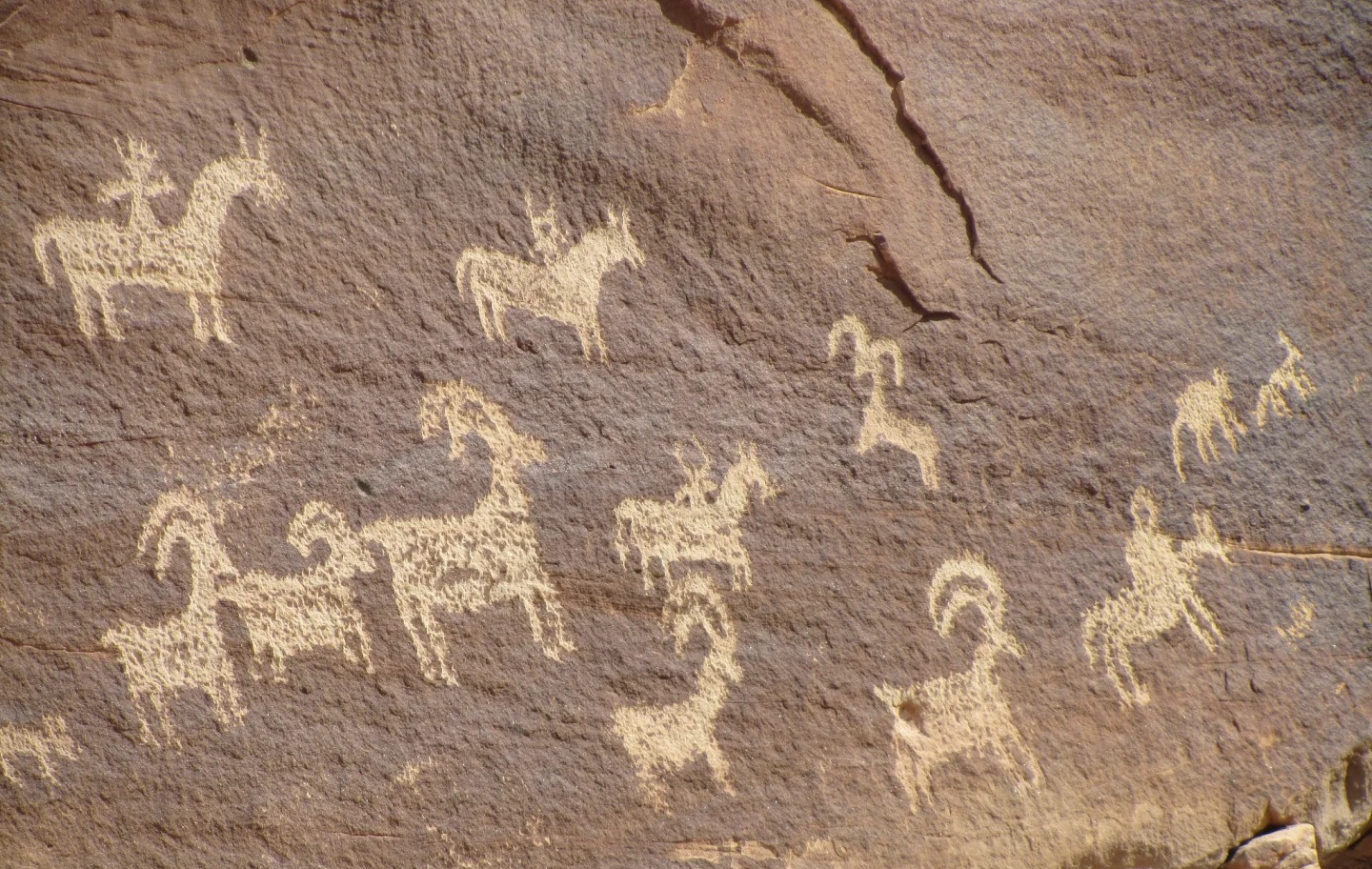
Depictions of animals constitute the most numerous category of rock art found at Heiankou. In these hunting scenes, ancient ancestors are depicted raising their spears or forks to hurl at herds of sheep, while the sheep scatter and flee in a sudden, swift dash. This tenacious vitality—captured within the rock art and transcending the passage of millennia—strikes the viewer's soul with the force of a sharp blade. Particularly striking are the images created using the principle of "perspective"—depicting objects as smaller when distant and larger when near. In these scenes, hunters positioned in the background appear small, while their prey in the foreground appears large—a visual effect resulting from the hunters' greater distance relative to the animals. This artistic approach reveals the ancient peoples' simple yet remarkably realistic powers of observation.
The Yinchuan World Rock Art Museum
Located within the scenic area, the Yinchuan World Rock Art Museum encompasses a total floor area of 4,106 square meters. The museum serves as a central showcase for representative rock art catalogs, rubbings, molded replicas, painted reproductions, and original artifacts collected from over 60 countries and regions worldwide. Its exhibits comprehensively cover the latest research findings and archival materials currently available in the field of rock art studies. Through this museum, visitors can gain a panoramic overview of the world's rock art heritage.
Han Meilin Art Museum
Contemporary art master Han Meilin has ventured deep into the Helan Mountains on numerous occasions, drawing inspiration from the ancient rock carvings found there. Located within the scenic area, the Han Meilin Art Museum houses and exhibits over a thousand works—including paintings, calligraphy, sculptures, and ceramics—that he created based on the themes of the Helan Mountain rock art, showcasing a perfect fusion of ancient artistry and modern aesthetics.
> Photography Tips:
> For the best shots of the "Sun God" rock carving, visit between 9:00 AM and 11:00 AM, when the lighting is most ideal. Bharals (rock sheep) are most active during the early morning and late evening hours, so bringing a telephoto lens is recommended. Drone flight is permitted, allowing you to capture majestic, panoramic views of the Helan Mountains.