Cultural Treasures – Urban Codes Displayed in the Corridor of Time
The permanent exhibitions at the Shenzhen Museum are a meticulously woven narrative network that guides visitors through the layers of information.
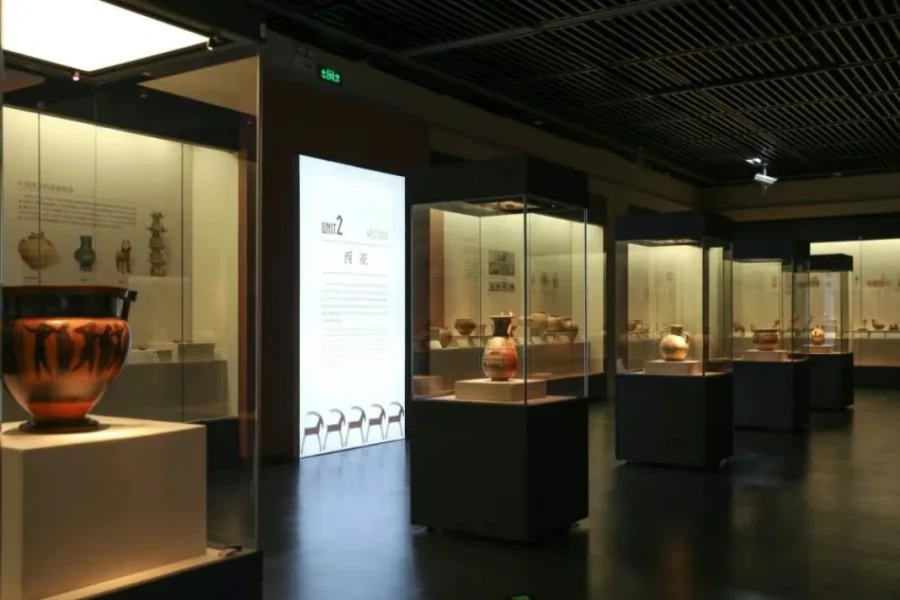
- The "Ancient Shenzhen" exhibition hall: Reconstructing the past of this "frontier town"
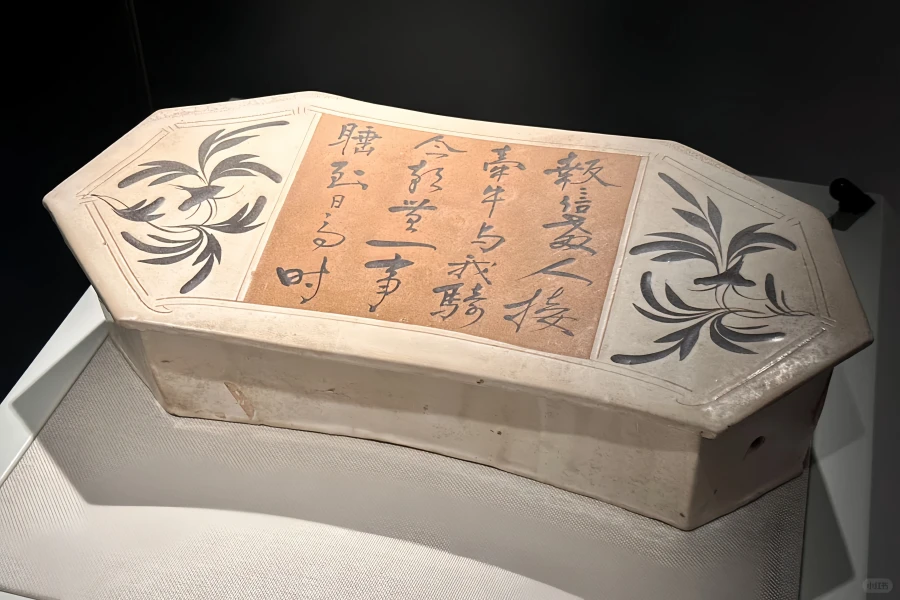
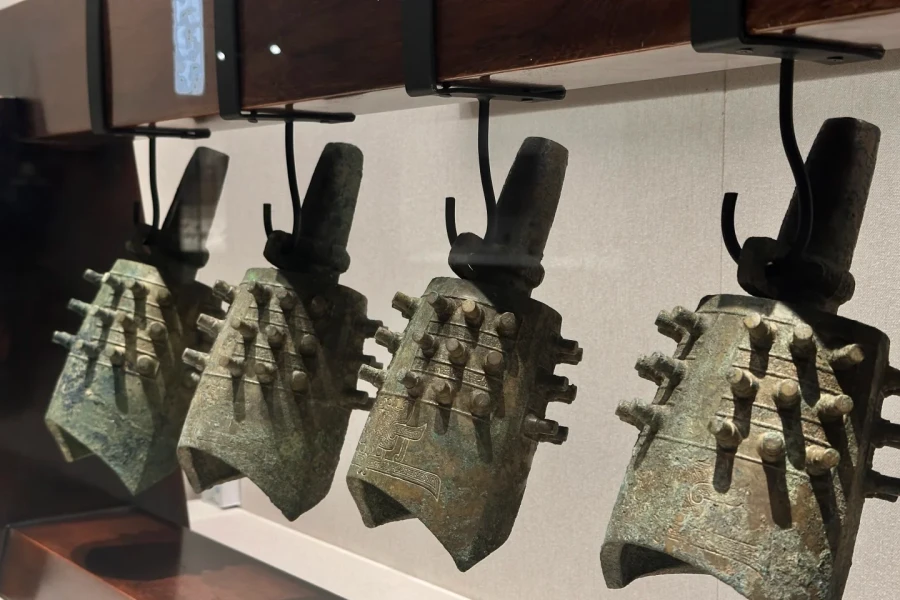
This place completely overturns the prejudice that "Shenzhen has no history." Neolithic painted pottery and stone tools unearthed at the Xiantouling site prove that as early as 7,000 years ago, the ancestors of Shenzhen had already created a brilliant maritime civilization here. Artifacts from the Wubeiling Shang Dynasty tombs, as well as those unearthed from the Nantou Ancient City and Dapeng Fortress, clearly outline Shenzhen's historical trajectory from the Qin and Han Dynasties to the Ming and Qing Dynasties, serving as a crucial coastal defense stronghold and an important node on the Maritime Silk Road. Those simple pottery pieces and rusty cannon barrels are silent testimonies to the ancient soul of this land.
- The Modern Shenzhen Exhibition Hall: A Century of Tumultuous Change
From the smoke of the Opium War to the tragic Battle of Kowloon; from the anti-Qing uprising led by Sun Yat-sen to the anti-Japanese war waged by the East River Column, the exhibition vividly recreates Shenzhen's century-long history of struggle for national salvation and survival through a wealth of precious historical photographs, documents, and artifacts. This provides the historical foundation for understanding the pioneering spirit of the people of Shenzhen.
- The "History of Shenzhen's Reform and Opening Up" Exhibition Hall: A "City March" with One Climax After Another
This is the only exhibition hall in the country that systematically showcases the history of reform and opening up, and it is also the essence and climax of the entire museum. From the old plaque of "Bao'an County" and a replica of the "first hammer" at a land auction, to precious footage of the opening of the stock market, and to early products from companies such as Huawei and Tencent... it uses immersive scene restoration, a vast collection of artifacts, and multimedia to vividly recount that magnificent and earth-shattering era. Standing here, you can personally feel the fervent temperature and surging heartbeat of that time.
- Shenzhen Folk Culture Exhibition Hall: Cultural Roots Amidst the Everyday Life
The exhibition hall recreates the traditional life scenes of the two major ethnic groups, the Cantonese and Hakka, in Shenzhen: straw hats, walled villages, unicorn dance, Shatoujiao fish lantern dance, Hakka folk songs... The display of these intangible cultural heritages provides a warm cultural foundation for the city's rapid development and answers the profound question of "where do Shenzhen people come from".
Spatial Art – Architecture Itself is an Exhibit
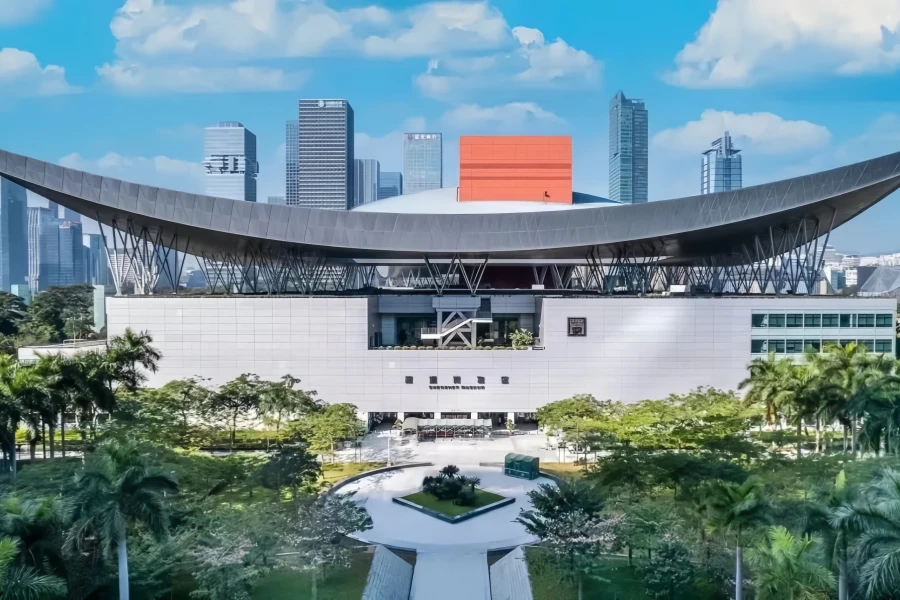
The architecture and exhibition design of the museum itself convey Shenzhen's philosophy.
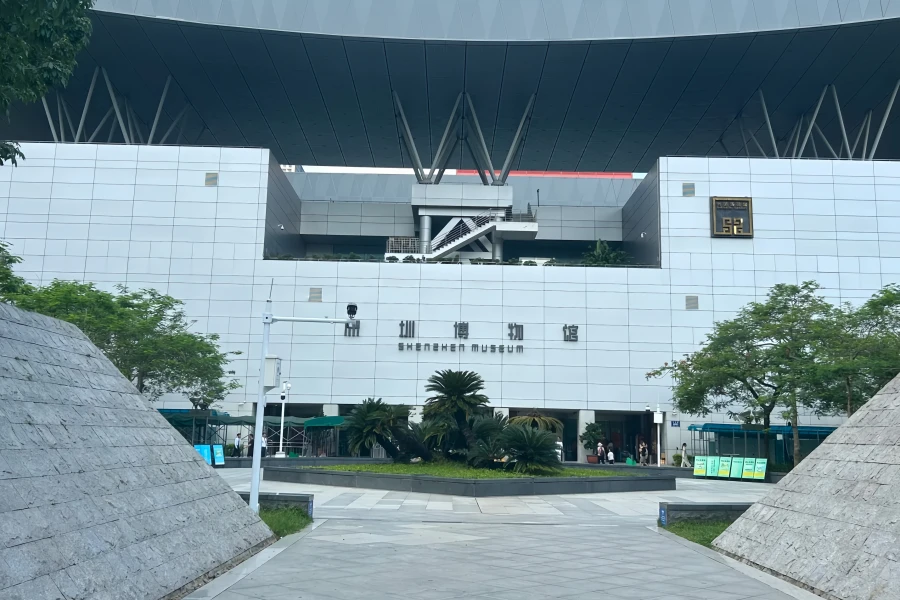
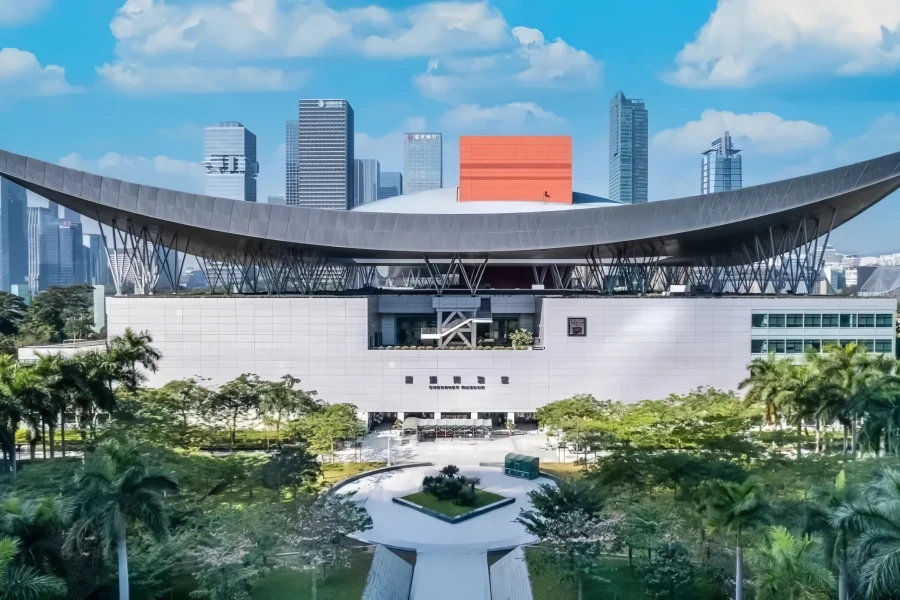
- Shenzhen History and Folklore Museum (Civic Center Branch): Its architecture is integrated with the Civic Center, with a grand atrium and smooth visitor flow, symbolizing Shenzhen's open, inclusive, and efficient urban character. The permanent exhibition has a clear narrative logic and appropriate integration of technology, reflecting Shenzhen's modernity and storytelling ability.
- Ancient Art Museum (Tongxin Road Branch): The renovated venue itself is an ultimate modern art installation. A pure white, minimalist circular atrium, three sightseeing elevators encased in silver capsule shells slowly ascending and descending, and a spiraling exhibition corridor forming a futuristic geometric aesthetic. Here, viewing the exhibitions and being viewed are equally enjoyable, making it a paradise for photography enthusiasts.
Photography Tips:
Best vantage points: The atrium of the Ancient Art Museum is the heart of architectural aesthetics photography, offering opportunities to capture the dynamic movement of the elevators and the static beauty of the spiral structure. Scenes such as the time tunnel at the entrance of the "History of Reform and Opening Up" exhibition hall and the restored "Dajiale Stage" are suitable for creative documentary photography.
Golden hours: The mornings after opening or the hour before closing on weekdays are relatively quiet, offering a cleaner and more enjoyable visiting and photography experience. The light and shadow in the ancient art museum's atrium changes throughout the day, with the best light in the afternoon.
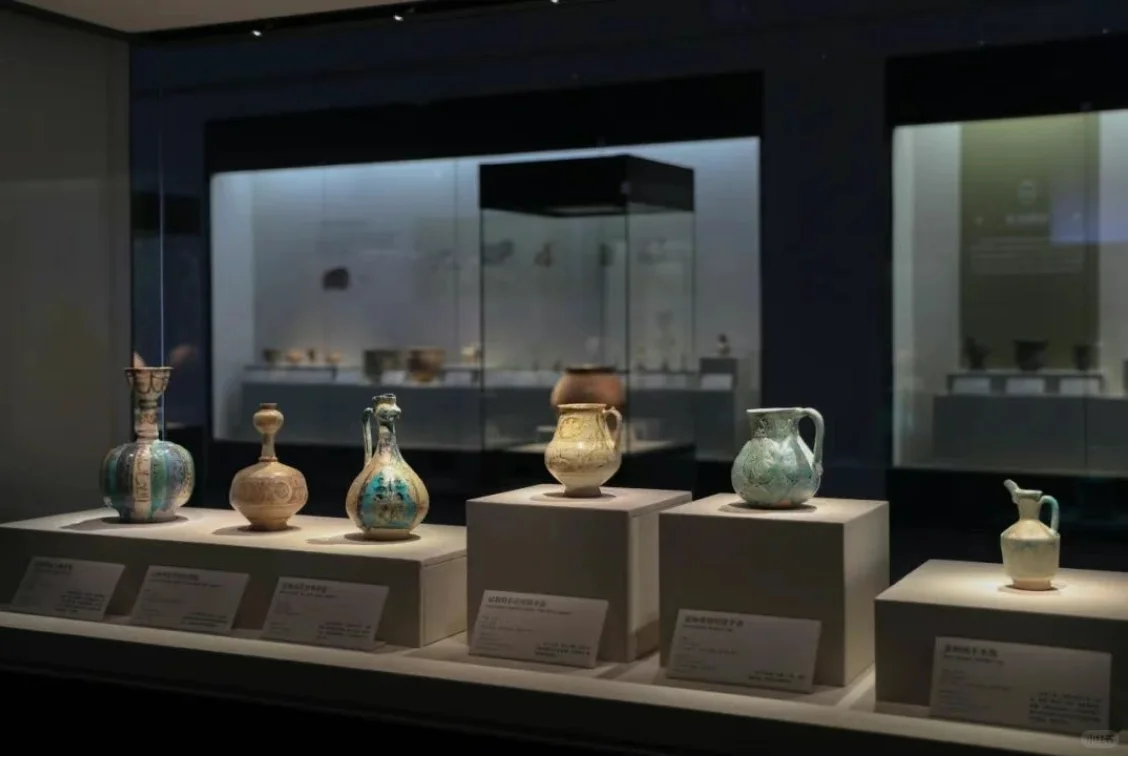
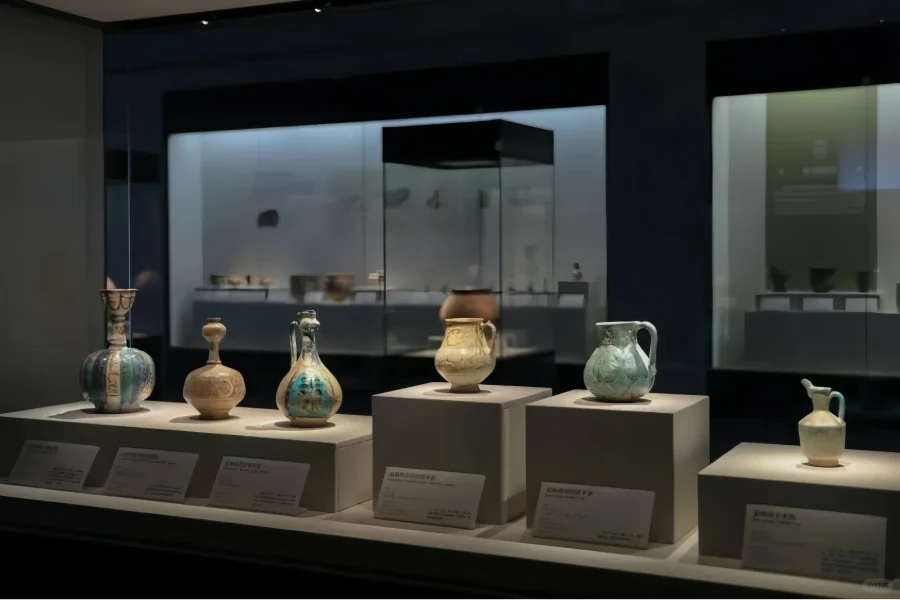
Still life photography: Please turn off the flash when photographing cultural relics. Some exhibition halls allow photography without a tripod. You can focus on capturing cultural relics with strong temporal contrasts, such as ancient pottery juxtaposed with modern electronic chips.