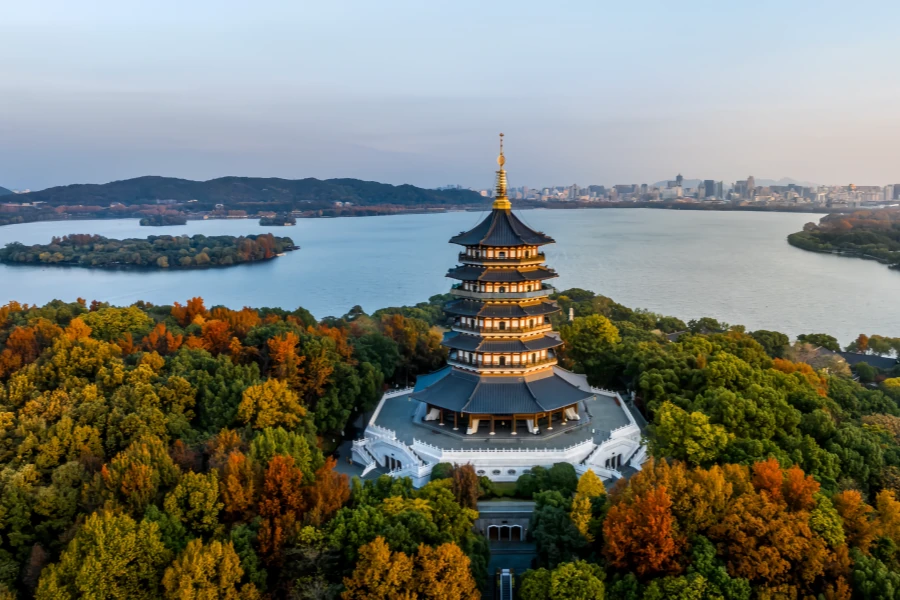
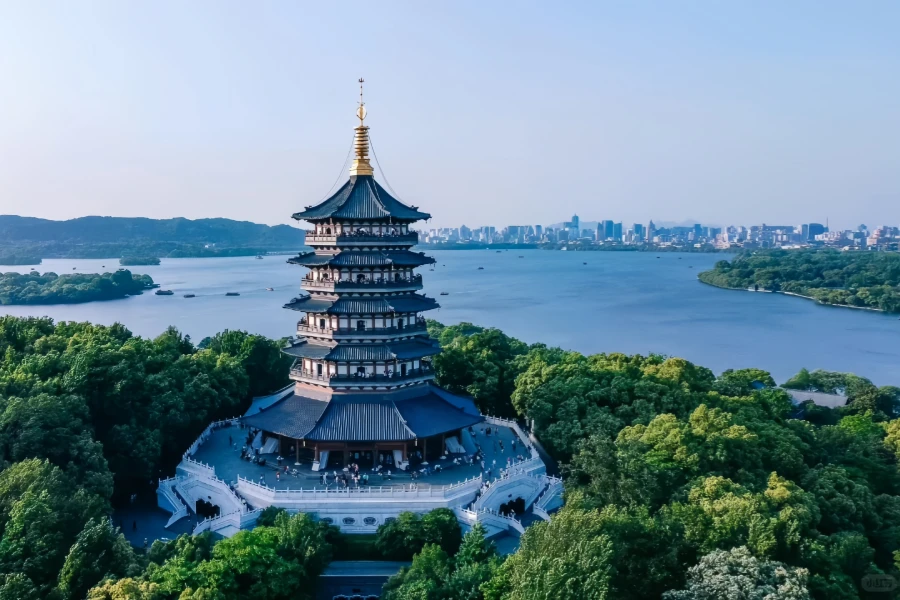
Nature's Creation—The Ultimate Frame for Lakes and Mountains
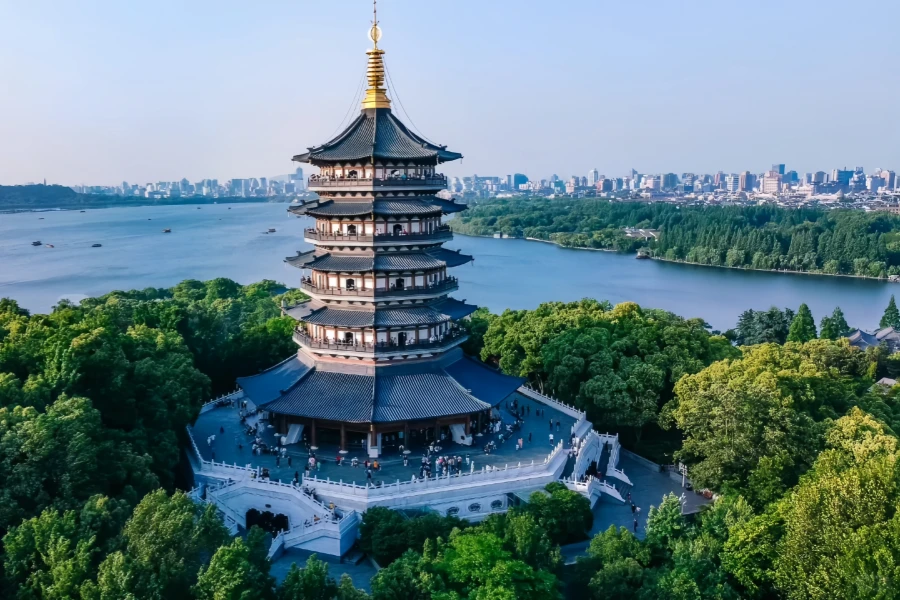
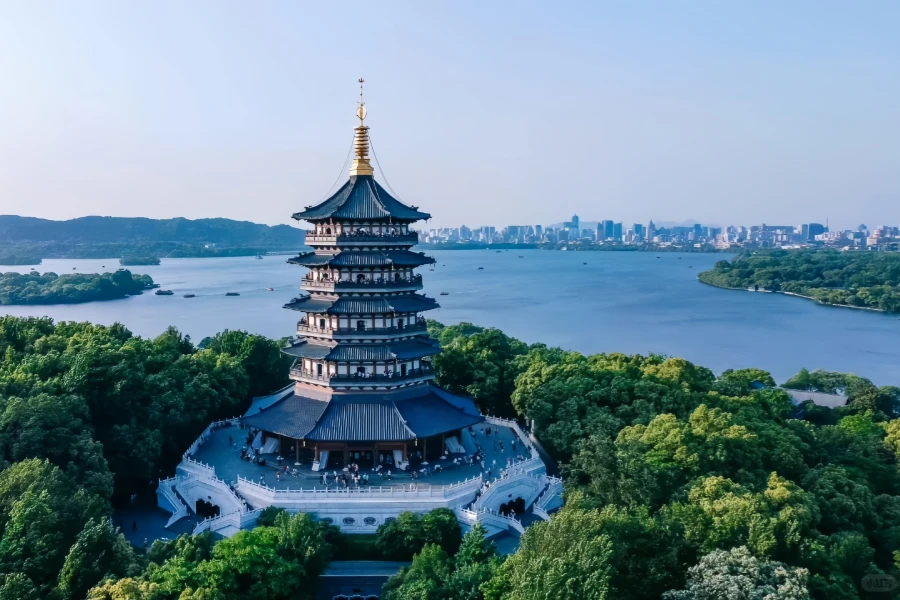
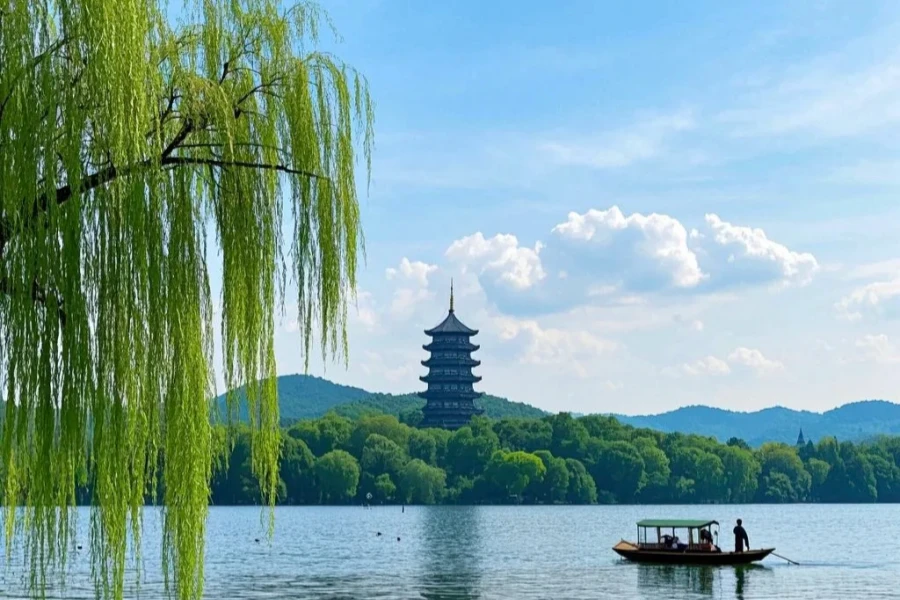
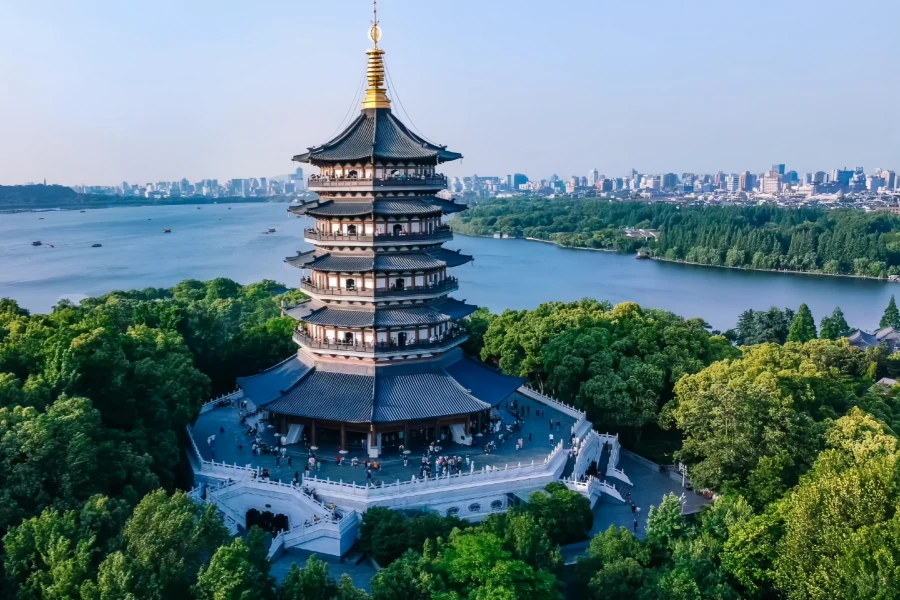
Leifeng Pagoda itself is an excellent stage for appreciating the natural beauty of West Lake.
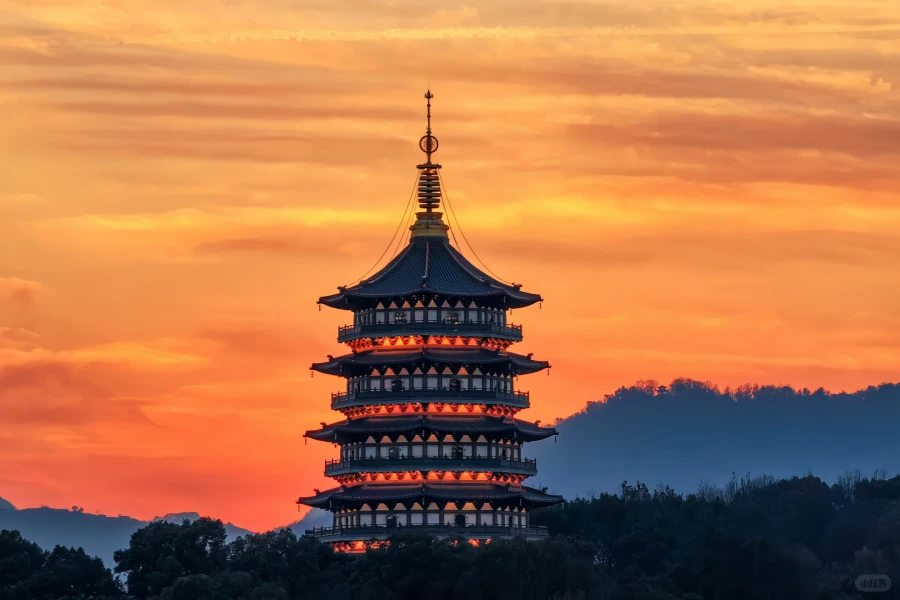
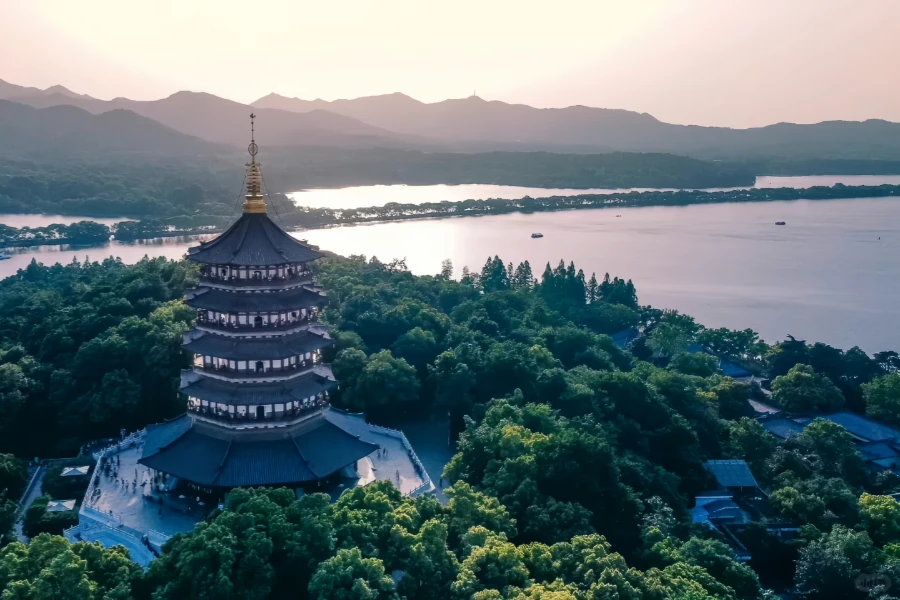
Leifeng Pagoda at Sunset: The Golden Hour of Light and Shadow
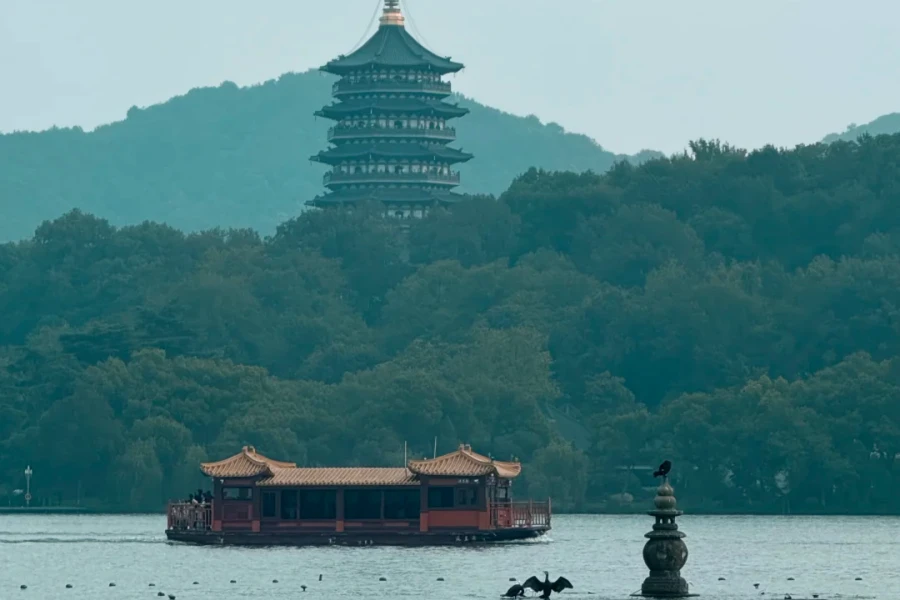
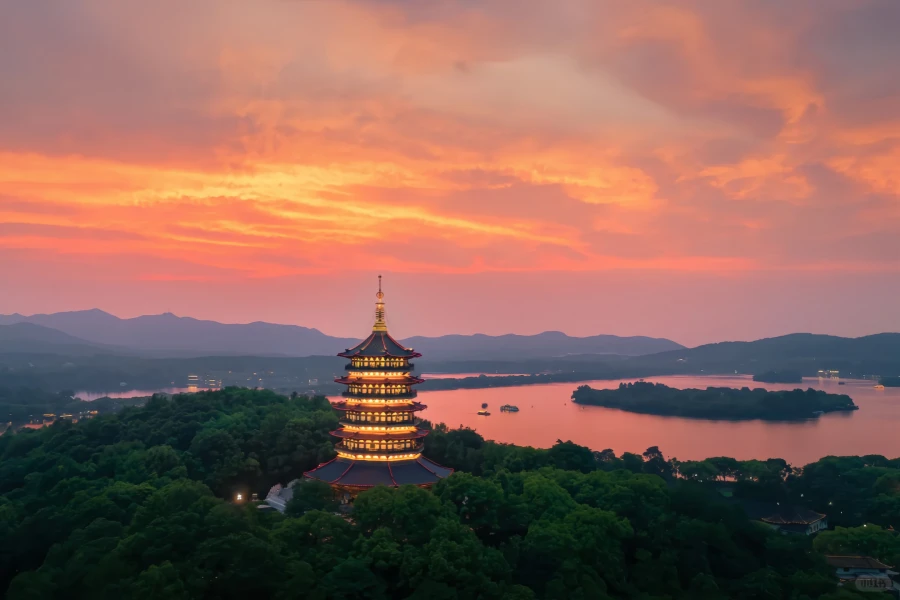
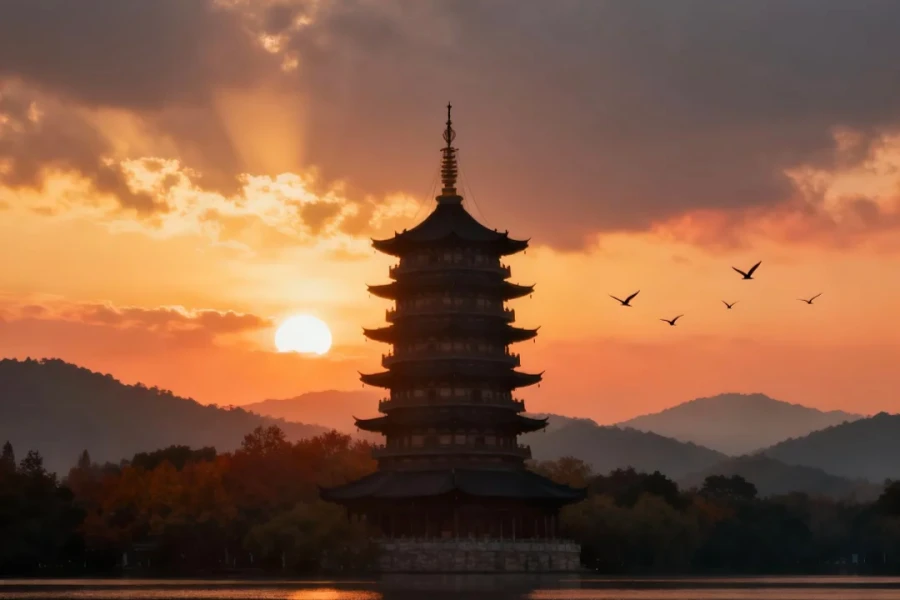
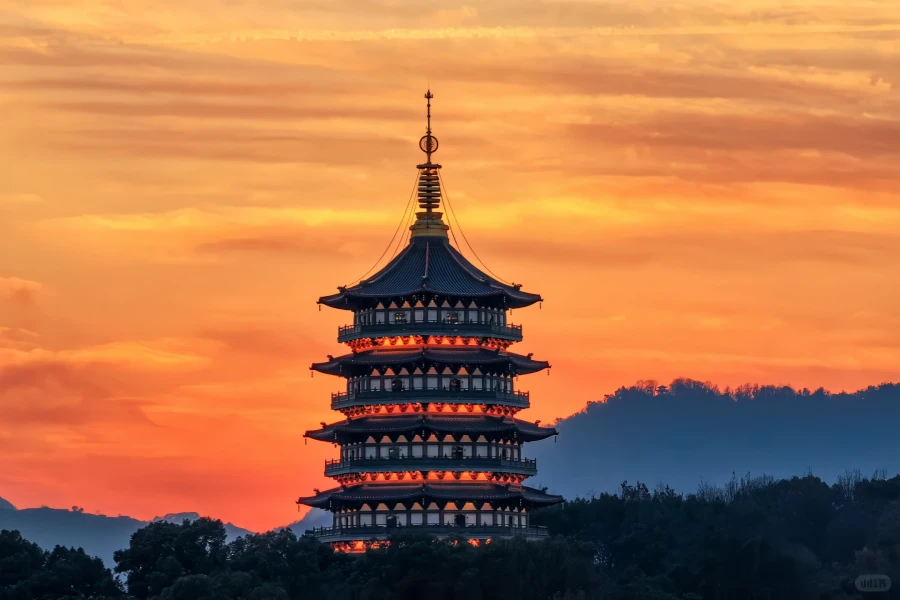
This is the soul of Leifeng Pagoda. Every evening at sunset, the afterglow bathes the bronze pagoda in golden light, reflecting off the shimmering lake and the distant green hills and city walls, creating a warm and magnificent scene. The best vantage point isn't at the pagoda's base, but rather in the Changqiao Park or the area around the Dongpu Bridge on the Su Causeway across the lake. A clear evening is the perfect time to experience the essence of this view.
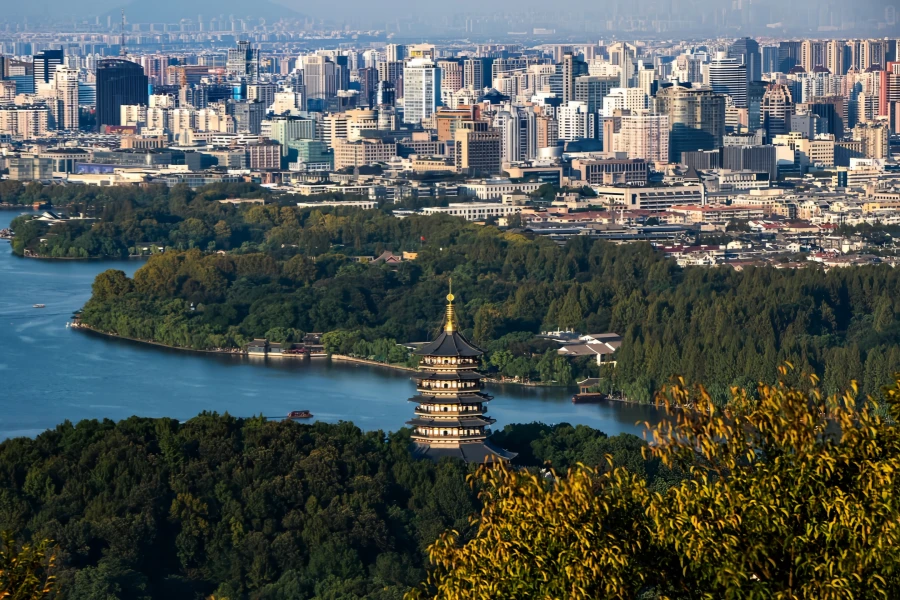
Climbing to a high vantage point: A bird's-eye view of West Lake
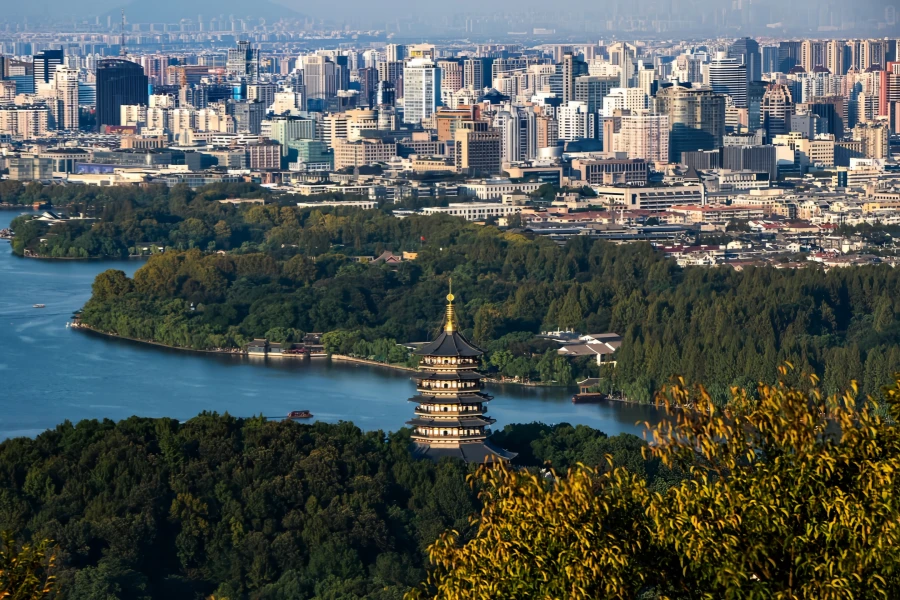
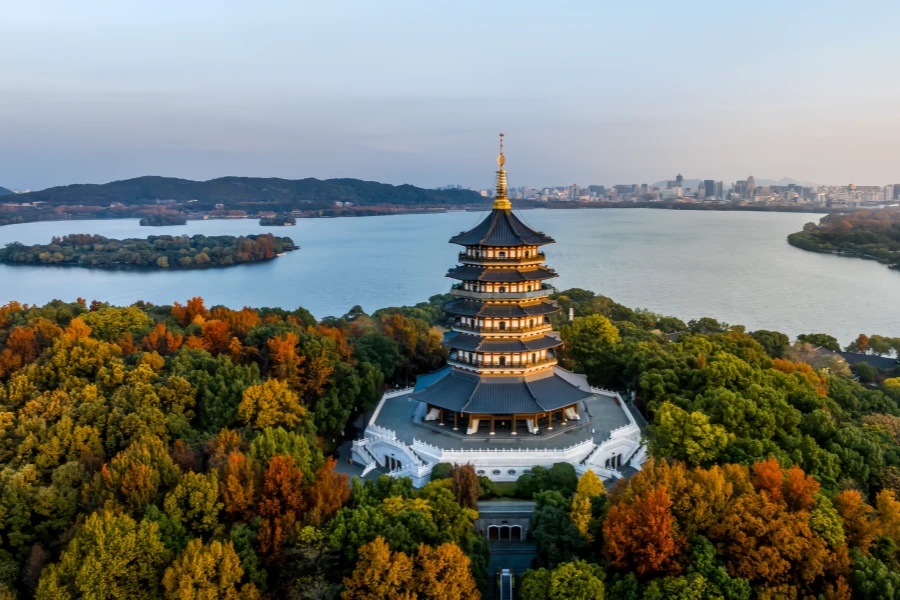
Climbing to the top of the tower's observation deck, a panoramic view of West Lake unfolds before you. To the north, you can clearly see the classic layout of "one lake reflecting two pagodas" (Baochu Pagoda), with the Su Causeway and Bai Causeway flowing like ribbons on the azure water; to the east, you can see the modern skyline of Hangzhou; and to the west, you can see the verdant mountains. This is the best place to understand the overall layout of West Lake, which is "surrounded by mountains on three sides and the city on one side."
Humanistic Ingenuity: Contemporary Inheritance of Ruins, Bronze Sculptures, and Painted Decorations
The newly built Leifeng Pagoda is a "pagoda within a pagoda," and its interior design ingeniously integrates the functions of site protection, cultural display, and tourism.
Millennium-Old Ruins Area: A Frozen Historical Site
Beneath the transparent glass floor at the base of the pagoda lies the original brick foundation of Leifeng Pagoda. Visitors can walk on it to observe the ancient bricks and remaining foundation structure up close, directly experiencing the weight and vicissitudes of history.
Underground Palace Treasures and Ashoka Stupa
At the heart of the site, the stunning discoveries of the 2000-year archaeological excavation are on display—the underground palace of Leifeng Pagoda. Dozens of precious artifacts were unearthed, including a pure silver Ashoka stupa, a gilded bronze Buddha statue, bronze mirrors, jade objects, and silk textiles. The gilded silver Ashoka stupa, in particular, houses a relic of Buddha's hair, considered the highest testament to the Wuyue Kingdom's devotion to Buddhism.
Colored bronze sculptures and Dongyang wood carvings: an art gallery telling legends
The new pagoda extensively uses copper components both inside and out, making it China's first colored copper sculpture pagoda. Inside the pagoda is a Dongyang woodcarving exhibition hall depicting the story of the White Snake. Using exquisite carving techniques, the exhibition vividly recreates the entire legend in eight scenes: "Yearning for the Mortal World at the Grand Gathering," "Borrowing an Umbrella in the Rain," "Reappearing on the Dragon Boat Festival," "Stealing the Herb from Kunlun," "Flooding Jinshan Temple," "Meeting at the Broken Bridge," "Imprisoned Inside the Pagoda," and "Reunion After the Pagoda is Broken."
Cultural displays on floors two through four:
Through murals, documents, old photographs, and other forms, the entire process of the construction, rise and fall of Leifeng Pagoda throughout history, its cultural influence, and its reconstruction is presented, like a three-dimensional history book.
Photography Tips:
Classic "Sunset" Spot: The long bridge is an excellent location for photographing Leifeng Pagoda and its reflection in the sunset. You can use the bridge arches or peach and willow trees as foreground.
Panoramic framing: Using a wide-angle lens at the top of the tower, you can capture a magnificent group photo of West Lake, the city, and the tower itself.
The beauty of details: Focus on the bronze brackets and bas-reliefs on the tower body, or the vivid scenes depicted in the wood carvings inside the tower.
The tower is brightly lit at night and its reflection is in the lake. The view from the west bank of the lake is particularly dazzling.